
8 Key Updates Every Dog Day Care Report Card Must Include
Picture this: A worried pet parent drops off their beloved furry companion at daycare, hoping for the best but wondering all day how their dog is doing. When they return for pickup, they’re handed a generic slip of paper with barely any information about their pet’s day. This scenario happens far too often, leaving pet owners frustrated and daycare facilities missing opportunities to build trust and demonstrate their professional care standards.
The 8 Key Updates Every Dog Day Care Report Card Must Include have become essential tools for modern pet care facilities in 2026. These comprehensive reports bridge the communication gap between caregivers and pet parents, ensuring transparency, building confidence, and creating a professional standard that sets quality daycare facilities apart from the competition. Understanding what information must be included in these daily reports can transform how pet parents perceive the care their dogs receive and significantly impact a daycare’s reputation and client retention.
Key Takeaways
- Essential pet identification and health information forms the foundation of every professional dog daycare report card
- Detailed behavioral observations and activity tracking provide valuable insights into a dog’s daily experience and development
- Health monitoring and feeding records ensure pet safety and help owners maintain consistent care routines
- Professional ratings and staff recommendations offer actionable feedback for continued pet development and care improvement
- Comprehensive documentation builds trust between daycare facilities and pet parents while establishing professional credibility
Understanding the Importance of Comprehensive Dog Daycare Reports
Dog daycare report cards serve as vital communication tools that extend far beyond simple check-ins. These documents create accountability, demonstrate professional standards, and provide pet parents with peace of mind about their dog’s daily experiences. In 2026, pet owners expect detailed information about their companions’ activities, health status, and behavioral progress.
Professional daycare facilities recognize that thorough reporting distinguishes them from competitors and builds lasting relationships with clients. Quality report cards also serve as legal documentation of care provided and can protect facilities from potential liability issues while showcasing their commitment to animal welfare.
The evolution of pet care expectations means that basic “your dog had a good day” notes no longer suffice. Modern pet parents want specific details about socialization, exercise, eating habits, and any notable behaviors or concerns that arose during their pet’s stay.
1. Complete Pet Identification and Contact Information
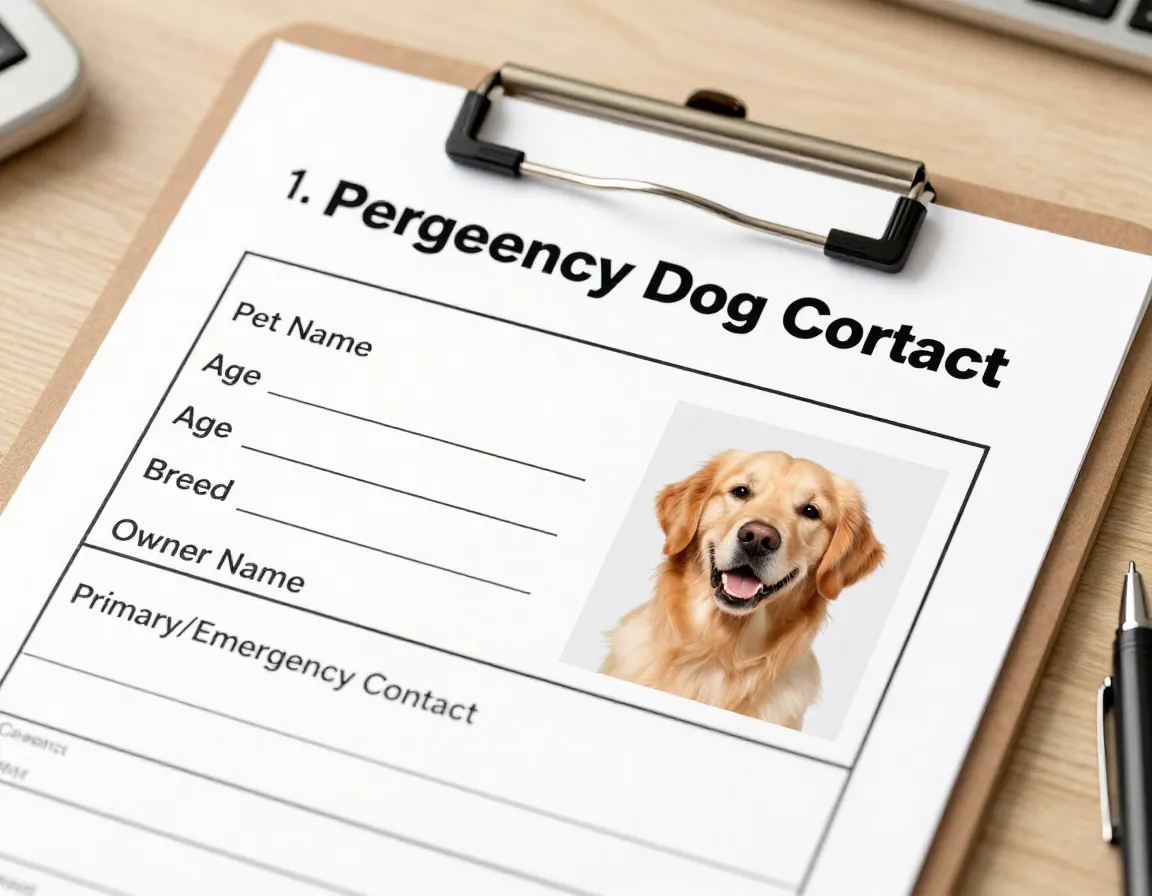
The foundation of any professional dog daycare report begins with comprehensive identification details. This section must include the pet’s name, age, breed, and owner contact information[1]. While this information might seem obvious, accurate documentation prevents mix-ups and ensures proper care protocols are followed for each individual animal.
Beyond basic identification, this section should include:
- Primary and emergency contact numbers
- Pickup authorization details
- Preferred communication methods
- Special identification notes (unique markings, collar descriptions)
Professional facilities often include a recent photo of the pet to eliminate any confusion during busy pickup times. This attention to detail demonstrates organizational skills and commitment to individualized care that pet parents highly value.
Emergency contact information proves especially crucial during unexpected situations. Having immediate access to multiple contact methods ensures rapid communication when time-sensitive decisions about pet care become necessary.
2. Vaccination Status and Complete Health History

Health documentation represents one of the most critical components among the 8 Key Updates Every Dog Day Care Report Card Must Include. This section must contain current vaccination status and health history[1][5] to ensure the safety of all animals in the facility and maintain compliance with local regulations.
Essential health information includes:
| Health Component | Required Details |
|---|---|
| Vaccinations | Current dates, next due dates, veterinarian information |
| Medical Conditions | Ongoing treatments, medication schedules, special needs |
| Emergency Protocols | Veterinary contacts, authorized treatments, insurance information |
| Health Observations | Daily wellness checks, appetite changes, energy levels |
Regular health monitoring throughout the day allows staff to identify potential issues early and communicate concerns to pet parents promptly. Documentation of any health changes observed during daycare hours provides valuable information for veterinary visits and ongoing health management.
Professional facilities maintain detailed health records that track patterns over time, helping identify subtle changes that might indicate developing health concerns. This proactive approach to health monitoring demonstrates exceptional care standards and professional responsibility.
3. Detailed Behavioral Observations and Social Interactions
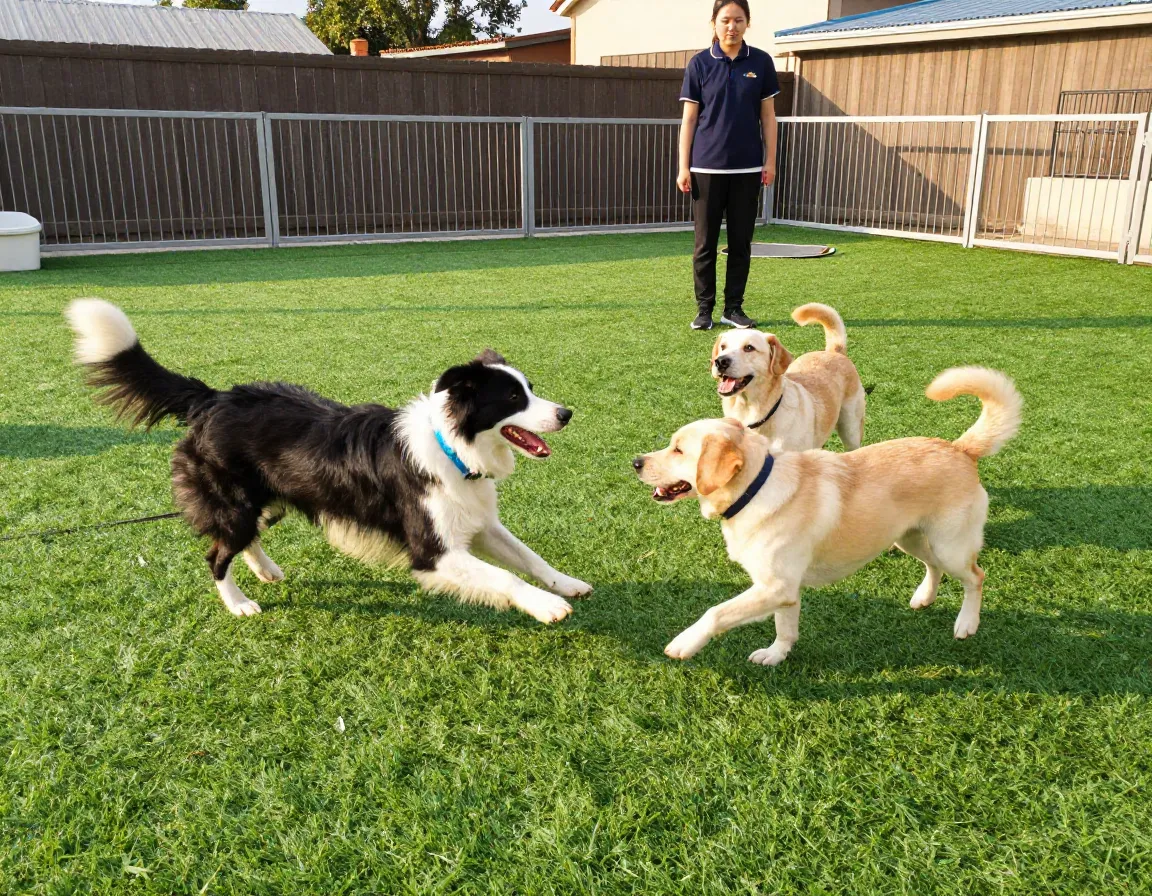
Behavioral documentation provides invaluable insights into a dog’s personality, social skills, and overall well-being. The behavioral observations including socialization, energy level, and focus[2] offer pet parents understanding of their dog’s development and social growth within the daycare environment.
Comprehensive behavioral reporting should include:
- 🐕 Social interaction quality with other dogs
- 🎾 Play style preferences and activity choices
- 👥 Staff interaction levels and response to guidance
- ⚡ Energy levels throughout the day
- 🧠 Focus and attention span during activities
- 😰 Stress indicators or anxiety behaviors
- 🏆 Positive behaviors and achievements
Professional staff members trained in canine behavior can provide meaningful observations that help pet parents understand their dog’s social development and identify areas for potential training focus. These insights prove especially valuable for puppies learning social skills or rescue dogs adjusting to new environments.
“Detailed behavioral observations help pet parents understand their dog’s unique personality and social development, creating opportunities for targeted training and improved well-being.”
Consistent behavioral tracking over time reveals patterns that can inform training decisions and help identify the most effective approaches for each individual dog’s needs and personality.
4. Medical Conditions, Allergies, and Special Care Instructions
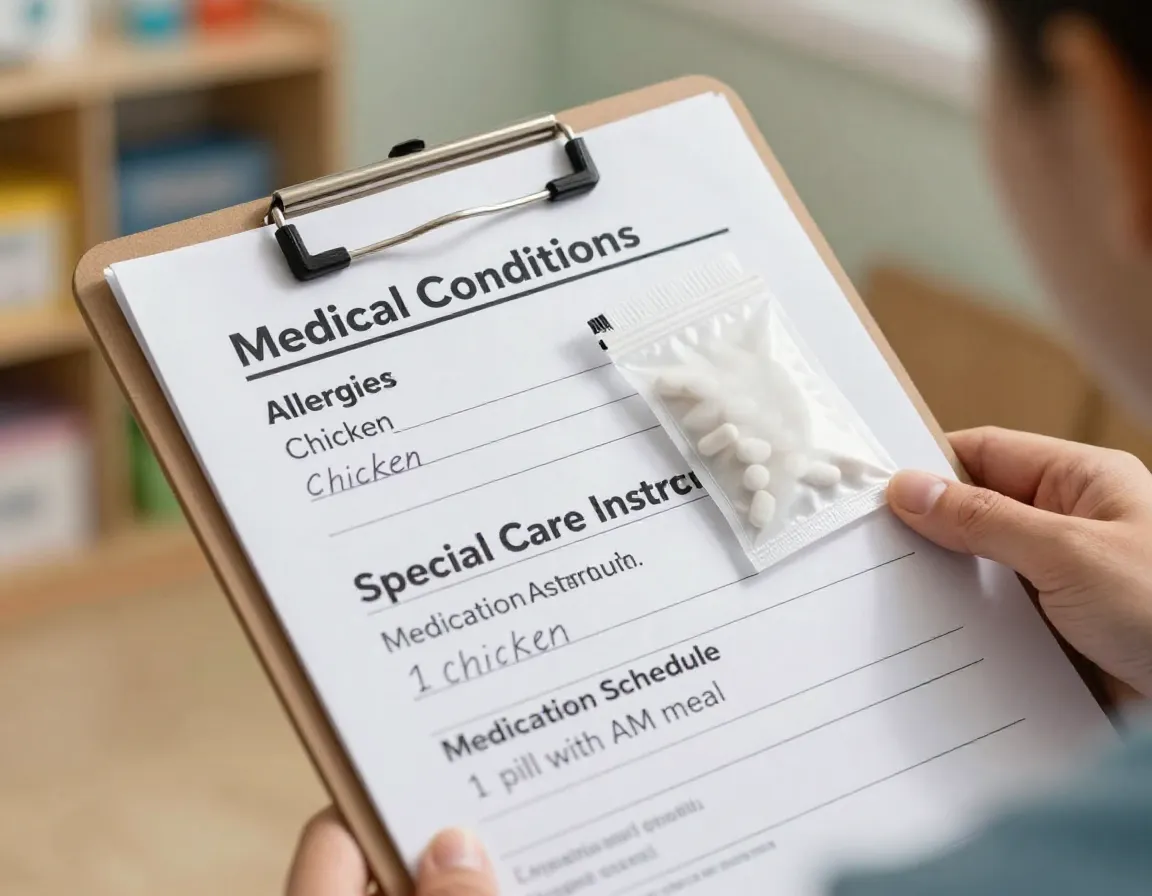
Documentation of allergies, medical conditions, and special care instructions[1] ensures consistent, safe care throughout the daycare experience. This information protects pets from potentially dangerous situations and demonstrates the facility’s commitment to individualized attention and professional care standards.
Critical medical documentation includes:
Allergy Information:
- Food allergies and dietary restrictions
- Environmental allergens (grass, pollen, cleaning products)
- Medication allergies and adverse reactions
- Emergency treatment protocols
Medical Conditions:
- Chronic conditions requiring ongoing management
- Temporary health issues and recovery protocols
- Medication administration schedules and dosages
- Monitoring requirements and warning signs
Special Care Instructions:
- Exercise limitations or modifications
- Handling preferences and sensitivities
- Comfort items and stress reduction techniques
- Emergency response procedures
Professional facilities create detailed care plans for each pet with special needs, ensuring all staff members understand specific requirements and can provide consistent, appropriate care throughout the day.
5. Activities, Exercises, and Enrichment Programs Completed
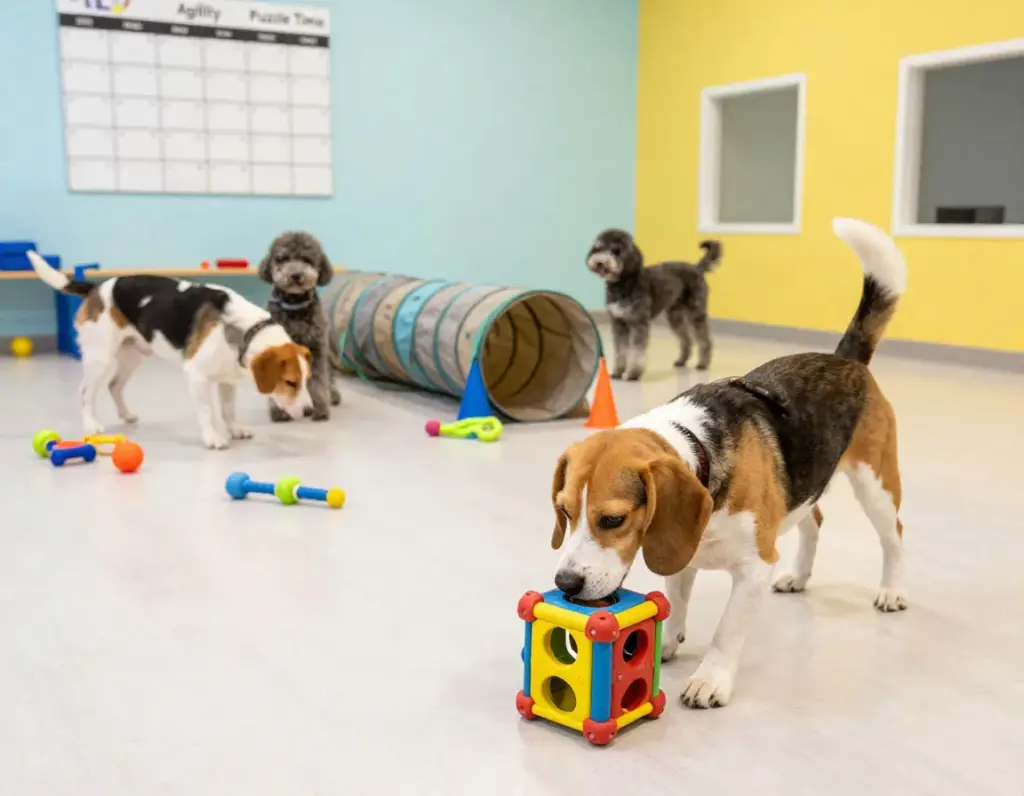
Activity documentation showcases the quality and variety of experiences provided during daycare hours. Recording activities and exercises completed during the session[2] demonstrates the facility’s commitment to physical fitness, mental stimulation, and overall pet enrichment.
Comprehensive activity reporting should detail:
Physical Activities:
- 🏃♂️ Exercise duration and intensity levels
- 🎾 Specific games and play activities
- 🏊♂️ Swimming or water play participation
- 🚶♂️ Walking routes and outdoor time
Mental Enrichment:
- 🧩 Puzzle toys and problem-solving activities
- 🎓 Training sessions and skill development
- 🔍 Scent work and exploration games
- 🎵 Sensory experiences and new environments
Social Activities:
- 👥 Group play sessions and interactions
- 🤝 One-on-one staff attention time
- 🎉 Special events or themed activities
- 🏆 Achievement celebrations and positive reinforcement
Detailed activity logs help pet parents understand how their dog’s energy is channeled throughout the day and provide insights into preferred activities that can be continued at home. This information supports consistent enrichment and helps maintain optimal physical and mental health.
6. Professional Ratings and Assessment Scores
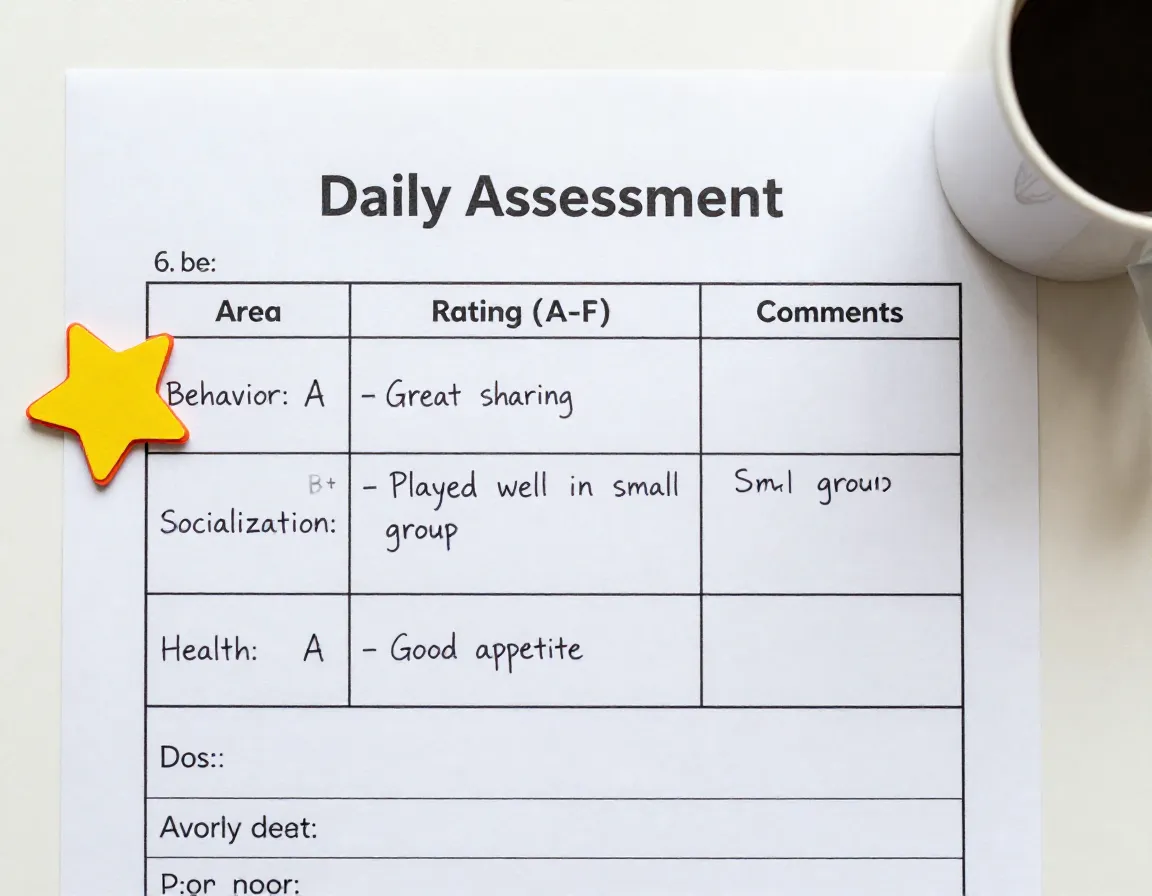
Standardized rating systems provide objective measures of a dog’s daily performance and progress. Ratings for grooming, behavior, and health using letter grades or numerical scales[1][2] create consistent evaluation methods that pet parents can easily understand and track over time.
Professional rating categories typically include:
| Assessment Area | Rating Scale | Key Factors |
|---|---|---|
| Behavior | A-F or 1-10 | Social skills, obedience, cooperation |
| Health | A-F or 1-10 | Energy levels, appetite, physical condition |
| Grooming | A-F or 1-10 | Cleanliness, coat condition, nail length |
| Socialization | A-F or 1-10 | Interaction quality, play behavior |
| Training | A-F or 1-10 | Command response, learning progress |
Consistent rating systems allow facilities to track improvement over time and identify areas where additional attention or training might benefit the pet. These objective measures also help staff maintain consistent evaluation standards across different team members.
Rating explanations should accompany scores to provide context and specific examples of behaviors that influenced the assessment. This detailed feedback helps pet parents understand their dog’s strengths and areas for development.
7. Potty Breaks, Feeding Schedules, and Daily Routine Tracking
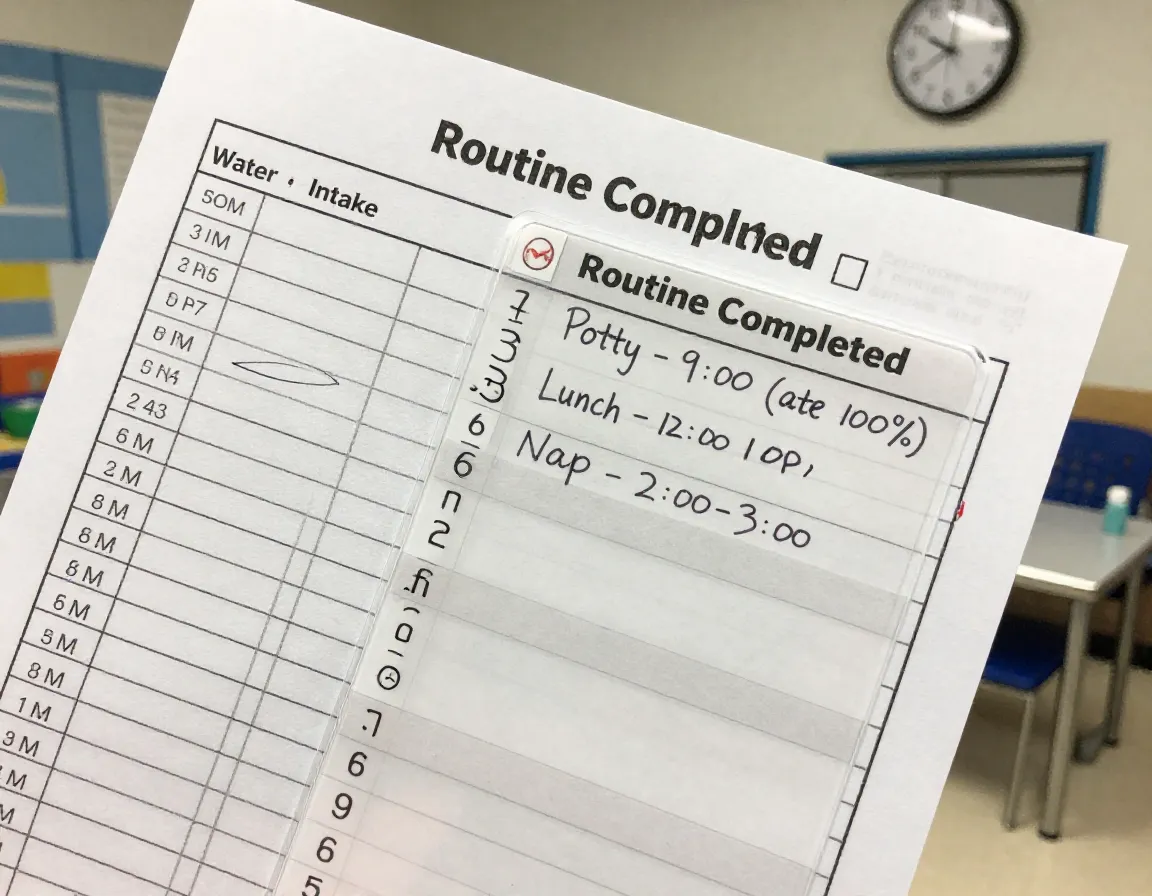
Monitoring basic care needs demonstrates attention to fundamental pet welfare requirements. Documentation of potty breaks and eating habits during the service[7] provides essential information for maintaining consistent routines and identifying potential health concerns early.
Essential routine tracking includes:
Potty Break Documentation:
- 🕐 Frequency and timing of bathroom breaks
- ✅ Success rates and any accidents
- 💧 Hydration levels and water consumption
- 🚨 Any digestive concerns or irregularities
Feeding Information:
- 🍽️ Meal times and portion consumption
- 🥘 Appetite levels and food preferences
- 🍖 Treat distribution and training rewards
- 🤢 Any feeding difficulties or concerns
Daily Routine Adherence:
- 😴 Rest periods and sleep quality
- 🎯 Schedule consistency and adaptability
- 📋 Special routine requirements
- ⏰ Timing of various care activities
Detailed routine tracking helps maintain consistency between home and daycare environments, reducing stress and supporting healthy habits. This information also provides valuable data for veterinary consultations and helps identify patterns that might indicate health changes.
8. Staff Recommendations and Improvement Suggestions
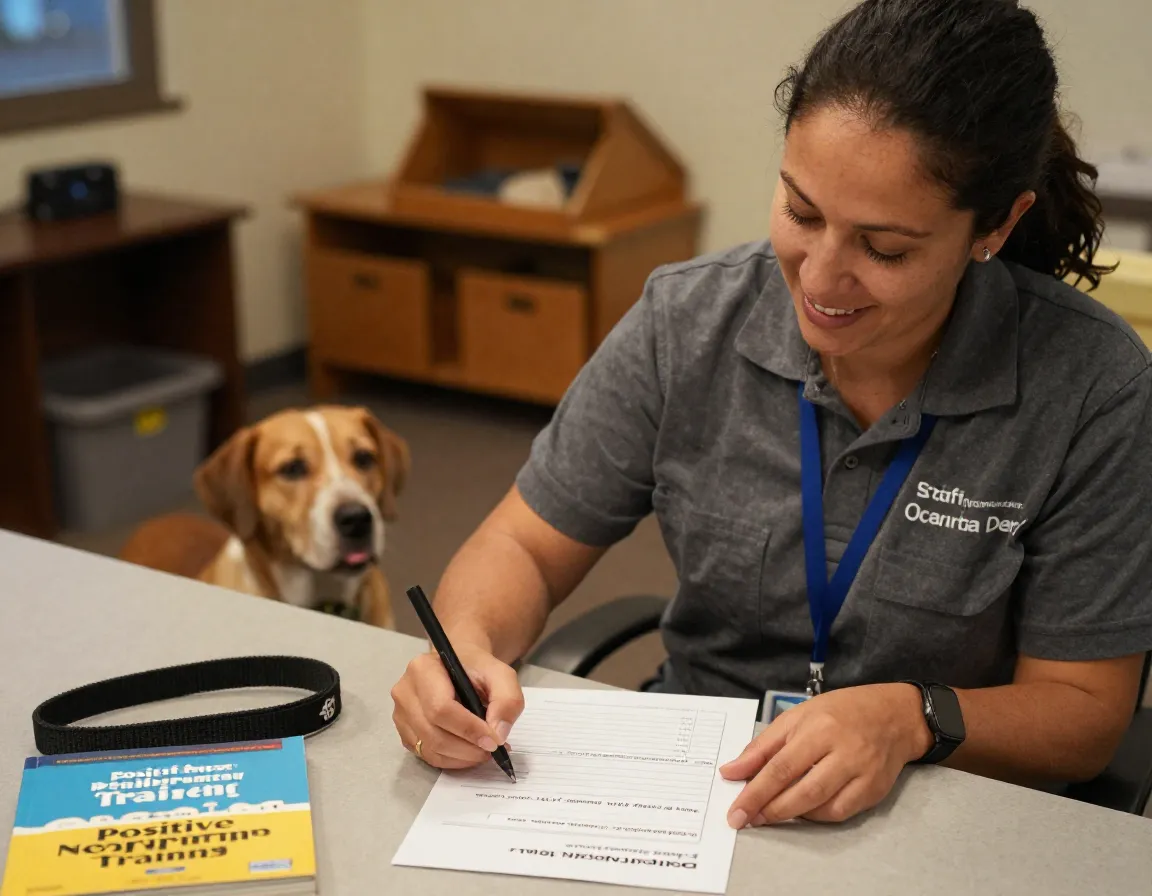
Professional recommendations complete the comprehensive approach that defines the 8 Key Updates Every Dog Day Care Report Card Must Include. Recommendations for care improvement or training focus[1] demonstrate expertise and provide actionable guidance for continued pet development.
Effective recommendation sections should include:
Training Recommendations:
- 🎓 Specific skills to practice at home
- 🏆 Positive reinforcement techniques
- 📚 Training resources and class suggestions
- 🎯 Behavioral goals and milestones
Care Improvements:
- 🏠 Home environment modifications
- 🍎 Nutritional suggestions and dietary changes
- 🏃♂️ Exercise routine adjustments
- 🧘♀️ Stress reduction techniques
Professional Services:
- 🩺 Veterinary consultation recommendations
- ✂️ Grooming service suggestions
- 🎓 Specialized training program referrals
- 🤝 Socialization opportunities
Notes from staff on progress and trainer recommendations for continuity of care[2] ensure that insights gained during daycare hours contribute to the pet’s overall development and well-being. These professional observations leverage the expertise of trained staff members to benefit pet parents and their companions.
“Professional recommendations transform daily observations into actionable guidance that supports continuous improvement in pet care and development.”
Implementing Comprehensive Report Cards in Your Facility
Creating effective report card systems requires careful planning and staff training to ensure consistency and quality. Professional facilities invest in standardized templates and documentation procedures that streamline the reporting process while maintaining thoroughness and accuracy.
Technology integration can significantly improve report card efficiency and quality. Digital platforms allow for photo inclusion, real-time updates, and automated reminders for staff to complete required sections. Many modern facilities use mobile apps that enable instant documentation and immediate communication with pet parents.
Staff training programs ensure that all team members understand the importance of detailed documentation and possess the skills necessary to provide meaningful observations and recommendations. Regular training updates keep staff current on best practices and maintain consistent quality standards.
Quality control measures, including supervisor reviews and feedback systems, help maintain high standards and identify areas for improvement in documentation practices. Regular assessment of report card effectiveness through client feedback ensures that these tools continue meeting pet parent expectations and facility goals.
Building Trust Through Transparent Communication
Comprehensive dog daycare report cards represent far more than administrative requirements—they demonstrate a facility’s commitment to transparency, professionalism, and exceptional pet care. The 8 Key Updates Every Dog Day Care Report Card Must Include create a foundation for trust between caregivers and pet parents while establishing standards that benefit the entire pet care industry.
Professional documentation practices protect both facilities and clients by creating clear records of care provided and observations made during daycare hours. These detailed reports also support continuity of care by ensuring that important information transfers seamlessly between different staff members and care providers.
Investment in quality reporting systems pays dividends through improved client satisfaction, reduced liability concerns, and enhanced professional reputation. Facilities that prioritize comprehensive communication often experience higher client retention rates and increased referrals from satisfied pet parents.
Conclusion
The 8 Key Updates Every Dog Day Care Report Card Must Include represent essential components of professional pet care communication in 2026. From complete identification and health documentation to detailed behavioral observations and professional recommendations, these elements work together to create comprehensive reports that serve both practical and relationship-building purposes.
Professional dog daycare facilities that implement thorough reporting systems demonstrate their commitment to transparency, accountability, and exceptional care standards. These detailed communications build trust with pet parents, support continuity of care, and contribute to the overall health and development of the animals in their charge.
Take action today by evaluating your current reporting practices against these eight essential components. Identify areas for improvement and develop implementation plans that will enhance your facility’s communication standards and client satisfaction levels.
Next steps include:
- Reviewing existing report card templates for completeness
- Training staff members on comprehensive documentation practices
- Implementing technology solutions to streamline reporting processes
- Establishing quality control measures to maintain consistency
- Gathering client feedback to ensure reports meet pet parent expectations
By prioritizing comprehensive communication through detailed report cards, dog daycare facilities can distinguish themselves in a competitive market while providing exceptional value to the pet parents who trust them with their beloved companions.
References
[1] 314846805 Printable Uneditable Report Cardpdf Pet Report Card Pdf – https://www.pdffiller.com/314846805-printable-uneditable-report-cardpdf-pet-report-card-pdf-
[2] Dog Trainging And Dog Daycare Report Card Templates – https://www.busypaws.app/post/dog-trainging-and-dog-daycare-report-card-templates
[3] Printable Dog Report Card Doggie Daycare – https://www.etsy.com/listing/1279484882/printable-dog-report-card-doggie-daycare
[4] The Ultimate Guide To Starting A Dog Daycare Business – https://kennelconnection.com/blog/the-ultimate-guide-to-starting-a-dog-daycare-business/
[5] Starting A Dog Daycare – https://www.gingrapp.com/blog/starting-a-dog-daycare
[6] How To Start A Dog Daycare – https://www.moego.pet/blog/how-to-start-a-dog-daycare
[7] Pet Caregiving 101 Writing The Pawfect Report Card – https://wagwalking.com/daily/pet-caregiving-101-writing-the-pawfect-report-card
[8] Dog Report Card For Trainer And Pet – https://www.etsy.com/listing/1834600909/dog-report-card-for-trainer-and-pet
[9] ownersofdogdaycares – https://ownersofdogdaycares.com