
8 Irresistible Facts About the Chocolate Brown Labrador Puppy
If you have ever locked eyes with a chocolate brown Labrador puppy, you already know the feeling — that instant, heart-melting pull that makes it nearly impossible to walk away. 🍫🐾 In 2026, the chocolate Lab remains one of the most beloved dog breeds in the world, and for very good reason. This article dives deep into the 8 irresistible facts about the chocolate brown Labrador puppy that every dog lover, prospective owner, or curious reader needs to know. Whether you are considering bringing one home or simply want to understand what makes these pups so special, you are in the right place.

Key Takeaways 🗝️
- 🧬 The chocolate coat color is caused by a recessive gene, meaning both parents must carry it.
- ⏳ Chocolate Labs live an average of 10.7 years, slightly shorter than their black and yellow counterparts.
- 💪 Males typically weigh 65–80 pounds, making them a medium-to-large breed.
- 🧠 Despite popular myths, chocolate Labs are highly intelligent and trainable.
- 🏥 They are prone to specific health conditions like dermatitis and ear problems, so proactive vet care matters.
Why the Chocolate Brown Labrador Puppy Captivates Everyone
Before we jump into the numbered facts, let’s set the stage. The chocolate Labrador Retriever is not just a pretty face. This breed combines a striking appearance with a loyal, energetic, and affectionate personality. From their rich cocoa-colored coats to their boundless enthusiasm, these dogs have earned a permanent place in millions of homes worldwide.
The 8 irresistible facts about the chocolate brown Labrador puppy below cover everything from genetics and history to health and grooming — giving you a full, well-rounded picture of this remarkable breed.
8 Irresistible Facts About the Chocolate Brown Labrador Puppy: The Complete Breakdown
1. Their Chocolate Color Comes From a Rare Recessive Gene 🧬
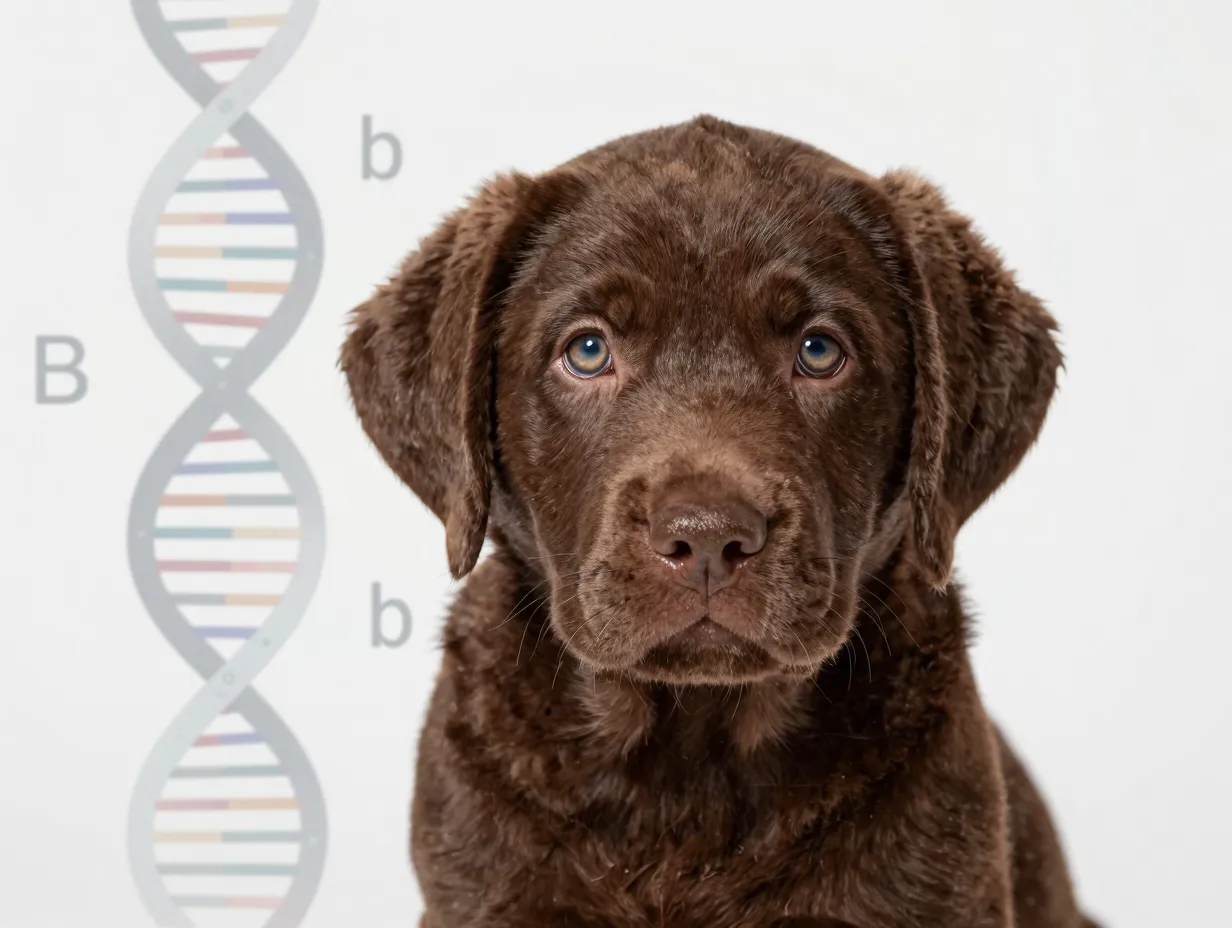
One of the most fascinating things about a chocolate brown Labrador puppy is the science behind that gorgeous coat. The rich brown color is not simply a random variation — it is the result of a recessive gene known as the “b” allele [1].
Here is how it works:
- Labradors carry two gene pairs that determine coat color: E/e (extension) and B/b (brown).
- For a puppy to be born chocolate, it must inherit two copies of the recessive “b” gene — one from each parent [1].
- This means both parents must either be chocolate themselves or carry the hidden “b” gene as a carrier.
💬 “A chocolate Lab is essentially a genetic treasure — it takes two parents who each carry the right recessive gene to make that beautiful brown coat possible.”
This is why two black Lab parents can occasionally produce a chocolate puppy, as long as both carry the recessive gene. It is genetics at its most surprising and delightful. This biological rarity is one of the reasons chocolate Labs feel so special to their owners.
| Gene Combination | Resulting Coat Color |
|---|---|
| BB or Bb (with EE or Ee) | Black |
| bb (with EE or Ee) | Chocolate |
| Any B/b combo (with ee) | Yellow |
2. Brown Labs Were Not Always Welcome — Their History Is Surprising 📜

If you think the chocolate Lab has always been a fan favorite, think again. The history of this color variant is both fascinating and, at times, heartbreaking.
For much of the 19th and early 20th centuries, brown-colored Labrador puppies were actually culled at birth by breeders who considered the color undesirable [3]. Black was the preferred coat color, and chocolate pups were seen as a flaw rather than a feature.
It was not until the 1960s that attitudes began to shift, and the chocolate Labrador started gaining real popularity [3]. Breeders began to appreciate the unique warmth of the brown coat, and the public quickly fell in love. Today, chocolate Labs are among the most sought-after color variants of the breed.
Key historical milestones:
- Early 1800s — Labrador Retrievers developed in Newfoundland, Canada; black coats dominated.
- Late 1800s–early 1900s — Chocolate-colored pups frequently culled by breeders.
- 1960s — Chocolate Labs gain recognition and growing popularity [3].
- 1980s–present — Chocolate Labs become mainstream, appearing in films, advertisements, and family homes worldwide.
This journey from unwanted to irresistible makes the chocolate brown Labrador puppy’s story all the more compelling.
3. Chocolate Lab Puppies Have Remarkably Consistent Coat Coloring 🎨

One thing that sets the chocolate brown Labrador puppy apart from other Lab colors is the consistency of their coat. Unlike yellow Labradors, which can range from nearly white to a deep fox-red, chocolate Labs display fairly uniform coloring from puppyhood onward [1].
That said, there are some subtle variations worth knowing:
- Eye color in chocolate Lab puppies can range from gold to dark brown, and sometimes even a striking hazel [1].
- Nose and paw pad color is typically brown or liver-toned, matching the coat.
- The coat itself may appear slightly lighter or darker depending on lighting, but the base color remains a consistent, rich chocolate brown.
This predictability is actually a selling point for many owners. When you adopt a chocolate Lab puppy, you have a very good idea of what your adult dog will look like — a sleek, warm-toned, beautiful brown companion.
4. Their Average Lifespan Is 10.7 Years — Here Is What That Means for You ⏳

Understanding the lifespan of a chocolate brown Labrador puppy is essential for any prospective owner. Research shows that chocolate Labs live an average of 10.7 years, which is slightly shorter than yellow and black Labs, who average around 12.1 years [1][2].
💬 “Knowing your dog’s expected lifespan helps you plan for their care, health needs, and the emotional journey ahead.”
Why the difference? Studies suggest that the recessive gene responsible for the chocolate coat may also be linked to certain health vulnerabilities, which could contribute to the slightly shorter lifespan [1]. Additionally, irresponsible breeding practices in the past — driven by high demand for chocolate Labs — may have introduced health issues into some bloodlines.
What this means for owners:
- Start regular vet checkups early — ideally from puppyhood.
- Invest in high-quality nutrition to support long-term health.
- Be proactive about weight management, as Labs are prone to obesity.
- Monitor for the specific health conditions covered in Fact 5.
The good news? With proper care, many chocolate Labs live well beyond the average, enjoying active, happy lives well into their early teens.
5. Chocolate Labs Are Prone to Specific Health Conditions 🏥
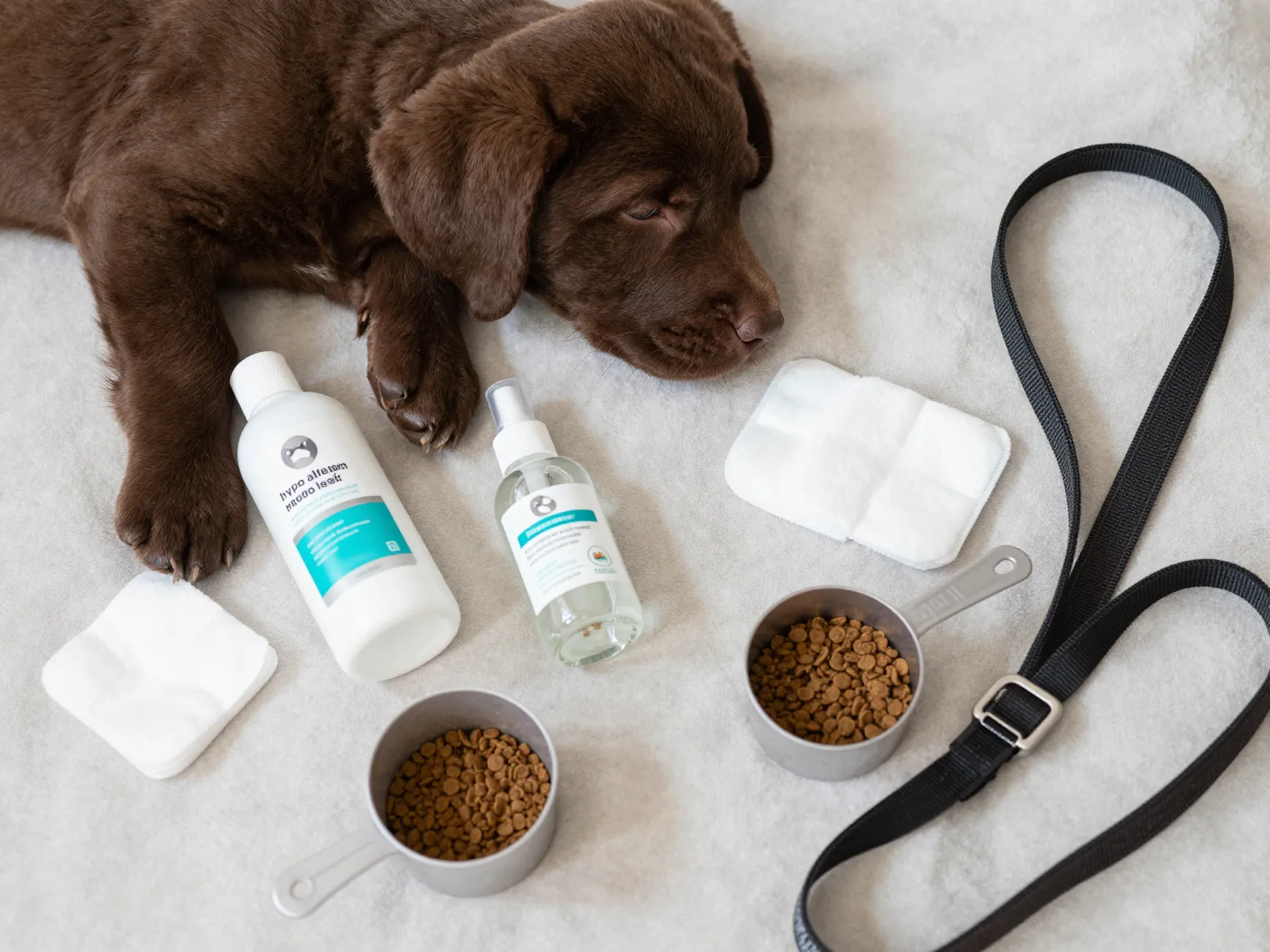
This is one of the most important of the 8 irresistible facts about the chocolate brown Labrador puppy for responsible ownership. Compared to black and yellow Labs, chocolate Labradors show higher rates of certain health issues [1]:
- Dermatitis — Skin inflammation and irritation are more common in chocolate Labs, possibly linked to their coat genetics.
- Ear problems — Their floppy ears trap moisture, making them susceptible to ear infections.
- Gastrointestinal issues — Chocolate Labs may experience higher rates of digestive problems [1].
- Hip and elbow dysplasia — Common across all Lab colors, but worth monitoring closely.
- Obesity — Labs in general love food, and chocolate Labs are no exception.
Proactive health checklist for chocolate Lab owners:
- ✅ Schedule bi-annual vet visits
- ✅ Clean ears weekly to prevent moisture buildup
- ✅ Use vet-recommended shampoos for sensitive skin
- ✅ Measure food portions carefully
- ✅ Provide daily exercise (at least 60 minutes)
- ✅ Screen for hip/elbow dysplasia through certified breeders
Being informed about these risks does not make the chocolate brown Labrador puppy any less wonderful — it simply makes you a better, more prepared owner.
6. Males and Females Have Noticeably Different Size Profiles ⚖️

Size matters when choosing a dog, especially if you live in an apartment or have young children. Here is what to expect from a fully grown chocolate brown Labrador:
| Males | Females | |
|---|---|---|
| Weight | 65–80 lbs | 55–70 lbs |
| Height | 22.5–24.5 inches | 21.5–23.5 inches |
| Build | Broader, more muscular | Slightly leaner, agile |
[2]
Both males and females are considered medium-to-large dogs, so they need adequate space, regular exercise, and a diet calibrated to their size. As puppies, chocolate Labs grow rapidly — most reach their full height by 12 months, though they may continue filling out in muscle and weight until 18–24 months.
Tips for managing a growing chocolate Lab puppy:
- Feed a large-breed puppy formula to support healthy bone growth.
- Avoid over-exercising puppies under 12 months to protect developing joints.
- Use a properly sized crate that accommodates their adult size.
- Socialize early to manage their natural enthusiasm around people and other animals.
7. The “Dumb Chocolate Lab” Myth Is Completely False 🧠
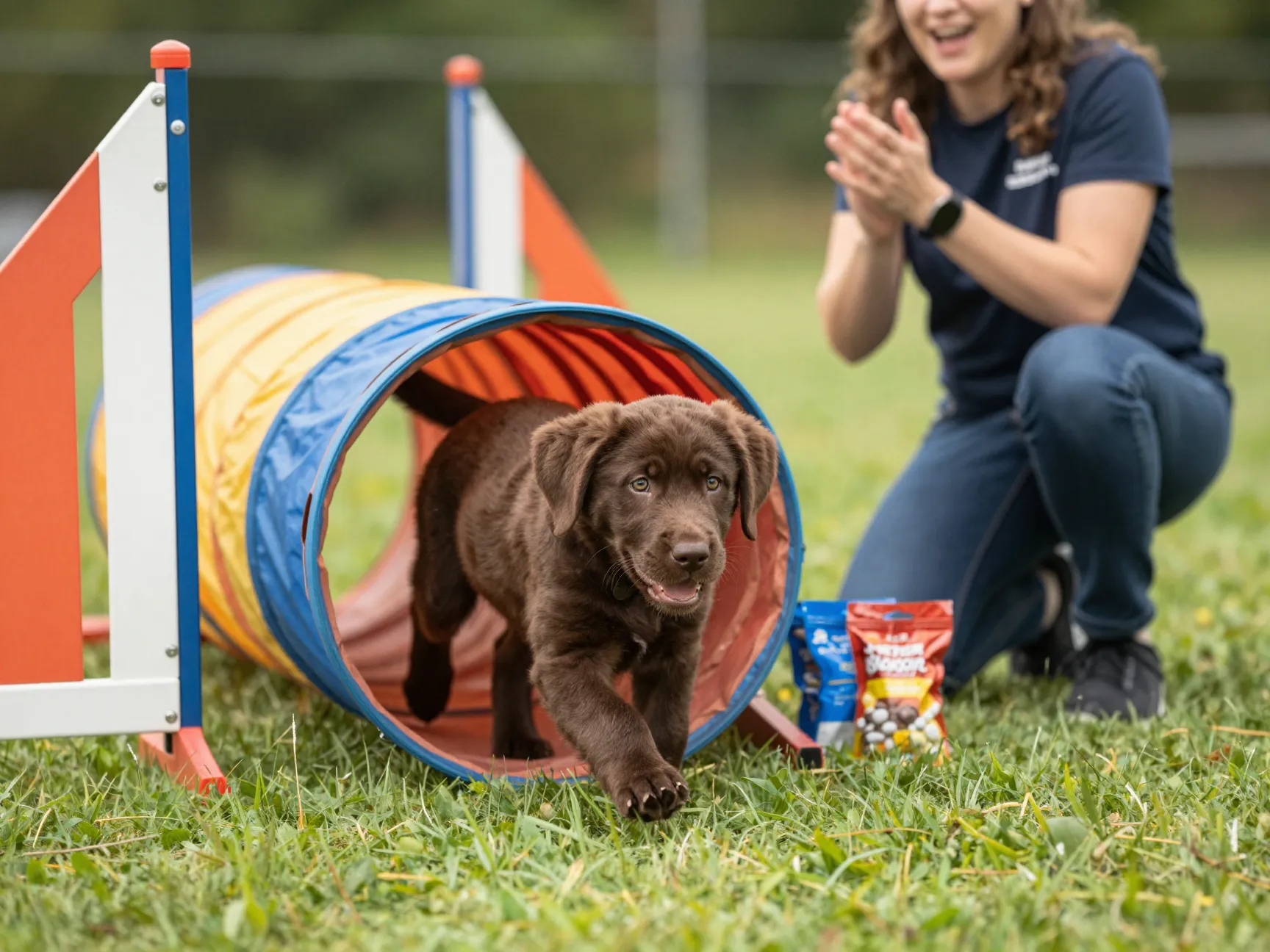
One of the most persistent — and most unfair — rumors about the chocolate brown Labrador puppy is that they are somehow less intelligent than black or yellow Labs. Let’s put this myth to rest once and for all.
There is no scientific evidence that coat color affects intelligence in Labrador Retrievers [3][4]. Chocolate Labs are just as smart, trainable, and capable as their counterparts. The perception of reduced intelligence likely stems from a few factors:
- Higher distractibility: Chocolate Labs can be especially curious and easily distracted during training, which may be mistaken for a lack of intelligence [3].
- Breeding history: Because chocolate Labs were less commonly used as working dogs historically, fewer were selectively bred for tasks like field work or service roles, which may have led to some lines being less focused.
- Confirmation bias: Owners expecting a less trainable dog may unconsciously reinforce that outcome.
💬 “A chocolate Lab’s enthusiasm and curiosity are not signs of low intelligence — they are signs of a brilliant, engaged mind that needs the right stimulation.”
Training tips for your chocolate brown Labrador puppy:
- Start training as early as 8 weeks old.
- Use positive reinforcement — treats, praise, and play.
- Keep sessions short (5–10 minutes) for young puppies.
- Be consistent with commands and boundaries.
- Enroll in a puppy obedience class for socialization and structure.
With the right approach, chocolate Labs excel at obedience, agility, therapy work, and even search-and-rescue roles.
8. Their Short, Dense Coat Is Surprisingly Easy to Maintain 🛁
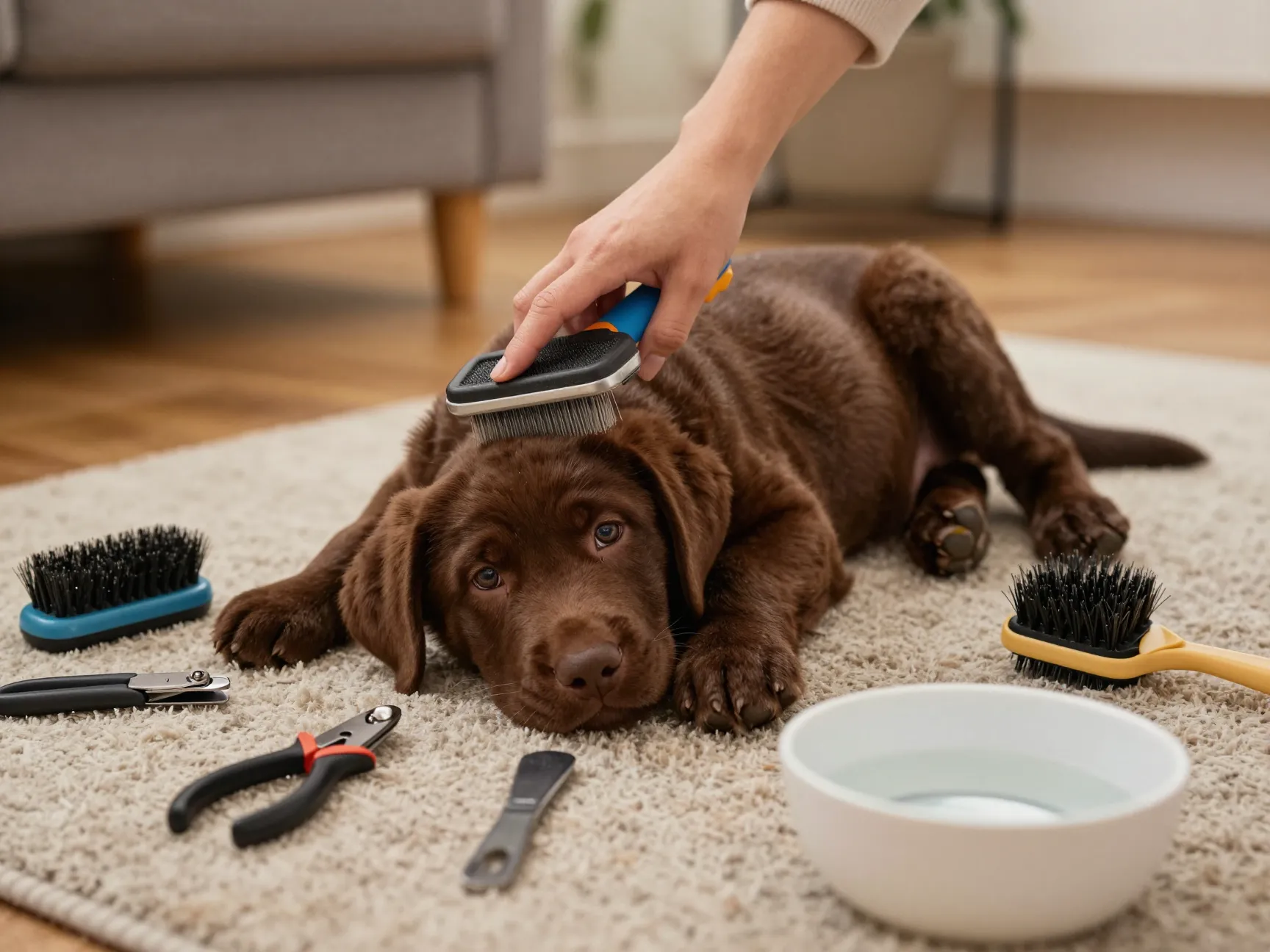
The final entry in our 8 irresistible facts about the chocolate brown Labrador puppy is great news for busy owners: the chocolate Lab’s coat is relatively low-maintenance.
Chocolate Labs have a short, dense double coat that is water-resistant — a trait inherited from their working retriever ancestors [2]. Here is what grooming looks like in practice:
Grooming schedule:
| Task | Frequency |
|---|---|
| Brushing | 2–3 times per week (daily during shedding season) |
| Bathing | Every 4–6 weeks (or as needed) |
| Ear cleaning | Weekly |
| Nail trimming | Every 3–4 weeks |
| Teeth brushing | 2–3 times per week |
Shedding is the one grooming challenge with this breed. Chocolate Labs shed seasonally — typically in spring and fall — and during these periods, daily brushing is highly recommended [2]. A quality deshedding tool (like a FURminator) can make a significant difference.
The good news: their brown coat does a better job of hiding dirt than lighter-colored Labs, and their short fur is far easier to manage than long-haired breeds. Regular brushing also doubles as bonding time — most chocolate Lab puppies absolutely love the attention. 🐾
Conclusion: Your Next Steps With a Chocolate Brown Labrador Puppy 🐶
We have covered the 8 irresistible facts about the chocolate brown Labrador puppy — from the recessive gene that creates their stunning coat to their health considerations, size, intelligence, and easy grooming needs. These dogs are truly one of a kind: beautiful, loyal, energetic, and deeply loving.
Here are your actionable next steps if you are considering welcoming one into your life:
- Research reputable breeders who health-test their dogs for hip dysplasia and other common Lab conditions.
- Consider adoption — chocolate Labs do end up in shelters and rescue organizations.
- Prepare your home with the right supplies: crate, food, leash, collar, and vet appointment booked.
- Enroll in puppy classes from day one to set your chocolate Lab up for success.
- Build a vet relationship early and discuss preventive care for skin, ears, and weight management.
A chocolate brown Labrador puppy is not just a pet — it is a decade-plus commitment to a companion who will give you unconditional love every single day. With the right preparation and knowledge, that commitment is one of the most rewarding you will ever make. 🍫🐾
References
[1] Chocolate Labrador – https://www.thelabradorsite.com/chocolate-labrador/
[2] Chocolate Labrador Retriever – https://www.werescue.pet/breeds/chocolate-labrador-retriever/
[3] Brief History Of The Chocolate Labrador – https://jindesigns.com/blogs/latest-news/brief-history-of-the-chocolate-labrador
[4] Watch – https://www.youtube.com/watch?v=9xePYBg_7ls