8 German Shepherd Dogs Breeds & Varieties You Probably Didn’t Know Existed
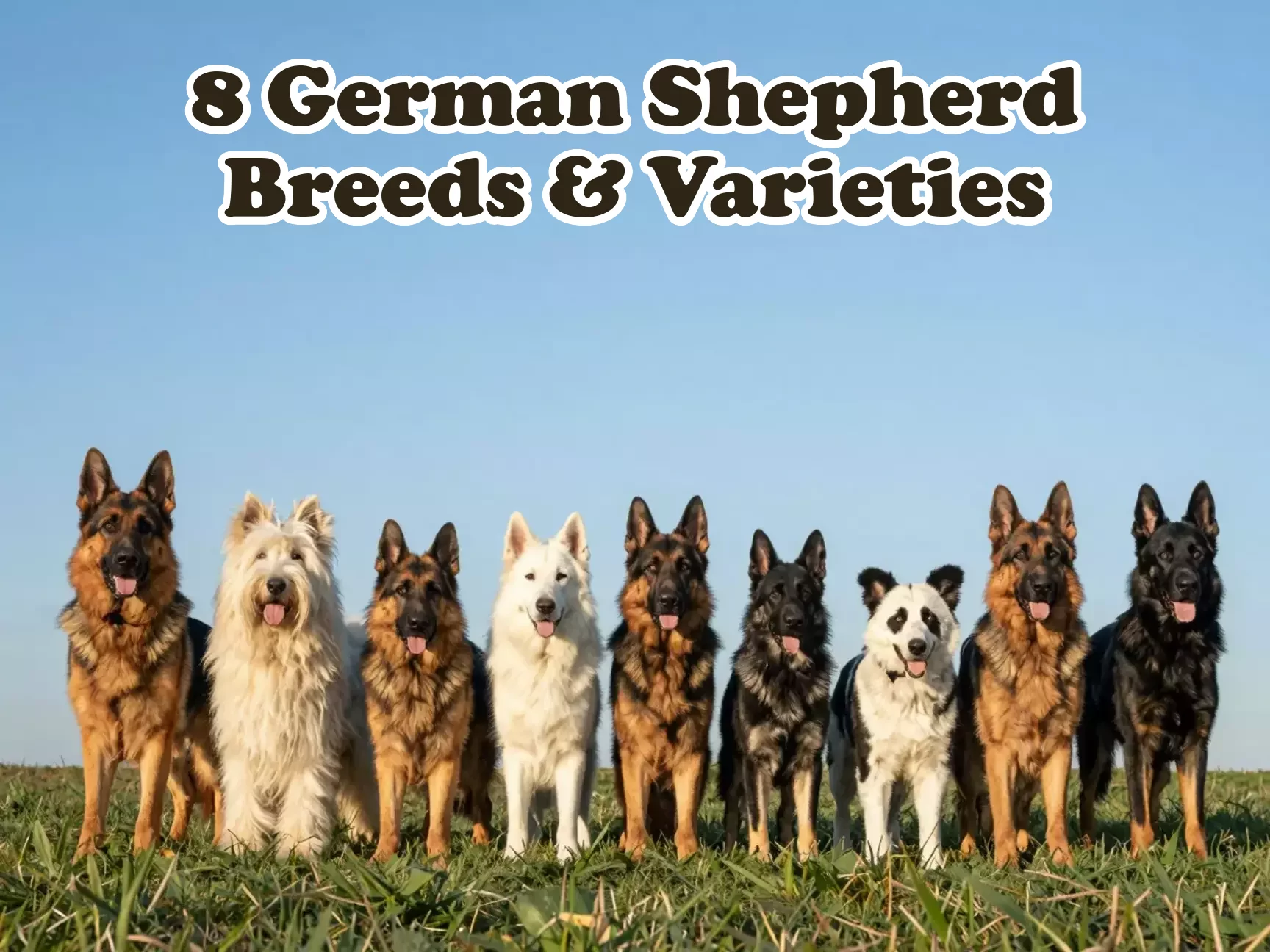
Most people can spot a German Shepherd from across a park — that classic tan-and-black saddle coat, upright ears, and confident stride are unmistakable. But here is the surprising truth: the German Shepherd family is far larger and more diverse than most dog lovers realize. In 2026, breed registries and canine genetics researchers continue to document distinct lines, varieties, and related breeds that share German Shepherd DNA but look and behave in ways that would genuinely surprise you. This guide covers the 8 German Shepherd dogs breeds & varieties you probably didn’t know existed, from government-engineered working lines to rare color mutations and entirely separate recognized breeds. Whether you are a longtime GSD fan or a first-time researcher, what follows will change the way you see this iconic dog. [1]
Key Takeaways
- 🐾 The German Shepherd “breed” actually encompasses multiple distinct lines, varieties, and internationally recognized separate breeds.
- 🌍 Several varieties were developed by governments or breeders specifically to fix health or temperament problems in the original GSD.
- ⚪ White-coated German Shepherds are not albino — they carry a dominant white gene and are genetically healthy.
- 🧬 Some rare varieties, like the Panda German Shepherd, result from spontaneous genetic mutations and are 100% purebred GSD.
- 💼 Working lines (Czech, DDR, West German) differ dramatically from show lines in drive, structure, and temperament — choosing the wrong type for your lifestyle is a common and costly mistake.
Why the German Shepherd Is More Than One Dog
The German Shepherd Dog (GSD) was standardized by Captain Max von Stephanitz in Germany around 1899, designed as the ultimate herding and working dog. [1] Over the following century, breeders across the world pulled the breed in different directions — some prioritizing police and military performance, others chasing show-ring aesthetics, and still others trying to correct the health problems that came with popularity. The result? A family of dogs that share a common ancestor but can look and act remarkably different from one another. [5]
Understanding the 8 German Shepherd dogs breeds & varieties you probably didn’t know existed is not just trivia — it is genuinely useful if you are choosing a dog, researching canine genetics, or simply trying to understand why the GSD sitting next to you at the dog park looks nothing like the one on your neighbor’s leash.
“Not all German Shepherds are created equal — and that is exactly what makes the breed so fascinating.”
The 8 German Shepherd Dogs Breeds & Varieties You Probably Didn’t Know Existed
1. King Shepherd
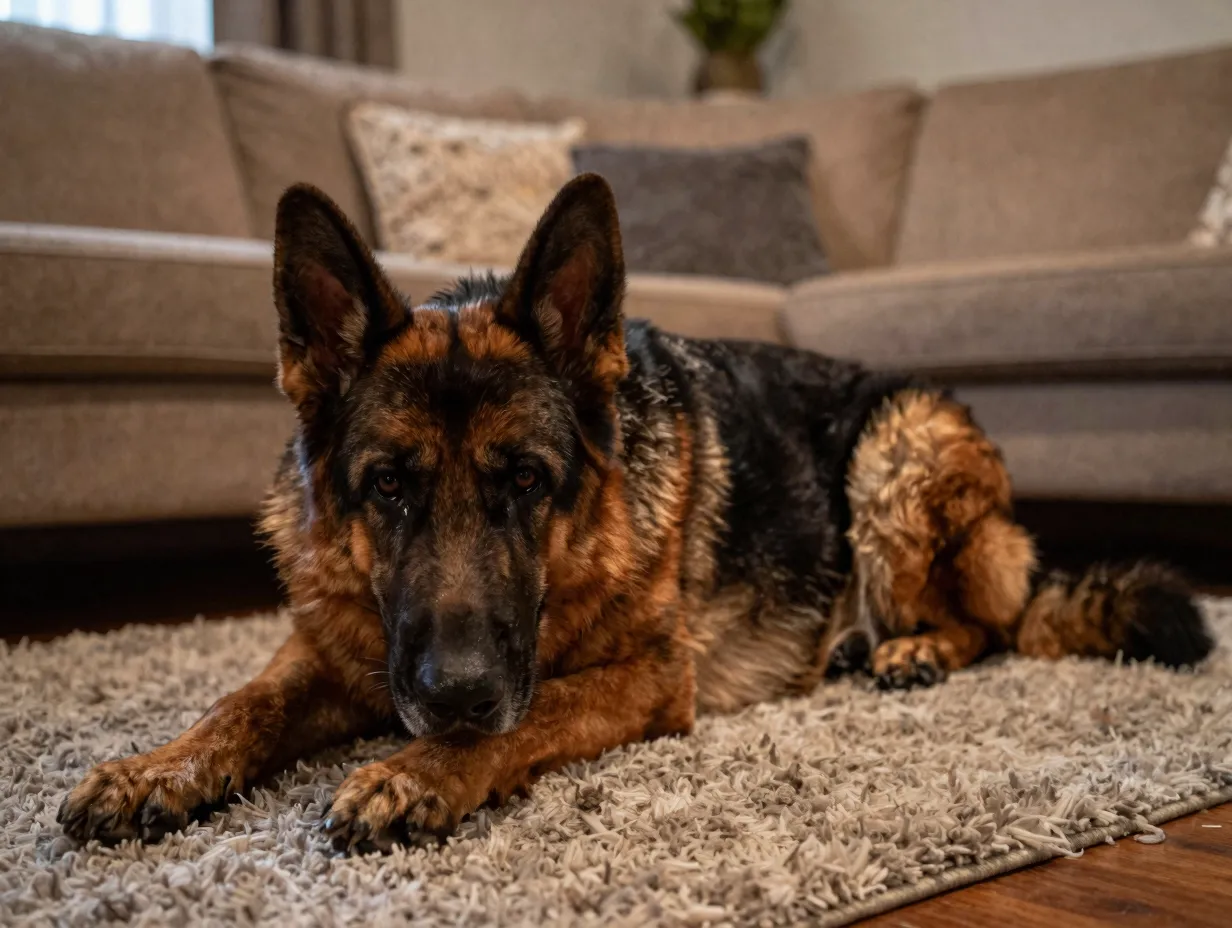
The King Shepherd is arguably the most ambitious attempt to “fix” the German Shepherd. Developed in the United States, this variety was created specifically to correct the physical deformities that selective breeding had introduced into the original GSD line — most notably the extreme angulation of the hindquarters that causes the sloped back seen in many modern show-line German Shepherds. [1]
Key facts at a glance:
| Feature | King Shepherd |
|---|---|
| Origin | United States |
| Size | Extra-large (90–150 lbs) |
| Coat | Long or medium, dense |
| Primary goal | Correcting GSD structural faults |
| Temperament | Calm, loyal, protective |
King Shepherds are larger than standard GSDs and are bred to have straighter backs, better hip structure, and a more stable temperament. They are not yet recognized by the American Kennel Club (AKC) as a separate breed, but dedicated breed clubs maintain strict standards. If you want the look and loyalty of a German Shepherd without some of the breed’s well-documented orthopedic baggage, the King Shepherd is worth serious consideration. [5]
2. Shiloh Shepherd
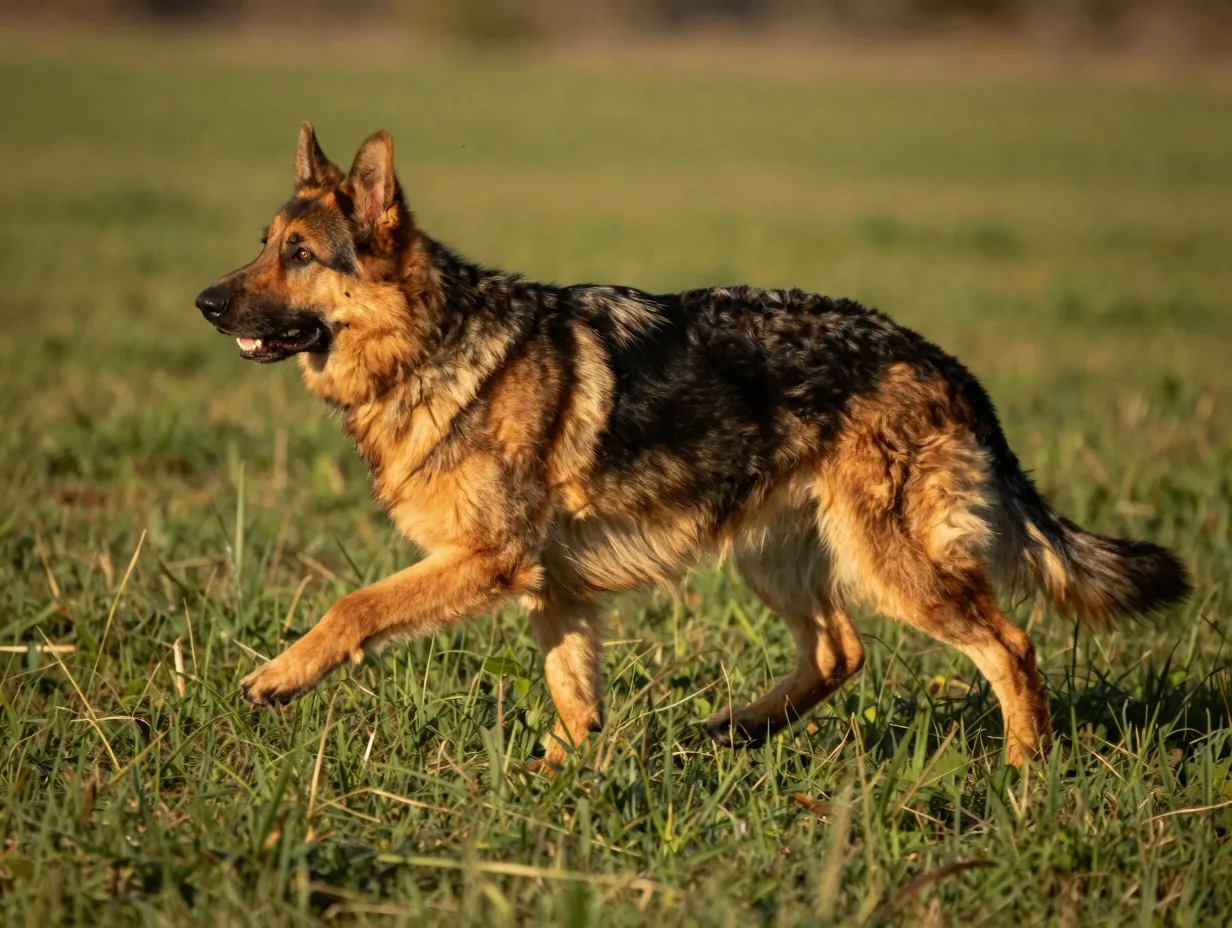
Created in the 1970s and 1980s by breeder Tina Barber, the Shiloh Shepherd was a direct response to growing concerns about behavioral and physical changes in the modern German Shepherd. Barber wanted a dog with a larger size, a longer back, a gentler temperament, and — critically — better hip structure than what the GSD had become. [1]
The Shiloh Shepherd has been recognized by the American Rare Breed Association since 1990, giving it official standing as a distinct variety. [1] It is notably larger than a standard GSD, often weighing between 80 and 130 pounds, and comes in both smooth and plush coat varieties.
🐕 Why it matters: The Shiloh Shepherd is one of the clearest examples of intentional breed reform — a deliberate effort to steer a beloved dog back toward health and working ability. For families who love the GSD but worry about the breed’s health statistics, the Shiloh Shepherd offers a compelling alternative.
3. White Shepherd
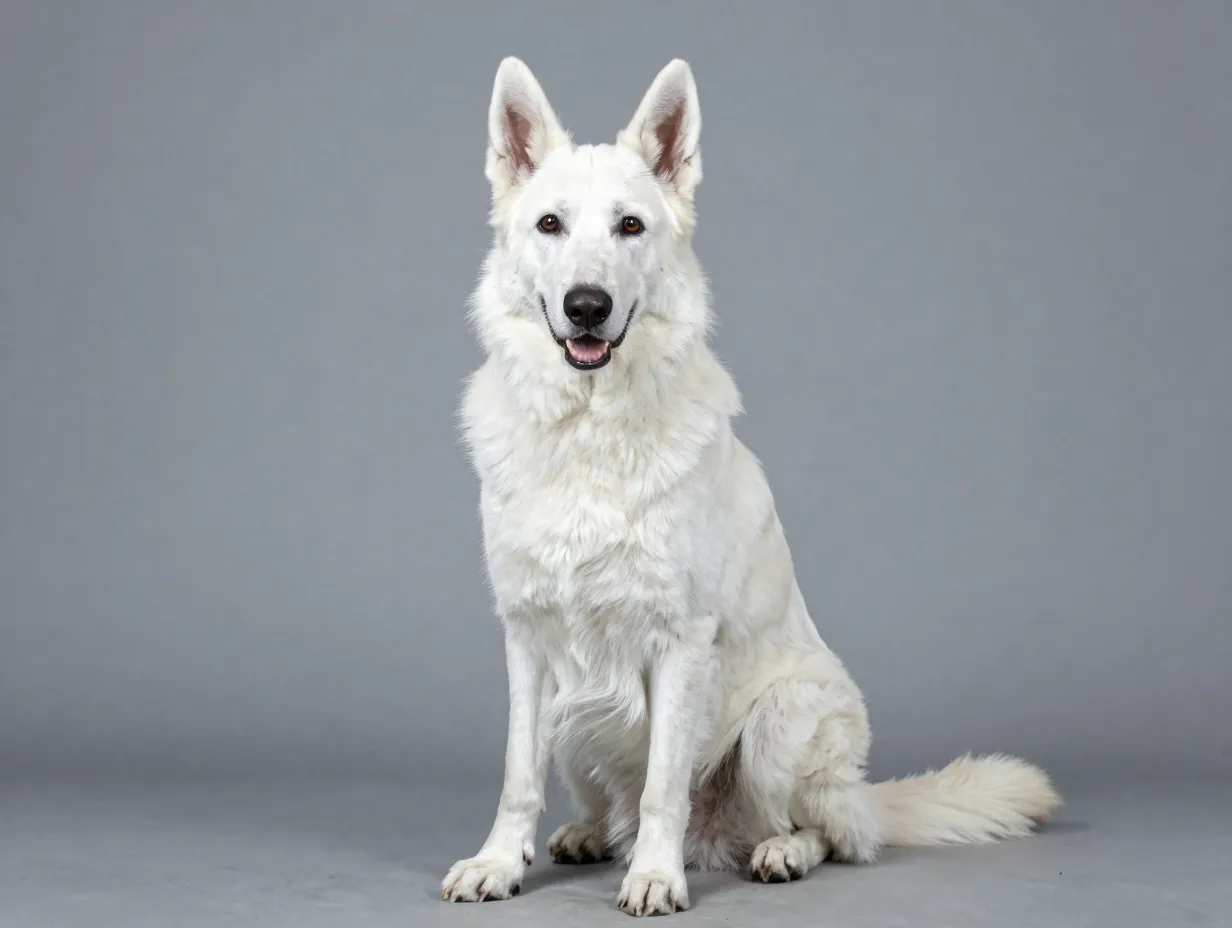
Here is where things get politically interesting. White-coated German Shepherds existed from the very beginning of the breed, but German breed authorities eventually banned white-coated dogs from registration, viewing the color as a fault. [1] American breeders disagreed strongly and continued developing white-coated GSDs independently.
The result is the White Shepherd, now recognized as a separate breed by the United Kennel Club (UKC) in the United States. [1] White Shepherds are genetically and structurally very similar to standard GSDs, but their white coat — produced by a dominant gene, not albinism — sets them apart visually and, in the eyes of some registries, officially.
Common misconception: Many people assume white-coated Shepherds are albino. They are not. Albinism involves a lack of pigment throughout the body, including the eyes and skin. White Shepherds have dark eyes and pigmented skin — their white coat is simply the expression of a dominant white gene. [2]
4. White Swiss Shepherd Dog (Berger Blanc Suisse)
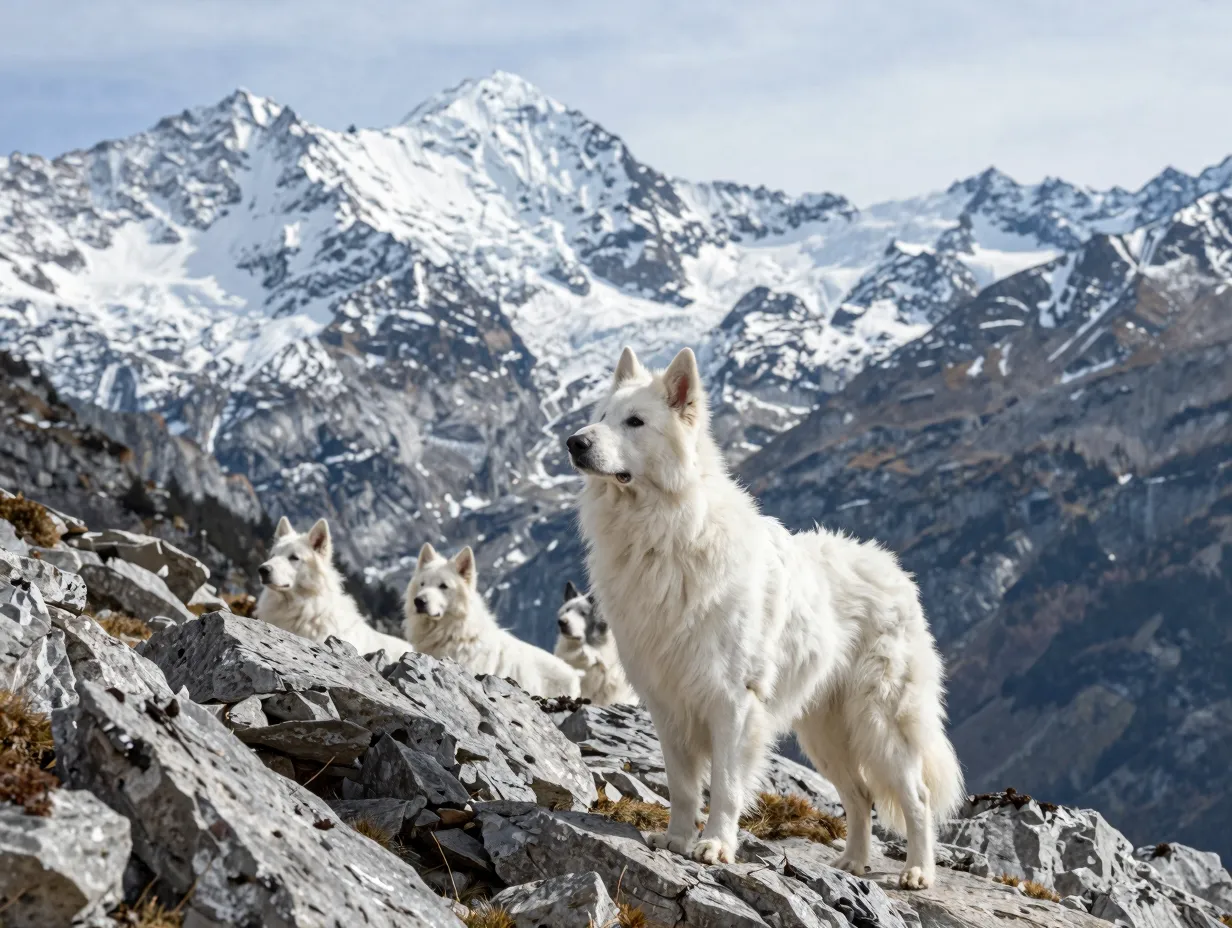
If the White Shepherd’s story does not end in the United States, that is because it does not. American White Shepherds were exported to Switzerland, where breeders developed them further into a distinct variety known as the White Swiss Shepherd Dog (or Berger Blanc Suisse in French). [1]
In 2003, the Fédération Cynologique Internationale (FCI) — the world’s largest canine organization — officially recognized the White Swiss Shepherd Dog as a separate breed. [1] This is a significant distinction: while the White Shepherd and the White Swiss Shepherd share ancestry, they are now considered separate breeds by different international registries.
| Feature | White Shepherd | White Swiss Shepherd Dog |
|---|---|---|
| Registry | United Kennel Club (UKC) | FCI (International) |
| Origin | United States | Switzerland (via USA) |
| Recognition year | 1999 | 2003 |
| Coat | White, medium length | White, medium to long |
For dog enthusiasts in Europe, the White Swiss Shepherd Dog is increasingly popular as a family companion and dog sport competitor.
5. East German Shepherd (DDR Line)
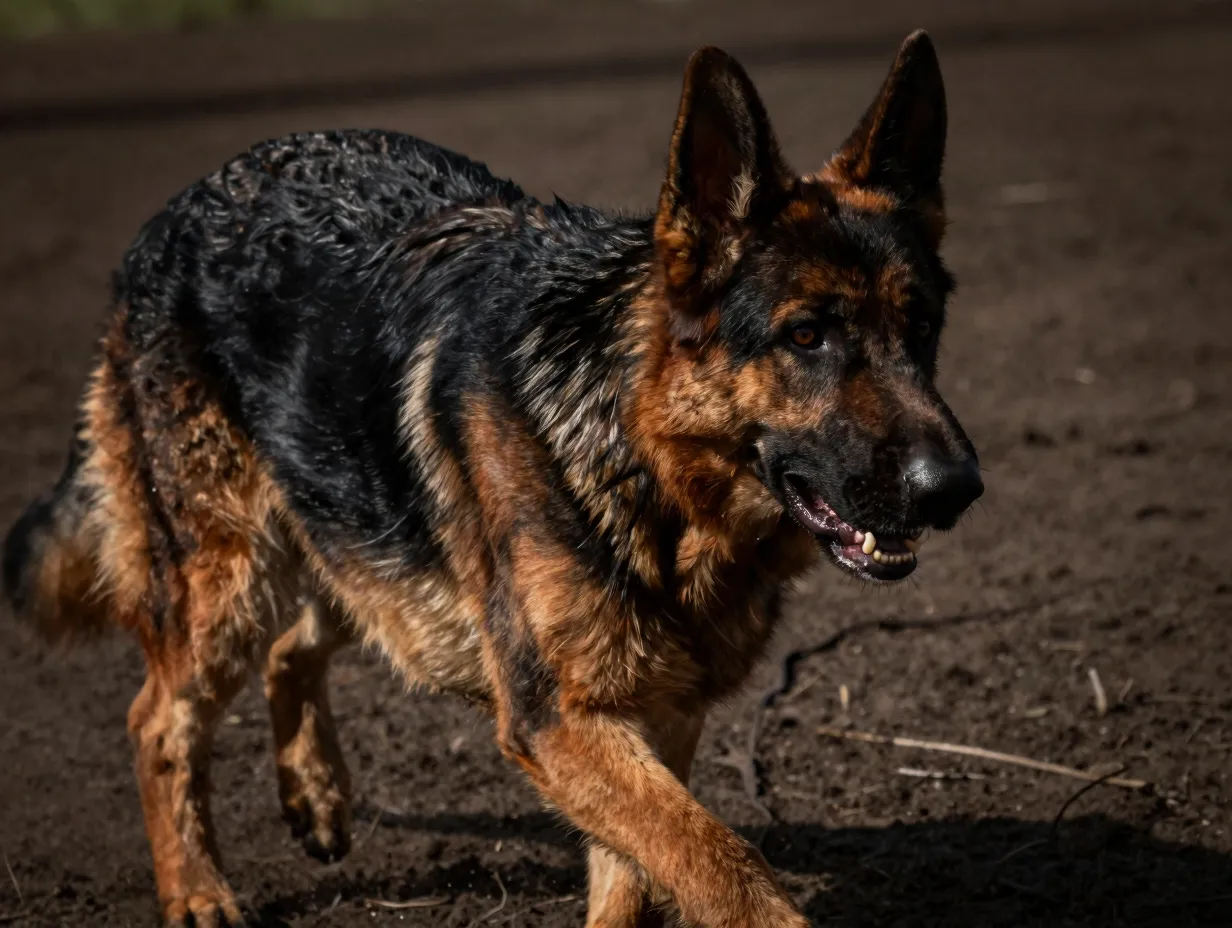
Few German Shepherd varieties carry as much historical weight as the DDR line — named after the Deutsche Demokratische Republik, or East Germany. After World War II, East Germany developed its own closed breeding program for German Shepherds, with strict controls that prioritized working ability, health, and structural soundness above all else. [5]
DDR German Shepherds are visually distinct: they tend to have larger, blockier heads, straighter backs, darker pigmentation, and a leaner, more athletic build compared to show-line GSDs. Their hips were rigorously tested under the East German state program, which is one reason DDR bloodlines are still highly sought after by working dog enthusiasts today. [5]
🔑 Key traits of the DDR line:
- Darker, richer coat pigmentation
- Straighter topline (back)
- Excellent hip and elbow scores historically
- High drive and endurance
- Serious, focused temperament
The DDR line is not a separate breed — it remains a German Shepherd — but it is a genetically distinct working line that serious breeders track carefully.
6. Czech Working Line German Shepherd
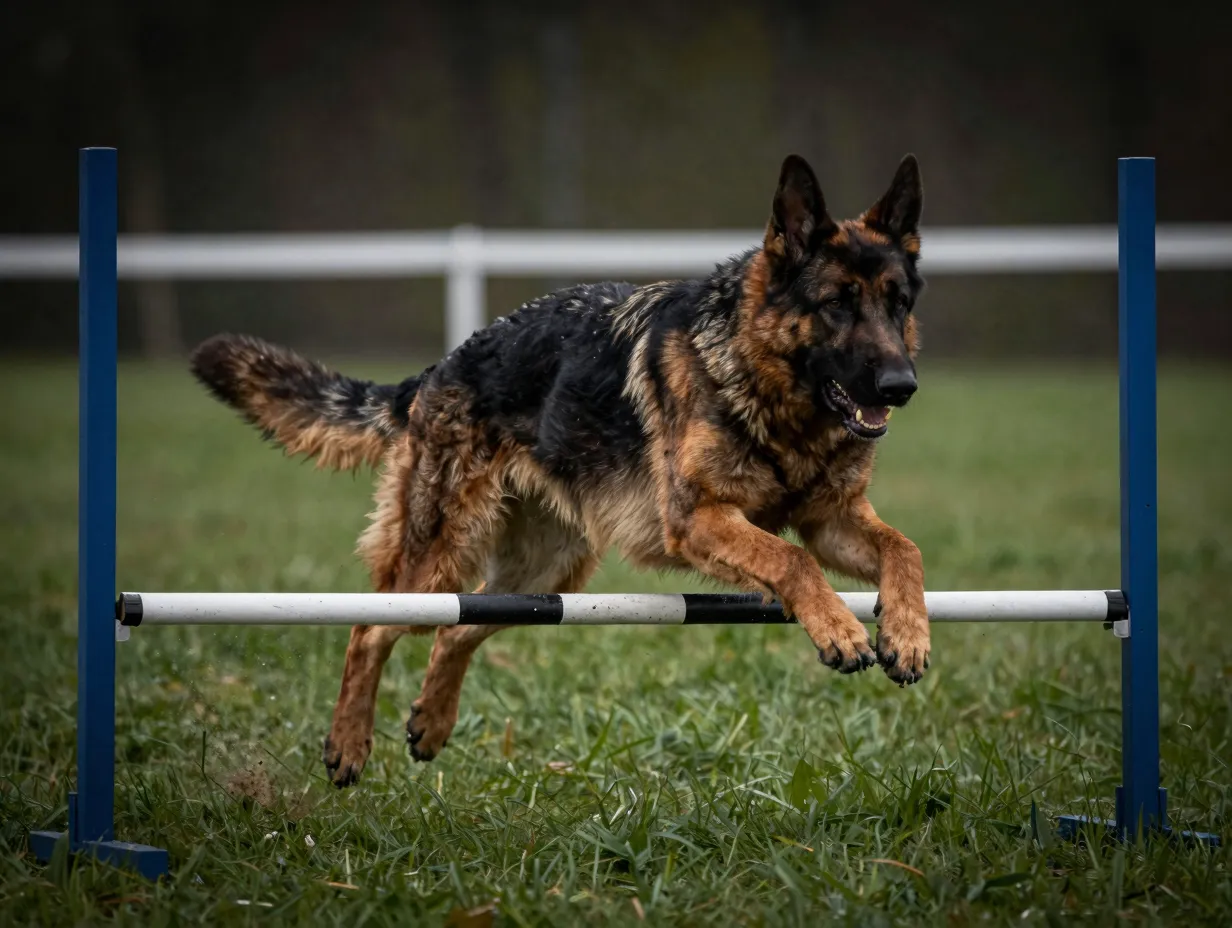
Developed behind the Iron Curtain in Czechoslovakia, the Czech working line German Shepherd was bred almost exclusively for border patrol and military work. [5] These dogs were selected for extreme drive, courage, and physical endurance — qualities demanded by the Czechoslovak border patrol, which used them to guard one of the most heavily fortified borders in Cold War Europe.
Czech line GSDs are known for:
- Exceptionally high energy and drive — making them unsuitable for most casual pet owners
- Darker, often sable-colored coats
- Strong prey drive and work ethic
- Compact, athletic build
“Czech line German Shepherds are not pets that happen to work — they are working dogs that happen to live with people.”
Today, Czech line dogs are favored by Schutzhund (IPO) competitors, police departments, and military units around the world. [5] If you are not an experienced handler with a structured training program, this variety will likely be too much dog for your household.
7. Panda German Shepherd
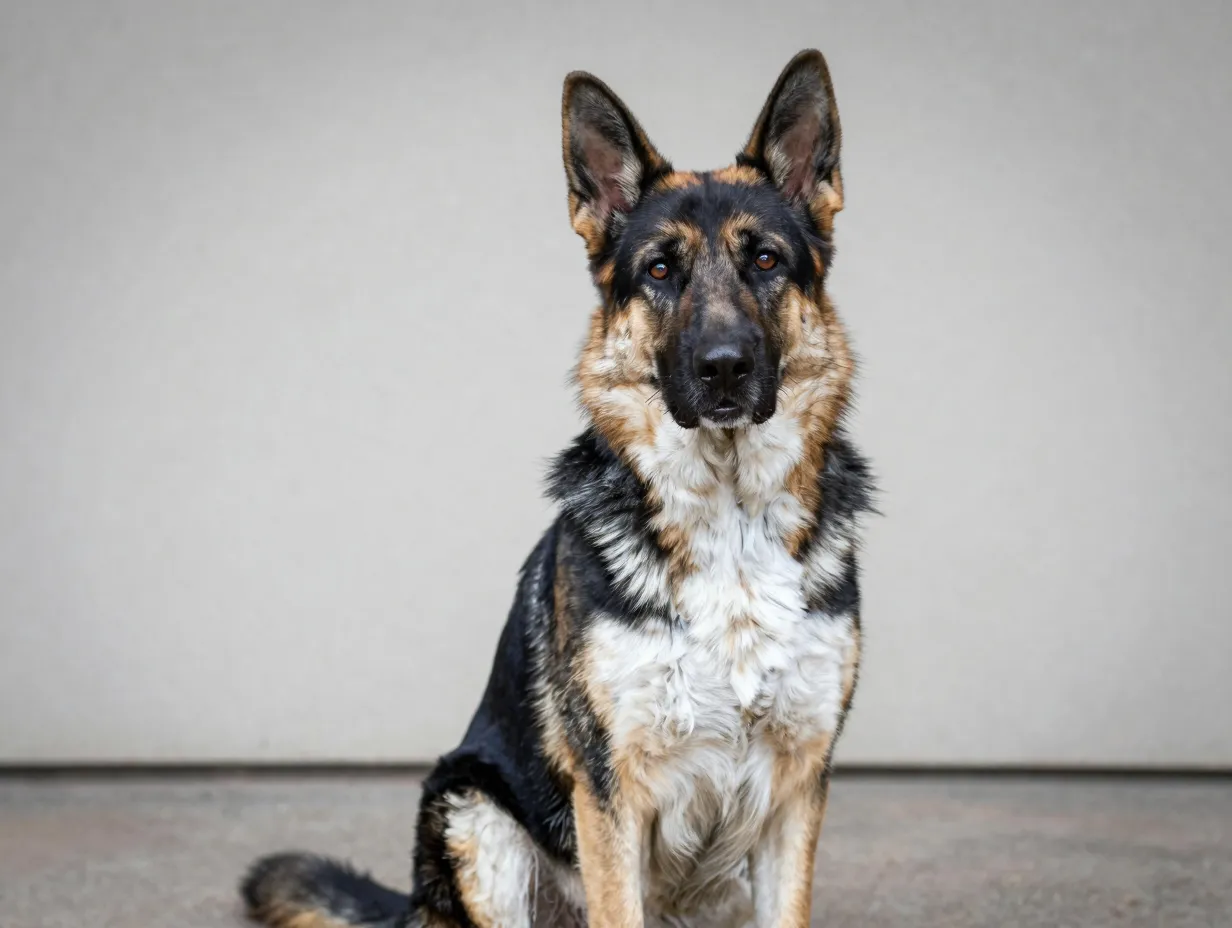
The Panda German Shepherd is perhaps the most visually striking entry on this list — and also the most genetically surprising. Panda Shepherds display large white patches on a standard black-and-tan base coat, giving them an appearance that looks almost like a crossbreed. [5]
Here is the remarkable part: Panda German Shepherds are 100% purebred German Shepherds. The white patching is caused by a spontaneous mutation in the KIT gene — a mutation that affects pigmentation without affecting health or working ability. [5] The first documented Panda Shepherd, a female named Lewcinka’s Franka von Phenom, was born in 2000 and was initially suspected of being a mixed breed until DNA testing confirmed her pure GSD heritage.
What makes Panda Shepherds unique:
| Feature | Detail |
|---|---|
| Cause | Spontaneous KIT gene mutation |
| Appearance | White patches on black and tan base |
| Purebred status | Yes — 100% German Shepherd |
| Rarity | Very rare |
| Health impact | None documented |
Panda Shepherds are not a separate breed and are not recognized as a distinct variety by major kennel clubs, but they are increasingly popular among GSD enthusiasts who want something visually unique. [5]
8. East European Shepherd (Byelorussian Shepherd)
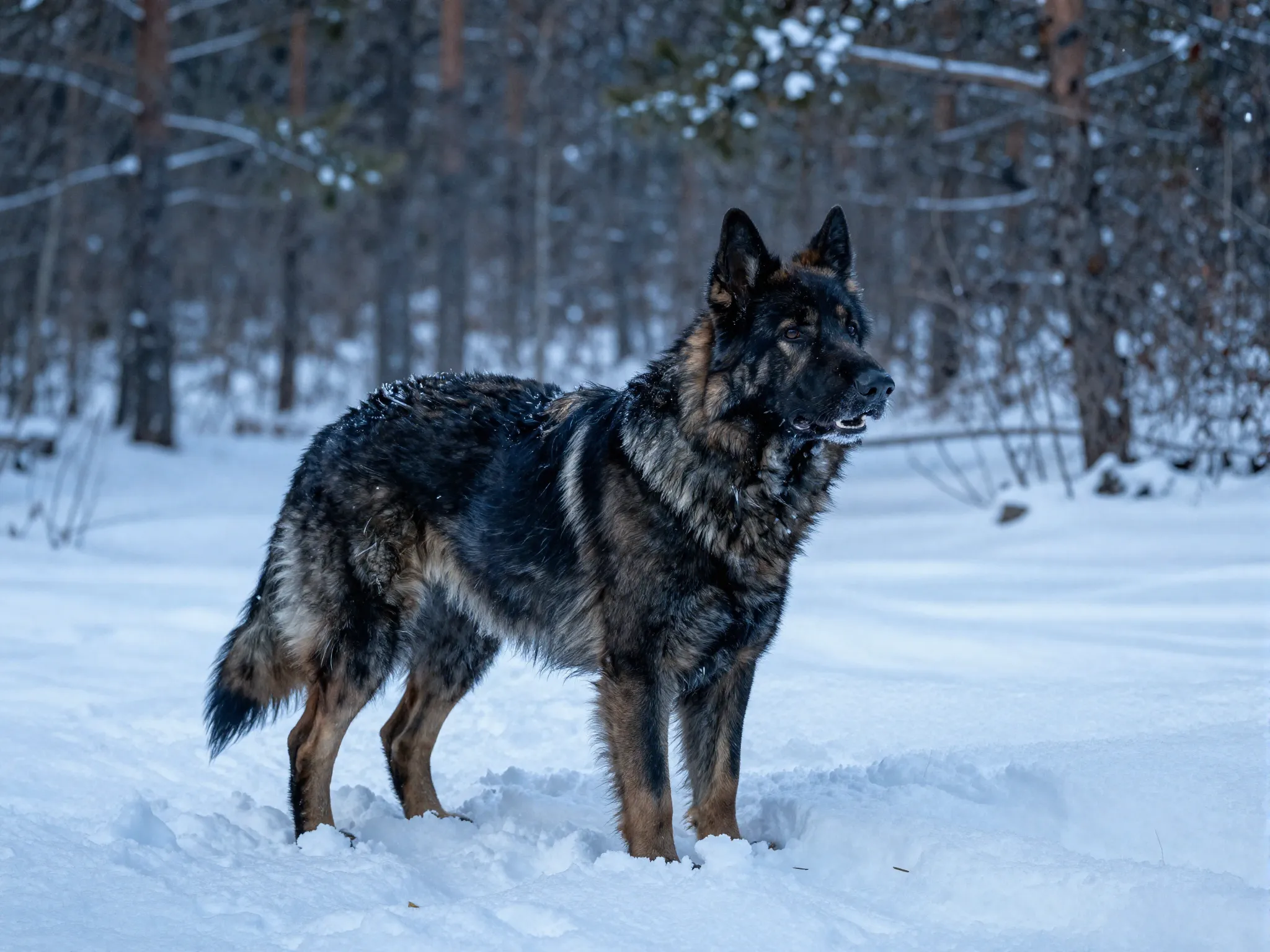
Rounding out the 8 German Shepherd dogs breeds & varieties you probably didn’t know existed, the East European Shepherd — also called the Byelorussian Shepherd — is perhaps the least known outside of Eastern Europe and Russia. [4]
This breed was developed in the Soviet Union specifically to create a German Shepherd capable of working in extreme cold. Soviet breeders crossed German Shepherds with larger, cold-adapted breeds to produce a dog that could function effectively in freezing temperatures across the USSR’s vast northern territories. [4]
The East European Shepherd became the primary police and military dog of the Soviet Union — a role it held for decades. [4] Today, it remains far more common in Russia and Eastern European countries than in the West.
How it compares to a standard GSD:
| Feature | Standard GSD | East European Shepherd |
|---|---|---|
| Weight | 50–90 lbs | Up to 130 lbs |
| Build | Athletic, moderate | Larger, heavier |
| Coat | Medium, double | Thick, cold-weather adapted |
| Primary use | Versatile working dog | Military, police, cold climates |
| Recognition | AKC, FCI | Russian and Eastern European registries |
If you live in a cold climate and want a large, capable working dog with GSD intelligence, the East European Shepherd is a breed worth researching — though finding a reputable breeder outside of Russia and Eastern Europe remains challenging. [4]
Bonus: Rare Color Varieties Within the Standard GSD
Beyond distinct lines and separate breeds, the standard German Shepherd also comes in several rare color varieties that most people have never seen. These are not separate breeds — they are color expressions within the GSD gene pool.
Sable German Shepherd
Sable GSDs display an agouti pattern, where each individual hair contains multiple colors — typically bands of black, gray, tan, and gold. [2] Sable puppies are often born looking tan or gold and gradually develop their distinctive multi-toned adult coats as they mature. The sable pattern is actually the closest to the original coloring of early German Shepherds and is highly valued in working line breeding programs.
Black German Shepherd
Entirely black from nose to tail, Black German Shepherds carry a recessive gene that suppresses the typical tan-and-black saddle pattern. [2] They are less common than standard-colored GSDs but are equally capable in working roles. Black GSDs are often bred from working lines and tend to inherit the high drive and focus of those bloodlines. [2]
White German Shepherd (Rare Color Variant)
Distinct from the White Shepherd breed discussed above, white-colored German Shepherds within the standard GSD population are considered the rarest color variety of the breed. [2] The white coat is produced by a dominant gene that masks the underlying color — these dogs are not albino and are genetically healthy. They are often mistaken for the White Shepherd breed, but they may be registered as standard German Shepherds depending on the registry.
How to Choose the Right German Shepherd Variety for Your Life
Understanding the differences between these varieties is not just academic — it has real practical implications for anyone considering adding a GSD to their family. Here is a quick decision framework:
For active families and first-time GSD owners:
- West German Show Line or American Show Line
- Shiloh Shepherd (calmer, larger, family-friendly)
For experienced handlers and working dog sports:
- Czech Working Line
- DDR East German Line
- West German Working Line
For health-conscious buyers concerned about GSD structural problems:
- King Shepherd
- Shiloh Shepherd
For unique appearance with standard GSD traits:
- Sable German Shepherd
- Black German Shepherd
- Panda German Shepherd (if you can find one)
For cold climates and large-dog enthusiasts:
- East European Shepherd (Byelorussian Shepherd)
Pro tip: Always ask a breeder which specific line or variety their dogs come from. “German Shepherd” alone tells you very little about what you are actually getting in terms of temperament, drive, size, and health. [7]
Frequently Asked Questions
Are all of these varieties recognized by the AKC?
No. The AKC recognizes the standard German Shepherd Dog as a single breed. [7] Varieties like the King Shepherd, Shiloh Shepherd, and East European Shepherd are not AKC-recognized breeds. The White Swiss Shepherd is recognized by the FCI internationally.
Is a Panda German Shepherd a mixed breed?
No. DNA testing has confirmed that Panda Shepherds are 100% German Shepherd. Their unusual white patching results from a spontaneous genetic mutation, not crossbreeding. [5]
Are White German Shepherds albino?
No. White-coated German Shepherds carry a dominant white gene that affects coat color only. They have normal dark eyes and pigmented skin — classic signs that distinguish them from true albino animals. [2]
Which German Shepherd variety is best for protection work?
Czech working line and DDR (East German) line GSDs are widely considered the top choices for serious protection and police work due to their exceptional drive, courage, and physical endurance. [5]
Conclusion
The German Shepherd is one of the world’s most recognized dogs — but as this guide to the 8 German Shepherd dogs breeds & varieties you probably didn’t know existed makes clear, “German Shepherd” is really an umbrella term covering a remarkable range of dogs. From the government-engineered DDR line to the spontaneous genetic surprise of the Panda Shepherd, from the internationally recognized White Swiss Shepherd Dog to the Soviet-built East European Shepherd, each variety tells a distinct story about human ambition, canine genetics, and the ongoing effort to shape the perfect working dog.
Your Next Steps
- Identify your lifestyle — high-energy working lines need experienced handlers; show lines and reformed breeds like the Shiloh Shepherd suit most families better.
- Ask breeders specifically which line their dogs come from and request health testing documentation for hips and elbows.
- Research registries — check whether your preferred variety is recognized by the UKC, FCI, AKC, or breed-specific clubs.
- Visit breed-specific events like Schutzhund trials or GSD specialty shows to see working and show lines side by side.
- Connect with breed clubs for the specific variety you are interested in — they are your best source of reputable breeders and honest breed information.
The German Shepherd family has something for almost every dog lover. The key is knowing which member of that family actually fits your life.
References
[1] German Shepherd – https://en.wikipedia.org/wiki/German_Shepherd
[2] The 6 Different Types Of German Shepherds Detailed Descriptions – https://shepherdkingdom.com/blog/the-6-different-types-of-german-shepherds-detailed-descriptions
[4] 8 Dog Breeds Similar To German Shepherds – https://timberwolfpet.com/blogs/dog-facts/8-dog-breeds-similar-to-german-shepherds
[5] Different German Shepherd Breeds – https://www.mittelwest.com/blog/different-german-shepherd-breeds/
[7] German Shepherd Dog – https://www.akc.org/dog-breeds/german-shepherd-dog/