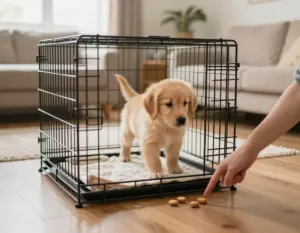
8 Genius Puppy Potty Training Hacks for a Clean Home Fast
Picture this: you’ve just welcomed an adorable puppy into your home, and within hours, you’re discovering “surprises” in every corner of your house. Sound familiar? If you’re tired of constantly cleaning up accidents and dreaming of a spotless home where your furry friend knows exactly where to do their business, you’re in the right place. These 8 genius puppy potty training hacks for a clean home fast will transform your chaotic puppy parenting experience into a smooth, successful journey that protects your floors, carpets, and sanity.
Key Takeaways
- Consistency is everything – Establish regular schedules, use the same doors and locations, and maintain unwavering routines for fastest results
- Timing matters more than you think – Young puppies need bathroom breaks every 2 hours, with the ability to “hold it” increasing by one hour per month of age
- Positive reinforcement accelerates learning – Immediate rewards and praise create stronger associations than punishment ever could
- Crate training leverages natural instincts – Properly sized crates tap into puppies’ desire to keep their sleeping areas clean
- Most puppies achieve full potty training by 6 months – Setting realistic expectations prevents frustration and maintains motivation
Understanding the Fundamentals Behind These Genius Hacks
Before diving into the specific strategies that make up our 8 genius puppy potty training hacks for a clean home fast, it’s crucial to understand why these methods work so effectively. Puppies aren’t trying to frustrate you—they’re simply learning to navigate a world where human expectations don’t always align with their natural instincts.
Young puppies have limited bladder control, which means accidents are inevitable during the early stages. According to veterinary experts, puppies can typically hold their bladder for one hour per month of age, plus one additional hour [2]. This means your 8-week-old puppy can only “hold it” for about 3 hours maximum, while a 4-month-old puppy might manage 5 hours.
The key to success lies in working with your puppy’s biology rather than against it. These genius hacks leverage your puppy’s natural tendencies, learning patterns, and physical development to create a training system that feels intuitive for both of you.
The Science-Backed Approach to Fast Results
1. Master the Two-Hour Rule for Lightning-Fast Progress
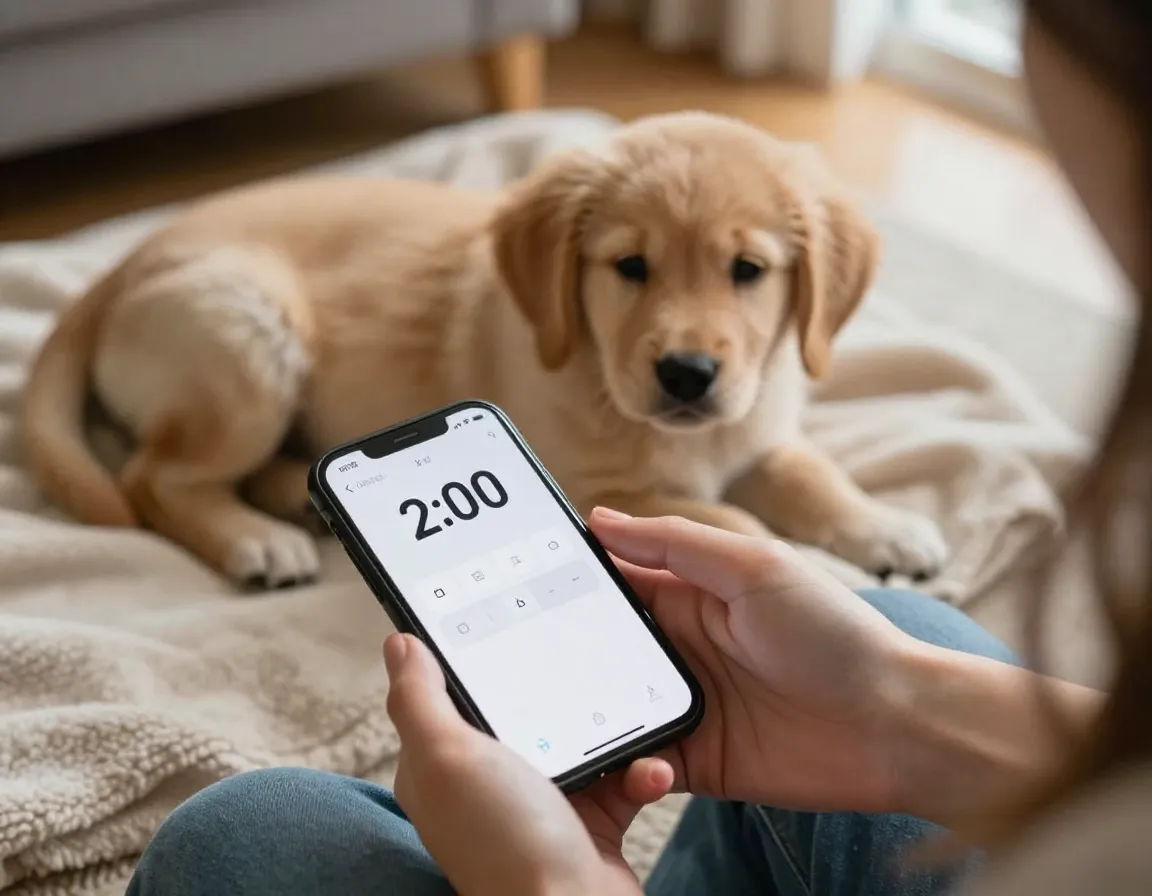
The foundation of rapid potty training success starts with understanding your puppy’s biological needs. Take puppies outside every 2 hours during their waking hours, especially when they’re between 6-8 weeks old [2]. This isn’t just a suggestion—it’s a scientifically-backed approach that prevents accidents before they happen.
Here’s how to implement this genius hack effectively:
Create a visual schedule that you can follow religiously. Set phone alarms every two hours during the day, and stick to this routine even when it feels excessive. Remember, you’re building neural pathways in your puppy’s developing brain, and consistency is the key to rapid formation of these connections.
Track your puppy’s individual patterns within this two-hour framework. Some puppies may need breaks every 90 minutes, while others can stretch to 2.5 hours. Pay attention to subtle signs like sniffing, circling, or sudden restlessness—these indicate your puppy needs an immediate bathroom break.
Adjust the schedule as your puppy grows. For each month of age, you can add approximately one hour to the waiting duration [2]. A 3-month-old puppy can typically wait 3-4 hours, while a 6-month-old might manage 6-7 hours between breaks.
2. Harness the Power of Location Consistency
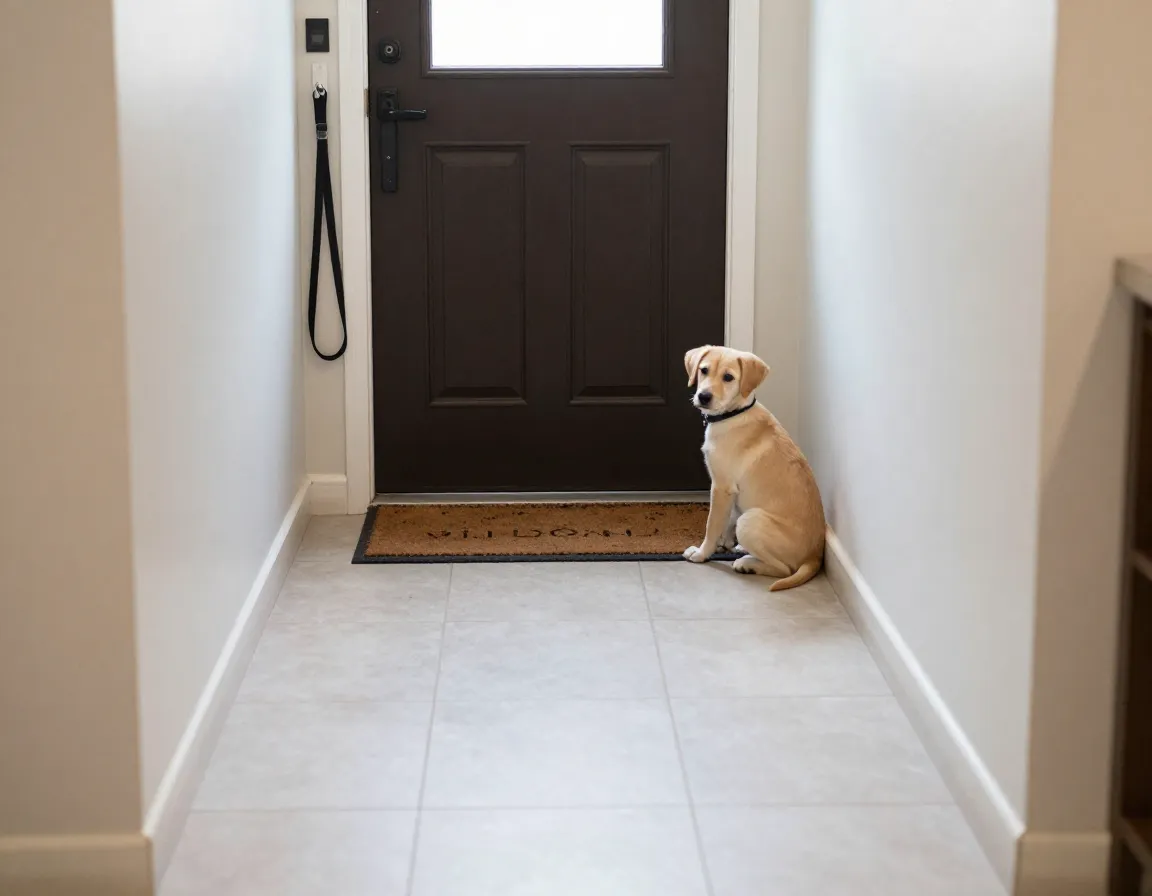
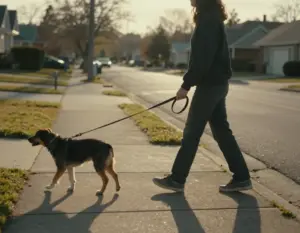
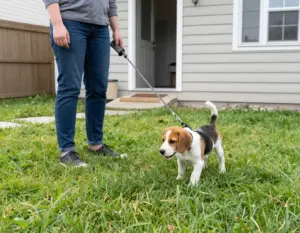
One of the most overlooked aspects of rapid potty training involves using the same location and door consistently every single time [1][2]. This genius hack works because dogs are creatures of habit who learn through environmental associations.
Choose one specific door that will always be your “potty door.” Whether it’s your back door, side door, or front door, stick with this choice throughout the entire training process. Your puppy will begin to associate this door with bathroom needs, eventually learning to signal their needs by going to this specific location.
Select a designated outdoor potty area and use it exclusively during training. This spot should be easily accessible, relatively quiet, and free from major distractions. The scent markers left in this area will actually encourage your puppy to continue using this location—dogs prefer to eliminate where they’ve gone before.
Create a clear pathway from your puppy’s main living area to the chosen door. Remove obstacles, ensure good lighting, and make this route as straightforward as possible. The easier it is for your puppy to reach the potty door, the more likely they are to signal their needs appropriately.
3. Time Meals for Predictable Success
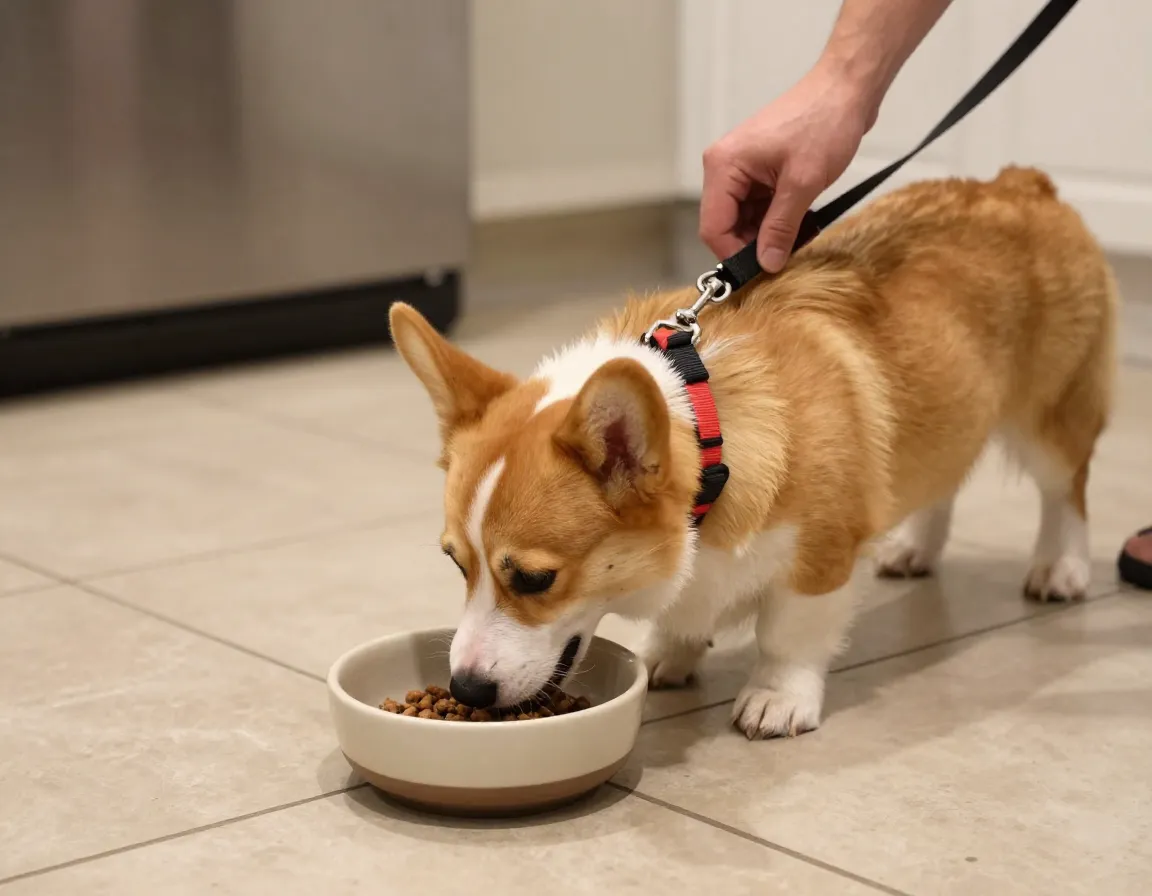
Every feeding triggers the need to eliminate, making post-meal breaks one of the most reliable training opportunities you’ll have [1]. This biological response is so predictable that you can use it to your advantage for faster training results.
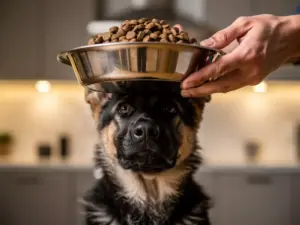
Feed your puppy at the same times each day and immediately take them outside 15-30 minutes after each meal. Young puppies typically need to eliminate within 30 minutes of eating, so this timing is crucial for preventing indoor accidents.
Use this predictability to reinforce positive associations. Since you know your puppy will need to go outside after meals, you can prepare treats and praise in advance. This allows you to provide immediate positive reinforcement when your puppy eliminates in the correct location.
Monitor water intake alongside meal timing. While you shouldn’t restrict water access, being aware of when your puppy drinks large amounts helps you anticipate bathroom needs and prevent accidents.
4. Implement Strategic Crate Training
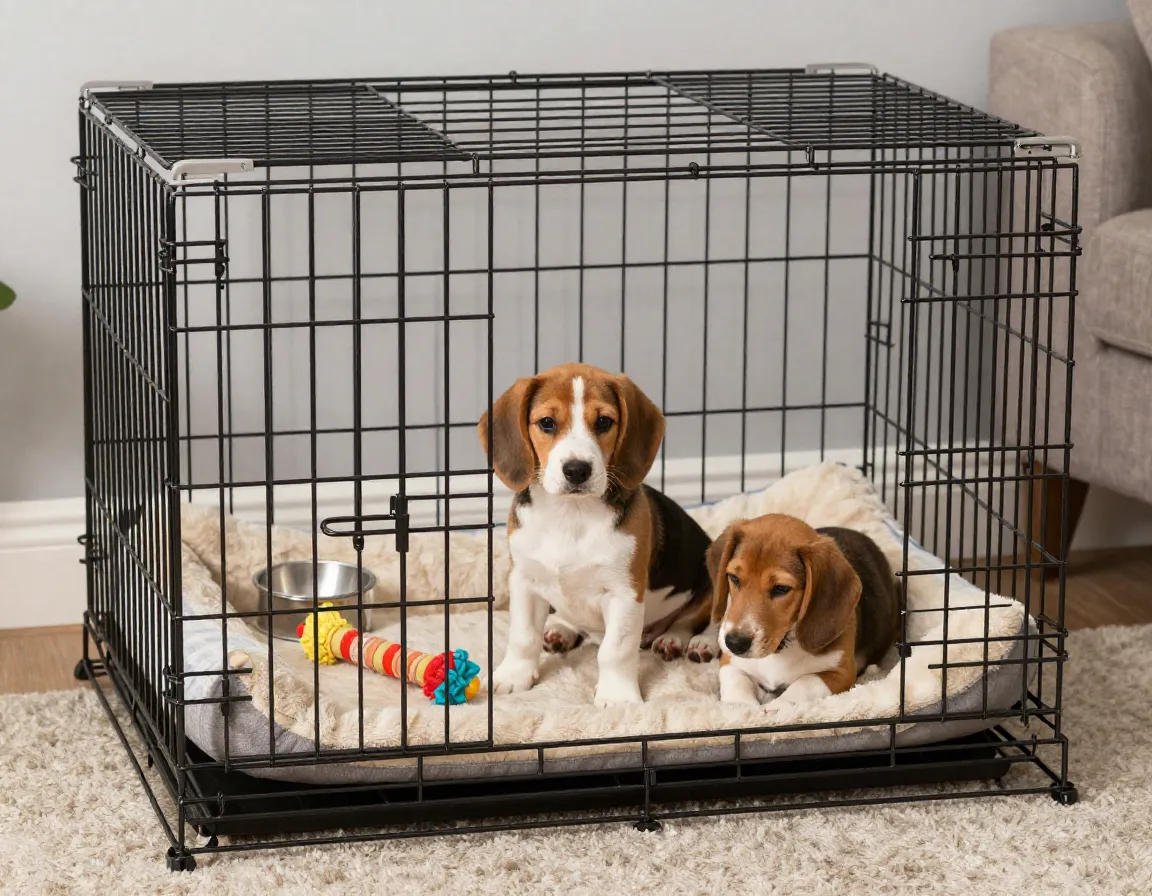
Crate training leverages puppies’ natural reluctance to eliminate in their sleeping area [1][2], making it one of the most effective tools in your potty training arsenal. However, the success of this method depends entirely on proper implementation.
Choose the right crate size—just large enough for your puppy to stand, turn around, and lie down comfortably [2]. If the crate is too large, your puppy may eliminate in one corner and sleep in another, defeating the purpose of this training method.
Make the crate a positive space by feeding meals inside, providing comfortable bedding, and offering special chew toys that only come out during crate time. Your puppy should view their crate as a safe, comfortable den rather than a punishment.
Use strategic crate timing to prevent accidents and encourage outdoor elimination. Crate your puppy for 30-60 minutes, then immediately take them outside to their designated potty area. This builds a strong association between leaving the crate and going outside to eliminate.
Advanced Strategies That Accelerate Training Success
5. Develop Powerful Verbal Cues
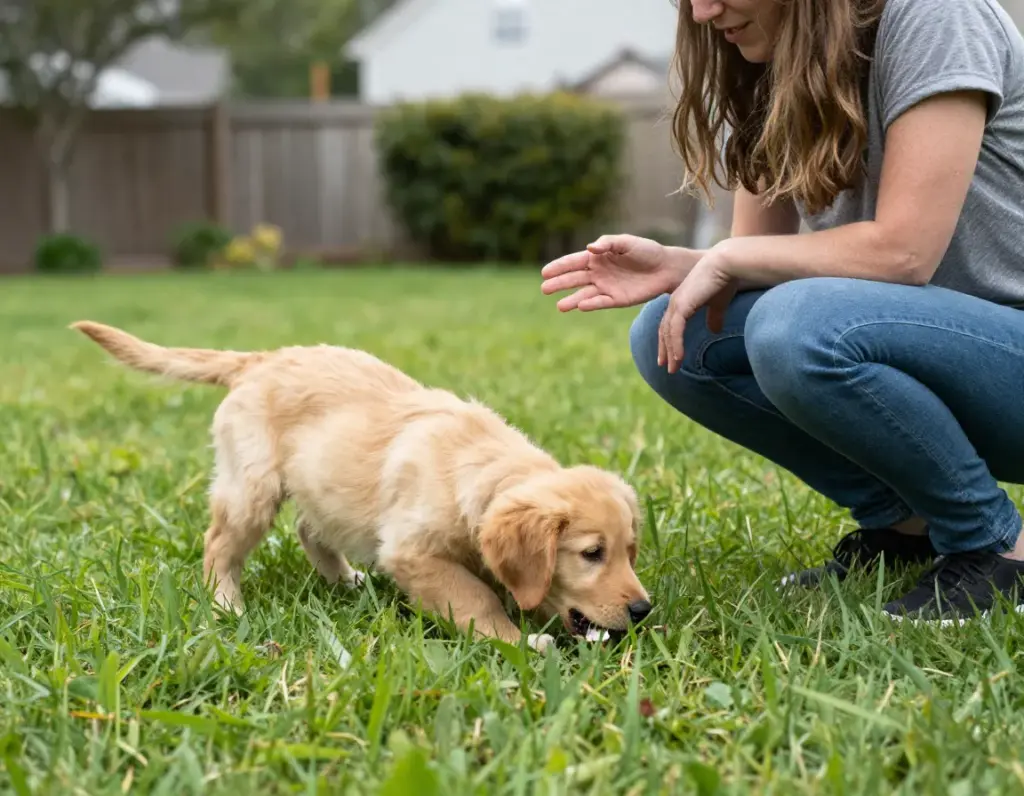
Introduce consistent phrases like “go potty” when your puppy is ready to eliminate [2]. This genius hack creates a communication bridge between you and your puppy that will serve you well throughout their entire life.
Choose simple, distinct phrases that you’ll use exclusively for potty training. Avoid using words that might appear in regular conversation, as this can confuse your puppy. Popular choices include “go potty,” “do your business,” or “hurry up.”
Use the cue word consistently every time your puppy begins to eliminate in the correct location. Say the phrase in a calm, encouraging tone, and repeat it 2-3 times while your puppy is actively going to the bathroom.
Practice the cue in different weather conditions and times of day. Your puppy needs to understand that “go potty” means the same thing whether it’s raining, snowing, or sunny outside. This consistency ensures reliable communication regardless of circumstances.
6. Master the Art of Positive Reinforcement
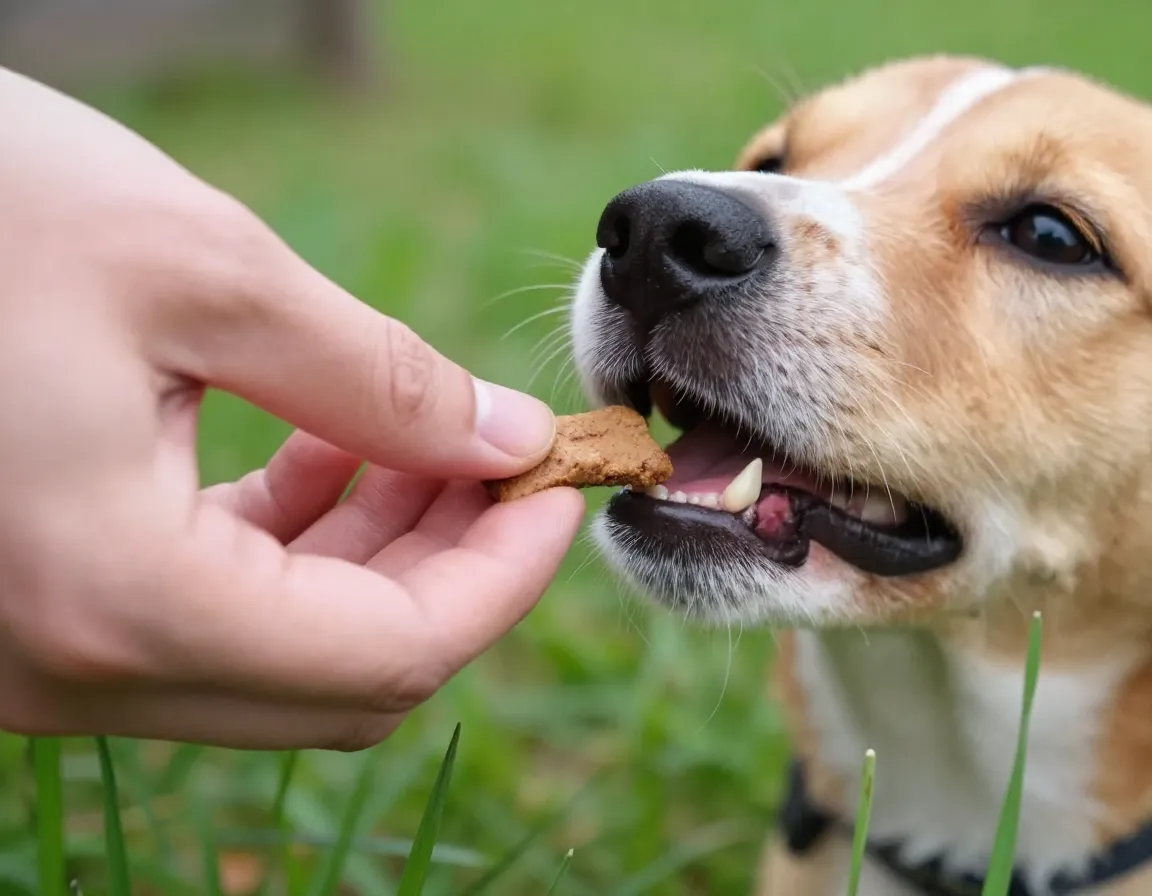
Reward puppies immediately with praise or treats when they eliminate in the correct location [1][2]. The timing of this reinforcement is absolutely critical—you have a window of about 3-5 seconds to create a strong positive association.
Carry high-value treats with you every time you take your puppy outside. Choose small, soft treats that your puppy can eat quickly without losing focus on the training moment. Freeze-dried liver, small training treats, or tiny pieces of cooked chicken work exceptionally well.
Combine treats with enthusiastic verbal praise. Your excited, happy voice becomes a powerful reward that costs nothing and is always available. Use phrases like “Good potty!” or “Yes! Outside!” in an upbeat, celebratory tone.
Gradually phase out treats while maintaining verbal praise. Once your puppy consistently eliminates outside, you can reduce treat frequency while continuing to offer enthusiastic praise for every successful outdoor bathroom break.
7. Avoid Punishment and Focus on Prevention
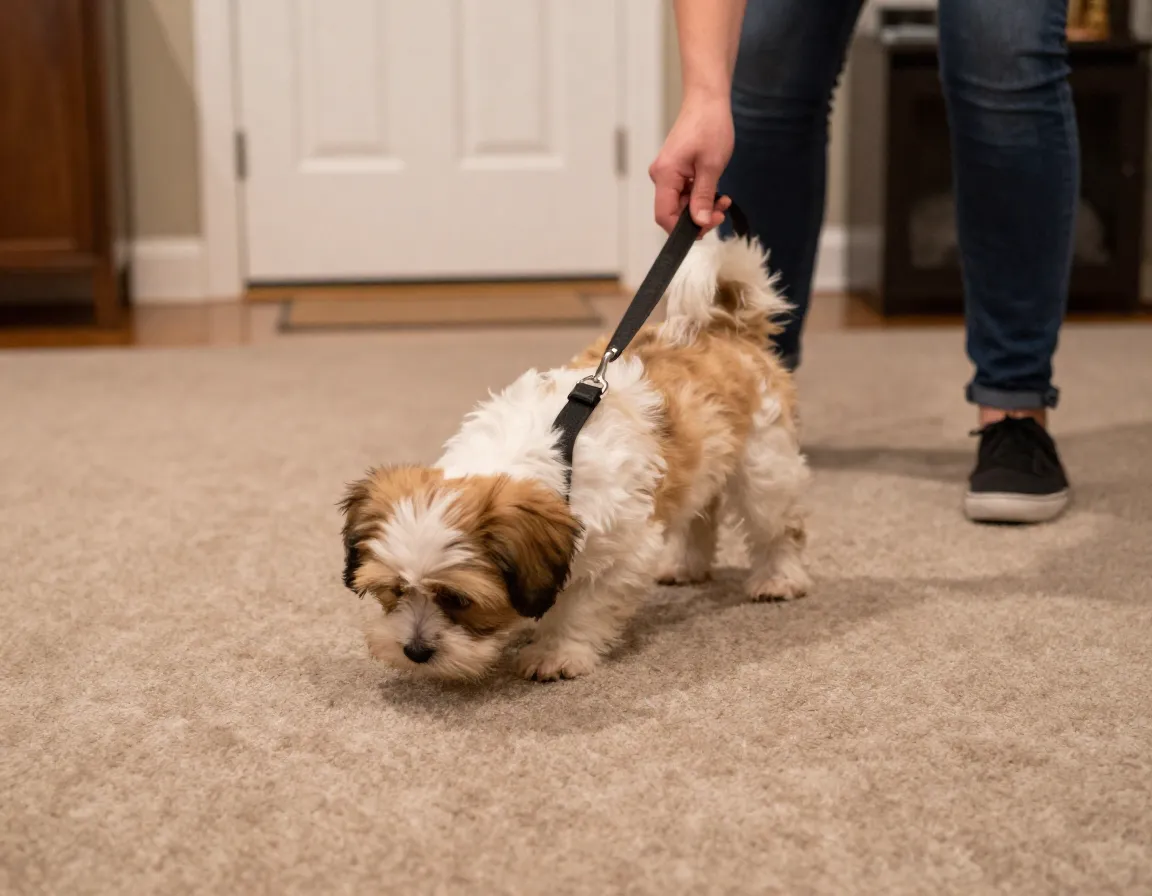
Do not punish accidents; instead, supervise closely and interrupt mistakes in progress [2][5]. This approach prevents the development of fear-based associations that can actually slow down the training process.
Supervise constantly during the early training phases. When you can’t actively watch your puppy, use crate training or confine them to a small, puppy-proofed area. Prevention is always more effective than correction after the fact.
Learn to recognize pre-elimination signals such as sniffing intensely, circling, whining, or suddenly becoming restless. When you notice these behaviors, immediately guide your puppy outside to their designated potty area.
Clean accidents thoroughly with enzymatic cleaners that eliminate odor markers. Regular household cleaners may mask odors from human noses but leave scent traces that encourage puppies to eliminate in the same spot again.
8. Set Realistic Timeline Expectations
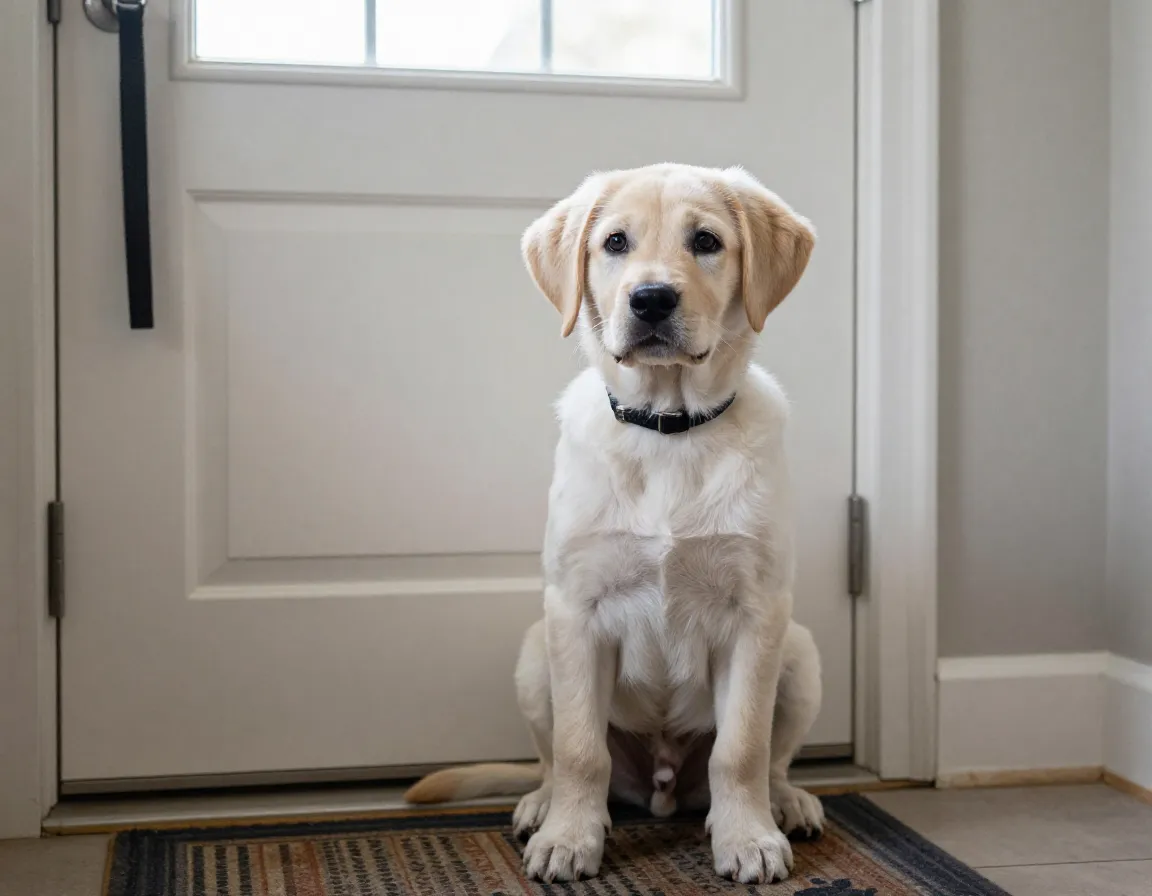
Puppies typically begin asking to go outside by 4 months old, with most fully potty trained by 6 months [2]. Understanding these realistic timelines prevents frustration and helps you maintain consistency throughout the training process.
Expect gradual progress rather than overnight transformation. Your puppy might have accident-free days followed by multiple mishaps—this is completely normal and doesn’t indicate training failure.
Track progress weekly rather than daily to maintain perspective on your puppy’s improvement. Keep a simple log of successful outdoor eliminations versus indoor accidents to see the overall trend toward success.
Celebrate small victories along the way. When your puppy signals to go outside for the first time, successfully uses their designated potty area, or goes several hours without an accident, acknowledge these milestones with extra praise and attention.
Troubleshooting Common Challenges
Even with these genius puppy potty training hacks for a clean home fast, you may encounter specific challenges that require targeted solutions. Understanding how to address these common issues keeps your training on track.
Regression after initial success often occurs around 4-5 months of age when puppies go through developmental changes. Maintain your routine and return to more frequent potty breaks temporarily until consistency returns.
Weather-related resistance can slow progress when puppies refuse to go outside in rain, snow, or extreme temperatures. Create covered outdoor areas when possible, and consider indoor backup options like pee pads near the designated door.
Multi-dog household complications require individual attention for the puppy being trained. Older dogs can sometimes interfere with training routines or create territorial issues around elimination areas.
Creating Your Personalized Training Plan
Success with these 8 genius puppy potty training hacks for a clean home fast requires adapting the strategies to your specific situation. Consider your work schedule, living arrangements, and your puppy’s individual personality when implementing these methods.
Design a daily schedule that incorporates all eight hacks while fitting your lifestyle. Early morning potty breaks, meal timing, crate periods, and evening routines should all work together as part of a comprehensive system.
Involve all family members in the training process to ensure consistency. Everyone should use the same door, the same verbal cues, and the same positive reinforcement techniques.
Prepare for setbacks by having cleaning supplies readily available and maintaining patience during challenging phases. Remember that every puppy learns at their own pace, and consistency trumps perfection every time.
Conclusion
Implementing these 8 genius puppy potty training hacks for a clean home fast will transform your puppy training experience from frustrating to rewarding. By combining scientific understanding of puppy development with proven training techniques, you’re setting both yourself and your puppy up for rapid success.
Start today by choosing your designated door and outdoor potty area, setting up your puppy’s appropriately sized crate, and establishing a consistent two-hour schedule for bathroom breaks. Remember that consistency and positive reinforcement will always outperform punishment and frustration.
Track your progress over the coming weeks, celebrating small victories while maintaining realistic expectations about your puppy’s developmental timeline. Most importantly, enjoy this bonding time with your new family member—successful potty training creates a foundation of trust and communication that will benefit your relationship for years to come.
Your clean home and well-trained puppy are just weeks away. With patience, consistency, and these proven strategies, you’ll soon wonder why you ever worried about potty training in the first place.
References
[1] 13 Puppy Potty Training Hacks – https://fetchpetcare.com/blog/13-puppy-potty-training-hacks/
[2] How To Potty Train Your Puppy – https://vcahospitals.com/pediatric/puppy/behavior-training/how-to-potty-train-your-puppy
[3] Puppies For Dummies Cheat Sheet 208403 – https://www.dummies.com/article/home-auto-hobbies/pets/dogs/general-dogs/puppies-for-dummies-cheat-sheet-208403/
[4] Rv9tuouovu – https://www.youtube.com/shorts/_rv9tUoUovU
[5] Can Train Puppy First Day Heres – https://www.rover.com/blog/can-train-puppy-first-day-heres/
[6] National Puppy Day Top Puppy Training Tips – https://snugglepuppy.com/blogs/snuggle-puppy-blog/national-puppy-day-top-puppy-training-tips