8 Different Species of Cat You Can Actually Own (Beyond Domestic)
Only about 2% of cat owners in the United States keep an exotic or hybrid cat breed — yet the global market for these animals is growing faster than ever in 2026. If you’ve always felt that a standard tabby or Persian doesn’t quite match your lifestyle or personality, you’re not alone. The world of exotic feline ownership is far wider than most people realize. This guide covers 8 different species of cat you can actually own (beyond domestic), walking you through each breed’s temperament, care needs, legal status, and what makes them truly one-of-a-kind. Whether you’re a seasoned cat enthusiast or just starting to explore your options, this list will open your eyes to some extraordinary animals.
Key Takeaways
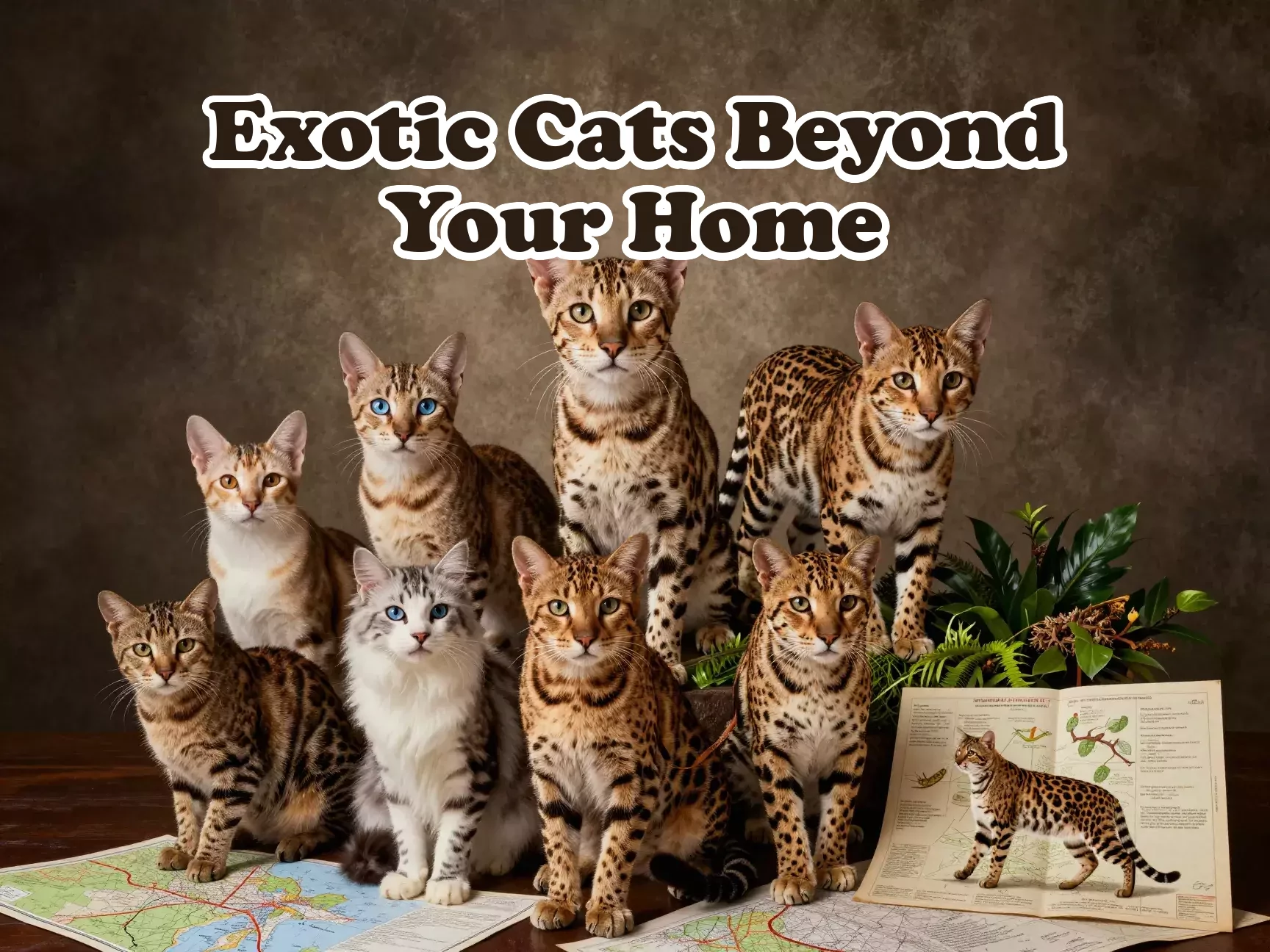
- 🐆 The 8 different species of cat you can actually own (beyond domestic) range from hybrid crosses to ancient purebreds with wild ancestry.
- ⚖️ Legality varies by state and country — always check local laws before acquiring any exotic or hybrid cat.
- 💰 Some breeds, like the Khao Manee, can cost up to $10,000 for a single kitten.
- 🏃 Many of these cats are highly energetic and require significantly more exercise, space, and enrichment than standard domestic breeds.
- 🐾 Hybrid cats like the Savannah and Bengal are legal in most U.S. states but may be restricted in certain municipalities.
What Makes a Cat “Beyond Domestic”?
Before diving into the list, it’s worth clarifying what we mean by “beyond domestic.” These are not your average shelter cats. They fall into two broad categories:
1. Hybrid breeds — cats produced by crossing a domestic cat with a wild species (such as the Asian leopard cat or African serval). These hybrids are bred over multiple generations until they are safe and legal to own as pets.
2. Ancient or rare purebreds — cats with documented wild ancestry or extremely rare genetic lineages that set them apart from common domestic breeds.
💡 “Owning an exotic cat is a serious commitment. These animals often retain wild instincts, require specialized diets, and need far more stimulation than a typical house cat.”
Here’s a quick comparison of the 8 breeds we’ll cover:
| Breed | Weight | Origin | Wild Ancestor | Price Range |
|---|---|---|---|---|
| Bengal | 8–15 lbs | USA | Asian Leopard Cat | $1,000–$5,000 |
| Savannah | Up to 25 lbs | USA | African Serval | $1,500–$20,000 |
| Egyptian Mau | 6–14 lbs | Egypt | Ancient Egyptian Cat | $800–$2,000 |
| Khao Manee | 8–10 lbs | Thailand | None (ancient purebred) | $7,000–$11,000 |
| Cheetoh | 20+ lbs | USA | Hybrid lineage | $500–$2,000 |
| Toyger | Up to 15 lbs | USA | None (selective breeding) | $1,500–$5,000 |
| Serengeti | Up to 15 lbs | USA | None (hybrid-inspired) | $600–$2,000 |
| Chausie | 9–15 lbs | USA | Jungle Cat | $500–$2,500 |
Now let’s get into the details.
The 8 Different Species of Cat You Can Actually Own (Beyond Domestic)
1. Bengal Cat 🐆
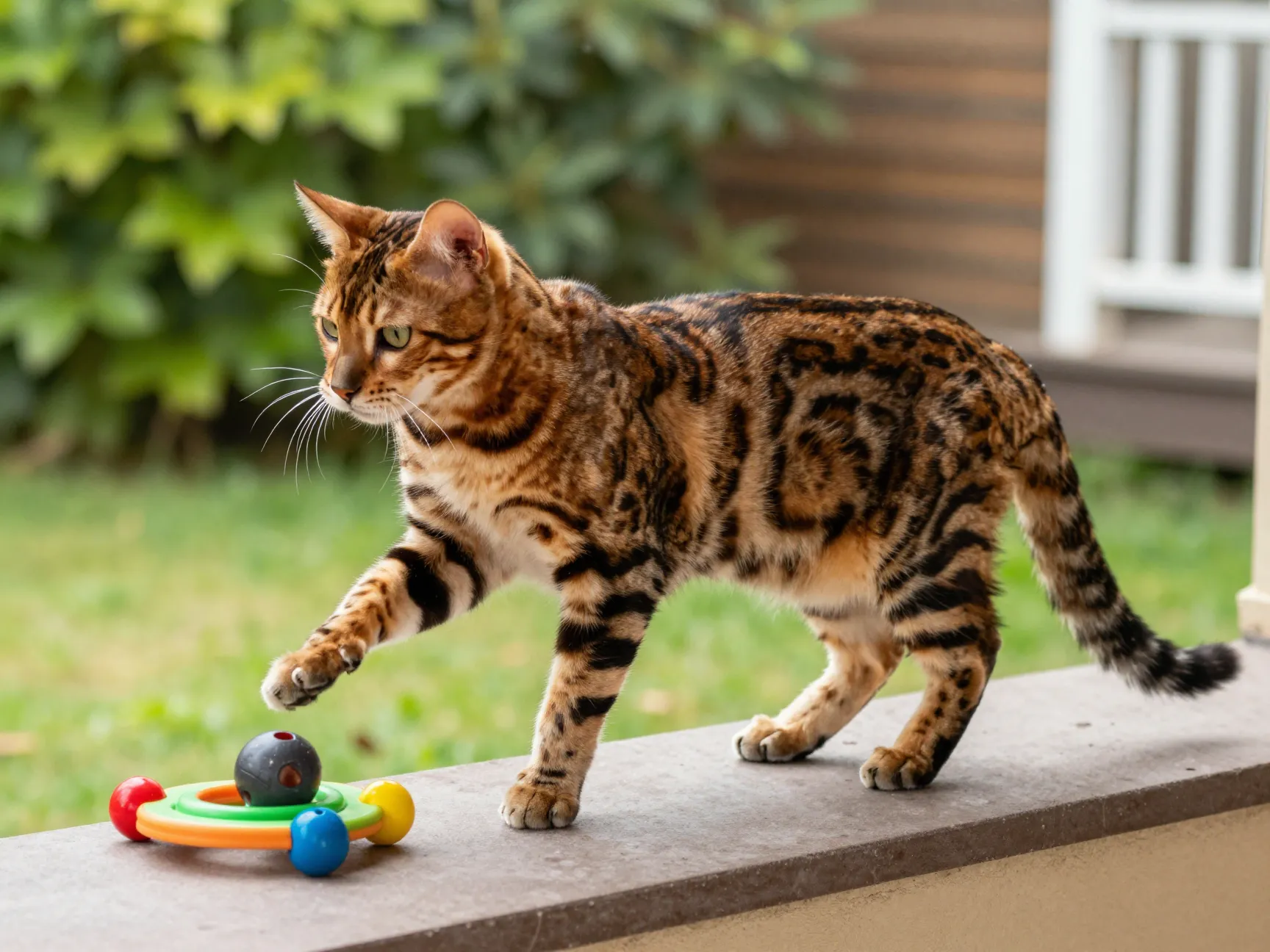
The Bengal is arguably the most popular exotic breed in the world right now, and for good reason. With its stunning leopard-like spotted and striped coat, this cat looks like it belongs in the rainforest — not on your couch [1]. Bengals originate from crossing domestic cats with the Asian leopard cat, a small wild feline native to South and Southeast Asia [6].
What to expect:
- Extremely high energy — Bengals need significant daily exercise and mental stimulation [1]
- Highly intelligent; can learn tricks, open doors, and even play fetch
- Vocal and social — they don’t do well when left alone for long periods
- Coat patterns include spotted, marbled, and rosetted designs
Legal status: Legal in most U.S. states, but banned or restricted in Hawaii, Georgia, and parts of New York City. Always verify local regulations.
Best for: Active households, experienced cat owners, families with older children.
2. Savannah Cat 🦒
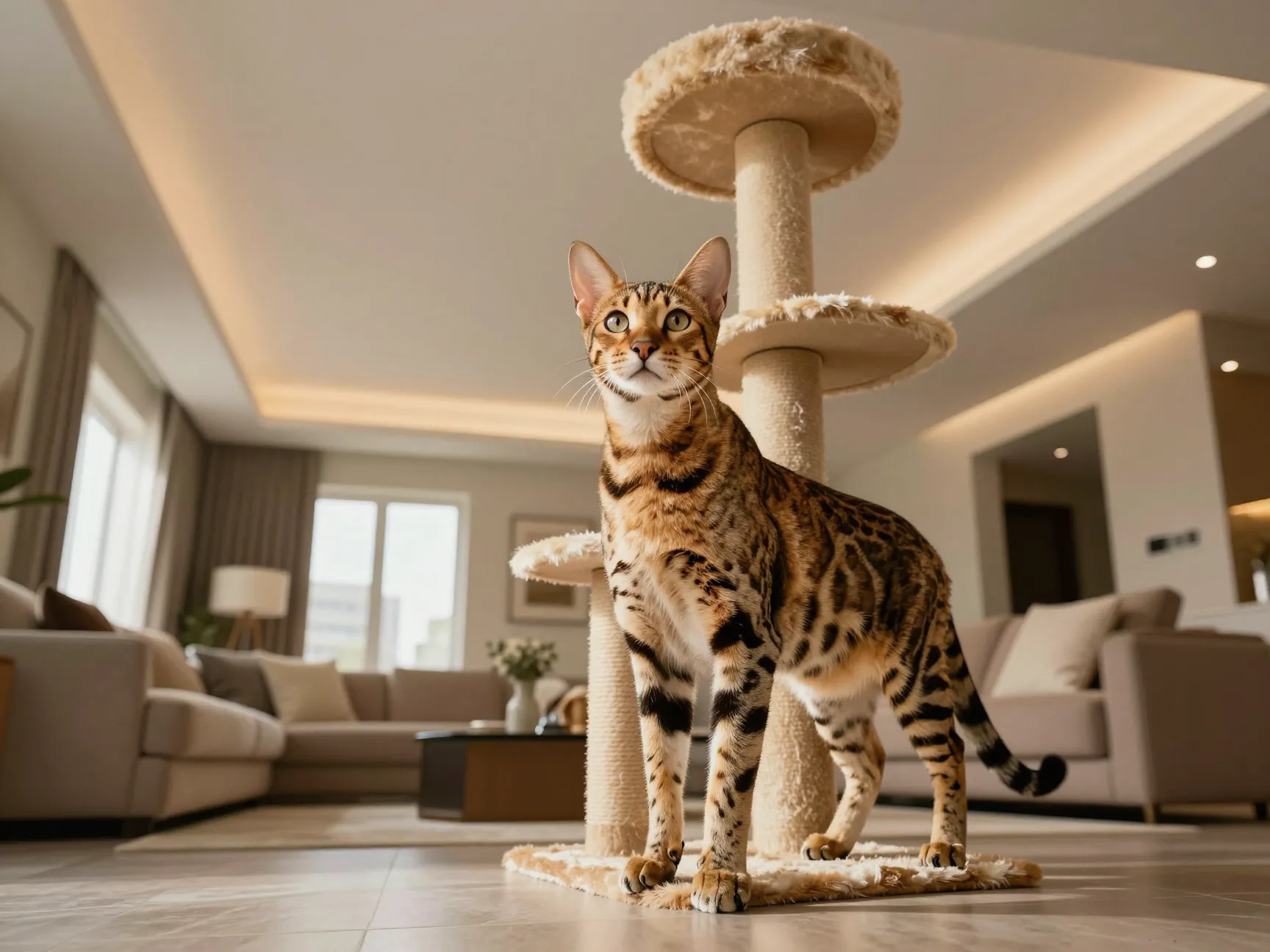
If size impresses you, the Savannah will leave you speechless. This hybrid between a domestic cat and an African serval can weigh up to 25 pounds and reach 17 inches in height, making it one of the largest cats you can legally own as a pet [1]. Its long legs, large ears, and bold spotted coat give it an unmistakably wild appearance [4][5].
What to expect:
- Dog-like loyalty — Savannahs often follow their owners around the house
- Loves water, which is unusual for cats
- Requires a large living space and plenty of vertical territory (tall cat trees are a must)
- F1 and F2 generations (closest to the serval) are restricted in many states
Legal status: Highly regulated. F1 Savannahs (first-generation hybrids) are banned in many U.S. states. Later generations (F4 and beyond) are legal in most areas [3].
Best for: Experienced exotic pet owners with large homes and outdoor enclosures.
3. Egyptian Mau 🏺
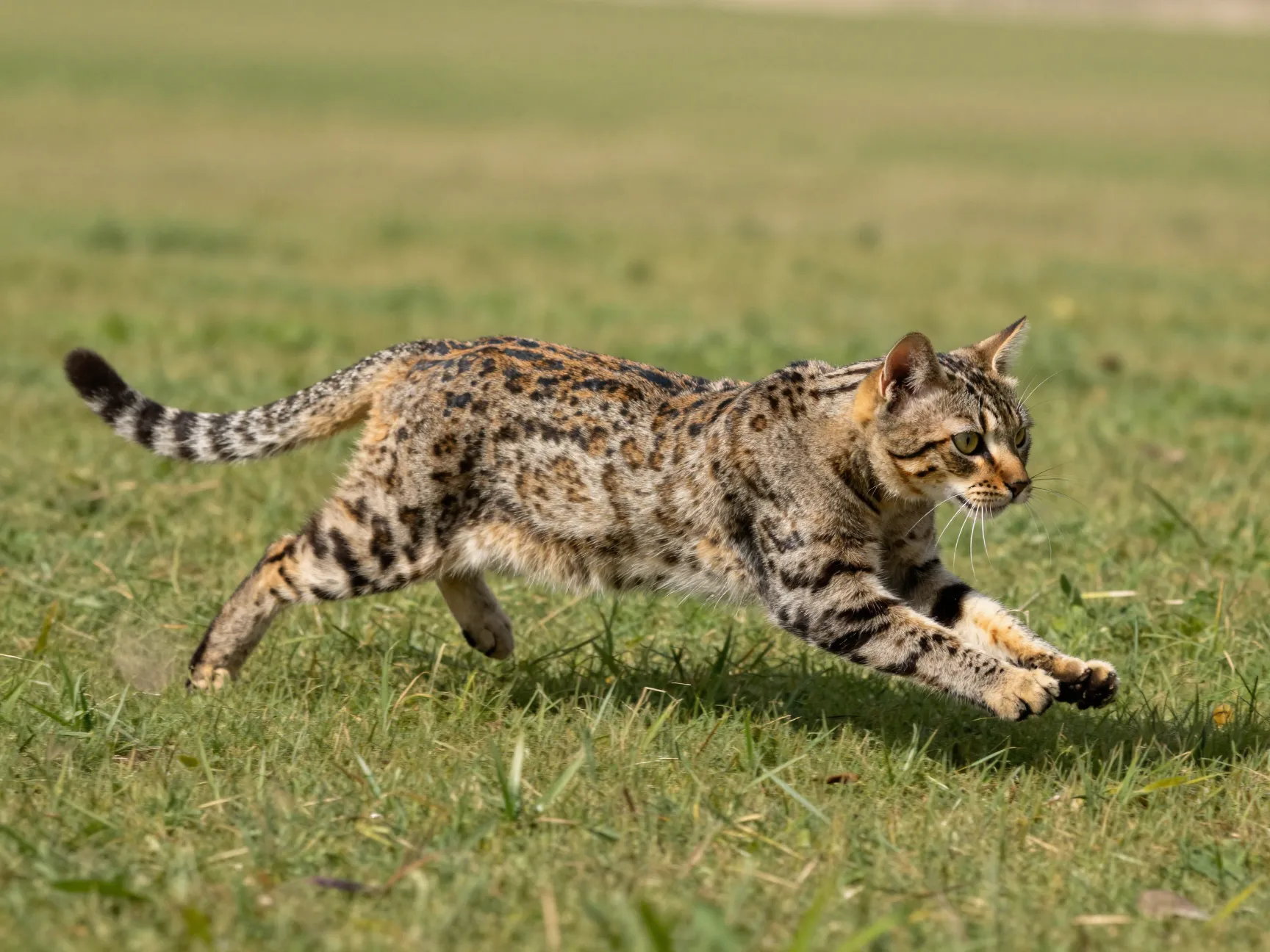
The Egyptian Mau holds a remarkable distinction: it is the only naturally spotted domestic cat breed in the world [2][4]. Unlike Bengals or Savannahs, the Mau’s spots are not the result of crossbreeding with wild cats — they occur naturally. Its ancestry may trace back to the cats worshipped in ancient Egypt, with images resembling the Mau appearing in Egyptian artwork thousands of years old [2].
What to expect:
- Can run at speeds of up to 30 mph, making it one of the fastest domestic cat breeds [2]
- Loyal and devoted to its family, but often shy around strangers
- Highly active and playful, with a strong prey drive
- Medium-sized with a muscular, athletic build
Legal status: Fully legal everywhere — the Egyptian Mau is a recognized domestic breed with no wild hybrid status.
Best for: Families who want an exotic look without the legal complexities of hybrid ownership.
4. Khao Manee 💎
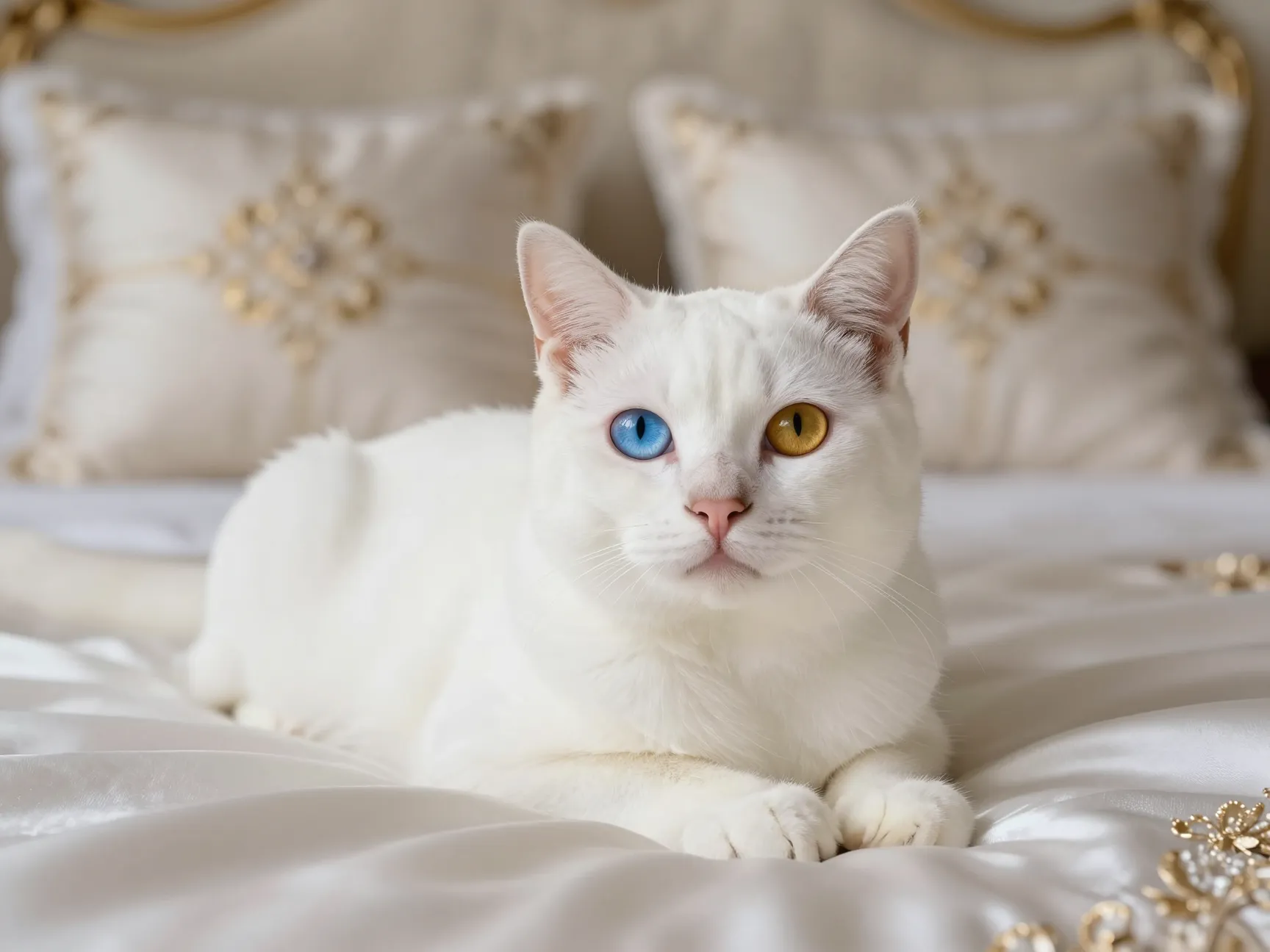
Known as the “Diamond Eye” cat, the Khao Manee is one of the rarest and most expensive cat breeds on the planet [1]. Originating in Thailand, this all-white cat has been prized by Thai royalty for centuries. The most desirable specimens have two different colored eyes — typically one blue and one gold — a trait considered to bring good luck in Thai culture [1].
What to expect:
- One Khao Manee kitten has sold for as much as $10,000 [1]
- Extremely affectionate and people-oriented
- Highly vocal and communicative
- Requires regular grooming to keep its pure white coat pristine
Legal status: Fully legal everywhere. The Khao Manee is a rare but recognized domestic breed.
Best for: Cat lovers who want a rare, visually stunning breed with a gentle temperament.
💡 “The Khao Manee’s odd-eyed trait is not just beautiful — in Thai culture, it is believed to bring fortune and protection to its owner.”
5. Cheetoh Cat 🐾
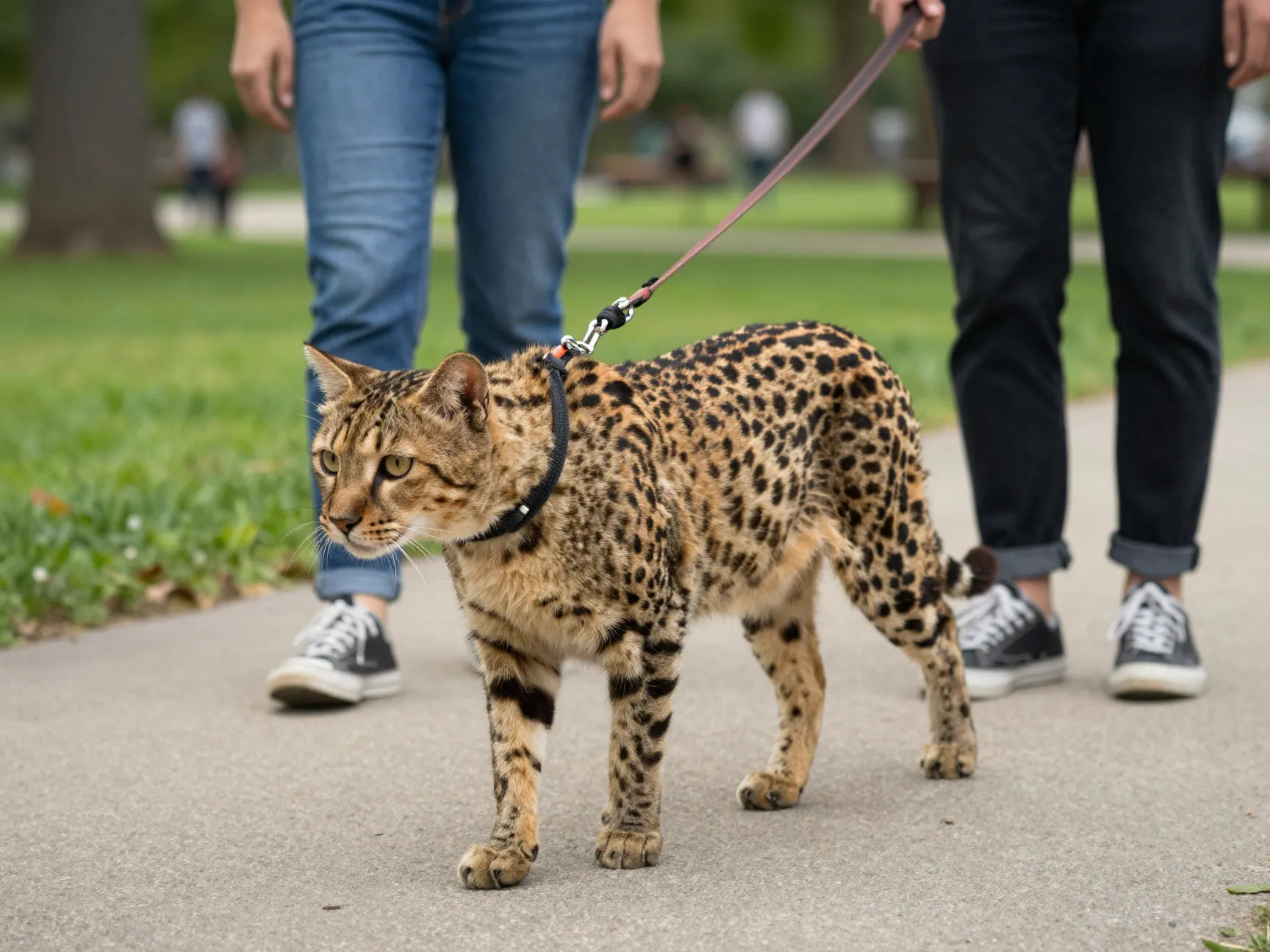
The Cheetoh is one of the rarest and newest exotic cat breeds in existence, and it’s not yet recognized by many major cat associations [2]. Created by crossing a Bengal with an Ocicat, the Cheetoh combines the wild look of the Bengal with the sociable nature of the Ocicat. These cats can weigh over 20 pounds and have a muscular, athletic build [2].
What to expect:
- Remarkably trainable — Cheetohs are known for walking on leashes and learning commands [2]
- Gentle giants despite their size; great with children and other pets
- Highly social and crave human interaction
- Bold spotted coat with a low-slung, panther-like gait
Legal status: Legal in most areas, as the Cheetoh is a domestic-to-domestic hybrid with no wild cat genetics.
Best for: Active families who want a large, trainable, and social exotic-looking cat.
6. Toyger 🐯
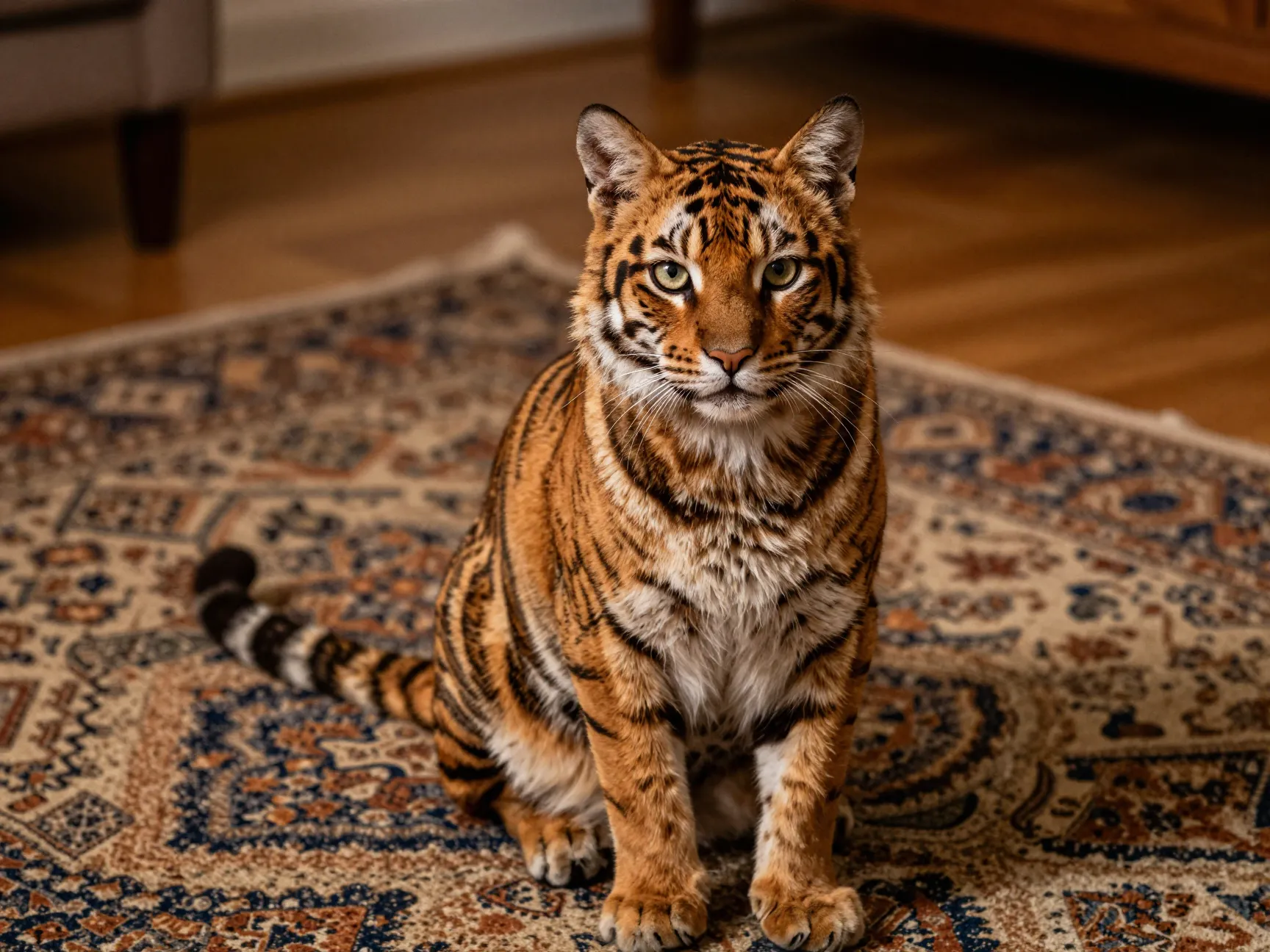
The name says it all — the Toyger is a miniature tiger designed for your living room. Created in the 1980s by crossing Bengals with striped domestic shorthairs, the Toyger was specifically bred to mimic the bold, branching stripe pattern of a Bengal tiger [2]. Adults can weigh up to 15 pounds and are built with a long, muscular body.
What to expect:
- High energy and highly intelligent — can be taught tricks and commands [2]
- More laid-back than Bengals, making them slightly easier to manage
- Distinctive circular head shape (unlike most cats) designed to evoke a tiger’s face
- Coat features bold, dark stripes on a warm orange background
Legal status: Fully legal everywhere. The Toyger is a recognized domestic breed with no wild ancestry.
Best for: Tiger enthusiasts who want a manageable, trainable, and visually dramatic pet.
7. Serengeti Cat 🌍
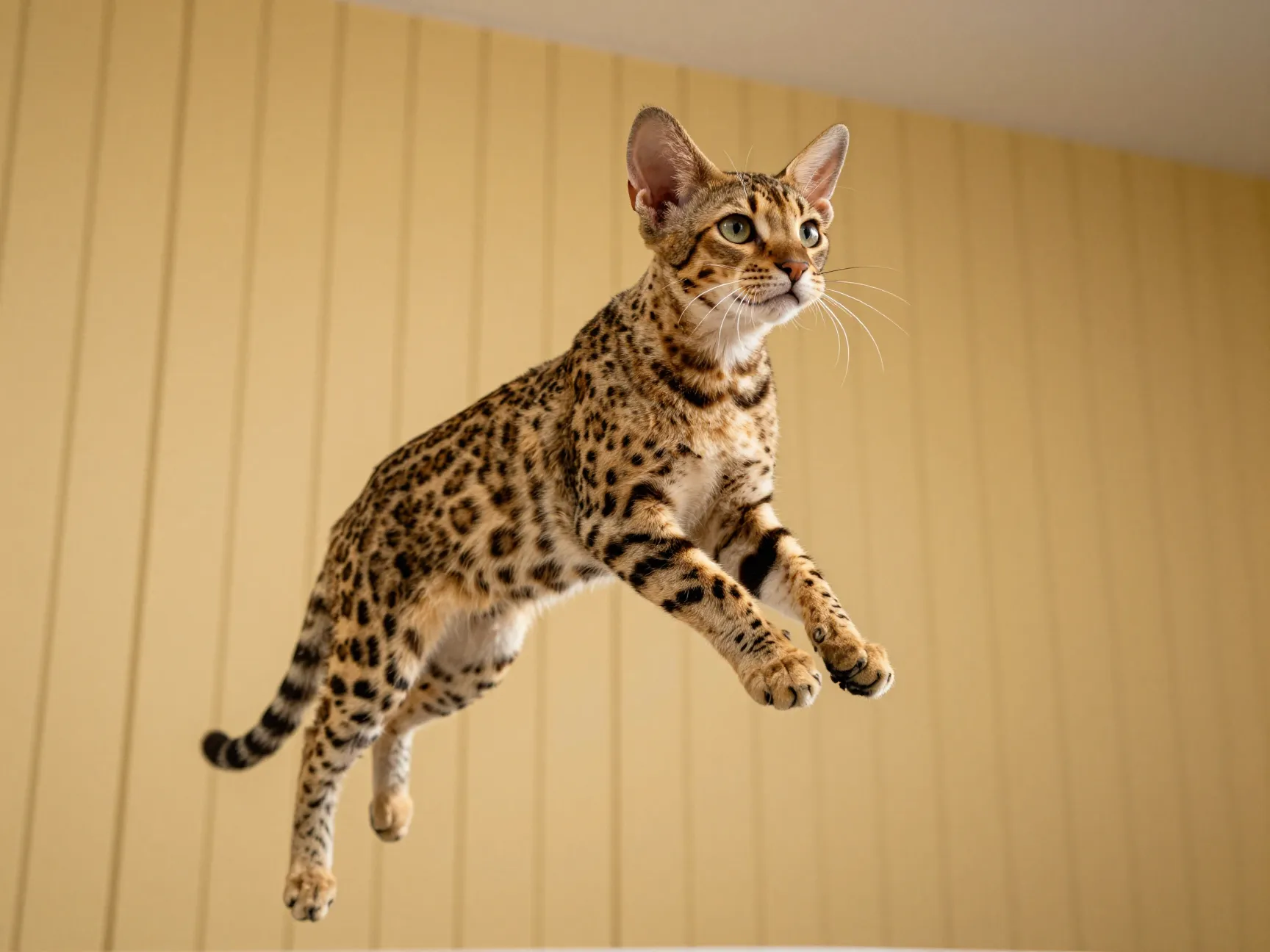
The Serengeti is a rare breed that was developed to resemble a serval without actually using any serval genetics — a remarkable achievement in selective breeding [2]. Recognized as a preliminary breed by The International Cat Association (TICA), the Serengeti is still relatively uncommon but is gaining recognition among exotic cat enthusiasts.
What to expect:
- Can jump an astonishing 7 feet in the air — one of the most athletic domestic cat breeds [2]
- Weighs up to 15 pounds with long legs and large, rounded ears
- Confident, outgoing, and highly active
- Bold spotted coat on a golden or silver background
Legal status: Fully legal everywhere. The Serengeti is a domestic breed with no wild hybrid status.
Best for: Active owners who want a serval-like appearance without the legal and care complexities of a true hybrid.
8. Chausie Cat 🌿
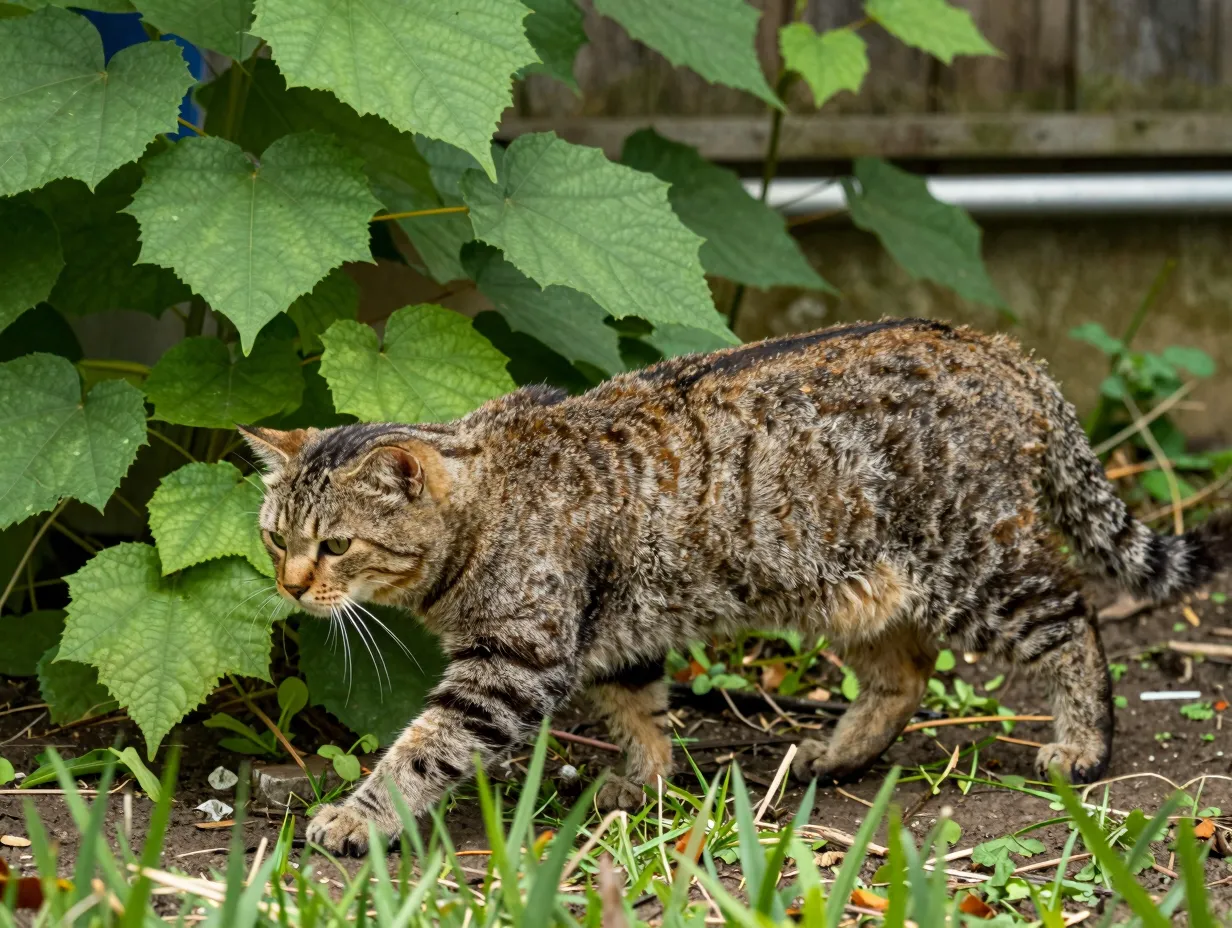
Rounding out our list of 8 different species of cat you can actually own (beyond domestic) is the Chausie — a striking hybrid created in the 1990s by crossing domestic cats with the jungle cat (Felis chaus), a wild species native to Asia and the Middle East [4]. The result is a tall, lean, athletic cat with a distinctly wild appearance.
What to expect:
- Comes in three recognized coat patterns: brown ticked tabby, solid black, and black grizzled [4]
- Extremely active and requires a great deal of daily exercise and enrichment
- Bonds intensely with its primary owner and can suffer from separation anxiety
- Larger than most domestic cats with a flat forehead and long legs
Legal status: Legal in most U.S. states, but check local regulations as jungle cat hybrids may be restricted in some areas [3].
Best for: Experienced cat owners who can dedicate significant time and space to a highly active, bonded companion.
Legal Considerations Before You Buy 📋
Owning any of the 8 different species of cat you can actually own (beyond domestic) comes with real legal responsibilities. Here’s what you need to know in 2026:
Key legal factors to research:
- State and local laws — Some states (like Hawaii) ban all hybrid cats. Others restrict only first-generation hybrids.
- Generation designation — F1 and F2 hybrids (closest to the wild ancestor) are almost always more restricted than later generations.
- Permits — Some states require exotic pet permits even for legal hybrid breeds.
- HOA and rental agreements — Even if your state allows a Savannah, your landlord or homeowner’s association may not.
- Veterinary access — Some exotic breeds require vets with specialized knowledge; not all vets are comfortable treating hybrids [3].
⚠️ Always consult your state’s fish and wildlife agency and a local attorney before purchasing any hybrid or exotic cat breed.
Care Requirements: What You’re Really Signing Up For
Owning an exotic cat is not like owning a standard domestic cat. Here’s a realistic breakdown of what these animals need:
Diet 🥩
- Many hybrid breeds do best on a high-protein, grain-free diet
- Some owners feed a raw diet to mimic wild eating patterns
- Always consult a vet experienced with exotic breeds
Exercise & Enrichment 🏃
- Bengals, Chausies, and Savannahs need at least 1–2 hours of active play daily
- Puzzle feeders, climbing walls, and outdoor enclosures (“catios”) are highly recommended
- Leash training is possible — and even encouraged — for breeds like the Cheetoh [2]
Socialization 🤝
- Most of these breeds are highly social and do poorly in isolation
- Many do well with other cats or even dogs if properly introduced
- Early socialization is critical, especially for hybrid breeds
Veterinary Care 🏥
- Budget for specialized vet care, which can be significantly more expensive than standard feline care
- Some hybrid breeds have specific health vulnerabilities (e.g., Bengals can be prone to progressive retinal atrophy)
Conclusion: Choosing the Right Exotic Cat for Your Life
The world of exotic and hybrid cats is genuinely exciting — but it demands respect, preparation, and commitment. From the lightning-fast Egyptian Mau to the gravity-defying Serengeti, each of the 8 different species of cat you can actually own (beyond domestic) brings something unique to the table.
Here are your actionable next steps:
- Research your local laws — Before falling in love with a Savannah or Chausie, confirm it’s legal where you live.
- Visit a reputable breeder — Never buy an exotic cat from a pet store or unverified online seller. Ask for health certifications and lineage documentation.
- Prepare your home — Invest in cat trees, puzzle toys, outdoor enclosures, and enrichment before your cat arrives.
- Find a specialized vet — Locate a veterinarian experienced with exotic or hybrid breeds in your area before you bring your cat home.
- Join a breed community — Online forums and breed-specific groups are invaluable resources for first-time exotic cat owners.
Exotic cats can be extraordinary companions — but only when they’re matched with owners who are truly ready for them. Do your homework, and you’ll be rewarded with one of the most fascinating relationships the pet world has to offer. 🐾
References
[1] Domestic Exotic Cats – https://www.allaboutpetsprovo.com/domestic-exotic-cats.html
[2] Exotic Cats – https://www.litter-robot.com/blog/exotic-cats/
[3] What You Need To Know About Legal Exotic Cats – https://www.petplace.com/article/cats/breeds/cat-breeds/what-you-need-to-know-about-legal-exotic-cats
[4] Cats That Look Like Leopards – https://cats.com/cats-that-look-like-leopards
[5] Watch – https://www.youtube.com/watch?v=ZL-zvXZL2_g
[6] Exotic Cat Breeds Top 10 Unique Pets – https://www.petsafe.com/blog/exotic-cat-breeds-top-10-unique-pets/
[7] How Many Breeds Of Domestic And Wild Cats Are Out There – https://www.lovet.com/blog/how-many-breeds-of-domestic-and-wild-cats-are-out-there/