8 Crucial Tips for New Dog Owners (Avoid These Mistakes!)
Picture this: You’ve just brought home your adorable new furry companion, and suddenly you’re overwhelmed by questions. Am I feeding them enough? Why won’t they stop chewing my shoes? Did I make a huge mistake? 🐕 If you’re feeling this way, you’re not alone. The truth is, most new dog owners make the same preventable mistakes that can lead to behavioral problems, stress, and even safety issues down the road. But here’s the good news – with these 8 crucial tips for new dog owners (avoid these mistakes!), you can set both you and your four-legged friend up for a lifetime of happiness and success.

Key Takeaways
- Positive reinforcement training is the gold standard – reward good behavior instead of punishing mistakes to build trust and engagement
- Consistent daily routines reduce anxiety and destructive behavior while helping your dog feel secure in their new environment
- Quality over quantity applies to both exercise and training – short, frequent sessions are more effective than marathon attempts
- Mental stimulation through “sniffari” walks and interactive play is just as important as physical exercise for your dog’s wellbeing
- The first year requires significant commitment – expect 2-3 hours daily for training, socialization, and care activities
Understanding the Foundation: Training and Behavior
1. Master Positive Reinforcement Training (Don’t Fall into the Punishment Trap)

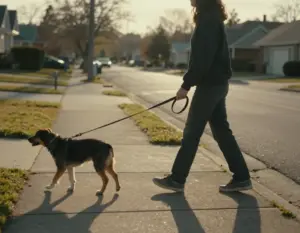
One of the most critical mistakes I see new dog owners make is relying on outdated punishment-based training methods. Positive reinforcement is the standard approach that modern veterinarians and animal behaviorists recommend [1]. This means rewarding desired behaviors with treats, praise, or play rather than correcting mistakes through scolding or physical corrections.
Here’s why this matters: when you reward good behavior, you’re building trust and keeping your dog engaged in the learning process [1][2]. Dogs trained with positive reinforcement are more confident, less anxious, and actually learn faster than those subjected to punishment-based methods.
Start with foundational commands like “sit” and “stay” – these build impulse control and make advanced training much easier [1]. These basic commands support real-life situations like waiting at doors and staying calm around guests, which are essential for a well-behaved family dog.
Pro tip: Use short, frequent training sessions of five to ten minutes multiple times daily. This approach is more effective than one long session and keeps dogs engaged without overwhelming them [1].
2. Focus on One Skill at a Time (Avoid the “Everything at Once” Mistake)
Many enthusiastic new owners try to teach their dog everything simultaneously – house training, leash walking, basic commands, and socialization all at once. This approach often leads to frustration for both dog and owner.
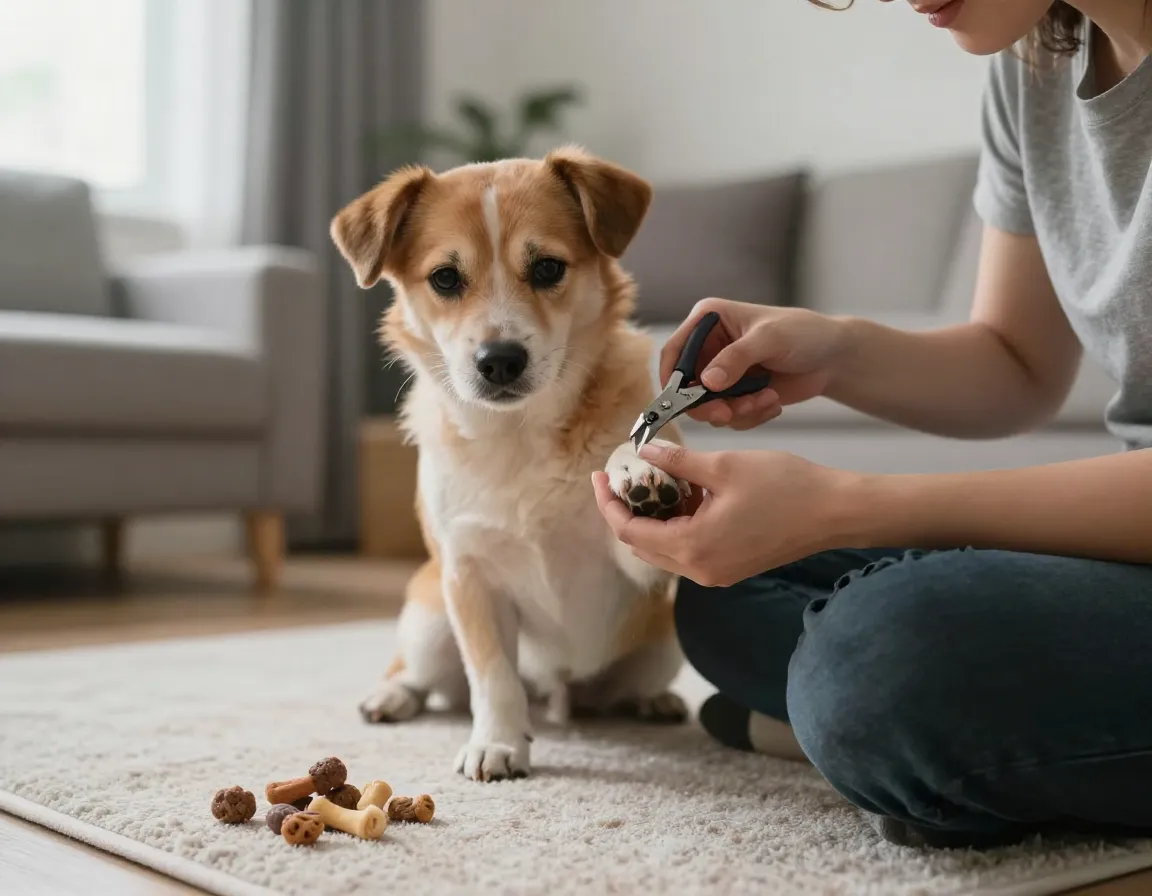
Instead, master one skill thoroughly before moving to the next [2]. Experts recommend focusing on a single positive reinforcement-based skill, such as cooperative care for nail trims or a reliable “stay” cue. This focused approach reduces stress during grooming and vet care while building your dog’s confidence.
For example, spend a full week perfecting the “sit” command before introducing “down” or “come.” Consistency is non-negotiable – using the same equipment, commands, and rewards helps dogs understand structure more quickly [1].
3. Create Structure Without Rigidity (The Routine Balance)
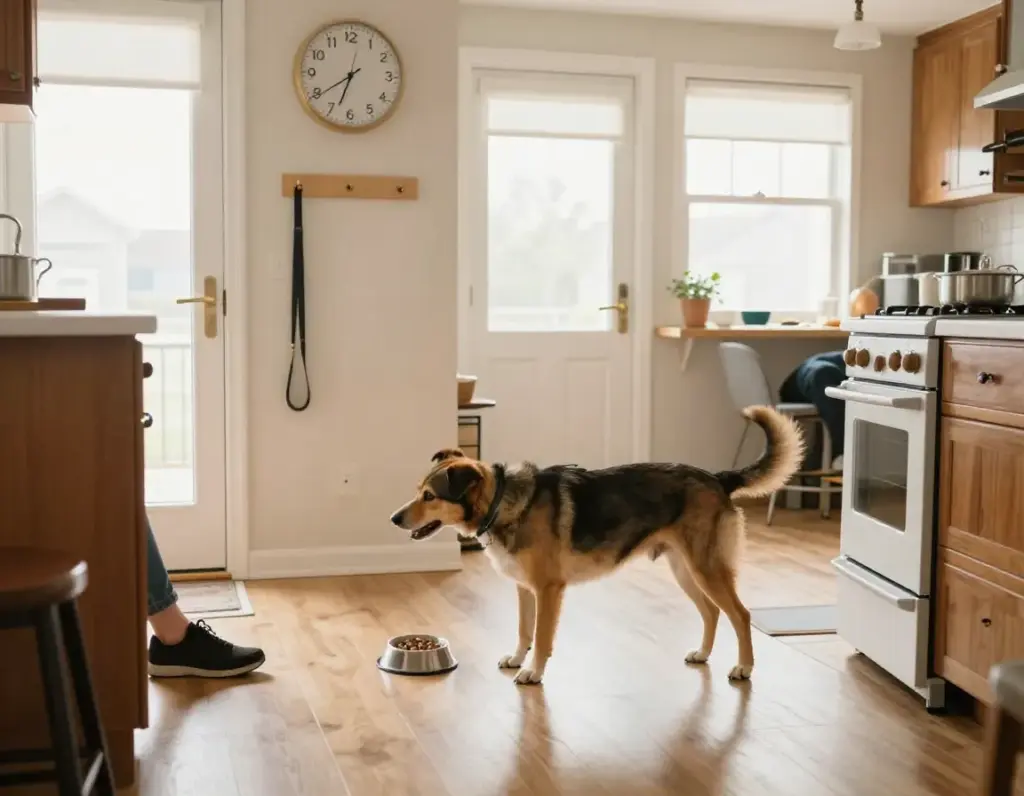
Establish predictable daily routines because dogs feel more secure with consistent feeding schedules, exercise times, and rest periods [1]. This structure reduces anxiety and destructive behavior significantly. However, many new owners make the mistake of creating routines that are too rigid.
The key is to build flexibility into routines while maintaining structure [3]. Introduce manageable variations such as:
- Feeding times: Within a 30-minute window rather than exactly at 6:00 AM
- Walk schedules: Morning walks between 7-8 AM instead of precisely at 7:30 AM
- Rest periods: Varying duration slightly based on your dog’s energy levels
This approach helps dogs adapt to life’s unpredictability while still providing the security they crave.
Use crate training for structure when properly introduced. Crates provide a safe space that supports housebreaking, travel, and rest while preventing destructive behavior in busy households [1].
4. Prioritize Mental Stimulation (Don’t Just Focus on Physical Exercise)
Here’s a mistake that surprises many new owners: thinking that a tired dog is automatically a good dog. While physical exercise is important, mental stimulation is equally crucial for your dog’s wellbeing.
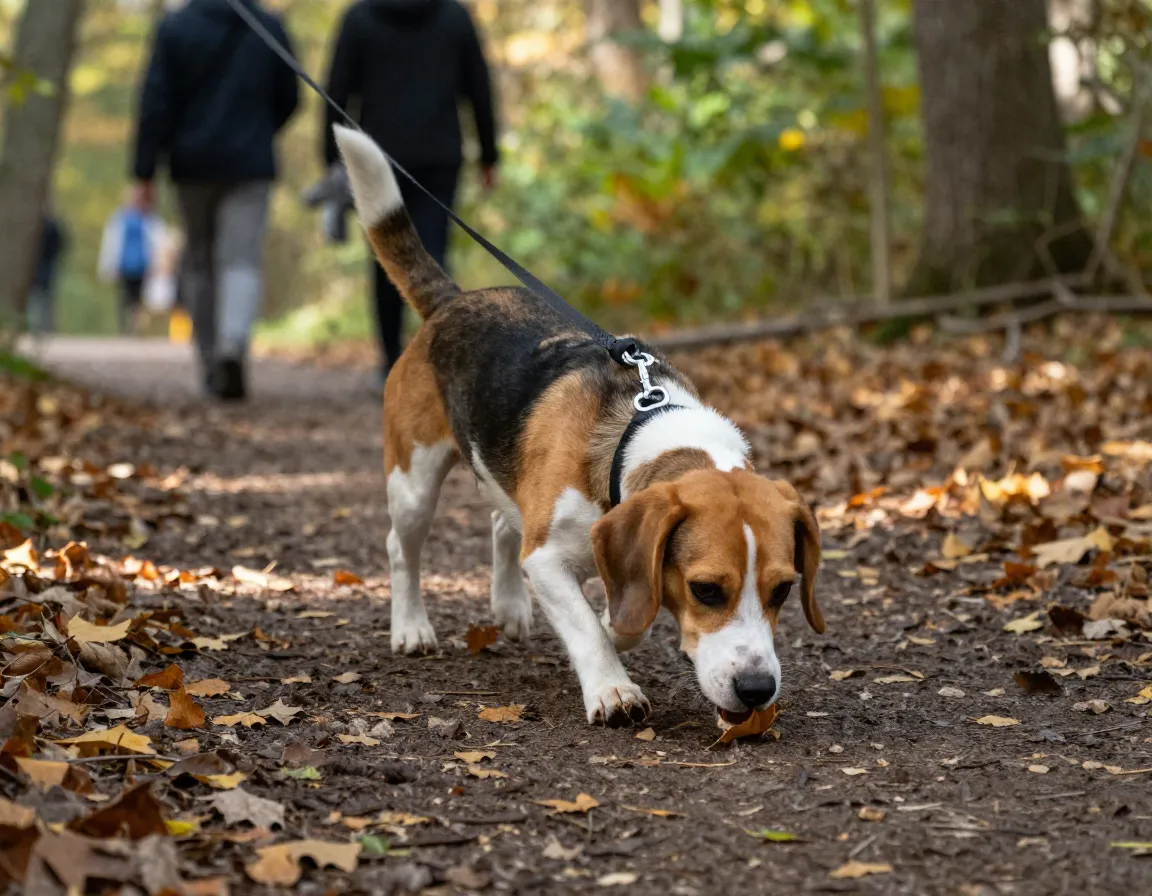
Include weekly “sniffari” walks where you allow your dog to lead and explore with their nose [2]. This type of mental stimulation satisfies natural instincts and can be more tiring than a regular walk. During these walks, let your dog set the pace and choose the direction (within safety limits).
Provide consistent interactive play through activities like:
- Puzzle feeders and treat-dispensing toys
- Hide-and-seek games with treats or toys
- Basic agility training using household items
- Fetch variations that include commands and problem-solving
Regular play sessions like these significantly reduce boredom and behavioral issues [2]. A mentally stimulated dog is less likely to develop destructive habits like excessive chewing or digging.
Exercise and Daily Care Essentials
5. Quality Over Quantity in Exercise (Avoid the “More is Better” Trap)

New dog owners often think longer walks automatically equal better exercise, but this isn’t necessarily true. Quality walks matter more than quantity – focus on varied experiences tailored to your dog’s specific needs [3].
Consider these three types of walks:
- Decompression walks: Slow-paced, sniffing-focused outings for mental relaxation
- Training walks: Structured sessions focusing on leash manners and commands
- Physical conditioning walks: Higher-intensity exercise for fitness and energy release
Match the walk type to your dog’s current needs. A high-energy puppy might need more physical conditioning, while an anxious rescue dog benefits from decompression walks.
Remember: A 20-minute quality walk with mental engagement often provides more benefit than an hour of mindless walking.
6. Understand the Time Commitment (Don’t Underestimate the First Year)

One of the biggest shocks for new dog owners is the significant time investment required, especially during the first year. The first-year commitment is substantial – new dog owners should expect two to three hours daily for walks, house training, socialization, basic commands, and vet visits [5].
Here’s a realistic daily breakdown:
- Morning routine: 30-45 minutes (feeding, potty break, short walk)
- Midday care: 20-30 minutes (potty break, quick play session)
- Evening activities: 60-90 minutes (longer walk, training, playtime)
- Bedtime routine: 15-20 minutes (final potty break, settling)
This doesn’t include time for grooming, vet appointments, or addressing behavioral issues. Planning for this commitment helps prevent the overwhelm that leads many dogs to shelters.
7. Establish Healthy Habits Early (Prevent Problems Before They Start)
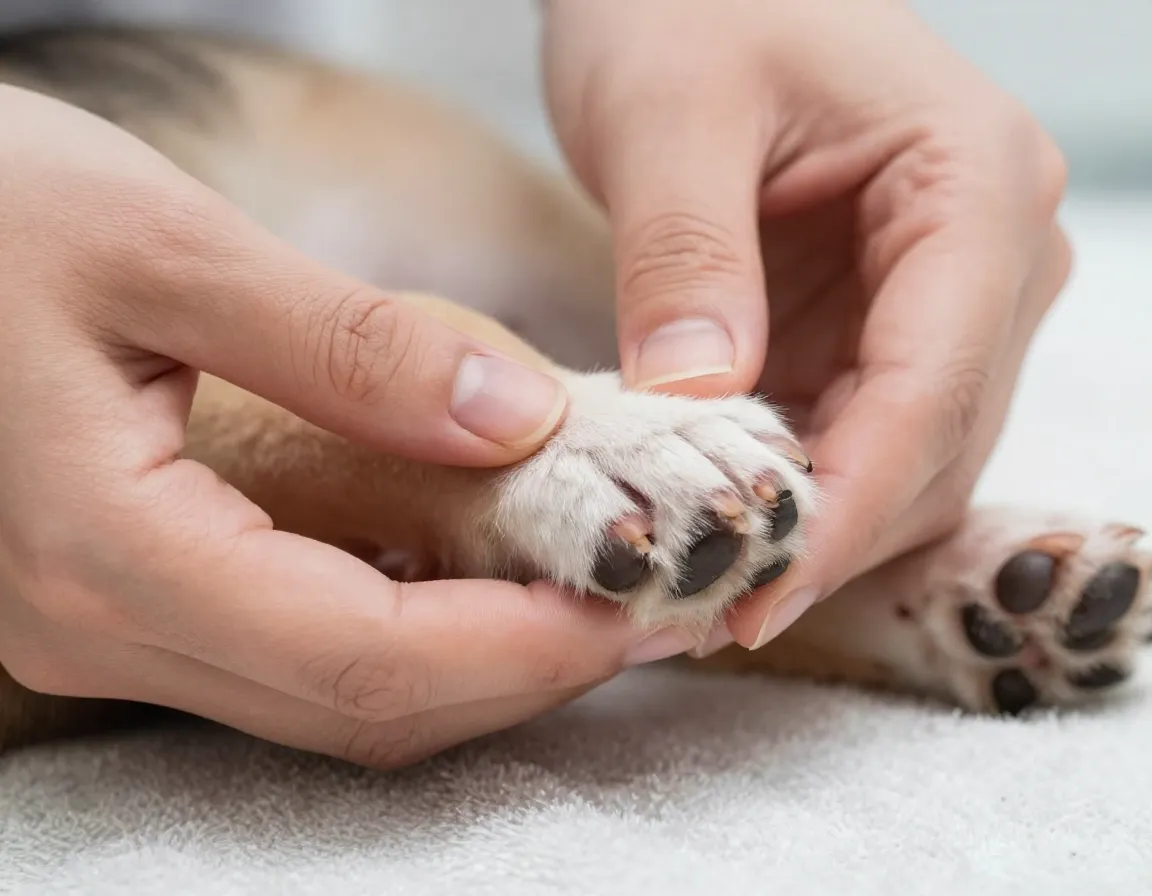
Prevention is always easier than correction. Establishing healthy habits from day one saves you countless hours of retraining later. Focus on these essential areas:
Handling and grooming: Get your dog comfortable with being touched everywhere – paws, ears, mouth, and tail. This makes vet visits and grooming much easier throughout their life.
Socialization windows: Puppies have critical socialization periods, but adult dogs also benefit from gradual exposure to new experiences, people, and environments.
Feeding routines: Establish consistent meal times and locations. This supports house training and prevents resource guarding behaviors.
Sleep schedules: Dogs need 12-14 hours of sleep daily. Create a quiet, comfortable sleeping area and stick to consistent bedtime routines.
8. Build Your Support Network (Don’t Go It Alone)

The final crucial tip that many new owners overlook is building a strong support network. Dog ownership shouldn’t be a solo journey, and trying to handle everything yourself often leads to burnout and mistakes.
Essential support team members:
- Veterinarian: Establish care before you need emergency services
- Professional trainer: Even one or two sessions can prevent major issues
- Dog-savvy friends or family: For advice, pet-sitting, and moral support
- Local dog community: Dog parks, training classes, or online groups
Emergency preparedness: Know your nearest emergency vet clinic, have a first-aid kit ready, and keep important phone numbers easily accessible.
Don’t hesitate to ask for help when you need it. Experienced dog owners are usually happy to share advice, and professional help early on prevents bigger problems later.
Conclusion
Bringing home a new dog is one of life’s most rewarding experiences, but it doesn’t have to be overwhelming. By following these 8 crucial tips for new dog owners (avoid these mistakes!), you’re setting the foundation for a strong, happy relationship with your furry companion.
Remember, the key themes throughout successful dog ownership are consistency, patience, and positive reinforcement. Focus on building routines that work for both you and your dog, prioritize mental stimulation alongside physical exercise, and don’t hesitate to seek support when you need it.
Your next steps:
- Choose one tip from this list to implement this week
- Schedule a consultation with a local veterinarian if you haven’t already
- Research positive reinforcement training classes in your area
- Connect with other dog owners in your community for ongoing support
The first year with your new dog is an investment in a lifetime of companionship. With these proven strategies, you’ll avoid the common pitfalls that trip up many new owners and instead build the strong foundation your dog needs to thrive. 🐾
References
[1] How To Train Your Dog In 2026 A Practical Step By Step Guide – https://www.petmate.com/blogs/petmate-academy/how-to-train-your-dog-in-2026-a-practical-step-by-step-guide
[2] Pet New Years Resolutions – https://www.chewy.com/education/dog/general/pet-new-years-resolutions
[3] Realistic Goals Better Dog Behavior – https://www.latimes.com/companion-animals/dogs/care/story/realistic-goals-better-dog-behavior
[4] Owning Your First Dog A Comprehensive Guide For New Pet Owners – https://companionpetmanteca.com/owning-your-first-dog-a-comprehensive-guide-for-new-pet-owners/
[5] First Time Dog Owner Guide – https://rubyloo.co/blogs/news/first-time-dog-owner-guide
[6] Watch – https://www.youtube.com/watch?v=tKEbnvZbTA0
[7] Five Healthy Habits To Start In 2026 For Pets And The People Who Love Them – https://www.allivet.com/blog/five-healthy-habits-to-start-in-2026-for-pets-and-the-people-who-love-them/