
8 Common Plants and Flowers Poisonous to Dogs You Must Avoid
Every year, thousands of dogs are rushed to emergency veterinary clinics after nibbling on something in the backyard or living room — and the culprit is often a beautiful, innocent-looking plant. 🌿 If you share your home and garden with a curious dog, knowing the 8 common plants and flowers poisonous to dogs you must avoid could literally save your pet’s life. In 2026, plant toxicity remains one of the top reasons pet owners call poison helplines, yet many people still don’t realize how dangerous some of their favorite garden staples can be.
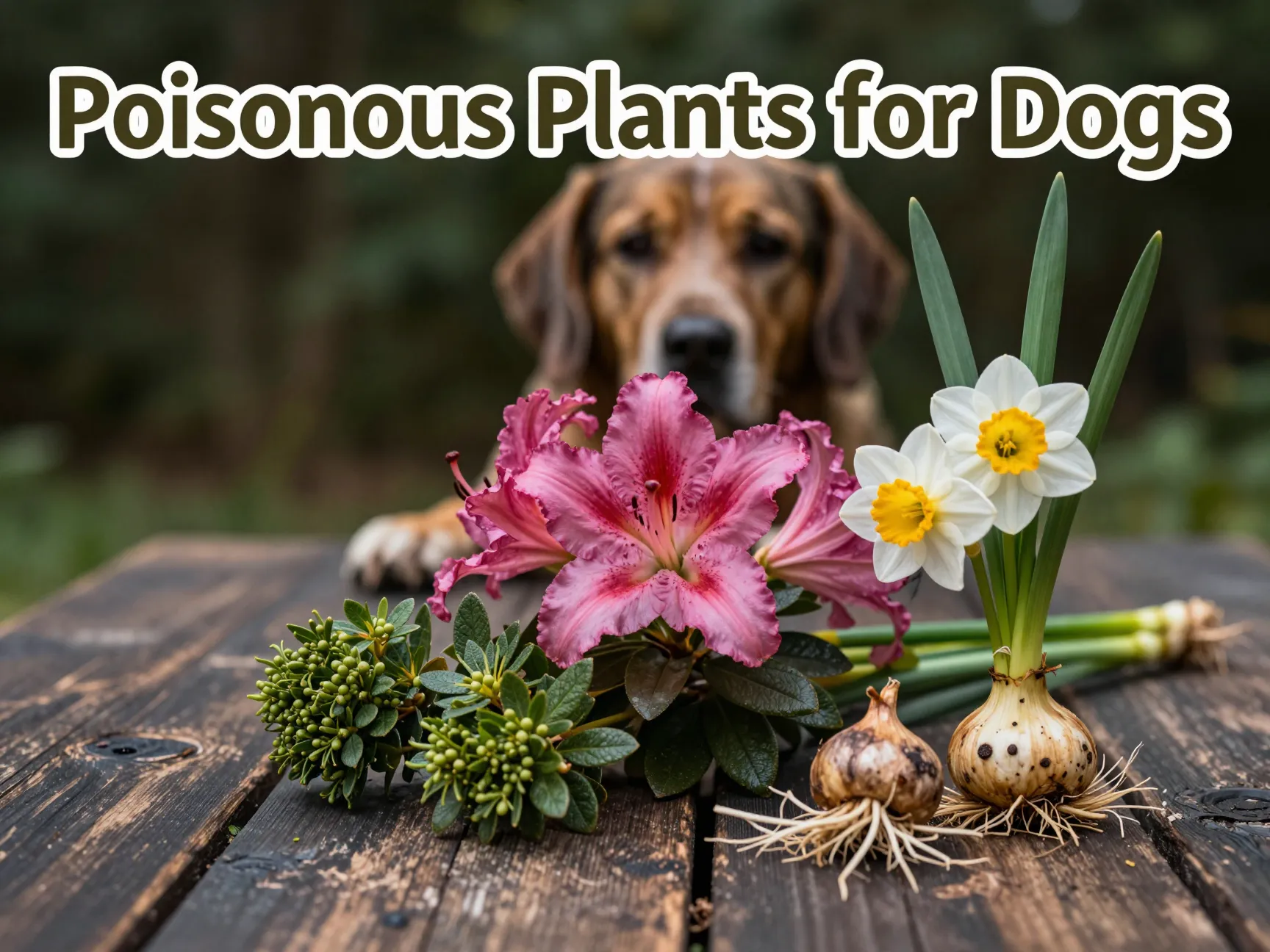
This guide breaks down each toxic plant clearly, explains what makes it dangerous, and gives you the tools to protect your dog starting today.
Key Takeaways
- 🌱 Many everyday garden plants are highly toxic to dogs, including popular choices like daffodils, azaleas, and tulips.
- ☠️ Some plants, like sago palm, can be fatal after just one seed is consumed — no amount of exposure is safe.
- 🐕 Symptoms of plant poisoning range from vomiting and drooling to seizures, heart problems, and organ failure.
- 📞 If your dog eats a toxic plant, call the Pet Poison Helpline at 855-764-7661 or contact your vet immediately.
- 🏡 Removing or fencing off dangerous plants is the single most effective way to prevent accidental poisoning.
Why Knowing the 8 Common Plants and Flowers Poisonous to Dogs You Must Avoid Matters
Dogs are natural explorers. They sniff, chew, and taste almost everything they encounter — and that instinct doesn’t disappear just because something is toxic. The problem is that many of the most dangerous plants for dogs are also some of the most popular choices for home gardens and indoor décor.
💬 “The most dangerous plants aren’t always the ones that look threatening — they’re often the most beautiful ones in your garden.”
Understanding which plants pose a risk gives you the power to make smarter choices about what you grow, what you bring indoors, and how you design your outdoor spaces. Whether you’re a first-time dog owner or a seasoned pet parent, this list of 8 common plants and flowers poisonous to dogs is essential reading.
The 8 Common Plants and Flowers Poisonous to Dogs You Must Avoid
Below, each plant is covered in detail — including the toxic compound involved, the parts of the plant that are dangerous, and the symptoms your dog may show if exposed.
1. Sago Palm 🌴
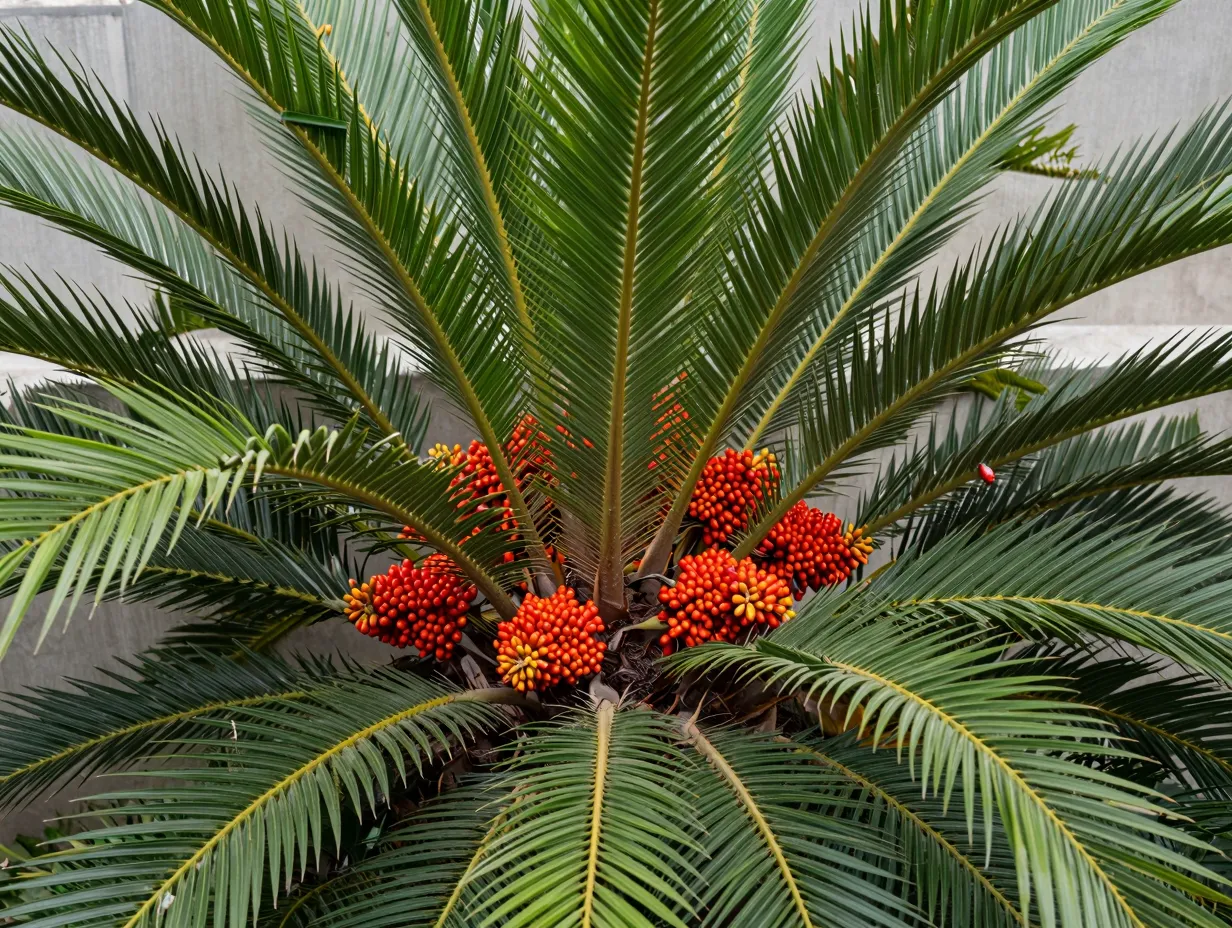
Toxic compound: Cycasin
Toxic parts: All parts, especially the seeds (nuts)
Toxicity level: ⚠️ EXTREME
The sago palm is widely considered the most dangerous plant for dogs seen in veterinary hospitals. It’s a popular ornamental plant used both indoors and in landscaping across warmer climates — which makes it particularly worrying.
Every single part of the sago palm contains cycasin, a powerful toxin that attacks the liver. The seeds are the most concentrated source of this compound, and ingesting even one seed can cause severe, life-threatening illness. This is not a plant where “a little bit” is okay.
Symptoms of sago palm poisoning include:
- Vomiting and diarrhea (often within 15 minutes of ingestion)
- Drooling and weakness
- Seizures
- Liver failure
- Death (in severe cases)
What to do: If you have a sago palm in your home or garden, the safest course of action is to remove it entirely. If removal isn’t possible, ensure it is completely inaccessible to your dog.
2. Lilies 🌸
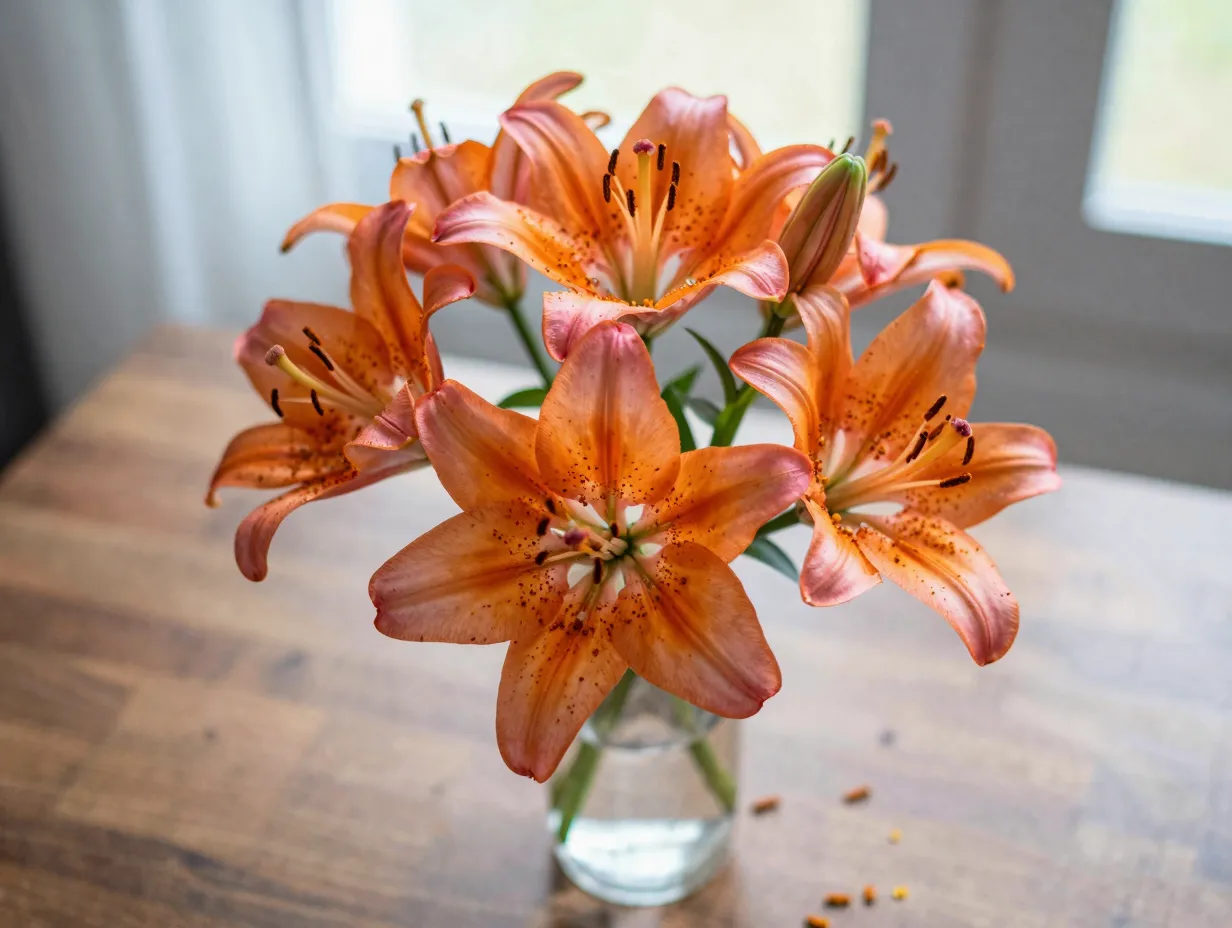
Toxic compound: Unknown (but highly potent)
Toxic parts: All parts, including pollen and water from the vase
Toxicity level: ⚠️ HIGH
Lilies are among the most beautiful — and most dangerous — flowers for dogs. Several species are highly toxic, including Asiatic, Easter, Japanese Show, Rubrum, Stargazer, Tiger, and Day lilies. Even small exposures can cause serious harm.
Symptoms of lily poisoning include:
- Vomiting and diarrhea
- Abdominal pain
- Decreased appetite
- Lethargy
- Excessive thirst and urination
One important note: while lilies are extremely toxic to cats (capable of causing acute kidney failure), they are still considered highly toxic to dogs as well and should never be kept in a home with pets.
Pro tip: Even the pollen that falls from cut lilies in a vase can be dangerous if a dog brushes against the flowers and then licks their fur. Keep lilies out of your home entirely if you have dogs.
3. Azaleas and Rhododendrons 🌺
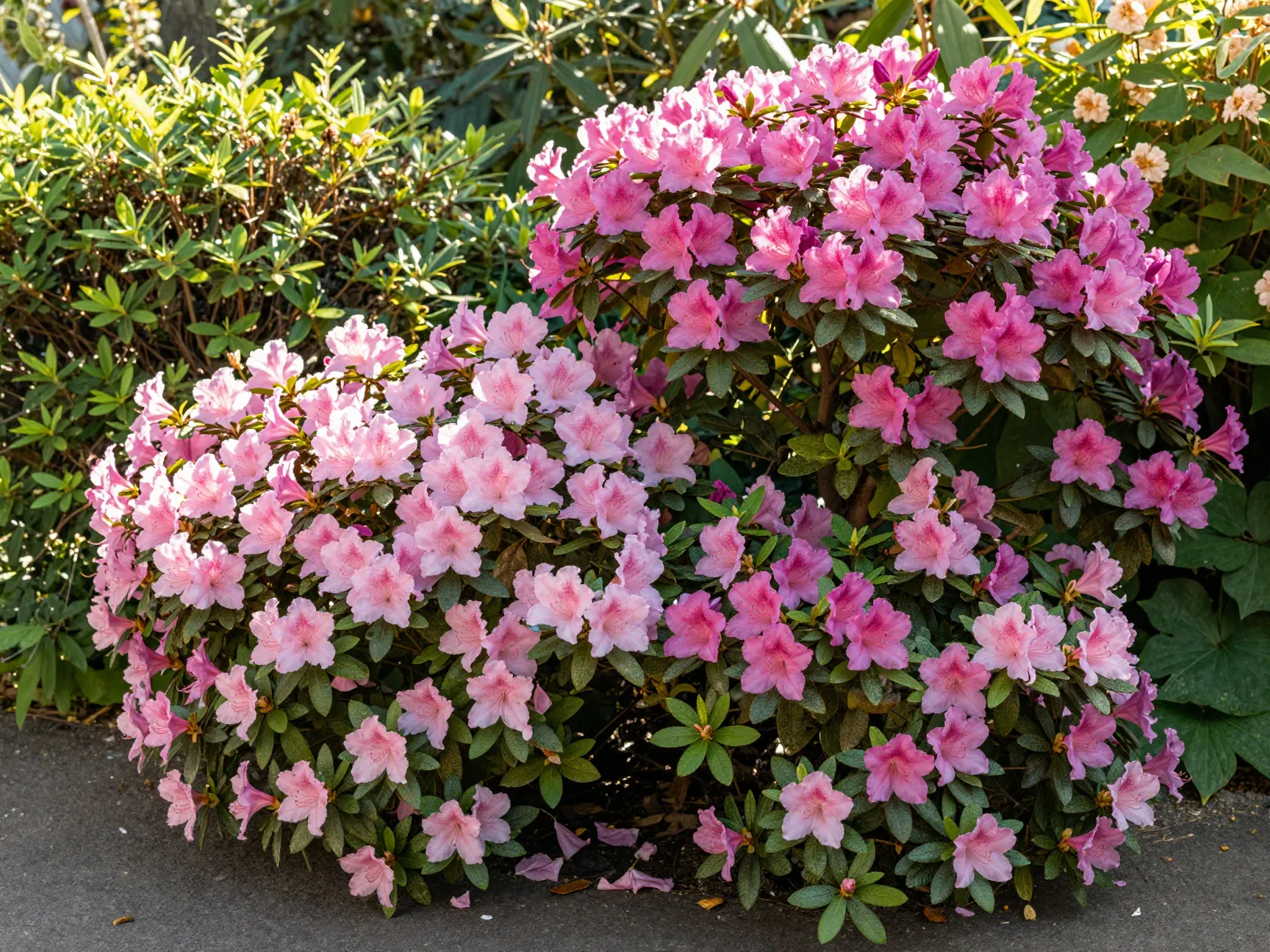
Toxic compound: Grayantoxin
Toxic parts: All parts of the plant
Toxicity level: ⚠️ HIGH
With over 1,000 species of rhododendrons and azaleas in existence, these flowering shrubs are found in gardens all over the world. They’re beloved for their vibrant blooms — but all parts of both plants contain grayantoxin, a compound that interferes with the nervous system and heart.
Rhododendrons are generally considered more toxic than azaleas, but both should be treated as equally dangerous in a household with dogs.
Symptoms of azalea/rhododendron poisoning include:
- Drooling and vomiting
- Diarrhea
- Weakness and loss of coordination
- Low blood pressure
- Abnormal heart rhythm
- Coma (in severe cases)
| Plant | Toxicity Level | Key Toxin | All Parts Toxic? |
|---|---|---|---|
| Azalea | High | Grayantoxin | Yes |
| Rhododendron | Very High | Grayantoxin | Yes |
Even a small amount of these plants — just a few leaves — can cause serious symptoms in a medium-sized dog.
4. Daffodils 🌼
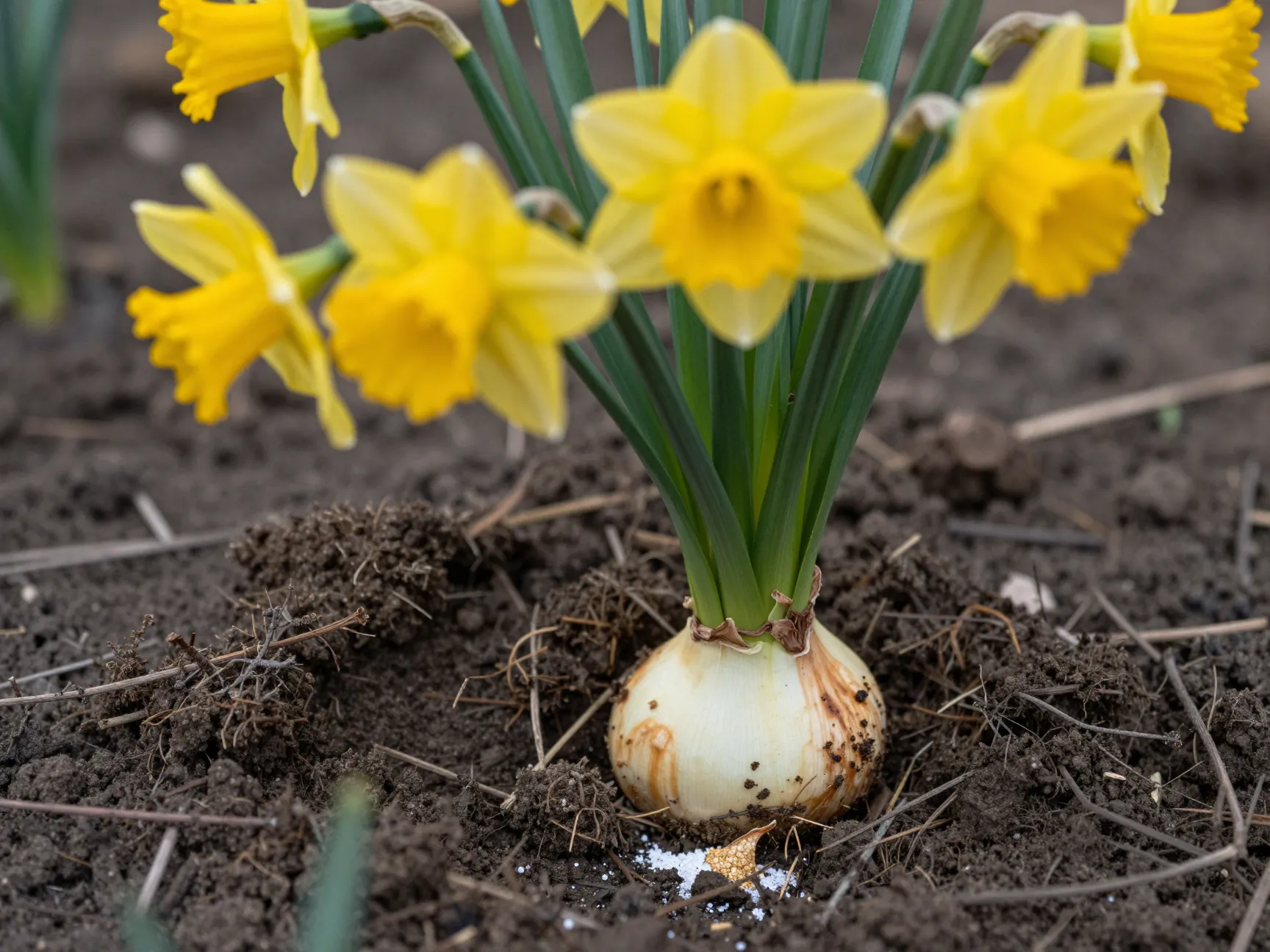
Toxic compound: Lycorine
Toxic parts: Flowers, leaves, and bulbs (bulbs are most dangerous)
Toxicity level: ⚠️ MODERATE TO HIGH
Daffodils are a cheerful sign of spring, but they carry a hidden danger for dogs. The entire plant contains lycorine, an alkaloid that causes gastrointestinal distress. The bulbs, however, are where the highest concentration of toxins lives — and they pose a special risk.
Here’s the tricky part: many gardeners plant daffodil bulbs using bone meal fertilizer to help them grow. Bone meal has a strong smell that dogs find irresistible, which can lead them to dig up and chew on the bulbs directly.
Symptoms of daffodil poisoning include:
- Abdominal pain
- Vomiting and diarrhea
- Drooling
- In severe cases: cardiac arrhythmias and respiratory problems
Practical tip: If you plant daffodil bulbs in your garden, use a physical barrier or cover the soil with a material that discourages digging. Better yet, choose dog-safe spring flowers like snapdragons or sunflowers instead.
5. Lily of the Valley 🤍
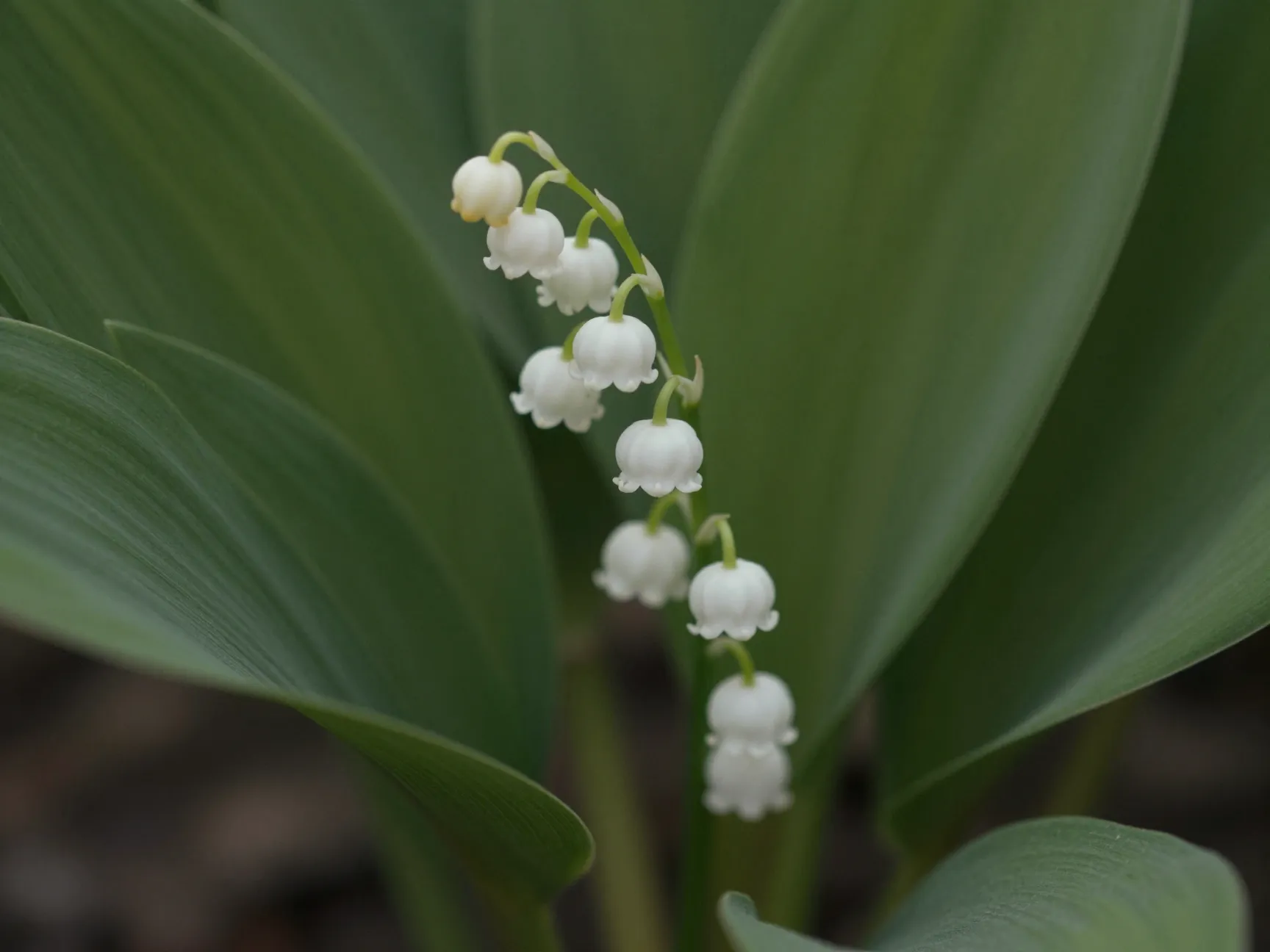
Toxic compound: Cardiac glycosides (convallatoxin)
Toxic parts: All parts, including the water in flower vases
Toxicity level: ⚠️ HIGH
Don’t let the delicate, bell-shaped flowers fool you. Lily of the valley is one of the most frequently cited toxic plants in veterinary literature, and for good reason. It contains cardiac glycosides — compounds that directly affect the heart muscle.
Symptoms of lily of the valley poisoning include:
- Vomiting and diarrhea
- Drooling
- Slow or irregular heart rate
- Low blood pressure
- Seizures
- In severe cases: heart failure
💬 “Lily of the valley is a reminder that some of the most elegant plants carry the most serious risks for our pets.”
This plant is commonly used in wedding bouquets and as a ground cover in shaded gardens. If you use it in floral arrangements, keep them well out of reach — and remember that even the water in the vase becomes toxic.
6. Oleander 🌸
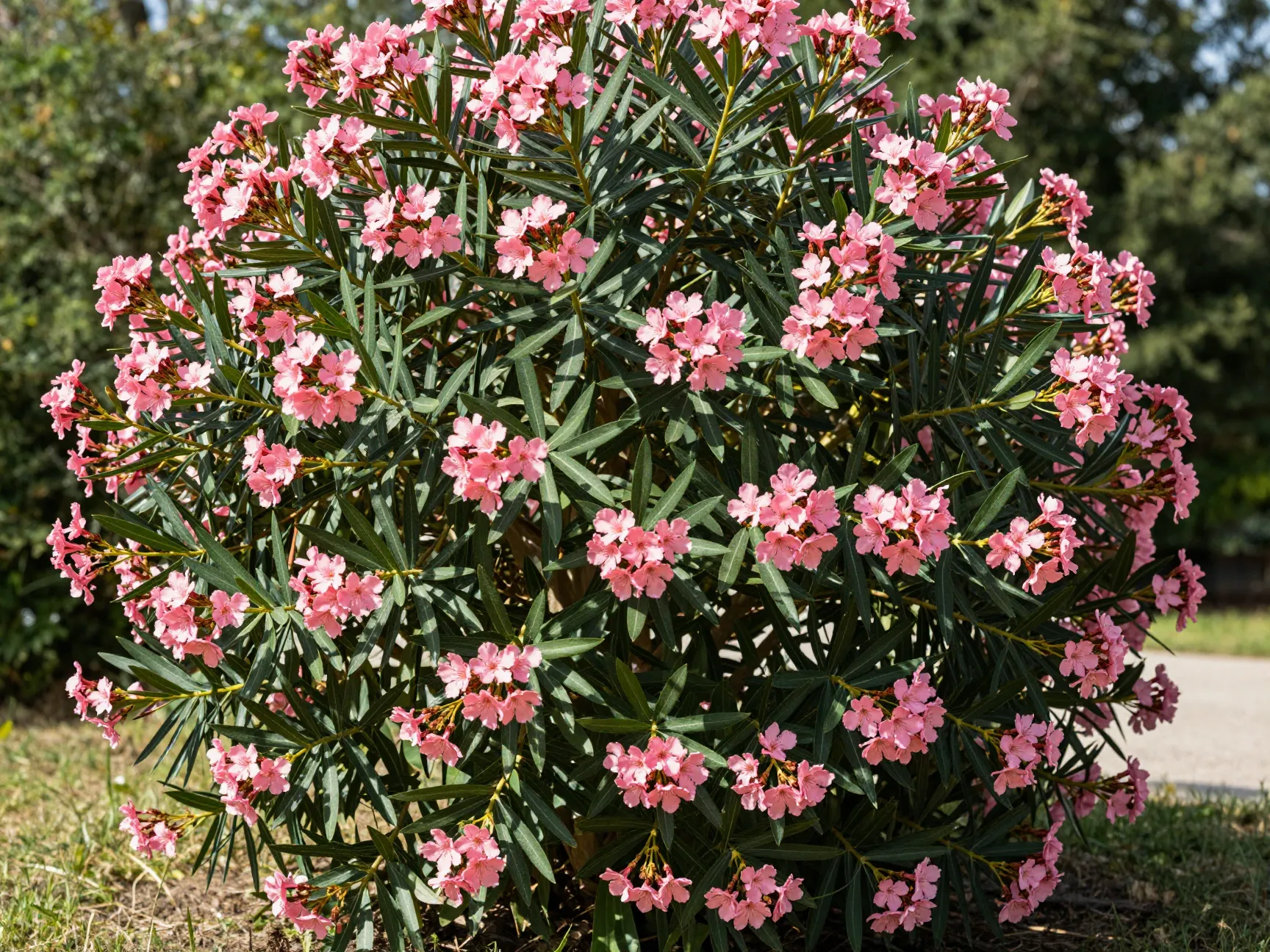
Toxic compound: Cardiac glycosides (oleandrin and neriine)
Toxic parts: All parts, including dried plant material and smoke from burning
Toxicity level: ⚠️ EXTREME
Oleander is a popular landscaping shrub in warm climates, prized for its showy pink, red, or white flowers. But it is one of the most toxic plants on earth for both humans and animals. Every single part of the plant is dangerous — even dried leaves and the smoke produced when oleander is burned.
Symptoms of oleander poisoning include:
- Drooling and vomiting
- Diarrhea (sometimes bloody)
- Abdominal pain
- Abnormal heart rate and rhythm
- Weakness and tremors
- Collapse and death in severe cases
Because oleander is so commonly used in public parks, roadsides, and home gardens, it’s important to train your dog not to chew on plants during walks. If oleander grows in your yard, consider replacing it with a dog-safe alternative like roses or marigolds.
7. Cyclamen 🌷
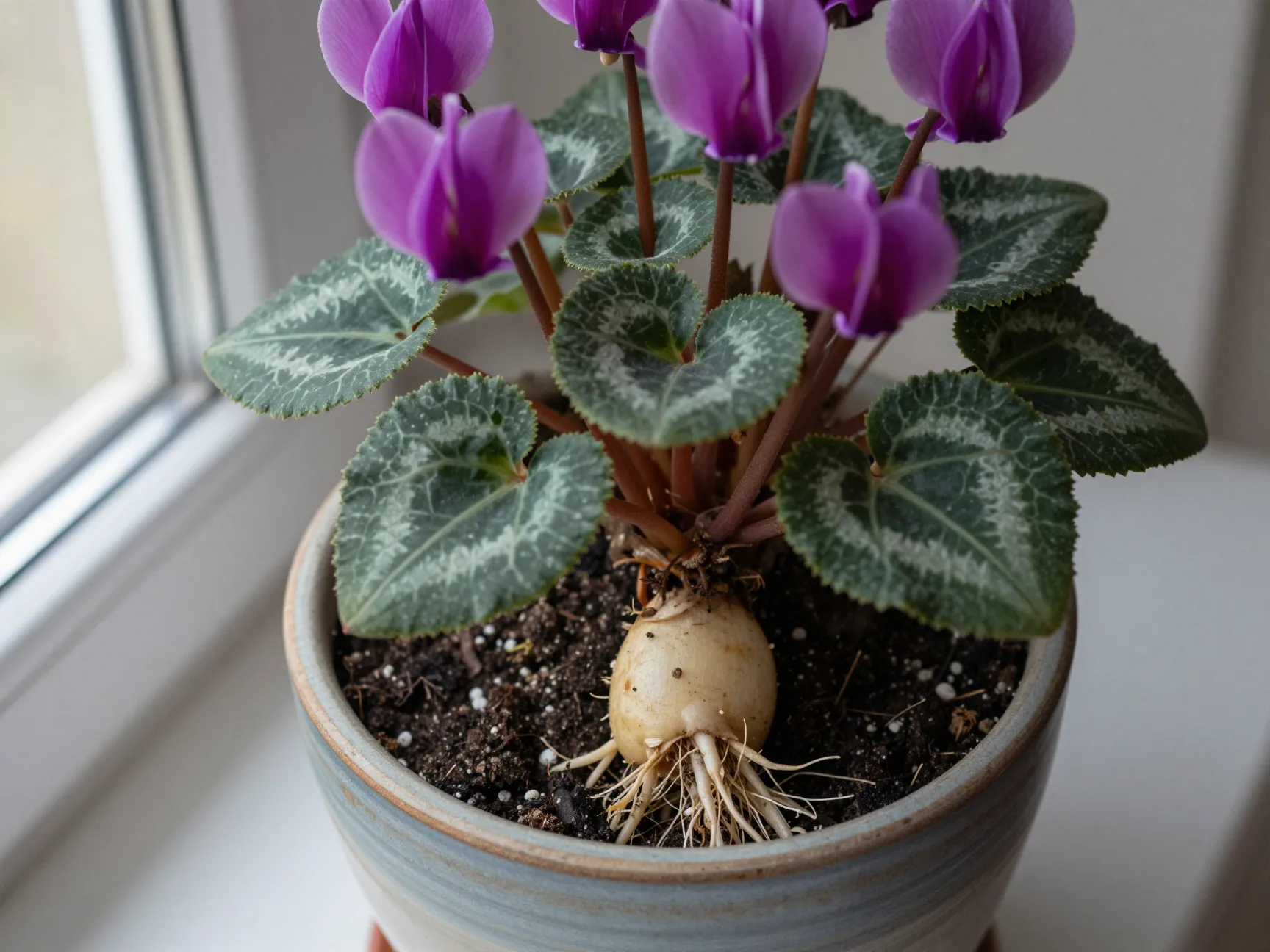
Toxic compound: Terpenoid saponins
Toxic parts: All parts, with the highest concentration in the roots/tubers
Toxicity level: ⚠️ MODERATE
Cyclamen is a popular houseplant, especially during the winter months when its bright blooms add color to indoor spaces. It contains terpenoid saponins, which cause a range of unpleasant and potentially dangerous symptoms in dogs.
Symptoms of cyclamen poisoning include:
- Vomiting and drooling
- Diarrhea
- Abnormal heart rate
- Seizures (in cases where large amounts are consumed)
- Skin rashes (from contact with the plant)
The roots and tubers of the cyclamen plant contain the highest concentration of toxins. Dogs that dig up potted plants or root around in garden beds are at the greatest risk.
Quick reference — Cyclamen toxicity at a glance:
- 🔴 Most dangerous part: Roots/tubers
- 🟡 Moderate risk: Leaves and flowers
- 🟢 Safer alternative: African violet (non-toxic to dogs)
8. Tulips and Hyacinths 🌷
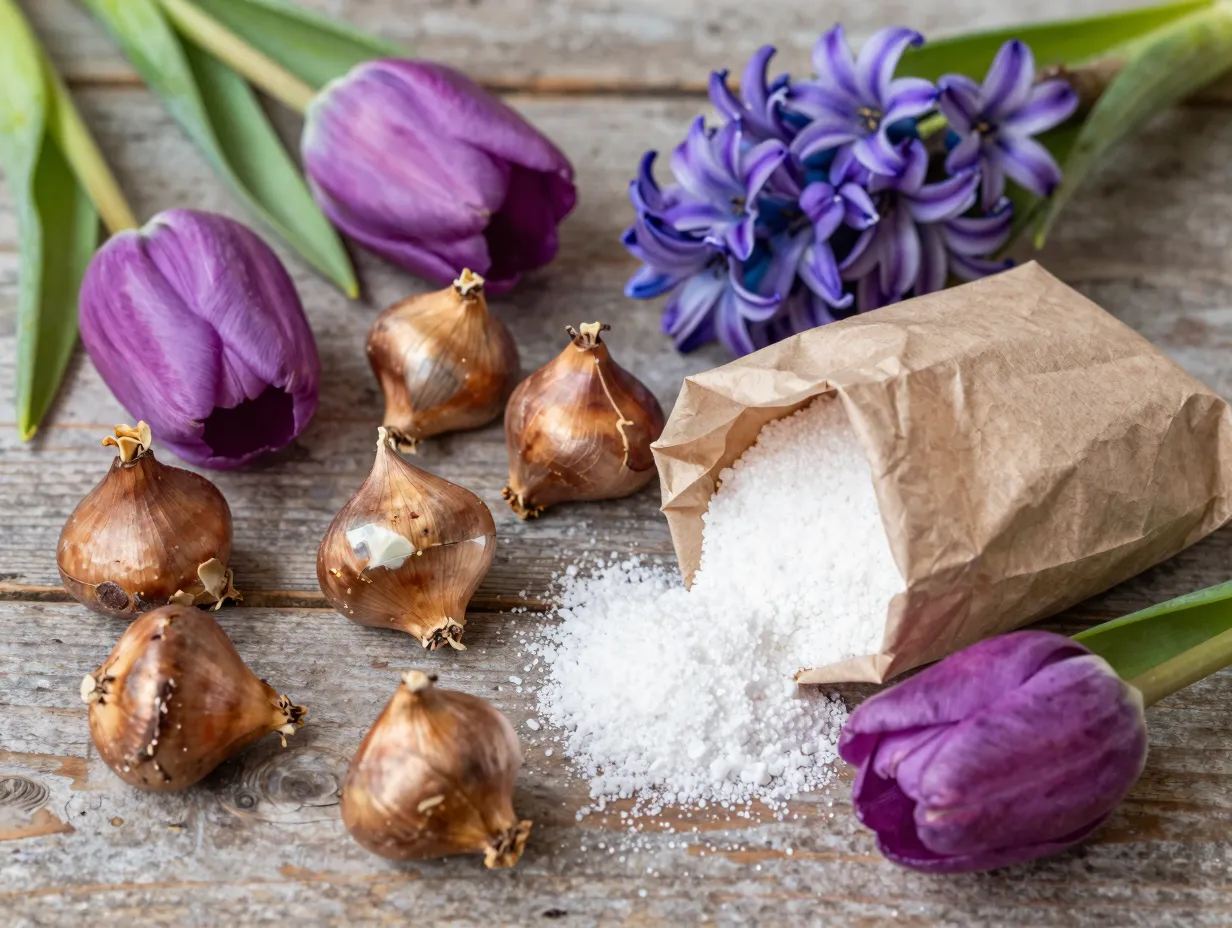
Toxic compound: Tulipalin A and B (tulips); allergenic lactones (hyacinths)
Toxic parts: Primarily the bulbs, but all parts carry some risk
Toxicity level: ⚠️ MODERATE
Tulips and hyacinths are two of the most beloved spring flowers, and both belong to the same plant family. Both are toxic to dogs, with the bulbs being the most dangerous part. Like daffodils, these bulbs are often planted with bone meal, which can attract curious dogs.
Symptoms of tulip/hyacinth poisoning include:
- Drooling
- Vomiting
- Diarrhea
- Increased heart rate (if large quantities are consumed)
- Difficulty breathing (in severe cases)
The good news is that mild exposure — like a dog chewing briefly on a tulip stem — typically causes only mild gastrointestinal upset. However, if a dog gets into a bag of bulbs or digs up a freshly planted garden bed, the exposure can be significant enough to require veterinary attention.
What to Do If Your Dog Eats a Toxic Plant
Acting quickly is the most important thing you can do if you suspect your dog has eaten any of the plants listed above. Here’s a step-by-step guide:
Step 1: Stay calm. Panicking won’t help your dog — clear thinking will.
Step 2: Identify the plant. If possible, take a photo or collect a sample of the plant your dog ate. This will help the vet or poison helpline advise you more accurately.
Step 3: Note the amount consumed. Estimate how much your dog may have eaten and which part of the plant (leaf, bulb, flower, etc.).
Step 4: Call for help immediately.
- 📞 Pet Poison Helpline: 855-764-7661
- 🏥 Your nearest emergency veterinary clinic
Step 5: Do NOT induce vomiting unless specifically instructed to do so by a veterinarian or poison helpline. In some cases, inducing vomiting can make things worse.
⚠️ Time is critical. The sooner your dog receives treatment, the better the outcome.
How to Create a Dog-Safe Garden 🌻
Prevention is always better than treatment. Here are some practical steps you can take to make your home and garden safer for your dog:
- Audit your current plants. Walk through your home and garden and identify every plant. Cross-reference with a trusted toxic plant list.
- Remove or relocate dangerous plants. If a plant is on the toxic list, remove it entirely or move it somewhere completely inaccessible to your dog.
- Use physical barriers. Raised garden beds, fencing, and decorative rocks can help keep dogs away from certain areas.
- Choose dog-safe plants. Great non-toxic alternatives include sunflowers, snapdragons, marigolds, roses, and African violets.
- Train your dog. Teach the “leave it” command so your dog learns to ignore plants on command.
- Be cautious with cut flowers. Even bouquets brought indoors can be dangerous — always check before displaying flowers in your home.
- Inform guests and dog sitters. Make sure anyone who cares for your dog knows which plants are off-limits.
Quick Reference: Toxicity Summary Table
| Plant | Toxic Compound | Most Dangerous Part | Toxicity Level |
|---|---|---|---|
| Sago Palm | Cycasin | Seeds/nuts | ⚠️ Extreme |
| Lilies | Unknown | All parts | ⚠️ High |
| Azalea/Rhododendron | Grayantoxin | All parts | ⚠️ High |
| Daffodil | Lycorine | Bulbs | ⚠️ Moderate–High |
| Lily of the Valley | Cardiac glycosides | All parts | ⚠️ High |
| Oleander | Oleandrin/Neriine | All parts | ⚠️ Extreme |
| Cyclamen | Terpenoid saponins | Roots/tubers | ⚠️ Moderate |
| Tulips/Hyacinths | Tulipalin A & B | Bulbs | ⚠️ Moderate |
Conclusion: Protect Your Dog Starting Today
Now that you know the 8 common plants and flowers poisonous to dogs you must avoid, you have everything you need to take action. The plants on this list are common, beautiful, and found in millions of homes and gardens — but they can cause serious harm or even death to your dog if ingested.
Here are your actionable next steps:
- Walk through your home and garden today and identify any of the 8 plants listed above.
- Remove or secure any toxic plants immediately — don’t wait until something goes wrong.
- Save the Pet Poison Helpline number (855-764-7661) in your phone right now.
- Research dog-safe alternatives for any plants you remove, so your garden stays beautiful.
- Share this article with other dog owners in your life — this information could save a pet’s life.
Your dog trusts you to keep them safe. With a little awareness and a few simple changes, you can create a home environment where both your love of plants and your love of your dog can thrive together. 🐾🌿