8 Belgian Shepherd Dog Breed Varieties: A Complete Guide
Only four varieties of the Belgian Shepherd are officially recognized by the Fédération Cynologique Internationale — yet the American Kennel Club registers them as four entirely separate breeds. This single classification disagreement has confused dog lovers, breeders, and working dog handlers for decades. If you’ve been searching for a definitive resource on the 8 Belgian Shepherd Dog Breed Varieties: A Complete Guide, you’re in the right place. In this article, I’ll walk you through every recognized and historically documented variety, explain the science and history behind each one, and give you the practical knowledge to choose, train, or simply appreciate these extraordinary dogs. Whether you’re a prospective owner or a seasoned handler, this guide covers everything you need.
Key Takeaways
- 🐾 The Belgian Shepherd breed includes four internationally recognized varieties: Groenendael, Malinois, Tervueren, and Laekenois — all sharing the same athletic build and working dog heritage.
- 🌍 The AKC treats these varieties as separate breeds, while most global kennel clubs classify them as one breed with four coat types.
- 💪 All varieties are highly intelligent, energetic, and suited to police, military, and detection work.
- 📏 Belgian Shepherds typically stand 56–66 cm tall and weigh 20–30 kg, with a lifespan of 10–14 years.
- 🏅 The Laekenois is the rarest variety, while the Malinois has surged in global popularity due to its working dog reputation.
Understanding the Belgian Shepherd: Origins and Classification
Before diving into the individual varieties in this 8 Belgian Shepherd Dog Breed Varieties: A Complete Guide, it helps to understand where these dogs come from and why the classification debate exists.
Belgian Shepherds descend from shepherd dogs found across Western Europe. They share a common genetic foundation with the German Shepherd, Dutch Shepherd, and Bouvier des Ardennes [1][2]. In the late 19th century, Belgian breeders began standardizing these working dogs, and by 1891, Professor Adolphe Reul conducted the first systematic evaluation of shepherd dogs in Belgium. The result was a recognition that Belgian shepherd dogs came in a range of coat types and colors — all sharing the same underlying structure and temperament.
The breed standard specifying the four recognized varieties was formally adopted in 1956 and remains the standard recognized by most international kennel clubs today [1][3]. In 1959, the American Kennel Club took a different approach, splitting the varieties into separate breed registrations [1][2].
💬 “All four Belgian Shepherd varieties are essentially the same dog wearing different coats — same intelligence, same drive, same loyalty.”
Size and Physical Profile
| Trait | Measurement |
|---|---|
| Height (males) | ~62 cm ideal (56–66 cm range) |
| Height (females) | ~58 cm ideal (56–66 cm range) |
| Weight | 20–30 kg |
| Lifespan | 10–14 years |
| Build | Medium-sized, athletic, well-muscled |
[1][4]
Belgian Shepherds are medium-sized, athletic dogs built for endurance and agility. Their square body profile, alert ears, and dark, intelligent eyes are consistent across all varieties. What differs is primarily the coat type and color — and in some cases, the shade of fawn or the texture of the fur.
The 4 Officially Recognized Belgian Shepherd Varieties
The international standard recognizes exactly four varieties. Here is a detailed breakdown of each one.
1. Groenendael (Belgian Sheepdog)
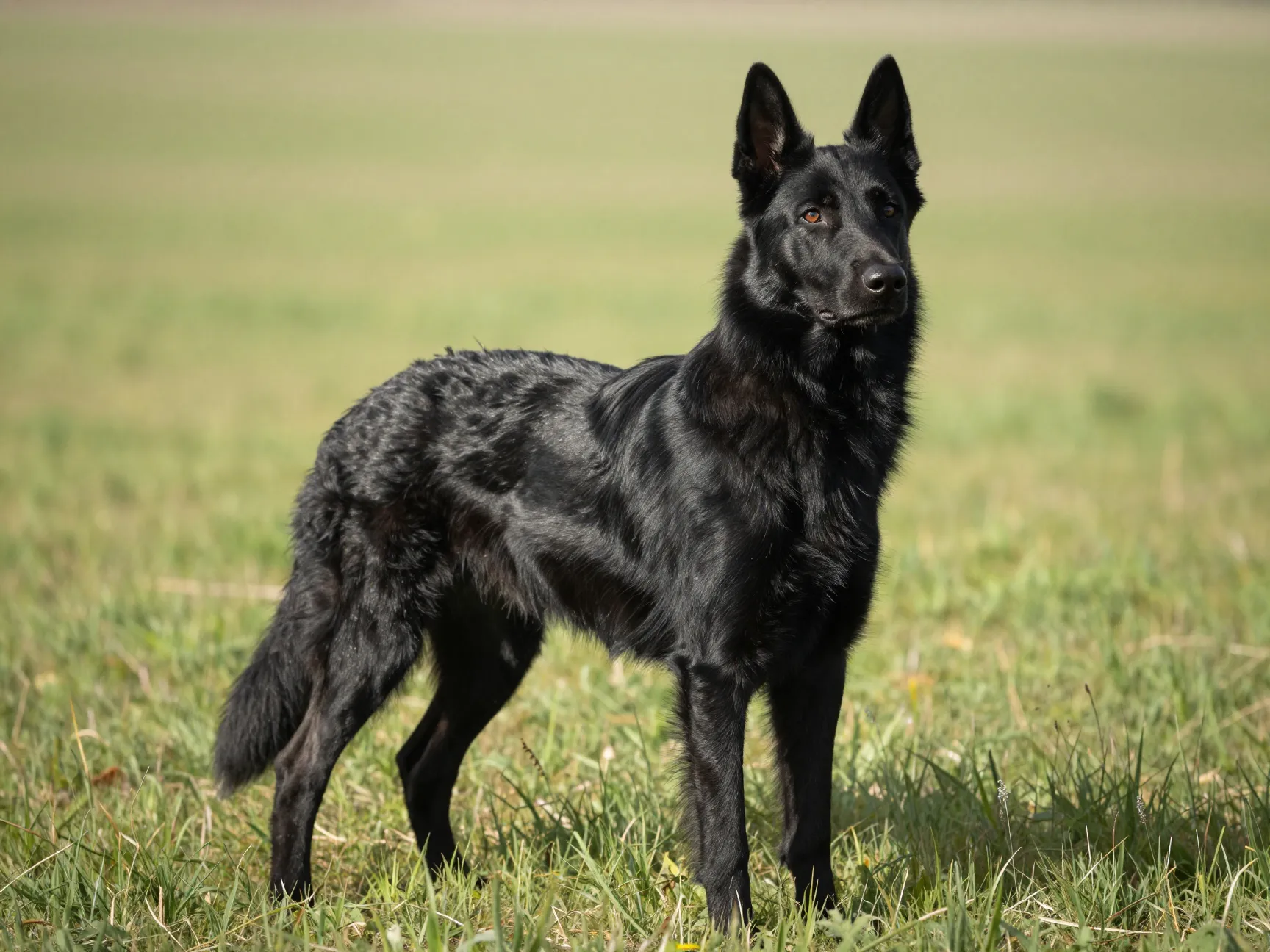
The Groenendael is the most recognizable Belgian Shepherd variety — and the most numerous worldwide [3]. Named after the Château de Groenendael near Brussels, this variety features a long, flowing black coat with a dense undercoat. Males carry a particularly impressive mane around the neck and chest.
Key characteristics:
- Coat: Long, straight, abundant — always solid black
- Temperament: Highly sensitive, loyal, alert
- Best for: Obedience, herding, personal protection
- AKC name: Belgian Sheepdog
The Groenendael was one of the first Belgian Shepherd varieties to gain international recognition and remains the most popular variety in many European countries. Its striking all-black appearance makes it a favorite for show rings, while its intelligence and trainability make it equally valued in working roles.
Training note: The Groenendael is highly sensitive to its owner’s mood. Harsh training methods are counterproductive — positive reinforcement works best.
2. Malinois (Belgian Malinois)
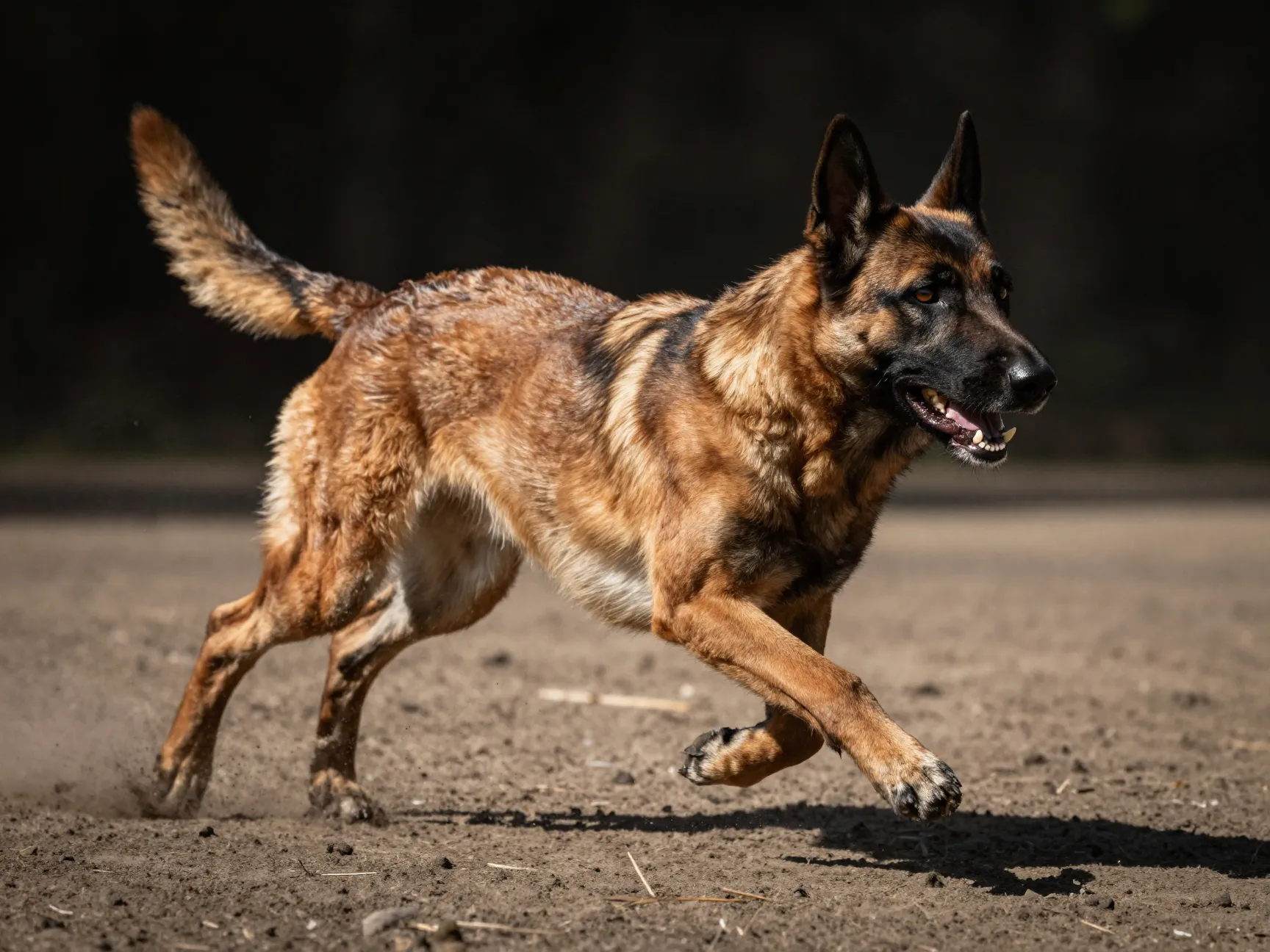
The Malinois has become arguably the most famous working dog breed in the world. Named after the city of Malines (Mechelen), this variety features a short, fawn-colored coat with a distinctive black mask and black-tipped hairs.
Key characteristics:
- Coat: Short, straight, hard-textured — fawn to mahogany with black overlay
- Temperament: Intense, high-drive, fearless, deeply bonded to handler
- Best for: Police work, military operations, personal protection, sport
- AKC name: Belgian Malinois
The Malinois is particularly employed by government organizations including military special forces and law enforcement agencies around the world [3][5]. Its speed, endurance, and ability to work in extreme conditions have made it the go-to breed for high-stakes operations.
💬 “The Malinois is not a pet for most people — it is a working athlete that needs a job, a purpose, and an experienced handler.”
Important warning: 🚨 The Malinois has surged in popularity following media coverage of military dogs. However, this is an extremely high-energy breed that requires experienced ownership. Inexperienced owners often struggle to meet its needs.
3. Tervueren (Belgian Tervuren)
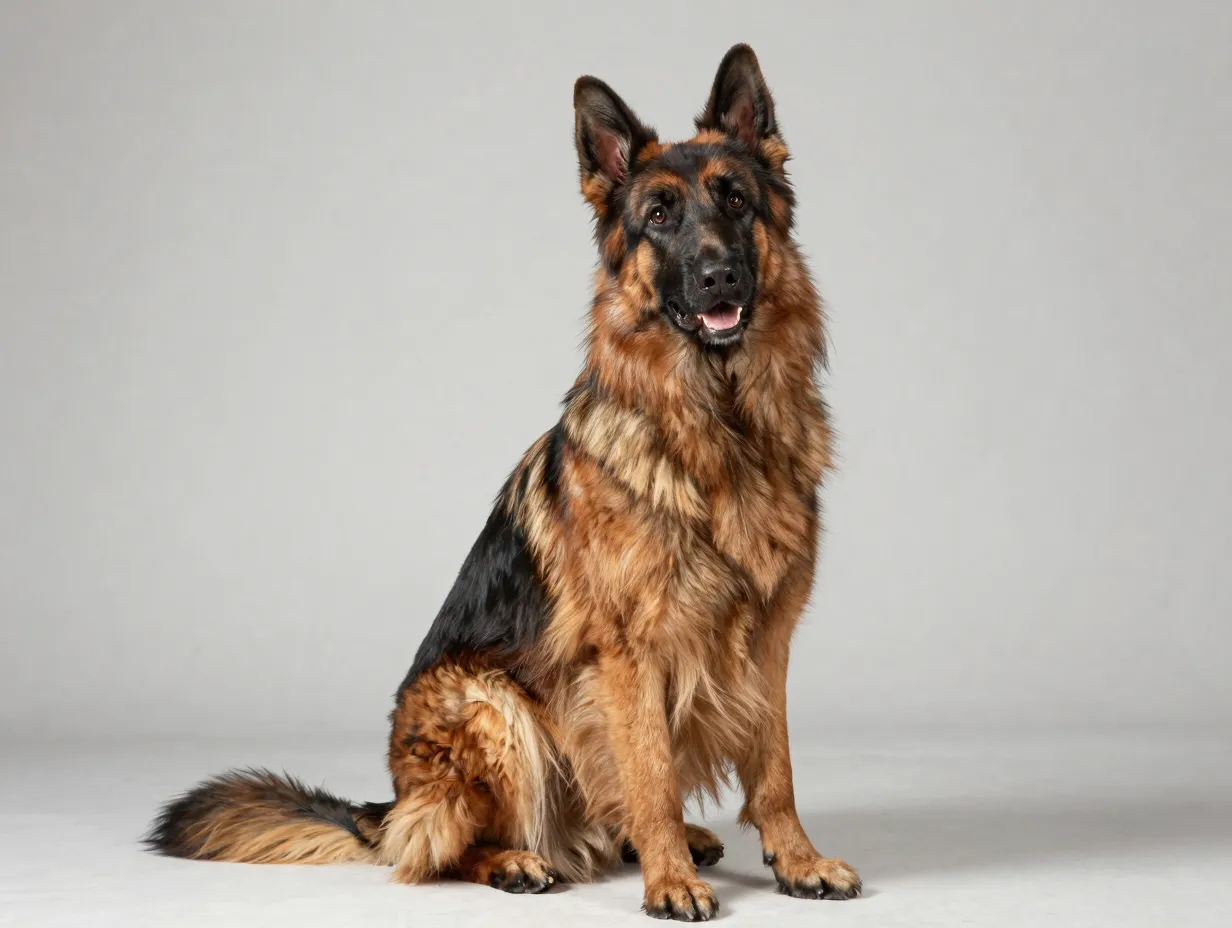
The Tervueren combines the elegant long coat of the Groenendael with the warm fawn coloring of the Malinois. Named after the Belgian village of Tervuren, this variety is often described as the most visually stunning of the four.
Key characteristics:
- Coat: Long, straight, abundant — fawn to russet mahogany with black overlay and black mask
- Temperament: Versatile, sensitive, eager to please, highly trainable
- Best for: Drug detection, search and rescue, agility, obedience
- AKC name: Belgian Tervuren
The Tervueren is frequently used for drug detection work and is the second most numerous variety after the Groenendael [3]. Its combination of beauty, intelligence, and versatility makes it a popular choice for both competitive dog sports and working roles.
Fun fact: 🎯 The Tervueren’s long coat requires regular grooming — plan for brushing sessions at least two to three times per week to prevent matting.
4. Laekenois
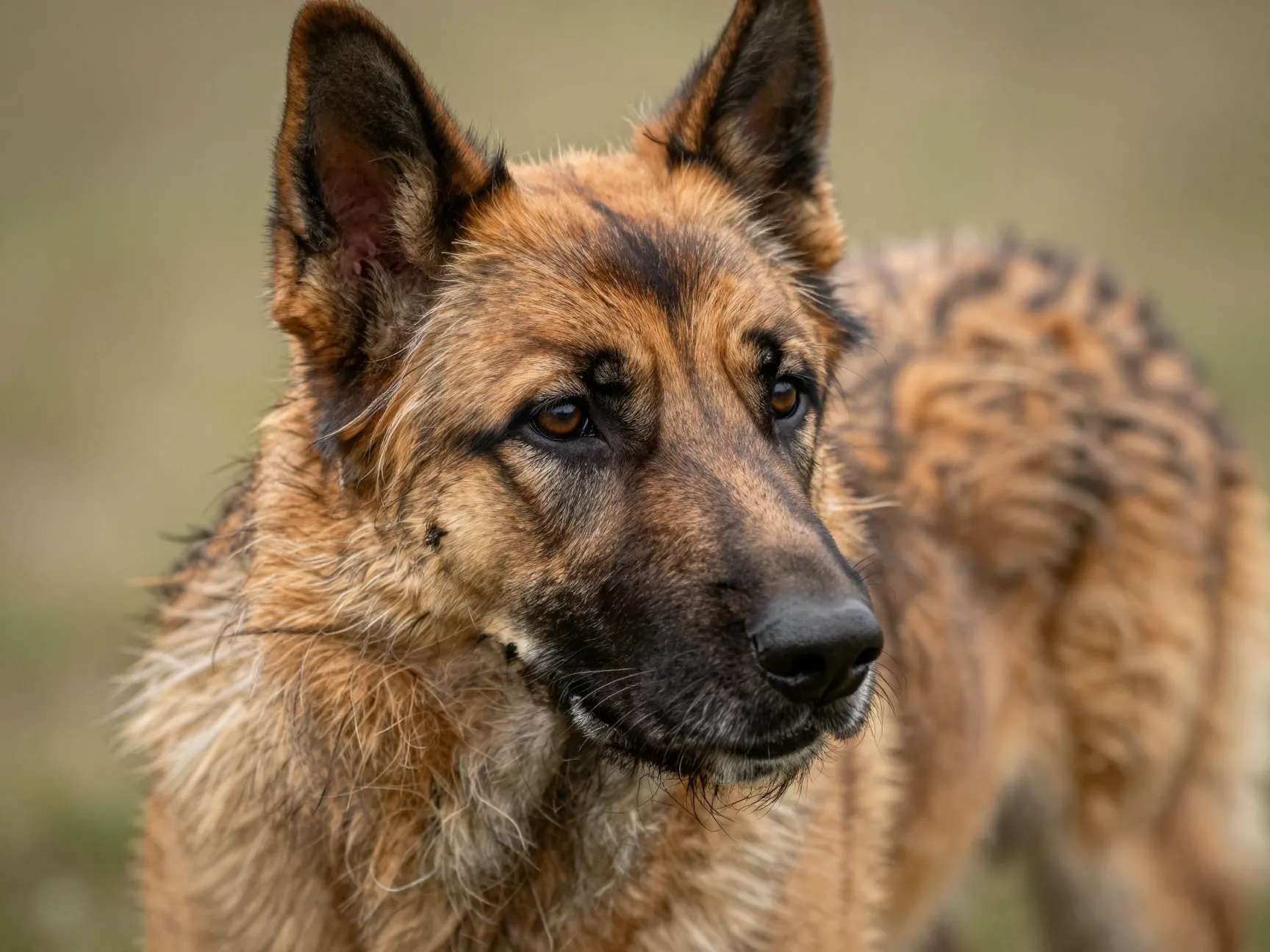
The Laekenois is the rarest and arguably the least well-known of the four Belgian Shepherd varieties [3]. Named after the Royal Castle of Laeken, where Queen Marie Henriette of Belgium reportedly kept these dogs, the Laekenois features a distinctive rough, wiry, fawn-colored coat that sets it apart visually from all other varieties.
Key characteristics:
- Coat: Rough, dry, tangled — fawn with traces of black overlay
- Temperament: Alert, protective, devoted, slightly more reserved than other varieties
- Best for: Herding, guarding, companionship
- AKC name: Belgian Laekenois (recognized by AKC in 2020)
The Laekenois was the last of the four varieties to receive AKC recognition. Its rarity means that finding a reputable breeder requires more research and patience than with the other varieties.
Beyond the Four: Historical and Regional Varieties
This is where the 8 Belgian Shepherd Dog Breed Varieties: A Complete Guide goes deeper than most resources. While only four varieties are internationally recognized today, historical records and some regional kennel clubs have documented additional coat and color combinations that were once considered distinct types.
5. The Short-Haired Black Variety
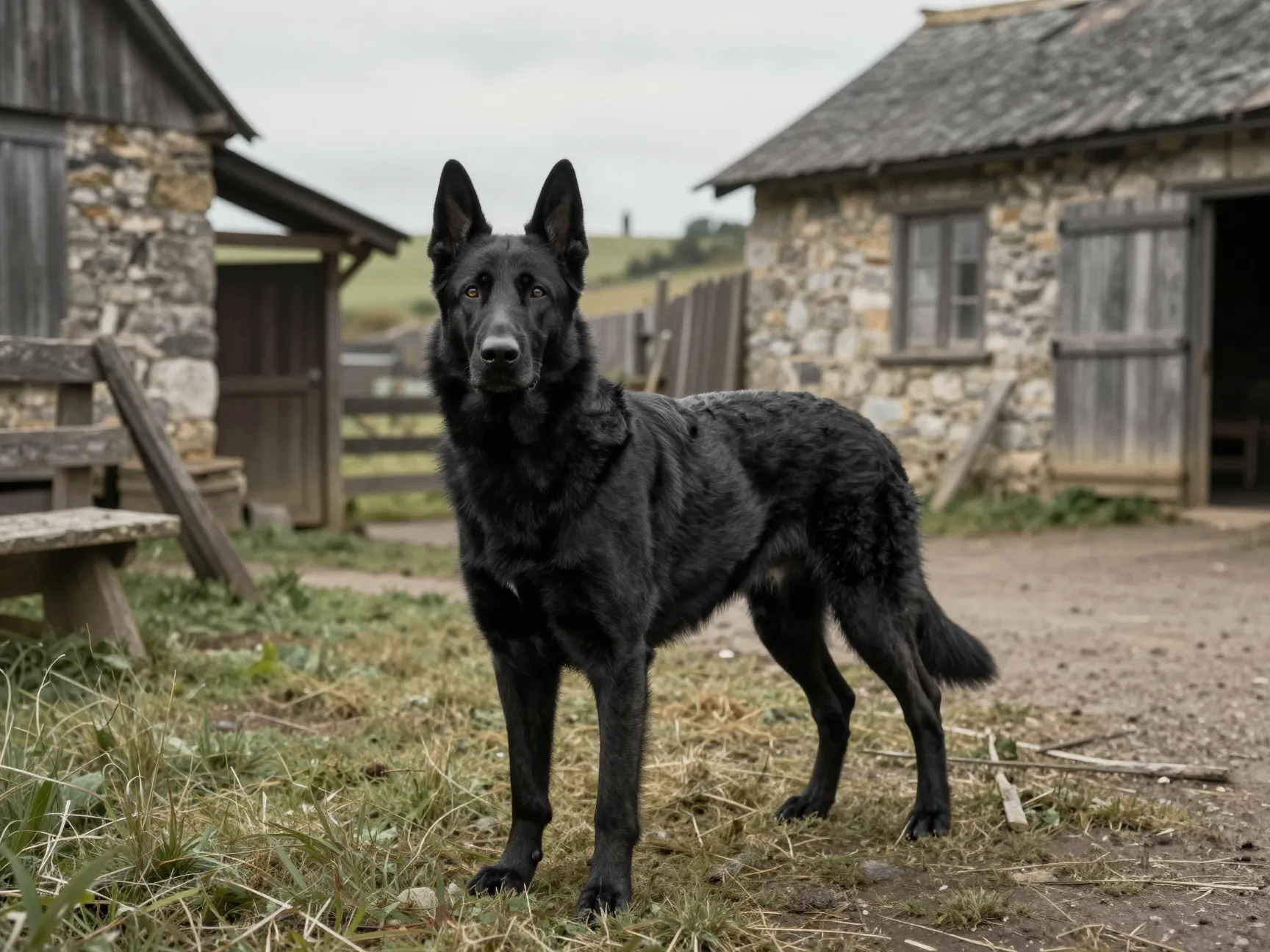
Historically, Belgian Shepherd breeders documented a short-haired black coat type alongside the Groenendael’s long black coat. This variety was never formally standardized and was gradually absorbed into the broader classification system. Dogs with this coat type exist today but are not shown or registered as a separate variety under any major kennel club.
6. The Long-Haired Grey or Other Colors
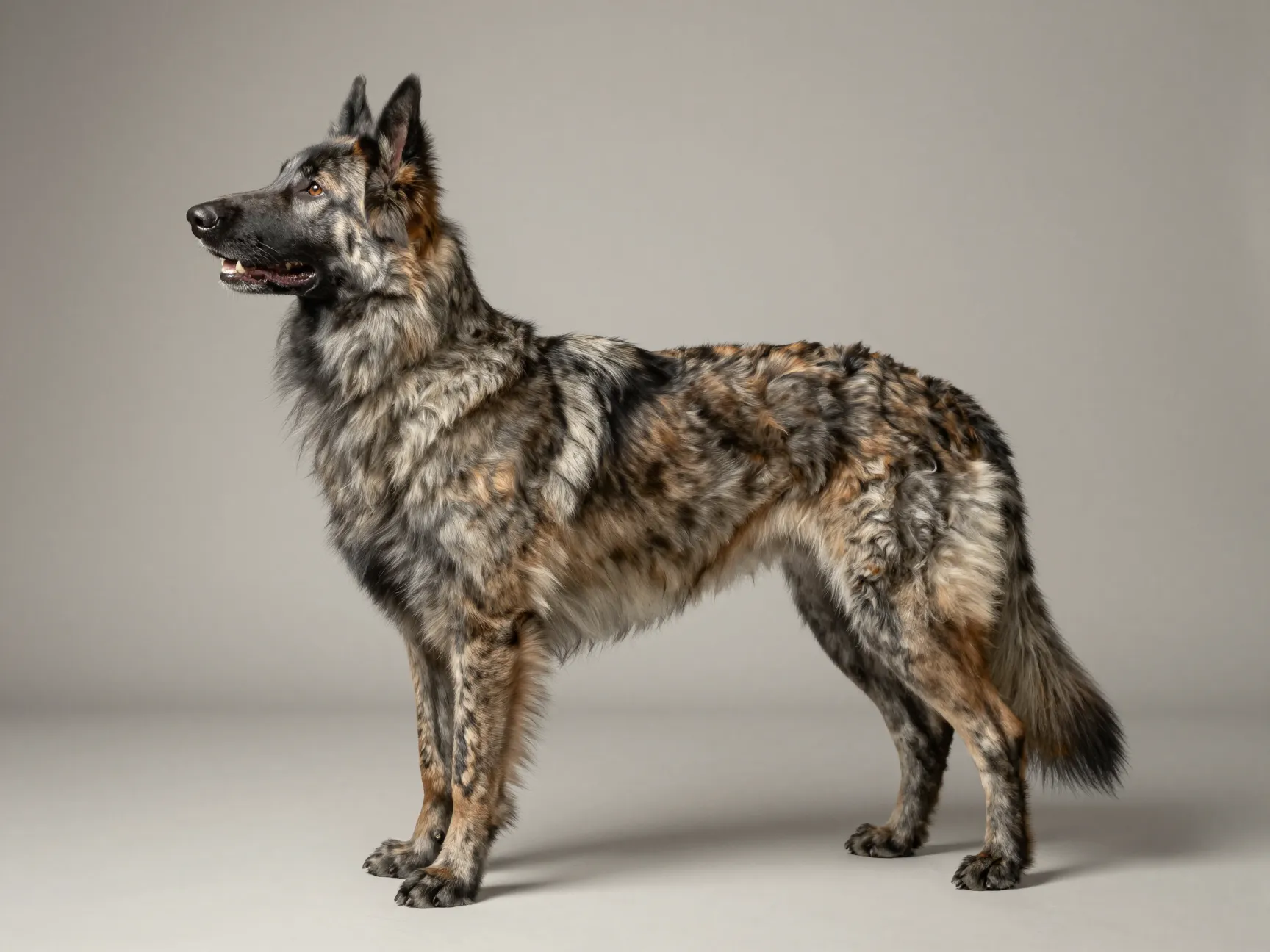
Early Belgian Shepherd evaluations recorded dogs with grey, brindle, or other non-standard coat colors. The 1956 breed standard specifically excluded these colors from recognition, focusing the breed on the fawn-to-black spectrum. These color variations occasionally appear in litters today as genetic throwbacks.
7. The Smooth-Coated Fawn Without Black Mask
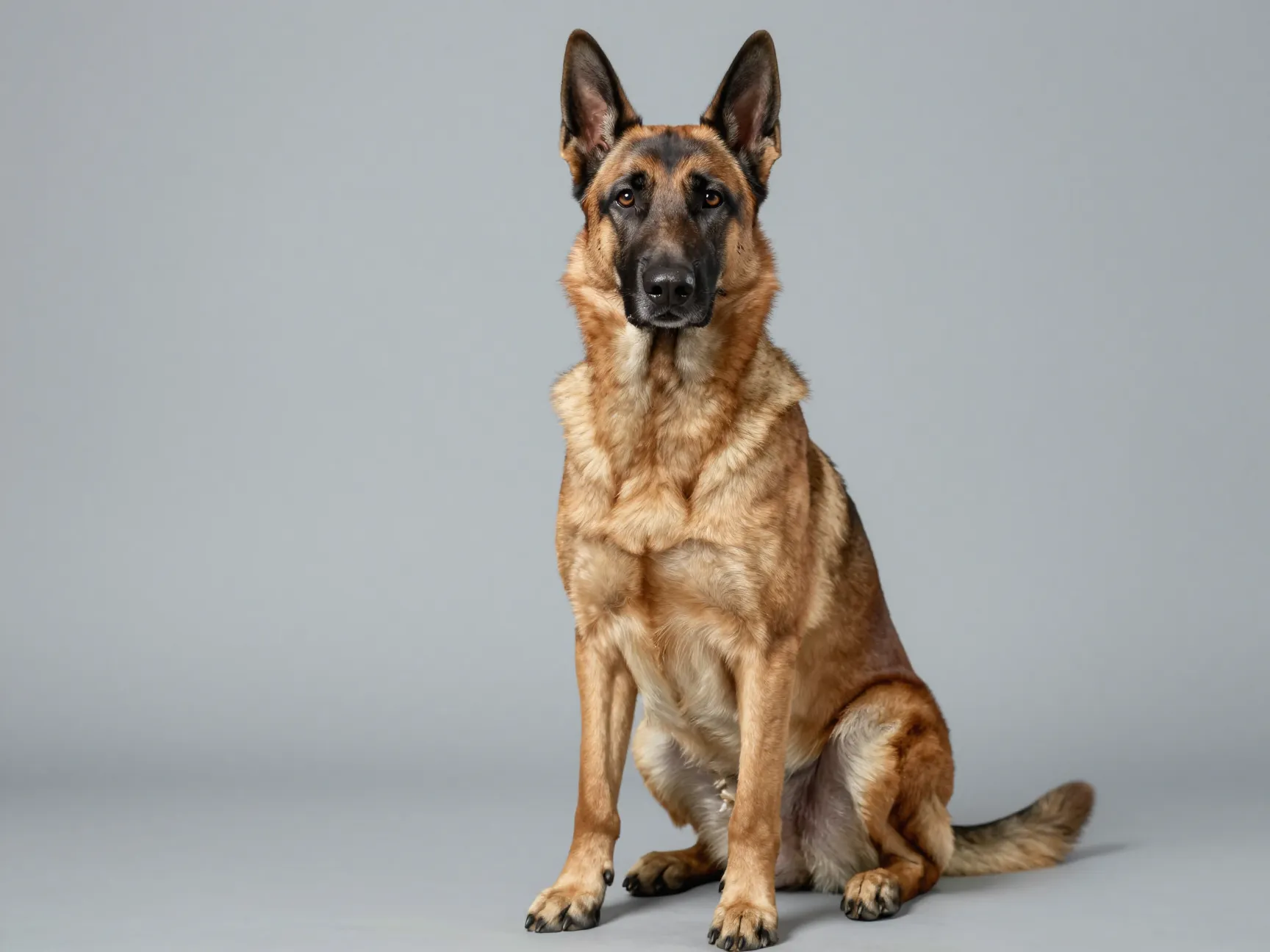
Some historical breeding records describe a smooth-coated fawn variety without the characteristic black mask of the Malinois. This type was considered less desirable for working purposes and was not carried forward in formal breed development. It represents an important chapter in understanding how selective breeding shaped the modern Belgian Shepherd.
8. The Wire-Haired Black Variety
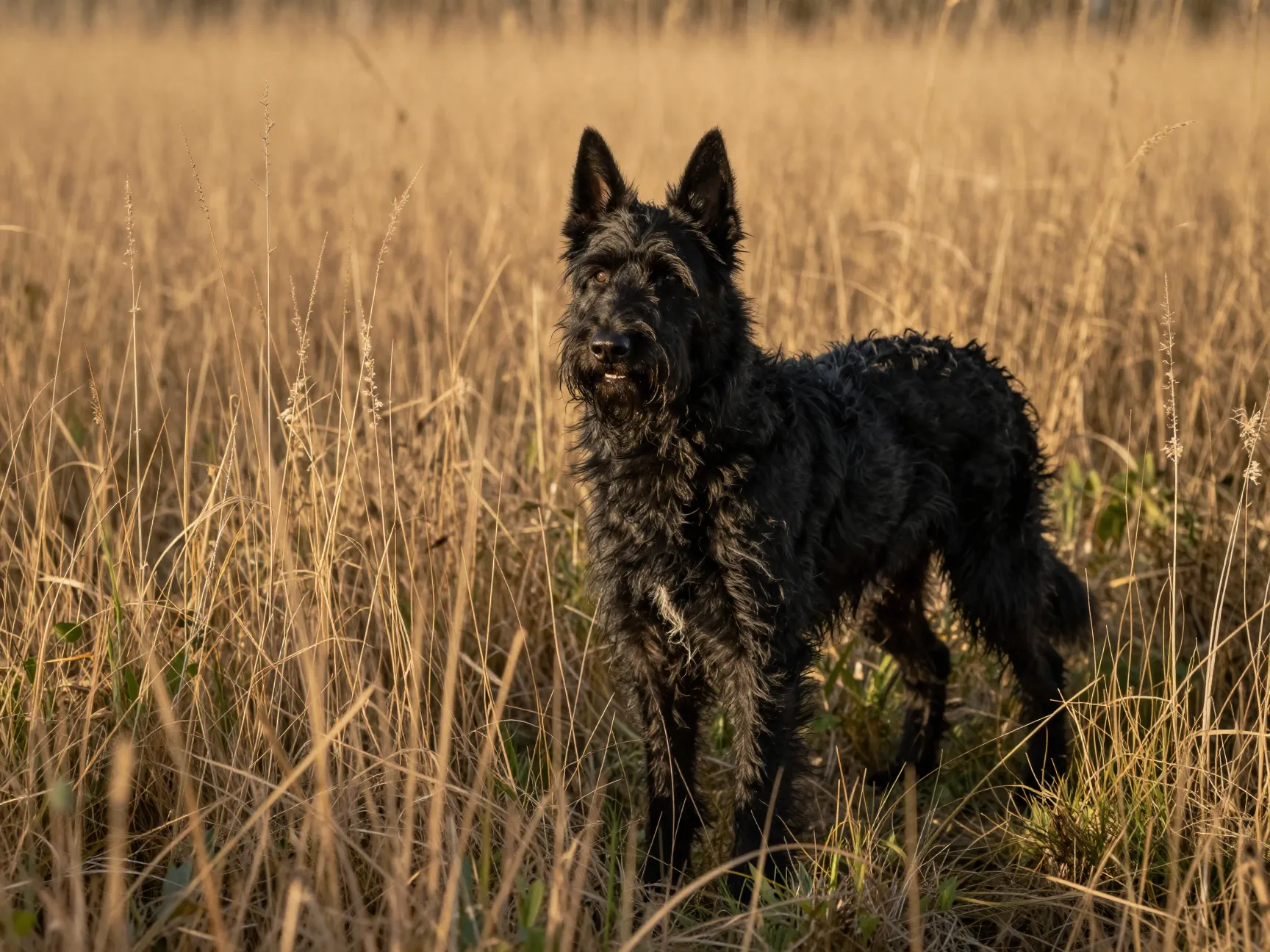
A wire-haired black coat type was occasionally documented in early Belgian shepherd populations. Unlike the Laekenois’s rough fawn coat, this type combined the wiry texture with a black base color. It was never standardized and remains a historical footnote rather than a recognized variety today.
Comparing All 8 Belgian Shepherd Varieties at a Glance
| # | Variety Name | Coat Type | Color | Recognition Status |
|---|---|---|---|---|
| 1 | Groenendael | Long | Black | Internationally recognized |
| 2 | Malinois | Short | Fawn/Mahogany + black mask | Internationally recognized |
| 3 | Tervueren | Long | Fawn/Russet + black overlay | Internationally recognized |
| 4 | Laekenois | Rough/Wiry | Fawn + black traces | Internationally recognized |
| 5 | Short-Haired Black | Short | Black | Historical, not recognized |
| 6 | Long-Haired Grey/Other | Long | Grey/Brindle | Historical, not recognized |
| 7 | Smooth Fawn (No Mask) | Short | Fawn | Historical, not recognized |
| 8 | Wire-Haired Black | Wiry | Black | Historical, not recognized |
Working Roles Across the Varieties
One of the most compelling aspects of Belgian Shepherds is their versatility across working roles. All four recognized varieties have been used by police and military forces worldwide [3][5]. Here’s how the varieties typically align with specific roles:
🐕 Police and Military Work
The Malinois dominates here. Its short coat, explosive athleticism, and intense drive make it ideal for patrol, apprehension, and special operations. Many elite military units around the world deploy Malinois dogs as standard operating partners [3][5].
🔍 Detection Work
The Tervueren has built a strong reputation in drug detection and search-and-rescue operations [3]. Its keen nose combined with its trainability makes it excellent for scent-based tasks.
🐑 Herding and Livestock Work
The Groenendael and Laekenois maintain strong herding instincts. In rural Belgium, these dogs are still used for traditional livestock management.
🏆 Competitive Dog Sports
All four varieties excel in:
- Schutzhund/IPO (protection sport)
- Agility
- Obedience trials
- French Ring Sport
🏠 Family Companionship
With proper socialization and exercise, all varieties can be excellent family dogs — though the Malinois requires the most experienced ownership.
Health Considerations for Belgian Shepherds
Understanding health is essential in any complete guide to Belgian Shepherd varieties. Belgian Shepherds are generally hardy dogs with a lifespan of 10–14 years [4]. However, owners should be aware of several common health concerns:
Common health issues:
- Hip and elbow dysplasia
- Progressive retinal atrophy (PRA)
- Epilepsy
- Thyroid disorders
- Sensitivity to anesthesia (particularly in the Groenendael)
Preventive care checklist:
✅ Annual veterinary health screenings
✅ Hip and elbow evaluations before breeding
✅ Regular dental care
✅ Weight management — these athletic dogs need exercise to stay lean
✅ Mental stimulation to prevent anxiety-driven destructive behavior
💬 “A bored Belgian Shepherd is a destructive Belgian Shepherd. Mental exercise is just as important as physical exercise for this breed.”
Choosing the Right Belgian Shepherd Variety for Your Lifestyle
Not all Belgian Shepherd varieties are equally suited to every owner. Here’s a quick matching guide:
Choose the Groenendael if:
- You want a visually striking, loyal companion
- You have experience with intelligent, sensitive breeds
- You enjoy grooming and coat maintenance
Choose the Malinois if:
- You are an experienced handler or work in law enforcement/military
- You can commit to 2+ hours of vigorous exercise daily
- You want a dog for sport or protection work
Choose the Tervueren if:
- You want the beauty of the Groenendael with a warmer color palette
- You’re interested in competitive dog sports or detection work
- You can manage regular grooming needs
Choose the Laekenois if:
- You want a rare, distinctive breed
- You prefer a slightly lower-maintenance rough coat
- You’re committed to finding a reputable breeder
Training Tips That Apply to All Belgian Shepherd Varieties
Regardless of which variety you choose, these training principles apply universally:
- Start early. Socialization and basic obedience should begin at 8 weeks. Belgian Shepherds are fast learners, but early habits stick.
- Use positive reinforcement. All varieties — especially the Groenendael and Tervueren — respond poorly to harsh corrections. Reward-based training builds trust and reliability.
- Provide mental challenges. Puzzle feeders, nose work, and training sessions keep these intelligent dogs engaged and prevent boredom-related behavior problems.
- Be consistent. Belgian Shepherds pick up on inconsistency quickly. Mixed signals from different family members can create confusion and anxiety.
- Exercise daily. A minimum of 60–90 minutes of vigorous activity per day is the baseline for most Belgian Shepherd varieties. The Malinois may need significantly more.
- Build a strong bond. Belgian Shepherds are deeply loyal and work best when they have a strong relationship with their primary handler.
Conclusion: Your Next Steps With Belgian Shepherds
This 8 Belgian Shepherd Dog Breed Varieties: A Complete Guide has taken you from the breed’s origins in 19th-century Belgium through the four internationally recognized varieties, four historical coat types, working roles, health considerations, and practical ownership advice.
Here’s what I recommend as your actionable next steps:
- Identify your lifestyle match. Use the variety comparison table and the “choosing the right variety” section to narrow down which Belgian Shepherd suits your experience level and daily routine.
- Research reputable breeders or rescues. Contact national breed clubs in your country for breeder referrals. For the Laekenois especially, expect a longer search.
- Visit dogs in person. Meeting adult Belgian Shepherds before committing helps you understand the energy level and temperament firsthand.
- Prepare your home and schedule. These dogs need space, stimulation, and time. Make sure your lifestyle can genuinely accommodate their needs before bringing one home.
- Connect with the community. Belgian Shepherd owner groups, breed clubs, and working dog forums are invaluable resources for ongoing support and training advice.
Belgian Shepherds — in all their varieties — are among the most rewarding dogs you can own. They ask a lot of their owners, but they give back even more in loyalty, intelligence, and partnership. 🐾
References
[1] Belgian Shepherd – https://en.wikipedia.org/wiki/Belgian_Shepherd
[2] Meet Belgian Breeds – https://www.akc.org/expert-advice/dog-breeds/meet-belgian-breeds/
[3] Belgian Shepherd Wikipedia – https://www.scribd.com/document/943044363/Belgian-Shepherd-Wikipedia
[4] Dog Breed Guides Belgian Shepherd – https://www.borrowmydoggy.com/doggypedia/dog-breed-guides-belgian-shepherd
[5] Dog Breeds Meet The Belgian Shepherds Update Your Knowledge – https://wsava.org/updates/dog-breeds-meet-the-belgian-shepherds-update-your-knowledge/