8 Beautiful Differences Between a Calico Cat and Kitten
Only about 1 in every 3,000 calico cats is male — making these tri-colored felines one of the most genetically fascinating creatures in the domestic cat world [4]. But beyond the science, there’s something undeniably captivating about watching a calico grow from a tiny, fuzzy kitten into a fully developed adult. The transformation is striking, layered, and full of surprises.
If you’ve ever looked at a calico kitten and wondered how it compares to a full-grown calico cat, you’re not alone. Understanding the 8 beautiful differences between a calico cat and kitten helps owners, adopters, and cat lovers make better decisions — whether you’re choosing a new pet, understanding your cat’s behavior, or simply appreciating the magic of this unique coat pattern. In this article, I’ll walk you through each of those differences in detail, backed by science and real-world observation.
Key Takeaways 📌
- Calico is a coat pattern, not a breed — it appears across many different cat breeds [3]
- The tri-colored pattern (white, black, orange) becomes more defined as a kitten matures into an adult [1]
- Calicos are almost exclusively female due to X-chromosome genetics [4]
- Adult calico cats can weigh anywhere from 6 to 25 pounds, depending on breed [1]
- Personality differences between kittens and adults are driven by age and socialization, not coat color [3]
What Exactly Is a Calico Cat? A Quick Foundation
Before diving into the 8 beautiful differences between a calico cat and kitten, it’s worth establishing what “calico” actually means. Calico refers to a tri-colored coat pattern — a distinctive mix of white, black, and orange patches distributed across the cat’s body [1][3]. It is not a breed. A Maine Coon, a Domestic Shorthair, and a Persian can all be calico.
The genetics behind this pattern are extraordinary. Because the gene responsible for orange vs. black coat color is carried on the X chromosome, a cat needs two X chromosomes to express both colors simultaneously. That’s why calicos are almost always female [4]. Male calicos exist only when a rare genetic anomaly results in an XXY chromosome configuration — and these cats are almost always sterile [4].
💡 Quick Fact: Japan considers the calico cat (known as mi-ke) a symbol of good luck. The famous “Maneki-neko” (beckoning cat) is often depicted as a calico.
The 8 Beautiful Differences Between a Calico Cat and Kitten
Now let’s get into the heart of what makes these two life stages so visually and behaviorally distinct.
1. Coat Pattern Clarity
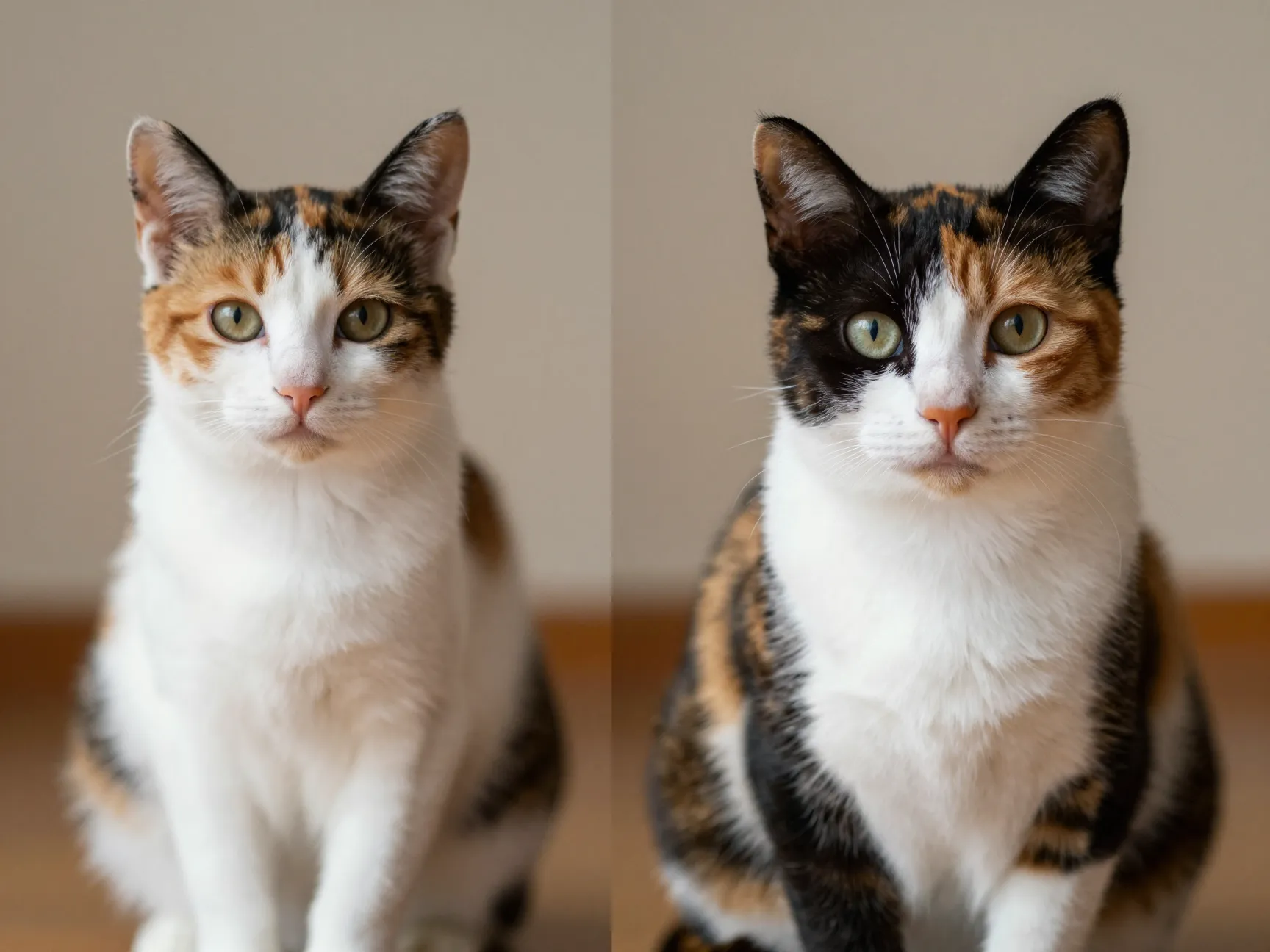
One of the most visually striking differences between a calico cat and kitten is how defined the coat pattern appears. In newborn and young calico kittens, the tri-color patches often look soft, blurry, and blended — almost like a watercolor painting. The boundaries between white, black, and orange are not yet sharp.
As the kitten grows into an adult, the patches become more crisp and well-defined. The contrast between colors deepens, and the unique mosaic of the calico coat fully emerges [1][3]. This is partly because the adult coat is denser and the individual hairs are longer and more pigmented.
What to expect:
- Kitten: Soft, blended, lighter-looking patches
- Adult: Bold, high-contrast, clearly defined tri-color sections
2. Body Size and Weight
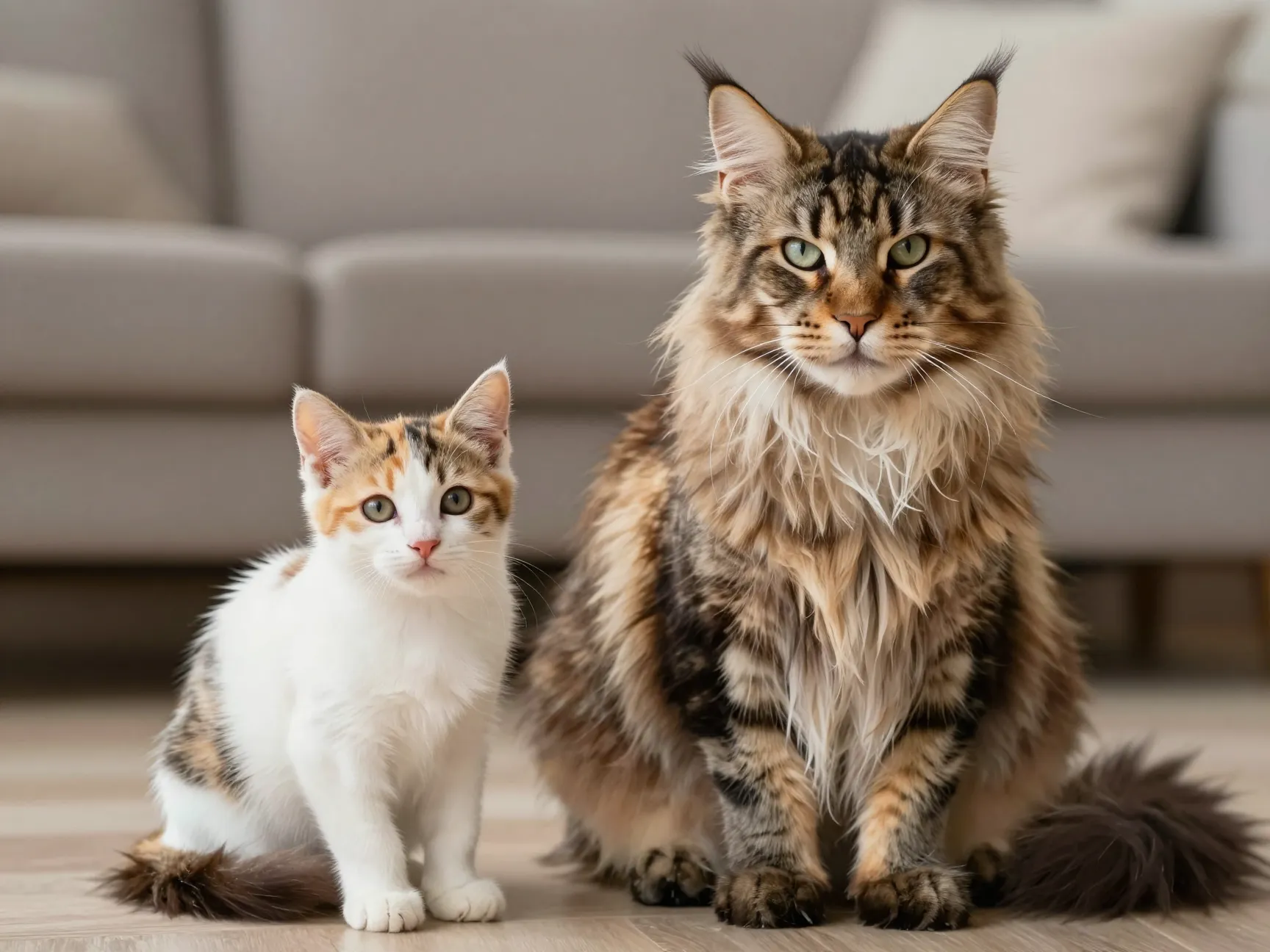
Calico kittens are, of course, tiny — but the range of adult sizes is surprisingly wide. A fully grown calico cat can weigh anywhere from 6 pounds for a shorthaired variety to as much as 25 pounds for long-haired breeds like the Maine Coon [1].
Kittens typically weigh just a few ounces at birth and reach about 50% of their adult weight by the time they are 4 months old. Full adult size is usually reached between 12 and 18 months, though larger breeds may continue developing until age 3 or 4.
| Life Stage | Approximate Weight Range |
|---|---|
| Newborn kitten | 3–4 oz (85–115 g) |
| 3-month kitten | 2–4 lbs |
| 6-month kitten | 4–8 lbs |
| Adult (shorthair) | 6–12 lbs |
| Adult (long-hair) | 12–25 lbs |
3. Eye Color Development 👀
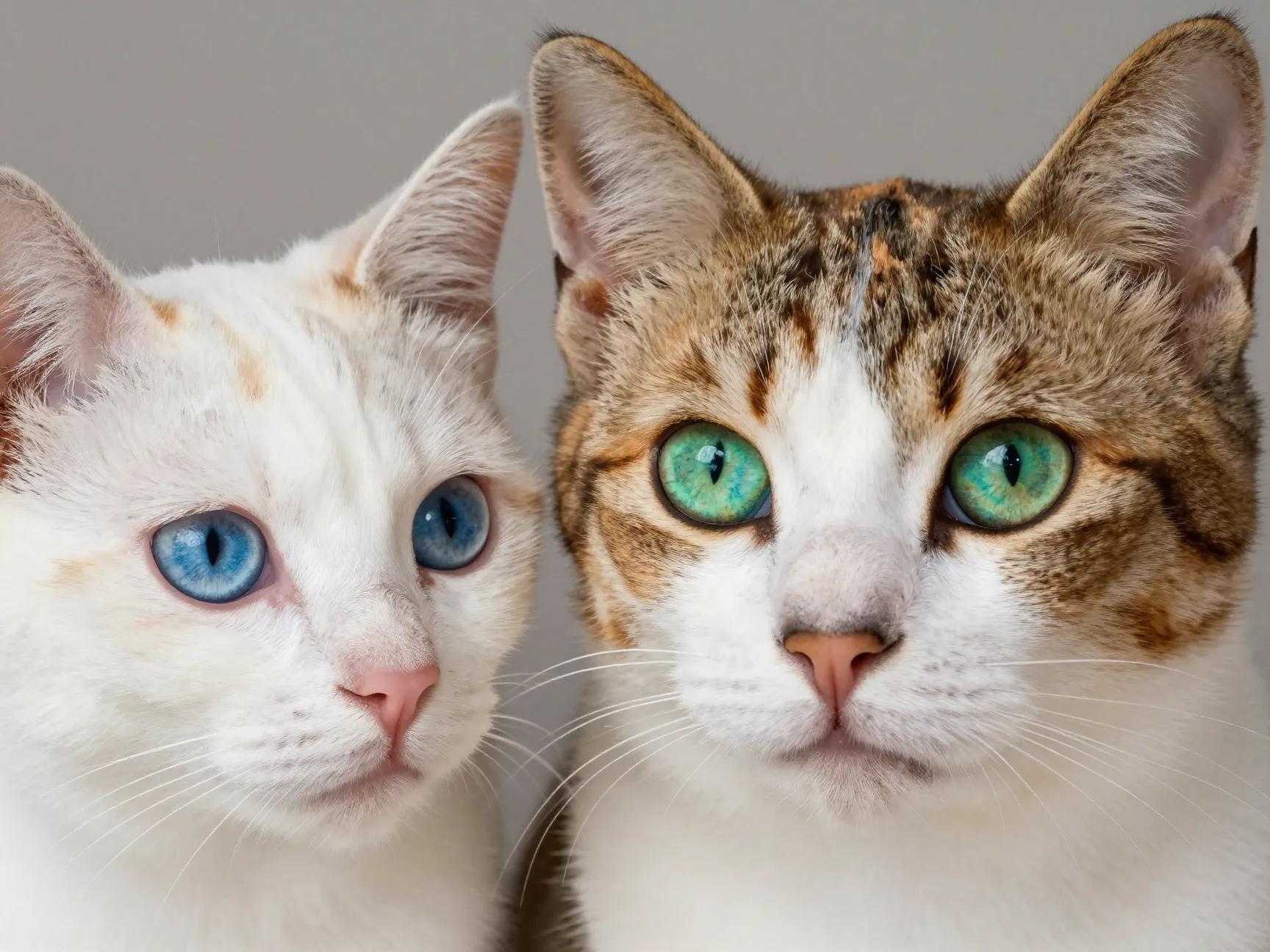
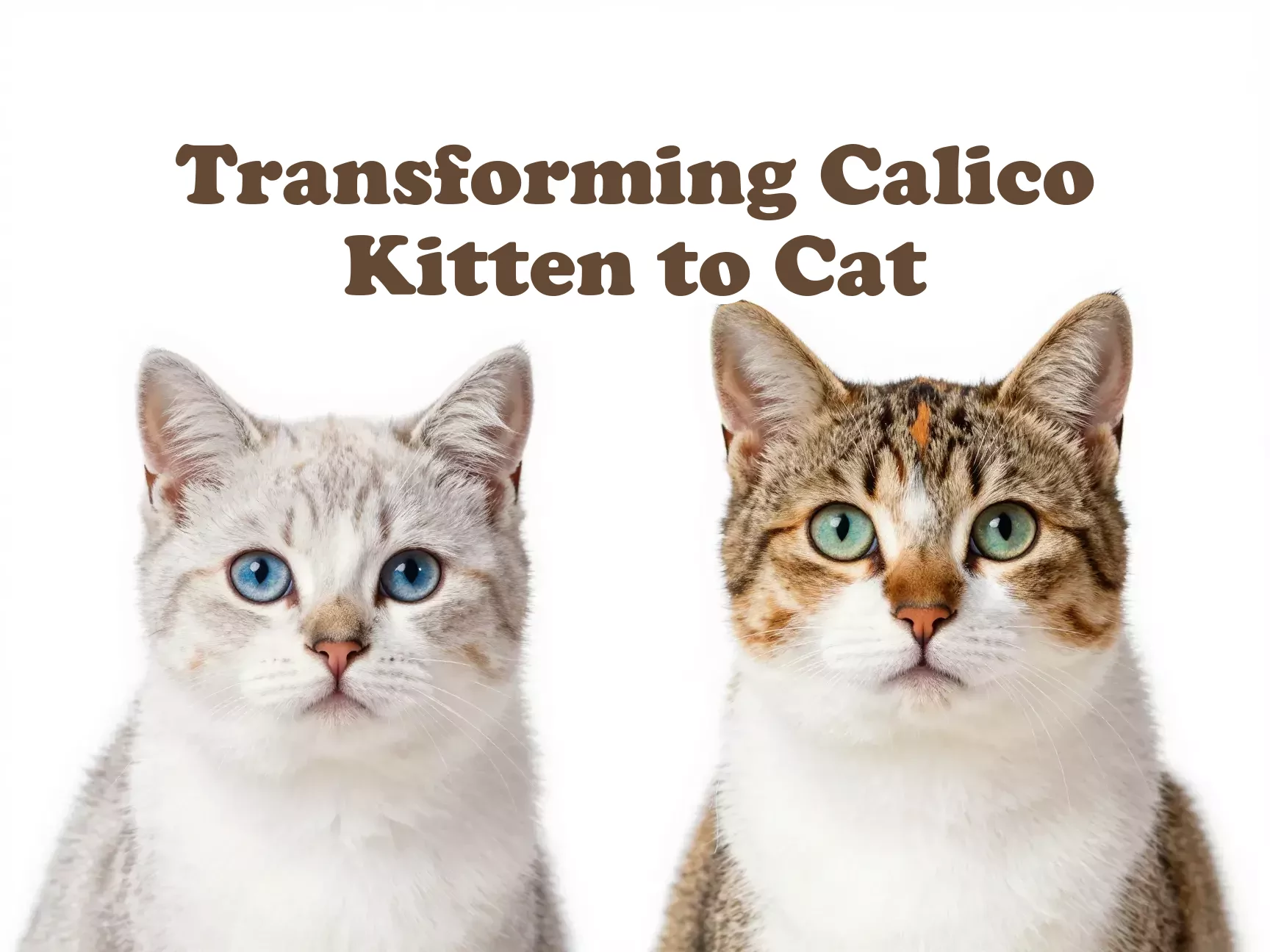
Calico kittens are born with blue eyes — all kittens are. This is because the melanin pigment in the iris hasn’t fully developed yet. As the kitten matures, usually between 6 and 12 weeks, the eye color begins to shift toward its permanent shade.
Adult calico cats can have a wide variety of eye colors — gold, green, copper, hazel, or even odd-eyes (one eye each of two different colors). The eye color of an adult calico is one of the most beautiful and individualized features of the cat, and it’s something you simply cannot predict when looking at a newborn kitten.
🐾 Pro Tip: If you’re adopting a calico kitten and want to know what eye color they’ll have as an adult, look at the parents if possible. Genetics plays a strong role.
4. Fur Texture and Length

Calico kittens tend to have soft, downy, almost fluffy coats regardless of whether they’ll be shorthaired or longhaired as adults. The kitten coat — sometimes called the “baby coat” — is finer and less dense than adult fur.
As the cat matures, the adult coat grows in with more texture, density, and breed-specific characteristics. A shorthaired calico will develop a sleek, close-lying coat, while a longhaired calico will develop flowing, silky fur that can require regular grooming. The transition typically happens between 6 and 14 months of age.
Key differences in fur:
- Kittens: Fine, soft, uniform texture
- Adults: Denser, breed-specific texture; may include a double coat
5. Behavioral Temperament 🐱

Here’s where things get interesting — and where a lot of myths need to be addressed. Many people believe calico cats have a distinct personality called “tortitude” — a feisty, independent, or sassy temperament supposedly linked to their coat pattern. However, there is no scientific evidence that coat color determines personality [3].
What IS true is that calico kittens and adult cats behave very differently — but this is due to age and socialization, not coat color.
- Calico kittens are typically hyperactive, curious, and playful. They explore constantly, have short attention spans, and sleep in bursts between frantic play sessions.
- Adult calico cats tend to be more settled, with established routines and clearer personality traits that reflect their individual history, environment, and breed.
The personality you see in an adult calico has been shaped by years of experience — not by the white, black, and orange patches on their fur [3].
6. Social Bonding and Communication

Calico kittens communicate primarily through high-pitched mewing to signal hunger, cold, or distress to their mother. They are entirely dependent on their caregivers and form early attachments quickly.
Adult calico cats develop a far more complex communication repertoire — including chirping, trilling, slow blinking, tail positioning, and a range of vocalizations that are often tailored specifically to their human companions. Research suggests cats develop unique “vocabularies” with their owners over time.
💬 “Cats don’t meow at other cats — they meow at humans. It’s a communication system they develop specifically for us.”
This means the adult calico you live with is, in a very real sense, speaking a language built just for you — something a kitten is only beginning to learn.
7. Health Considerations and Lifespan
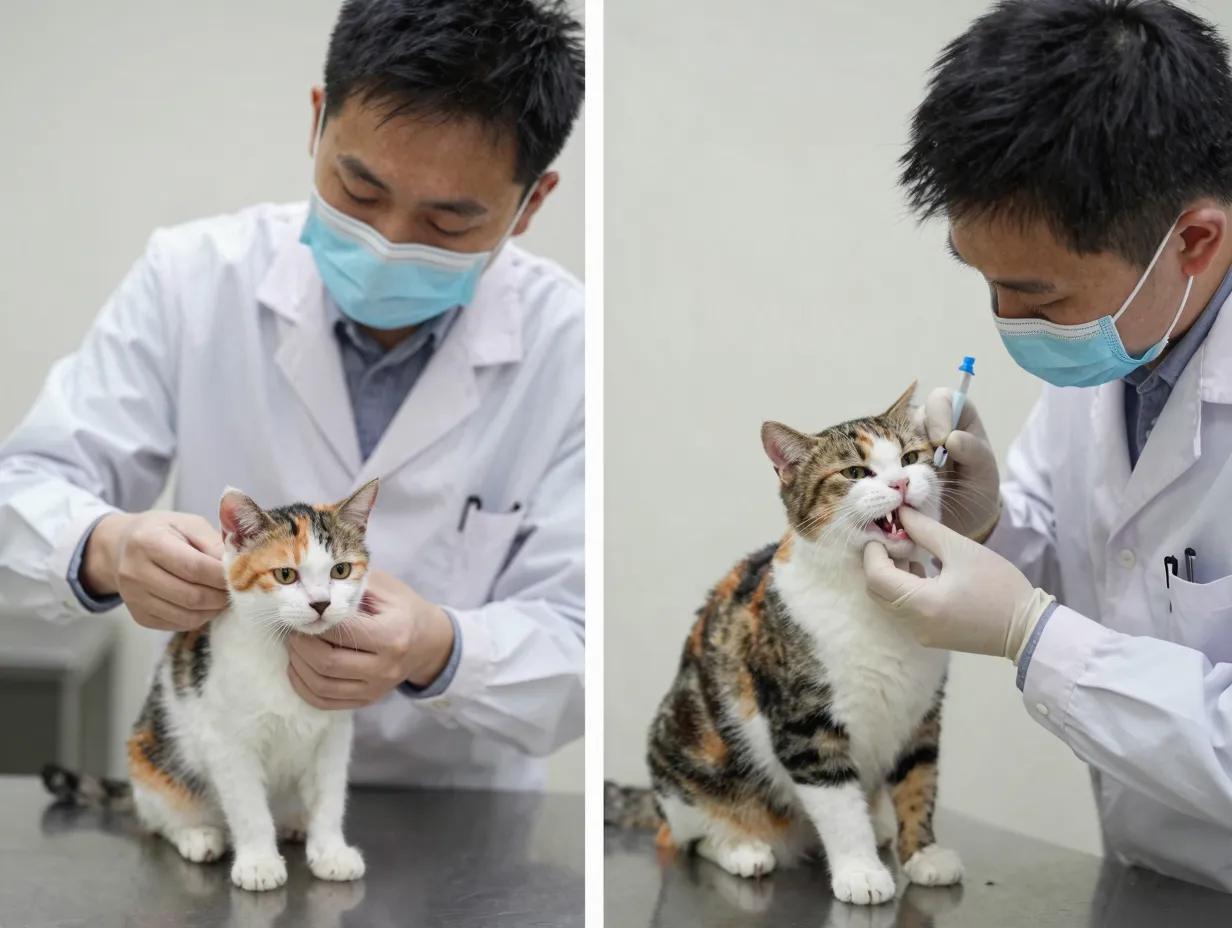
Calico kittens and adult cats have very different health priorities and vulnerabilities.
Kittens require:
- Core vaccinations (starting at 6–8 weeks)
- Deworming and flea prevention
- Spaying (recommended before first heat, around 5–6 months)
- High-calorie, protein-rich kitten food
Adult calico cats, on the other hand, need:
- Annual wellness exams
- Dental care (dental disease is common in cats over 3 years)
- Weight management, especially in indoor cats
- Monitoring for age-related conditions
When it comes to lifespan, female calico cats have an impressive track record. Female calicos can live over 15 years, with some reaching 20 years or more [1]. Because almost all calicos are female, they benefit from the general longevity advantage seen in female cats.
One important note: the rare male calico (XXY) often faces additional health challenges, including a higher risk of certain genetic conditions [4].
8. The Rarity Factor and Perceived Value
This final difference is more about perception and rarity than physical traits — but it’s deeply relevant to anyone thinking about adopting or purchasing a calico.
Calico kittens are often perceived as more universally adorable (as most kittens are), but their calico pattern may not be fully visible yet. You may not know exactly how dramatic or subtle their adult coat will be.
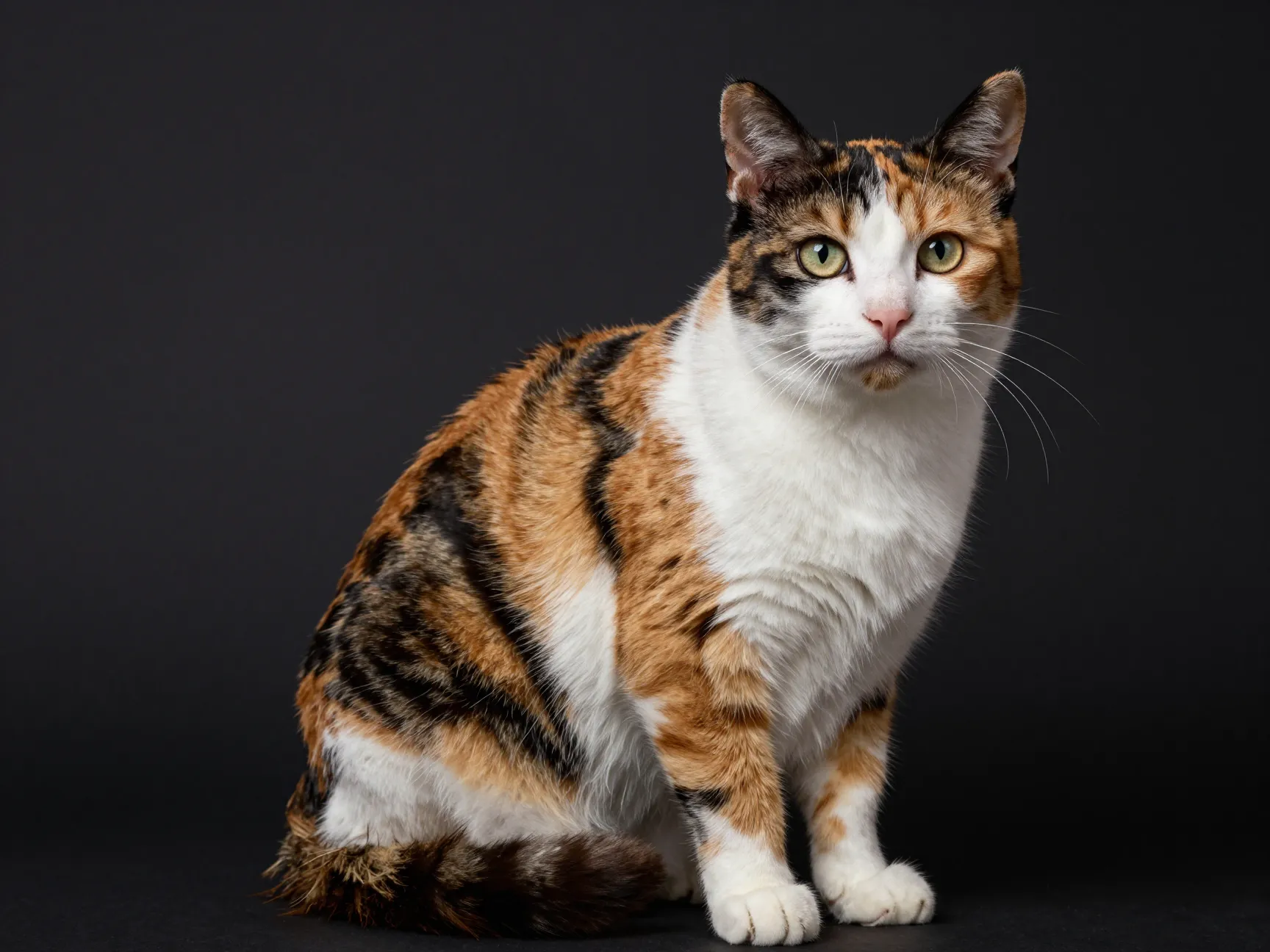
Adult calico cats, especially those with bold, symmetrical, or unusually distributed patches, are considered exceptionally rare and visually striking [1][2]. The fully developed tri-color coat is what makes calicos so beloved — and an adult with a particularly beautiful pattern is a genuinely rare find.
Additionally, because calicos are almost exclusively female [4], a male calico — at any age — is extraordinarily rare and has historically commanded significant attention from breeders and collectors. In 2026, a verified male calico remains one of the most unusual genetic occurrences in domestic cats.
Exploring the 8 Beautiful Differences Between a Calico Cat and Kitten: A Visual Summary
To bring all of these points together, here’s a quick-reference comparison table:
| Difference | Calico Kitten | Adult Calico Cat |
|---|---|---|
| 1. Coat Pattern | Soft, blended, light | Bold, defined, high-contrast |
| 2. Size/Weight | Ounces to a few lbs | 6–25 lbs depending on breed |
| 3. Eye Color | Blue (all kittens) | Gold, green, copper, odd-eyes |
| 4. Fur Texture | Fine, downy, soft | Dense, breed-specific |
| 5. Temperament | Hyperactive, curious | Settled, individualized |
| 6. Communication | Basic mewing | Complex, owner-specific |
| 7. Health Needs | Vaccines, spay, growth diet | Dental, weight, annual exams |
| 8. Rarity/Value | Pattern not yet fully visible | Fully developed, visually rare |
Common Myths About Calico Cats — Debunked 🚫
Before wrapping up, let me address a few persistent myths that come up whenever people discuss the differences between calico cats and kittens.
Myth 1: “Calico is a breed.”
False. Calico is a coat pattern that can appear in many breeds [3].
Myth 2: “All calico cats have feisty personalities.”
No scientific evidence supports this [3]. Personality is shaped by genetics, upbringing, and environment — not coat color.
Myth 3: “Calico kittens will look exactly like their parents.”
Not necessarily. The expression of the calico pattern is influenced by random X-chromosome inactivation, meaning even kittens from the same litter can look dramatically different [4].
Myth 4: “Male calicos are just very rare — they’re otherwise normal.”
Male calicos typically carry an XXY chromosome configuration, which often results in sterility and may come with additional health considerations [4].
Tips for Caring for a Calico at Every Life Stage 🐾
Whether you have a calico kitten or an adult cat, here are some stage-specific care tips:
For calico kittens (0–12 months):
- Schedule vaccinations starting at 6–8 weeks
- Provide high-quality kitten food with adequate protein
- Begin socialization early — expose them to people, sounds, and other animals
- Arrange spaying before the first heat cycle
For adult calico cats (1 year+):
- Schedule annual vet checkups and dental cleanings
- Transition to adult cat food formulated for their size and activity level
- Provide enrichment — puzzle feeders, climbing structures, interactive toys
- Monitor weight carefully, especially for indoor cats
Conclusion: Celebrating Every Stage of the Calico Journey
The 8 beautiful differences between a calico cat and kitten tell a story of transformation — from a soft, wide-eyed bundle of fluff with blurry patches and blue eyes, to a bold, fully developed adult with a striking tri-color coat and a personality all her own. Each stage has its own magic, its own challenges, and its own rewards.
Understanding these differences isn’t just academic. It helps you:
- ✅ Choose the right cat for your lifestyle (kittens need more time and energy; adults are often more predictable)
- ✅ Provide better care at each life stage
- ✅ Appreciate the genetics behind one of nature’s most beautiful coat patterns
- ✅ Debunk myths that can lead to misunderstandings about calico behavior
Whether you’re bringing home a calico kitten or adopting a mature adult, you’re welcoming one of the most genetically unique and visually stunning animals in the domestic cat world. Take the time to understand what makes them special at every stage — and enjoy every moment of the journey.
References
[1] The Calico Cat – https://www.trustedhousesitters.com/blog/pets/the-calico-cat/
[2] What Makes A Beautiful Cat In The Eyes Of Other Cats Why Do Calico And Tortoiseshell Cats Appeal To Cats But Seem Unattractive To Many Humans – https://transconpet.com/what-makes-a-beautiful-cat-in-the-eyes-of-other-cats-why-do-calico-and-tortoiseshell-cats-appeal-to-cats-but-seem-unattractive-to-many-humans/
[3] Calico Cats – https://thecatsite.com/c/calico-cats/
[4] Calico Cat – https://en.wikipedia.org/wiki/Calico_cat