7 Tips to Capture the Perfect Boxer Puppy Sitting Portrait
Picture this: you’re holding your camera, ready to capture that adorable boxer puppy in the perfect sitting pose, but the moment you press the shutter, they’ve already bounded away to chase a dust particle. Sound familiar? Capturing stunning boxer puppy portraits requires more than just pointing and shooting—it demands strategy, patience, and the right techniques. In this comprehensive guide, I’ll share the 7 Tips to Capture the Perfect Boxer Puppy Sitting Portrait that will transform your puppy photography from chaotic snapshots to professional-quality images that showcase these energetic, lovable companions at their absolute best.
Key Takeaways
- Elevation is your secret weapon—placing puppies on platforms makes them hesitant to jump down, giving you precious extra seconds to capture the shot
- Strategic treat and toy positioning above your camera lens directs the puppy’s gaze exactly where you want it for compelling eye contact
- Comfortable, familiar environments are crucial for keeping boxer puppies relaxed and cooperative during portrait sessions
- Proper lighting setup with at least one key light creates professional-quality results even for beginning pet photographers
- Patient, flexible positioning and holding techniques around the body (not collar) ensure both comfort and authentic expressions
Understanding the Boxer Puppy Challenge
Boxer puppies are bundles of pure energy wrapped in irresistibly cute packages. Their playful nature, combined with their natural curiosity and short attention spans, makes them both delightful subjects and photography challenges. These muscular, medium-sized puppies develop their distinctive square-jawed features early, but their personalities shine through most when they’re comfortable and engaged.
The key to successful boxer puppy portraits lies in working with their nature rather than against it. Unlike adult dogs who may sit still for extended periods, boxer puppies operate on a completely different timeline. They’re thinking about the next adventure, the interesting smell across the room, or whether that camera might be a new toy.
Professional pet photographers understand that the magic happens in those brief moments between bursts of puppy energy. By implementing the right techniques and maintaining realistic expectations, you can capture portraits that showcase both the breed’s distinctive characteristics and each individual puppy’s unique personality.
1. Master the Art of Strategic Elevation
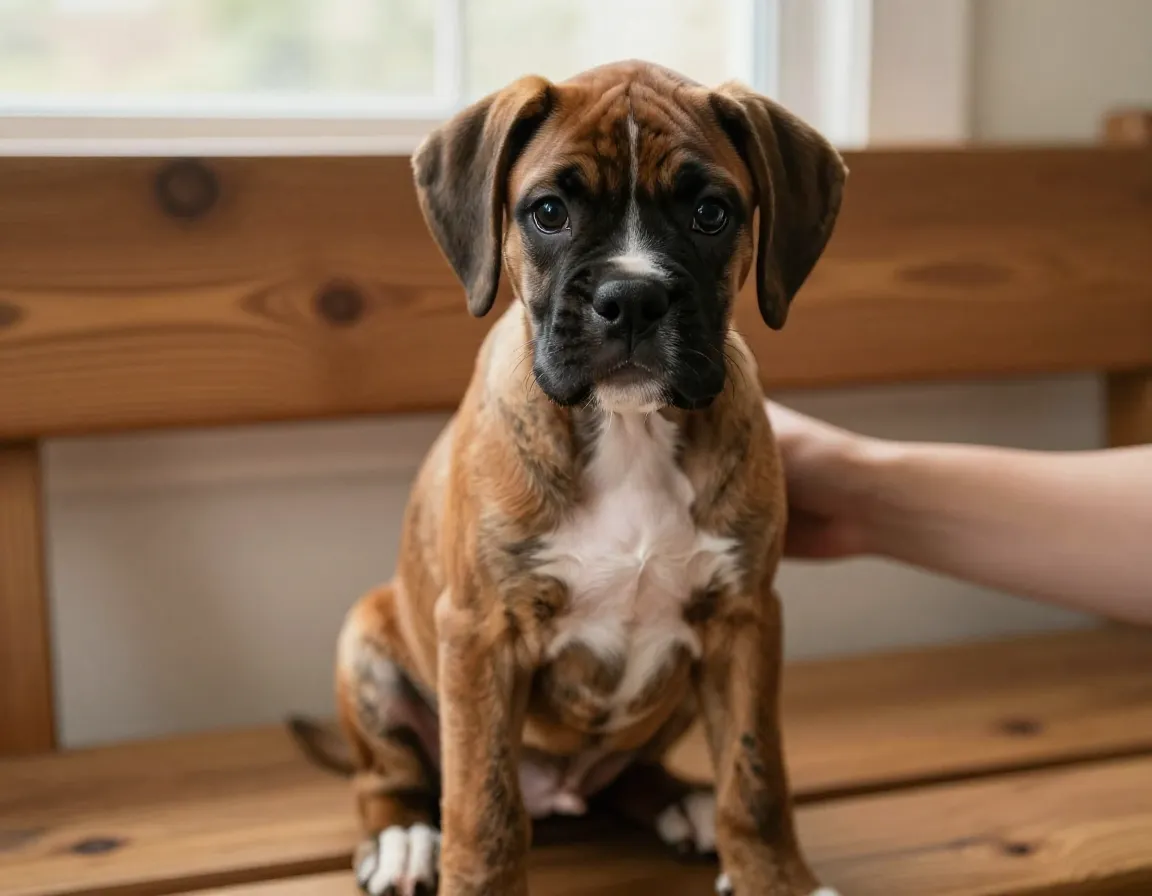
The first and perhaps most crucial tip for capturing the perfect boxer puppy sitting portrait involves getting your subject off the ground. Elevating puppies on platforms or benches makes them hesitant to jump down, buying you precious extra time to capture the shot[1]. This technique works because puppies naturally assess the height before making the leap, giving you a window of opportunity that simply doesn’t exist at ground level.
Choose platforms that are 18-24 inches high—high enough to create hesitation but safe enough that an adventurous puppy won’t get hurt if they do decide to jump. Sturdy wooden benches, photography platforms, or even a stable ottoman work perfectly. The surface should be non-slip to ensure your puppy feels secure and confident.
Position yourself at the puppy’s eye level once they’re elevated. This means you’ll likely be crouching or sitting, but the perspective creates much more engaging portraits than shooting down from above. The elevated position also helps separate your subject from distracting background elements, creating cleaner compositions.
Consider the psychological aspect of elevation as well. When puppies are slightly elevated, they often naturally adopt a more alert, attentive posture. This works particularly well with boxer puppies, whose breed characteristics include natural alertness and confidence.
2. Perfect Your Holding and Positioning Techniques
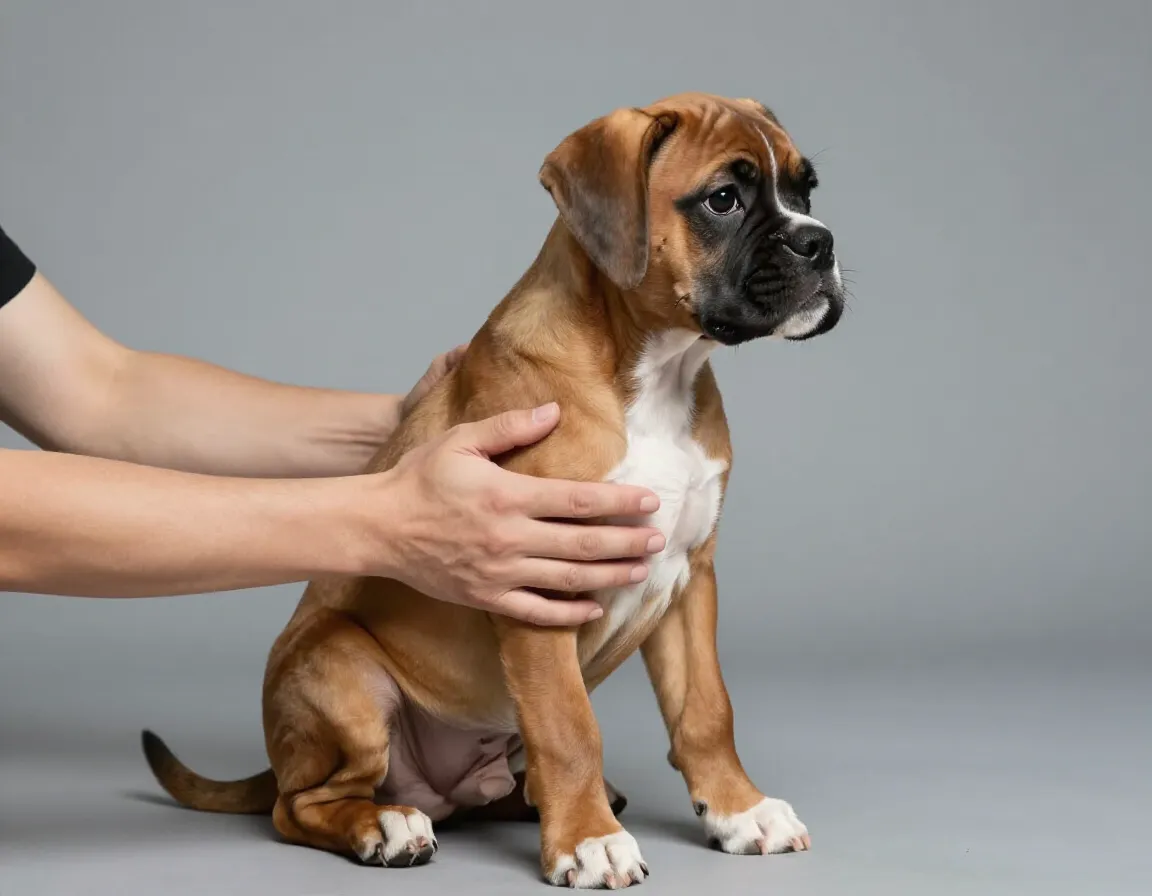
How you handle your boxer puppy during the portrait session can make or break the entire shoot. Hold puppies around the body instead of the collar—holding by the collar can create the appearance of choking, while body holds look like comfortable hugs and keep puppies calmer[1]. This technique is especially important for boxer puppies, whose thick necks and collar sensitivity require gentle handling.
Proper body positioning involves supporting the puppy’s chest and hindquarters simultaneously. Place one hand gently across the chest area, just behind the front legs, while your other hand provides support under the rear. This creates a secure feeling for the puppy while maintaining their natural sitting posture.
Timing is everything when it comes to positioning. Rather than forcing a puppy into a sit and expecting them to hold it, work with their natural movements. Watch for moments when they naturally settle into a sitting position, then provide gentle guidance to maintain that pose for just a few seconds.
Body language matters tremendously in pet photography. Your own calm, relaxed demeanor will transfer to the puppy. Avoid sudden movements, speak in soothing tones, and remember that patience is your greatest asset. Boxer puppies are particularly responsive to human emotions, so maintaining a positive, relaxed attitude will significantly improve your results.
3. Strategic Treat and Toy Positioning for Perfect Attention
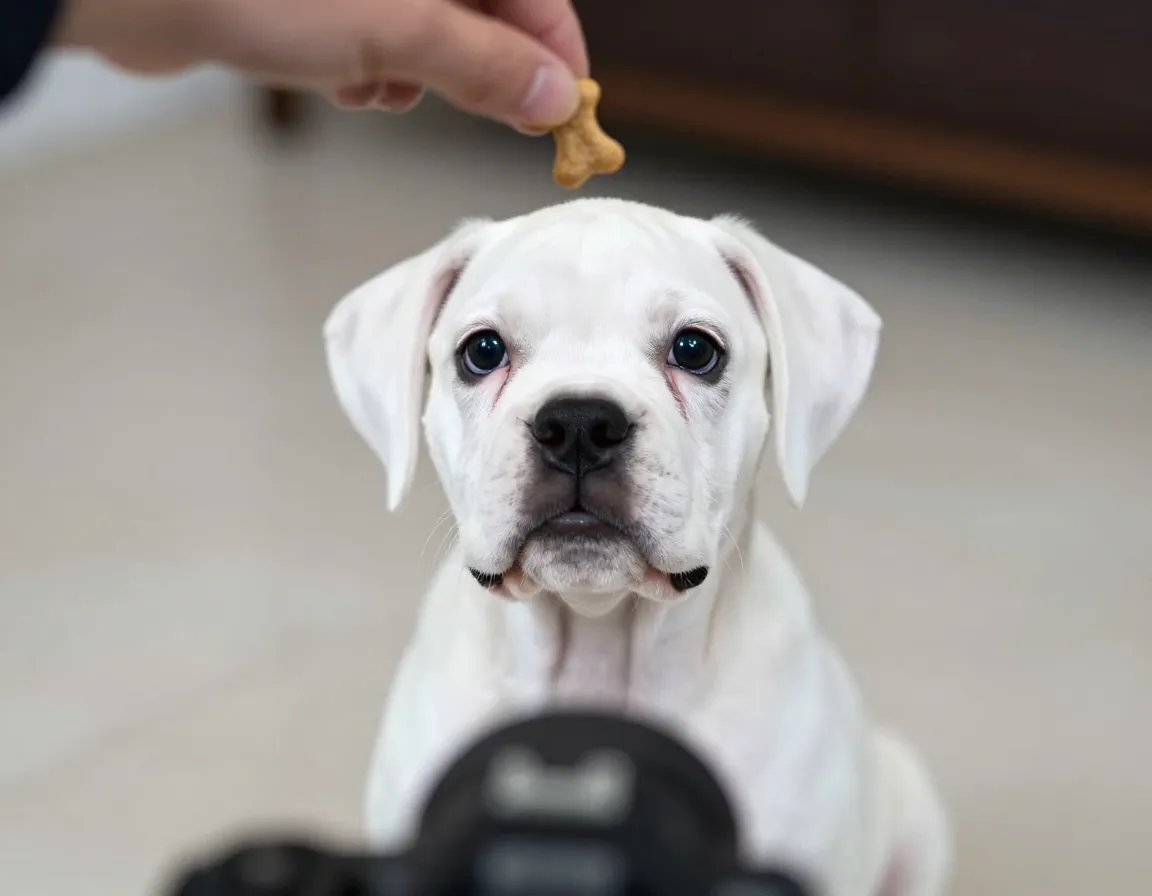
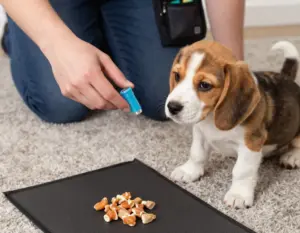
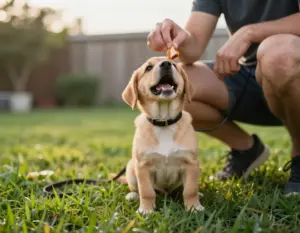
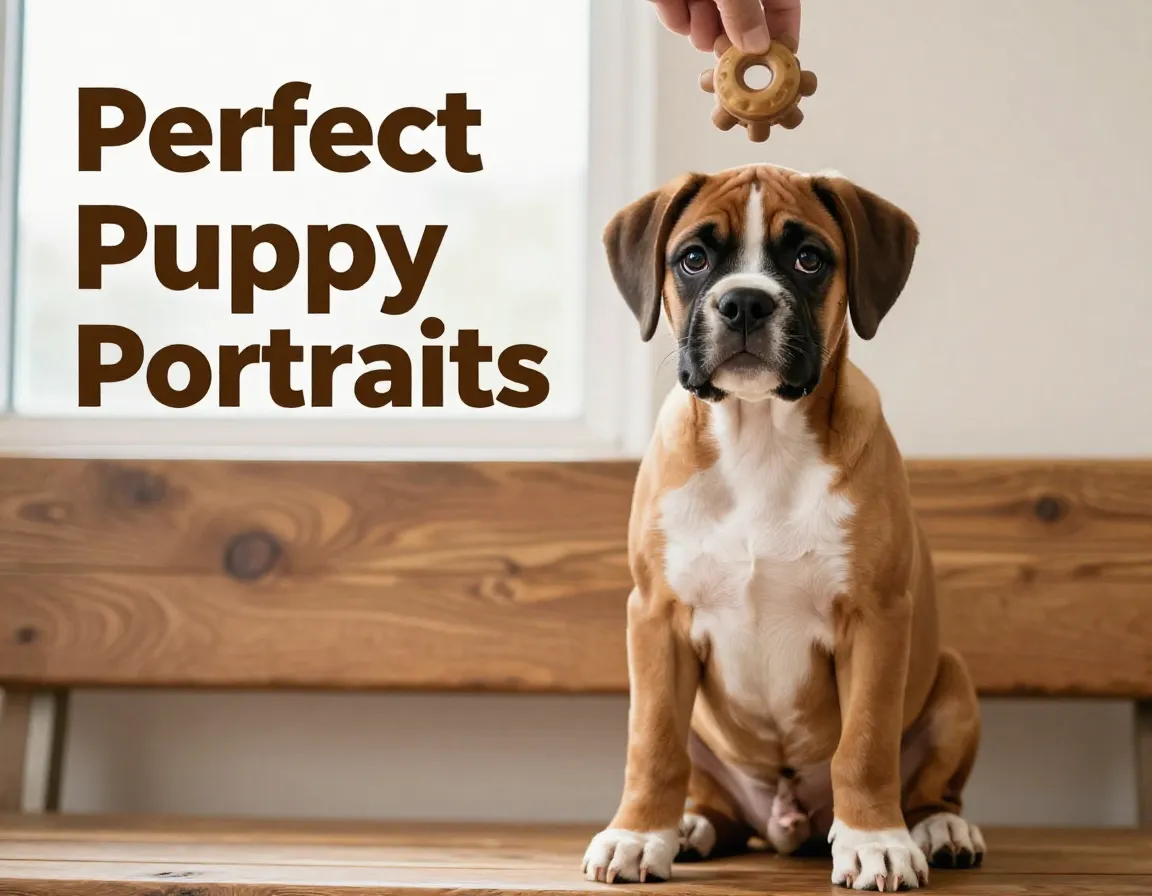
Getting a boxer puppy to look directly at your camera requires more than luck—it demands strategic positioning of motivational tools. Direct hand-held treats or toys above the camera lens—positioning them to the side of the lens directs the puppy’s gaze where you want it[2]. This technique creates the illusion of direct eye contact with the camera while actually focusing the puppy’s attention on something they find irresistible.
The “treat above lens” method works because it places the reward in the puppy’s direct line of sight to your camera. Hold the treat approximately 6-12 inches above your lens, depending on your distance from the subject. Make small movements with the treat to maintain interest, but avoid wild gestures that might overstimulate an already energetic boxer puppy.
Use squeaky toys to refocus attention—if puppies become fixated on treats, a toy squeak can redirect their attention without losing engagement[2]. This backup strategy is essential because boxer puppies can become laser-focused on food rewards to the point where they ignore everything else, including your camera.
Rotate your attention-getting tools throughout the session. Start with treats, move to squeaky toys, then perhaps try unusual sounds like clicking your tongue or making kissing noises. Boxer puppies are naturally curious, so novel sounds often capture their attention more effectively than repetitive treat-waving.
Consider the “helper method” where a second person manages treats and toys while you focus entirely on camera operation. This allows for more precise timing and reduces the juggling act that often leads to missed shots.
4. Create the Ideal Environment for Boxer Puppy Portraits
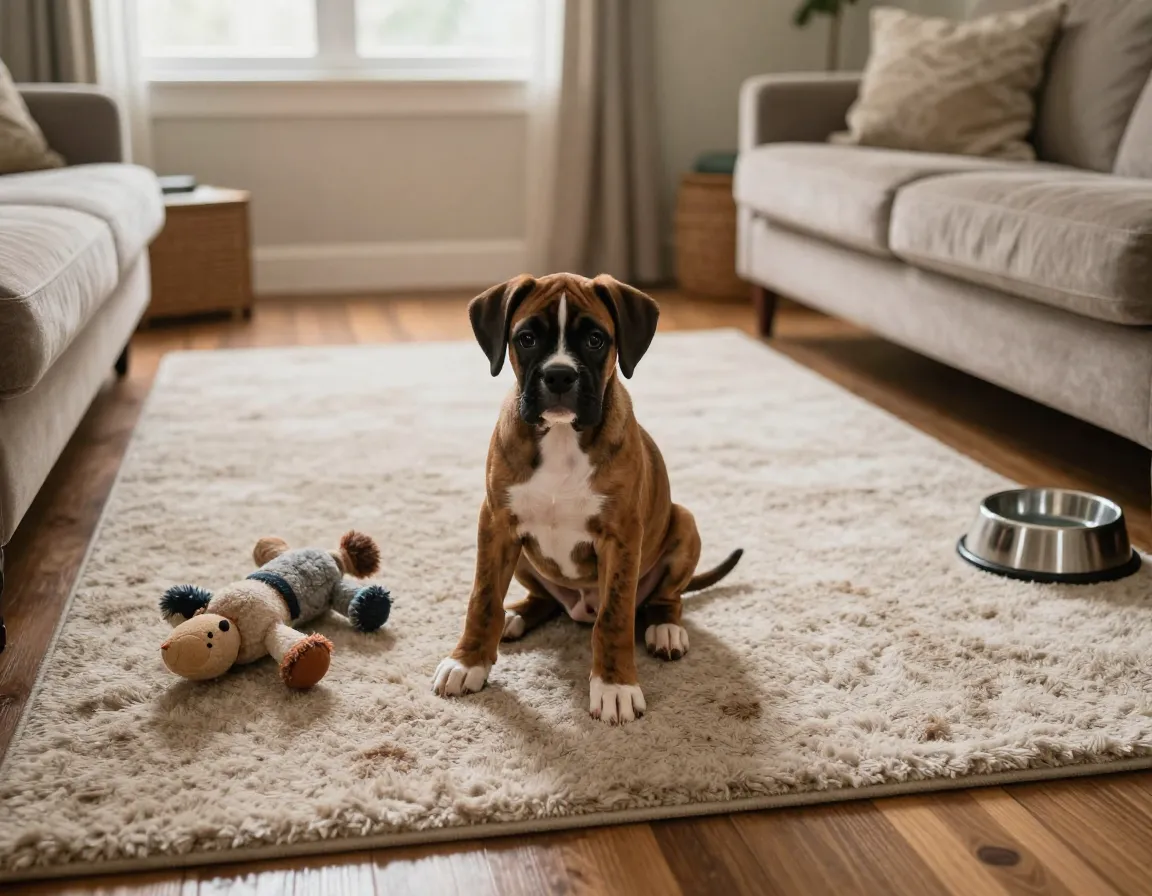
Environmental factors play a crucial role in successfully implementing these 7 Tips to Capture the Perfect Boxer Puppy Sitting Portrait. Select comfortable, familiar locations—choosing spots close to the puppy’s home and ensuring a relaxed environment translates to better images[1][5]. Boxer puppies are particularly sensitive to new environments, so familiar surroundings help maintain their natural confidence and personality.
Indoor vs. outdoor considerations each offer unique advantages. Indoor sessions provide controlled lighting and fewer distractions, while outdoor sessions offer natural light and more space for energetic puppies to burn off excess energy between shots. For boxer puppies, I often recommend starting indoors to establish comfort, then moving outside if the session is going well.
Minimize distractions in your chosen environment. Remove squeaky toys that aren’t being used for the session, secure other pets in different areas, and ask family members to observe quietly from a distance. Boxer puppies have keen hearing and will be distracted by every sound, so controlling the acoustic environment is just as important as the visual setup.
Temperature and comfort matter more than many photographers realize. Ensure the space is comfortably cool—boxer puppies can overheat quickly due to their flat faces, and an overheated puppy will be panting, restless, and uncooperative. Have fresh water available and take breaks as needed.
Prepare backup locations within the same general area. If your primary setup isn’t working, having a secondary spot ready prevents the session from falling apart when puppy attention spans wane.
5. Lighting Setup Essentials for Professional Results
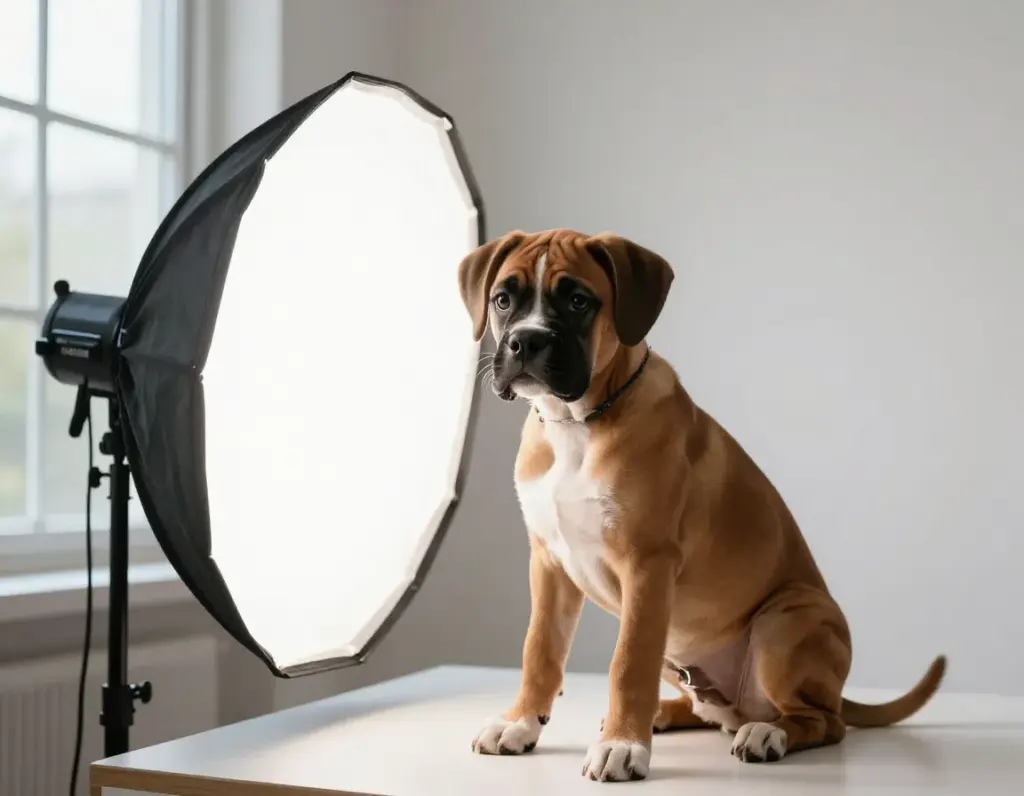
Proper lighting transforms amateur snapshots into professional-quality portraits, and this is especially true when applying these 7 Tips to Capture the Perfect Boxer Puppy Sitting Portrait. Ensure adequate lighting setup—beginning photographers need at least one key light; additional rim lights or strip boxes create separation from the backdrop[2]. This foundational lighting approach works beautifully for boxer puppies, whose dark coats can easily disappear into shadows without proper illumination.
Natural light strategies offer the most accessible starting point for most photographers. Position your puppy near a large window with soft, diffused light streaming in. North-facing windows provide the most consistent light throughout the day, while south-facing windows offer brighter illumination that may require diffusion materials like sheer curtains.
Artificial lighting basics become necessary when natural light isn’t sufficient or available. A single softbox or umbrella light positioned at a 45-degree angle to your subject creates beautiful, dimensional lighting that enhances the boxer puppy’s facial features. Avoid direct flash at all costs—it creates harsh shadows, red-eye, and often startles puppies.
Fill light considerations help manage the contrast between light and shadow areas. A simple white poster board or reflector positioned opposite your main light source bounces light back onto the shadow side of your puppy’s face, creating more even illumination.
Background separation lighting involves adding a second light source aimed at your background. This technique prevents your boxer puppy from blending into the backdrop and creates a more three-dimensional appearance in your final images.
6. Equipment Selection and Setup for Success
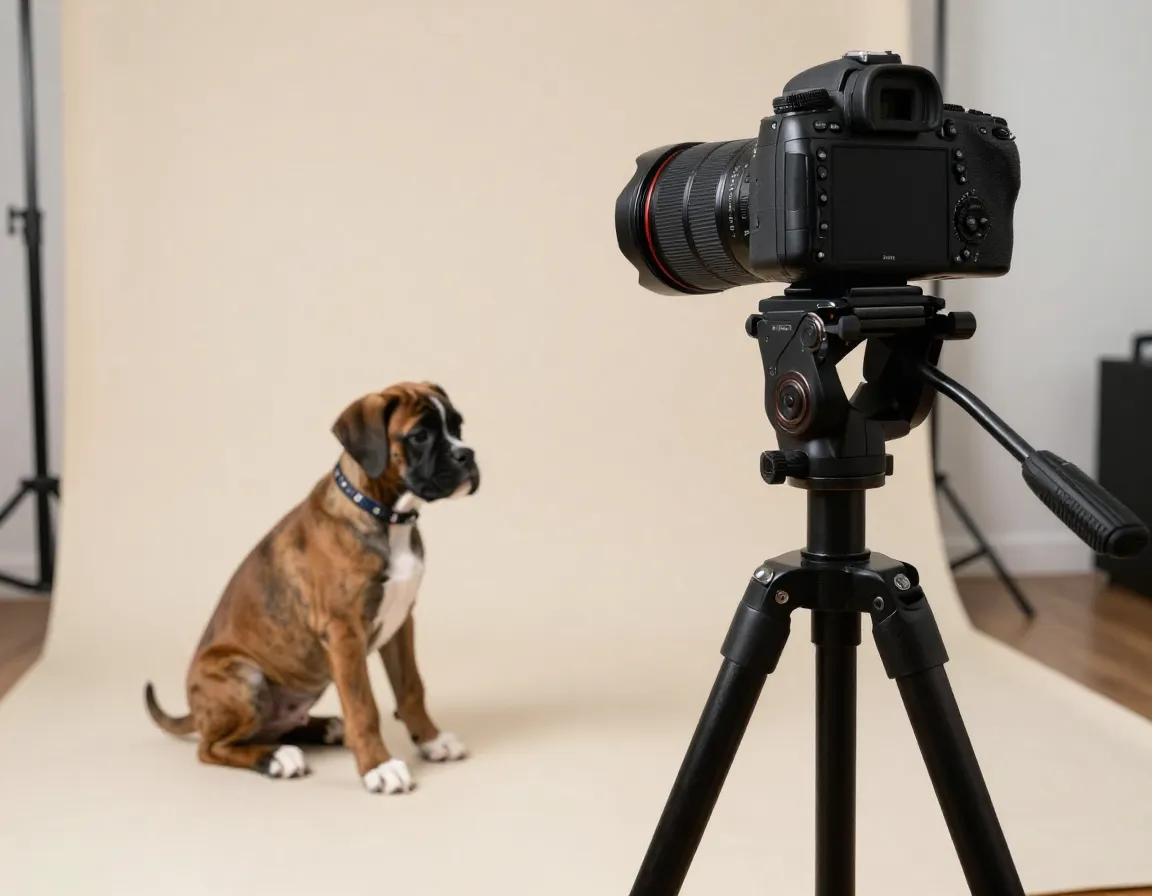
Successfully implementing these 7 Tips to Capture the Perfect Boxer Puppy Sitting Portrait doesn’t require expensive equipment, but choosing the right tools makes a significant difference. Utilize minimal equipment initially—basic setups are sufficient for quality results when just starting in pet photography[2]. This approach prevents overwhelming both photographer and puppy while building confidence and skills.
Camera selection matters less than understanding your equipment. Whether you’re using a smartphone, point-and-shoot camera, or professional DSLR, learn your device’s burst mode capabilities. Boxer puppies move quickly, and capturing multiple frames in rapid succession increases your chances of getting that perfect expression and pose.
Lens considerations for puppy portraits favor moderate telephoto focal lengths. A 85mm-135mm lens (or smartphone equivalent) allows you to maintain some distance while filling the frame with your subject. This distance prevents you from overwhelming the puppy while providing excellent image compression that makes backgrounds less distracting.
Essential accessories include a sturdy tripod for consistent framing, extra batteries (cold weather drains them quickly), and plenty of storage space. Puppy sessions generate hundreds of images, so ensure you have adequate memory cards or phone storage available.
Backup equipment planning prevents session disasters. Bring backup batteries, memory cards, and if possible, a second camera or smartphone. Boxer puppies have limited attention spans, so equipment failures can’t be resolved with “just a few more minutes.”
7. Patience, Timing, and Authentic Moment Capture
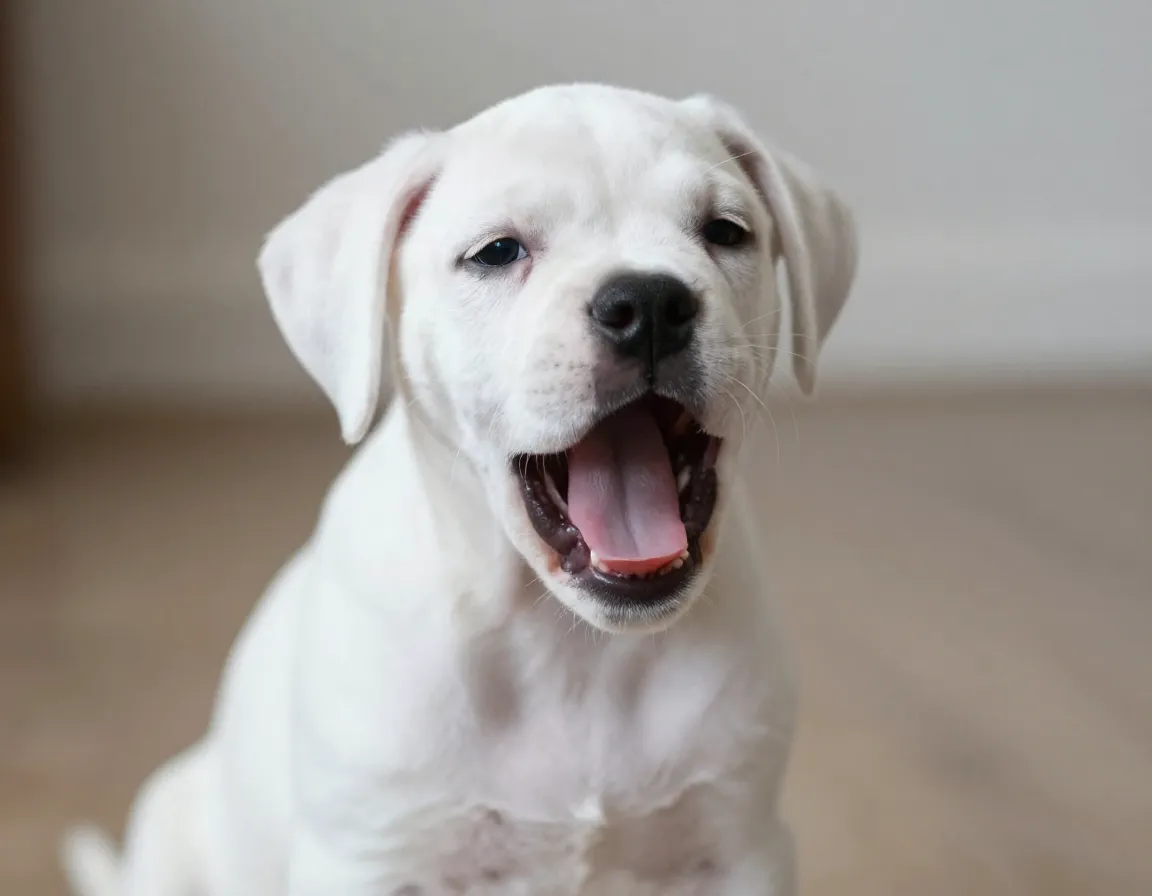
The final and perhaps most important aspect of mastering these 7 Tips to Capture the Perfect Boxer Puppy Sitting Portrait involves developing the right mindset and timing skills. Employ patient, relaxed positioning—since puppies are inherently squirmy, adopting a natural, forgiving photography style captures authentic moments[1]. This philosophy shift from rigid posing to authentic moment capture often produces the most compelling and memorable portraits.
Reading puppy body language becomes crucial for timing your shots effectively. Watch for signs of relaxation: soft eyes, natural sitting posture, ears in a comfortable position, and mouth either closed or slightly open without excessive panting. These indicators suggest the puppy is comfortable and more likely to hold a pose momentarily.
The “burst and wait” technique involves taking several rapid shots when the puppy settles into a good position, then waiting patiently for the next opportunity rather than trying to force continuous posing. Boxer puppies often cycle through periods of high energy followed by brief moments of calm—capitalize on these natural rhythms.
Celebrate small victories throughout the session. If you capture one great shot early on, consider it a success and let the pressure off both yourself and the puppy. This relaxed approach often leads to even better images as the session progresses.
Know when to stop before the puppy becomes overtired or overstimulated. A 15-20 minute session that yields several good images is far more successful than an hour-long marathon that exhausts everyone involved. Boxer puppies will let you know when they’ve had enough—respect their limits for the best results.
Post-Processing Tips for Boxer Puppy Portraits
Once you’ve successfully captured your images using these 7 Tips to Capture the Perfect Boxer Puppy Sitting Portrait, thoughtful post-processing can elevate your results from good to exceptional. Focus on enhancing natural features rather than over-editing. Boxer puppies have distinctive facial characteristics that should be celebrated, not obscured by heavy filtering or artificial effects.
Basic adjustments should address exposure, contrast, and color balance first. Boxer puppies often have rich, warm coat colors that benefit from slight warmth adjustments in post-processing. Be careful not to oversaturate—natural-looking results are always preferable to heavily stylized images.
Eye enhancement deserves special attention in puppy portraits. Gently brighten the eyes and add subtle contrast to make them more compelling, but avoid the artificial “glowing eyes” effect that can make images look unnatural. The goal is to enhance what was already captured, not create something that wasn’t there.
Background cleanup might involve removing distracting elements, smoothing uneven lighting, or slightly blurring backgrounds to better separate your subject. Keep these adjustments subtle—viewers should focus on the puppy, not your editing skills.
Common Mistakes to Avoid
Even when following these 7 Tips to Capture the Perfect Boxer Puppy Sitting Portrait, certain pitfalls can derail your session. Overstimulation ranks as the most common mistake—using too many treats, toys, sounds, or people creates chaos rather than cooperation. Keep your approach simple and calm.
Forcing poses never works with puppies and often results in stressed, unnatural-looking images. Work with the puppy’s natural tendencies rather than against them. If they prefer lying down to sitting, capture beautiful lying portraits instead of fighting for an arbitrary pose.
Inadequate preparation leads to missed opportunities and frustrated sessions. Have all equipment ready, treats prepared, and backup plans in place before bringing the puppy into the photography area. Boxer puppies won’t wait while you adjust settings or search for batteries.
Ignoring safety can turn a fun session into a dangerous situation. Ensure elevated surfaces are stable, electrical cords are secured, and the environment is puppy-proofed. No photograph is worth risking a puppy’s safety.
Building Long-Term Success in Pet Photography
Mastering these 7 Tips to Capture the Perfect Boxer Puppy Sitting Portrait represents just the beginning of your pet photography journey. Develop relationships with local breeders, veterinarians, and pet owners who appreciate quality photography. Word-of-mouth referrals drive success in pet photography more than any other marketing method.
Continue learning through online tutorials, workshops, and practice sessions. Each puppy presents unique challenges and opportunities—embrace these learning experiences rather than viewing them as obstacles.
Build a portfolio that showcases your best work across different lighting conditions, environments, and puppy personalities. Potential clients want to see consistency and quality, not just single lucky shots.
Consider specialization in specific breeds or types of pet photography. Boxer enthusiasts particularly appreciate photographers who understand their breed’s unique characteristics and challenges.
Conclusion
Capturing stunning boxer puppy sitting portraits requires a combination of technical knowledge, practical techniques, and infinite patience. By implementing these 7 Tips to Capture the Perfect Boxer Puppy Sitting Portrait—from strategic elevation and proper holding techniques to optimal lighting and environmental considerations—you’ll transform challenging photo sessions into successful, enjoyable experiences for both you and your adorable subjects.
Remember that every puppy is unique, and what works perfectly for one boxer puppy might require adjustment for another. The key is maintaining flexibility while applying these fundamental principles consistently. Start with one or two techniques from this guide, master them through practice, then gradually incorporate additional elements as your confidence and skills develop.
Your next steps should include gathering the basic equipment mentioned, identifying a suitable practice location, and perhaps most importantly, finding a patient boxer puppy willing to be your model. Remember that even professional pet photographers didn’t achieve perfect results immediately—every expert was once a beginner who refused to give up.
The joy of capturing that perfect moment—when a boxer puppy’s personality shines through in a beautifully composed, well-lit portrait—makes every challenge worthwhile. These images become treasured memories for families and showcase the incredible bond between humans and their canine companions. With patience, practice, and the techniques outlined in this guide, you’ll soon be creating boxer puppy portraits that capture hearts and tell compelling visual stories.
References
[1] How I Photographed Two Puppies – https://karenhoglundphotography.com/blog/how-i-photographed-two-puppies/
[2] Watch – https://www.youtube.com/watch?v=U2kMjynoHO4
[5] Expert Dog Portrait Tips For Stunning Results – https://www.cincyphotography.com/expert-dog-portrait-tips-for-stunning-results/