7 Flowers Okay for Cats to Have in Your Home (Vet-Approved List)
Picture this: You walk into a flower shop, mesmerized by the stunning blooms, but then panic sets in. Will these beautiful flowers harm my beloved cat? If you’re a cat parent who loves fresh flowers, you’ve probably faced this exact dilemma. The good news? You don’t have to choose between having a beautiful home and keeping your feline friend safe.
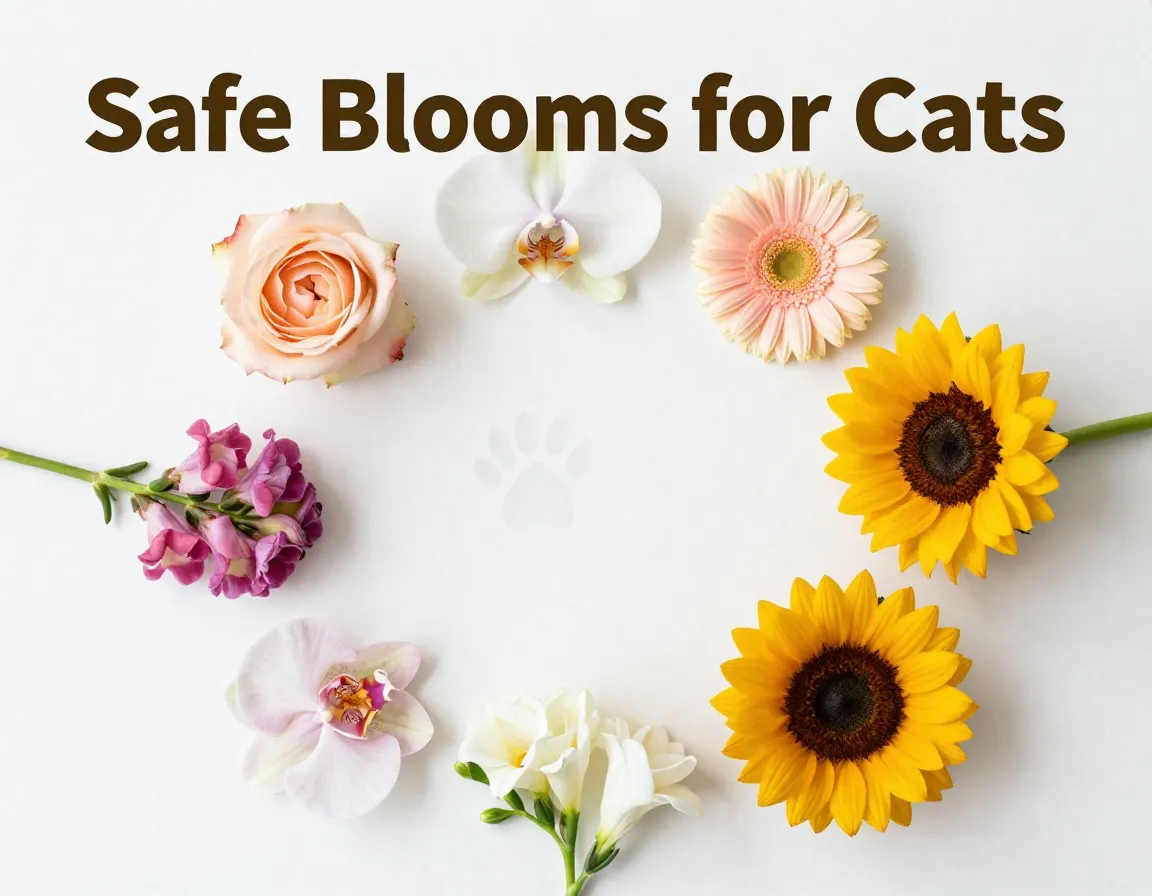
As someone who has navigated the world of pet-safe gardening for years, I understand the challenge of finding flowers that are both gorgeous and completely safe for our curious cats. Many popular flowers can be toxic to our feline companions, but there are plenty of stunning options that pose no threat whatsoever. This comprehensive guide will introduce you to 7 flowers okay for cats to have in your home (vet-approved list) that will let you enjoy beautiful blooms without worry.
Key Takeaways
- Seven cat-safe flowers include roses, orchids, gerbera daisies, sunflowers, snapdragons, freesias, and lisianthus
- All flowers on this list have been verified as non-toxic by veterinary professionals and the ASPCA
- Proper placement of flowers can help protect both your blooms and your cat’s safety
- Avoiding toxic flowers like lilies, tulips, and daffodils is crucial for feline health
- Fresh, beautiful arrangements are possible without compromising your cat’s wellbeing
Understanding Cat-Safe Flowers: Why This List Matters
Before diving into our 7 flowers okay for cats to have in your home (vet-approved list), it’s essential to understand why flower safety matters so much for cat owners. Cats are naturally curious creatures who love to explore, nibble, and investigate everything in their environment. Unlike dogs, cats are obligate carnivores with unique metabolisms that make them particularly sensitive to certain plant compounds.
When cats ingest toxic flowers, the consequences can range from mild digestive upset to severe organ damage or even death. Lilies, for example, are extremely toxic to cats and can cause rapid kidney failure [2][6]. This is why having a reliable, vet-approved list of safe flowers is so important for responsible pet ownership.
The flowers featured in this guide have been consistently recommended as safe for cats across multiple authoritative sources [1][3][10], giving you peace of mind when decorating your home. Each flower has been evaluated by veterinary professionals and appears on trusted resources like the ASPCA’s plant safety database.
The Complete List: 7 Flowers Okay for Cats to Have in Your Home
1. Roses 🌹
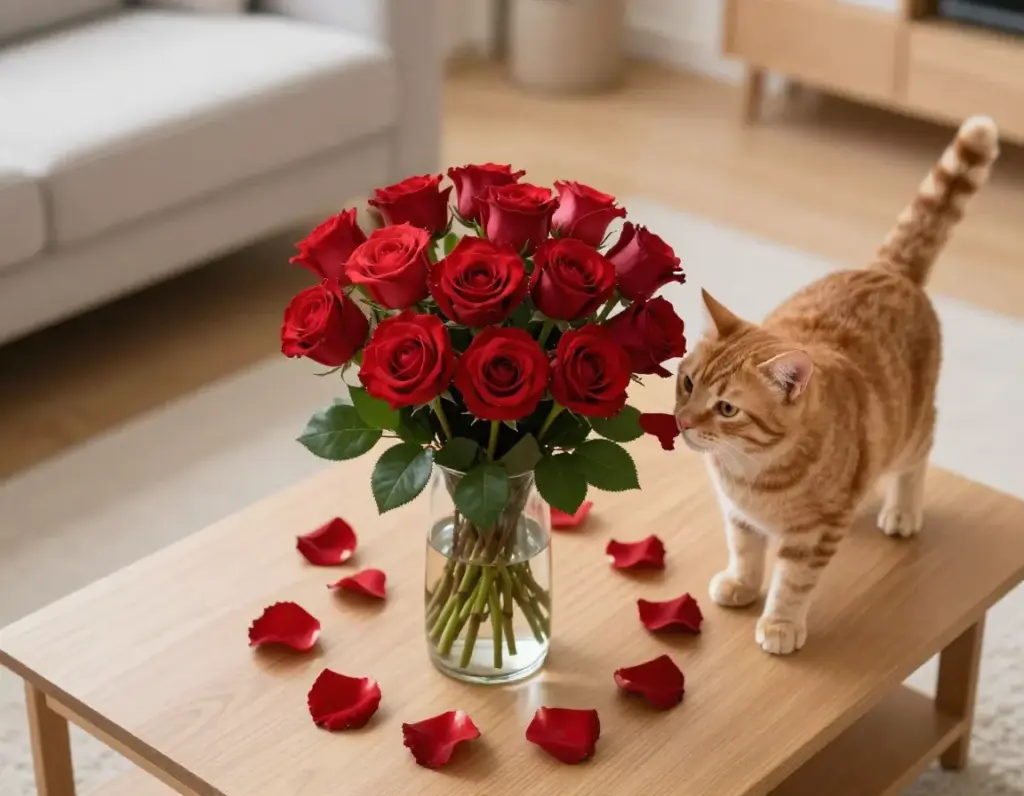
Roses are consistently recommended as safe for cats across multiple authoritative veterinary sources [1][3][10]. These classic beauties are perfect for romantic arrangements, special occasions, or simply brightening up your living space. While the petals and stems are non-toxic to cats, there’s one important consideration: thorns may pose physical injury risks [1][3][10].
Benefits of roses for cat households:
- Available year-round in various colors
- Long-lasting when properly cared for
- Classic elegance that suits any décor style
- Multiple varieties to choose from
Safety tips for roses:
- Remove all thorns before arranging
- Keep arrangements elevated if your cat is particularly curious
- Choose thornless varieties when possible
- Monitor for any unusual behavior if your cat shows interest
2. Orchids 🌺
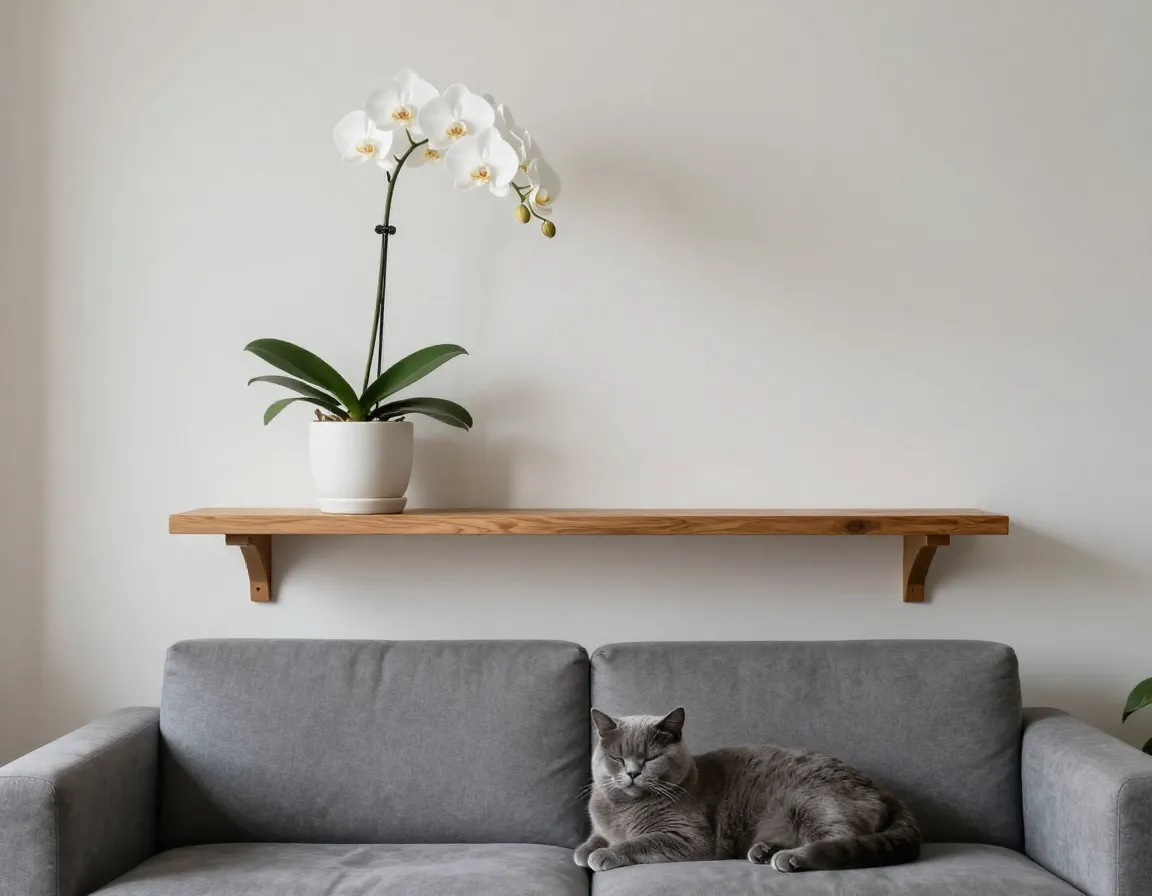
Orchids appear on every authoritative list as non-toxic to cats, including ASPCA-referenced sources [1][2][3][4][5]. These exotic flowers bring sophistication and elegance to any room while being completely safe for your feline friends. Orchids are particularly wonderful because they’re long-lasting and require minimal maintenance.
Why orchids are perfect for cat owners:
- Extremely long bloom periods (weeks to months)
- Available in countless colors and patterns
- Low maintenance once established
- Naturally pest-resistant
Popular cat-safe orchid varieties:
- Phalaenopsis (Moth orchids)
- Dendrobium orchids
- Cattleya orchids
- Oncidium orchids
3. Gerbera Daisies 🌼
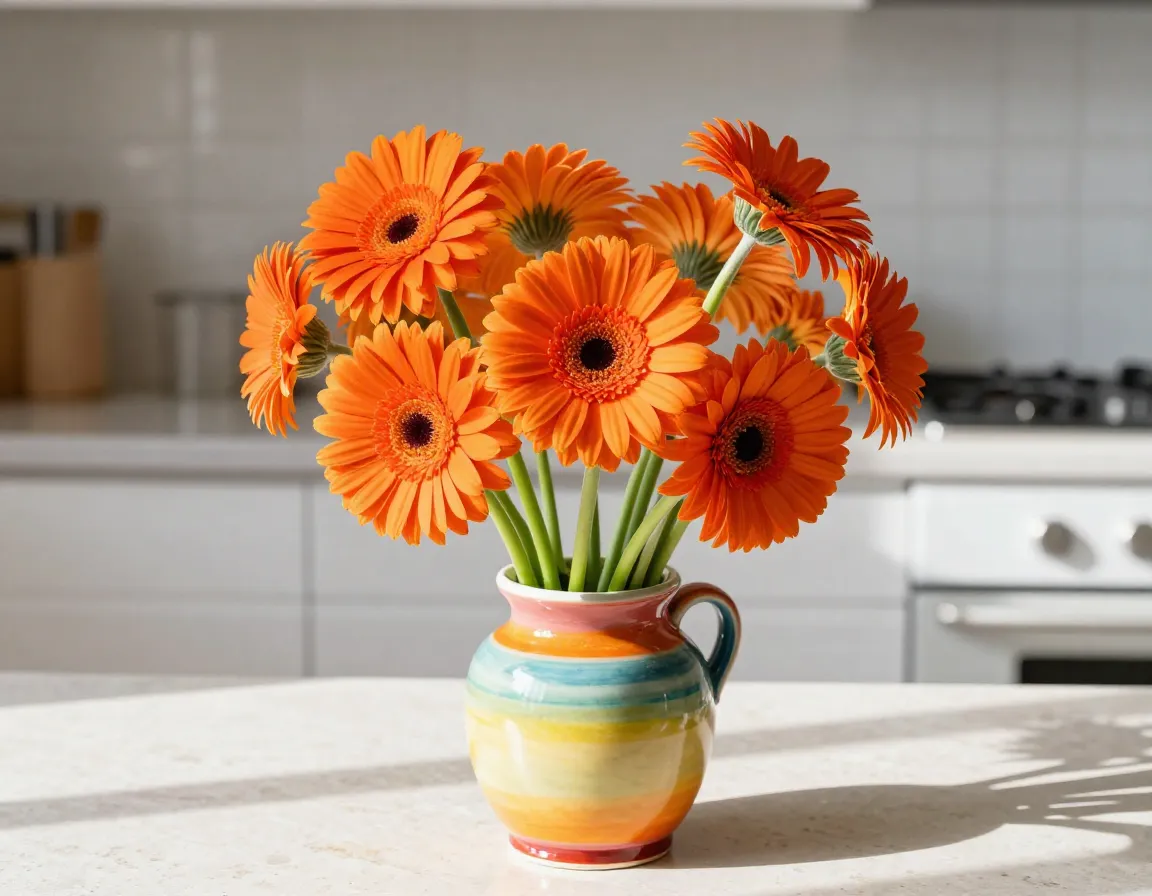
Gerbera daisies are identified as pet-friendly and represent happiness, cheerfulness, and purity [2][4][5]. These vibrant, cheerful flowers are perfect for adding a pop of color to any room. Their large, bold blooms make stunning focal points in arrangements, and their safety profile makes them ideal for homes with cats.
Gerbera daisy advantages:
- Available in nearly every color except blue
- Large, showy blooms that last well in vases
- Symbolize joy and positive energy
- Relatively inexpensive and widely available
Care tips for gerbera daisies:
- Change water every 2-3 days
- Trim stems at an angle under running water
- Keep in bright, indirect light
- Remove wilted blooms promptly
4. Sunflowers 🌻
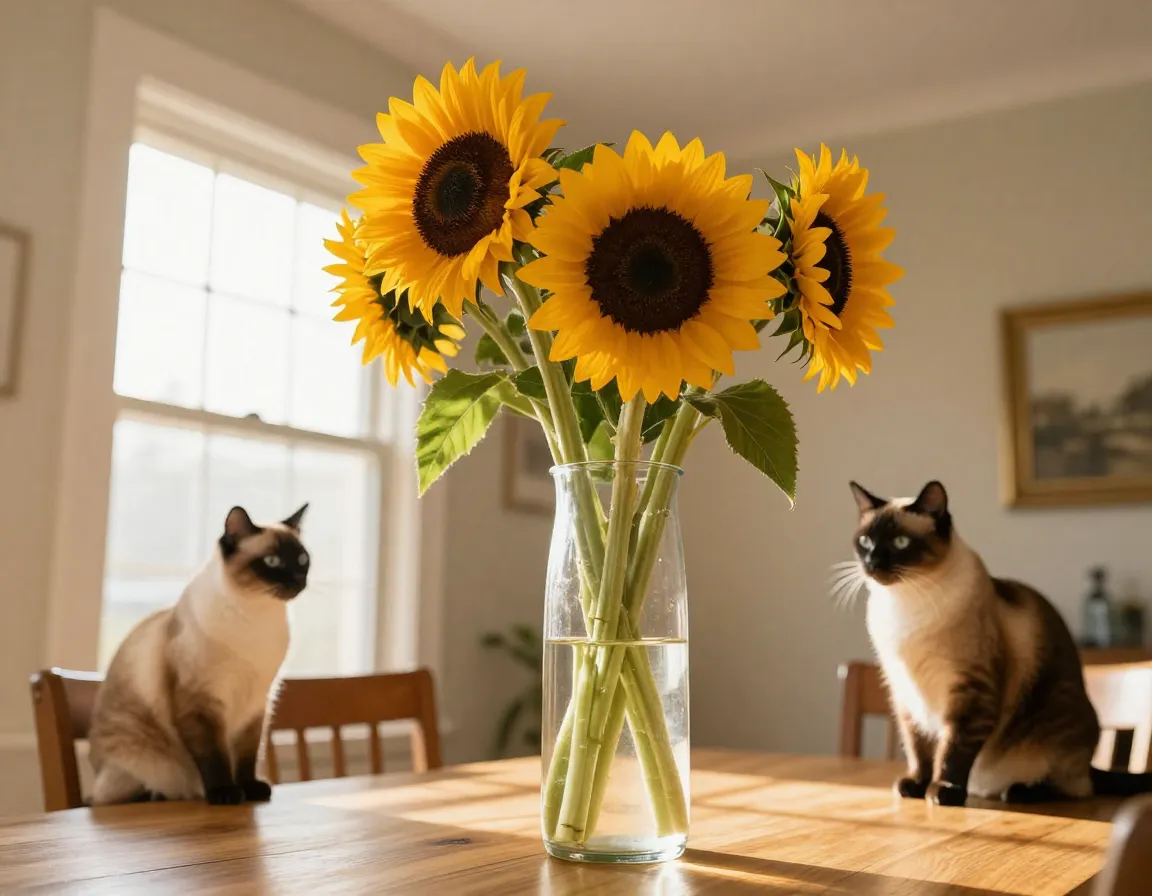
Sunflowers are confirmed non-toxic to both cats and dogs by multiple veterinary sources [1][2][3][5]. These cheerful giants bring warmth and happiness to any space. While typically associated with outdoor gardens, sunflowers make excellent cut flowers and can create stunning indoor arrangements.
Sunflower benefits for cat households:
- Completely safe if nibbled
- Available in various sizes from dwarf to giant varieties
- Long vase life when properly cared for
- Seeds can be safely enjoyed by humans (keep away from cats as they’re high in fat)
Creative ways to use sunflowers:
- Single-stem statements in tall vases
- Mixed with other cat-safe flowers
- Seasonal autumn arrangements
- Kitchen and dining room centerpieces
5. Snapdragons 🌸
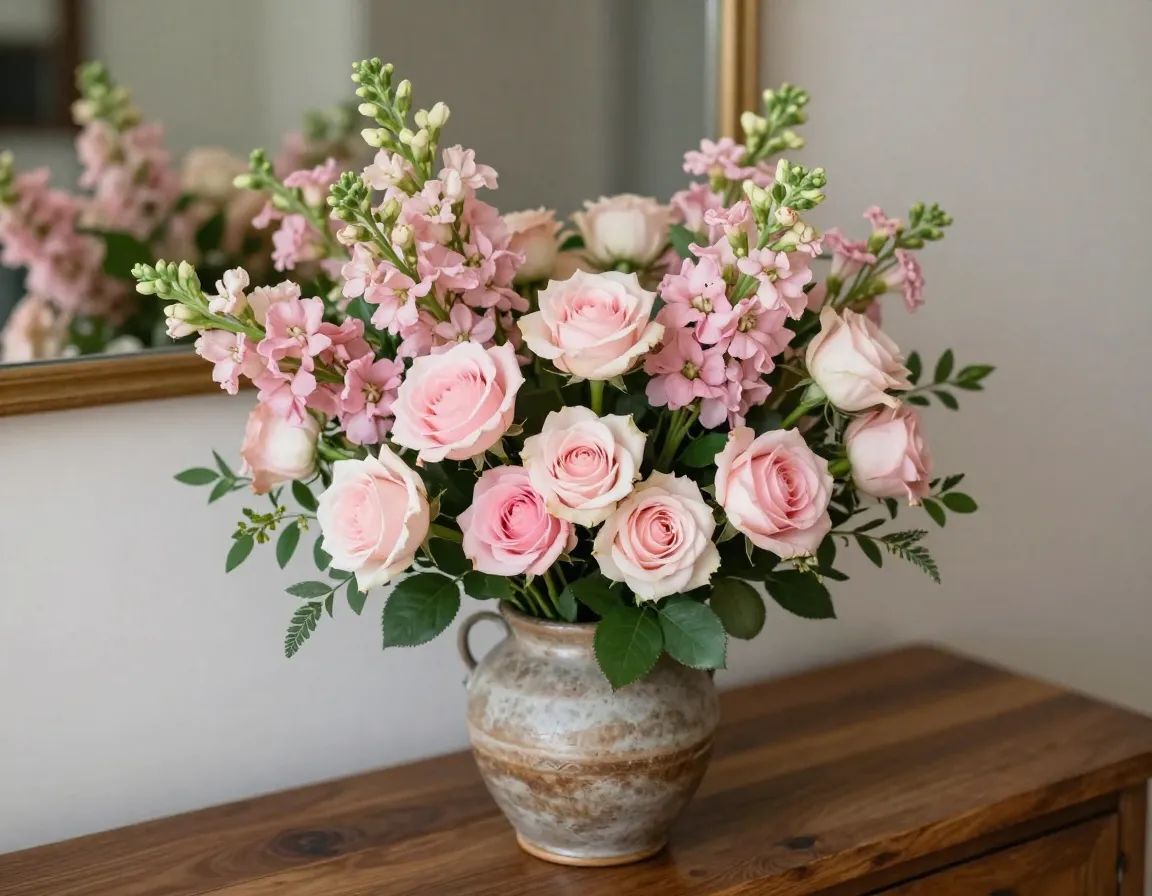
Snapdragons are listed as safe for cats on PetMD and other veterinary-approved lists [2][3][4]. These unique flowers get their name from the way their blooms “snap” open and closed when gently squeezed. They add vertical interest to arrangements and come in a wonderful range of colors.
Snapdragon characteristics:
- Tall, spiky flower heads
- Available in pastels and bold colors
- Excellent for adding height to arrangements
- Cool-weather flowers that last well indoors
Design ideas with snapdragons:
- Use as backdrop flowers in mixed arrangements
- Create monochromatic displays
- Pair with roses for classic combinations
- Add to spring and summer bouquets
6. Freesias 💐
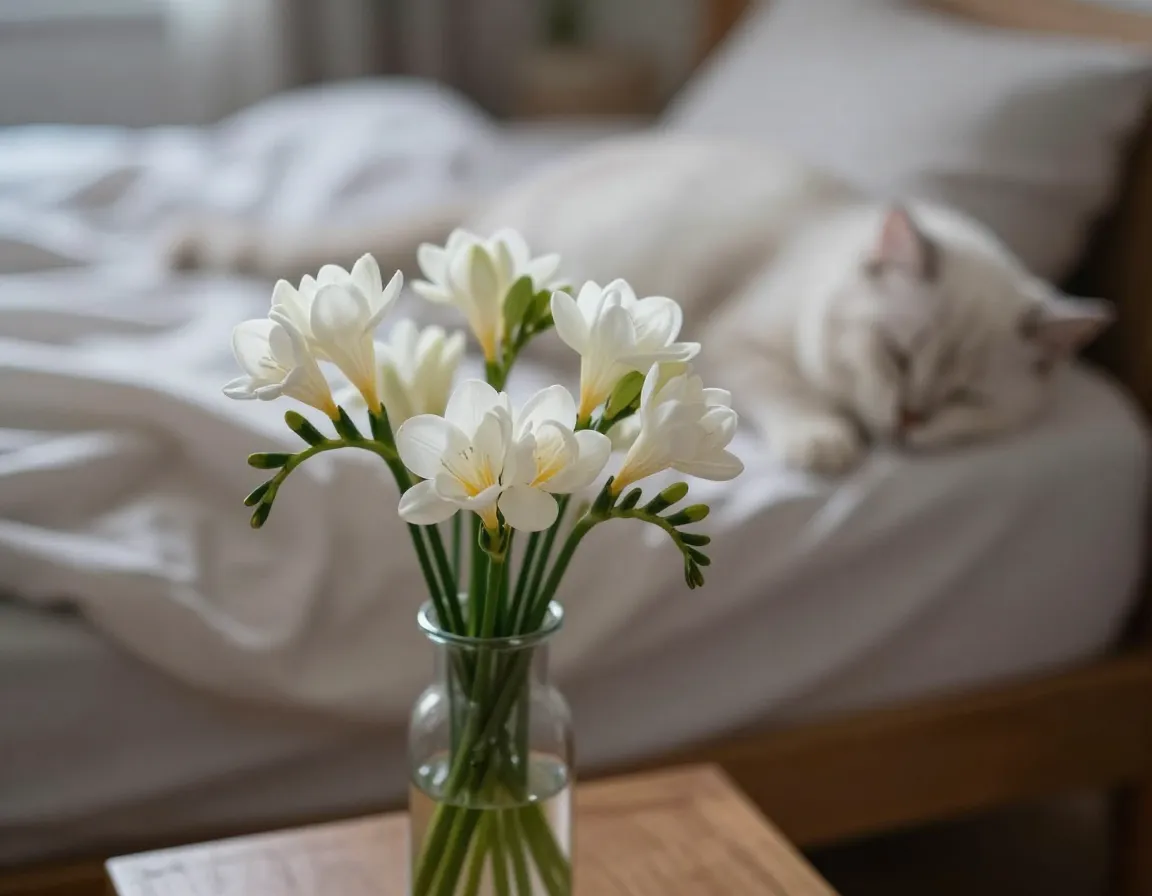
Freesias appear on multiple authoritative sources as non-toxic to felines [2][3][4]. These delicate, fragrant flowers are prized for their sweet scent and elegant appearance. Freesias are particularly popular in bridal bouquets and spring arrangements due to their delicate beauty and lovely fragrance.
Freesia features:
- Intensely fragrant blooms
- Delicate, trumpet-shaped flowers
- Available in white, yellow, pink, purple, and red
- Symbol of friendship and thoughtfulness
Best uses for freesias:
- Small, intimate arrangements
- Bathroom and bedroom bouquets (for fragrance)
- Mixed spring flower displays
- Gift bouquets for fellow cat lovers
7. Lisianthus 🌷
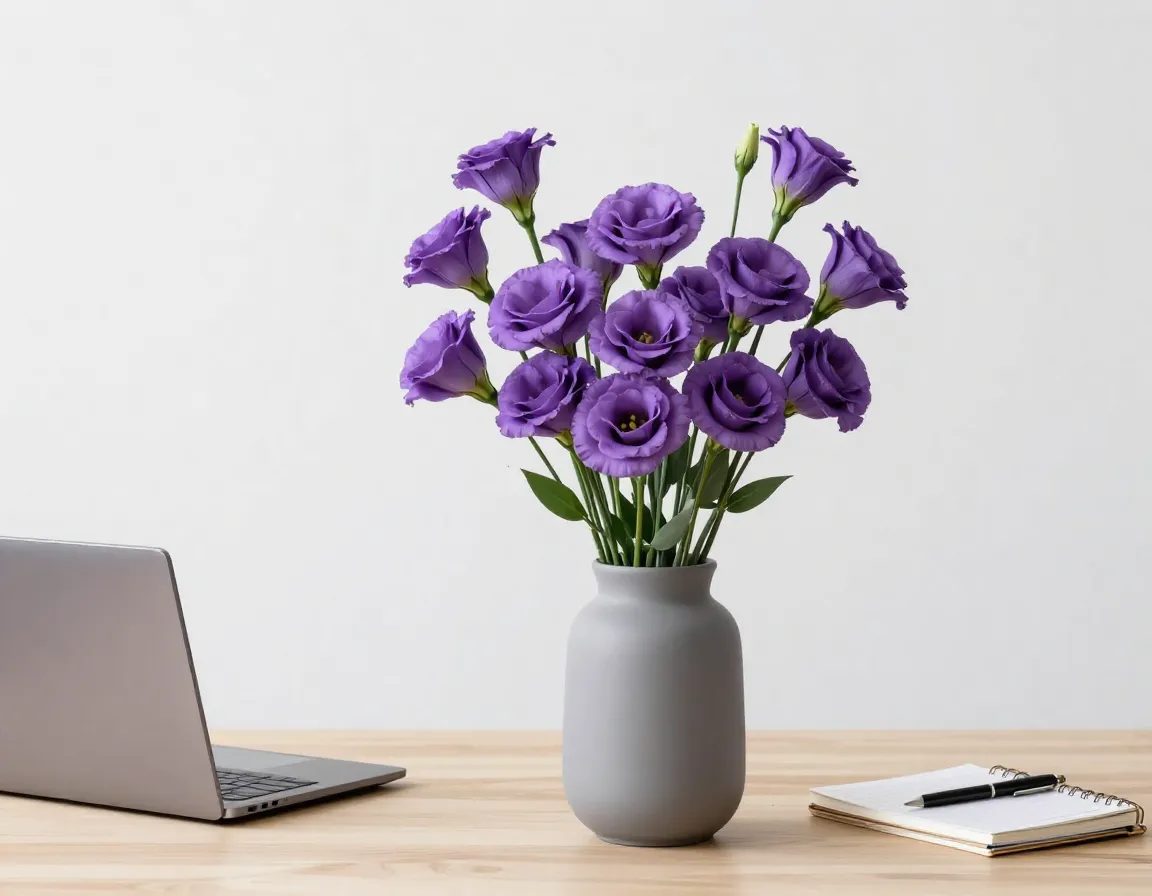
Lisianthus is recognized as a cat-safe decorative flower across veterinary resources [2][3][4]. Often mistaken for roses or peonies, lisianthus flowers have ruffled, papery petals that create stunning, full blooms. They’re increasingly popular with florists due to their beauty and excellent vase life.
Lisianthus advantages:
- Rose-like appearance without thorns
- Excellent vase life (7-14 days)
- Available in single and double varieties
- Soft, romantic appearance
Color options for lisianthus:
- Pure white for elegant simplicity
- Soft pastels (pink, lavender, cream)
- Rich purples and deep pinks
- Bi-colored varieties for unique appeal
Creating Beautiful, Cat-Safe Arrangements
Now that you know which flowers are safe, let’s discuss how to create stunning arrangements using these 7 flowers okay for cats to have in your home (vet-approved list). The key is combining different textures, heights, and colors while maintaining the safety of your feline friends.
Design Principles for Cat Households
Color coordination is essential for professional-looking arrangements. Consider these combinations:
- Monochromatic schemes: Various shades of pink roses with pink gerbera daisies
- Complementary colors: Purple lisianthus with yellow sunflowers
- Analogous colors: Pink freesias, purple snapdragons, and white orchids
Height variation creates visual interest:
- Use snapdragons and sunflowers for height
- Add roses and gerbera daisies for mid-level fullness
- Include freesias and small orchids for delicate accents
Placement Strategies
Keeping flowers out of reach when possible is recommended to preserve both the flower’s beauty and the cat’s safety [2]. Consider these placement options:
| Location | Benefits | Considerations |
|---|---|---|
| High shelves | Safe from curious cats | May be harder to enjoy visually |
| Dining table centerpieces | Easy to admire | Monitor during meals |
| Bathroom counters | Often cat-free zones | High humidity may affect some flowers |
| Home office | Personal enjoyment | Ensure adequate light |
Flowers to Avoid: Protecting Your Cat
While we’re focusing on safe options, it’s crucial to know which flowers pose serious threats to feline health. Baby’s breath, tulips, daffodils, carnations, and hyacinths are documented as toxic to cats and should be kept away from feline households [2][6].
Extremely Dangerous Flowers
Lilies are the most dangerous flowers for cats, causing rapid kidney failure and requiring immediate veterinary attention [2][6]. This includes:
- Easter lilies
- Tiger lilies
- Day lilies
- Asiatic lilies
- Oriental lilies
Other Toxic Flowers to Avoid
- Tulips: Contain compounds that can cause digestive upset
- Daffodils: All parts are toxic, especially the bulbs
- Carnations: Can cause mild dermatitis and digestive issues
- Hyacinths: Bulbs are particularly dangerous
- Baby’s breath: Despite its innocent name, it’s mildly toxic
Shopping Tips for Cat-Safe Flowers
When purchasing flowers from our 7 flowers okay for cats to have in your home (vet-approved list), consider these practical tips:
Where to Shop
Local florists often provide the freshest options and can create custom arrangements using only cat-safe flowers. Don’t hesitate to explain your needs – most florists are happy to accommodate pet safety concerns.
Grocery stores typically carry roses, sunflowers, and gerbera daisies year-round. While the selection may be limited, these venues offer convenience and affordability.
Farmers markets are excellent sources for seasonal flowers like snapdragons and sunflowers. You’ll often find unique varieties and support local growers.
Questions to Ask
When shopping, always:
- Confirm the flower variety if you’re unsure
- Ask about any chemical treatments or preservatives
- Inquire about the freshness and expected vase life
- Request removal of any potentially harmful elements (like thorns)
Seasonal Considerations for Cat-Safe Flowers
Different seasons offer varying availability for our 7 flowers okay for cats to have in your home (vet-approved list). Planning your flower purchases around seasonal availability ensures better quality and pricing.
Spring Options
- Freesias: Peak season for best fragrance and variety
- Snapdragons: Cool weather produces the strongest stems
- Roses: Spring varieties often have the most intense colors
Summer Selections
- Sunflowers: Peak season for local varieties
- Gerbera daisies: Abundant and affordable during summer months
- Lisianthus: Heat-loving flowers at their best
Fall and Winter Choices
- Orchids: Indoor growing season makes them readily available
- Roses: Greenhouse varieties maintain quality year-round
- Imported options: Many flowers are available through global supply chains
Maintenance and Care for Longevity
Proper care extends the life of your cat-safe flower arrangements, giving you more time to enjoy their beauty. Here are professional tips for maintaining each type:
Universal Care Tips
Water quality matters significantly. Use filtered water when possible, and add flower food to extend bloom life. Change water every 2-3 days, or whenever it becomes cloudy.
Stem cutting should be done at a 45-degree angle under running water. This prevents air bubbles from blocking water uptake.
Temperature control helps flowers last longer. Keep arrangements away from direct sunlight, heating vents, and drafts.
Flower-Specific Care
Roses: Remove lower leaves that would sit below the waterline, and recut stems every few days.
Orchids: Mist lightly around (not directly on) blooms to maintain humidity.
Sunflowers: These heavy-headed flowers need sturdy vases and frequent water changes.
Gerbera daisies: Support stems with floral wire if they begin to droop.
Emergency Preparedness: When Accidents Happen
Even with the safest flowers, accidents can happen. Cats are curious creatures, and knowing how to respond quickly can make all the difference.
Signs to Watch For
If your cat has nibbled on any plant material, monitor for:
- Vomiting or retching
- Diarrhea or changes in litter box habits
- Loss of appetite
- Lethargy or unusual behavior
- Difficulty breathing
Immediate Actions
- Remove access to the plant material immediately
- Identify the flower if possible (take photos)
- Contact your veterinarian or pet poison control hotline
- Don’t induce vomiting unless specifically instructed by a professional
- Collect samples of any vomited material for veterinary analysis
Emergency Contacts
Keep these numbers readily available:
- Your regular veterinarian
- Local emergency animal hospital
- ASPCA Animal Poison Control Center: (888) 426-4435
- Pet Poison Helpline: (855) 764-7661
Budget-Friendly Approaches to Cat-Safe Flowers
Enjoying beautiful, safe flowers doesn’t have to break the bank. Here are strategies for incorporating our 7 flowers okay for cats to have in your home (vet-approved list) on any budget:
Money-Saving Tips
Buy in season when flowers are most abundant and affordable. Sunflowers in late summer, for example, are often significantly cheaper than in winter.
Purchase single stems instead of pre-made bouquets. You can create custom arrangements while controlling costs.
Mix expensive and affordable options. Combine a few premium orchids with budget-friendly gerbera daisies for an elegant look.
DIY Arrangement Ideas
Single-flower displays can be just as striking as complex arrangements. Three sunflowers in a simple vase create stunning impact.
Bud vases allow you to spread a few stems throughout your home, creating multiple focal points from one purchase.
Seasonal rotations keep your home fresh while managing costs. Focus on 2-3 flower types per season rather than trying to maintain variety year-round.
Conclusion
Creating a beautiful home filled with fresh flowers while keeping your cat safe is absolutely achievable with the right knowledge. These 7 flowers okay for cats to have in your home (vet-approved list) – roses, orchids, gerbera daisies, sunflowers, snapdragons, freesias, and lisianthus – offer endless possibilities for stunning arrangements without compromising your feline friend’s health.
Remember that proper placement, regular maintenance, and awareness of toxic alternatives are just as important as choosing the right flowers. By following the guidelines in this comprehensive guide, you can enjoy the beauty and fragrance of fresh flowers while providing a safe environment for your beloved cat.
Take action today by visiting your local florist or garden center with this list in hand. Start with one or two varieties that appeal to you most, and gradually experiment with different combinations and arrangements. Your home – and your cat – will thank you for making safety a priority without sacrificing beauty.
Whether you’re celebrating a special occasion, brightening a dreary day, or simply enjoying the natural beauty that flowers bring to our lives, you now have the confidence to make choices that keep everyone in your household happy and healthy.
References
[1] Heres A List Of Non Toxic Flowers That Are Safe For Your Furry Friend – https://bouqs.com/blog/heres-a-list-of-non-toxic-flowers-that-are-safe-for-your-furry-friend/
[2] What Flowers Are Cat Friendly – https://whisker-dreams.com/blogs/the-mews/what-flowers-are-cat-friendly
[3] Plants Safe For Cats – https://www.petmd.com/cat/general-health/plants-safe-for-cats
[4] Flowers Safe For Pets – https://www.blossominggifts.com/blog/flowers-safe-for-pets/
[5] Pet Friendly Flowers Cats Dogs – https://orchidrepublic.com/blogs/news/pet-friendly-flowers-cats-dogs
[6] Factsheet Cat Friendly Flowers – https://catprotection.org.au/cat-care-factsheets/factsheet-cat-friendly-flowers/
[7] Cats Plant List – https://www.aspca.org/pet-care/animal-poison-control/cats-plant-list
[8] Beautiful Pet Safe Flowers For Home And Garden – https://www.preventivevet.com/pets/beautiful-pet-safe-flowers-for-home-and-garden
[9] Non Toxic Flowers For Cats – https://www.vshsd.com/blog/non-toxic-flowers-for-cats
[10] Petsafe Flowers Beautiful Arrangements That Wont Harm Your Furry Friends – https://www.thinkflowers.com/the-deliver-love-post/09-01-2025/PetSafe-Flowers-Beautiful-Arrangements-That-Wont-Harm-Your-Furry-Friends