
7 Big Personalities: Surprising Truths About The Chihuahua Dog Breed
Don’t let their tiny stature fool you – Chihuahuas pack more personality per pound than almost any other dog breed on the planet! 🐕 These pint-sized powerhouses have been captivating hearts and surprising owners for decades with their bold attitudes, fierce loyalty, and unexpected depth of character. When exploring the 7 Big Personalities: Surprising Truths About The Chihuahua Dog Breed, you’ll discover that these miniature marvels are far more complex than their pocket-sized appearance suggests.
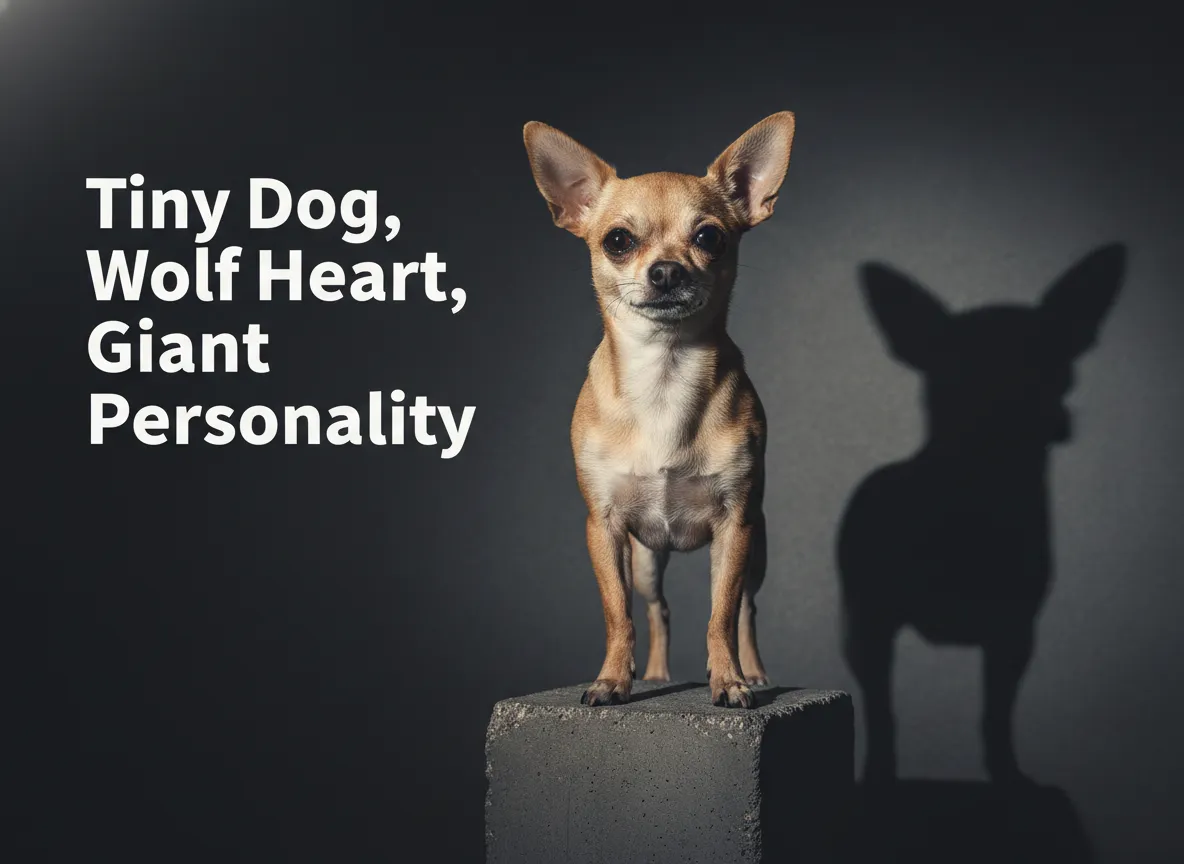
Recent scientific research has even revealed that Chihuahuas carry detectable wolf ancestry, which may explain their surprisingly bold and territorial behaviors [3]. From their unwavering devotion to their chosen humans to their fearless confrontations with dogs ten times their size, Chihuahuas continue to defy expectations and challenge stereotypes about small dog breeds.
Key Takeaways
- Chihuahuas form incredibly strong bonds with one or two people and can develop intense separation anxiety when left alone
- Despite weighing 2-6 pounds, they behave like large dogs and often don’t realize their tiny size when confronting threats
- Early socialization is crucial to prevent territorial aggression and fearfulness toward strangers
- They’re surprisingly intelligent and respond well to positive reinforcement training methods
- Their protective nature makes them excellent watchdogs despite their small stature
The Foundation of Chihuahua Character: Understanding Their Unique Personalities
The 7 Big Personalities: Surprising Truths About The Chihuahua Dog Breed reveal a fascinating contradiction: these are among the world’s smallest dogs, yet they possess some of the largest personalities in the canine kingdom. Their character traits stem from a combination of genetic heritage, selective breeding, and their historical role as companion animals.
Chihuahuas possess what experts call “big dog syndrome” – they genuinely seem unaware of their diminutive size and will confidently approach situations that would intimidate much larger breeds [1]. This fearless attitude, combined with their ancient lineage and wolf ancestry, creates a unique personality profile that surprises many first-time owners.
Understanding these core personality traits is essential for anyone considering adding a Chihuahua to their family. Their behaviors aren’t simply “cute quirks” but deeply ingrained characteristics that require proper management and training.
1. The Velcro Dog: Intense Loyalty and Bonding Behaviors
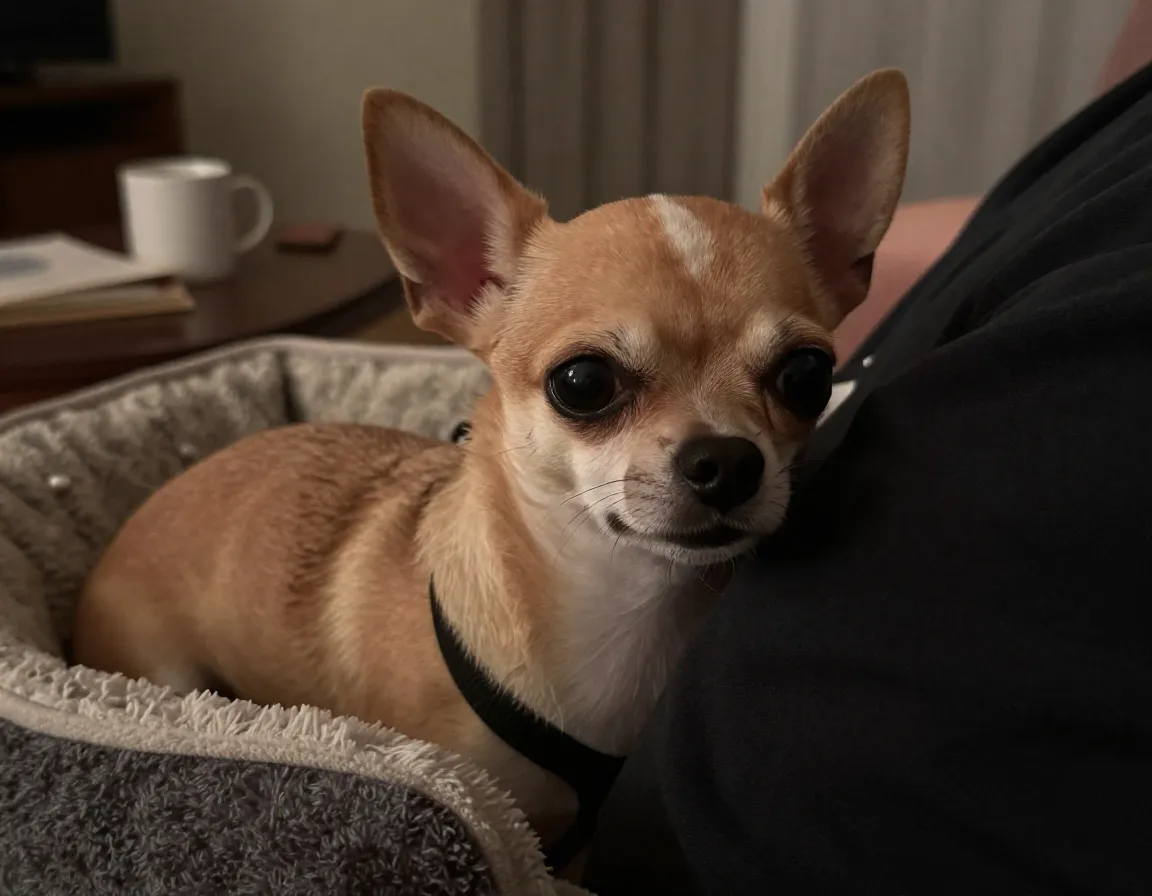
Chihuahuas are famous for forming incredibly strong attachments to one or two specific people in their household [1][4]. This intense bonding behavior goes far beyond typical dog loyalty – Chihuahuas often choose their “person” and remain devoted to them for life.
This selective bonding manifests in several ways:
- Shadow behavior: Following their chosen person from room to room
- Preferential treatment: Showing clear favoritism toward their primary human
- Protective positioning: Placing themselves between their person and perceived threats
- Emotional attunement: Responding intensely to their owner’s moods and emotions
The flip side of this deep bonding is separation anxiety [1][4]. When left alone for extended periods, Chihuahuas may:
- Bark excessively
- Become destructive
- Refuse to eat
- Show signs of depression
“Chihuahuas don’t just love their owners – they become completely devoted to them in a way that can be both heartwarming and challenging to manage.” – Veterinary Behaviorist
Managing intense bonding behaviors:
| Strategy | Implementation | Expected Outcome |
|---|---|---|
| Gradual independence training | Start with 5-minute separations, increase slowly | Reduced anxiety |
| Multiple family member bonding | Have different people feed, walk, and train | More balanced attachments |
| Mental stimulation toys | Puzzle feeders and interactive toys during alone time | Distraction from separation |
2. Napoleon Complex: Bold Personalities Despite Tiny Stature
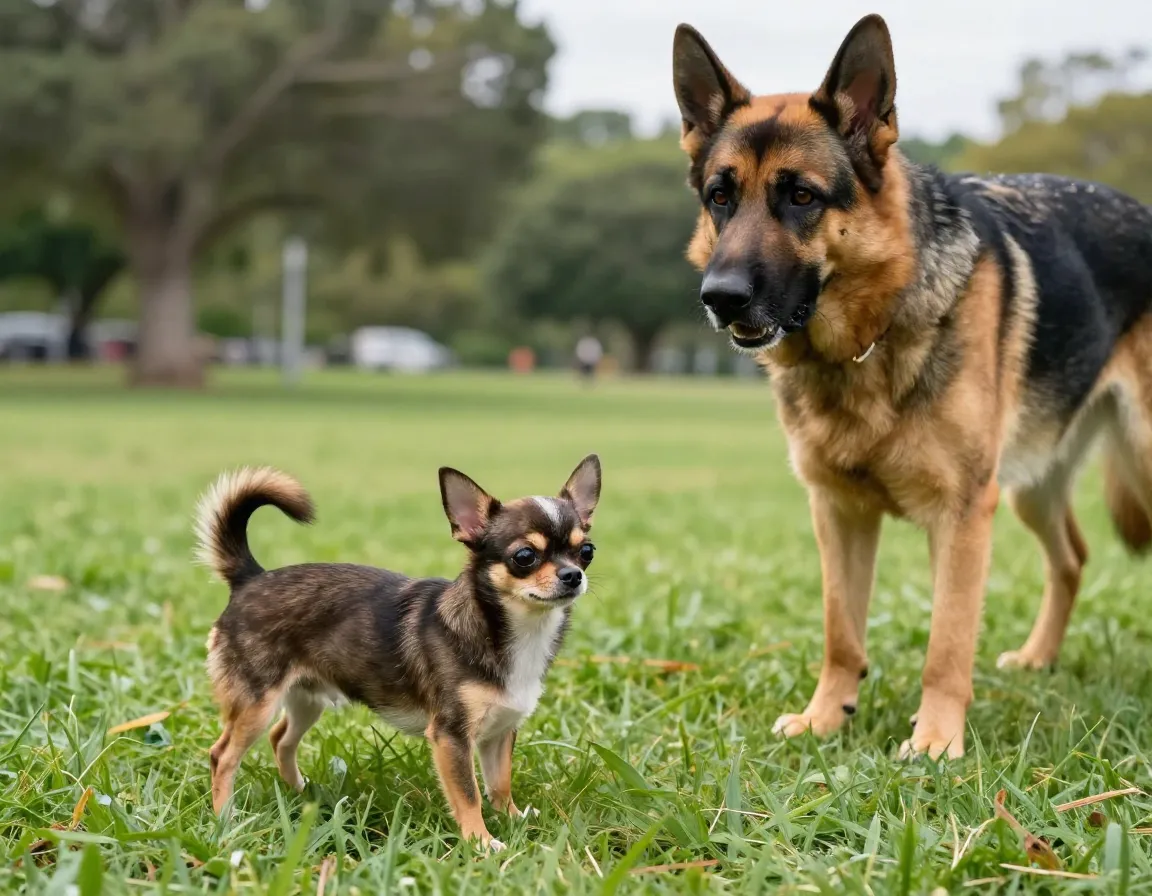
One of the most striking aspects of the 7 Big Personalities: Surprising Truths About The Chihuahua Dog Breed is their complete lack of awareness regarding their size. Chihuahuas consistently behave as though they are much larger dogs [1], often displaying confidence and boldness that seems disproportionate to their 2-6 pound frames.
This “Napoleon complex” manifests in numerous ways:
Confrontational behavior with larger dogs 🦮
- Challenging dogs 10+ times their size
- Refusing to back down from perceived threats
- Displaying dominant body language despite size disadvantage
Territorial confidence
- Claiming spaces typically occupied by larger breeds
- Asserting dominance over household resources
- Showing little fear in new environments
Leadership attempts
- Trying to lead pack walks
- Attempting to control household dynamics
- Displaying alpha behaviors with other pets
This bold personality trait has both advantages and risks:
Advantages:
✅ Excellent confidence in training situations
✅ Fearless exploration of new environments
✅ Strong self-advocacy for needs and wants
✅ Natural leadership qualities
Risks:
⚠️ Potential injury from confronting larger animals
⚠️ Overconfidence in dangerous situations
⚠️ Difficulty recognizing physical limitations
⚠️ Possible aggression issues if not properly managed
Training tips for bold Chihuahuas:
- Use positive reinforcement to channel confidence productively
- Teach “size awareness” through controlled socialization
- Establish clear boundaries to prevent dangerous confrontations
- Reward calm, measured responses to stimuli
3. Tiny Guardians: Protective and Vocal Nature
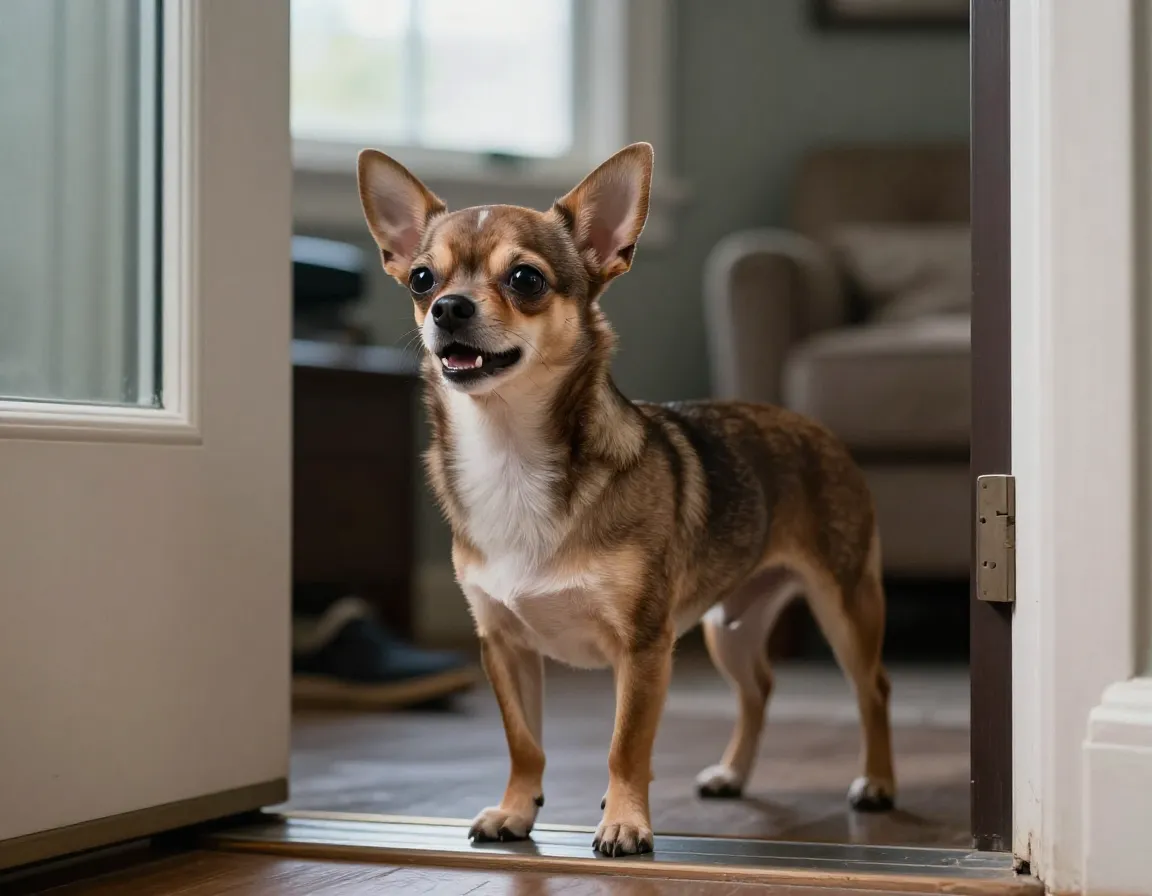
The protective instincts of Chihuahuas often surprise people who expect a “lap dog” personality. These small dogs take their guardian duties seriously and are known for their vocal nature when alerting to strangers, other dogs, or unfamiliar sounds [1].
Chihuahua protection behaviors include:
🔊 Vocal alerts: Barking at doorbell rings, footsteps, or unusual sounds
🛡️ Physical positioning: Placing themselves between their owner and strangers
👁️ Vigilant watching: Monitoring their environment constantly for threats
⚡ Quick reactions: Immediate response to perceived dangers
Understanding their alert system:
Chihuahuas have a three-tier alert system:
- Level 1 – Awareness: Ears up, focused attention on stimulus
- Level 2 – Caution: Low growling, tense body posture
- Level 3 – Active protection: Barking, lunging, or defensive positioning
Managing excessive vocalization:
| Technique | Method | Timeline for Results |
|---|---|---|
| Positive interruption | Redirect attention with treats/commands | 2-4 weeks |
| Desensitization training | Gradual exposure to triggers | 6-8 weeks |
| “Quiet” command training | Reward silence after alert | 4-6 weeks |
| Environmental management | Remove or minimize triggers | Immediate |
The benefits of their protective nature:
- Excellent early warning system for home security
- Strong deterrent effect despite small size
- Deep emotional connection through protective bonding
- Natural alertness that can be channeled into useful behaviors
However, owners must balance encouraging natural protective instincts while preventing excessive territorial behavior that can become problematic in social situations.
4. Smart Cookies: Intelligence and Trainability Factors
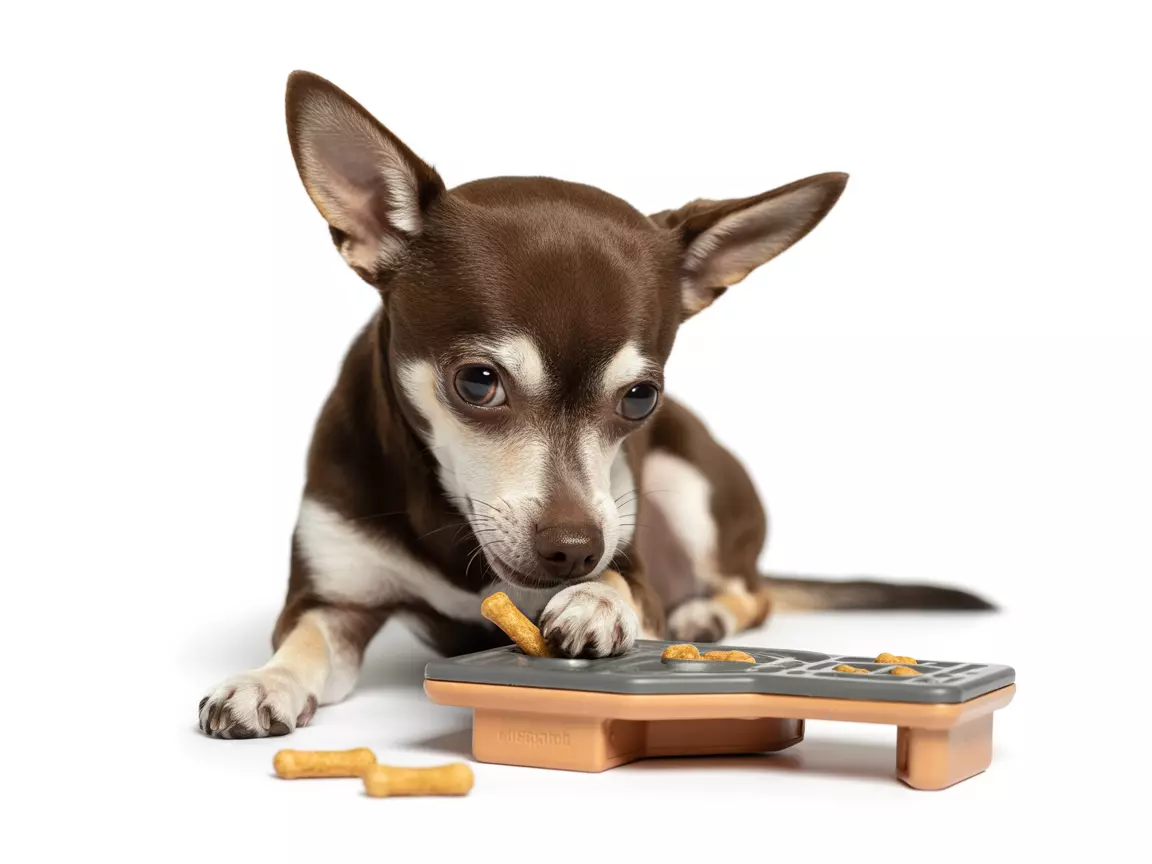
Contrary to stereotypes about small “yappy” dogs, Chihuahuas are genuinely intelligent animals who excel when given proper training opportunities [1]. Their intelligence manifests in problem-solving abilities, emotional intelligence, and quick learning when motivated correctly.
Chihuahua intelligence indicators:
🧠 Problem-solving skills: Finding creative ways to reach desired objects or locations
📚 Quick learning: Mastering new commands within 5-10 repetitions
🎯 Selective attention: Choosing when to respond based on motivation levels
💡 Emotional intelligence: Reading human emotions and responding appropriately
Effective training approaches:
Positive reinforcement methods work best [1]:
- High-value treats: Small, soft rewards they can eat quickly
- Enthusiastic praise: Verbal encouragement with excited tone
- Physical affection: Gentle petting and cuddling as rewards
- Play-based learning: Incorporating games into training sessions
Training challenges and solutions:
| Challenge | Why It Happens | Solution Strategy |
|---|---|---|
| Selective listening | High independence drive | Increase reward value and consistency |
| Stubbornness | Strong-willed personality | Make training fun and engaging |
| Distractibility | High alertness to environment | Train in quiet spaces initially |
| Size-related issues | Physical limitations | Adapt techniques for small size |
Advanced training possibilities:
Chihuahuas can master surprisingly complex behaviors:
- Agility courses (scaled to size)
- Trick training (spin, play dead, speak/quiet)
- Therapy dog work (with proper temperament)
- Competitive obedience (modified for size)
Key training principles:
- Keep sessions short (5-10 minutes maximum)
- End on positive notes to maintain enthusiasm
- Be consistent with commands and expectations
- Adapt techniques for their physical size
- Use their intelligence to challenge them mentally
Additional Personality Insights: The Complete Chihuahua Character
5. Social Butterflies vs. One-Person Dogs
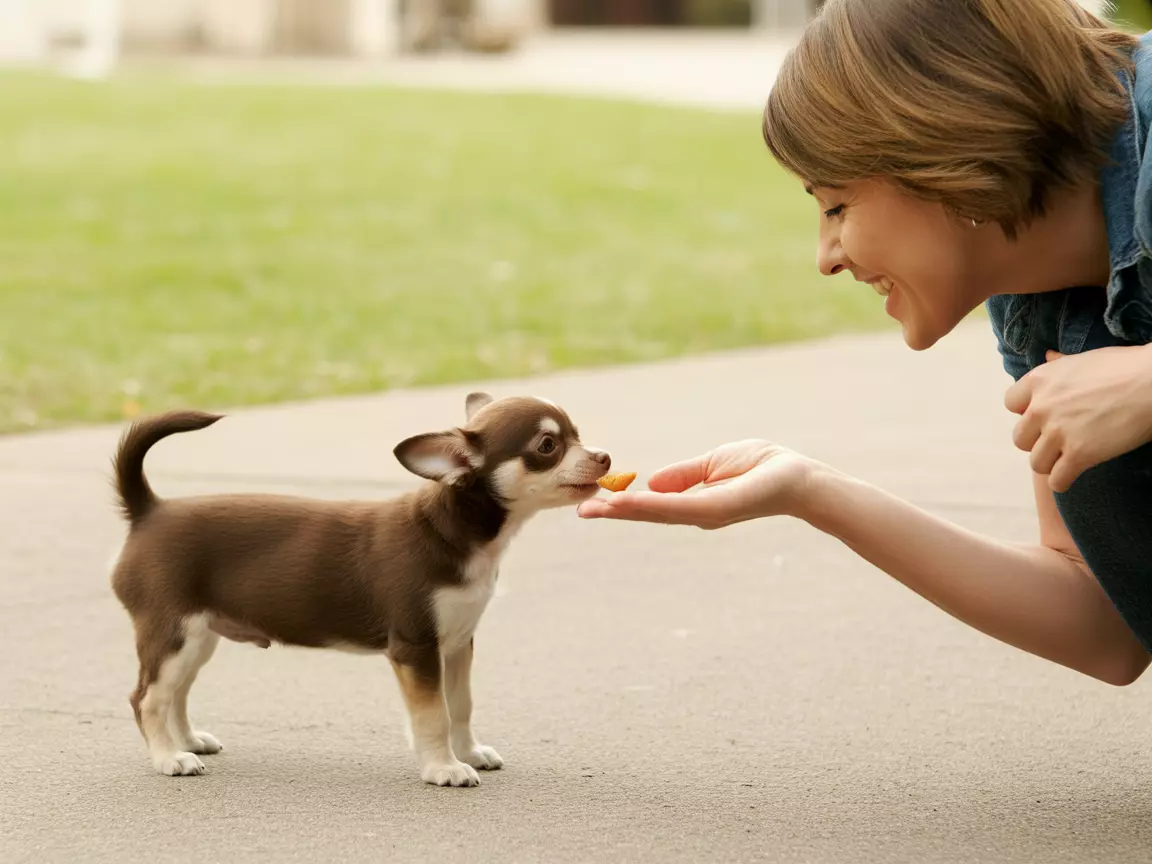
The social preferences of Chihuahuas vary significantly between individuals, but most fall into distinct categories. Some become social butterflies who enjoy meeting new people and dogs, while others remain steadfastly devoted to their chosen person or family unit.
Factors influencing social behavior:
- Early socialization experiences (critical period: 3-14 weeks)
- Genetic temperament inherited from parents
- Owner socialization efforts throughout puppyhood
- Traumatic experiences that may create fearfulness
Signs of well-socialized Chihuahuas:
✅ Comfortable meeting new people
✅ Appropriate play behavior with other dogs
✅ Calm responses to novel environments
✅ Confident body language in social situations
6. The Separation Anxiety Struggle
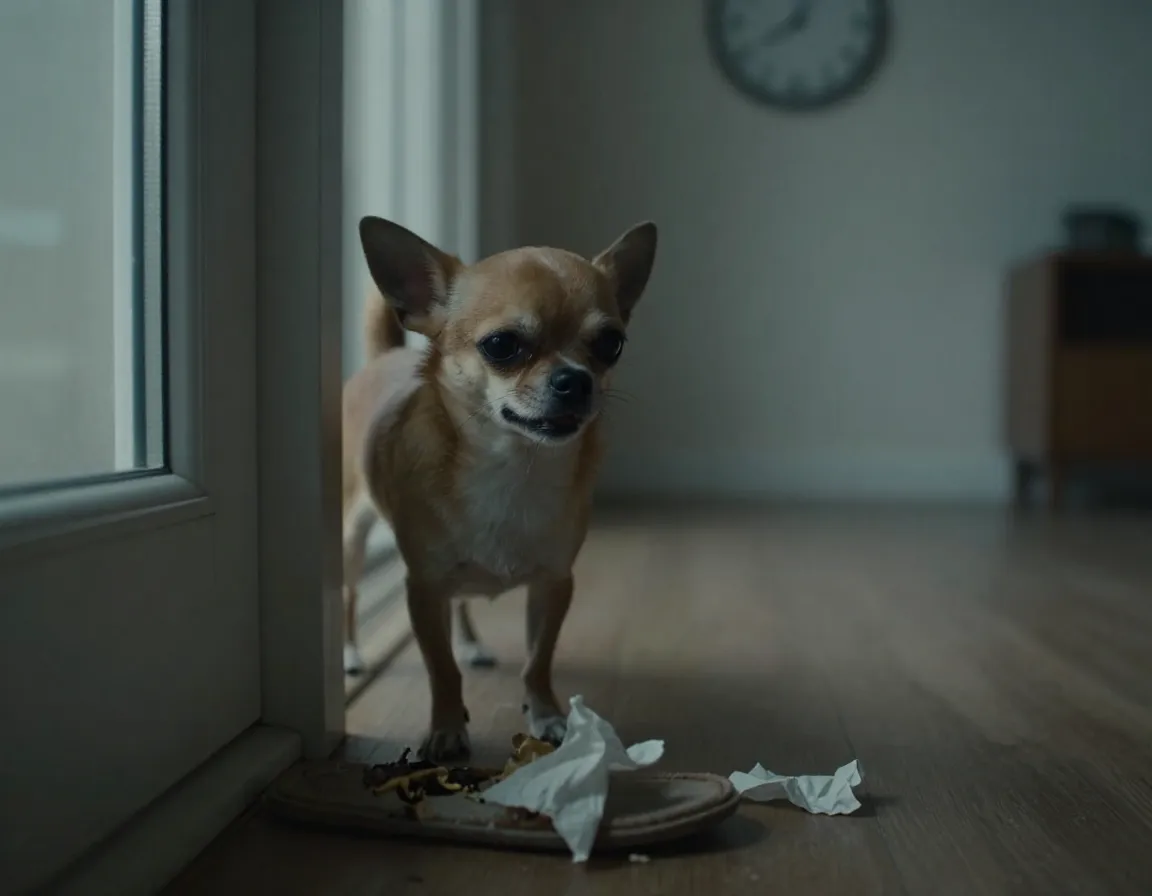
Separation anxiety is particularly common in Chihuahuas due to their intense bonding nature [1][4]. This condition goes beyond normal attachment and can significantly impact both dog and owner quality of life.
Symptoms of separation anxiety:
- Destructive behavior when alone
- Excessive barking or howling
- Inappropriate elimination
- Attempts to escape
- Depression or lethargy upon owner return
Prevention and management strategies:
- Gradual departure training: Start with very short absences
- Independence building: Encourage solo activities while home
- Routine establishment: Consistent departure and return patterns
- Environmental enrichment: Puzzle toys and mental stimulation
- Professional help: Consult veterinary behaviorists for severe cases
7. The Affectionate Lap Dog Side
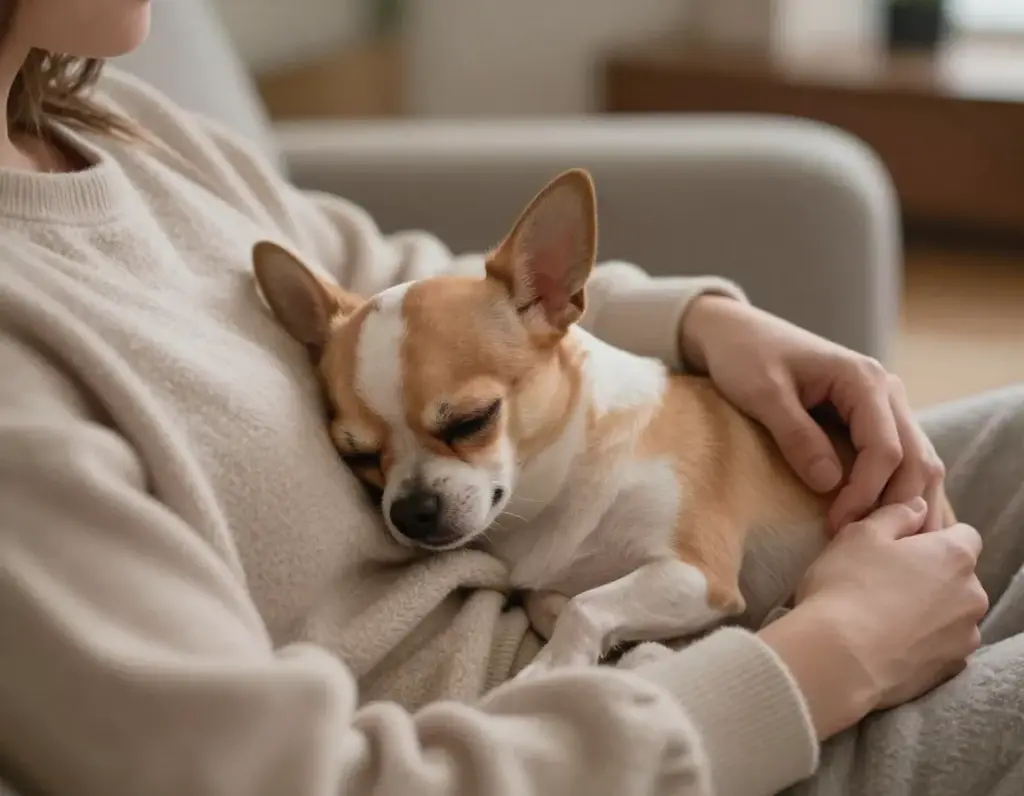
Despite their bold and protective nature, Chihuahuas are genuinely affectionate and enjoy close physical contact with their favorite humans [1]. This cuddly side often surprises people who only see their feisty public persona.
Affectionate behaviors include:
🥰 Lap sitting: Seeking out warm, comfortable spots on their owner
💤 Sleep cuddling: Wanting to sleep in bed or very close to their person
😘 Gentle kisses: Licking faces and hands as affection displays
🤗 Contact seeking: Nudging for attention and petting
Balancing affection with independence:
- Set boundaries for appropriate cuddling times
- Encourage independent rest periods
- Provide comfortable solo sleeping options
- Reward calm, non-demanding affection requests
Managing Chihuahua Personalities: Practical Owner Guidance
Successfully living with the 7 Big Personalities: Surprising Truths About The Chihuahua Dog Breed requires understanding, patience, and consistent management strategies. These dogs thrive when their complex needs are met appropriately.
Essential management areas:
Socialization Timeline:
- 8-12 weeks: Introduce gentle handling and household sounds
- 12-16 weeks: Controlled meetings with vaccinated dogs and people
- 16-20 weeks: Expanded environmental exposure
- Ongoing: Regular social maintenance throughout life
Exercise and Mental Stimulation:
Despite their size, Chihuahuas need both physical and mental exercise:
- Daily walks: 20-30 minutes split into multiple sessions
- Indoor play: Fetch, tug-of-war, hide-and-seek
- Mental challenges: Puzzle feeders, training sessions, new experiences
- Social interaction: Supervised play with appropriate-sized dogs
Health Considerations Affecting Personality:
Certain health issues can impact Chihuahua behavior:
- Luxating patella: May cause reluctance to jump or play
- Tracheal collapse: Can affect exercise tolerance
- Hypoglycemia: May cause behavioral changes
- Dental issues: Can create irritability or food guarding
Conclusion: Embracing the Complex Chihuahua Character
The 7 Big Personalities: Surprising Truths About The Chihuahua Dog Breed reveal these tiny dogs to be far more complex and fascinating than their size might suggest. From their intense loyalty and surprising boldness to their intelligence and protective instincts, Chihuahuas offer a unique companion experience that challenges many preconceptions about small dog breeds.
Key takeaways for prospective and current Chihuahua owners:
🎯 Embrace their complexity: These aren’t simple lap dogs but multifaceted companions with diverse needs
🏆 Invest in early socialization: Proper early experiences shape lifelong personality traits
📚 Commit to ongoing training: Their intelligence deserves mental stimulation and structure
💝 Respect their bonding needs: Plan for their intense attachment requirements
🛡️ Channel their protective instincts: Guide their natural guardian tendencies appropriately
Next steps for Chihuahua success:
- Assess your lifestyle compatibility with intense bonding and potential separation anxiety
- Research reputable breeders who prioritize temperament alongside health
- Plan comprehensive socialization starting from day one
- Establish training routines that work with their personality traits
- Connect with Chihuahua communities for ongoing support and advice
Understanding and embracing these 7 Big Personalities: Surprising Truths About The Chihuahua Dog Breed will help ensure a successful, rewarding relationship with one of the dog world’s most characterful companions. These remarkable little dogs prove daily that personality truly isn’t measured in pounds, but in the depth of character and the strength of the bonds they form with their chosen humans.
Whether you’re drawn to their fierce loyalty, impressed by their fearless confidence, or charmed by their affectionate nature, Chihuahuas offer a companion experience unlike any other breed. With proper understanding, training, and care, these tiny dogs with enormous personalities can become the perfect addition to the right family.
References
[1] Chihuahua Breed Guide – https://vetslovepets.com.au/blogs/dog/chihuahua-breed-guide
[2] The Genetic Heritage And History Behind Chihuahua Temperament Confident Loyal And Loving – https://kimspups.com/blogs/blog-5/the-genetic-heritage-and-history-behind-chihuahua-temperament-confident-loyal-and-loving
[3] 2025 11 Modern Dogs Wolf Ancestry Tiny – https://phys.org/news/2025-11-modern-dogs-wolf-ancestry-tiny.html
[4] A Guide To Chihuahuas – https://www.bellaandduke.com/dogs/expert-advice/dog-breeds/a-guide-to-chihuahuas/
[5] Most Modern Dogs Have Detectable Wolf Ancestry Including The Tiny Chihuahua – https://theknottydog.co.uk/most-modern-dogs-have-detectable-wolf-ancestry-including-the-tiny-chihuahua/
[6] Chihuahua – https://www.akc.org/dog-breeds/chihuahua/