6 Training Secrets For Living Happily With Siberian Husky Dogs
Picture this: a stunning Siberian Husky with piercing blue eyes and a thick, fluffy coat bounds toward you with unbridled energy, then suddenly bolts in the opposite direction, completely ignoring your frantic calls to “come back!” 🐕 This scenario plays out in countless homes where well-meaning owners discover that their gorgeous Husky is also one of the most challenging breeds to train. The 6 Training Secrets For Living Happily With Siberian Husky Dogs can transform this chaos into a harmonious partnership that celebrates both your Husky’s independent spirit and your need for a well-behaved companion.

Siberian Huskies were bred to run for miles across frozen tundra, making independent decisions that could mean the difference between life and death for their human companions. This incredible heritage creates dogs with remarkable intelligence, fierce independence, and an energy level that can overwhelm unprepared owners. However, with the right approach, these same traits that make Huskies challenging can become the foundation for an incredibly rewarding relationship.
Key Takeaways
- Positive reinforcement training works far better than punishment-based methods for Huskies, who respond to trust and respect rather than dominance
- Early socialization between 3-16 weeks is critical for preventing behavioral issues and building a confident, well-adjusted adult dog
- Consistent daily exercise of at least 60 minutes combined with mental stimulation prevents destructive behaviors and creates a more trainable dog
- Short, frequent training sessions of 5-10 minutes multiple times daily maintain focus and prevent the frustration that leads to stubborn behavior
- Environmental consistency in training locations and family rules ensures skills transfer from home to real-world situations
Understanding the Unique Husky Mindset: Foundation of the 6 Training Secrets For Living Happily With Siberian Husky Dogs
Before diving into specific training techniques, successful Husky owners must understand what makes these dogs tick. Unlike breeds developed to please humans through obedience, Huskies were bred to think independently and make split-second decisions while pulling sleds across dangerous terrain. This means they evaluate every command through the lens of “Does this make sense?” rather than “What does my human want?”
The Independent Thinker Challenge
Huskies possess what trainers call “selective hearing” – they hear you perfectly but choose whether your request is worth following. This isn’t defiance; it’s their breeding at work. Understanding this mindset shift is crucial because it changes how owners approach training from demanding compliance to earning cooperation.
High Energy, High Intelligence
These dogs need both physical and mental challenges to thrive. A tired Husky is a good Husky, but a bored Husky becomes a destructive escape artist. The combination of intelligence and energy means they excel at problem-solving – unfortunately, often solving problems you didn’t know you had, like “How can I dig under this fence?” or “What’s the most efficient way to redistribute couch stuffing throughout the house?”
1. Master Positive Reinforcement: The First Secret to Husky Training Success
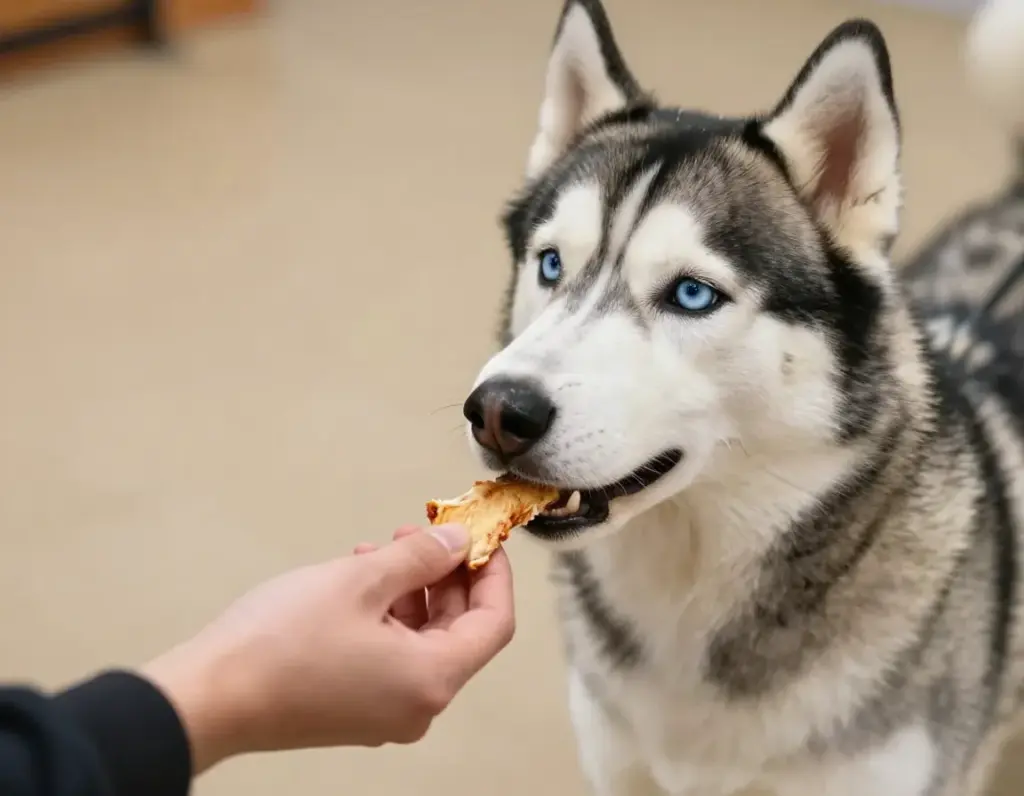
The foundation of all successful Husky training lies in positive reinforcement techniques that build trust and cooperation rather than fear and submission. Reward-based training matches how Huskies think and learn, while punishment-based approaches damage trust and increase stubbornness [1][2].
Why Positive Reinforcement Works for Huskies
Huskies respond to leadership they respect, not authority they fear. When training focuses on rewarding desired behaviors with high-value treats, praise, or play, it creates a partnership dynamic that appeals to their independent nature. They choose to cooperate because good things happen when they do, not because they’re afraid of consequences.
Implementing Effective Reward Systems
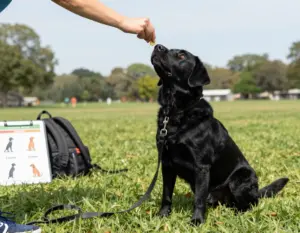
- High-value treats: Use special rewards like small pieces of chicken, cheese, or commercial training treats that your Husky considers irresistible
- Timing is everything: Reward within 3 seconds of the desired behavior to create clear associations
- Variable reward schedules: Once a behavior is learned, reward randomly to maintain engagement
- Life rewards: Use activities your Husky loves (like going outside or getting their leash) as training rewards
“The key to training a Husky is making them believe that following your guidance was their idea all along.”
Common Positive Reinforcement Mistakes
Many owners sabotage their success by rewarding at the wrong time or using low-value rewards. Avoid giving treats for attention-seeking behaviors, and ensure your rewards are more exciting than environmental distractions. A piece of kibble won’t compete with a squirrel, but a piece of chicken might.
2. Perfect Your Training Sessions: Structure and Timing Matter

Train in 5–10 minute sessions, 2–4 times daily before meals or walks to maintain focus and prevent frustration [2]. This structured approach prevents the mental fatigue that leads to stubborn behavior and keeps training positive and productive.
Optimal Session Structure
Short, frequent sessions work better than marathon training attempts because Huskies have intense but brief attention spans. Structure each session with:
- Warm-up: Start with a command your dog knows well to build confidence
- New skill: Introduce one new concept or refine an existing behavior
- Success ending: Always end on a positive note with a behavior your dog can perform successfully
Strategic Timing for Maximum Success
The timing of training sessions significantly impacts results. Before meals works exceptionally well because hunger increases food motivation. Before walks capitalizes on their excitement about going outside. Avoid training when your Husky is overly excited, tired, or distracted.
Daily Training Schedule Example
| Time | Duration | Focus | Reward |
|---|---|---|---|
| Morning (pre-breakfast) | 5-7 minutes | Basic commands | High-value treats |
| Midday | 5 minutes | Impulse control | Play session |
| Pre-walk | 3-5 minutes | Leash manners | Walk begins |
| Evening | 10 minutes | New skills | Dinner preparation |
3. Prioritize Early Socialization: Building Confidence and Preventing Problems
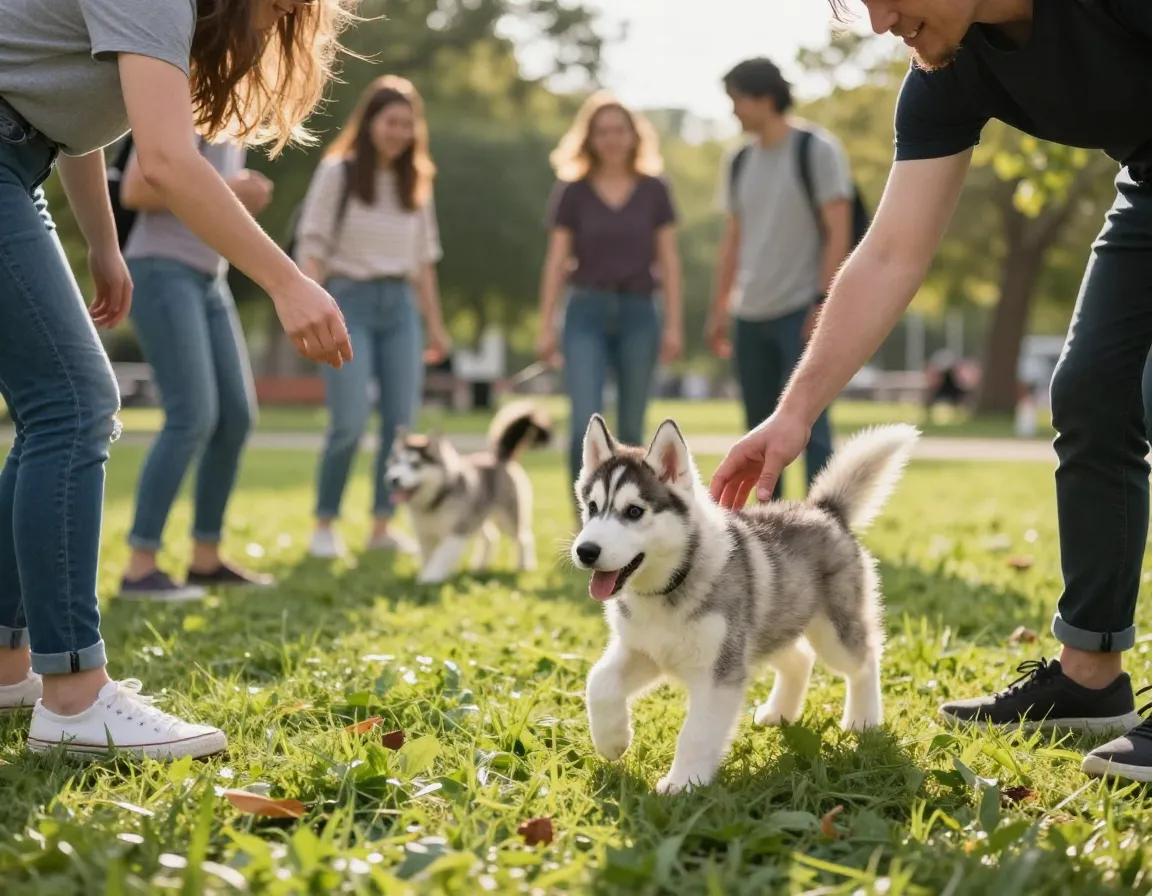
Expose puppies to various environments, people, and animals between 3 and 16 weeks of age to build confidence and prevent fear or aggression [3]. This critical window shapes your Husky’s adult personality and determines how well they handle new situations throughout their lives.
The Socialization Timeline
The period between 3 and 16 weeks represents a unique developmental phase when puppies are naturally curious and resilient. Experiences during this time create lasting impressions that influence adult behavior. Miss this window, and socialization becomes much more challenging.
Essential Socialization Experiences
Create positive associations with:
- Different people: Various ages, sizes, ethnicities, and clothing styles
- Other animals: Well-socialized dogs, cats, and other pets
- Environments: Urban streets, parks, pet stores, car rides, vet offices
- Sounds: Traffic, construction, children playing, household appliances
- Surfaces: Grass, concrete, stairs, grates, sand, gravel
Safe Socialization Strategies
Before full vaccination, carry your puppy or use a stroller to expose them to sights and sounds safely. Invite vaccinated, friendly dogs to your home. Host puppy parties where friends bring different items for your puppy to investigate safely.
Ongoing Socialization Beyond Puppyhood
Socialization doesn’t end at 16 weeks. Adult Huskies benefit from continued exposure to new experiences, though the approach becomes more gradual and controlled. Regular outings, training classes, and supervised interactions maintain social skills and prevent regression.
4. Establish Unwavering Consistency: The Non-Negotiable Foundation
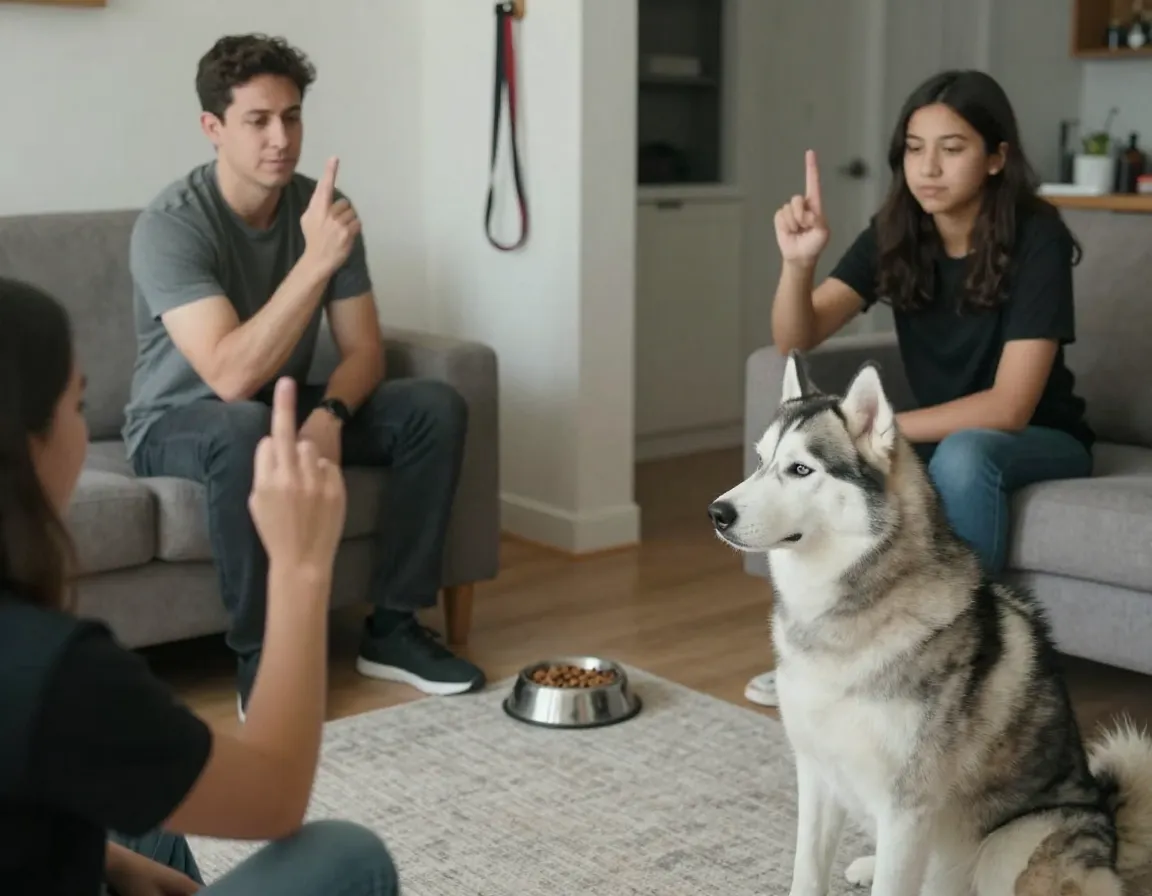
Use the same commands and hand signals across all family members, feed and walk at predictable times, and apply rules uniformly [1][3]. Consistency creates the predictable structure that helps Huskies understand expectations and reduces anxiety-driven behaviors.
Family Training Coordination
Every family member must use identical commands, hand signals, and rules. Create a family training manual that documents:
- Command words: “Sit” vs. “Sit down” creates confusion
- Hand signals: Visual cues for each command
- House rules: What furniture is allowed, feeding protocols, greeting behaviors
- Reward timing: When and how to give treats and praise
Daily Routine Consistency
Huskies thrive on predictable schedules that reduce anxiety and create training opportunities:
- Feeding times: Same times daily, using meals as training rewards
- Exercise schedule: Regular walks and play sessions at consistent times
- Training sessions: Built into daily routine rather than sporadic efforts
- Sleep schedule: Consistent bedtime and wake-up times
Consistency in Different Environments
Rules that apply at home must apply everywhere. If your Husky isn’t allowed to jump on people at home, they shouldn’t be allowed to jump on people at the park. This consistency helps behaviors generalize across all situations.
Implementing Advanced Training Techniques: Secrets 5 and 6 of Living Happily With Siberian Husky Dogs
5. Address Exercise and Mental Stimulation Needs: The Energy Management Secret
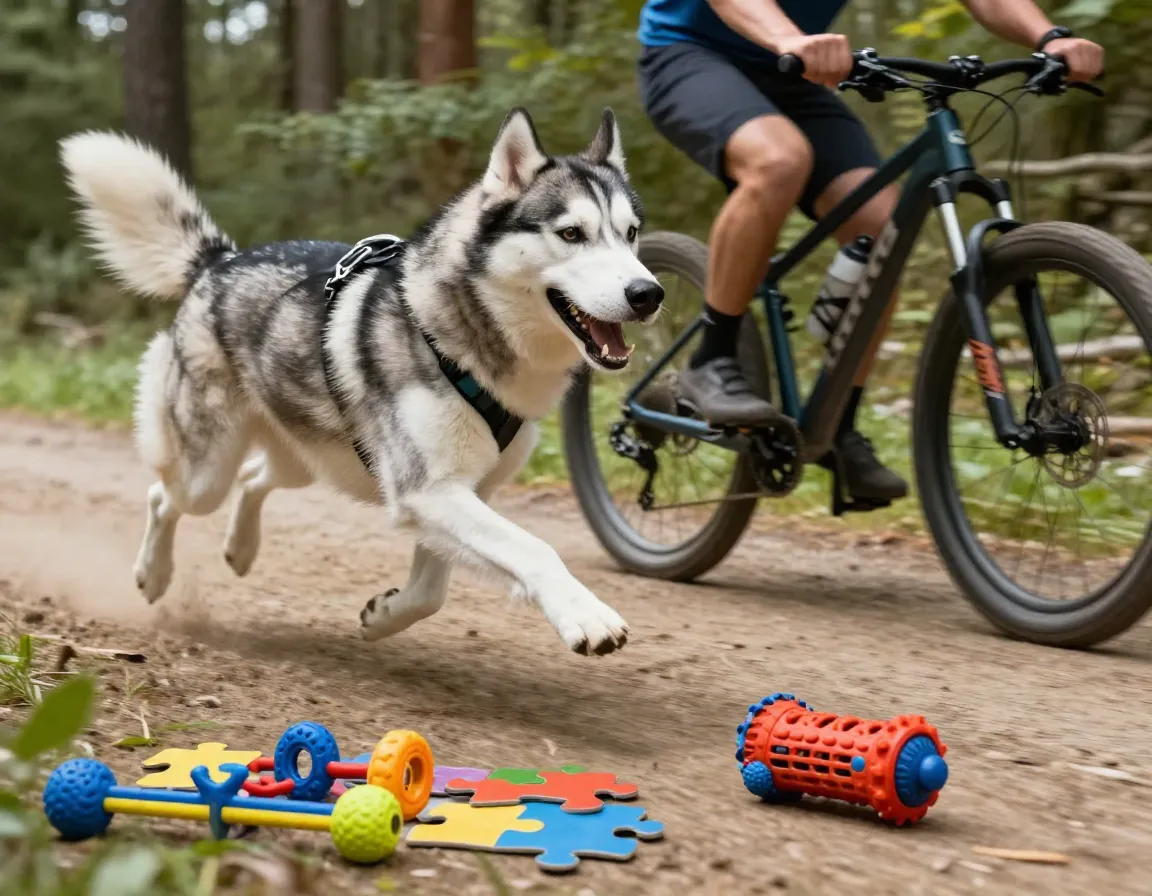
Huskies need at least 60 minutes of daily exercise, which can be split into multiple walks, plus mental stimulation through puzzle toys and training [7][1]. Managing their incredible energy levels is essential for successful training and preventing destructive behaviors.
Understanding Husky Exercise Requirements
Sixty minutes represents the minimum daily exercise requirement, but many Huskies need significantly more. This breed was developed to run 100+ miles daily, so their exercise needs far exceed those of typical companion breeds. Insufficient exercise leads to:
- Destructive behaviors: Digging, chewing, escaping
- Attention-seeking: Excessive barking, jumping, nipping
- Training resistance: Inability to focus due to pent-up energy
- Behavioral regression: Previously learned commands forgotten
Effective Exercise Strategies
- Morning energy burn: 20-30 minute vigorous exercise before training
- Mental challenges: Puzzle toys, training sessions, scent work
- Afternoon activity: Walk, hike, or play session
- Evening wind-down: Gentle walk or indoor training
Mental Stimulation Ideas
Physical exercise alone isn’t enough. Huskies need mental challenges that engage their problem-solving abilities:
- Puzzle feeders: Make meals into training opportunities
- Hide and seek: Hide treats around the house or yard
- Training games: Teach new tricks or practice existing commands
- Scent work: Hide treats or toys for them to find
Weather Considerations
Huskies excel in cold weather but struggle in heat. Adjust exercise timing and intensity based on temperature:
- Hot weather: Early morning and late evening exercise, indoor mental stimulation during peak heat
- Cold weather: Extended outdoor activities, snow play, winter hiking
- Rainy days: Indoor obstacle courses, stair climbing, treadmill training
6. Practice Multi-Environment Training: Ensuring Real-World Success
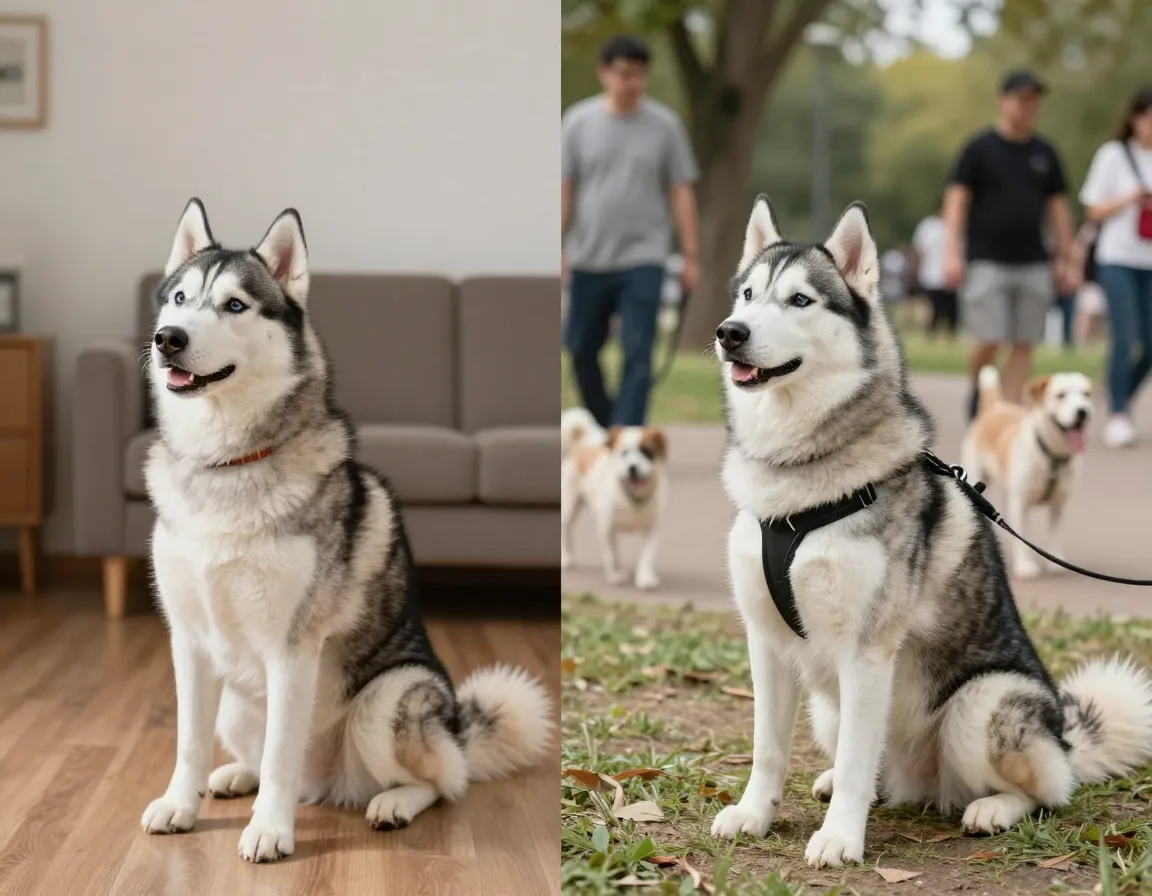
Huskies need training reinforcement in various environments before skills transfer outside the home, as distractions significantly impact obedience [2]. This final secret ensures that your well-trained house dog becomes a well-behaved companion everywhere.
The Generalization Challenge
Dogs don’t automatically apply learned behaviors in new environments. A Husky who sits perfectly in your living room might act like they’ve never heard the word “sit” at the dog park. This isn’t stubbornness; it’s how canine learning works. Each new environment requires practice to solidify training.
Progressive Environment Training
Start with low-distraction environments and gradually increase difficulty:
- Home base: Master commands in your house with minimal distractions
- Backyard: Practice with outdoor sights and sounds
- Quiet street: Low-traffic area with mild distractions
- Neighborhood walk: Moderate distractions like other dogs and people
- Park setting: High-distraction environment with many stimuli
- Busy public spaces: Ultimate test of training reliability
Distraction-Proofing Techniques
- Start easy: Begin each new environment with simple, known commands
- High-value rewards: Use better treats in more challenging environments
- Short sessions: Keep training brief in high-distraction areas
- Success focus: End each session with successful command completion
Real-World Application Scenarios
Practice specific situations your Husky will encounter:
- Veterinary visits: Handling, staying calm, following commands under stress
- Meeting other dogs: Polite greetings, recall when excited
- Urban environments: Walking past distractions, traffic safety
- Social gatherings: Appropriate behavior around guests and food
Tools for Multi-Environment Success
Front-clip harnesses or head halters are recommended tools to address their natural pulling instinct, which stems from their sled-dog breeding [1]. These tools provide better control in challenging environments while maintaining positive training principles.
Troubleshooting Common Husky Training Challenges
Even with the 6 Training Secrets For Living Happily With Siberian Husky Dogs, owners often encounter specific challenges unique to this breed. Understanding how to address these issues prevents frustration and maintains training progress.
The Escape Artist Problem
Huskies are notorious escape artists who view fences as suggestions rather than barriers. Address this by:
- Secure fencing: 6-foot minimum height with buried barriers to prevent digging
- Supervised outdoor time: Until recall training is solid
- Environmental enrichment: Reduce escape motivation through adequate stimulation
- Positive yard associations: Make the yard more interesting than what’s beyond it
Selective Hearing Syndrome
When Huskies ignore commands they clearly know, try:
- Higher value rewards: Upgrade treats for better compliance
- Closer proximity: Move closer before giving commands
- Environmental management: Reduce distractions during training
- Relationship building: Strengthen your bond through play and positive interactions
The Pulling Problem
Huskies were bred to pull, making leash walking challenging:
- Proper equipment: Front-clip harnesses redirect pulling energy
- Direction changes: Turn away when pulling begins
- Stop and wait: Don’t move forward while the leash is tight
- Reward loose leash: Treat and praise when walking nicely
Creating Long-Term Success: Beyond the Initial Training Phase
Successfully implementing the 6 Training Secrets For Living Happily With Siberian Husky Dogs requires understanding that Husky training is an ongoing process rather than a destination. These dogs continue learning and testing boundaries throughout their lives.
Maintaining Training Momentum
- Regular practice: Brief daily training sessions maintain skills
- Seasonal adjustments: Adapt training to weather and activity level changes
- Ongoing socialization: Continue exposing your Husky to new experiences
- Advanced training: Teach new skills to maintain mental engagement
Building a Lifelong Partnership
The goal isn’t perfect obedience but rather a respectful partnership where both human and dog understand expectations and boundaries. Successful Husky owners learn to appreciate their dog’s independent spirit while maintaining necessary structure for safety and harmony.
Conclusion
The 6 Training Secrets For Living Happily With Siberian Husky Dogs provide a comprehensive framework for transforming the challenges of Husky ownership into the joys of partnership with one of the world’s most remarkable breeds. By embracing positive reinforcement, structuring effective training sessions, prioritizing early socialization, maintaining unwavering consistency, addressing their substantial exercise needs, and practicing in multiple environments, owners can unlock their Husky’s potential while respecting their independent nature.
Remember that success with Huskies requires patience, persistence, and a willingness to think creatively. These dogs will test boundaries, challenge assumptions, and occasionally remind you why they’re considered one of the most challenging breeds to train. However, the rewards of a well-trained Husky – their loyalty, intelligence, humor, and zest for life – make every effort worthwhile.
Your Next Steps:
- Assess your current training approach and identify which of the six secrets need immediate attention
- Create a consistent family training plan with clear commands and rules for all household members
- Establish a daily routine that incorporates structured exercise, training sessions, and mental stimulation
- Begin environmental training by practicing commands in progressively more challenging locations
- Connect with local Husky communities or professional trainers for ongoing support and advanced techniques
The journey of training a Siberian Husky is not just about creating an obedient pet – it’s about building a partnership with an incredible animal whose ancestors helped humans survive in some of the world’s harshest conditions. Embrace the challenge, celebrate the victories, and enjoy the unique experience of sharing your life with one of nature’s most remarkable canine athletes. 🏔️
References
[1] Training A Siberian Husky Challenges And Proven Tips – https://petcityhouston.com/2025/08/27/training-a-siberian-husky-challenges-and-proven-tips/
[2] Siberian Husky Training – https://petageinhumanyearscalculator.com/blog/siberian-husky-training/
[3] Training A Siberian Husky Dogtips And Techniques For A Happy And Well Behaved Companion – https://www.petplay.com/blogs/tips/training-a-siberian-husky-dogtips-and-techniques-for-a-happy-and-well-behaved-companion
[7] Top Tips For Siberian Huskies Care – https://www.offleashk9training.com/top-tips-for-siberian-huskies-care/