6 Life-Changing Tips for Crate Training a Puppy the Right Way
Picture this: It’s 3 AM, and you’re jolted awake by the sound of your adorable new puppy whimpering and scratching at their crate. Your heart sinks as you wonder if you’re doing something wrong, if crate training is even humane, or if your furry friend will ever feel comfortable in their designated space. If this scenario sounds familiar, you’re not alone—and more importantly, you’re about to discover the 6 life-changing tips for crate training a puppy the right way that will transform both your puppy’s experience and your peace of mind.

Crate training doesn’t have to be a battle of wills between you and your puppy. When done correctly, it becomes one of the most valuable tools in your pet parenting toolkit, creating a safe haven for your dog while supporting house training, preventing destructive behavior, and giving you both the structure needed for a harmonious home life.
Key Takeaways
- Start crate training as early as 8 weeks old with gradual, positive introduction techniques that respect your puppy’s natural instincts
- Proper crate sizing is crucial—your puppy should be able to stand, turn around, and lie down comfortably without excess space that undermines potty training
- Never use the crate as punishment; instead, build positive associations through treats, meals, and comfortable bedding
- Consistency and patience are essential—crate training can take anywhere from a few days to several weeks depending on your approach
- Timing matters—introduce the crate during calm periods when your puppy is naturally ready to rest rather than during active play time
Understanding the Foundation: Why These 6 Life-Changing Tips Work
Before diving into the specific techniques, it’s important to understand why proper crate training is so effective. Dogs naturally prefer protected sleeping areas, and a properly introduced crate taps into this instinct while supporting house training since puppies typically avoid soiling their sleeping space [1][2]. This isn’t about confining your puppy—it’s about providing them with their own special sanctuary.
The 6 life-changing tips for crate training a puppy the right way work because they respect your puppy’s psychological needs while establishing clear, positive routines. When implemented correctly, these strategies transform what could be a stressful experience into an opportunity for bonding and growth.
1. Start Early and Introduce Gradually
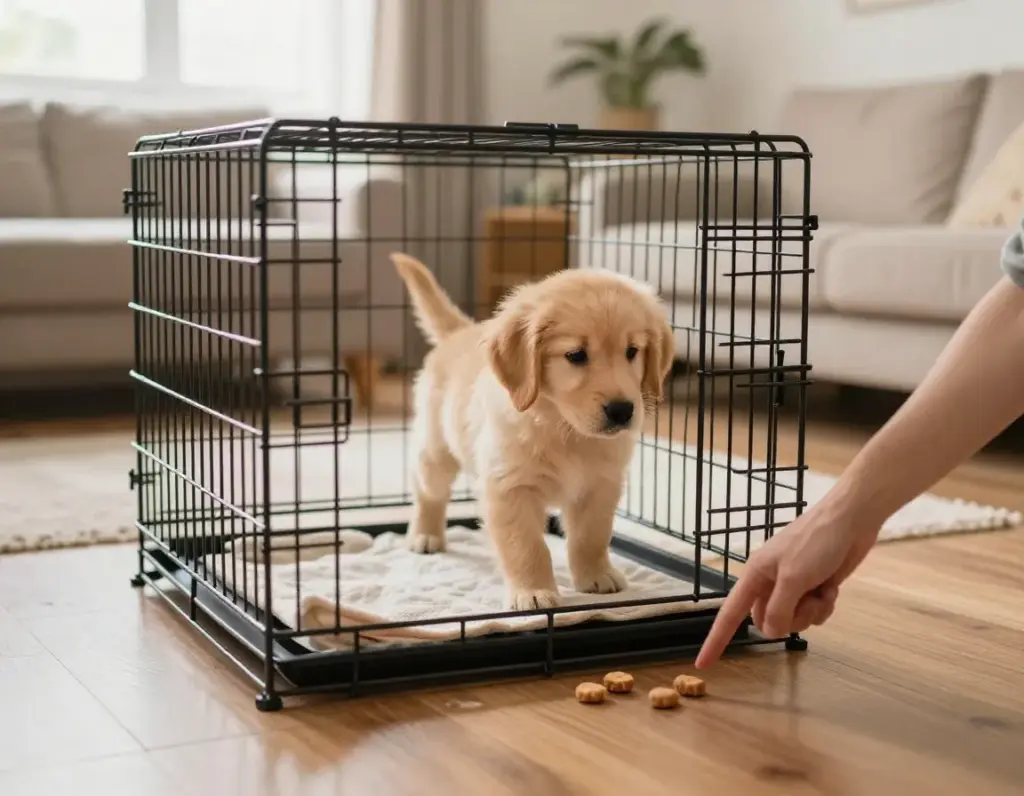
The earlier you begin, the easier the process becomes. Puppies can begin crate training as early as 8 weeks old, with gradual introduction making the process significantly more effective [3]. However, the key word here is “gradual”—rushing this process is one of the biggest mistakes new puppy parents make.
The Step-by-Step Introduction Process
Begin by leaving the crate door open and allowing your puppy to explore at their own pace before closing the door during supervised sessions [1][2][3]. This approach removes the fear factor and allows curiosity to drive the initial interactions.
Week 1: Open Door Exploration
- Place the crate in a common area where your family spends time
- Remove the door entirely or secure it in the open position
- Let your puppy investigate naturally without any pressure
- Toss treats near and inside the crate randomly throughout the day
Week 2: Encouraged Entry
- Begin using a command like “crate” or “bed” when tossing treats inside
- Praise enthusiastically when your puppy enters voluntarily
- Still keep the door open—no closing yet
- Start feeding some meals just outside the crate entrance
Week 3: Door Closing Practice
- Begin closing the door for very short periods (30 seconds to 1 minute)
- Stay nearby and visible to your puppy
- Open immediately if they remain calm
- Gradually increase duration as comfort grows
💡 Pro Tip: Time crate introduction during calm periods when your puppy is naturally ready to rest rather than during playtime, so they associate it with relaxation rather than interruption [7].
Common Early Training Mistakes to Avoid
❌ Forcing your puppy inside the crate
❌ Closing the door on the first day
❌ Using the crate immediately for long periods
❌ Introducing the crate during high-energy times
✅ Allowing natural exploration
✅ Building positive associations first
✅ Starting with very short, supervised sessions
✅ Choosing calm, sleepy times for introduction
2. Perfect Your Crate Sizing and Setup
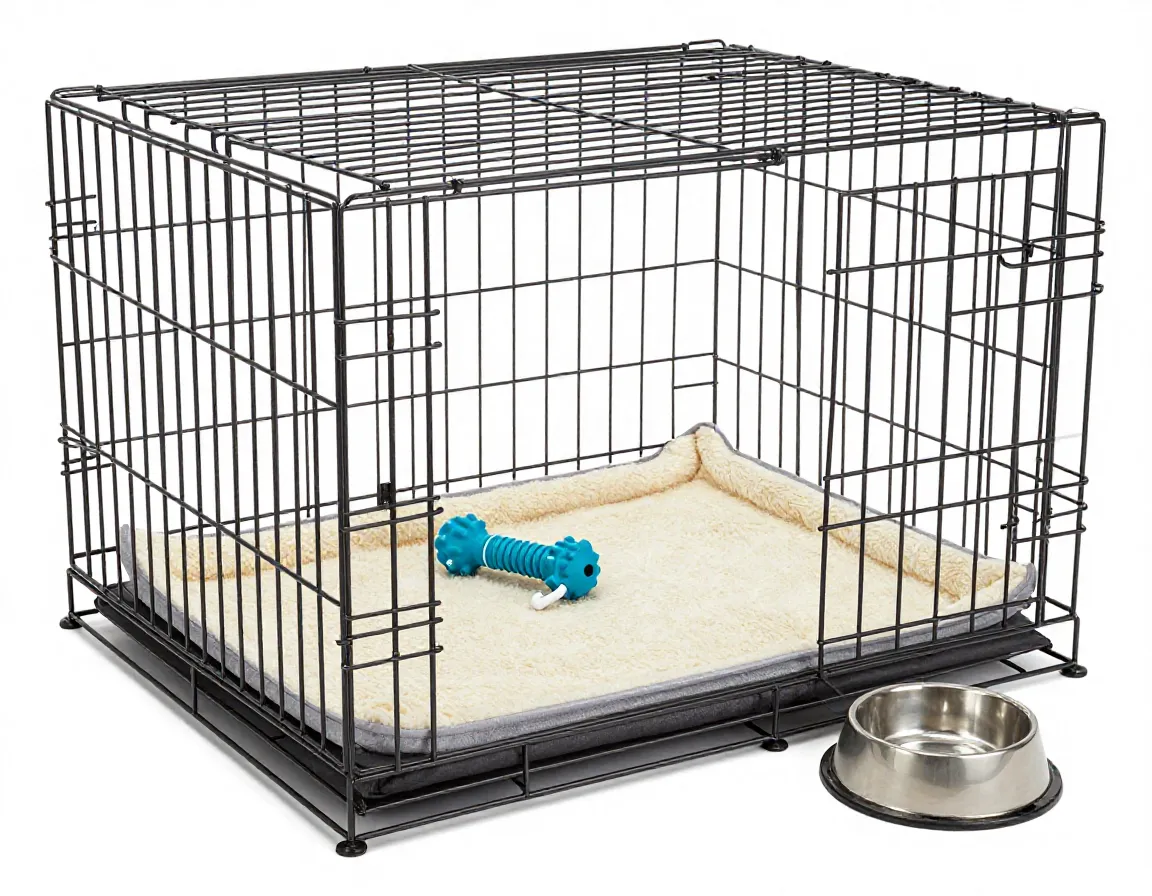
Proper crate sizing is absolutely critical to successful training. The crate should allow your puppy to stand up, turn around, and lie down comfortably, but not significantly larger—oversized crates can undermine potty training by allowing puppies to soil one end while staying dry in another [1].
The Goldilocks Principle: Getting the Size Just Right
| Puppy Size | Crate Dimensions | Adult Consideration |
|---|---|---|
| Small breeds (under 25 lbs) | 24″ L x 18″ W x 21″ H | May be final size |
| Medium breeds (25-60 lbs) | 36″ L x 24″ W x 27″ H | Consider divider panels |
| Large breeds (60-90 lbs) | 42″ L x 28″ W x 31″ H | Definitely use dividers |
| Giant breeds (over 90 lbs) | 48″ L x 30″ W x 33″ H | Plan for adult size |
Creating the Perfect Crate Environment
Add comfortable bedding to make the space cozy and inviting [2][3]. Line the crate with soft, washable blankets or beds, but be prepared to remove them temporarily if your puppy tends to chew or have accidents.
Essential Crate Setup Elements:
- Soft, washable bedding or crate pad
- Water bowl (for longer stays)
- One or two safe chew toys
- Food-stuffed Kong for positive associations
- Proper ventilation and visibility
The goal is creating a space that feels like a cozy bedroom rather than a prison cell. Your puppy should view their crate as their personal retreat where good things happen.
Adjusting for Growth
If you’re planning ahead for a larger adult dog, invest in a crate with removable divider panels. This allows you to start with a puppy-appropriate space and gradually expand as your dog grows, maintaining the important principle of appropriate sizing throughout the training process.
3. Build Powerful Positive Associations
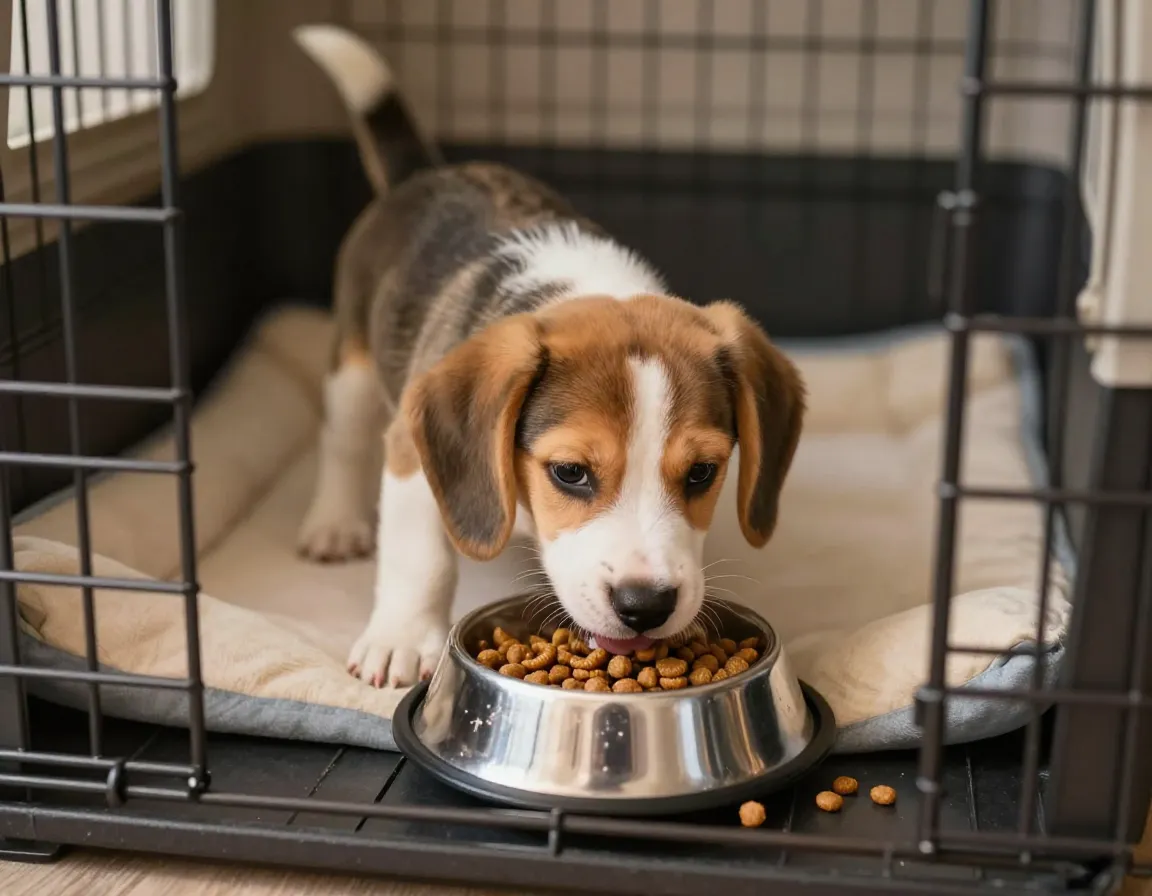
This tip can truly be life-changing because it shifts your puppy’s entire relationship with the crate from neutral or negative to genuinely positive. Consistently use treats, toys (especially food-stuffed toys like Kongs), and praise when your puppy enters the crate voluntarily [1][3][6].
The Power of Mealtime Training
Feed meals inside the crate to create some of the strongest positive associations possible [3][4][6]. Placing food bowls or tossing kibble into the crate makes the space feel rewarding and taps into your puppy’s most basic positive experiences.
Mealtime Progression Strategy:
- Week 1: Feed just outside the open crate
- Week 2: Place food bowl just inside the entrance
- Week 3: Move bowl to the back of the crate
- Week 4: Begin closing door briefly while eating
- Ongoing: Use crate for all regular meals
Creating a Treasure Trove of Good Things
Beyond meals, make the crate a place where amazing things happen:
🎾 Special toys that only appear in the crate
🦴 Long-lasting chews for quiet time
🥜 Frozen Kong toys stuffed with treats
🏆 Praise parties for voluntary entry
💤 Cozy nap time associations
“The crate should become your puppy’s favorite room in the house—the place where the best stuff happens and where they feel most secure.” – Professional Dog Trainer
The “Crate Games” Approach
Turn crate training into a fun game rather than a chore:
Game 1: Treat Toss
- Randomly toss treats into the crate throughout the day
- Use your crate command (“crate” or “bed”)
- Celebrate when your puppy goes in to retrieve treats
- No door closing—just pure positive association
Game 2: Find the Treasure
- Hide special treats or toys in the crate
- Encourage your puppy to “find it”
- Make discovery exciting with praise and play
- Gradually increase the value of hidden treasures
4. Never Use the Crate as Punishment
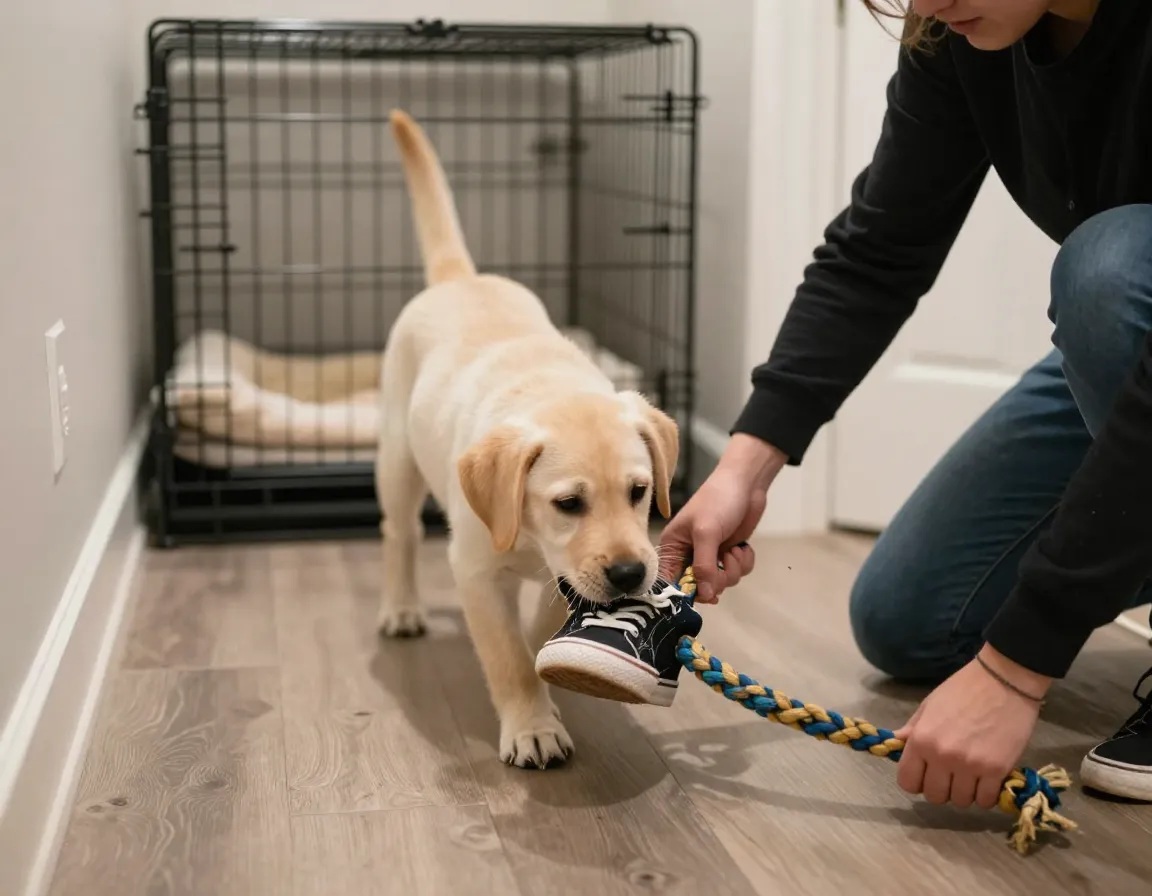
This principle is absolutely crucial to the success of these 6 life-changing tips for crate training a puppy the right way. Using the crate as discipline creates negative associations and defeats the training purpose [1][2][5]. Instead, frame it as a safe, comfortable space that your puppy chooses to enjoy.
Understanding the Psychology Behind Punishment vs. Sanctuary
When you use the crate for punishment, you’re essentially telling your puppy that their safe space is actually a place of consequence and negativity. This creates cognitive dissonance that can undo weeks or months of positive training.
What NOT to do:
❌ Putting your puppy in the crate after accidents
❌ Using “go to your crate” as a timeout
❌ Crating immediately after destructive behavior
❌ Using an angry or frustrated tone around crate time
❌ Forcing crate time as a consequence for excitement
What TO do instead:
✅ Use separate timeout areas if needed
✅ Address behavioral issues through training, not crating
✅ Maintain positive, calm energy around the crate
✅ Only use the crate for rest, meals, and safety
✅ Redirect unwanted behavior before it escalates
Alternative Discipline Strategies
Since the crate is off-limits for punishment, you’ll need other tools in your training toolkit:
Effective Puppy Discipline Alternatives:
- Redirection: Guide attention to appropriate toys or activities
- Time-outs: Use a separate, neutral space like a bathroom
- Positive reinforcement: Reward good behavior immediately
- Environmental management: Remove temptations and set up for success
- Training sessions: Address specific behaviors through structured learning
Building Trust Through Consistency
Your puppy needs to trust that the crate will always be a positive space. This trust becomes the foundation for voluntary cooperation rather than fearful compliance. When your puppy knows the crate equals good things, they’ll begin choosing it on their own for naps, quiet time, and security.
5. Master the Art of Timing and Duration
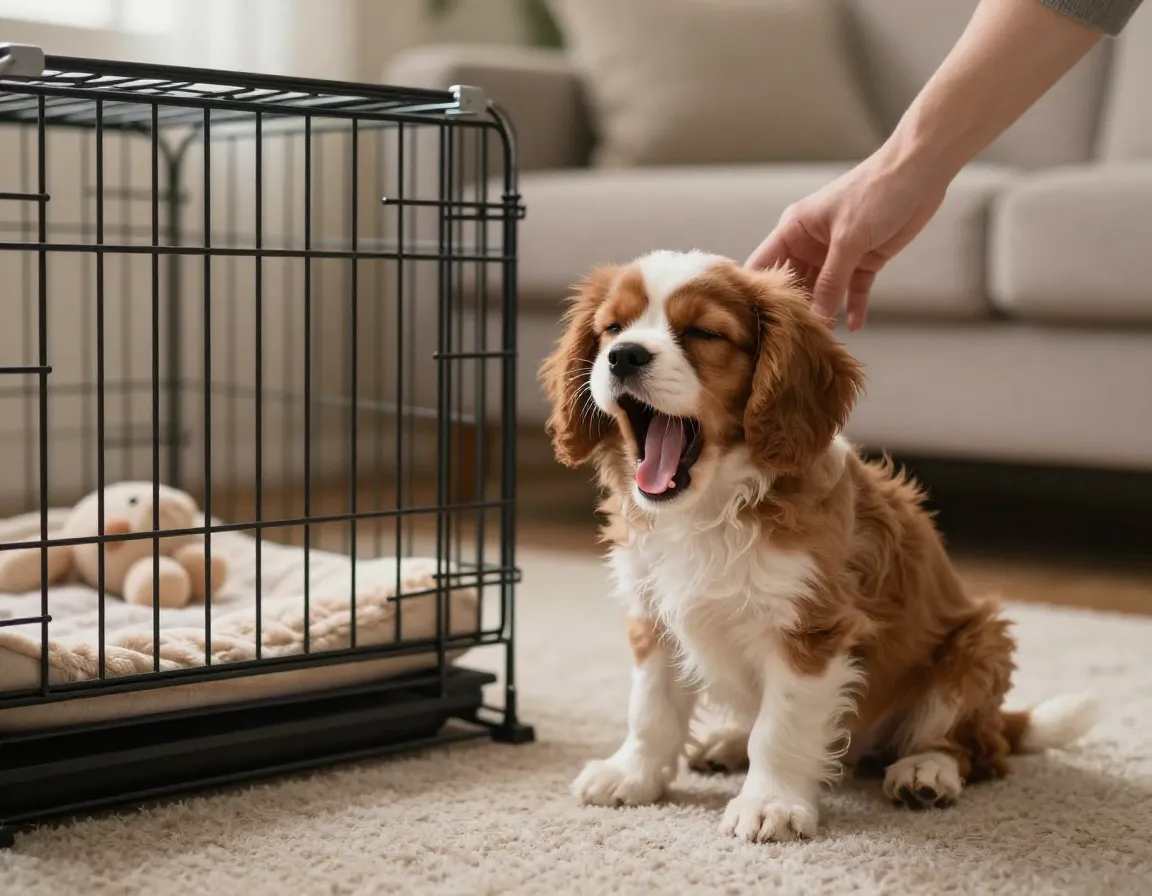
Understanding when and for how long to use the crate can make the difference between success and struggle. The timeline for crate training varies significantly—it can take anywhere from a few days to several weeks depending on how consistently you apply these methods [3].
Age-Appropriate Duration Guidelines
Puppy Age and Maximum Crate Time:
- 8-10 weeks: 30-60 minutes maximum
- 11-14 weeks: 1-3 hours maximum
- 15-16 weeks: 3-4 hours maximum
- 17+ weeks: 4-5 hours maximum (adult bladder control developing)
These timeframes assume your puppy has had adequate exercise, potty breaks, and social interaction before crating. Never exceed these durations, as doing so can lead to accidents, anxiety, and negative associations.
Reading Your Puppy’s Signals
Signs your puppy is ready for crate time:
🥱 Natural sleepiness or yawning
😌 Calm, relaxed body language
🍽️ Just finished eating (natural rest time)
🚶 After exercise and potty break
🧘 Seeking quiet spaces independently
Signs to wait or try later:
⚡ High energy or wanting to play
😰 Anxiety or stress signals
🚨 Just woke up (likely needs potty break)
🏃 After exciting activities (needs wind-down time)
⏰ Right before known active periods
The Gradual Duration Building Process
Week 1: Foundation Building
- 5-10 minute sessions, 3-4 times daily
- Always with door open initially
- Focus purely on positive associations
- No overnight crating yet
Week 2: Short Closed Sessions
- 15-30 minute sessions with door closed
- Stay nearby and visible
- Begin using during natural nap times
- Introduce brief departures (5-10 minutes)
Week 3: Extended Periods
- 1-2 hour sessions for appropriate ages
- Practice departures up to 30 minutes
- Begin overnight crating if progressing well
- Monitor for stress or regression
Week 4+: Full Integration
- Age-appropriate maximum durations
- Comfortable overnight sleeping
- Calm departures and arrivals
- Puppy choosing crate independently
Avoiding the “Too Much, Too Soon” Trap
The biggest mistake I see puppy parents make is rushing the duration building process. Pushing too hard, too fast often results in setbacks that take longer to overcome than if you had progressed gradually from the beginning.
6. Leverage Natural Instincts and Create Routine
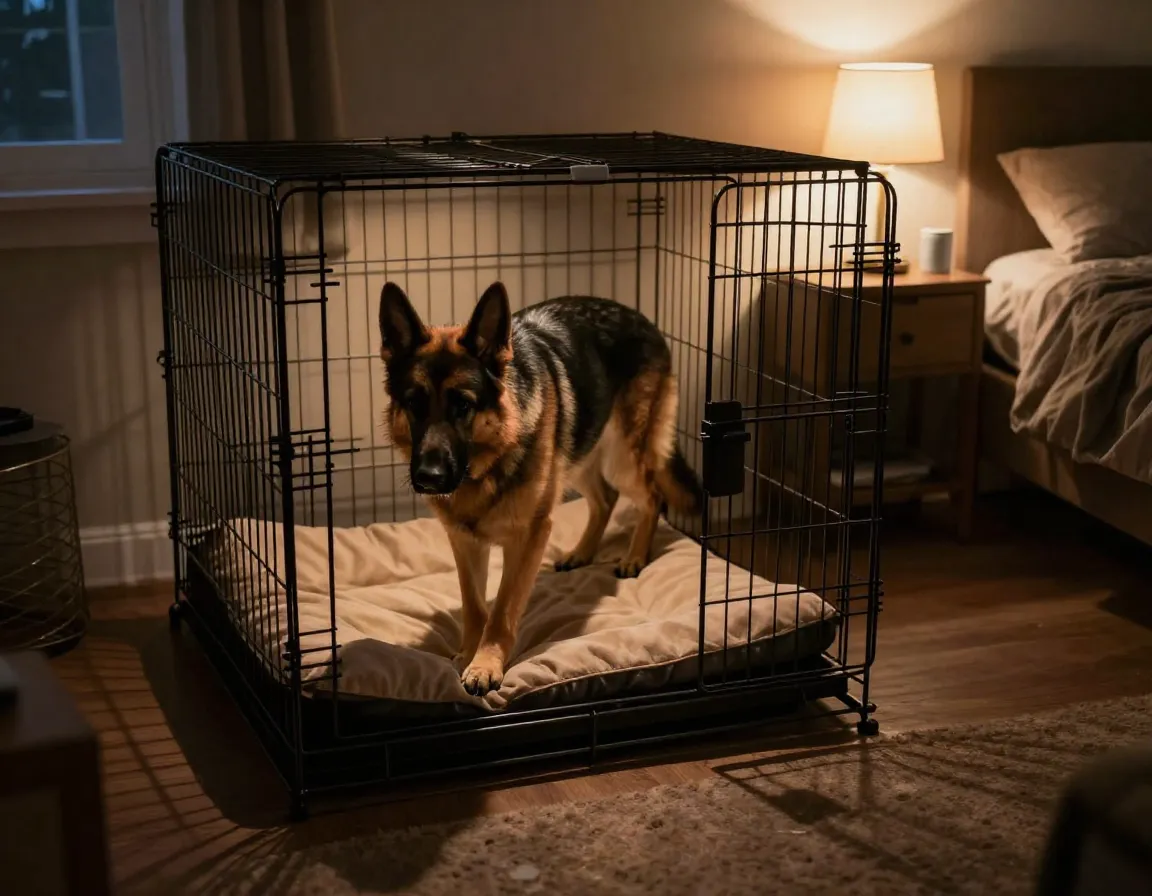
The final tip in our 6 life-changing tips for crate training a puppy the right way involves working with your puppy’s natural instincts rather than against them. Dogs naturally prefer protected sleeping areas, and a properly introduced crate taps into this instinct while supporting house training since puppies typically avoid soiling their sleeping space [1][2].
Understanding Den Instincts
In the wild, dogs seek out small, protected spaces for rest and safety. Your puppy has these same instincts, even if they’ve never lived in the wild. The crate becomes their modern “den”—a space that satisfies deep psychological needs for:
🏠 Security and protection
😴 Undisturbed rest
🛡️ Territory ownership
🧘 Stress relief and decompression
👥 Separation from pack activity when needed
Building Predictable Routines
Consistency is absolutely key to successful crate training. Your puppy thrives on routine, and knowing what to expect reduces anxiety while building positive habits.
Sample Daily Crate Routine:
6:00 AM – Wake up, immediate potty break
6:30 AM – Breakfast in crate (door open)
7:00 AM – Play and family time
8:00 AM – Short crate rest while family gets ready
10:00 AM – Activity and potty break
12:00 PM – Lunch in crate, then nap time
3:00 PM – Afternoon play and training
5:00 PM – Dinner in crate
6:00 PM – Family time and exercise
9:00 PM – Final potty break, settle in crate for night
Seasonal and Lifestyle Adaptations
Your crate routine should evolve with your puppy’s development and your family’s lifestyle:
Puppy Development Adaptations:
- 8-12 weeks: More frequent, shorter sessions
- 3-6 months: Longer durations, fewer daily sessions
- 6+ months: Adult-like schedule with flexibility
Lifestyle Considerations:
- Work schedules: Plan around departures and arrivals
- Family activities: Maintain routine during busy periods
- Seasonal changes: Adjust for daylight and weather patterns
- Weekend variations: Keep some consistency while allowing flexibility
Signs of Successful Crate Training
You’ll know these 6 life-changing tips for crate training a puppy the right way are working when you observe:
✅ Voluntary crate entry for naps and quiet time
✅ Calm behavior when crate door closes
✅ No accidents inside the crate
✅ Relaxed body language while crated
✅ Easy wake-ups without frantic behavior
✅ Seeking the crate during stressful situations
✅ Comfortable overnight sleeping without whining
Troubleshooting Common Crate Training Challenges
Even with the best intentions and following these proven tips, you may encounter some bumps along the way. Here’s how to address the most common challenges:
Excessive Whining or Crying
Possible causes and solutions:
- Needs potty break: Ensure recent bathroom opportunity
- Separation anxiety: Gradual departure practice
- Boredom: Provide engaging chew toys or Kongs
- Wrong timing: Crate during natural rest periods
- Medical issues: Consult veterinarian if sudden changes occur
Accidents in the Crate
Troubleshooting steps:
- Check crate size – may be too large
- Review duration – may be exceeding puppy’s capacity
- Examine schedule – potty breaks may be insufficient
- Health check – rule out medical issues
- Clean thoroughly – eliminate odor attraction
Refusing to Enter the Crate
Rebuilding positive associations:
- Slow down the process – return to earlier training steps
- Increase treat value – use higher-value rewards
- Feed all meals in and around the crate
- Remove pressure – make entry completely voluntary
- Check for negative associations – ensure no punishment history
Long-Term Success and Maintenance
Successful crate training extends far beyond the initial puppy months. These 6 life-changing tips for crate training a puppy the right way create a foundation for lifelong benefits when maintained properly.
Maintaining Positive Associations
Continue to make the crate special throughout your dog’s life:
- Occasional special treats in the crate
- Comfortable bedding updates as needed
- Respect their space – don’t disturb during crate rest
- Consistent routine even as adult schedules change
Adapting to Life Changes
Your well-crate-trained dog will be better equipped to handle:
- Travel and hotels
- Veterinary visits
- Boarding situations
- Home renovations or moves
- New family members or pets
- Recovery from illness or injury
Conclusion
The 6 life-changing tips for crate training a puppy the right way aren’t just about creating a well-behaved dog—they’re about building a foundation of trust, security, and positive communication that will benefit both you and your puppy for years to come. By starting early with gradual introduction, perfecting your setup, building positive associations, avoiding punishment, mastering timing, and leveraging natural instincts, you’re setting both yourself and your furry friend up for long-term success.
Remember, crate training is a marathon, not a sprint. Some puppies adapt within days, while others may need several weeks of consistent, patient work. The key is maintaining a positive attitude, celebrating small victories, and staying committed to the process.
Your Next Steps
- Assess your current setup – ensure proper crate size and comfort
- Plan your introduction timeline – start slowly if beginning fresh
- Gather high-value treats and special crate-only toys
- Establish a consistent routine that works for your family
- Track progress and adjust as needed
- Stay patient and positive throughout the process
The investment you make in proper crate training today will pay dividends in the form of a confident, secure, and well-adjusted adult dog. Your puppy is counting on you to guide them through this important learning process with kindness, consistency, and understanding. 🐕💕
References
[1] How To Crate Train A Puppy A Step By Step Guide From An Expert – https://www.chewy.com/education/dog/new-dog/how-to-crate-train-a-puppy-a-step-by-step-guide-from-an-expert
[2] The First 30 Days Potty Training And Crate Training Your New Puppy – https://laschoolfordogs.com/12/the-first-30-days-potty-training-and-crate-training-your-new-puppy/
[3] Crate Training 101 – https://www.humaneworld.org/en/resources/crate-training-101
[4] How To Crate Train A Puppy – https://www.sniffspot.com/blog/dog-training/how-to-crate-train-a-puppy
[5] Watch – https://www.youtube.com/watch?v=ZfB9Y37BiZs
[6] Successful Tips Dog Crate Training – https://figopetinsurance.com/blog/successful-tips-dog-crate-training
[7] How To Crate Train Your Dog In 9 Easy Steps – https://www.akc.org/expert-advice/training/how-to-crate-train-your-dog-in-9-easy-steps/