6 Common Myths About the Banana Ball Python Snake Debunked
Picture this: you’re at a reptile expo, mesmerized by the stunning yellow and brown patterns of a banana ball python, when someone nearby whispers, “Those snakes are dangerous and impossible to care for.” Sound familiar? Misinformation about banana ball pythons spreads faster than wildfire, leaving potential reptile enthusiasts confused and fearful. The truth is, these gorgeous serpents are among the most misunderstood creatures in the pet trade. Understanding the 6 Common Myths About the Banana Ball Python Snake Debunked can transform your perspective on these gentle giants and help you make informed decisions about reptile ownership.
Key Takeaways
- Banana ball pythons are docile, non-venomous snakes that make excellent pets for beginners and experienced keepers alike
- Most care requirements are straightforward and don’t require expensive or complicated equipment setups
- Feeding myths often exaggerate frequency and difficulty – these snakes have simple dietary needs
- Size concerns are often overblown – banana ball pythons remain manageable throughout their lives
- Proper education dispels fear-based misconceptions and promotes responsible reptile ownership
Understanding Banana Ball Python Basics
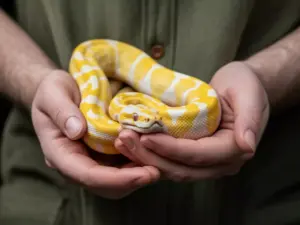
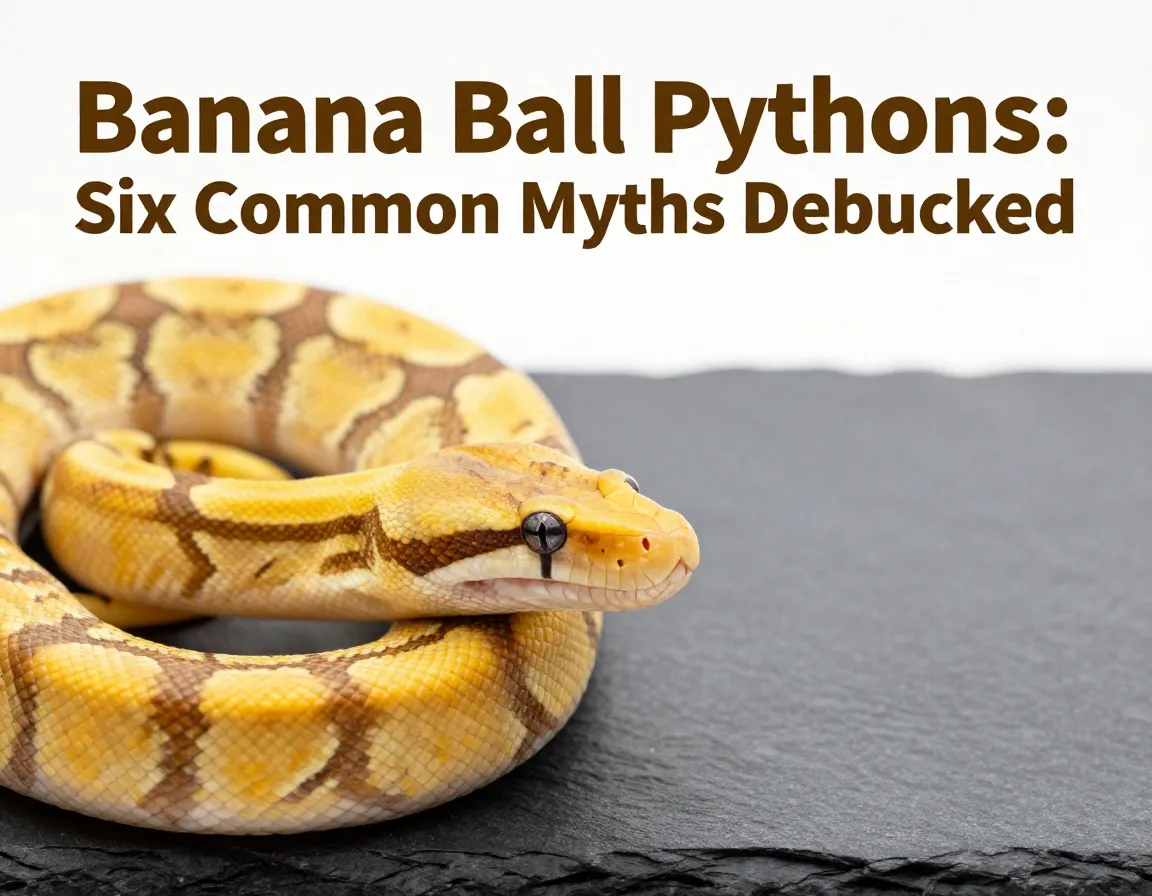
Before diving into the 6 Common Myths About the Banana Ball Python Snake Debunked, it’s essential to understand what makes these reptiles special. Banana ball pythons (Python regius) are a color morph of the regular ball python, featuring distinctive yellow, orange, and brown patterns that resemble the colors of a ripe banana. 🍌
These snakes originated from selective breeding programs that enhanced naturally occurring genetic traits. Unlike their wild counterparts in West and Central Africa, captive-bred banana ball pythons have been domesticated for generations, making them well-suited for life in captivity.
Key Characteristics:
- Adult size: 3-5 feet in length
- Lifespan: 20-30 years in captivity
- Temperament: Calm, docile, rarely aggressive
- Activity level: Primarily nocturnal
- Habitat needs: Warm, humid environment
“Ball pythons, including the banana morph, are considered one of the best beginner snakes due to their predictable behavior and manageable care requirements.” – Reptile Veterinarian Dr. Sarah Mitchell
Myth-Busting: The Truth About Banana Ball Python Ownership
1. Myth: Banana Ball Pythons Are Aggressive and Dangerous
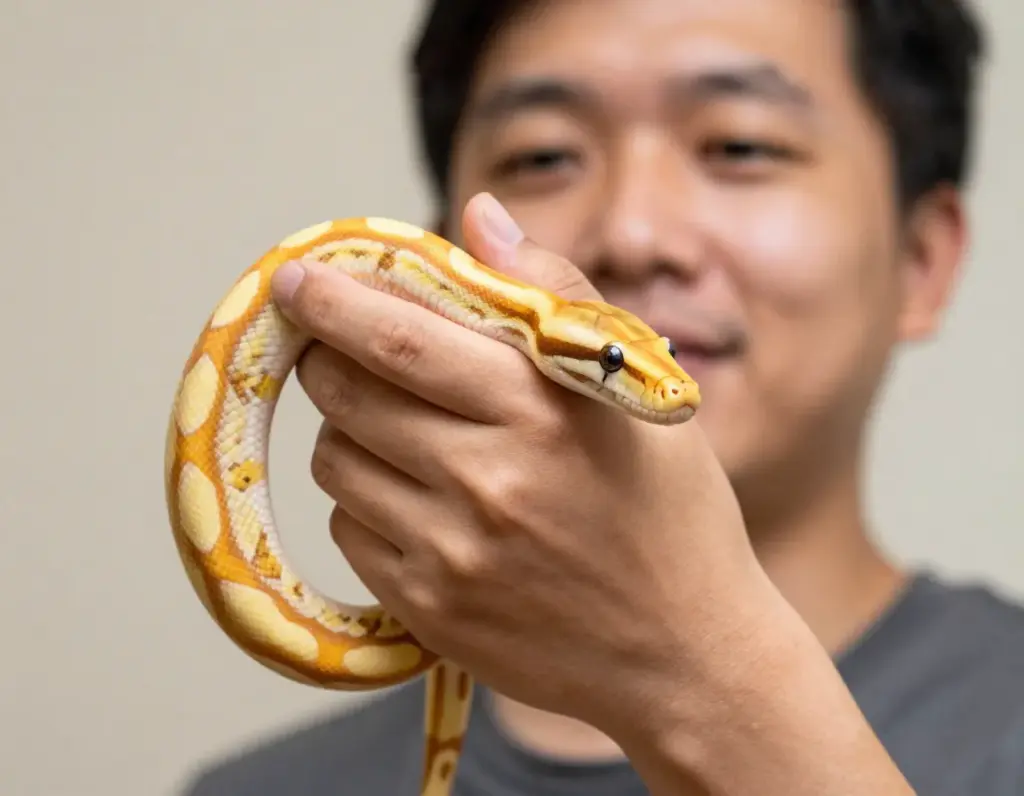
The Reality: This misconception tops the list when discussing 6 Common Myths About the Banana Ball Python Snake Debunked. Banana ball pythons are actually remarkably docile creatures that rarely show aggression toward humans.
Why This Myth Persists:
- Media portrayals of snakes as dangerous predators
- Lack of education about different snake species
- Fear-based assumptions about all reptiles
The Truth About Their Temperament:
- Ball pythons get their name from their defensive behavior of curling into a tight ball when stressed
- Biting is extremely rare and usually occurs only when the snake feels cornered or mistakes a hand for food
- Most defensive behaviors involve hiding rather than attacking
- Proper handling techniques virtually eliminate any risk of defensive responses
Scientific Evidence:
Research from the International Herpetological Society shows that ball pythons account for less than 0.1% of snake-related injuries in captivity. Most incidents involve improper feeding techniques rather than aggressive behavior.
Real Owner Experiences:
- Sarah from Texas: “I’ve owned my banana ball python for 5 years, and she’s never shown any aggression. She’s actually quite curious and enjoys being handled.”
- Mike from California: “My kids love interacting with our banana ball python. It’s helped them overcome their fear of reptiles.”
2. Myth: They Require Expensive and Complicated Care
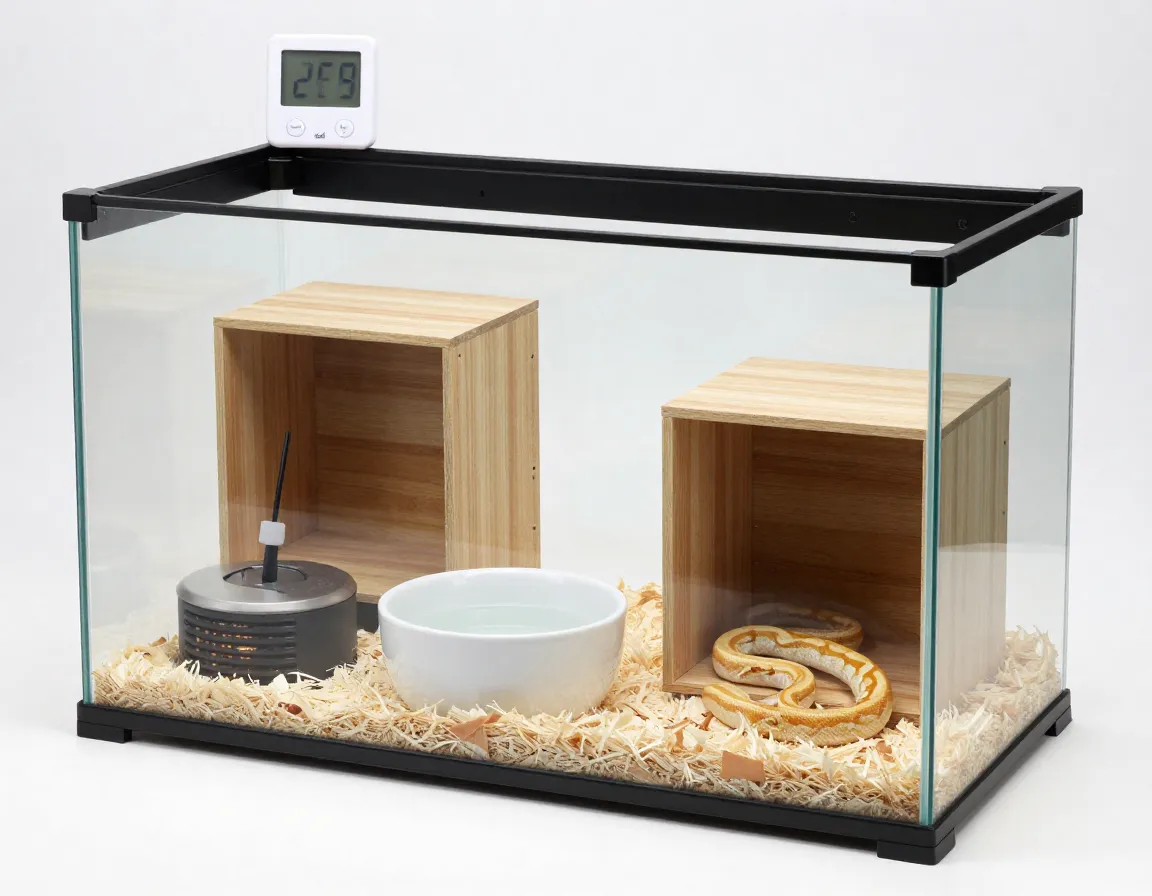
Another significant entry in our 6 Common Myths About the Banana Ball Python Snake Debunked list involves the perceived complexity of care requirements.
The Reality: While banana ball pythons do have specific needs, their care is straightforward and budget-friendly compared to many other pets.
Basic Setup Requirements:
| Equipment | Cost Range | Purpose |
|---|---|---|
| 40-gallon terrarium | $80-150 | Primary housing |
| Under-tank heater | $15-30 | Temperature regulation |
| Thermostat | $25-50 | Temperature control |
| Water bowl | $10-20 | Hydration and humidity |
| Hide boxes (2) | $15-40 | Security and comfort |
| Substrate | $10-25 | Flooring material |
| Total Initial Cost | $155-315 | Complete setup |
Monthly Maintenance Costs:
- Food: $10-15 (frozen rodents)
- Electricity: $5-10 (heating)
- Substrate replacement: $3-8
- Total monthly: $18-33
Simple Care Routine:
- Weekly: Spot clean substrate, refill water
- Bi-weekly: Feed appropriate-sized prey
- Monthly: Complete substrate change, deep clean terrarium
- Daily: Monitor temperatures and behavior
3. Myth: Banana Ball Pythons Eat Constantly and Are Expensive to Feed

This feeding-related myth frequently appears when discussing 6 Common Myths About the Banana Ball Python Snake Debunked.
The Reality: Ball pythons have incredibly efficient metabolisms and eat far less frequently than most people imagine.
Actual Feeding Schedule:
- Juveniles (under 1 year): Every 5-7 days
- Sub-adults (1-3 years): Every 7-10 days
- Adults (3+ years): Every 10-14 days
- Some adults: Every 2-3 weeks during winter months
Feeding Costs Breakdown:
- Juvenile food (hopper mice): $2-3 per feeding
- Adult food (adult mice/small rats): $3-5 per feeding
- Monthly feeding cost: $8-20 depending on snake size
Feeding Myths vs. Reality:
❌ Myth: Snakes need live prey to be healthy
✅ Reality: Frozen-thawed rodents are safer and more convenient
❌ Myth: Ball pythons eat every few days
✅ Reality: Adult feeding frequency is every 1-2 weeks
❌ Myth: They need expensive specialty diets
✅ Reality: Standard frozen rodents meet all nutritional needs
Why Ball Pythons Eat Less:
- Cold-blooded metabolism requires less energy than warm-blooded animals
- Efficient digestion extracts maximum nutrition from each meal
- Natural feeding patterns in the wild involve irregular meals
4. Myth: They Grow Too Large for Home Ownership
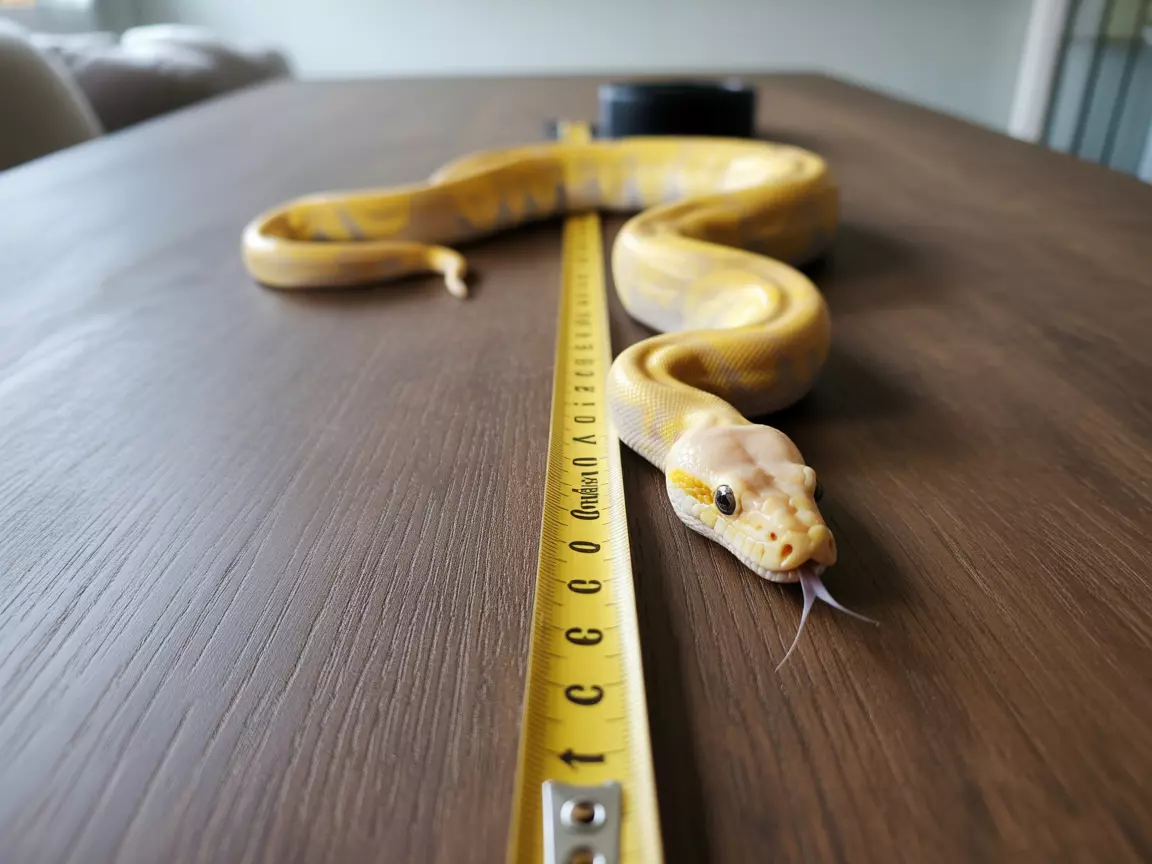
Size concerns represent another major component of 6 Common Myths About the Banana Ball Python Snake Debunked.
The Reality: Ball pythons are considered medium-sized snakes that remain manageable throughout their entire lives.
Size Specifications:
- Average adult length: 3-5 feet
- Maximum recorded length: 6 feet (extremely rare)
- Average weight: 3-5 pounds
- Body thickness: Comparable to a large garden hose
Size Comparison with Other Pets:
- Smaller than: Most medium to large dog breeds
- Similar to: A medium-sized cat when coiled
- Housing needs: Less space than a rabbit or guinea pig
Growth Timeline:
- Hatchling: 10-12 inches
- 6 months: 18-24 inches
- 1 year: 24-30 inches
- 2-3 years: Adult size reached (3-5 feet)
Space Requirements:
- Minimum terrarium: 40-gallon long (36″ x 18″ x 18″)
- Ideal adult housing: 75-gallon (48″ x 18″ x 21″)
- Floor space: More important than height for terrestrial species
5. Myth: Banana Ball Pythons Are Prone to Health Problems
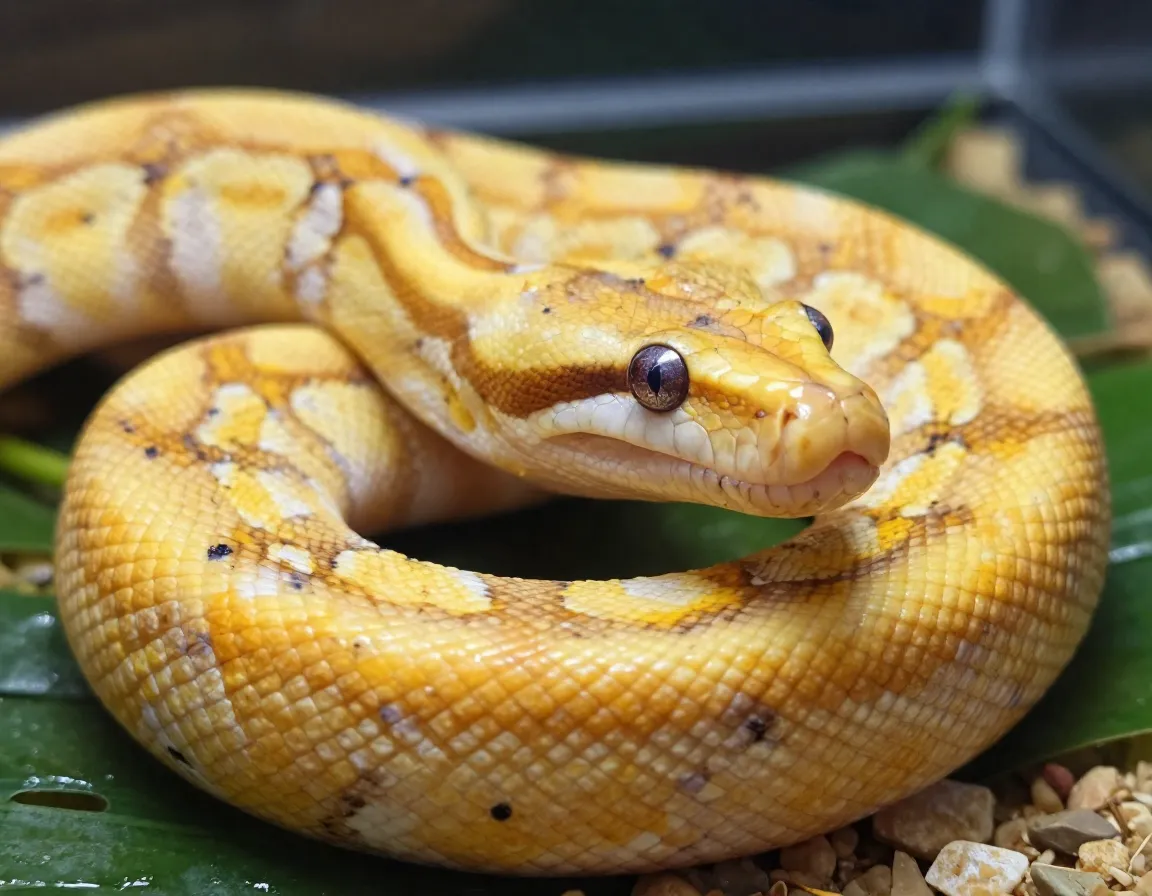
Health concerns often dominate discussions about 6 Common Myths About the Banana Ball Python Snake Debunked.
The Reality: Captive-bred banana ball pythons are remarkably hardy animals with few genetic health issues when properly cared for.
Common Health Myths Debunked:
Myth: Banana morphs have genetic defects
Reality: Banana ball pythons show no increased health problems compared to normal ball pythons. The banana gene is a simple recessive trait that affects only coloration.
Myth: Ball pythons are fragile and sickly
Reality: Proper husbandry prevents 95% of health issues. Most problems stem from inadequate care rather than inherent weakness.
Preventable Health Issues:
- Respiratory infections – Caused by low temperatures or humidity
- Scale rot – Result of excessive moisture and poor hygiene
- Mites – Prevented through quarantine of new animals
- Stuck shed – Avoided with proper humidity levels
Signs of a Healthy Banana Ball Python:
- ✅ Clear, bright eyes (except during shedding)
- ✅ Smooth, intact scales without lesions
- ✅ Regular feeding response and normal appetite
- ✅ Alert, responsive behavior when handled
- ✅ Proper body weight without visible ribs or obesity
Veterinary Care:
- Annual check-ups: Recommended but not always necessary
- Emergency visits: Rare with proper husbandry
- Average vet costs: $50-100 for routine visits
6. Myth: They Make Poor Pets and Aren’t Interactive
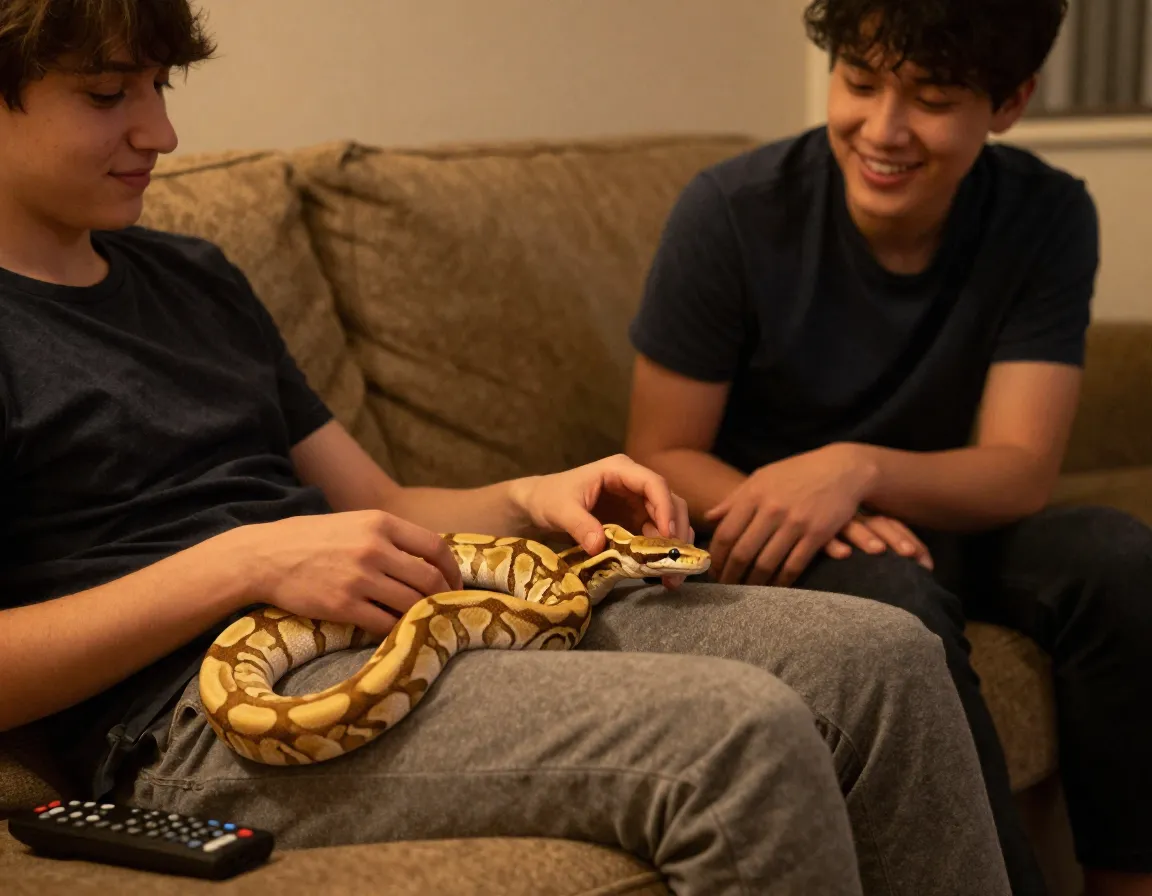
The final myth in our 6 Common Myths About the Banana Ball Python Snake Debunked series addresses the perceived lack of companionship these reptiles provide.
The Reality: While different from traditional pets, banana ball pythons offer unique and rewarding companionship for the right owner.
Interactive Behaviors:
- Recognition: Many ball pythons learn to recognize their owners
- Curiosity: They often investigate new scents and environments
- Handling tolerance: Most enjoy or tolerate regular, gentle handling
- Feeding response: Show excitement and anticipation during feeding time
Benefits of Ball Python Ownership:
- Low maintenance: Perfect for busy lifestyles
- Quiet companions: No barking, meowing, or noise issues
- Apartment-friendly: Ideal for small living spaces
- Educational value: Excellent for learning about reptile biology
- Stress relief: Many owners find handling therapeutic
Owner Testimonials:
“My banana ball python has such a unique personality. She’s curious about everything and seems to enjoy exploring during handling sessions.” – Jennifer, 3-year owner
“I travel frequently for work, and my ball python is the perfect pet. I can leave for a week without worrying about daily care needs.” – David, reptile enthusiast
Realistic Expectations:
- Not cuddly like mammals, but can be calm and responsive
- Don’t show affection in traditional ways, but display trust through relaxed behavior
- Require respect for their nature as reptiles, not attempts to anthropomorphize
The Science Behind Ball Python Behavior
Understanding the biological and evolutionary background helps explain why many myths about banana ball pythons persist. These snakes evolved as ambush predators in African grasslands, developing behaviors perfectly suited for survival in the wild.
Evolutionary Adaptations:
- Defensive ball posture protects vital organs from predators
- Slow metabolism allows survival during food-scarce periods
- Heat-sensing abilities help locate warm-blooded prey
- Muscular body provides strength for constriction without aggression toward non-prey items
Captive Behavior Modifications:
Generations of selective breeding have enhanced desirable traits while reducing stress responses. Captive-bred banana ball pythons show:
- Increased docility compared to wild specimens
- Better feeding responses in artificial environments
- Reduced defensive behaviors when properly socialized
- Adaptation to handling from an early age
Responsible Ownership Guidelines
Successfully keeping a banana ball python requires understanding evidence-based care practices rather than relying on myths and misconceptions.
Essential Knowledge Areas:
1. Environmental Requirements
- Temperature gradient: 78-80°F cool side, 88-92°F warm side
- Humidity levels: 50-60% general, 70-80% during shedding
- Lighting: No special UV requirements, natural day/night cycle sufficient
- Ventilation: Adequate airflow without creating drafts
2. Feeding Best Practices
- Pre-killed prey only for safety and convenience
- Appropriate sizing: Prey should be 10-15% of snake’s body weight
- Consistent schedule: Regular feeding times reduce stress
- Monitoring: Track feeding response and body condition
3. Handling Techniques
- Wait 48-72 hours after feeding before handling
- Support the body with both hands during interactions
- Watch for stress signals: Rapid breathing, defensive posturing
- Limit session length: 10-15 minutes for most interactions
4. Health Monitoring
- Regular weight checks to track growth and condition
- Shed monitoring to ensure complete skin removal
- Behavioral observations for changes in appetite or activity
- Quarantine protocols for new additions
Making an Informed Decision
Before bringing home a banana ball python, consider these realistic factors:
Ideal Candidates for Ball Python Ownership:
- Reptile enthusiasts seeking a manageable species
- Apartment dwellers needing quiet, space-efficient pets
- Busy professionals who travel frequently
- Educators wanting interactive teaching tools
- Families ready to teach children about reptile care
Consider Other Options If:
- Seeking a highly interactive, affectionate pet
- Uncomfortable with feeding whole prey items
- Unable to maintain consistent environmental conditions
- Looking for a short-term pet commitment
- Restricted by local laws or housing regulations
Conclusion
The 6 Common Myths About the Banana Ball Python Snake Debunked reveal a fascinating disconnect between perception and reality. These remarkable reptiles are neither the dangerous monsters nor the impossible-to-care-for creatures that myths suggest. Instead, they represent one of the most manageable, rewarding, and beautiful snake species available to reptile enthusiasts.
Key Takeaways from Debunking These Myths:
- Banana ball pythons are docile, safe companions when properly cared for
- Their care requirements are straightforward and budget-friendly
- Feeding costs and frequency are much lower than most people assume
- Size remains manageable throughout their 20-30 year lifespan
- Health problems are rare with appropriate husbandry
- They offer unique but genuine companionship for the right owner
Your Next Steps:
- Visit local reptile expos to interact with ball pythons firsthand
- Connect with experienced keepers through online communities and local herpetological societies
- Research reputable breeders who prioritize health and temperament
- Prepare your setup before bringing home your new companion
- Establish a relationship with a reptile-experienced veterinarian
The world of banana ball python ownership offers incredible rewards for those willing to look beyond the myths. These gentle giants can provide decades of fascination, education, and companionship when their true nature is understood and respected. Don’t let misconceptions prevent you from discovering the joy of reptile ownership – the reality is far more wonderful than the myths suggest. 🐍