
Thinking of Teacup Pigs for Sale? 7 Red Flags & Ethical Buyer Tips
The dream of owning a tiny, adorable “teacup” pig has captured hearts across social media, with countless videos showing pocket-sized piglets that seem perfect for apartment living. However, behind the cute facade lies a complex world of misleading marketing, unethical breeding practices, and heartbroken families who discover their “mini” pig grows to weigh 150+ pounds. Thinking of Teacup Pigs for Sale? 7 Red Flags & Ethical Buyer Tips becomes essential knowledge for anyone considering these animals as pets.

The reality is stark: true “teacup” pigs don’t exist. What sellers market as teacup pigs are typically young potbellied pigs, regular farm pigs, or malnourished animals that will grow significantly larger than advertised. This deceptive practice has led to thousands of pigs being surrendered to shelters when they outgrow their owners’ expectations and living situations.
Key Takeaways
- “Teacup” pigs are a marketing myth – all pigs grow substantially, with most reaching 100-200+ pounds at maturity
- Unethical sellers use deceptive practices including showing only baby pigs, providing false weight guarantees, and withholding crucial growth information
- Legitimate pig ownership requires extensive preparation including proper housing, veterinary care, legal compliance, and long-term commitment
- Red flags include unrealistic size promises, lack of transparency, no health records, and pressure sales tactics
- Ethical alternatives exist through reputable sanctuaries, rescue organizations, and experienced breeders who provide honest information
Understanding the “Teacup” Pig Myth
The Truth About Pig Sizes
The term “teacup pig” is purely a marketing invention designed to sell baby pigs to unsuspecting buyers. All domestic pigs, regardless of breed, will grow significantly from their adorable piglet stage. Even the smallest pig breeds, such as Göttingen minipigs or Juliana pigs, typically weigh between 35-85 pounds when fully grown.
Most pigs sold as “teacup” or “micro” pigs are actually:
- Potbellied pigs (60-200+ pounds)
- Farm pig breeds (200-800+ pounds)
- Malnourished piglets kept small through inadequate nutrition
- Very young animals photographed before their growth spurt
Why the Deception Persists
The teacup pig industry thrives on emotional impulse purchases. Sellers capitalize on:
- Social media influence showing only baby pigs
- Celebrity endorsements of “mini” pigs
- Apartment-friendly pet marketing
- Limited public knowledge about pig growth patterns
- High profit margins from expensive “specialty” breeds
“The biggest misconception is that pigs stay small. A 2-pound piglet can easily become a 200-pound adult within 2-3 years.” – American Mini Pig Association
7 Major Red Flags When Thinking of Teacup Pigs for Sale
1. Unrealistic Size and Weight Guarantees

Warning Sign: Sellers promising adult pigs will remain under 20-30 pounds or fit in a teacup.
Reality Check: Even the smallest legitimate pig breeds rarely stay under 35 pounds. Any breeder guaranteeing teacup sizes is either lying or selling malnourished animals.
What to Look For:
- Claims of 10-25 pound adult pigs
- “Guarantee” documents for impossible sizes
- Photos showing only tiny piglets
- Refusal to show adult breeding stock
2. No Access to Parent Pigs or Breeding Facilities

Warning Sign: Sellers who won’t let you visit their facility or meet the parent pigs.
Legitimate breeders are proud of their facilities and happy to show breeding stock. They understand that seeing adult pigs helps buyers make informed decisions about space requirements and adult size expectations.
Red Flags Include:
- Meeting only in parking lots or neutral locations
- Excuses about “biosecurity” that prevent all visits
- No photos or videos of adult breeding pigs
- Vague descriptions of breeding program
3. Lack of Proper Documentation and Health Records
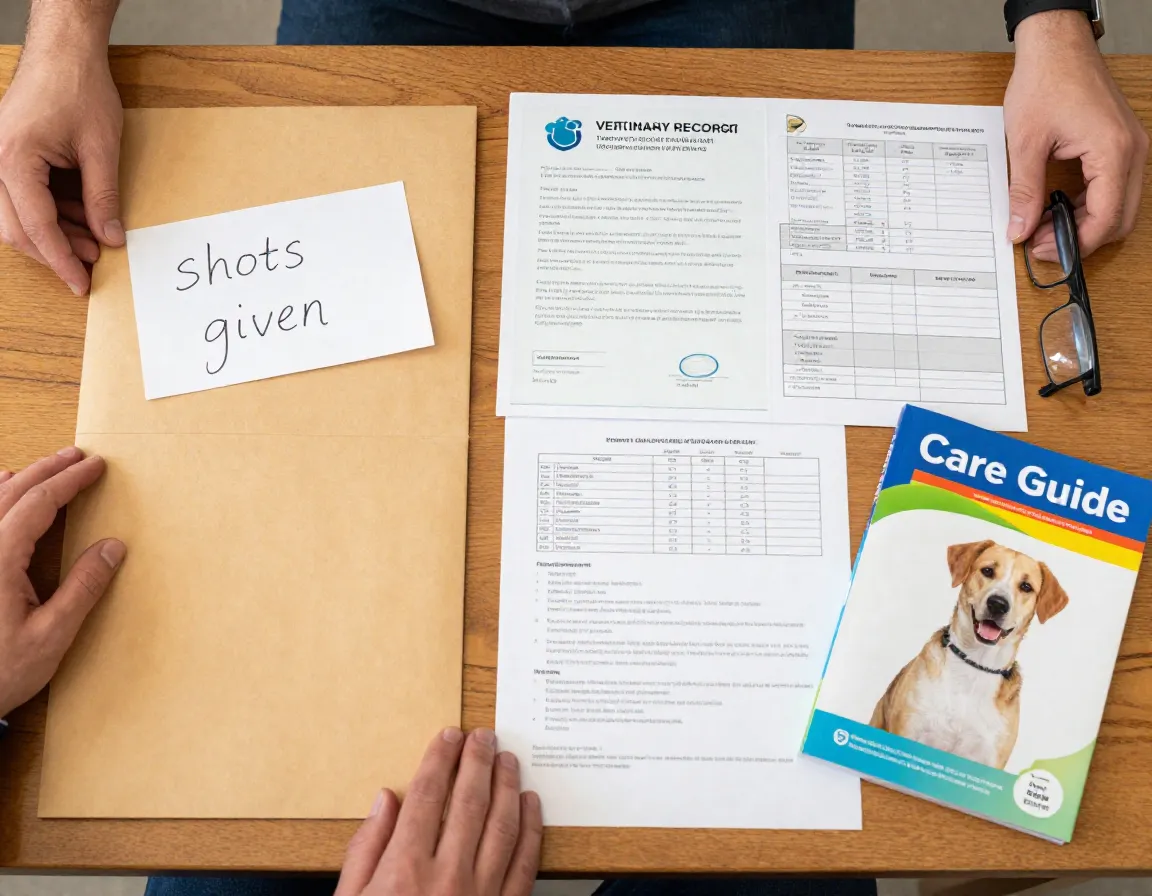
Warning Sign: Missing or incomplete health documentation, vaccination records, or breeding certificates.
Essential Documentation Should Include:
- Complete vaccination history
- Veterinary health certificates
- Breeding lineage information
- Spay/neuter recommendations
- Care instruction manuals
4. High-Pressure Sales Tactics and Limited Availability Claims

Warning Sign: Sellers creating artificial urgency or pressuring immediate decisions.
Common Pressure Tactics:
- “Last pig available” claims
- Demanding immediate payment
- Refusing reasonable consideration time
- Multiple “interested buyers” stories
- Limited-time pricing offers
5. Unrealistic Care Requirements and Cost Estimates
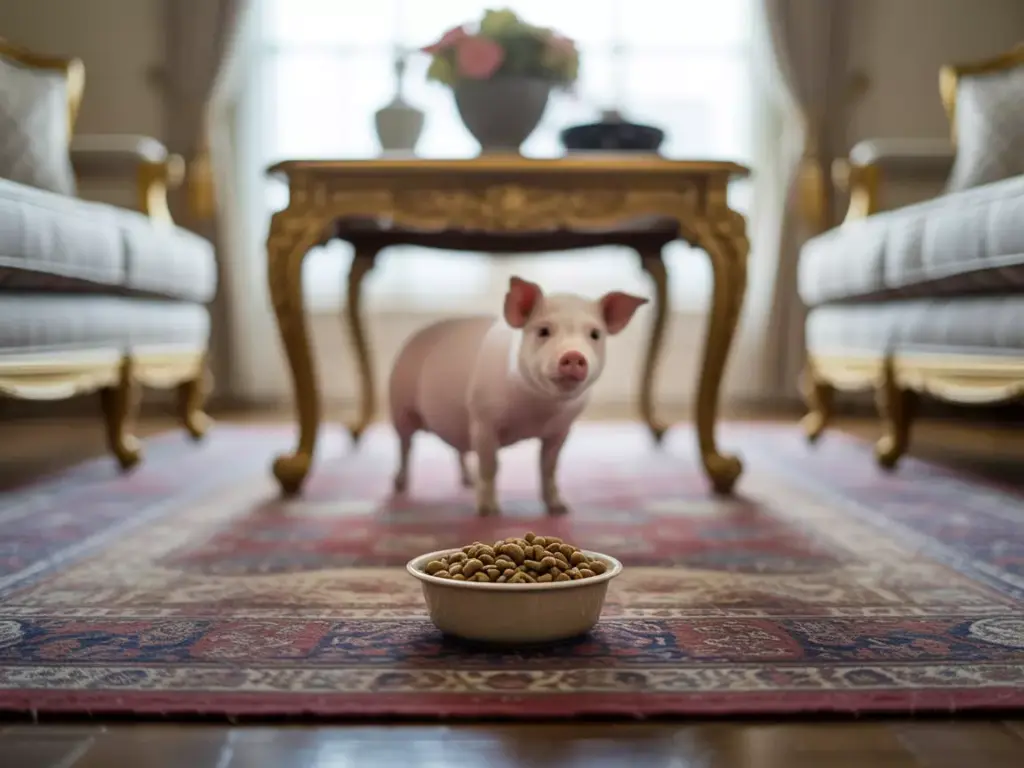
Warning Sign: Downplaying the complexity, cost, and commitment of pig ownership.
Honest Breeders Discuss:
- Housing needs (indoor/outdoor space requirements)
- Veterinary costs (specialized pig vets, routine care)
- Legal restrictions (zoning laws, permits required)
- Dietary requirements (specialized pig feed, not table scraps)
- Lifespan commitment (15-20 years)
6. Online-Only Sales with Shipping Arrangements
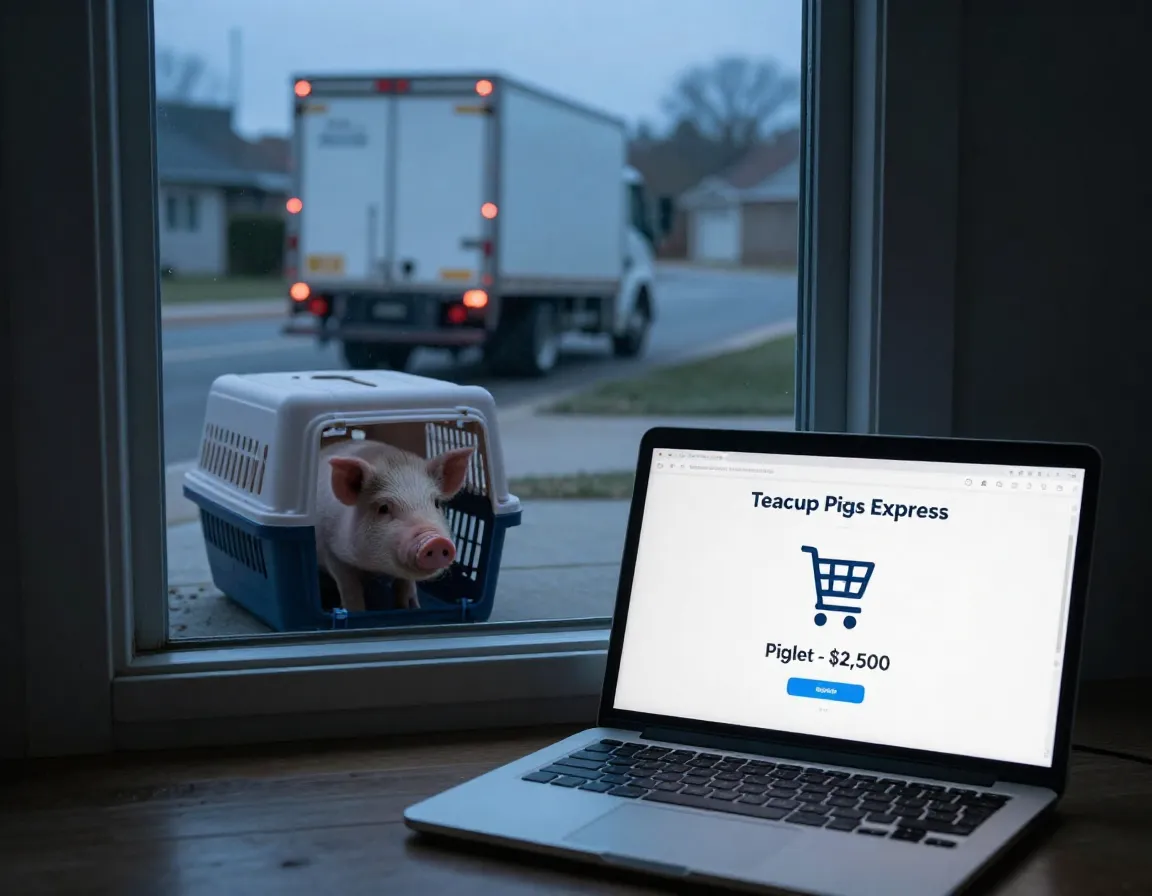
Warning Sign: Sellers who only operate online and offer to ship pigs without meeting buyers.
Legitimate pig breeders typically:
- Require in-person meetings
- Interview potential owners extensively
- Provide local references
- Offer ongoing support and advice
- Have established local reputations
7. Refusal to Provide References or Past Buyer Contacts

Warning Sign: Inability or unwillingness to connect you with previous customers.
Reputable breeders maintain relationships with pig families and can provide references from satisfied customers who can discuss their experiences, including challenges and realistic expectations.
Ethical Buyer Tips When Considering Pig Ownership
Research Legal Requirements First
Before even contacting breeders, research local laws and regulations:
| Legal Consideration | What to Check |
|---|---|
| Zoning Laws | Residential pig ownership permissions |
| City Ordinances | Pet licensing and size restrictions |
| HOA Rules | Homeowner association animal policies |
| State Regulations | Livestock classification and permits |
| Insurance Coverage | Homeowner’s/renter’s policy implications |
Calculate True Ownership Costs
Honest cost assessment for pig ownership includes:
Initial Costs:
- Pig purchase: $1,500-$3,000+
- Housing setup: $2,000-$5,000+
- Initial veterinary care: $500-$1,000
- Permits and licensing: $100-$500
Annual Ongoing Costs:
- Specialized pig feed: $600-$1,200
- Veterinary care: $800-$2,000+
- Housing maintenance: $500-$1,000
- Emergency medical fund: $2,000+
Identify Legitimate Pig Rescues and Sanctuaries
Consider adoption before purchasing from breeders:
Benefits of Rescue Adoption:
- Adult pigs with known sizes and temperaments
- Lower adoption fees than breeder purchases
- Supporting ethical animal welfare
- Ongoing rescue organization support
- Honest information about care requirements
Reputable Organizations:
- American Mini Pig Association
- Local farm animal sanctuaries
- Potbellied pig rescue groups
- State-specific pig welfare organizations
Prepare Your Living Environment
Essential housing requirements for ethical pig ownership:
Indoor Space:
- Minimum 50+ square feet per pig
- Non-slip flooring surfaces
- Temperature control (pigs don’t sweat)
- Secure areas for sleeping and eating
Outdoor Access:
- Fenced yard space for rooting and exercise
- Shade structures for hot weather
- Mud or water areas for cooling
- Secure fencing (pigs are escape artists)
Find Specialized Veterinary Care
Before acquiring a pig, establish veterinary care:
- Locate pig-experienced veterinarians
- Understand spay/neuter requirements
- Plan for routine health maintenance
- Research emergency care options
- Budget for specialized pig medical needs
Connect with Pig Owner Communities
Join pig owner groups for ongoing support:
- Local pig owner meetups
- Online pig care forums
- Social media pig parent groups
- Veterinary-recommended resources
- Breed-specific organizations
What Ethical Pig Ownership Actually Looks Like
Realistic Size and Space Expectations
Honest pig ownership means preparing for:
- Adult weights of 60-200+ pounds for most breeds
- Space requirements similar to large dogs
- Strength and intelligence that requires secure housing
- Rooting behavior that can damage yards and floors
- Social needs requiring significant daily interaction
Long-Term Commitment Understanding
Pigs live 15-20 years and require:
- Consistent daily care and feeding schedules
- Regular veterinary checkups and vaccinations
- Ongoing training and mental stimulation
- Adaptation as they grow and age
- Potential lifestyle changes to accommodate their needs
Financial Reality Planning
Successful pig owners budget for:
- Higher-than-expected food costs (pigs eat more as they grow)
- Specialized veterinary care (limited pig-experienced vets)
- Housing modifications (stronger fencing, reinforced floors)
- Emergency medical expenses (surgery, illness treatment)
- Potential relocation costs if housing situations change)
Alternatives to Purchasing “Teacup” Pigs
Supporting Legitimate Pig Sanctuaries
Consider sanctuary support instead of ownership:
- Sponsor a rescue pig’s care
- Volunteer at local farm sanctuaries
- Donate to pig welfare organizations
- Participate in educational programs
- Advocate for better pig welfare laws
Exploring Other Small Pet Options
If seeking small, intelligent pets, consider:
- Guinea pigs (actual small size, social, intelligent)
- Rabbits (house-trainable, affectionate)
- Ferrets (playful, trainable, apartment-friendly)
- Rats (highly intelligent, social, small space needs)
Educational Farm Visits and Programs
Satisfy pig interest through:
- Local farm visits and tours
- Agricultural education programs
- 4-H club participation
- Farm volunteer opportunities
- Pig sanctuary visit days
Legal and Ethical Considerations
Understanding Pig Welfare Laws
Current legal landscape includes:
- Increasing restrictions on exotic pet ownership
- Growing recognition of pigs as livestock vs. pets
- Strengthening animal welfare enforcement
- Breeder licensing requirements in some states
- Consumer protection laws against false advertising
Supporting Ethical Breeding Practices
When considering any pig purchase, support breeders who:
- Provide honest size and care information
- Allow facility visits and parent pig meetings
- Offer comprehensive health documentation
- Maintain ongoing relationships with pig families
- Participate in legitimate pig breeding organizations
Reporting Unethical Sellers
Help protect other buyers by reporting:
- False advertising claims about pig sizes
- Poor animal welfare conditions
- Fraudulent documentation or guarantees
- Pressure sales tactics and scams
- Unlicensed breeding operations
Conclusion
Thinking of Teacup Pigs for Sale? 7 Red Flags & Ethical Buyer Tips reveals the harsh reality behind the cute marketing: true teacup pigs don’t exist, and the industry is built on deception that leads to animal suffering and family heartbreak. The seven major red flags—unrealistic size guarantees, hidden breeding facilities, missing documentation, pressure tactics, downplayed care requirements, online-only sales, and lack of references—should immediately alert potential buyers to unethical sellers.
The path forward requires honesty and preparation. Those genuinely interested in pig ownership must research legal requirements, calculate true costs (often $3,000+ annually), prepare appropriate housing for 100+ pound animals, and commit to 15-20 years of specialized care. Legitimate alternatives include supporting pig sanctuaries, adopting from rescue organizations, or choosing truly small pets that match living situations and expectations.
Take action by educating others about the teacup pig myth, reporting unethical sellers to authorities, and supporting organizations working to protect pigs from exploitation. The dream of a tiny pig may be appealing, but the reality of ethical animal ownership requires facing facts, not fairy tales.
Next steps: If still considering pig ownership after understanding these realities, connect with the American Mini Pig Association, visit local pig sanctuaries to meet adult pigs, and spend significant time researching local laws and veterinary care options. Only then can potential pig parents make truly informed, ethical decisions that prioritize animal welfare over impulse desires.