Snake Plant and Cats: 7 Safety Tips Every Pet Owner Must Read
Every year, thousands of pet owners unknowingly bring home beautiful houseplants that could harm their beloved cats. The snake plant, with its striking upright leaves and low-maintenance appeal, ranks among the most popular indoor plants in 2026. However, this trendy green addition to home décor comes with hidden dangers for feline companions. Understanding the relationship between snake plants and cats through these 7 safety tips every pet owner must read could be the difference between a thriving household and an emergency vet visit.
Key Takeaways
- Snake plants are toxic to cats and can cause serious health complications including nausea, vomiting, and diarrhea
- Strategic placement of snake plants in high, inaccessible areas can allow pet owners to enjoy these plants safely
- Immediate veterinary care is essential if a cat ingests any part of a snake plant
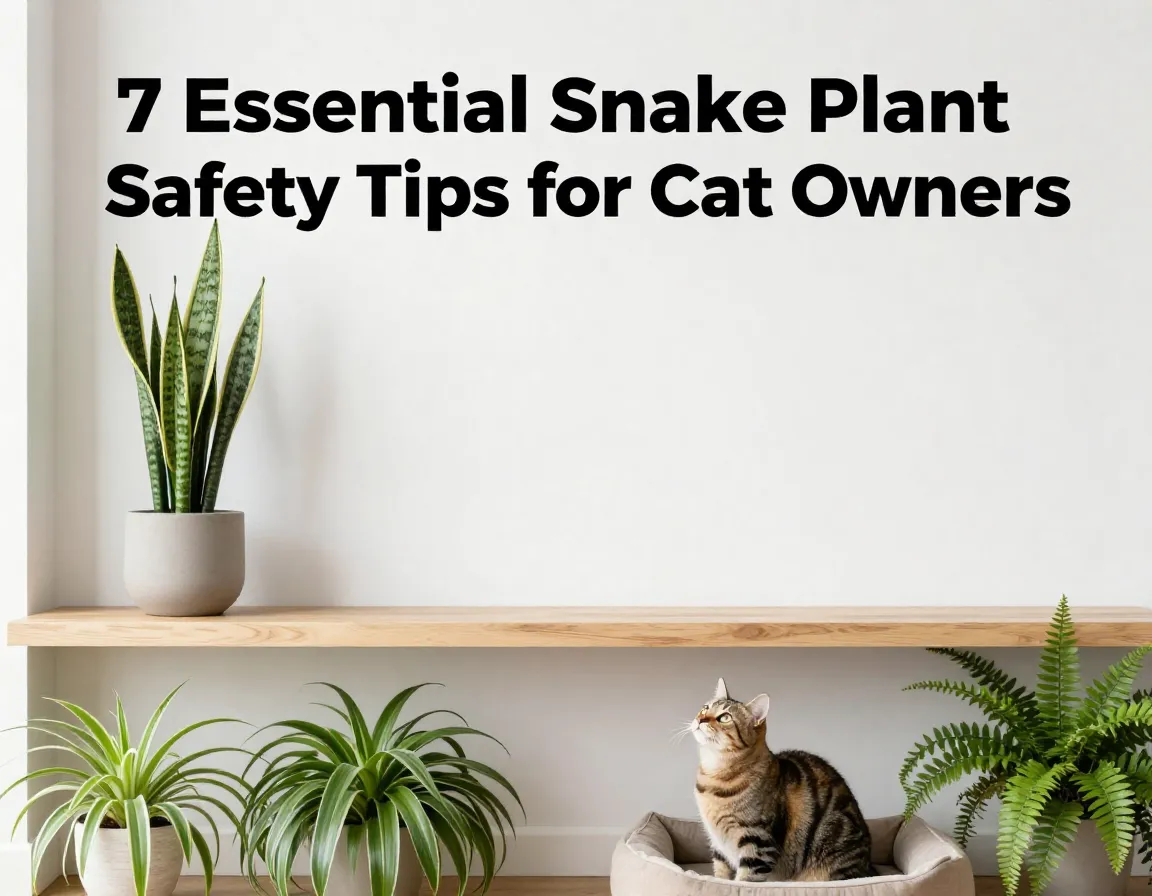
- Cat-safe alternatives like spider plants and Boston ferns provide similar aesthetic benefits without the risks
- Prevention through education and proper plant positioning remains the most effective safety strategy
Understanding the Toxicity: Why Snake Plants Pose Risks to Cats
Snake plants, scientifically known as Sansevieria trifasciata, contain saponins – natural compounds that serve as the plant’s defense mechanism against herbivores. While these chemicals protect the plant in its native environment, they create significant health risks for domestic cats who may nibble on the attractive, sword-like leaves.
When cats ingest snake plant material, the saponins cause immediate gastrointestinal irritation. The severity of symptoms depends on several factors:
- Amount consumed: Even small quantities can trigger reactions
- Cat’s size and weight: Smaller cats face higher risks
- Individual sensitivity: Some cats show more severe responses
- Part of plant eaten: Leaves contain the highest concentration of toxins
Common Symptoms of Snake Plant Poisoning in Cats
Pet owners should watch for these warning signs:
| Immediate Symptoms (0-2 hours) | Delayed Symptoms (2-24 hours) |
|---|---|
| Excessive drooling 💧 | Lethargy and weakness |
| Nausea and retching | Loss of appetite |
| Vomiting | Dehydration |
| Diarrhea | Abdominal pain |
Veterinary Expert Insight: “The saponins in snake plants cause cellular damage to the digestive tract. While rarely fatal, the discomfort can be severe and prolonged without proper treatment.” – Dr. Sarah Mitchell, DVM
1. Choose Strategic Placement for Maximum Safety
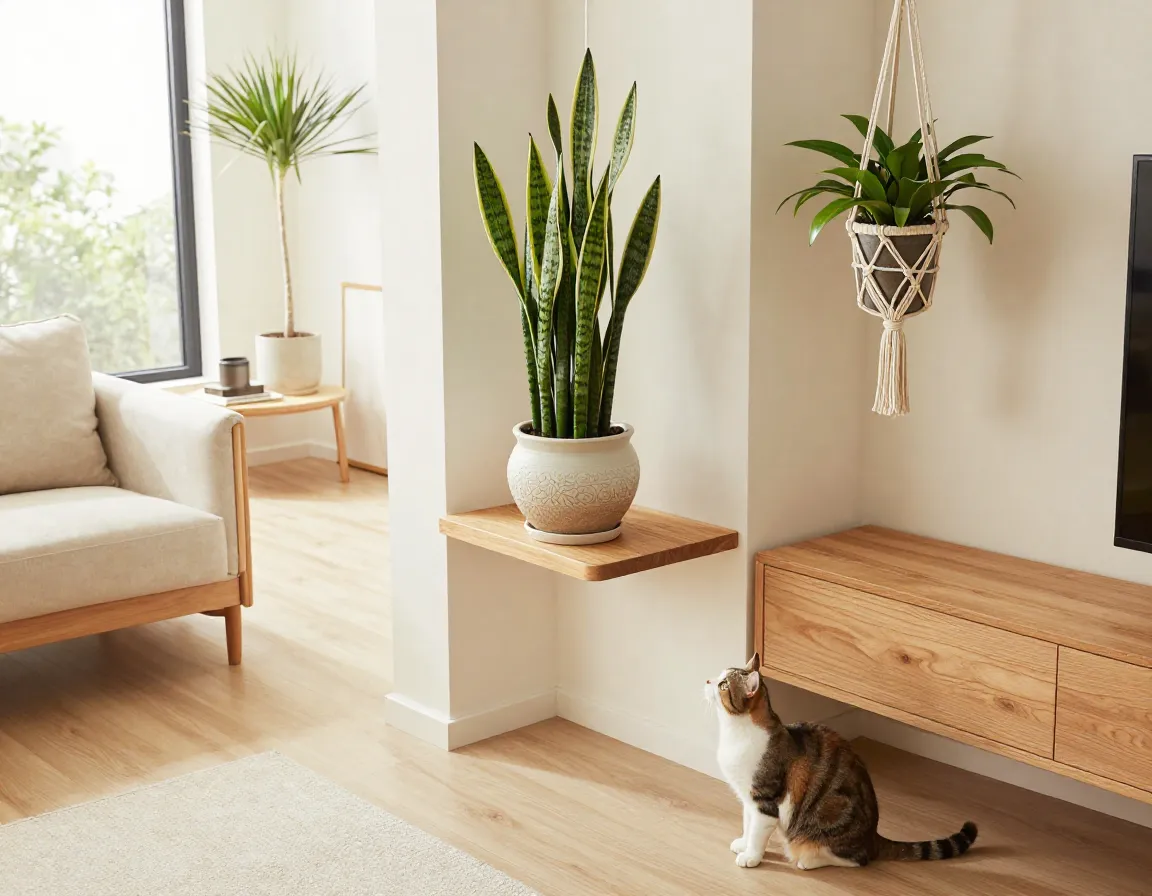
The first and most crucial tip for maintaining snake plants around cats involves intelligent positioning. Rather than eliminating these beautiful plants entirely, pet owners can create safe spaces that satisfy both aesthetic desires and feline safety requirements.
High-Traffic Areas to Avoid
Never place snake plants in these locations:
- Floor level anywhere in the home
- Low coffee tables or side tables
- Window sills accessible to jumping cats
- Bedroom areas where cats spend unsupervised time
- Near food and water bowls where cats congregate
Optimal Safe Zones
Consider these strategic placement options:
Elevated Surfaces: Position snake plants on shelves at least 6 feet high. Most cats cannot reach this height, even with impressive jumping abilities.
Hanging Arrangements: Suspend plants from ceiling hooks using decorative macrame hangers. Ensure adequate distance from furniture that cats might use as launching platforms.
Enclosed Spaces: Place plants in rooms with secure doors that remain closed when cats roam unsupervised, such as home offices or formal dining rooms.
Protective Barriers: Use decorative plant stands with smooth, vertical surfaces that discourage climbing attempts.
2. Implement Physical Barriers and Deterrents
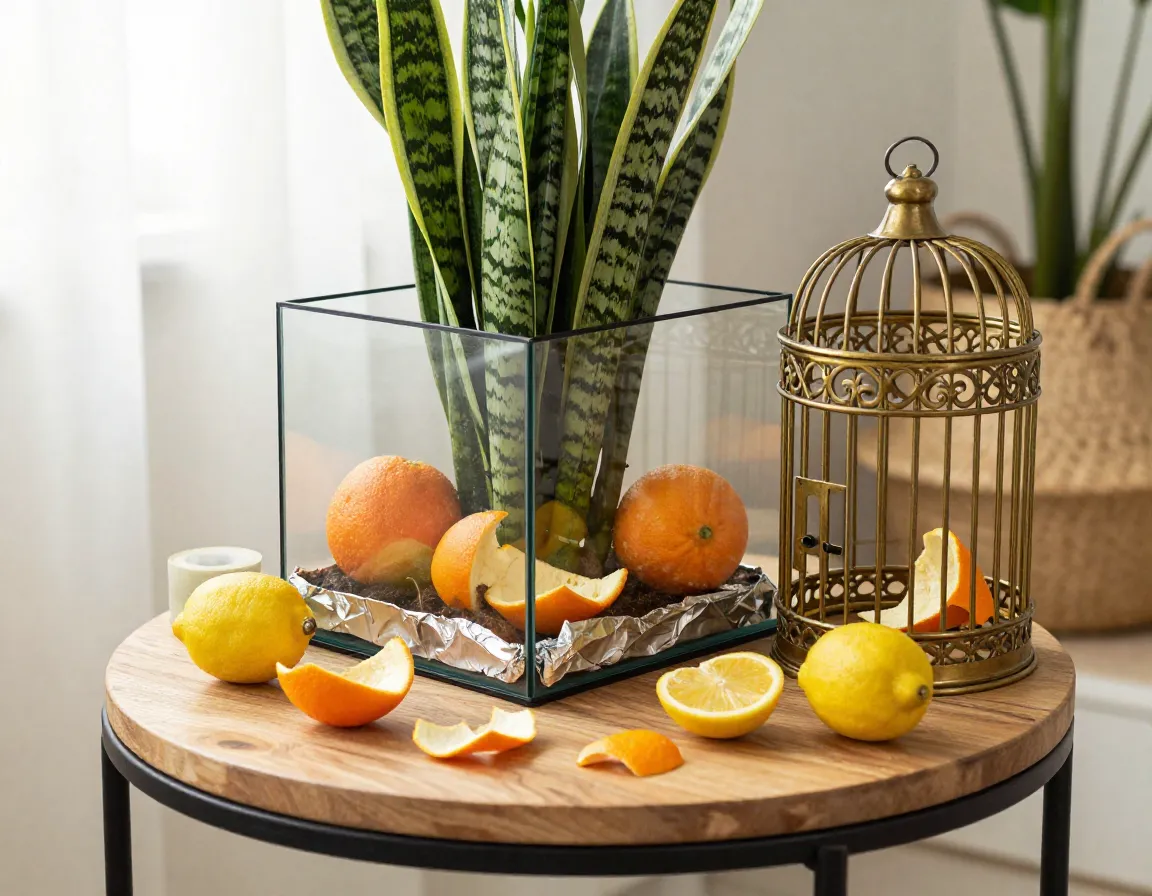
Creating additional layers of protection between curious cats and snake plants requires creative barrier solutions that maintain home aesthetics while prioritizing pet safety.
Effective Physical Barriers
Glass Terrariums: Large, open-topped glass containers create visual barriers while allowing plant growth. Choose containers with smooth walls at least 8 inches high.
Decorative Cages: Ornamental bird cages or plant cloches provide attractive protection while maintaining air circulation essential for plant health.
Mesh Covers: Fine decorative mesh or chicken wire (painted to match décor) can surround plant bases without restricting growth.
Natural Deterrent Methods
Citrus Peels: Fresh orange or lemon peels scattered around plant bases create natural repellent scents that most cats avoid.
Double-Sided Tape: Apply pet-safe double-sided tape around plant containers. Cats dislike the sticky texture on their paws.
Motion-Activated Devices: Small, pet-safe motion sensors that emit gentle sounds or air puffs can discourage approach without causing harm.
Aluminum Foil: Crinkled foil around plant bases creates textures and sounds that deter most cats from investigation.
3. Recognize Emergency Symptoms and Response Protocols
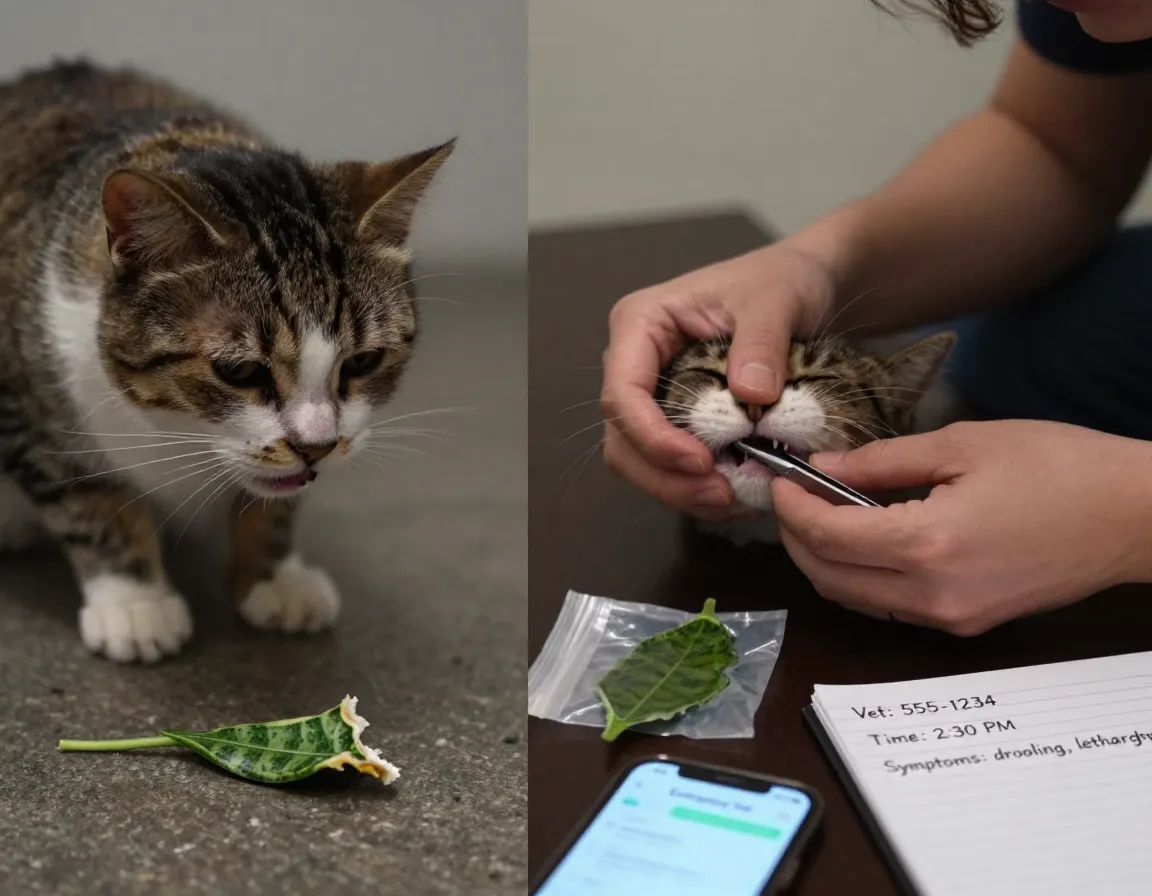
Despite preventive measures, accidents can occur. Recognizing the signs of snake plant poisoning and knowing appropriate response protocols can minimize health impacts and potentially save a cat’s life.
Immediate Assessment Steps
When suspecting snake plant ingestion, follow this systematic approach:
- Remain Calm: Panicking impairs decision-making during critical moments
- Assess the Scene: Look for chewed plant material or disturbed soil
- Examine the Cat: Check for plant debris in mouth or on whiskers
- Document Symptoms: Note time, observed behaviors, and physical signs
- Contact Veterinary Care: Call immediately, even for mild symptoms
Emergency Action Timeline
First 15 Minutes:
- Remove cat from plant area
- Clear mouth of any visible plant material (use fingers or tweezers)
- Offer small amounts of water if cat is alert and swallowing normally
- Gather plant samples for veterinary identification
15-30 Minutes:
- Monitor vital signs (breathing, heart rate, responsiveness)
- Prepare for transport to veterinary clinic
- Contact emergency vet with preliminary information
- Avoid inducing vomiting unless specifically instructed by veterinary professionals
When to Seek Immediate Veterinary Care
Contact emergency veterinary services immediately if cats display:
- Persistent vomiting (more than 2 episodes)
- Difficulty breathing or labored respiration
- Severe lethargy or unresponsiveness
- Signs of dehydration (dry gums, skin tenting)
- Bloody vomit or diarrhea
- Seizures or neurological symptoms
4. Explore Cat-Safe Plant Alternatives
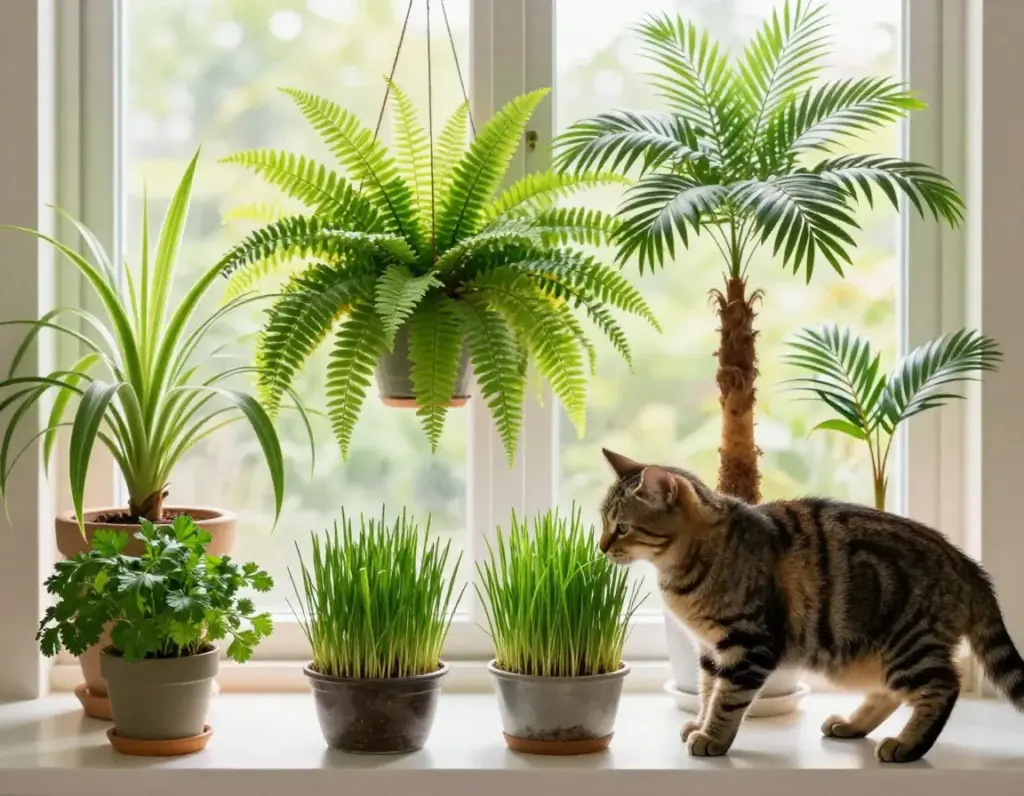
For pet owners who love greenery but prioritize feline safety, numerous beautiful alternatives provide similar aesthetic benefits without toxic risks. These cat-safe options allow plant enthusiasts to maintain lush indoor gardens while ensuring pet wellbeing.
Plants with Similar Visual Appeal
Spider Plants (Chlorophytum comosum): Feature long, arching leaves with green and white striping that mimics snake plant patterns. These hardy plants thrive in various lighting conditions and actually benefit cats by providing safe nibbling opportunities.
Boston Ferns (Nephrolepis exaltata): Offer lush, cascading foliage perfect for hanging arrangements. Their feathery texture creates visual interest while remaining completely safe for curious cats.
Ponytail Palms (Beaucarnea recurvata): Provide sculptural appeal with thick, bulbous bases and flowing leaf clusters. These drought-tolerant plants require minimal care while offering no toxicity risks.
Parlor Palms (Chamaedorea elegans): Create tropical ambiance with elegant, arching fronds. These low-light tolerant plants work well in various home environments.
Benefits of Cat-Safe Plant Choices
Choosing non-toxic alternatives offers multiple advantages:
- Peace of Mind: No anxiety about accidental ingestion
- Natural Enrichment: Cats can safely interact with plant materials
- Air Purification: Many cat-safe plants provide excellent air-cleaning properties
- Stress Reduction: Greenery benefits both human and feline mental health
- Cost Savings: Eliminates potential veterinary emergency expenses
Creating Cat-Friendly Plant Arrangements
Design plant displays that actively benefit cats:
Cat Grass Gardens: Dedicate space for wheat grass, oat grass, or barley grass that cats can safely consume for digestive health.
Herb Collections: Grow cat-safe herbs like parsley, cilantro, and dill that provide sensory enrichment.
Interactive Plant Zones: Create designated areas where cats can explore and interact with safe plants, satisfying natural curiosity.
5. Train Family Members and Visitors About Plant Safety
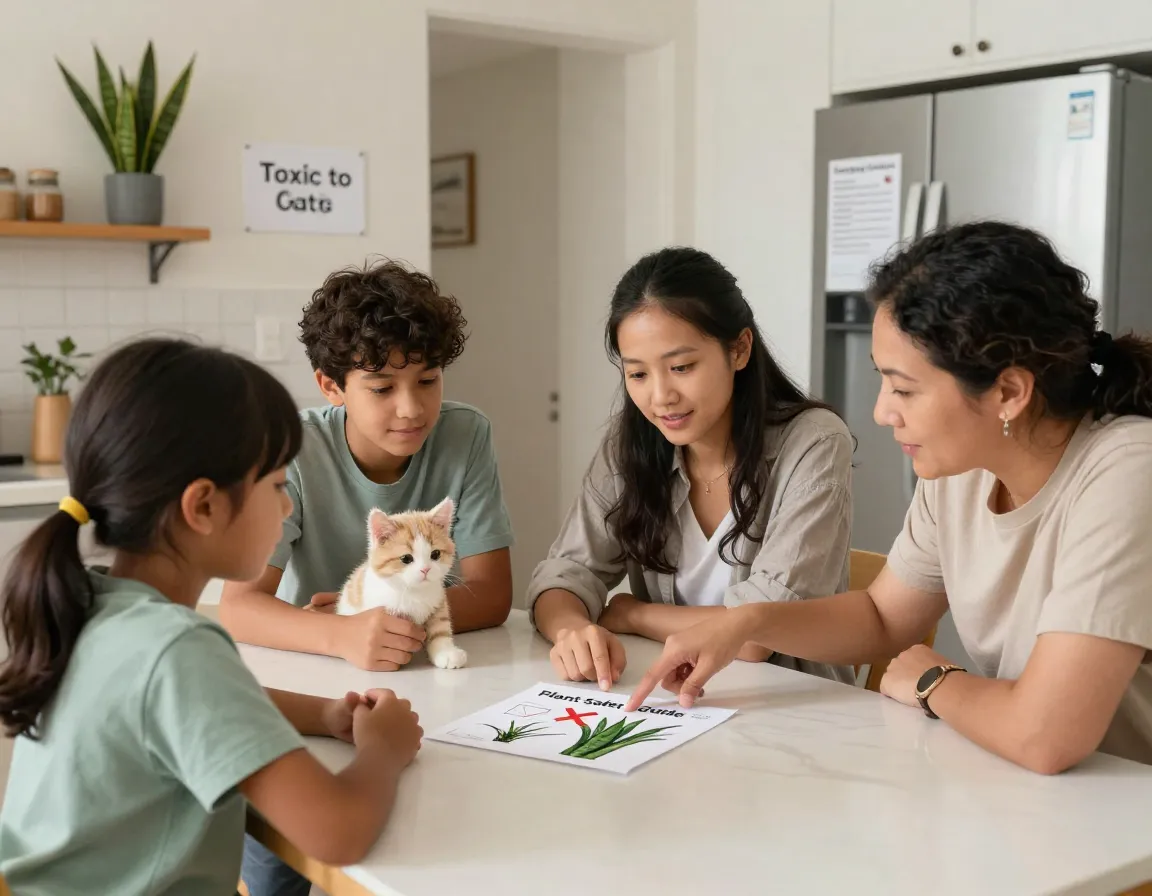
Maintaining consistent snake plant and cat safety requires education and cooperation from everyone who enters the home. Family members, guests, and pet sitters must understand the importance of plant placement and emergency protocols.
Educational Strategies for Household Members
Family Safety Meetings: Hold regular discussions about plant safety, especially when introducing new plants or family members.
Visual Reminders: Post discrete signs near snake plants indicating “Toxic to Cats” or use colored plant markers as warning systems.
Responsibility Assignment: Designate specific family members to monitor plant placement and cat behavior around plants.
Emergency Information: Ensure all household members know veterinary contact information and basic emergency response steps.
Visitor and Pet Sitter Guidelines
Create clear instructions for temporary caregivers:
Written Safety Protocols: Provide detailed sheets explaining plant toxicity and emergency procedures.
Plant Identification: Use photos or labels to help visitors identify problematic plants throughout the home.
Emergency Contacts: List primary veterinarian, emergency clinic, and poison control hotline numbers in easily accessible locations.
Restricted Areas: Clearly communicate which rooms remain off-limits to cats during caregiver visits.
Children’s Safety Education
Teach children age-appropriate plant safety concepts:
Simple Rules: “Never let kitty eat plants” provides clear, memorable guidance for young children.
Recognition Skills: Help children identify snake plants and understand why cats cannot safely interact with them.
Reporting Protocols: Encourage children to immediately tell adults if they observe cats near restricted plants.
Positive Reinforcement: Praise children for following plant safety rules and helping protect family pets.
6. Monitor Cat Behavior and Environmental Changes

Successful snake plant and cat safety requires ongoing observation of feline behavior patterns and environmental factors that might increase plant interaction risks. Cats’ curiosity levels, stress responses, and activity patterns can change based on various internal and external factors.
Behavioral Risk Factors
Increased Curiosity: Young cats, new adoptees, and cats experiencing environmental changes often explore more aggressively.
Stress-Related Behaviors: Cats under stress may exhibit unusual eating habits, including plant consumption, as coping mechanisms.
Boredom Indicators: Insufficient mental stimulation can drive cats to investigate plants as entertainment sources.
Seasonal Changes: Indoor cats may show increased interest in plants during seasons when outdoor stimulation decreases.
Environmental Monitoring Strategies
Regular Plant Inspections: Weekly examination of snake plants for signs of cat interaction, including chewed leaves, disturbed soil, or claw marks.
Behavior Documentation: Keep simple logs of cat activity patterns, noting times when cats show increased interest in plant areas.
Environmental Enrichment: Provide adequate toys, scratching posts, and interactive elements to redirect natural curiosity away from plants.
Lighting Considerations: Ensure plant areas have adequate lighting that doesn’t create enticing shadows or hiding spots that attract cats.
Technology-Assisted Monitoring
Pet Cameras: Motion-activated cameras help monitor cat behavior around plants when owners are absent.
Smart Sensors: Placement sensors near plants can alert owners to unexpected cat activity via smartphone notifications.
Automated Deterrents: Programmable devices that activate when cats approach restricted plant areas provide consistent protection.
7. Develop Long-Term Safety Maintenance Plans
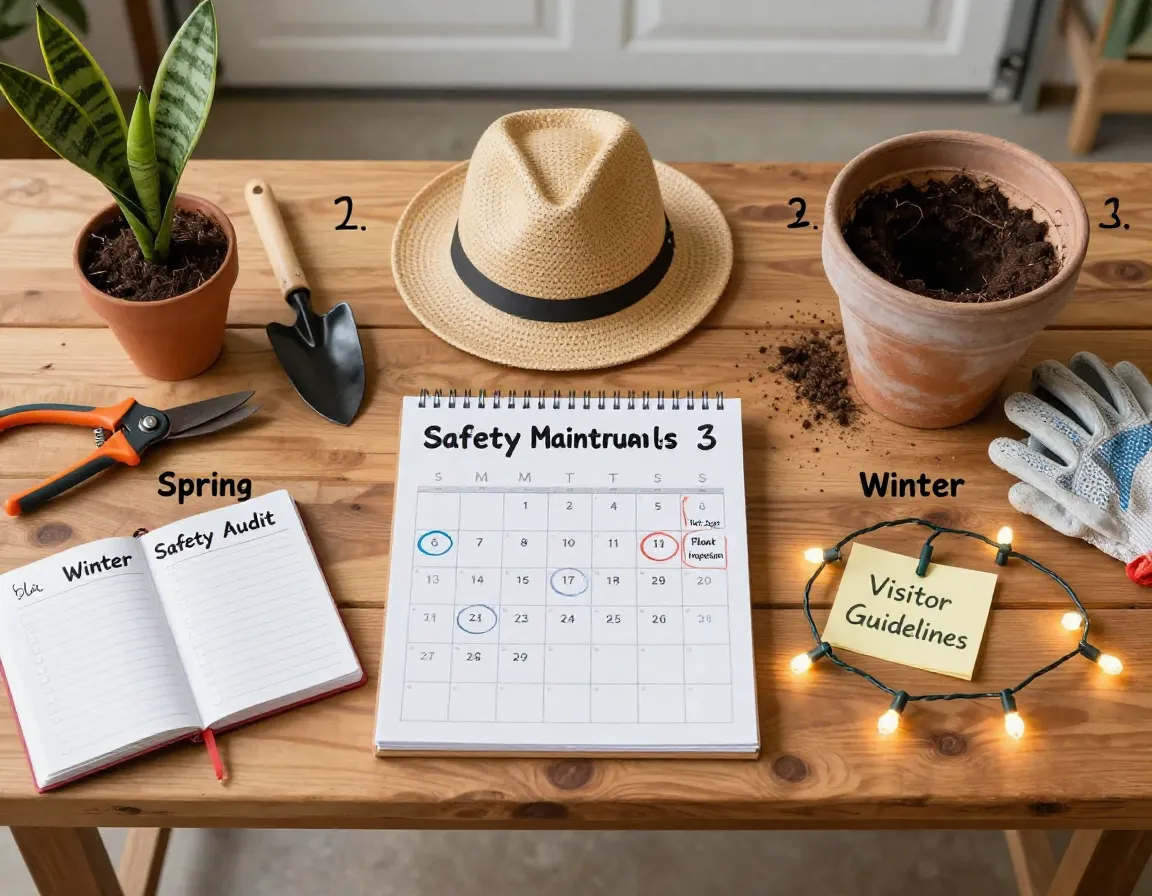
Creating sustainable snake plant and cat safety requires systematic approaches that evolve with changing household dynamics, plant growth, and cat aging processes. Long-term success depends on adaptable strategies that remain effective over years rather than temporary solutions.
Seasonal Safety Adjustments
Spring Considerations: Increased daylight may stimulate both plant growth and cat activity, requiring placement adjustments.
Summer Modifications: Higher temperatures might necessitate plant relocations that could affect safety arrangements.
Fall Preparations: Reduced outdoor stimulation may increase indoor exploration, demanding enhanced deterrent measures.
Winter Adaptations: Holiday decorations and visitors can disrupt established safety routines, requiring temporary modifications.
Plant Growth Management
Pruning Protocols: Regular trimming prevents snake plants from growing beyond safe placement boundaries.
Repotting Considerations: Larger plants may require relocation to maintain safe distances from cat access points.
Propagation Safety: New plant divisions must follow the same safety protocols as parent plants.
Disposal Methods: Safe removal of plant trimmings prevents cats from accessing toxic materials in trash containers.
Life Stage Adaptations
Kitten Safety: Young cats require more intensive monitoring and potentially stricter plant restrictions.
Adult Cat Maintenance: Established routines may need periodic reinforcement and updates.
Senior Cat Considerations: Aging cats might develop different mobility patterns that affect plant safety requirements.
Multi-Cat Households: Additional cats introduce new variables requiring expanded safety measures.
Annual Safety Reviews
Veterinary Consultations: Discuss plant safety during routine checkups and update emergency protocols as needed.
Home Safety Audits: Annually assess all plant placements and safety measures for continued effectiveness.
Emergency Plan Updates: Refresh veterinary contact information and review response protocols with all family members.
Success Evaluation: Analyze the effectiveness of current strategies and implement improvements based on experience.
Creating a Harmonious Home for Plants and Pets
The relationship between snake plants and cats doesn’t require an either-or decision. Through careful planning, strategic placement, and consistent safety measures, pet owners can enjoy the beauty and air-purifying benefits of snake plants while ensuring their feline companions remain safe and healthy.
Success lies in understanding that plant safety is an ongoing commitment rather than a one-time setup. As cats age, households change, and plants grow, safety strategies must evolve accordingly. The seven tips outlined in this guide provide a comprehensive framework for maintaining this delicate balance.
Remember: No plant is worth risking a pet’s health. When in doubt, choose cat-safe alternatives that provide similar aesthetic benefits without the associated risks. The peace of mind that comes from knowing your home is completely safe for your feline family members far outweighs any decorative considerations.
Conclusion
Snake plant and cat safety requires dedication, education, and consistent implementation of protective measures. The seven safety tips every pet owner must read provide a roadmap for maintaining beautiful indoor plants while prioritizing feline health and wellbeing.
Take Action Today:
- Assess Current Plant Placement – Evaluate all snake plants in your home and relocate any within cat reach
- Install Safety Measures – Implement physical barriers and deterrents around remaining plants
- Educate Family Members – Ensure everyone understands plant toxicity risks and emergency protocols
- Research Alternatives – Consider replacing snake plants with cat-safe options for high-risk areas
- Establish Monitoring Systems – Create routines for observing cat behavior and plant interactions
- Update Emergency Plans – Verify veterinary contact information and review response procedures
The goal is creating a home environment where both plants and pets thrive safely together. With proper planning and consistent attention to safety protocols, pet owners can enjoy the best of both worlds – beautiful indoor greenery and healthy, happy cats.
Remember that prevention remains far easier and less expensive than treatment. Investing time in proper plant safety measures today protects beloved feline companions from unnecessary suffering and prevents costly emergency veterinary visits tomorrow.