How to Vet Dog Boarding Services: A 7-Point Checklist for Pet Parents
Picture this: You’ve planned the perfect vacation, your bags are packed, and you’re ready to unwind. But there’s one crucial detail that’s keeping you awake at night – where will your beloved furry family member stay while you’re away? Choosing the right dog boarding service can feel overwhelming, especially when your pet’s safety, comfort, and happiness hang in the balance. With countless facilities promising exceptional care, how do you separate the truly outstanding from the merely adequate?
The decision of how to vet dog boarding services requires careful consideration and a systematic approach. A comprehensive 7-point checklist for pet parents can transform this daunting task into a manageable process, ensuring your four-legged companion receives the love and attention they deserve while you’re away.
Key Takeaways
- Health requirements are non-negotiable – Reputable facilities mandate up-to-date vaccinations, negative fecal exams, and comprehensive health documentation before admission
- Facility safety and cleanliness standards directly impact your dog’s wellbeing, including proper security measures, spacious accommodations, and qualified staff supervision
- Pre-boarding assessments and behavioral evaluations help ensure your dog’s temperament matches the boarding environment for optimal comfort and safety
- Emergency preparedness and insurance coverage provide essential protection and peace of mind during your pet’s stay
- Red flags like inadequate vaccination requirements or untrained staff should immediately disqualify a boarding facility from consideration
Understanding the Importance of Proper Dog Boarding Research
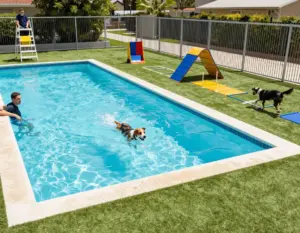
The pet care industry has evolved significantly in 2026, with dog boarding services ranging from basic kennels to luxury pet resorts. However, not all facilities maintain the same standards of care, safety, and professionalism. Thorough research protects your pet from potential health risks, emotional distress, and inadequate supervision.
Professional boarding facilities understand that pet parents need reassurance about their decision. Quality establishments welcome questions, provide detailed information about their protocols, and encourage facility tours. This transparency demonstrates their confidence in their services and commitment to animal welfare.
The consequences of choosing an inadequate boarding facility can be severe, including disease transmission, injuries, behavioral regression, or emotional trauma. Conversely, selecting the right facility can provide your dog with socialization opportunities, exercise, and professional care that may even benefit their overall development.
The Complete 7-Point Checklist: How to Vet Dog Boarding Services for Pet Parents
1. Verify Comprehensive Health and Vaccination Requirements
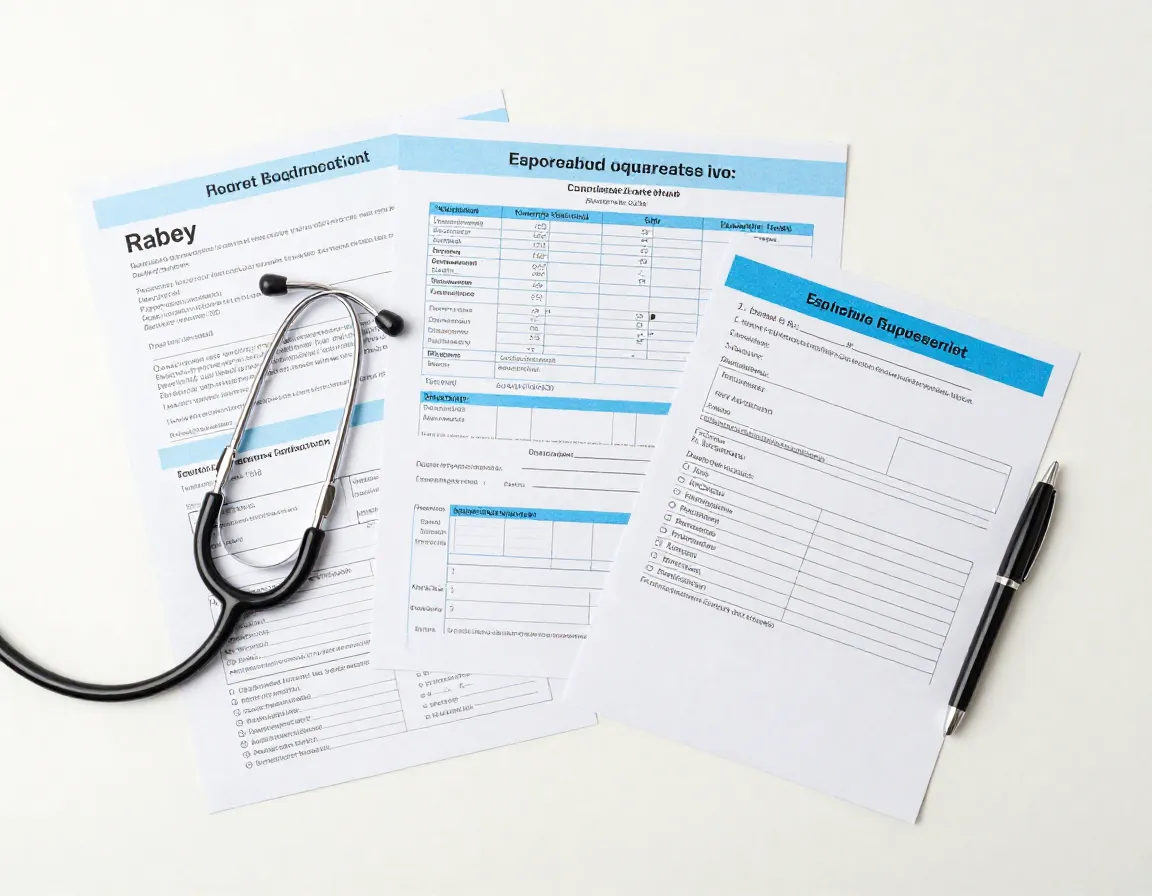
The foundation of any reputable dog boarding facility lies in its strict health protocols. Up-to-date vaccinations are mandatory across all quality facilities, including rabies, distemper, parvovirus, Bordetella, and leptospirosis[1][2][7]. These requirements aren’t bureaucratic hurdles – they’re essential safeguards protecting all animals in the facility.
Required Health Documentation:
- Current rabies vaccination certificate
- DHPP (distemper, hepatitis, parvovirus, parainfluenza) vaccination
- Bordetella (kennel cough) vaccination
- Leptospirosis vaccination
- Negative fecal examination results[1][2]
- Current medication documentation[1][2]
Quality facilities require a negative fecal exam (parasite testing) conducted within a specific timeframe before check-in[1][2]. This testing identifies internal parasites that could spread to other animals, even if your dog appears healthy.
Pre-boarding veterinary checkups should include discussions about existing medical conditions and current medications[1]. Facilities should request detailed health records and may require veterinary contact information for emergencies.
🚨 Red Flag Alert: Facilities that don’t require comprehensive vaccination records or accept expired documentation should be avoided entirely. This negligence puts all animals at risk.
2. Evaluate Facility Safety, Security, and Physical Environment
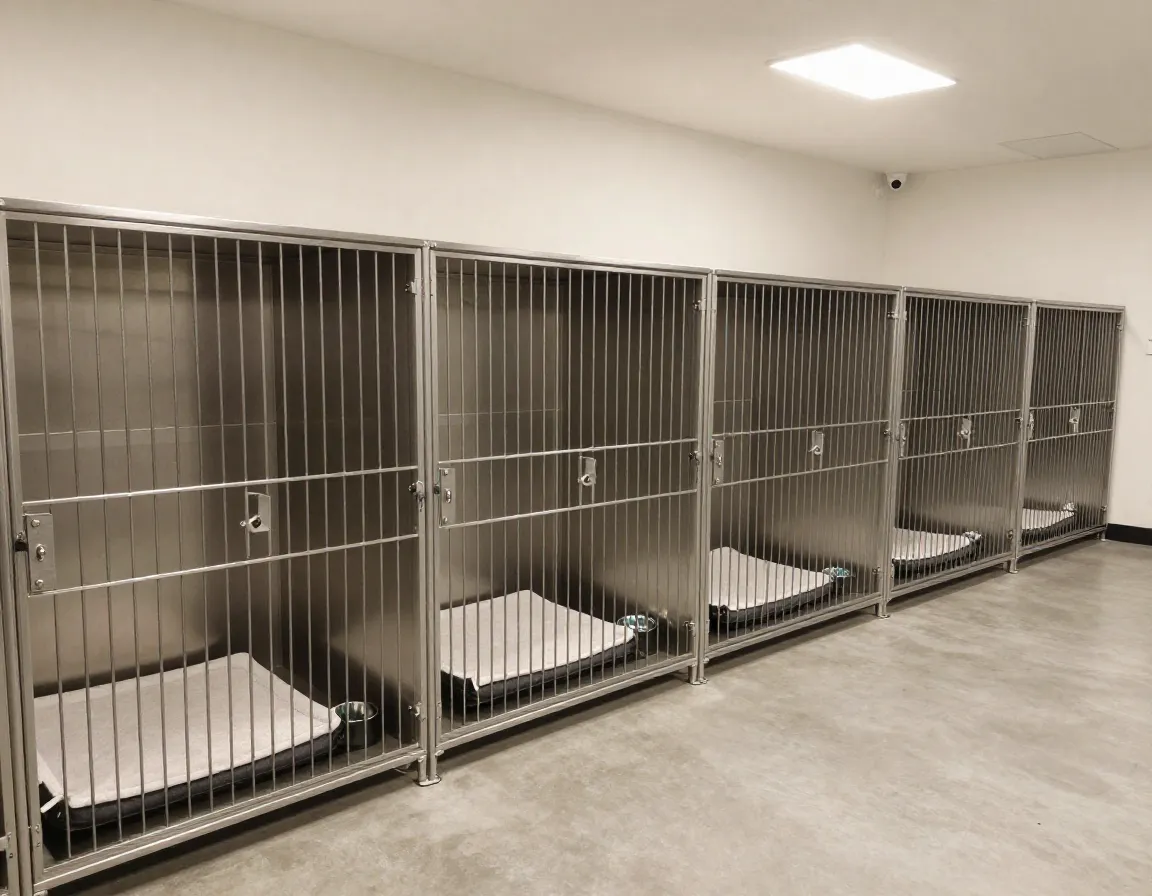
The physical environment speaks volumes about a facility’s commitment to animal welfare. Spacious, comfortable kennels with fresh water access and appropriate staff-to-dog ratios are fundamental requirements[2]. During your facility tour, observe the cleanliness standards, ventilation systems, and overall maintenance.
Essential Safety Features:
- Secure fencing with appropriate height and materials
- Multiple lock systems on kennel doors
- Security cameras and alarm systems[2]
- Proper lighting in all areas
- Climate control systems
- Emergency exits and evacuation procedures
Cleanliness Indicators:
- Odor-free environment (mild cleaning product scent is normal)
- Clean water bowls and food dishes
- Regularly maintained kennels and play areas
- Absence of pests or insects[3]
- Proper waste disposal systems
Staff should explain their cleaning protocols, including frequency of kennel sanitization, bedding changes, and common area maintenance. Quality facilities maintain detailed cleaning schedules and use pet-safe disinfectants.
3. Assess Staff Qualifications, Training, and Experience
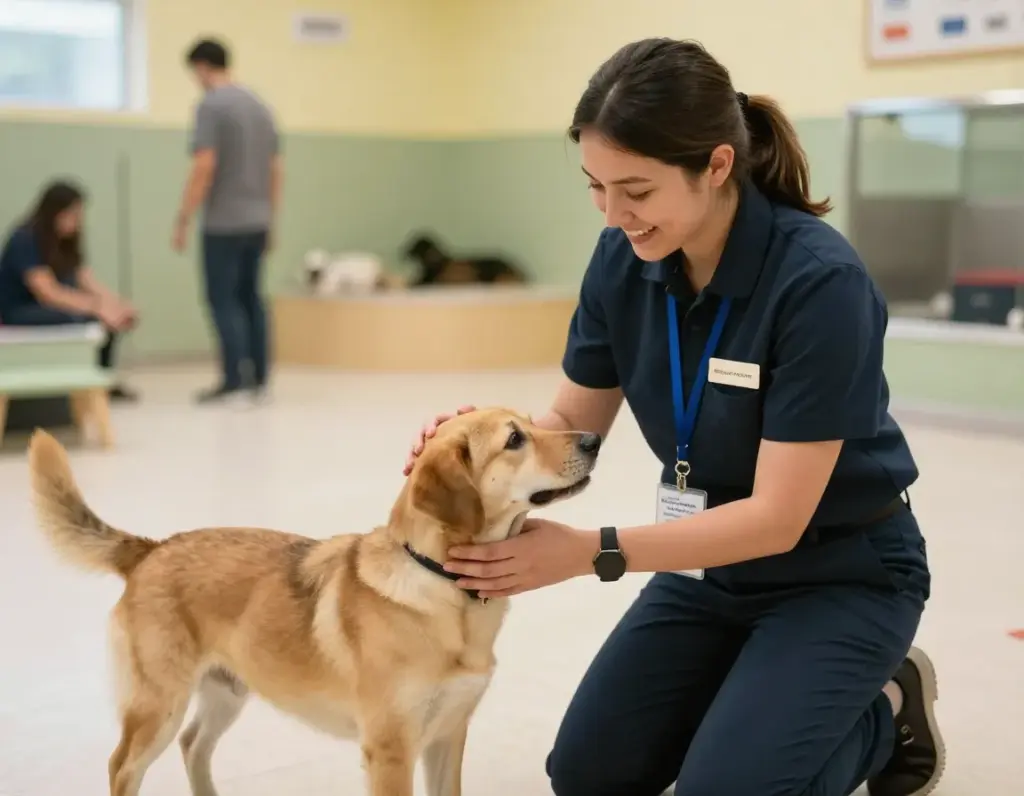
The quality of care your dog receives depends entirely on the staff’s expertise and dedication. Qualified and certified staff with observable training in emergency procedures are essential[2]. During your visit, interact with multiple staff members to gauge their knowledge and passion for animal care.
Staff Qualification Checklist:
- Formal animal care training or certification
- Experience with various dog breeds and temperaments
- First aid and CPR certification for animals
- Understanding of canine behavior and stress signals
- Emergency response training
Ask about staff-to-dog ratios during different times of day, including overnight supervision. Quality facilities maintain appropriate ratios to ensure individual attention and prompt response to any issues.
Observe staff interactions with animals during your visit. Professional caregivers demonstrate patience, gentleness, and genuine affection for the dogs in their care. They should be able to answer detailed questions about daily routines, feeding schedules, and exercise protocols.
4. Review Exercise, Socialization, and Daily Activity Programs
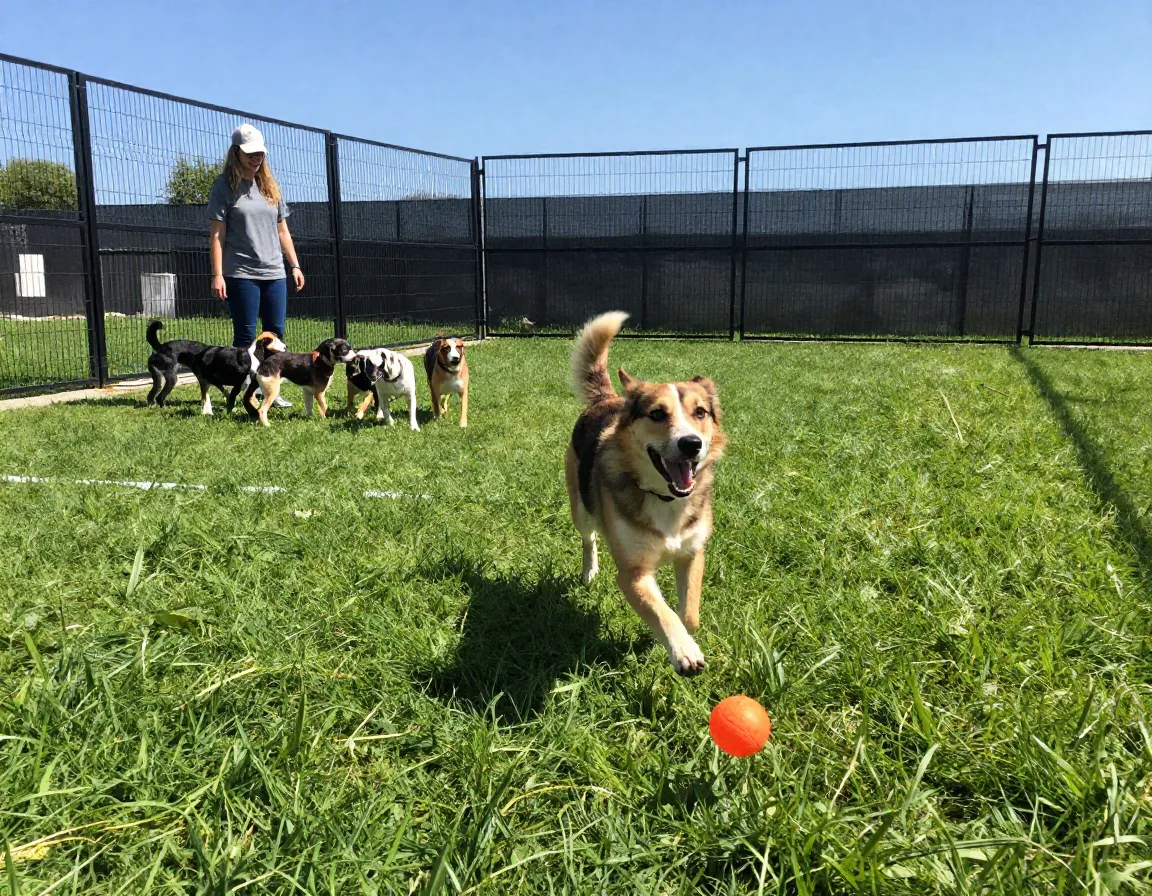
Physical exercise and mental stimulation are crucial for your dog’s wellbeing during extended stays. Quality boarding facilities provide structured activity programs tailored to different energy levels, ages, and social preferences.
Activity Program Components:
- Individual exercise sessions
- Group play opportunities (for social dogs)
- Walking schedules
- Mental enrichment activities
- Quiet time and rest periods
Behavioral assessments are crucial to evaluate a dog’s socialization history, interaction with strangers, and suitability for communal environments[1]. Facilities should conduct these assessments before grouping dogs together for activities.
Some dogs thrive in social environments, while others prefer individual attention. Professional facilities accommodate both preferences, offering separate areas for group play and individual exercise. They should also recognize that dogs with aggression or extreme anxiety may not be suitable for traditional kennel environments[1].
5. Understand Emergency Procedures and Veterinary Protocols
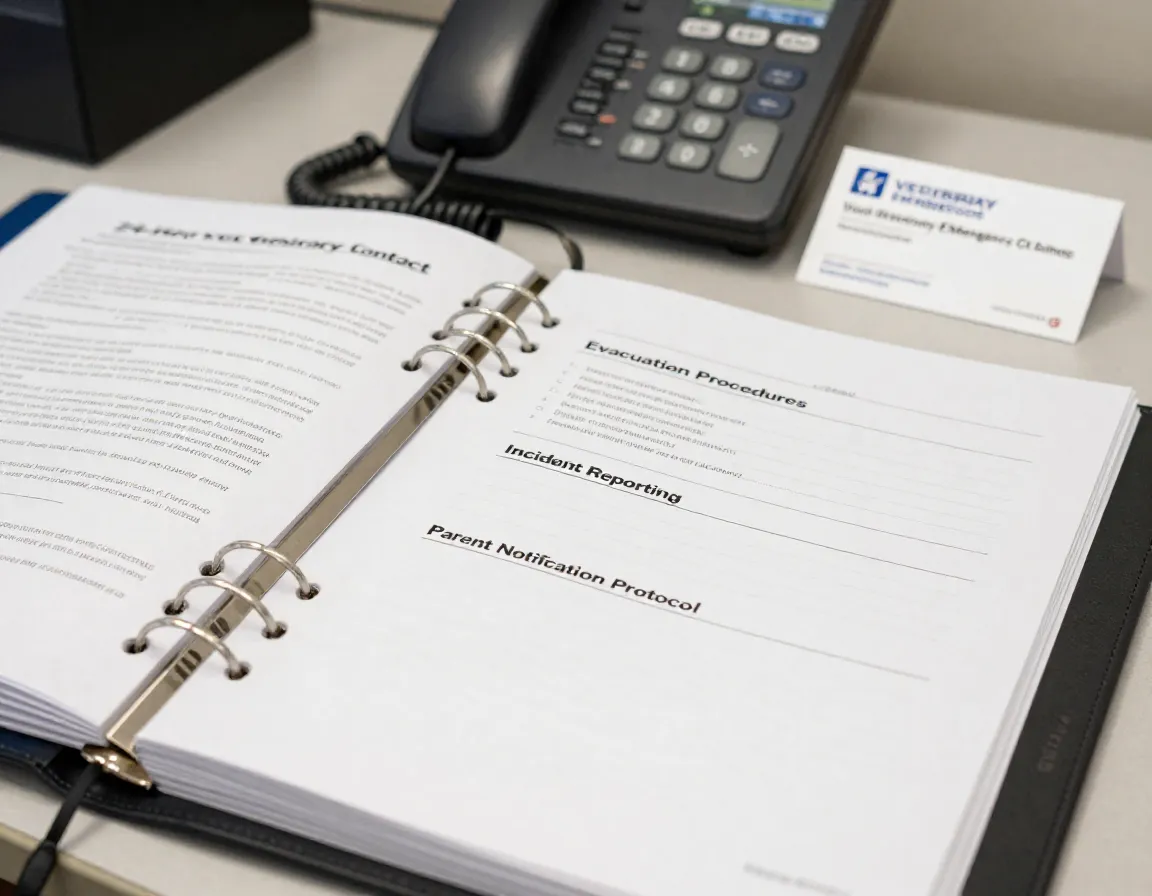
Emergency preparedness can mean the difference between a minor incident and a tragic outcome. Reputable facilities maintain detailed emergency protocols, established veterinary relationships, and clear communication procedures for contacting pet parents.
Emergency Protocol Requirements:
- 24-hour veterinary contact information
- On-site first aid capabilities
- Clear evacuation procedures
- Incident reporting systems
- Parent notification protocols
Ask specific questions about their veterinary partnerships. Do they have relationships with local emergency clinics? What happens if your dog becomes ill or injured during off-hours? How quickly can they access veterinary care?
Quality facilities maintain detailed records of any incidents, including minor issues like decreased appetite or changes in behavior. They should commit to immediate communication if any concerns arise about your dog’s health or wellbeing.
6. Examine Policies, Insurance, and Liability Coverage
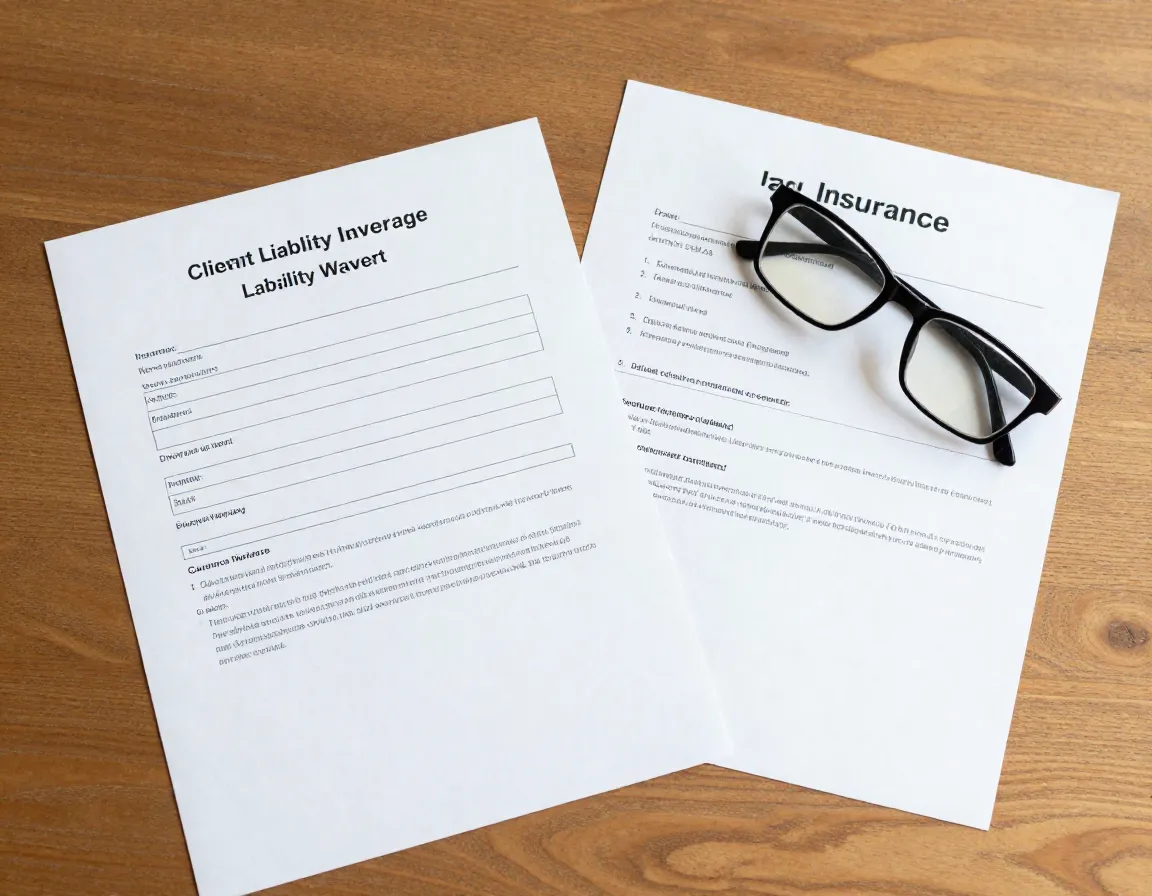
Legal protection and clear policies protect both you and the boarding facility. Liability waivers and insurance coverage inquiries are essential before booking[1]. However, comprehensive insurance doesn’t excuse negligent care – it simply provides additional protection.
Important Policy Areas:
- Pickup and drop-off procedures
- Late pickup fees and policies
- Medication administration protocols
- Special dietary accommodation
- Behavioral incident procedures
- Refund and cancellation policies
Review their liability coverage and understand what situations are covered. Ask about their insurance provider and coverage limits. Quality facilities carry comprehensive liability insurance and may offer additional coverage options.
Understanding cancellation policies is particularly important for holiday bookings when alternative arrangements may be difficult to secure. Some facilities require significant advance notice or charge cancellation fees during peak periods.
7. Conduct Thorough Reference Checks and Online Research

Independent verification provides invaluable insights into a facility’s actual performance versus their marketing promises. Online reviews, veterinary recommendations, and personal references paint a complete picture of the boarding experience.
Research Strategy:
- Read recent online reviews across multiple platforms
- Ask your veterinarian for recommendations
- Request references from current clients
- Check Better Business Bureau ratings
- Verify licensing and certification status
Pay attention to review patterns rather than isolated complaints. Consistent issues mentioned across multiple reviews indicate systemic problems. Look for specific details about staff interactions, facility cleanliness, and communication quality.
Contact references directly when possible. Ask specific questions about their experiences, including how the facility handled any challenges or special requests. Long-term clients often provide the most honest assessments of a facility’s consistency and reliability.
Red Flags: Warning Signs to Avoid When Choosing Dog Boarding Services
Recognizing warning signs can save your pet from potentially dangerous situations. Immediate disqualifiers include facilities with no pet vaccination requirements, limited emergency documentation, no overnight staff, or untrained personnel[3].
Critical Warning Signs:
- Reluctance to provide facility tours
- Inability to provide current licensing information
- Signs of uncleanliness, pests, or inadequate space[3]
- Insufficient food and water access[3]
- Staff unable to answer basic care questions
- No veterinary partnerships or emergency protocols
- Extremely low prices compared to local competitors
Communication Red Flags:
- Pressure to book immediately without allowing research time
- Unwillingness to discuss policies in detail
- Evasive answers about staff qualifications
- No clear pickup and drop-off procedures
- Lack of incident reporting systems
Trust your instincts during facility visits. If something feels wrong or staff seem overwhelmed, continue your search. Your dog’s safety and wellbeing are worth the extra effort to find the right facility.
Preparing Your Dog for a Successful Boarding Experience
Once you’ve selected a quality facility using this comprehensive checklist, proper preparation ensures a smooth transition for your pet. Schedule a pre-boarding visit to familiarize your dog with the environment and staff. Many facilities offer trial stays or daycare services that help assess compatibility.
Pre-Boarding Preparation:
- Update all required vaccinations and health checks
- Prepare detailed care instructions and emergency contacts
- Pack familiar items like bedding or toys (if permitted)
- Maintain regular routines leading up to the stay
- Schedule pickup and drop-off times during less busy periods
Discuss your dog’s specific needs, preferences, and any behavioral quirks with the staff. The more information you provide, the better they can accommodate your pet’s individual requirements.
Making the Final Decision: How to Choose the Best Dog Boarding Service
After completing your research using this 7-point checklist for pet parents, compare your top choices objectively. Create a simple scoring system based on the most important factors for your dog’s specific needs.
Decision Factors to Weight:
- Health and safety protocols (highest priority)
- Staff qualifications and ratios
- Facility cleanliness and security
- Activity programs and socialization options
- Emergency preparedness
- Policy transparency and insurance coverage
- Cost and value proposition
Remember that the most expensive option isn’t automatically the best, nor is the cheapest necessarily inadequate. Focus on value – the combination of quality care, safety protocols, and services that match your dog’s needs and your budget.
Schedule final visits to your top two choices before making a decision. Sometimes a second visit reveals details you missed initially or confirms your initial impressions.
Conclusion
Selecting the right dog boarding service requires diligent research, careful evaluation, and trust in your instincts as a pet parent. This comprehensive 7-point checklist for vetting dog boarding services provides the framework for making an informed decision that prioritizes your pet’s safety, comfort, and happiness.
Take action today by creating a list of potential boarding facilities in your area and beginning the evaluation process. Don’t wait until you need boarding services urgently – quality facilities often book well in advance, especially during holidays and peak travel seasons.
Start with online research to identify candidates, then schedule facility tours to apply this checklist systematically. Ask detailed questions, observe staff interactions, and trust your observations about cleanliness, safety, and professionalism.
Remember that finding the right boarding facility is an investment in your peace of mind and your dog’s wellbeing. The time spent thoroughly vetting potential services pays dividends in knowing your beloved companion is receiving exceptional care while you’re away.
Your dog depends on you to make the best possible choice for their care. Use this checklist as your guide, but don’t hesitate to continue searching if no facility meets your standards completely. The perfect boarding service for your pet exists – it’s simply a matter of doing the research necessary to find it.
References
[1] Dog Boarding Checklist Guide – https://jetpetresort.com/blog/dog-boarding/dog-boarding-checklist-guide/
[2] How To Choose The Dog Boarding Service Dog Boarding Checklist For Owners In Pearland Tx – https://www.safarivet.com/blog/how-to-choose-the-dog-boarding-service-dog-boarding-checklist-for-owners-in-pearland-tx/
[3] Dog Boarding Hygiene Food Toys And More – https://www.doodycalls.com/articles/blog/pet-safety-tips/dog-boarding-hygiene-food-toys-and-more/
[7] Need Dog Boarding Heres How Prepare – https://www.pointvicentevet.com/services/dogs/blog/need-dog-boarding-heres-how-prepare