Ball Python Spider Morph: 8 Crucial Health & Ethics Facts Owners Must Know
The mesmerizing beauty of ball python spider morphs has captivated reptile enthusiasts for decades, but beneath their stunning appearance lies a complex web of health concerns and ethical dilemmas that every potential owner must understand. These remarkable snakes, with their distinctive reduced pattern and striking appearance, carry a genetic mutation that creates both their coveted looks and serious neurological challenges that can significantly impact their quality of life.
Understanding the Ball Python Spider Morph: 8 Crucial Health & Ethics Facts Owners Must Know is essential for anyone considering adding one of these unique reptiles to their collection. The spider morph represents one of the most controversial topics in the ball python breeding community, sparking heated debates about animal welfare, breeding ethics, and responsible ownership practices.
Key Takeaways
- Spider morphs carry a genetic mutation that causes permanent neurological symptoms including head wobbling and corkscrewing behaviors
- The condition is incurable and affects every spider morph to varying degrees throughout their entire lifespan
- Breeding decisions involving spider morphs raise significant ethical concerns about animal welfare and quality of life
- Proper husbandry and veterinary care can help manage symptoms but cannot eliminate the underlying neurological issues
- Alternative morphs exist that provide similar visual appeal without the associated health complications
Understanding the Spider Morph Genetics
The ball python spider morph results from a dominant genetic mutation that affects the snake’s nervous system while creating its distinctive appearance. This single gene mutation is what makes spider morphs so readily available in the pet trade, as breeding them requires only one parent carrying the spider gene to produce offspring with the morph.
1. The Genetic Foundation Behind Spider Morphs

The spider gene operates as a co-dominant mutation, meaning that snakes with one copy of the gene display the spider pattern, while those with two copies (super spiders) typically die during embryonic development or shortly after hatching. This genetic mechanism explains why spider morphs are always heterozygous for the mutation.
Key genetic characteristics include:
- Single gene inheritance pattern
- 50% chance of producing spider offspring when bred with normal ball pythons
- Lethal when homozygous (two copies of the gene)
- Cannot be “bred out” once present in bloodlines
The mutation affects neural development, particularly in areas controlling balance, coordination, and spatial orientation. Research suggests the gene impacts the formation of neural pathways during embryonic development, leading to the characteristic neurological symptoms observed in all spider morphs.
2. Physical Characteristics and Pattern Recognition
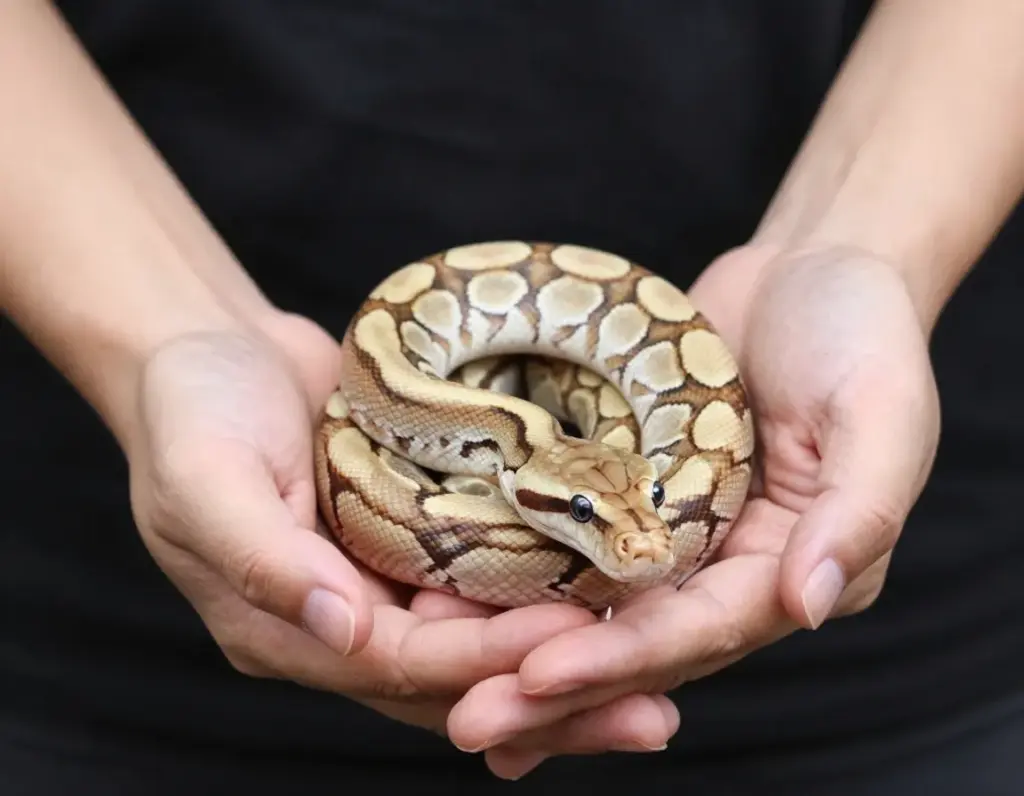
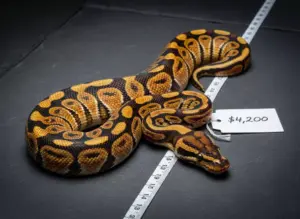
Spider morphs display several distinctive visual features that make them easily recognizable among ball python enthusiasts. Their reduced pattern creates an almost alien-like appearance that differs dramatically from normal ball python markings.
Notable physical traits include:
- Significantly reduced or absent dorsal pattern
- Web-like or puzzle piece markings on the sides
- Often lighter overall coloration
- Head pattern may be reduced or modified
- Belly pattern typically remains normal
The pattern reduction varies considerably between individual spider morphs, with some showing almost complete pattern loss while others retain more traditional ball python markings. This variation has led to the development of different “grades” of spider morphs in the breeding community.
Neurological Symptoms and Health Implications
3. Understanding Head Wobble and Corkscrewing Behaviors
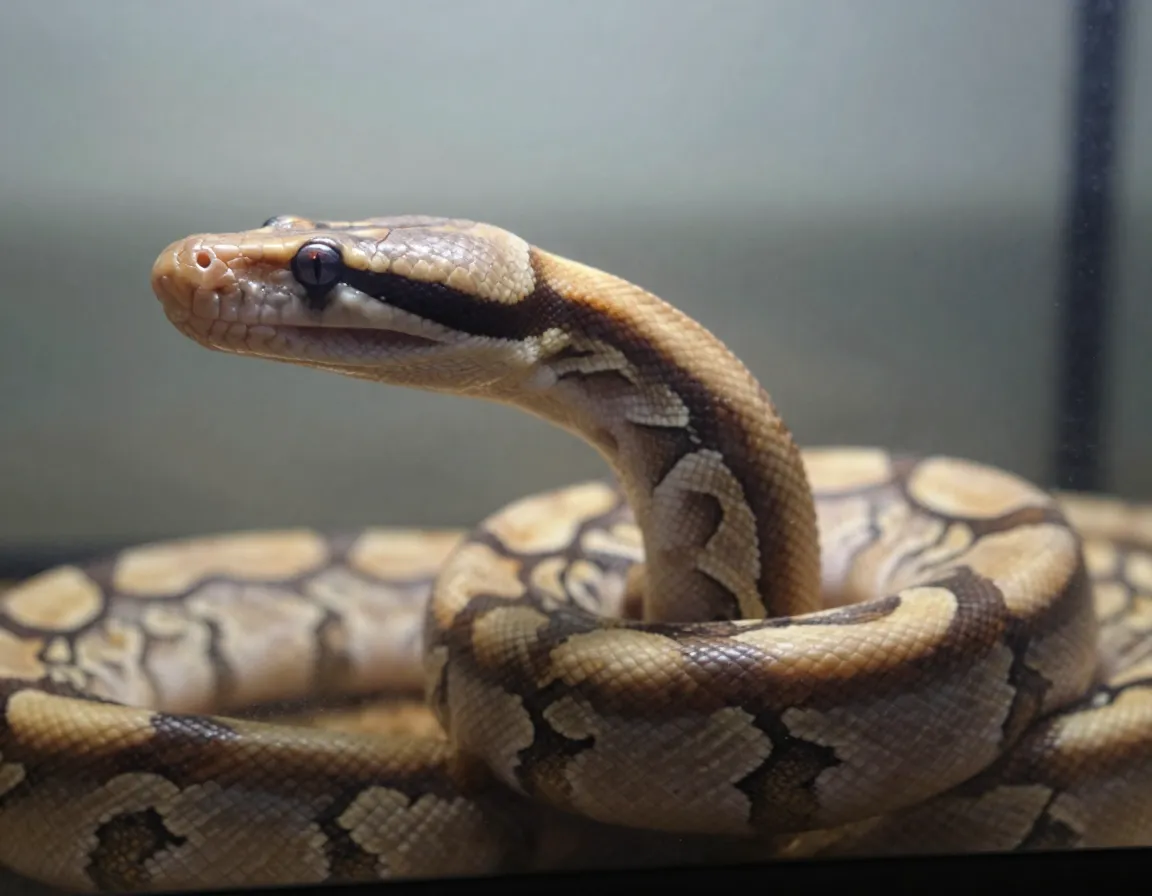
Every spider morph ball python exhibits some degree of neurological symptoms, with head wobble being the most commonly recognized manifestation. This condition, often called “spider wobble,” ranges from barely perceptible to severely debilitating depending on the individual snake.
Primary neurological symptoms include:
- Head wobble: Involuntary side-to-side head movements
- Corkscrewing: Twisting or spiraling body movements
- Disorientation: Difficulty navigating environment
- Stress-induced intensification: Symptoms worsen during handling or stress
- Balance issues: Problems maintaining normal posture
The severity of symptoms exists on a spectrum, with some spider morphs showing minimal signs during calm periods while others display constant, pronounced neurological issues. Stress, temperature changes, and handling typically exacerbate symptoms, making proper husbandry crucial for affected snakes.
4. Long-term Health Considerations and Management
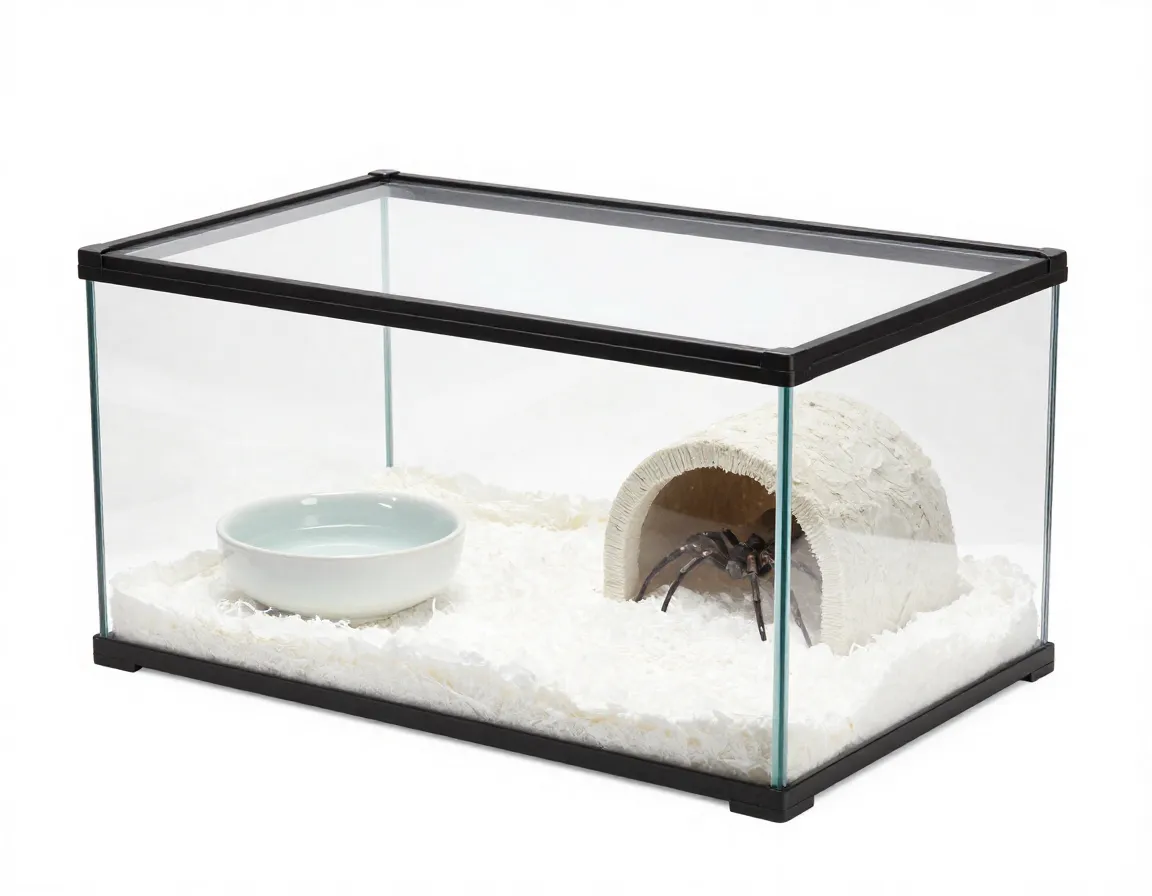
Spider morph neurological symptoms are permanent and progressive, meaning they cannot be cured and may worsen over time. However, proper care and environmental management can help minimize symptom severity and maintain quality of life for affected snakes.
Management strategies include:
| Management Area | Specific Recommendations |
|---|---|
| Housing | Secure, escape-proof enclosures with minimal climbing opportunities |
| Substrate | Soft bedding to prevent injury during episodes |
| Feeding | Consistent schedule with minimal handling |
| Temperature | Stable gradients to reduce stress-induced symptoms |
| Veterinary Care | Regular check-ups with reptile-experienced veterinarians |
Owners must understand that spider morphs require specialized care throughout their lives. The neurological symptoms can interfere with normal feeding, breeding, and daily activities, requiring patient and knowledgeable husbandry practices.
Ethical Considerations in Spider Morph Breeding
5. The Welfare Debate Surrounding Spider Morph Production

The breeding of spider morphs has become one of the most controversial topics in herpeticulture, with passionate arguments on both sides of the welfare debate. Critics argue that intentionally breeding animals with known neurological defects constitutes animal cruelty, while supporters maintain that mild symptoms don’t significantly impact quality of life.
Arguments against spider morph breeding:
- Intentional production of animals with genetic defects
- Potential suffering throughout the animal’s lifespan
- Normalization of breeding practices that prioritize appearance over welfare
- Availability of alternative morphs without health issues
Arguments supporting responsible spider morph breeding:
- Many individuals show minimal symptoms
- Proper care can maintain good quality of life
- Educational value in understanding genetics
- Personal choice in animal selection
The ethical implications extend beyond individual animals to broader questions about the direction of the reptile breeding industry and society’s responsibility toward captive animals.
6. Breeding Decisions and Responsible Practices
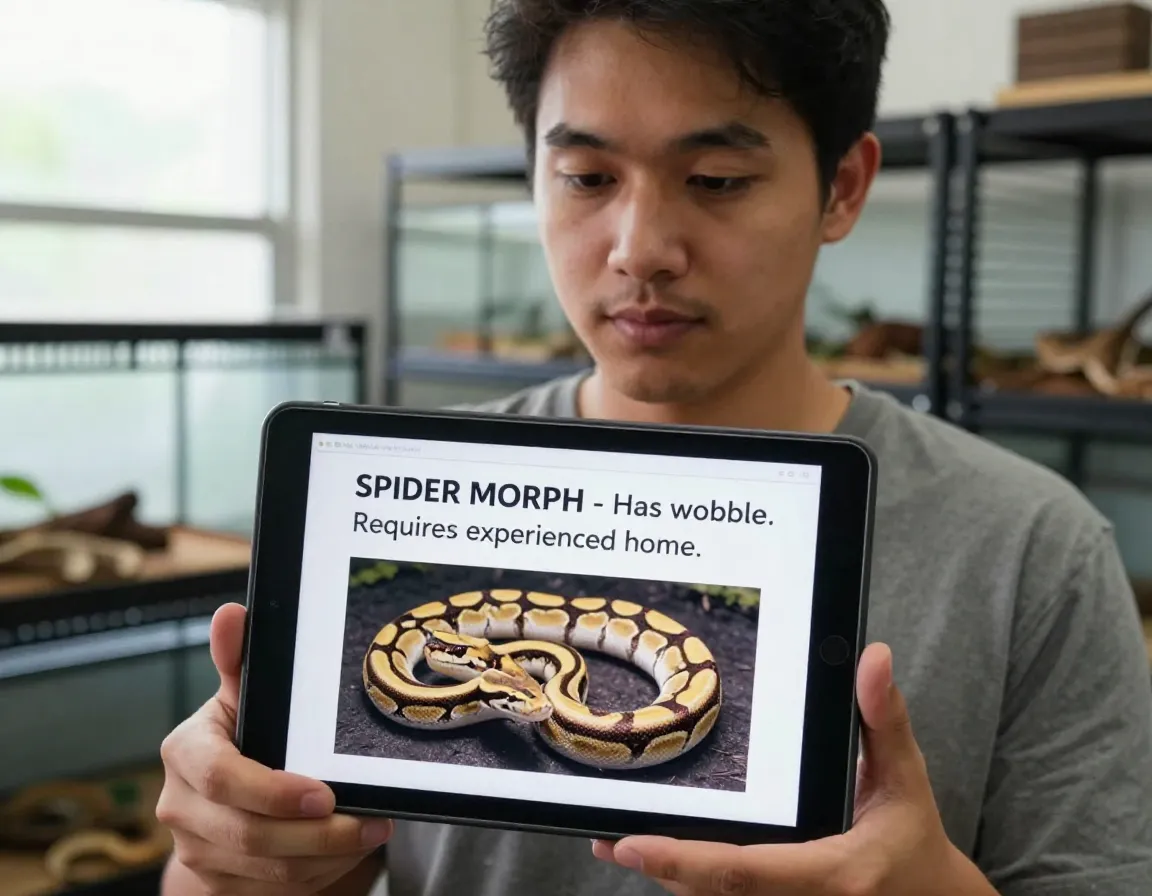
For breeders working with spider morphs, understanding the Ball Python Spider Morph: 8 Crucial Health & Ethics Facts Owners Must Know becomes crucial in making responsible decisions about which animals to breed and how to market offspring honestly.
Responsible breeding practices include:
🔹 Full disclosure of neurological symptoms to potential buyers
🔹 Honest assessment of individual snake symptom severity
🔹 Education provision about long-term care requirements
🔹 Selective breeding to minimize severe cases
🔹 Alternative promotion of morphs without health issues
Many experienced breeders have moved away from spider morph production, choosing instead to focus on equally stunning morphs without associated health problems. This shift reflects growing awareness of animal welfare concerns within the reptile community.
Care Requirements and Owner Responsibilities
7. Specialized Husbandry for Spider Morph Ball Pythons
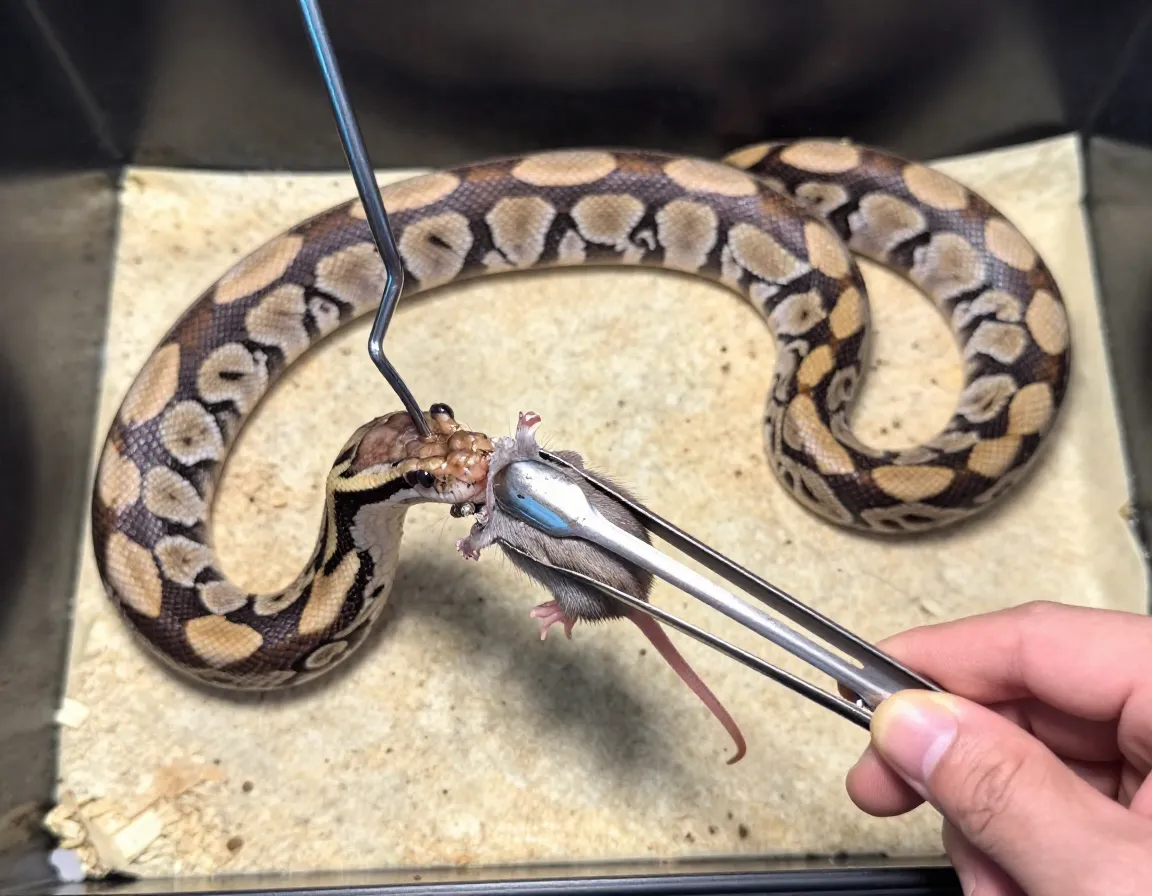
Owners of spider morph ball pythons must adapt their husbandry practices to accommodate the unique needs of neurologically affected snakes. Understanding these requirements before acquisition is essential for providing appropriate care throughout the snake’s life.
Critical husbandry modifications include:
🏠 Housing Adaptations:
- Lower water bowls to prevent drowning during disorientation episodes
- Secure lid systems to prevent escape during corkscrewing
- Simplified hide arrangements to reduce navigation challenges
- Soft substrate materials to cushion during wobble episodes
🍽️ Feeding Considerations:
- Consistent feeding schedules to minimize stress
- Appropriate prey size to prevent feeding difficulties
- Monitoring for feeding strikes that miss due to coordination issues
- Potential need for assisted feeding in severe cases
📊 Health Monitoring:
- Regular weight tracking to ensure proper nutrition
- Documentation of symptom severity and frequency
- Stress level assessment during routine maintenance
- Professional veterinary relationships for ongoing care
The commitment required for spider morph ownership extends far beyond that needed for typical ball pythons, requiring dedicated owners willing to provide specialized care for potentially 20-30 years.
8. Making Informed Decisions About Spider Morph Ownership
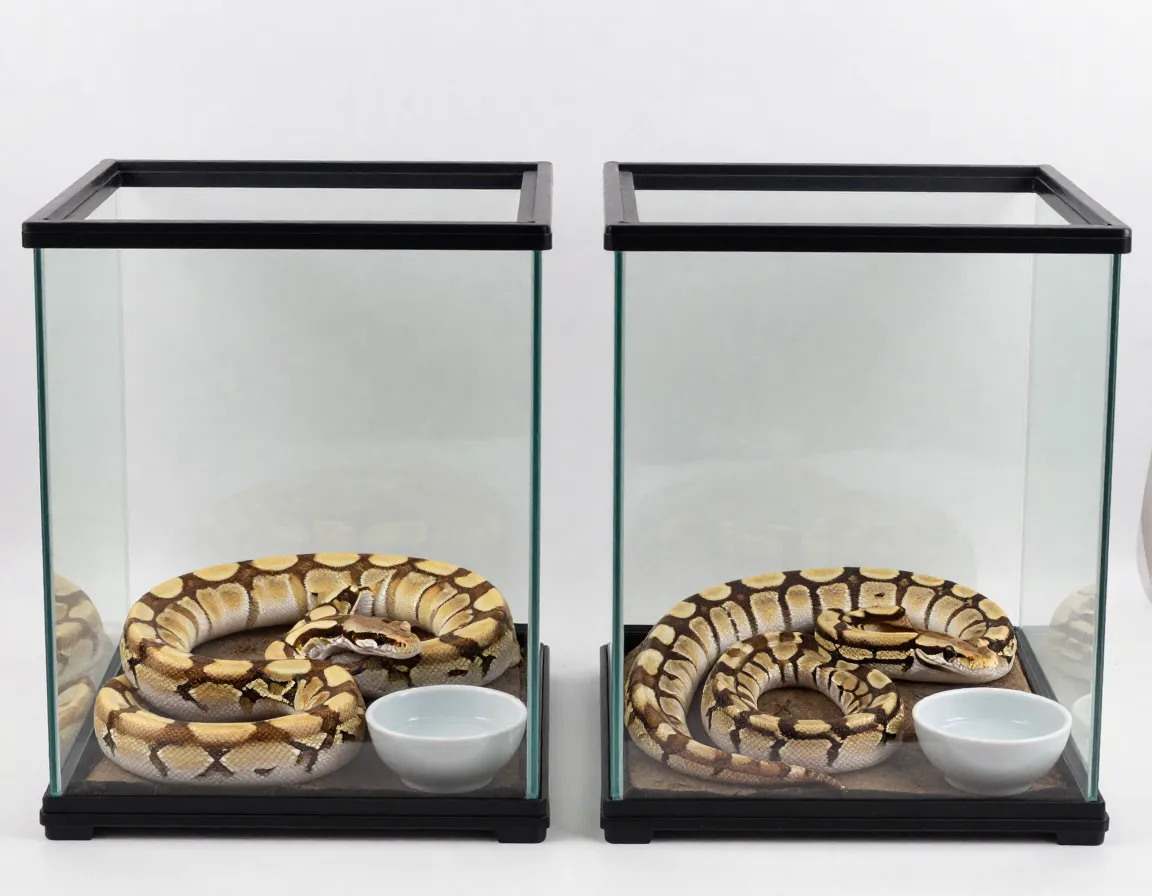
Before acquiring a spider morph ball python, potential owners must honestly assess their ability to provide appropriate long-term care for a neurologically affected animal. This decision should never be made impulsively based solely on the snake’s appearance.
Essential pre-acquisition considerations:
✅ Experience Level: Do you have sufficient reptile keeping experience?
✅ Financial Resources: Can you afford specialized veterinary care?
✅ Time Commitment: Are you prepared for potentially challenging husbandry?
✅ Ethical Comfort: Are you comfortable supporting the spider morph market?
✅ Alternative Options: Have you considered similar morphs without health issues?
Alternative morphs offering similar appeal include:
- Pinstripe morphs for reduced pattern effects
- Champagne morphs for unique coloration
- Enchi morphs for pattern enhancement
- Various combinations achieving striking appearances
“The decision to own a spider morph should be based on a genuine commitment to the animal’s welfare, not just its appearance. There are many beautiful ball python morphs available without the associated health concerns.” – Dr. Sarah Mitchell, Reptile Veterinarian
The Future of Spider Morph Breeding
The reptile community continues to evolve in its understanding of animal welfare and breeding ethics. Many major reptile expos and organizations have begun implementing policies regarding the sale and promotion of animals with known genetic defects, reflecting changing attitudes toward spider morph production.
Emerging trends in the community include:
- Increased focus on health testing and genetic screening
- Development of alternative morphs with similar visual appeal
- Greater emphasis on buyer education and informed consent
- Professional veterinary involvement in breeding decisions
The Ball Python Spider Morph: 8 Crucial Health & Ethics Facts Owners Must Know represents more than just care information—it embodies the broader conversation about responsible animal breeding and ownership in the modern reptile community.
Conclusion
The spider morph ball python represents a complex intersection of genetic beauty and ethical responsibility that every potential owner must carefully consider. While these remarkable snakes possess undeniable visual appeal, their inherent neurological challenges create lifelong care requirements that extend far beyond typical ball python husbandry.
Understanding the Ball Python Spider Morph: 8 Crucial Health & Ethics Facts Owners Must Know empowers reptile enthusiasts to make informed decisions based on complete information rather than appearance alone. The permanent nature of spider wobble, the specialized care requirements, and the ethical implications of supporting continued breeding all factor into responsible ownership decisions.
Actionable next steps for potential owners:
- Research extensively before making any purchase decisions
- Consult with reptile veterinarians about care requirements
- Visit existing spider morph owners to observe symptoms firsthand
- Consider alternative morphs that provide visual appeal without health concerns
- Connect with ethical breeders who prioritize animal welfare over profit
The reptile community’s growing awareness of animal welfare issues continues to shape breeding practices and ownership decisions. Whether choosing to work with spider morphs or selecting alternative options, the priority must always remain the long-term health and welfare of these remarkable animals.
By staying informed about genetic health issues and making decisions based on comprehensive understanding rather than impulse, reptile enthusiasts can contribute to a more ethical and responsible future for ball python breeding and ownership.