8 Essential Care Tips for Your Domestic Longhair Cat
Longhair cats shed roughly three times more loose fur per grooming session than their short-coated counterparts — and without a consistent care routine, that beautiful coat can become a matted, uncomfortable mess within weeks. If you share your home with one of these stunning felines, the 8 essential care tips for your domestic longhair cat outlined in this guide will help you build a routine that keeps your cat healthy, comfortable, and looking its best all year long.
Disclosure: This post contains affiliate links. As an Amazon Associate, we earn from qualifying purchases, and at no extra cost to you.
Domestic longhairs are not a single breed but rather a diverse group of mixed-breed cats blessed with long, flowing coats. Their fur requires dedicated attention beyond what most cat owners expect when they first bring one home. The good news? Once you understand the fundamentals — from brushing technique to litter box hygiene — caring for a longhair becomes second nature.
Key Takeaways
- Daily or twice-weekly brushing is non-negotiable for preventing painful mats and tangles in longhair cats.
- The right tools matter — slicker brushes and wide-tooth combs designed for long fur protect the coat and the cat’s skin.
- Diet plays a direct role in coat health and hairball prevention; high-quality food makes a visible difference.
- Professional grooming every 4–8 weeks reduces the burden of at-home maintenance and catches problems early.
- Holistic care — including vet visits, enrichment, and a clean environment — is just as important as grooming.
Why Domestic Longhair Cats Need Special Attention
Before diving into the tips themselves, it helps to understand why longhair cats demand more care than their short-haired siblings. A domestic longhair’s coat can grow to several inches in length and consists of multiple layers: a soft, dense undercoat and longer guard hairs on top. This double-layer structure is beautiful — but it’s also a magnet for tangles, debris, and trapped moisture.
Left unmanaged, mats can form close to the skin, causing pain, restricting movement, and even creating conditions where bacteria or parasites thrive. Regular, informed care is not just cosmetic — it is a genuine health responsibility. [1]
The 8 Essential Care Tips for Your Domestic Longhair Cat
1. Brush Regularly — And Do It Right
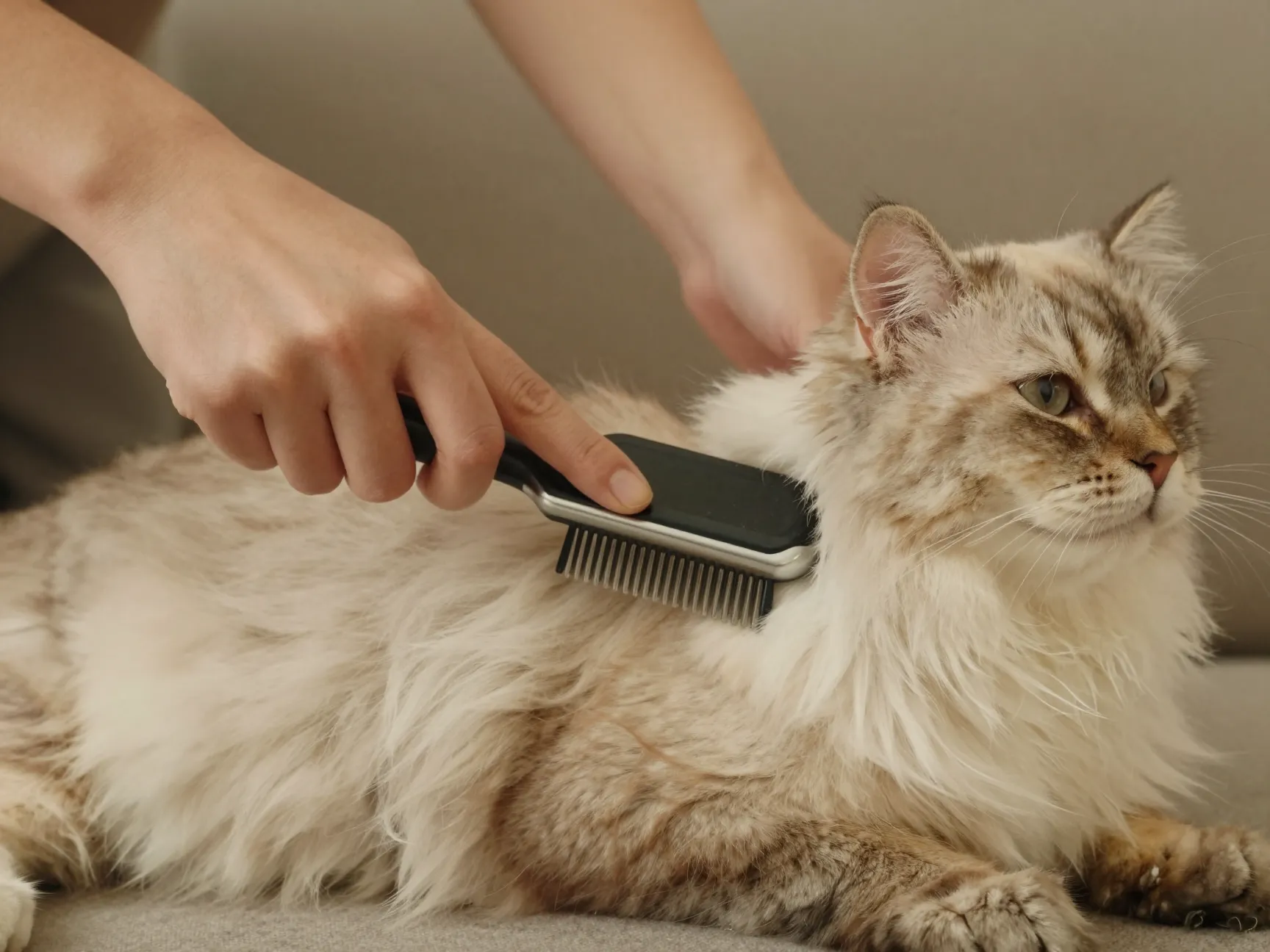
Frequency is everything when it comes to managing a longhair coat. Aim to brush your cat at least once or twice per week at minimum, and bump that up to daily sessions during spring and fall, when shedding peaks. [1][2]
Pay extra attention to the areas most prone to matting:
- 🐾 Belly and chest
- 🐾 Armpits (where the front legs meet the body)
- 🐾 Behind the ears
- 🐾 Base of the tail
- 🐾 Collar area
Start each session by running your fingers gently through the coat to feel for any knots before you introduce a brush. Work in the direction of hair growth, and never yank through a tangle — this causes pain and makes your cat dread grooming sessions. If you find a mat, hold the base of it firmly between your fingers to protect the skin, then work through it slowly with a wide-tooth comb. [4]
💡 Pro Tip: Keep grooming sessions short and positive, especially with kittens. Five to ten minutes of calm brushing followed by a treat builds a lifelong positive association.
2. Invest in the Right Grooming Tools
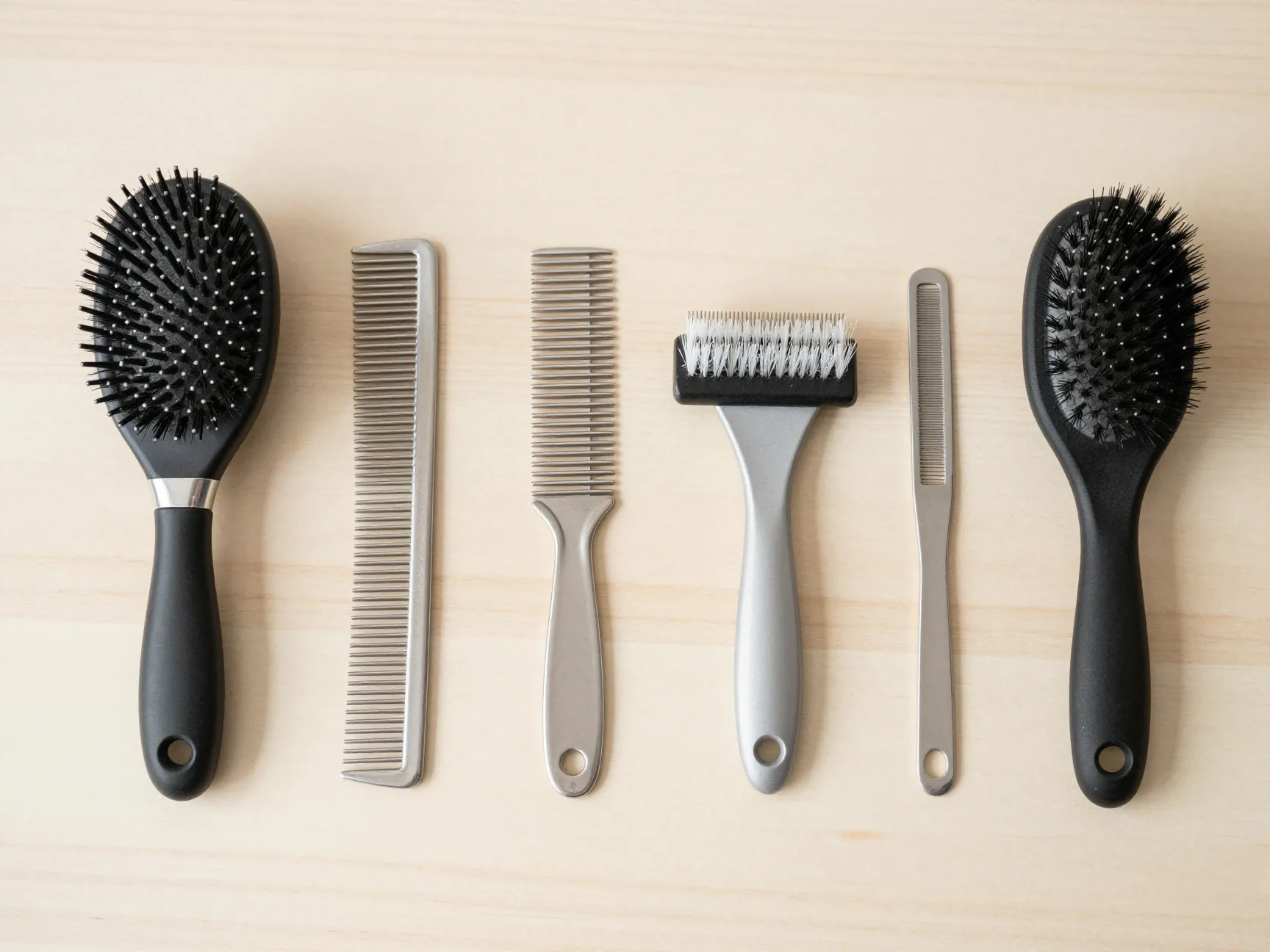
Using the wrong brush is one of the most common mistakes longhair cat owners make. A standard bristle brush designed for short-haired cats simply won’t penetrate the dense undercoat of a domestic longhair — and that’s where mats form. [4]
Recommended tools for longhair cats:
| Tool | Best Used For |
|---|---|
| Slicker brush | Removing loose fur from the top coat |
| Wide-tooth metal comb | Detangling and reaching the undercoat |
| Dematting comb | Carefully working through stubborn mats |
| Shedding blade or deshedding tool | Managing heavy seasonal shedding |
| Soft bristle finishing brush | Smoothing and adding shine after detangling |
When using a slicker brush, start at the top layer of the coat and gradually work your way down to the undercoat. This layered approach prevents you from dragging surface tangles deeper into the fur. [4]
A good metal comb is arguably the most important tool in your kit. Run it through sections of fur after brushing — if it glides through without resistance, the coat is truly tangle-free. If it catches, there’s still work to do.
3. Tackle Hairballs Through Diet and Grooming
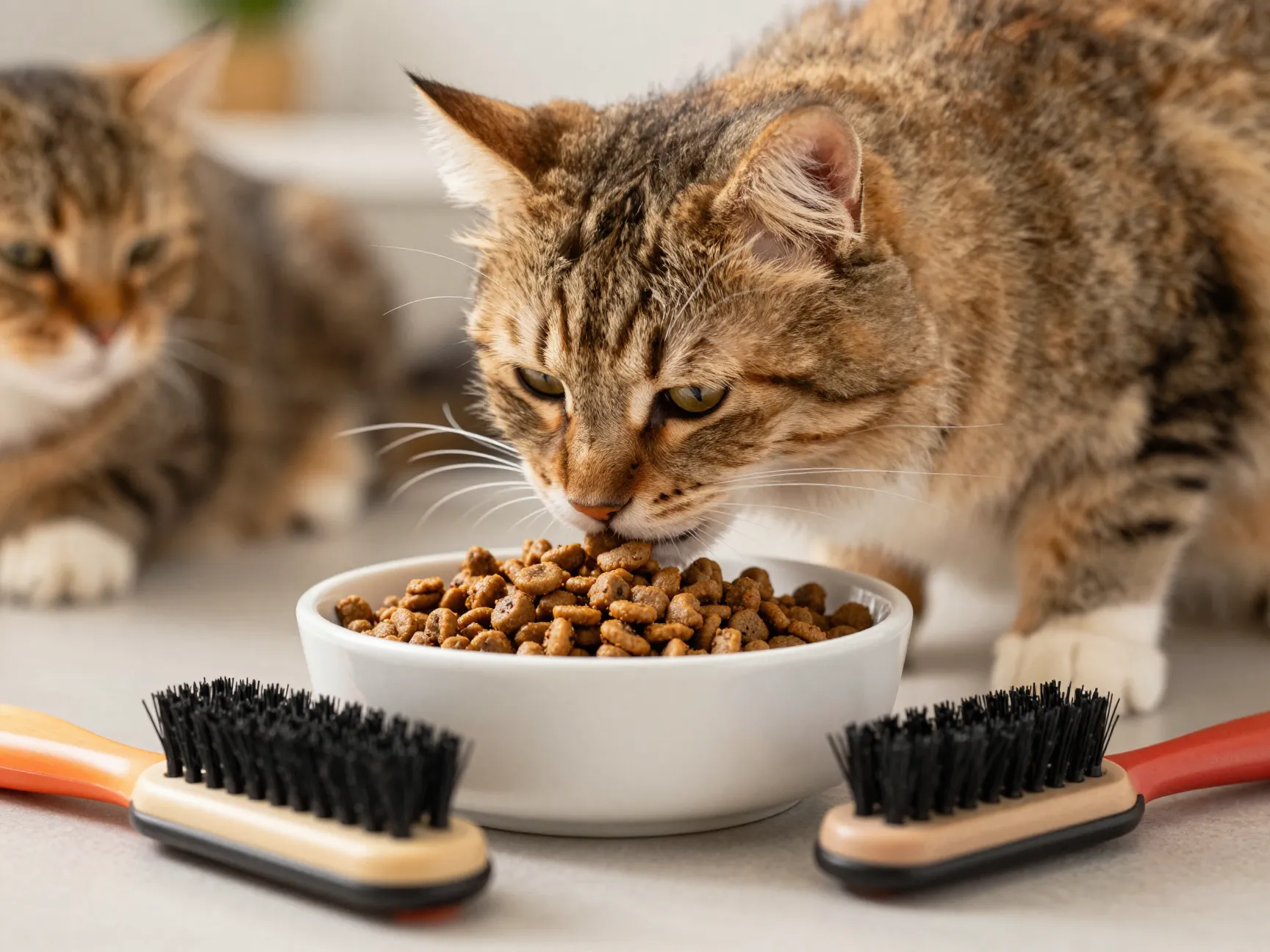
Hairballs are an uncomfortable reality for longhair cats. When cats groom themselves, they swallow loose fur, which can accumulate in the stomach and form a compacted mass. For longhairs, this happens more frequently and more severely than with short-haired cats. [1]
Two-pronged approach to hairball prevention:
Grooming side: Regular brushing removes loose, dead fur before your cat has a chance to ingest it during self-grooming. The more fur you capture with a brush, the less ends up in your cat’s digestive system. [1]
Diet side: Feed a high-quality, protein-rich diet that supports healthy digestion. Many pet food brands offer hairball control formulas that contain added fiber — typically from sources like beet pulp or cellulose — which helps move ingested fur through the digestive tract more efficiently. [1]
Signs that your cat may be struggling with hairballs beyond normal include:
- Frequent, unsuccessful retching
- Lethargy or loss of appetite
- A distended or tender abdomen
If you notice these signs, consult your veterinarian. Occasional hairball remedies (petroleum-based gels) can also help, but they should not replace the fundamentals of brushing and good nutrition.
4. Bathe Your Cat with the Right Products and Technique
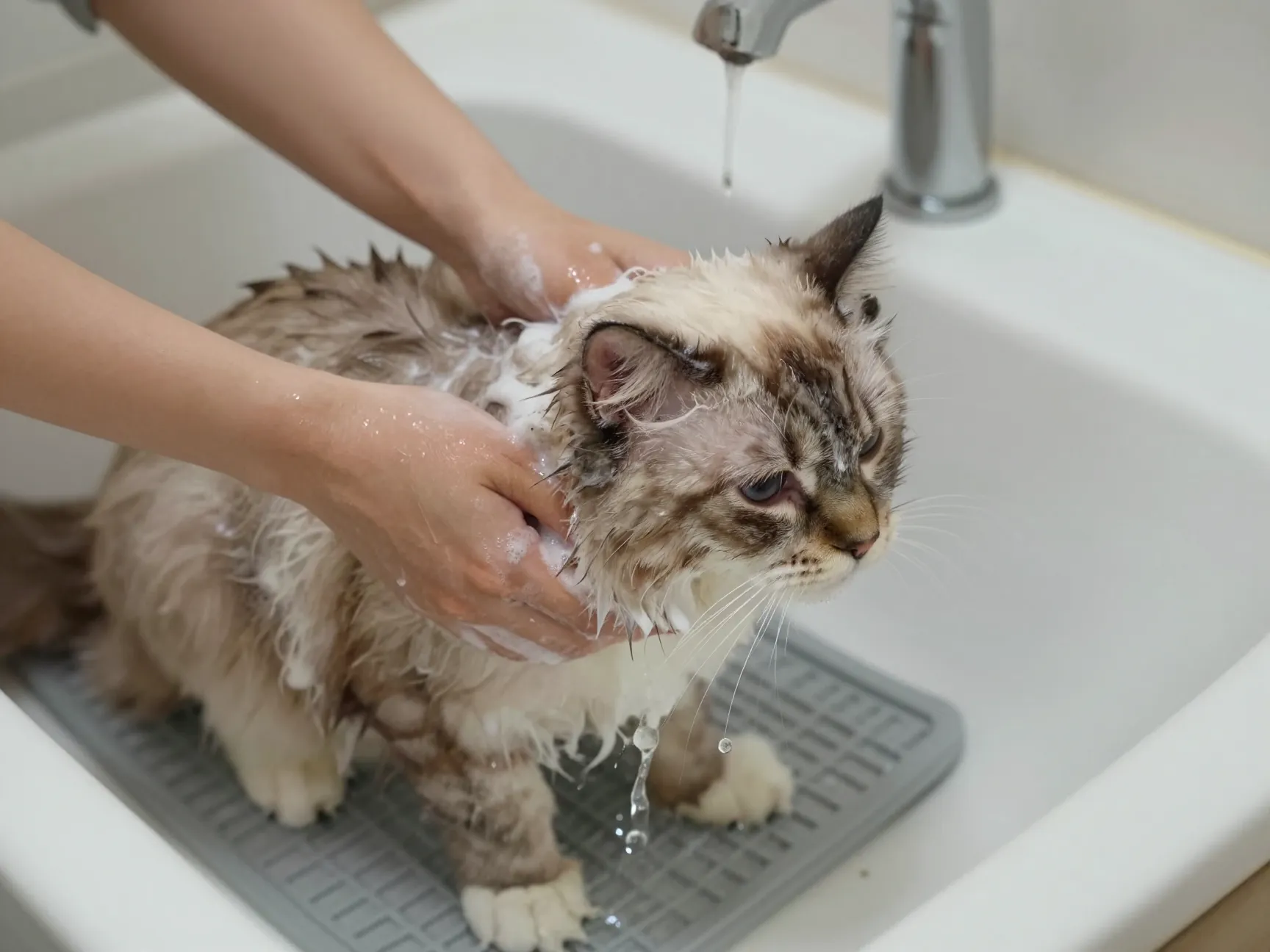
Most cats don’t need frequent baths, but domestic longhairs benefit from an occasional bath — roughly every 4–6 weeks or whenever the coat becomes greasy, dirty, or develops an odor. [3][5]
Bathing guidelines for longhair cats:
- ✅ Use only cat-formulated shampoo — human shampoos disrupt a cat’s skin pH
- ✅ Use lukewarm water — never hot, which can cause burns or distress
- ✅ Wet the coat thoroughly before applying shampoo
- ✅ Massage shampoo in the direction of hair growth
- ✅ Rinse completely — leftover shampoo residue causes skin irritation
- ❌ Never get suds in the eyes, ears, nose, or mouth [3][5]
After bathing, towel dry gently and follow with a low-heat blow dryer if your cat tolerates it, keeping the dryer moving to avoid heat concentration in one spot. Brush the coat while drying to prevent it from setting into tangles as it dries. A wet longhair coat that is left to air-dry without brushing is a prime candidate for mat formation.
🛁 Bathing Tip: Place a non-slip mat in the sink or tub to give your cat secure footing. A calmer cat means a safer, faster bath for both of you.
5. Keep the Litter Box Scrupulously Clean
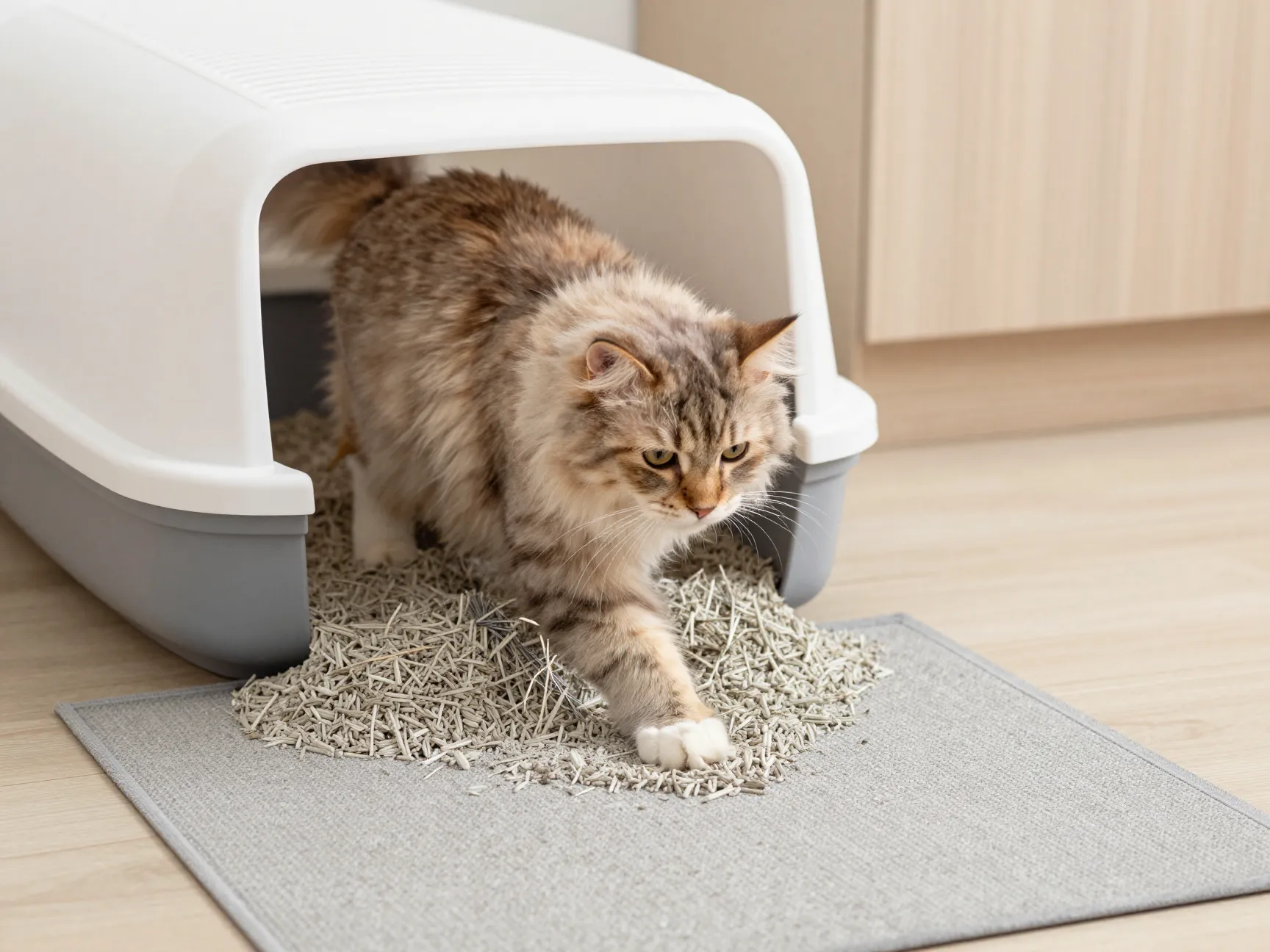
This tip surprises many new longhair cat owners, but litter box hygiene is a direct grooming concern for cats with long fur. Here’s why: when a longhair cat uses the litter box, loose litter granules can become trapped in the fur around the paws and the rear end. Waste can also soil the long fur near the tail and hindquarters — a condition sometimes called “dirty bottom.” [1]
Best practices for litter box management:
- Scoop at least once daily — ideally twice for multi-cat households
- Do a full litter change every 1–2 weeks depending on litter type
- Choose a low-dust, low-tracking litter to minimize particles clinging to fur
- Consider a litter mat outside the box to capture granules from paws before they spread
- Check the fur around your cat’s rear regularly and trim if needed (or ask your groomer to handle sanitary shaving)
A clean litter box also reduces the risk of your cat avoiding the box altogether, which can lead to stress-related behaviors and urinary health issues. [1]
6. Schedule Professional Grooming Every 4–8 Weeks
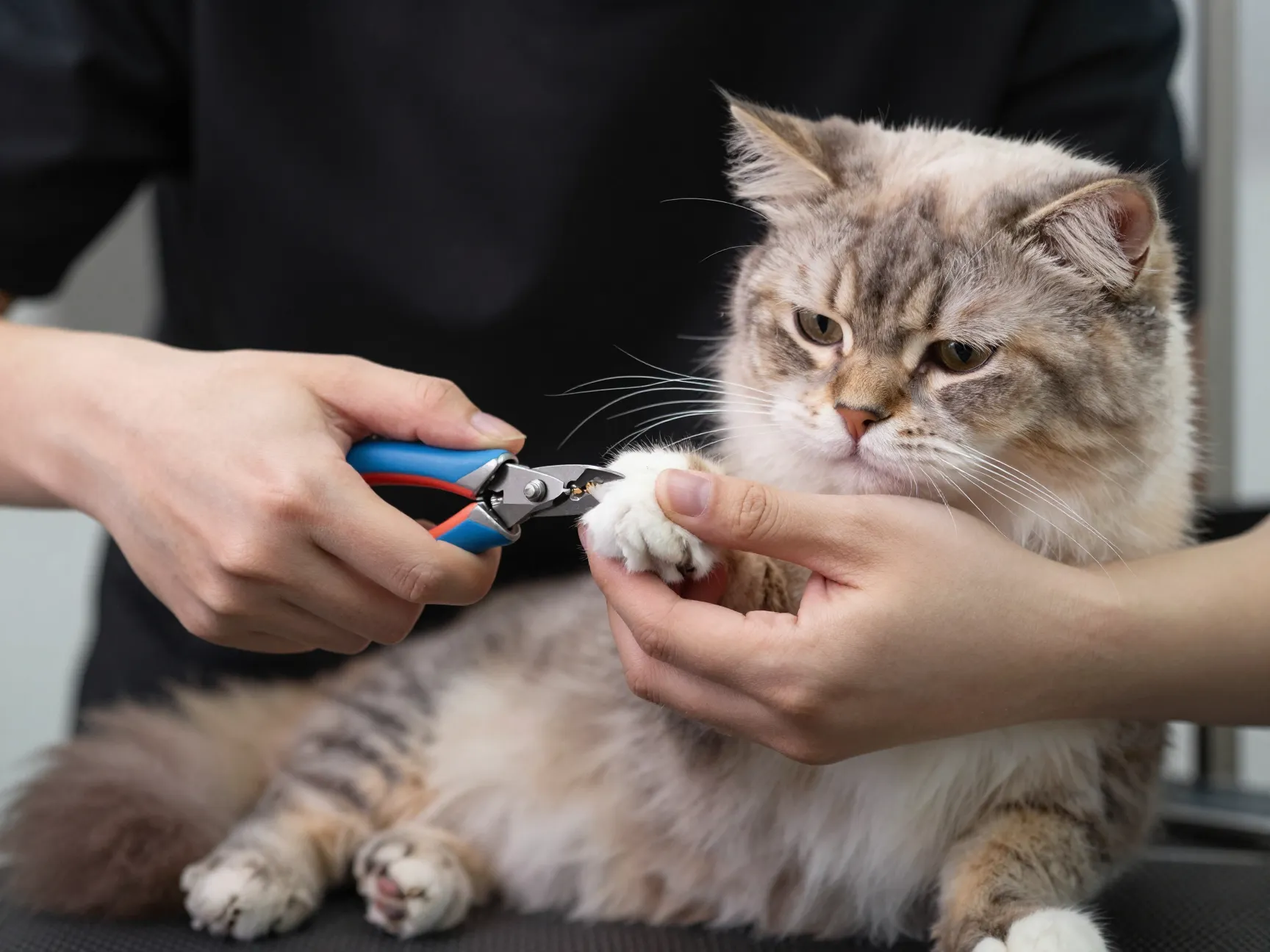
Even the most diligent at-home grooming routine benefits from professional reinforcement. A professional cat groomer typically provides services that are difficult or impractical to replicate at home, including: [6]
- Degreasing baths that remove oil buildup from the coat
- Full dematting with professional tools
- Nail trimming
- Ear cleaning
- Sanitary shaving — trimming the fur around the rear end to prevent soiling
- Lion cuts or teddy bear cuts for cats with severely matted coats or owners who prefer lower-maintenance styling
Recommended grooming frequency by coat condition:
| Coat Condition | Suggested Professional Visit |
|---|---|
| Well-maintained, minimal mats | Every 6–8 weeks |
| Moderate tangling or shedding | Every 4–6 weeks |
| Heavy matting or senior cat | Every 3–4 weeks |
When choosing a groomer, look for someone who has specific experience with longhair cats and uses cat-only facilities or separate spaces from dogs, as the stress of being near dogs can make grooming sessions much harder on your cat. [6]
7. Inspect the Skin During Every Grooming Session
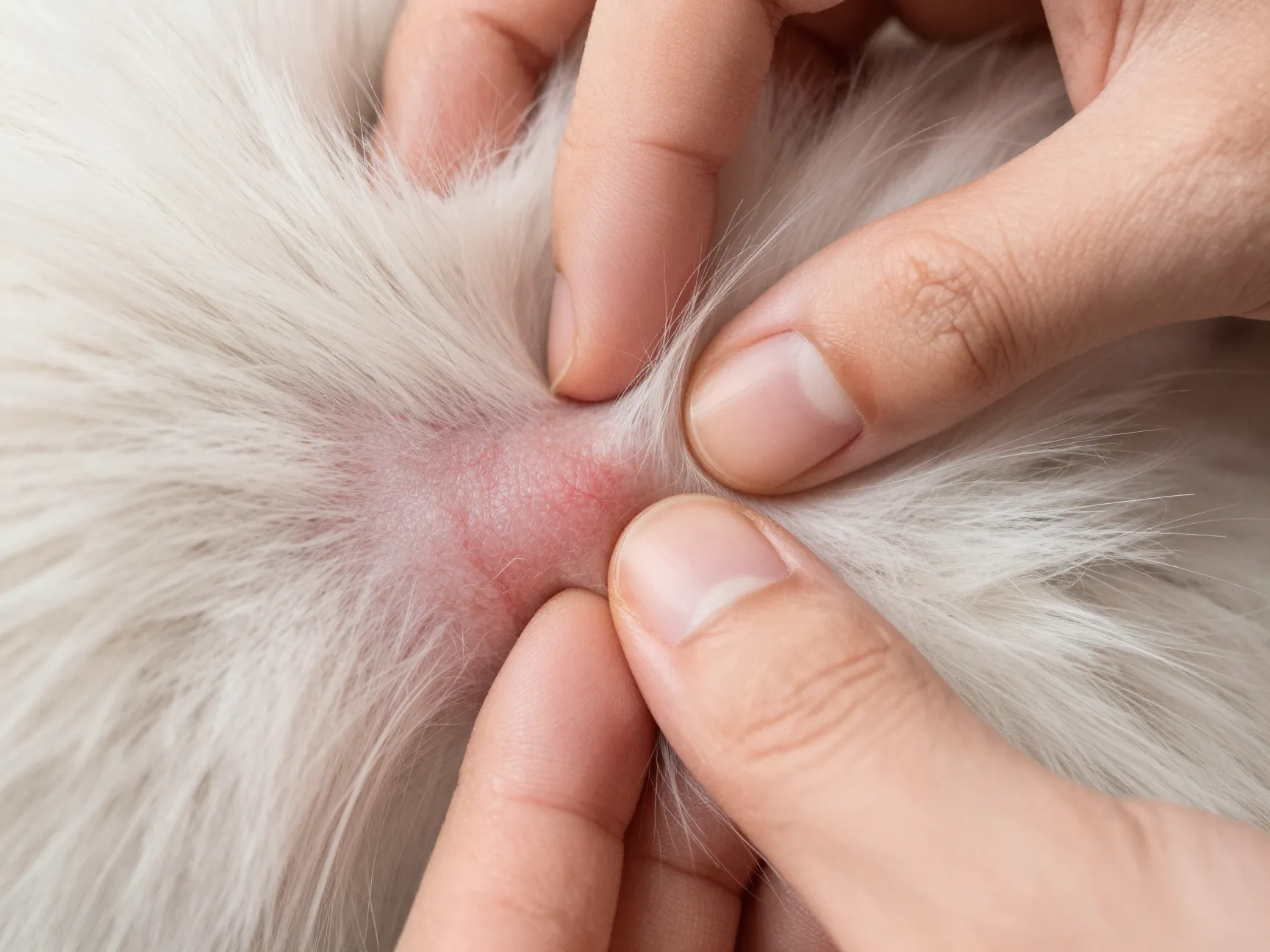
Grooming is not just about aesthetics — it is one of your most powerful health monitoring tools. Every time you brush your domestic longhair, you have a direct view of the skin beneath that coat. Use this opportunity deliberately. [2]
What to look for during grooming checks:
- 🔍 Fleas or flea dirt (small black specks that turn red when wet)
- 🔍 Ticks embedded in the skin, especially around the neck and ears
- 🔍 Redness, rashes, or inflamed patches
- 🔍 Scabs or crusting that could indicate allergies, infections, or parasites
- 🔍 Lumps or bumps under the skin
- 🔍 Hair loss patches that may signal ringworm or hormonal issues
- 🔍 Excessive dandruff which can indicate nutritional deficiencies or dry skin
Early detection of these issues dramatically improves treatment outcomes. A small flea infestation caught early is far easier to address than a full-blown infestation that has spread through your home. A lump found during a routine brush could be benign — or it could be something your vet needs to evaluate promptly. [2]
🩺 Health Reminder: If you notice any skin abnormalities that don’t resolve within a few days, or that are accompanied by scratching, hair loss, or behavioral changes, schedule a vet appointment promptly.
8. Provide Holistic Foundational Care

The final of our 8 essential care tips for your domestic longhair cat is perhaps the most important to keep in perspective: grooming is only one piece of the puzzle. A longhair cat’s overall health, happiness, and coat quality depend on a foundation of excellent general care. [3]
The pillars of holistic longhair cat care:
🍗 Nutrition: Feed a complete, balanced diet appropriate for your cat’s age, weight, and health status. High-quality protein sources support coat health at the cellular level. Omega-3 and omega-6 fatty acids — found in fish-based foods or supplements — promote a shiny, resilient coat. [3]
💧 Hydration: Longhair cats, like all cats, are prone to under-drinking. A cat water fountain encourages higher water intake, which supports kidney health and digestion — both of which affect coat quality.
🏥 Regular Veterinary Care: Annual wellness exams (or biannual for senior cats) catch health issues before they become serious. Your vet can also recommend parasite prevention products appropriate for your cat’s lifestyle. [3]
🧸 Enrichment and Mental Stimulation: Boredom and stress manifest in cats through over-grooming, which can cause hair loss and skin damage. Provide:
- Interactive toys and puzzle feeders
- Vertical space (cat trees, shelves)
- Regular play sessions
- Safe outdoor access if appropriate (catio, leash training)
🛏️ Comfortable Resting Spaces: Longhair cats benefit from washable bedding that you can launder regularly to remove accumulated fur and dander. This also reduces allergen buildup in your home.
Quick Reference: 8 Essential Care Tips for Your Domestic Longhair Cat
| # | Care Tip | Frequency |
|---|---|---|
| 1 | Regular brushing | Daily (shedding season) / 2x weekly |
| 2 | Use proper grooming tools | Every grooming session |
| 3 | Hairball prevention (diet + brushing) | Ongoing |
| 4 | Bathing with cat-safe products | Every 4–6 weeks |
| 5 | Clean litter box maintenance | Daily scooping |
| 6 | Professional grooming | Every 4–8 weeks |
| 7 | Skin inspection during grooming | Every grooming session |
| 8 | Holistic foundational care | Daily / ongoing |
Common Mistakes Longhair Cat Owners Make
Even well-intentioned owners fall into habits that can harm their longhair cat’s coat and health. Here are the most frequent missteps to avoid:
- Skipping grooming “just this once” — mats form faster than you’d expect, especially in humid weather
- Using human shampoo or baby shampoo — the pH is wrong for feline skin
- Brushing only the surface coat — if the comb doesn’t glide through, the undercoat is still tangled
- Ignoring the litter box — soiled fur around the rear is both uncomfortable and a hygiene risk
- Waiting for visible problems before seeing a vet — early intervention is always better
Conclusion
Caring for a domestic longhair cat is genuinely rewarding — that luxurious coat is a testament to your dedication when it gleams and flows freely. By applying these 8 essential care tips for your domestic longhair cat, you’re not just maintaining appearances; you’re actively protecting your cat’s skin health, digestive health, and emotional well-being.
Your actionable next steps starting today:
- Assess your current grooming toolkit — do you have a slicker brush and a wide-tooth metal comb? If not, order them today.
- Set a grooming schedule on your phone calendar — consistency is the single biggest factor in preventing mats.
- Book a professional grooming appointment if your cat is overdue, or if you’ve noticed any matting you can’t safely resolve at home.
- Review your cat’s diet — check the ingredient list on your current food and consider whether a hairball control or omega-enriched formula might benefit your cat.
- Schedule a vet wellness check if it’s been more than a year since your cat’s last exam.
Your domestic longhair is counting on you. With the right routine in place, both of you will be happier for it. 🐱
References
[1] Domestic Longhair Cat – https://www.litter-robot.com/blog/domestic-longhair-cat/
[2] Long Haired Cat Care Guide – https://www.farmstore.com/blog/long-haired-cat-care-guide
[3] Taking Care Of A Longhaired Cat – https://vethealthcenter.com/2024/08/15/taking-care-of-a-longhaired-cat/
[4] Grooming Long Haired Cat – https://embassylakesanimalhospital.com/blog/grooming-long-haired-cat/
[5] Tips On Caring For Longhaired Cats – https://animalsfirstvethospital.com/2024/08/15/tips-on-caring-for-longhaired-cats/
[6] Care Long Haired Cat – https://www.chewy.com/education/cat/grooming/care-long-haired-cat
[7] Cat Grooming Tips – https://www.aspca.org/pet-care/cat-care/cat-grooming-tips