6 Labrador Puppy Training Tips to Raise the Perfect Family Dog
Picture this: you’ve just brought home an adorable Labrador puppy, and within minutes, they’ve already stolen your heart—and possibly your favorite shoe. While Labs are known for their friendly, loyal nature, transforming that bundle of energy into a well-behaved family companion requires dedication, patience, and the right approach. The good news? With proper training techniques, your Labrador puppy can become the perfect family dog you’ve always dreamed of.

Disclosure: This post contains affiliate links. As an Amazon Associate, we earn from qualifying purchases, and at no extra cost to you.
In this comprehensive guide, I’ll share the 6 Labrador Puppy Training Tips to Raise the Perfect Family Dog that will set you and your furry friend up for a lifetime of success. These proven strategies focus on building a strong foundation during those crucial early months when your puppy’s mind is most receptive to learning.
Key Takeaways
- Start training during the “sponge stage” (8-12 weeks) when puppies absorb information most effectively
- Use positive reinforcement and consistency rather than punishment to build confidence and trust
- Keep training sessions short (5-10 minutes) but frequent throughout the day for maximum retention
- Focus on foundational commands first (sit, stay, come) before progressing to more complex behaviors
- Address common Lab behaviors early, including nipping, pulling, and house training challenges
Understanding Your Labrador Puppy’s Learning Journey
Before diving into the specific 6 Labrador Puppy Training Tips to Raise the Perfect Family Dog, it’s essential to understand how your Lab’s mind works. Labrador Retrievers are intelligent, eager-to-please dogs that thrive on positive interaction and mental stimulation. However, they’re also naturally mouthy, energetic, and can become strong pullers if not properly trained from the start [2].
The key to success lies in recognizing that early training prevents future behavioral problems by helping puppies learn acceptable behavior, build confidence with new people and situations, and channel their natural enthusiasm into good manners [2]. Your Lab puppy goes through distinct developmental phases, each requiring a tailored approach to training.
The Critical Development Phases
The “Sponge Stage” (8-12 weeks): This is when puppies absorb everything around them, making it the perfect time to focus on gentle socialization, toilet training, and introducing simple cues [2].
The “Mouthy, Curious” Phase (3-6 months): During this period, you’ll need to manage increased energy levels while continuing socialization and adding short obedience sessions [2].
Understanding these phases helps you set realistic expectations and adjust your training methods accordingly.
1. Master the Art of Consistency in Training Methods

The foundation of successful Labrador training lies in consistency. This means using the same training methods, commands, and equipment throughout your puppy’s training journey [1][2]. When everyone in your household uses different commands for the same behavior, your puppy becomes confused and progress slows significantly.
Establishing Consistent Training Protocols
Choose Your Training Tools Wisely: Select specific equipment like clickers, treats, and collars, then stick with them. If you start with clicker training, ensure everyone in your family understands how to use the clicker properly [1].
Standardize Commands: Create a family “command dictionary” where everyone uses the same words. For example, decide whether you’ll use “down” or “lie down,” then ensure consistency across all family members.
Maintain Regular Schedules: Labs thrive on routine. Establish consistent meal times, potty breaks, and training sessions. This predictability helps your puppy understand what’s expected and when.
“Consistency is the key to success in dog training. When your Labrador knows what to expect, they can focus on learning rather than trying to decode mixed messages.”
The Power of Equipment Consistency
Using the same training equipment helps your puppy become accustomed to the methodology [1]. This is particularly important for Labs, who can become easily distracted by new stimuli. When your puppy knows the sight of their training collar means “learning time,” they’ll settle into the right mindset more quickly.
2. Harness the Power of Positive Reinforcement
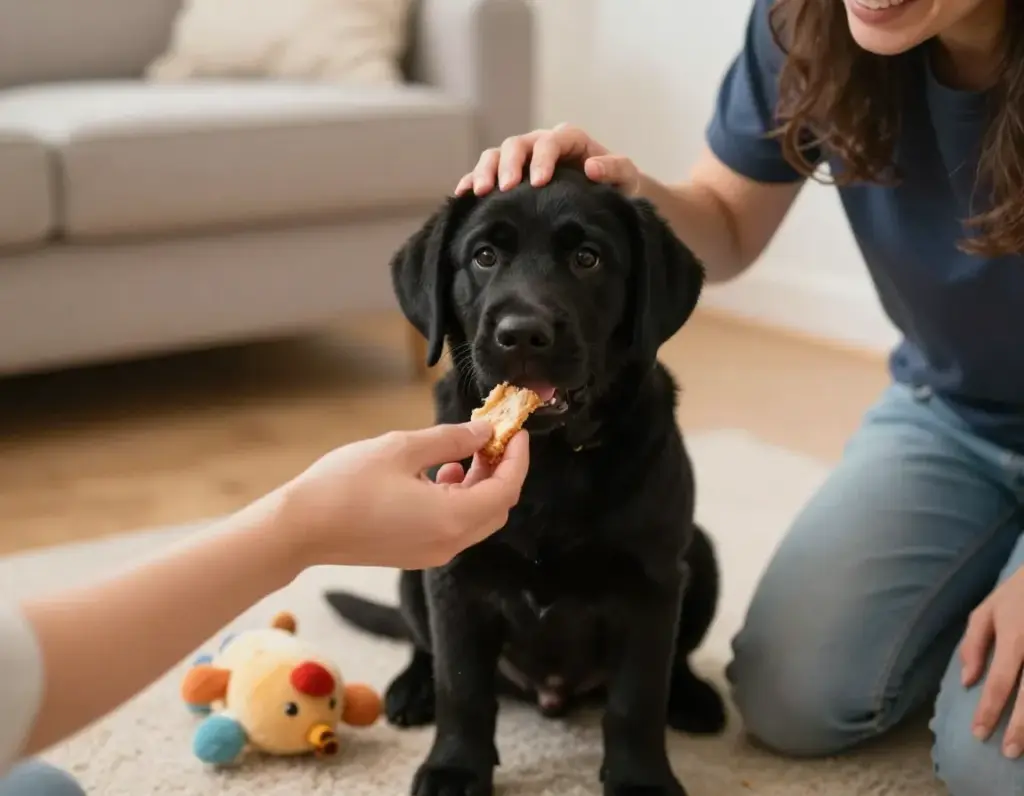
Positive reinforcement works best for Labrador puppies, as relying on praise, treats, and affection rather than punishment creates faster, more lasting results [2]. Punishment only delays learning and can damage the trust between you and your puppy.
Building a Reward System That Works
Immediate Timing: Reward your puppy the instant they perform the desired behavior. This immediate feedback helps them understand exactly what they did correctly [2].
Variety in Rewards: While treats are effective, don’t rely solely on food rewards. Labs respond wonderfully to:
- Verbal praise in an excited, happy voice
- Physical affection like gentle petting or belly rubs
- Play time with favorite toys
- Special privileges like access to the couch
High-Value Treats: Identify what your Lab considers the ultimate reward. For many Labs, this might be small pieces of chicken, cheese, or specialized training treats.
Why Positive Methods Work Better for Labs
Labradors are naturally people-pleasers who want to make their families happy. When you use positive reinforcement, you’re working with their natural inclinations rather than against them. This approach builds confidence, strengthens your bond, and creates a puppy who’s eager to learn more.
Avoiding Common Punishment Pitfalls: Never punish accidents during house training or mistakes during learning sessions. Instead, redirect the behavior and reward the correct response. Remember, your puppy is still learning what you expect.
3. Perfect Your Training Session Structure
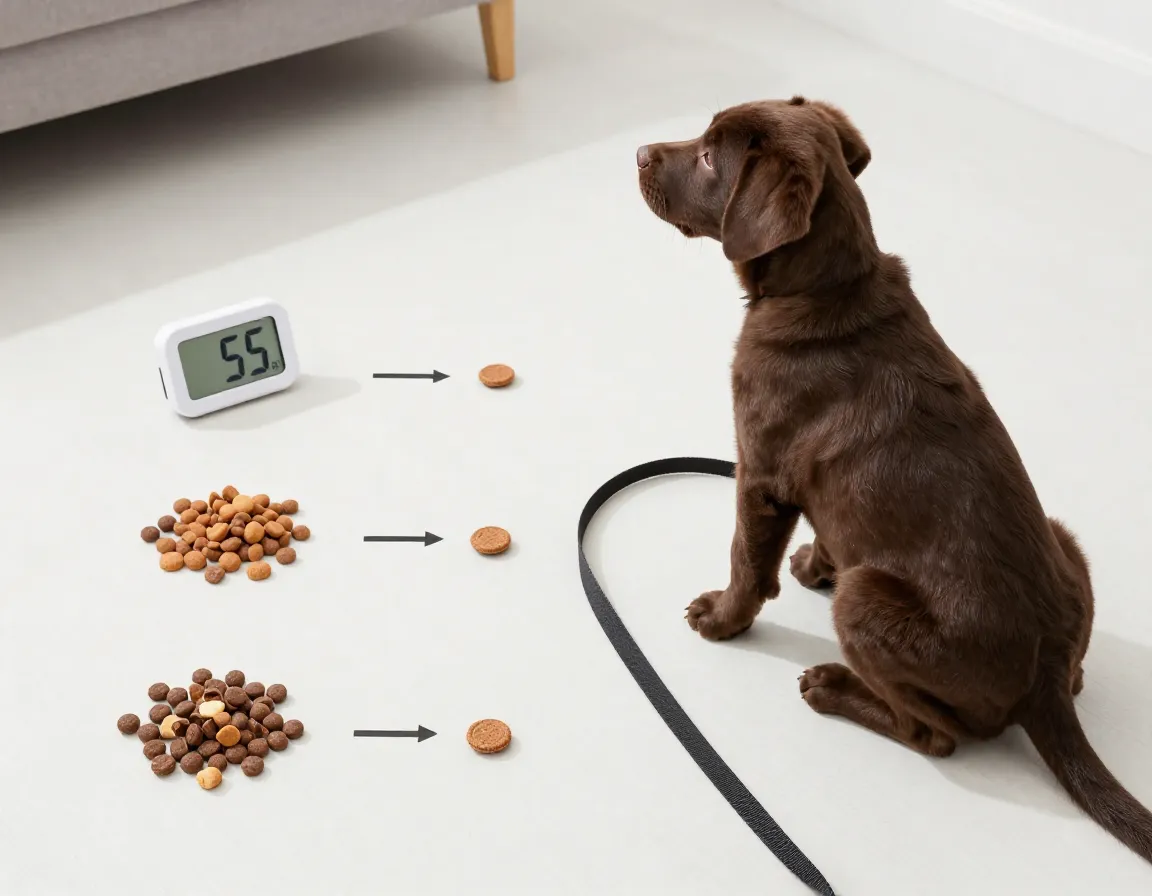
One of the most crucial 6 Labrador Puppy Training Tips to Raise the Perfect Family Dog involves understanding that short, frequent sessions are more effective than marathon training periods [2][3]. Your Lab puppy’s attention span is limited, and their energy levels fluctuate throughout the day.
Optimal Session Length and Frequency
5-10 Minute Sessions: Keep individual training sessions brief but impactful. Sessions lasting no more than 15 minutes help build confidence rather than overwhelming your puppy [3].
Multiple Daily Sessions: Aim for 3-5 short sessions throughout the day rather than one long session. This approach works with your puppy’s natural learning rhythm and prevents mental fatigue.
End on a Positive Note: Always conclude training sessions with a successful command and reward. This leaves your puppy feeling accomplished and eager for the next session.
Recognizing When Your Puppy Needs a Break
Sleep is important for trainability—overtired Labradors become unruly and are easily distracted and overstimulated, making training much harder [2]. Watch for these signs that your puppy needs rest:
- Decreased attention to commands
- Increased nipping or mouthing
- Difficulty sitting still
- Excessive panting or yawning
Sample Daily Training Schedule
| Time | Activity | Duration | Focus |
|---|---|---|---|
| 8:00 AM | Morning basics | 5-10 min | Sit, stay, come |
| 12:00 PM | Lunch session | 5-10 min | Leash training |
| 4:00 PM | Afternoon practice | 5-10 min | House training cues |
| 7:00 PM | Evening review | 5-10 min | Reinforce daily lessons |
4. Build Strong Foundations with Essential Commands
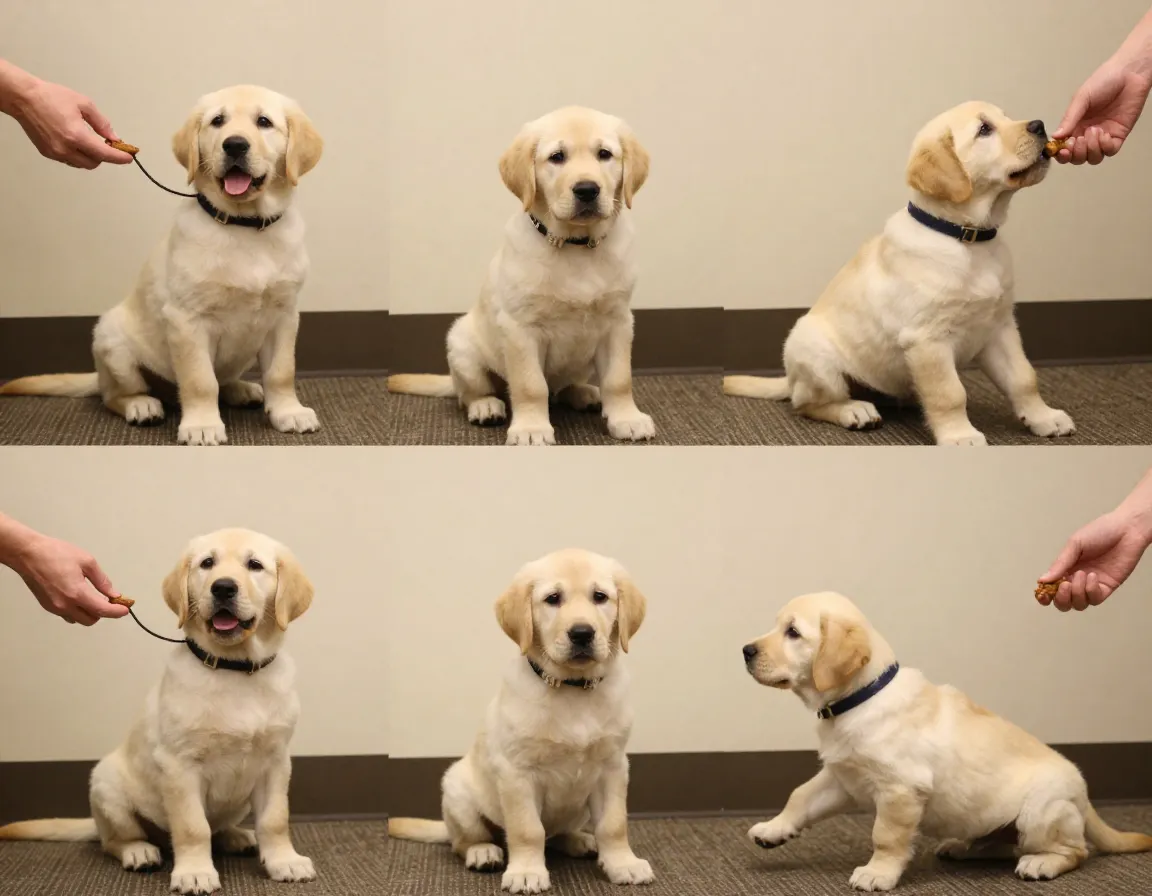
Start with foundational commands that form the basis of all future training [2]. For Labs, the essential trio of sit, stay, and come should be your initial focus, with immediate rewards so puppies understand exactly what they did correctly.
Teaching the “Sit” Command
The “sit” command is often the easiest for Lab puppies to learn and provides an excellent foundation for other behaviors.
Step-by-Step Process:
- Hold a treat close to your puppy’s nose
- Slowly lift the treat over their head
- As their head follows the treat, their bottom naturally touches the ground
- The moment they sit, say “sit” and immediately reward
- Practice 3-5 repetitions per session
Mastering “Stay” for Safety
The “stay” command is crucial for safety and helps develop impulse control in energetic Lab puppies.
Progressive Training Approach:
- Week 1: Practice stay for 2-3 seconds at arm’s length
- Week 2: Gradually increase duration to 10 seconds
- Week 3: Add distance by taking small steps backward
- Week 4: Practice in different locations with mild distractions
Perfecting the Recall Command “Come”
A reliable recall is essential for off-leash safety and gives your Lab freedom to explore while maintaining control.
Building Strong Recall:
- Always use a happy, excited voice when calling “come”
- Never call your puppy to come for something they perceive as negative
- Practice in a secure, enclosed area before trying outdoors
- Reward generously every time they respond correctly
“The three foundation commands—sit, stay, and come—are like the alphabet of dog training. Master these, and everything else becomes much easier to teach.”
5. Tackle Leash Training and Prevent Pulling Behaviors

Lead and harness training prevents pulling behavior that can become problematic as your Lab grows larger and stronger [2]. Labradors often become strong pullers if this stage is rushed, so patience and proper technique are essential.
Introducing Equipment Gradually
Start Indoors: Begin by introducing a lightweight collar and lead indoors, allowing your puppy to drag the lead under supervision. This helps them become comfortable with the equipment before adding the complexity of outdoor distractions [2].
Choose the Right Equipment:
- Lightweight collar for initial introduction
- Front-clip harness to discourage pulling
- Standard 6-foot leash for training (avoid retractable leashes initially)
Teaching Proper Walking Etiquette
The “Heel” Command: Teach your puppy to walk beside you with gentle guidance and rewards [2]. Start with short distances and gradually increase as your puppy masters the concept.
Training Steps:
- Begin in a familiar, low-distraction environment
- Hold treats at your side to encourage your puppy to stay close
- Take a few steps, rewarding when your puppy walks beside you
- Use the command “heel” when they’re in the correct position
- Stop and practice “sit” frequently to reinforce attention
Common Leash Training Challenges
Pulling Forward: When your puppy pulls, stop walking immediately. Only move forward when the leash is loose. This teaches them that pulling doesn’t get them where they want to go faster.
Lagging Behind: If your puppy stops or lags, use encouraging words and treats to motivate forward movement. Avoid dragging them, as this can create negative associations with the leash.
Distraction Management: Start training in quiet areas and gradually introduce more stimulating environments as your puppy’s focus improves.
6. Master House Training and Address Common Behavioral Issues
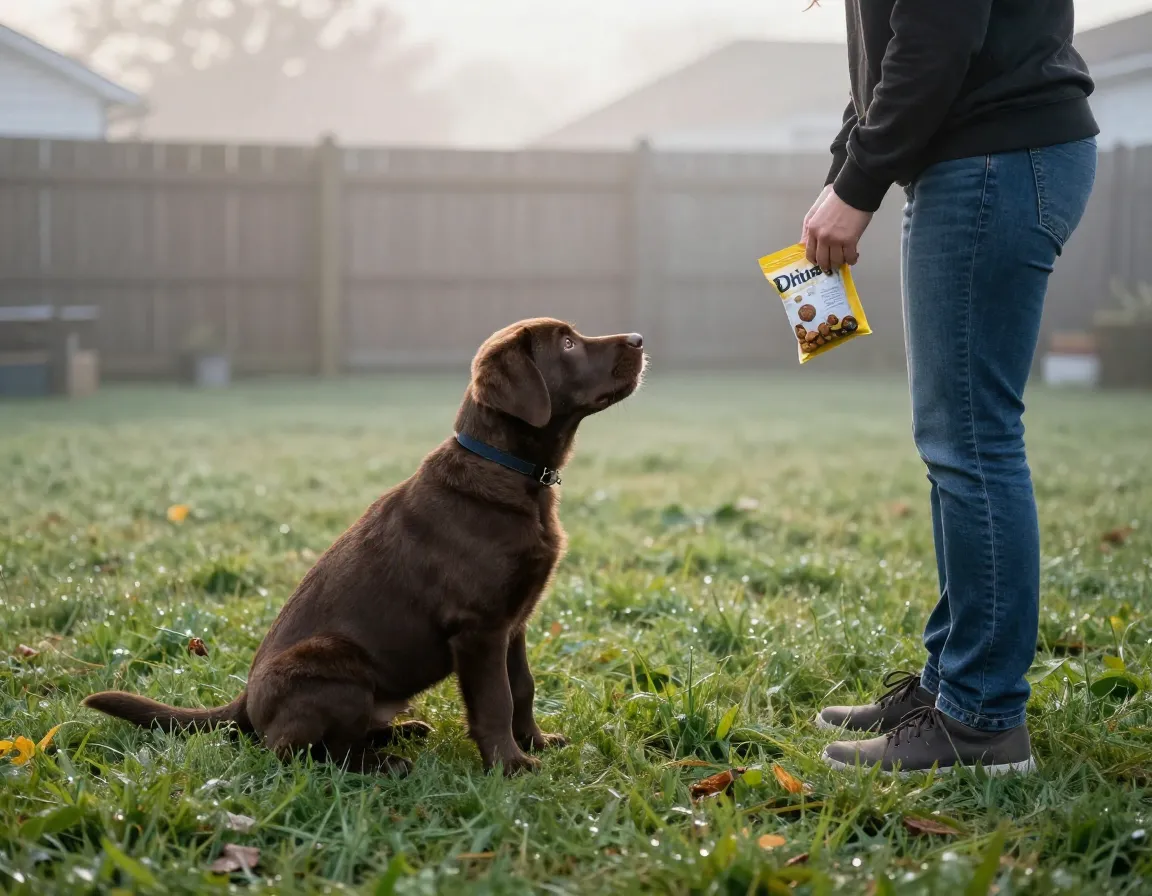
The final component of our 6 Labrador Puppy Training Tips to Raise the Perfect Family Dog focuses on house training and managing typical Lab puppy behaviors like nipping and excessive energy.
House Training Success Strategies
House training requires patience and consistency with a structured approach that works with your puppy’s natural patterns [2].
Essential House Training Protocol:
- Frequent Outdoor Trips: Take your puppy outside after meals, play sessions, and naps
- Watch for Warning Signs: Look for sniffing, circling, or restless behavior
- Immediate Praise: Provide enthusiastic praise when your puppy eliminates outside
- Proper Cleanup: Clean accidents thoroughly with enzymatic products to eliminate odors
- Never Punish Accidents: Punishment only teaches your puppy to hide their mistakes
Managing the Nipping Phase
Address nipping and biting through early intervention to prevent this natural puppy behavior from becoming problematic [2].
Effective Nipping Solutions:
- Keep Interactions Calm: Avoid overly exciting play that encourages rough behavior
- Teach Bite Inhibition: When your puppy nips, say “ouch” in a high-pitched voice and stop play immediately
- Provide Appropriate Outlets: Offer plenty of chew toys to redirect mouthing behavior
- Reward Gentle Behavior: Praise and treat your puppy when they interact gently
Energy Management and Mental Stimulation
Labs are high-energy dogs that need both physical exercise and mental challenges to stay well-behaved.
Daily Exercise Requirements:
- Puppy Formula: 5 minutes of exercise per month of age, twice daily
- Mental Stimulation: Puzzle toys, training sessions, and new experiences
- Structured Play: Organized games like fetch (in short bursts for young puppies)
When to Seek Professional Help
Professional help should be sought early if you notice persistent fear, aggression, separation anxiety, or destructive chewing despite consistent training efforts [2]. Don’t wait for problems to escalate—early intervention is always more effective.
Warning Signs Requiring Professional Attention:
- Aggressive behavior toward people or other animals
- Extreme fearfulness or anxiety
- Destructive behavior that doesn’t improve with training
- Separation anxiety that worsens over time
- Any behavior that makes you feel unsafe or concerned
Creating Long-Term Success with Your Labrador
Training your Lab puppy is an ongoing journey that extends well beyond the first few months. The 6 Labrador Puppy Training Tips to Raise the Perfect Family Dog provide the foundation, but continued practice and patience ensure lasting results.
Maintaining Training Throughout Growth
As your Lab puppy grows, continue reinforcing the basics while gradually introducing more advanced commands and behaviors. Remember that adolescent dogs (6-18 months) may test boundaries and seem to “forget” their training—this is normal and requires consistent reinforcement.
Building a Stronger Bond
The training process itself strengthens the bond between you and your Lab. Each successful session builds trust and communication, creating a relationship based on mutual respect and understanding.
Celebrating Progress
Acknowledge and celebrate small victories along the way. Every successful “sit,” every accident-free day, and every gentle interaction with children represents progress toward your goal of raising the perfect family dog.
Conclusion
Raising the perfect family Labrador requires dedication, consistency, and patience, but the rewards are immeasurable. By implementing these 6 Labrador Puppy Training Tips to Raise the Perfect Family Dog, you’re setting both yourself and your puppy up for a lifetime of happiness together.
Remember that every puppy learns at their own pace, and setbacks are a normal part of the training process. Focus on positive reinforcement, maintain consistency in your methods, and don’t hesitate to seek professional help when needed.
Your next steps:
- Start immediately with the foundation commands, even if your puppy is very young
- Establish a consistent daily routine that includes multiple short training sessions
- Involve all family members in the training process to ensure consistency
- Be patient with the process—most behaviors take 4-6 weeks of consistent practice to become reliable
- Consider enrolling in a puppy training class for additional socialization and professional guidance
With time, patience, and the right approach, your Labrador puppy will grow into the loyal, well-behaved family companion you’ve always wanted. The investment you make in training today will pay dividends for years to come, creating countless memories with your perfect family dog. 🐕
References
[1] How To Train A Lab Puppy – https://www.masterclass.com/articles/how-to-train-a-lab-puppy
[2] Labrador Puppy Training 101 Essential Tips – https://www.joiipetcare.com/blogs/advice/labrador-puppy-training-101-essential-tips
[3] How To Train Labrador Puppy Guide – https://zigzag.dog/en-us/blog/puppy-training/breed-specific/how-to-train-labrador-puppy-guide/