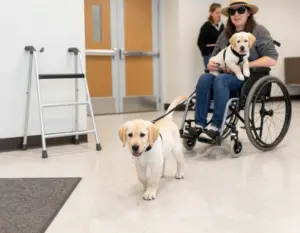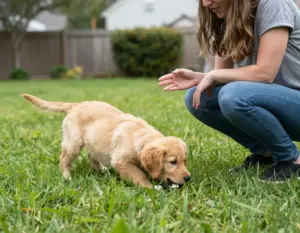
6 Simple Puppy Leash Training Tips for Calm, Happy Walks
Picture this: You’re walking down the street with your adorable new puppy, but instead of the peaceful stroll you imagined, you’re being dragged from tree to tree while your furry friend pulls, lunges, and turns every outing into a wrestling match. Sound familiar? You’re not alone. Most new puppy parents face this exact challenge, but here’s the good news – with the right approach, those chaotic walks can transform into enjoyable bonding experiences. These 6 Simple Puppy Leash Training Tips for Calm, Happy Walks will help you build a foundation of trust and communication that makes every adventure together a pleasure rather than a battle.
Disclosure: This post contains affiliate links. As an Amazon Associate, we earn from qualifying purchases, and at no extra cost to you.
Key Takeaways
- Start with proper equipment: Ensure your puppy wears a well-fitted, non-tightening collar before introducing leash work
- Build positive associations: Let your puppy wear the leash during fun activities and reward calm behavior consistently
- Practice in low-distraction environments: Master indoor and backyard skills before venturing into busy outdoor spaces
- Use consistent communication: Establish clear sound cues and reward systems to guide your puppy’s behavior
- Keep sessions short and frequent: Multiple brief training periods work better than long, overwhelming sessions
Understanding the Foundation: Why These 6 Simple Puppy Leash Training Tips for Calm, Happy Walks Work
Before diving into the specific techniques, it’s important to understand why puppies struggle with leash walking in the first place. Unlike adult dogs who may have developed bad habits, puppies are essentially blank slates – they have no concept of what a leash means or why they should walk beside you instead of exploring every fascinating smell and sight around them.
The beauty of working with puppies lies in their natural eagerness to please and their incredible capacity for learning. However, their attention spans are short, and they can become overwhelmed quickly. This is why the approach we’ll cover focuses on positive reinforcement, gradual progression, and consistency rather than correction-based methods.
Research shows that puppies learn best through positive associations and clear communication[6]. When we make leash walking a rewarding experience from the start, we’re setting the foundation for years of enjoyable walks together.
The Complete Guide: 6 Simple Puppy Leash Training Tips for Calm, Happy Walks
1. Start with Proper Collar Introduction and Equipment Setup
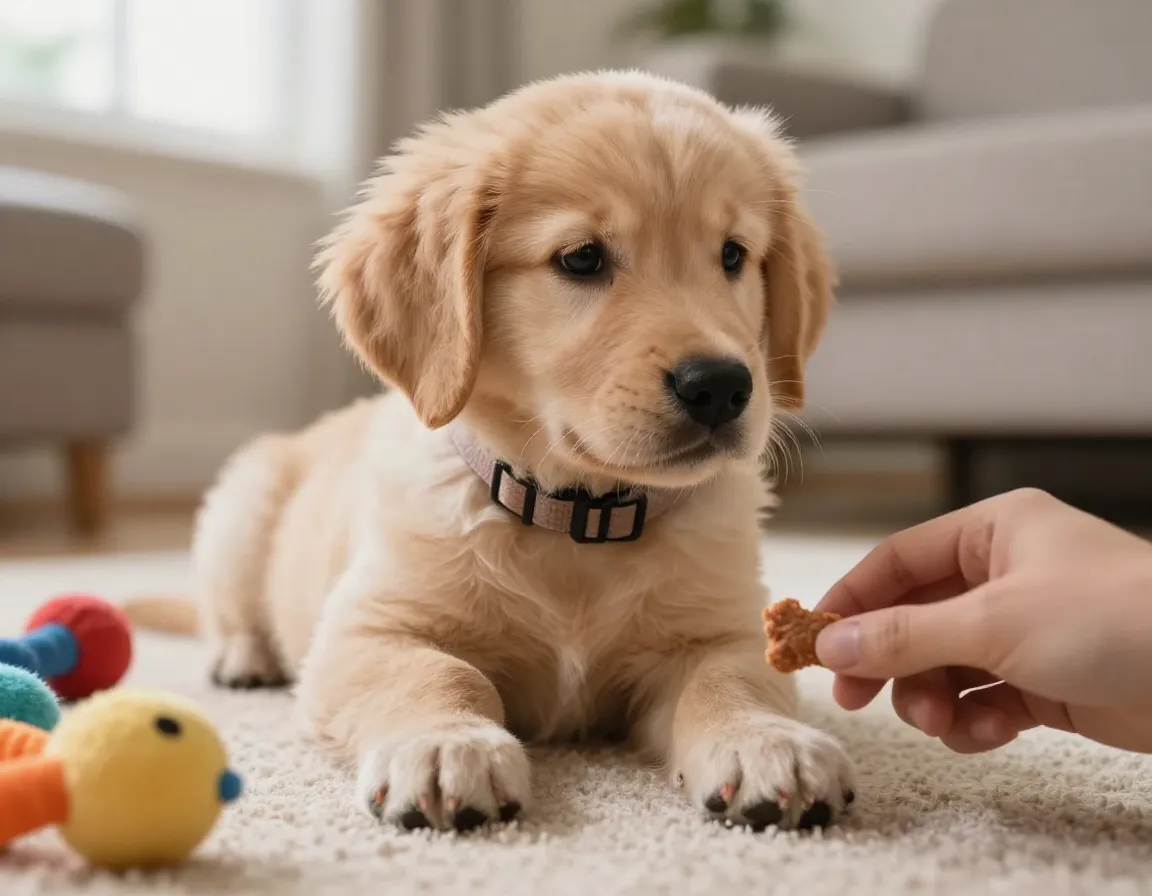
The journey to successful leash walking begins before you even attach a leash. Puppies should wear a properly fitted, non-tightening collar before any leash work begins[1]. This foundational step is often overlooked, but it’s crucial for your puppy’s comfort and safety.
Choosing the Right Collar:
- Measure your puppy’s neck and add 2-3 inches for proper fit
- Ensure you can slip two fingers under the collar when fastened
- Select a flat, buckle-style collar rather than a slip or choke collar
- Avoid retractable leashes initially – they teach pulling behavior
Collar Introduction Process:
- Day 1-2: Let your puppy sniff and investigate the collar
- Day 3-4: Put the collar on for short periods (5-10 minutes) during positive activities
- Day 5-7: Gradually increase wearing time until your puppy ignores the collar completely
During this introduction phase, distract your puppy with treats, play, or meals while they’re wearing the collar. This creates positive associations and prevents them from focusing on the unfamiliar sensation around their neck.
“The key to successful leash training starts with equipment your puppy barely notices. If they’re constantly pawing at their collar or trying to remove it, they’ll never focus on learning to walk properly.”
2. Create Positive Leash Associations Through Play and Rewards
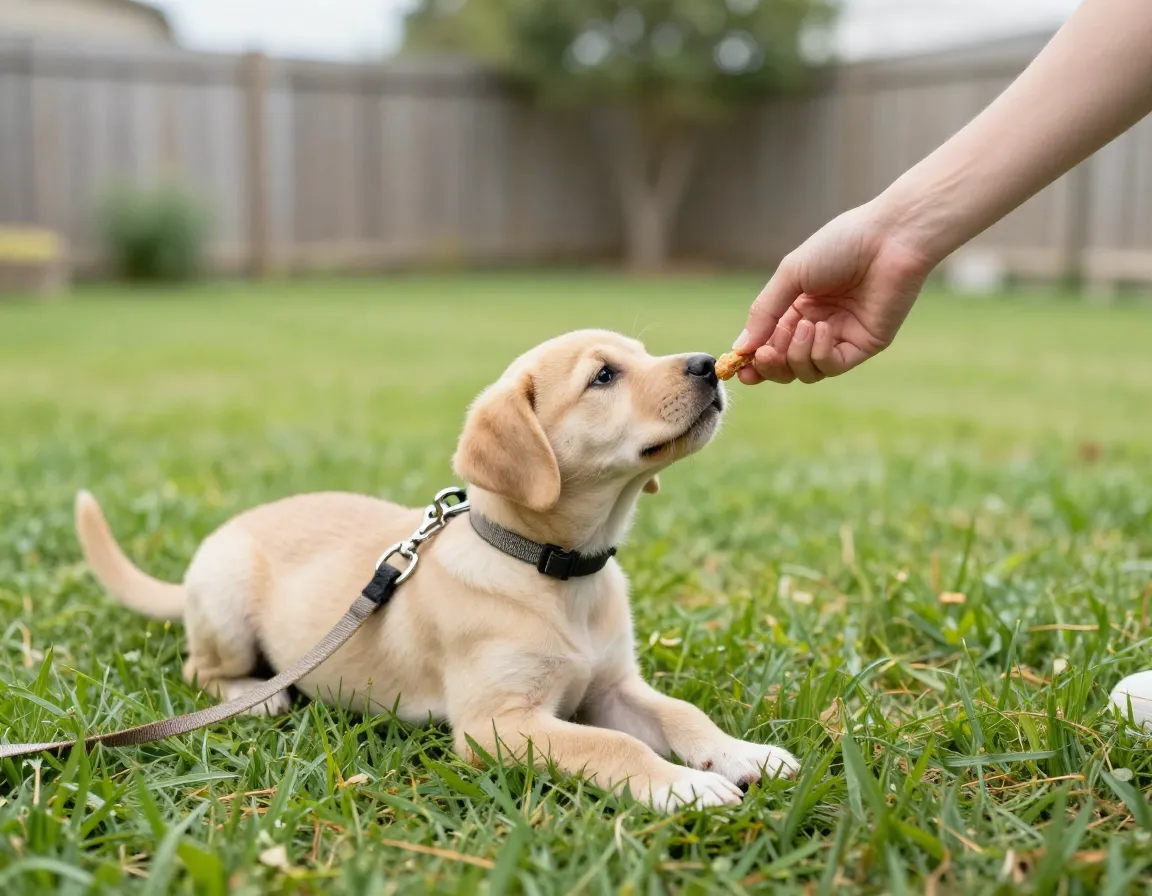
Once your puppy is comfortable with their collar, it’s time to introduce the leash itself. Let puppies wear the leash during playtime and offer treats to create positive associations[4][6]. This step is about making the leash a predictor of good things, not a tool of restriction.
Positive Association Techniques:
🎾 Playtime Method:
- Attach the leash while your puppy is excited about play
- Let them drag the leash around during indoor games
- Supervise closely to prevent tangling or chewing
- Remove the leash while they’re still having fun
🍖 Treat Association Method:
- Show the leash, then immediately offer high-value treats
- Repeat this 5-10 times per session
- Gradually progress to touching the leash to their collar before treating
- Finally, attach the leash briefly while continuing to reward
📍 Duration Building:
- Week 1: 2-3 minutes of leash wearing
- Week 2: 5-10 minutes during various activities
- Week 3: 15-20 minutes including short indoor walks
- Week 4: Ready for outdoor introduction
The goal during this phase is for your puppy to see the leash and think, “Something awesome is about to happen!” rather than feeling restricted or anxious.
3. Master Indoor Skills Before Venturing Outside
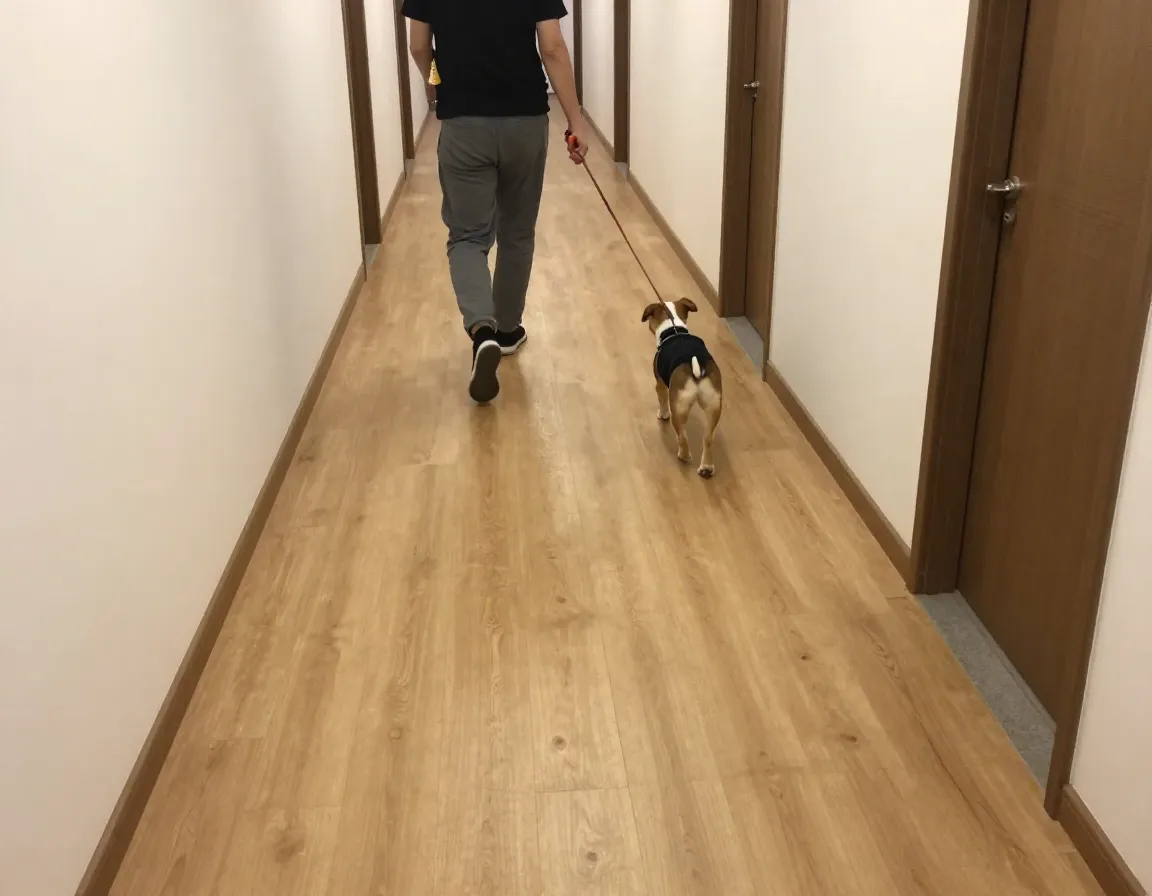
Begin in low-distraction environments: Practice indoors or in quiet yards before outdoor walks[2][3][4]. This principle cannot be overstated – trying to teach leash skills in a stimulating outdoor environment is like trying to learn calculus at a rock concert.
Indoor Training Progression:
Stage 1: Hallway Walking
- Start in a long hallway or large room
- Keep initial sessions to 3-5 minutes
- Use treats to encourage your puppy to walk beside you
- Practice basic commands like “let’s go” and “good”
Stage 2: Room-to-Room Navigation
- Practice walking through doorways calmly
- Work on stopping and starting smoothly
- Introduce gentle direction changes
- Reward any moment of loose-leash walking
Stage 3: Backyard Graduation
- Move to your fenced backyard or a quiet outdoor space
- Gradually increase session length to 10-15 minutes
- Practice with mild distractions (birds, leaves, other family members)
- Maintain the same reward system used indoors
Common Indoor Training Mistakes to Avoid:
- ❌ Rushing to outdoor walks before mastering basics
- ❌ Practicing only when you’re in a hurry
- ❌ Allowing pulling behavior “just this once”
- ❌ Forgetting to bring treats for every session
4. Establish Clear Communication with Consistent Sound Cues
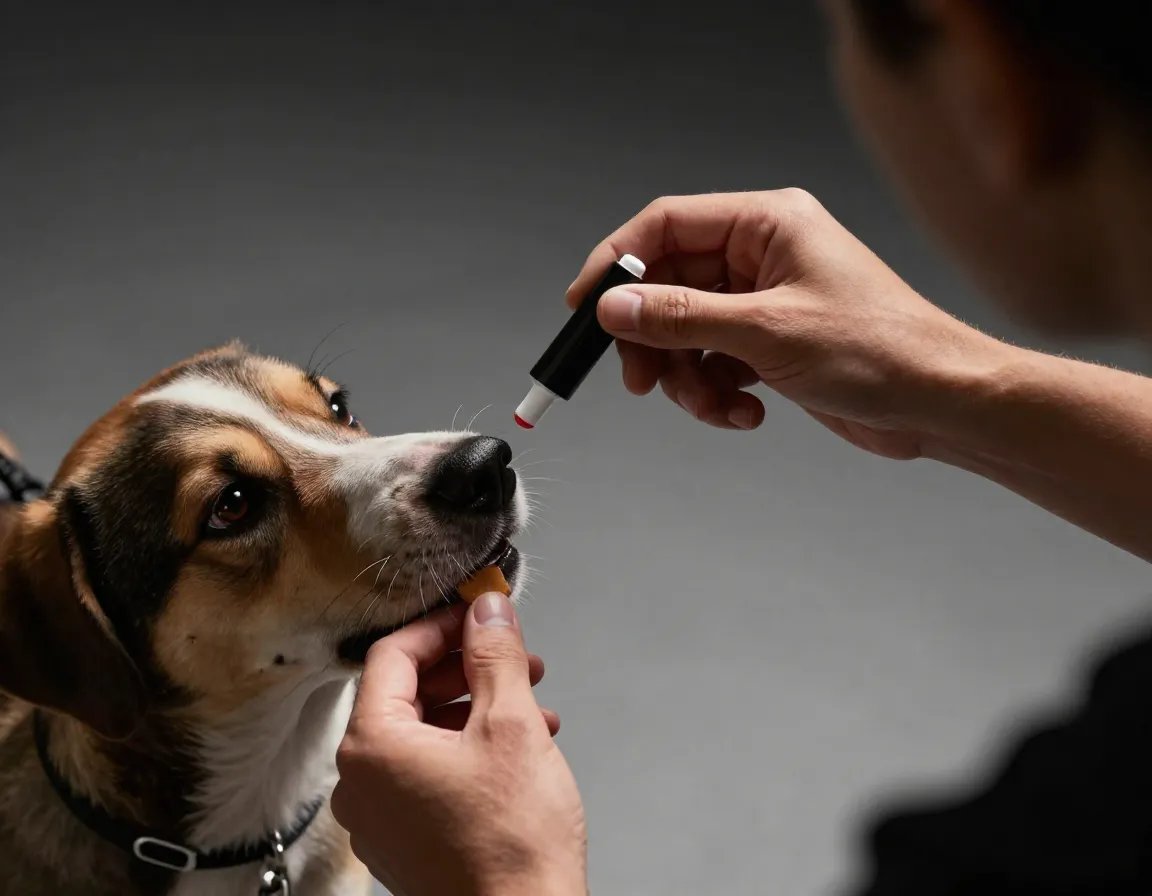
Use a sound cue consistently: Establish a marker signal (click, “yes,” or tongue cluck) followed by treats to build communication[6]. Clear communication is the bridge between what you want and what your puppy understands. Without it, you’re both just guessing.
Setting Up Your Communication System:
Choose Your Marker Sound:
- Clicker: Precise, consistent, cuts through distractions
- Verbal “Yes”: Always available, but must be consistent in tone
- Tongue cluck: Unique sound that won’t be confused with regular speech
- Whistle: Clear and attention-getting
Training Your Marker:
- Conditioning Phase (Days 1-3):
- Make your chosen sound
- Immediately give a treat
- Repeat 20-30 times per day
- Your puppy should start looking for treats when they hear the sound
- Application Phase (Days 4-7):
- Use the marker the instant your puppy does something right
- Follow immediately with treats and praise
- Practice during regular activities, not just leash training
Timing is Everything:
The marker must happen the exact moment your puppy exhibits the desired behavior. If your puppy walks nicely for two steps then pulls, mark and reward during those two good steps, not after the pulling begins.
Essential Commands for Leash Walking:
- “Let’s go”: Start walking
- “Easy”: Slow down or reduce pulling
- “Wait”: Stop and stay beside you
- “Good”: General praise for correct behavior
5. Maintain Proper Leash Control and Positioning
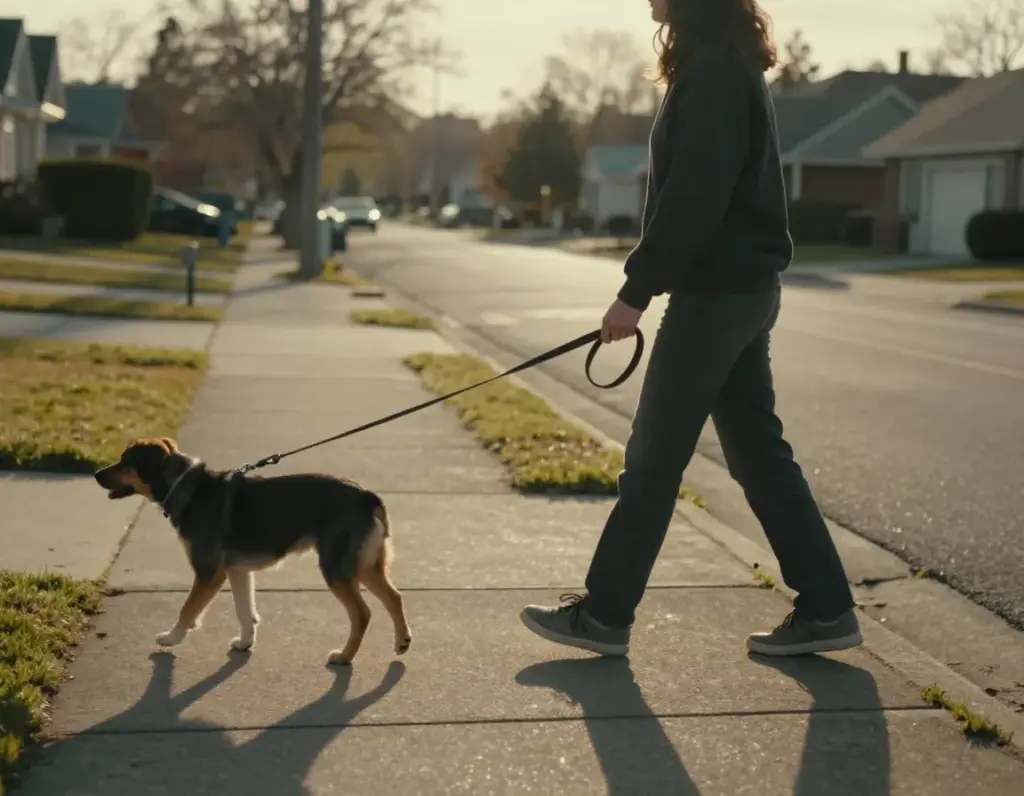
Maintain loose leash control: Keep tension minimal while providing guidance, and hold the leash securely[4][5]. Proper leash handling is both an art and a science – too loose and you lose communication, too tight and you create resistance.
Optimal Leash Technique:
Hand Position:
- Hold the leash handle in your right hand
- Keep your right arm relaxed at your side
- Use your left hand for treats and additional leash control if needed
- Walk on the left side: Standard positioning helps puppies develop consistent placement habits[1][4]
Leash Length Management:
- Maintain 2-3 feet of slack when your puppy is in correct position
- Avoid wrapping the leash around your hand (safety hazard)
- Keep enough length for comfort but not so much that control is lost
- Practice adjusting leash length smoothly while walking
Body Language Signals:
Your puppy reads your body language constantly. Confident, relaxed posture encourages calm walking, while tense, hurried movement creates anxiety and pulling.
Proper Walking Form:
- Stand tall with shoulders back
- Walk at a steady, moderate pace
- Look ahead, not down at your puppy constantly
- Keep your movements smooth and predictable
What to Do When Things Go Wrong:
- Puppy gets ahead: Stop immediately, call them back to position, reward when they return
- Puppy lags behind: Use encouraging voice and treats to motivate forward movement
- Leash gets tangled: Stop, calmly untangle, reset position, continue
6. Implement Strategic Response Techniques for Common Challenges
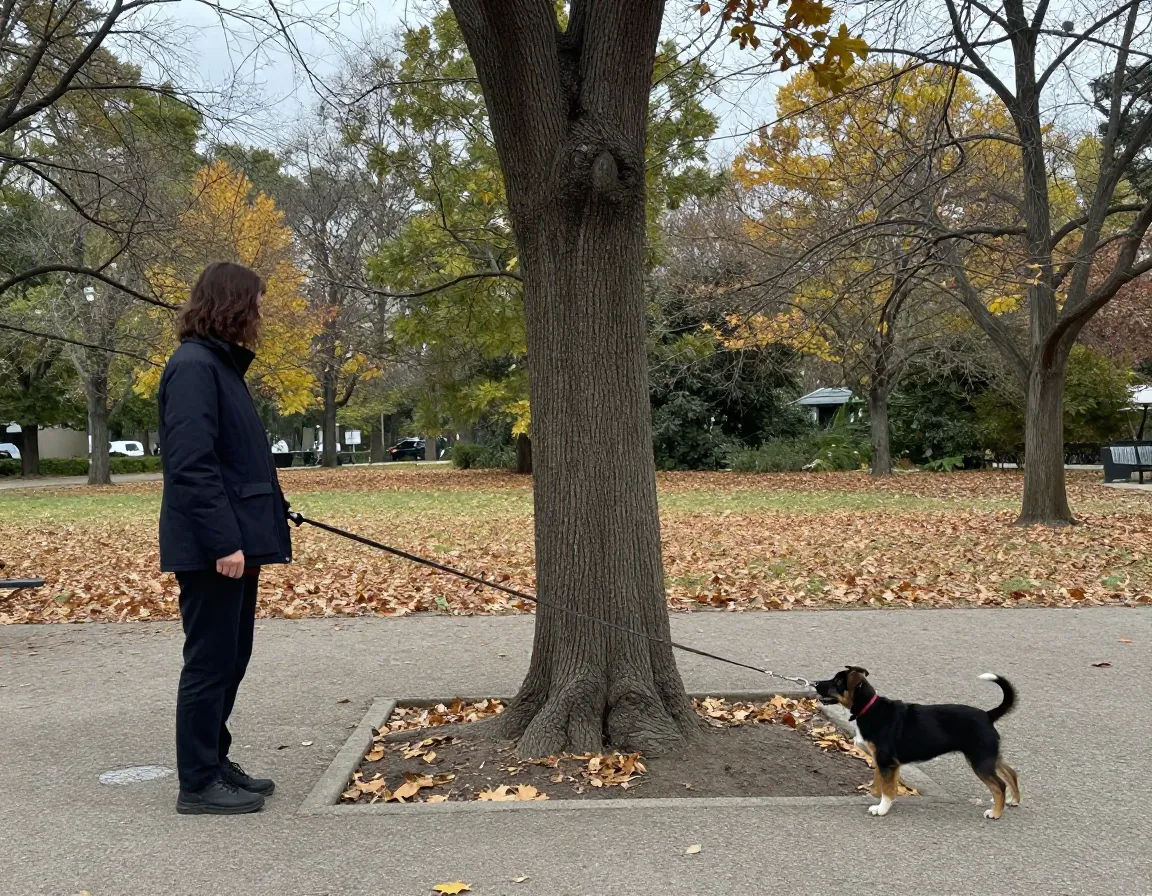
Even with perfect preparation, puppies will test boundaries and encounter situations that trigger unwanted behaviors. Stop movement when pulling occurs: Stand still without drama until your puppy relaxes, then resume[2][3]. This final tip encompasses several strategic responses that address the most common leash walking challenges.
The “Tree” Technique for Pulling:
When your puppy pulls:
- Immediately stop moving – become a tree
- Don’t pull back – this creates a tug-of-war
- Wait silently until the leash goes slack
- The moment tension releases, mark with your sound cue and treat
- Resume walking only when your puppy is in proper position
Direction Changes for Attention Building:
Change directions to redirect focus: Abrupt direction changes teach attention to your movements[5]. This technique is particularly effective for puppies who become fixated on distractions.
How to Execute Direction Changes:
- When your puppy stops paying attention, turn 180 degrees
- Don’t announce the turn – let them discover it
- Reward immediately when they catch up and refocus on you
- Practice random direction changes during training sessions
Managing Reactive Behaviors:
Address aggression triggers proactively: Create space between your puppy and triggers (other dogs, skateboarders) and offer treats to refocus attention[1]. Prevention is always easier than correction.
Trigger Management Strategy:
- Identify your puppy’s triggers early (dogs, bikes, loud noises)
- Maintain adequate distance from triggers during training
- Redirect attention with high-value treats before reactions occur
- Gradually decrease distance as your puppy’s focus improves
- Never punish fearful or reactive behaviors – this makes them worse
Session Length and Frequency:
Keep training sessions short: Use multiple brief sessions throughout the day to match puppies’ short attention spans[5][6]. Quality trumps quantity every time.
Optimal Training Schedule:
- Morning: 5-10 minute indoor practice
- Midday: 3-5 minute leash wearing during play
- Evening: 10-15 minute outdoor practice
- Total daily training: 20-30 minutes maximum
Advanced Strategies for Long-Term Success
Building Duration and Distance Gradually
Once your puppy masters the basic 6 Simple Puppy Leash Training Tips for Calm, Happy Walks, you can begin extending both the length of your training sessions and the distance you cover. However, this progression must be methodical to avoid overwhelming your puppy.
Week-by-Week Progression:
- Weeks 1-2: Focus on 5-10 minute sessions in controlled environments
- Weeks 3-4: Increase to 15-20 minute sessions, introduce mild distractions
- Weeks 5-6: Begin 20-30 minute neighborhood walks with frequent reward breaks
- Weeks 7-8: Work toward 30-45 minute walks with consistent good behavior
Environmental Generalization
Use high-value rewards: Select treats or toys most motivating to your individual puppy[3]. As you progress beyond basic training, you’ll need to help your puppy generalize their leash skills to various environments and situations.
Environment Progression:
- Quiet residential streets with minimal traffic
- Parks during off-peak hours with moderate activity
- Busier sidewalks with more pedestrian traffic
- Pet-friendly stores with indoor distractions
- Dog parks and social settings (only after full vaccination)
Troubleshooting Common Setbacks
Even well-trained puppies may experience regression or develop new challenges as they grow. Understanding how to address these setbacks prevents long-term problems.
Adolescent Challenges (4-8 months):
- Increased independence and testing of boundaries
- Hormonal changes affecting attention and compliance
- Growth spurts that may affect coordination and energy levels
Solutions for Adolescent Regression:
- Return to shorter, more frequent training sessions
- Increase reward value and frequency temporarily
- Maintain consistency even when progress seems slow
- Consider professional training classes for additional support
Creating a Lifetime of Enjoyable Walks
The ultimate goal of these 6 Simple Puppy Leash Training Tips for Calm, Happy Walks extends far beyond basic obedience. You’re building the foundation for years of shared adventures, exercise, and bonding experiences with your canine companion.
Health and Safety Benefits
Proper leash training isn’t just about convenience – it’s about safety and well-being for both you and your puppy. Dogs who walk calmly on leash are:
- Less likely to escape and get lost or injured
- More welcome in public spaces and social situations
- Easier to exercise regularly, promoting physical and mental health
- Less stressful to walk, encouraging more frequent outings
Building Confidence and Trust
Each successful training session builds your puppy’s confidence and strengthens the bond between you. Puppies who master leash walking early often display:
- Increased responsiveness to other training commands
- Better impulse control in various situations
- Stronger focus on their handler in distracting environments
- Reduced anxiety during new experiences
Conclusion
Mastering these 6 Simple Puppy Leash Training Tips for Calm, Happy Walks transforms one of dog ownership‘s biggest challenges into an opportunity for connection and joy. Remember that every puppy learns at their own pace, and consistency trumps perfection every time. The investment you make in proper leash training during puppyhood pays dividends for the entire lifetime of your relationship.
Your Next Steps:
- Assess your current equipment and ensure you have a properly fitted collar and appropriate leash
- Start with collar conditioning if your puppy isn’t already comfortable wearing one
- Dedicate 15-20 minutes daily to structured leash training using these techniques
- Track your progress and celebrate small victories along the way
- Consider professional training classes if you encounter persistent challenges
The journey from chaotic puppy walks to peaceful neighborhood strolls requires patience, consistency, and the right techniques. But with these proven strategies in your toolkit, you’re well-equipped to help your puppy become the walking companion you’ve always dreamed of having. Start today, stay consistent, and soon you’ll be enjoying those calm, happy walks you both deserve.
References
[1] Leash Training Your Puppy – https://www.purina.com/articles/dog/puppy/training/leash-training-your-puppy
[2] Training Dogs Leash Pulling – https://www.jensenbeachveterinary.com/2025/10/01/training-dogs-leash-pulling/
[3] Dog Leash Training That Works – https://paw-champ.com/journal/dog-leash-training-that-works?lang=en
[4] Leash Training A Puppy – https://www.masterclass.com/articles/leash-training-a-puppy
[5] How To Leash Train A Dog – https://wholesomespetfood.com/how-to-leash-train-a-dog/
[6] Teach Puppy Walk Leash – https://www.akc.org/expert-advice/training/teach-puppy-walk-leash/