
6 Key Differences Between Adult Dogs and Puppies: German Shepherd Edition
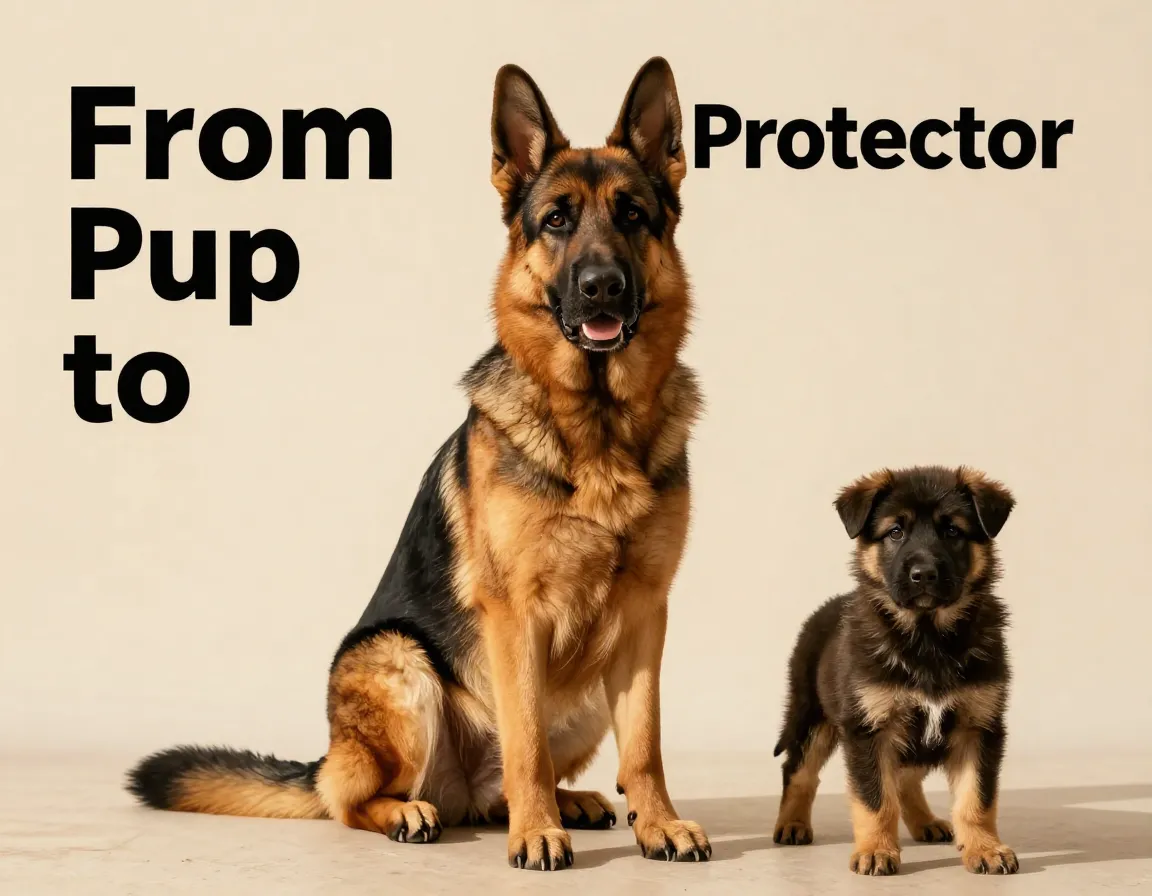
Picture this: you’re watching a tiny German Shepherd puppy stumble around on oversized paws, then look over to see a magnificent adult German Shepherd standing tall with unwavering confidence. The transformation seems almost magical, but understanding the 6 key differences between adult dogs and puppies: German Shepherd edition can help owners navigate this incredible journey from puppyhood to maturity. Whether you’re considering adopting a German Shepherd or currently raising one, recognizing these fundamental differences will set both you and your furry companion up for success.
Disclosure: This post contains affiliate links. As an Amazon Associate, we earn from qualifying purchases, and at no extra cost to you.
German Shepherds undergo remarkable changes as they mature, affecting everything from their physical appearance to their behavioral patterns. These differences go far beyond simple size increases and touch every aspect of their development, training needs, and daily care requirements.
Key Takeaways
- Physical Development: German Shepherd puppies transform from small, fluffy companions weighing 10-20 pounds to powerful adults reaching 50-90 pounds with fully developed muscle structure
- Energy and Training: While puppies exhibit hyperactive, scattered energy with short attention spans, adult German Shepherds display controlled energy and enhanced focus for advanced training
- Sleep and Exercise Needs: Puppies require 16-20 hours of sleep daily and gentle exercise, whereas adults need 12-14 hours of rest with structured, intensive physical activity
- Behavioral Maturity: The journey from curious, boundary-testing puppies to confident, predictable adult dogs involves significant changes in bite control, confidence levels, and overall temperament
- Timeline Expectations: German Shepherds don’t reach full maturity until 2-3 years of age, requiring patience and consistent care throughout their extended development period
Understanding German Shepherd Development: From Puppy to Adult
1. Physical Size and Body Structure Transformation
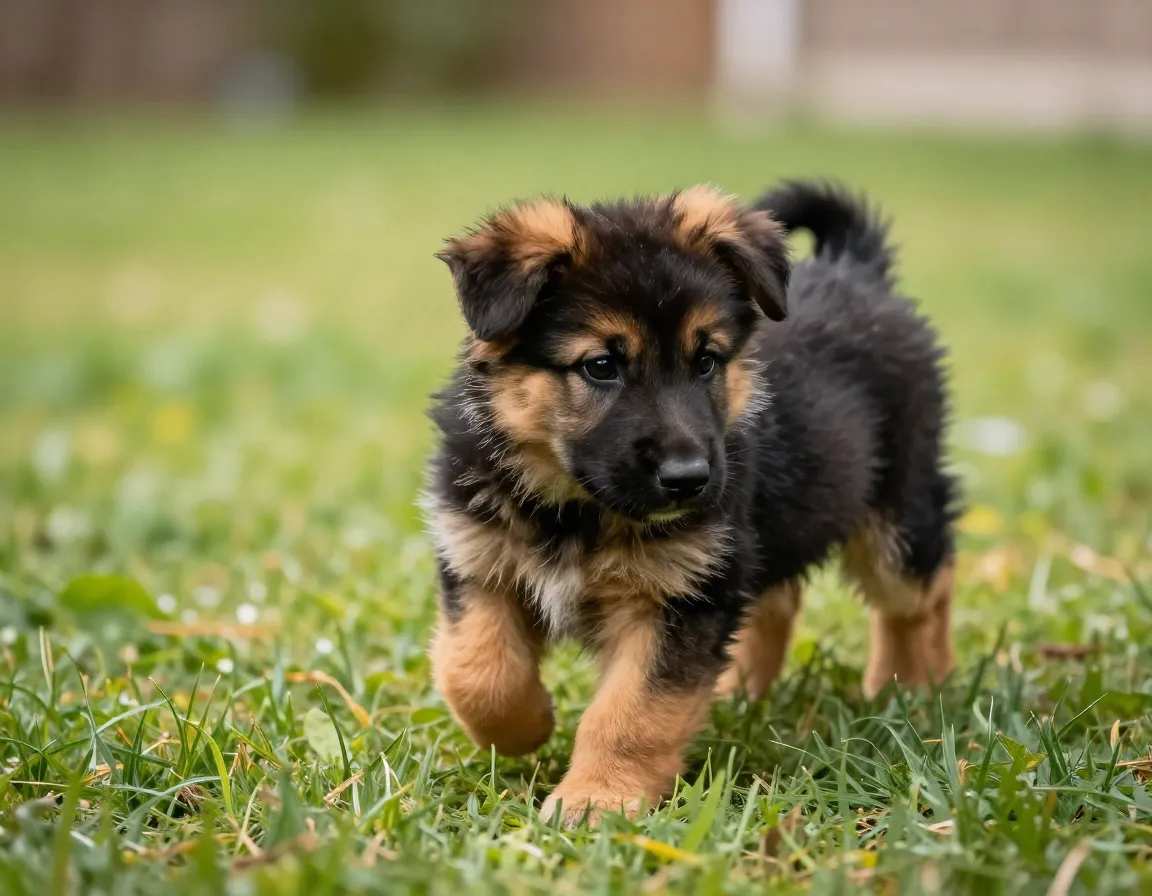
The most obvious difference in the 6 key differences between adult dogs and puppies: German Shepherd edition lies in their dramatic physical transformation. German Shepherd puppies begin life as small, fluffy bundles weighing just a few pounds at birth, but this changes rapidly as they grow.
Puppy Physical Characteristics:
- Small, compact size with fluffy double coat
- Soft bones and loose joints still developing
- Floppy or semi-erect ears that haven’t fully developed
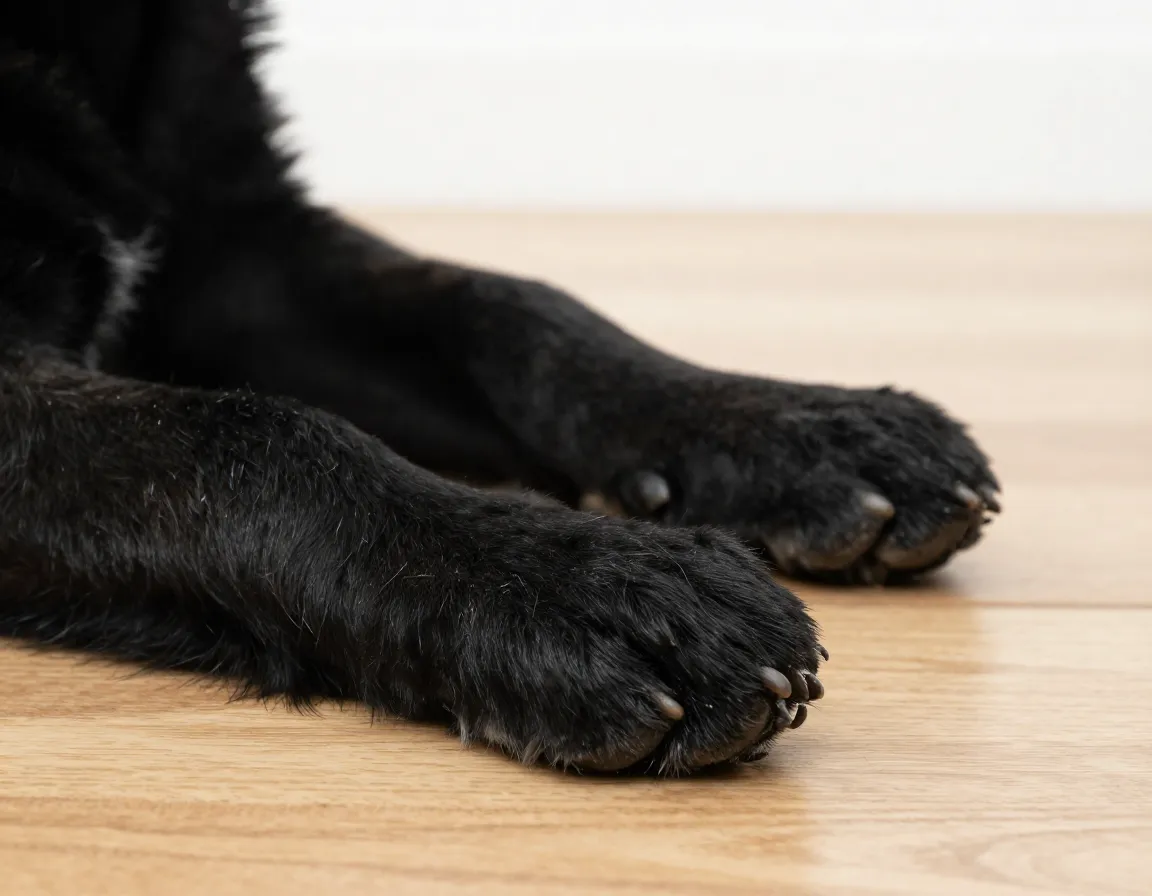
- Oversized paws indicating future size
- Weight ranges from 10-20 pounds in early months
Adult Physical Characteristics:
- Fully developed, muscular frame with solid bone structure
- Males: 24-26 inches at shoulder, weighing 65-90 pounds [2]
- Females: 22-24 inches at shoulder, weighing 50-70 pounds [2]
- Erect, pointed ears with excellent hearing capability
- Dense, weather-resistant double coat
- Proportionate body with strong, athletic build
German Shepherds don’t reach their full size until 2.5-3 years old and aren’t classified as adults until 2-3 years of age [3][4]. This extended development period means owners need patience as their puppy gradually transforms into the majestic adult German Shepherd.
“The transformation from a clumsy puppy to a graceful adult German Shepherd is one of the most remarkable journeys in the canine world, requiring nearly three years to complete.”
2. Energy Levels and Exercise Requirements
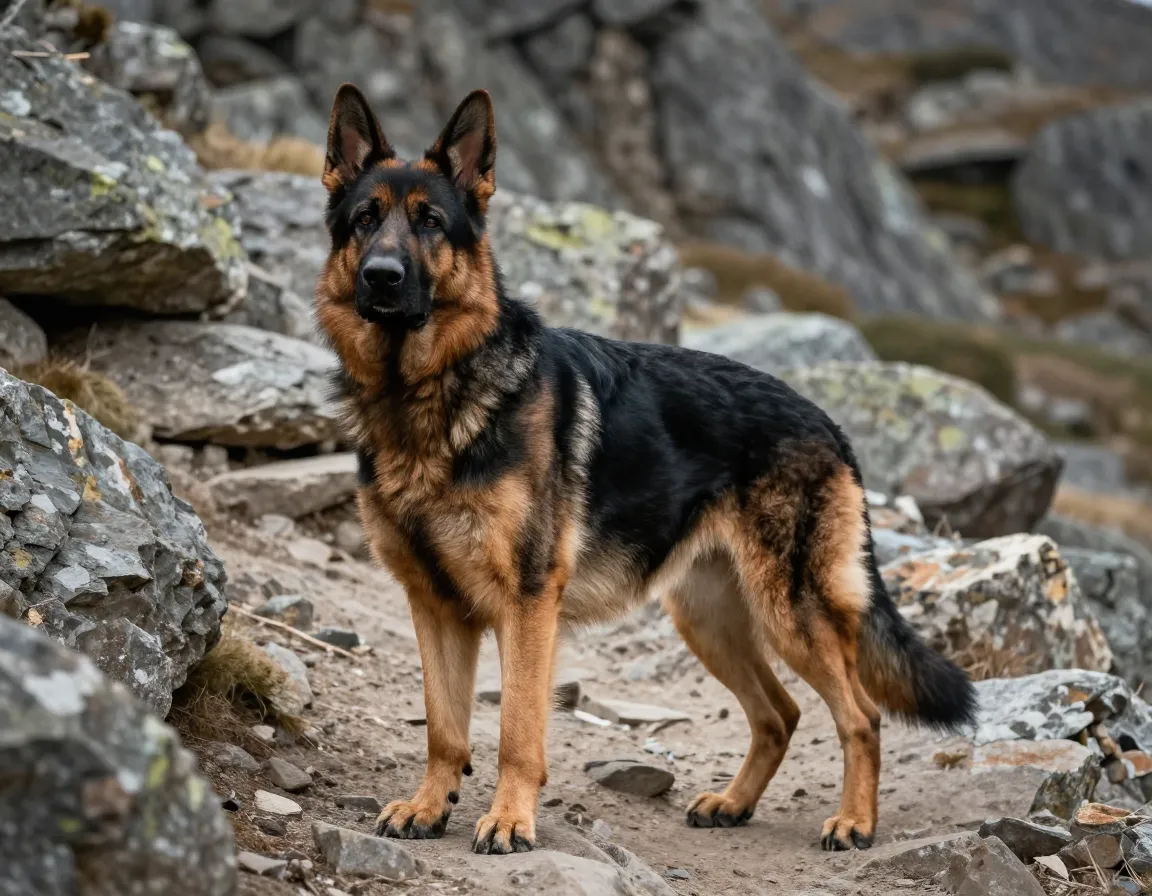
Energy management represents another crucial aspect of the 6 key differences between adult dogs and puppies: German Shepherd edition. The contrast between puppy and adult energy patterns affects daily routines, exercise planning, and training schedules.
Puppy Energy Patterns:
- 🔥 Hyperactive and bouncy with sudden bursts of intense activity
- Difficulty calming down once excited
- Scattered energy that jumps from activity to activity
- Need for gentle exercise to protect developing joints [1]
- Should avoid intense running or jumping during growth phases
Adult Energy Patterns:
- ⚡ Energetic but controlled with sustained activity levels
- Easier to calm down after exercise or play
- Focused energy that can be directed toward specific tasks
- Require daily structured exercise for physical and mental health
- Can handle intensive activities like hiking, running, and agility training
The exercise needs differ significantly between life stages. Puppies benefit from multiple short play sessions throughout the day, while adult German Shepherds thrive with 1-2 hours of structured daily exercise including walks, training, and mental stimulation activities.
Exercise Recommendations by Life Stage:
| Life Stage | Duration | Type | Frequency |
|---|---|---|---|
| Puppy (8-16 weeks) | 5 minutes per month of age | Gentle play, short walks | Multiple short sessions |
| Adolescent (4-18 months) | 30-60 minutes | Moderate exercise, training | 2-3 sessions daily |
| Adult (2+ years) | 60-120 minutes | Intensive exercise, sports | 1-2 long sessions |
3. Training Ability and Attention Span Development
Training represents one of the most significant areas in the 6 key differences between adult dogs and puppies: German Shepherd edition. The learning capacity and focus abilities change dramatically as German Shepherds mature.
Puppy Training Characteristics:
- 📚 Learn fast but get distracted easily [1]
- Very short attention spans requiring brief training sessions (5-10 minutes)
- High curiosity but difficulty maintaining focus
- Need immediate rewards and positive reinforcement
- Best suited for basic commands and socialization
Adult Training Characteristics:
- 🎯 More focused and disciplined with enhanced concentration [1]
- Capable of handling advanced training and complex commands
- Longer attention spans allowing extended training sessions (20-45 minutes)
- Better impulse control and self-regulation
- Suitable for specialized training like protection work or service tasks
Female German Shepherd puppies typically mature faster mentally than males, which can make early training slightly easier [2]. However, both genders benefit from consistent, patient training approaches that adapt to their developmental stage.
Training Session Guidelines:
For Puppies (8-16 weeks):
- Keep sessions to 5-10 minutes maximum
- Focus on one command at a time
- Use high-value treats and enthusiastic praise
- End on a positive note before attention wanes
- Practice 3-4 short sessions throughout the day
For Adults (2+ years):
- Extend sessions to 20-45 minutes
- Combine multiple commands and complex sequences
- Introduce advanced skills and problem-solving tasks
- Use varied rewards including toys, praise, and activities
- Maintain 1-2 focused training periods daily
Behavioral and Lifestyle Differences
4. Sleep Requirements and Rest Patterns
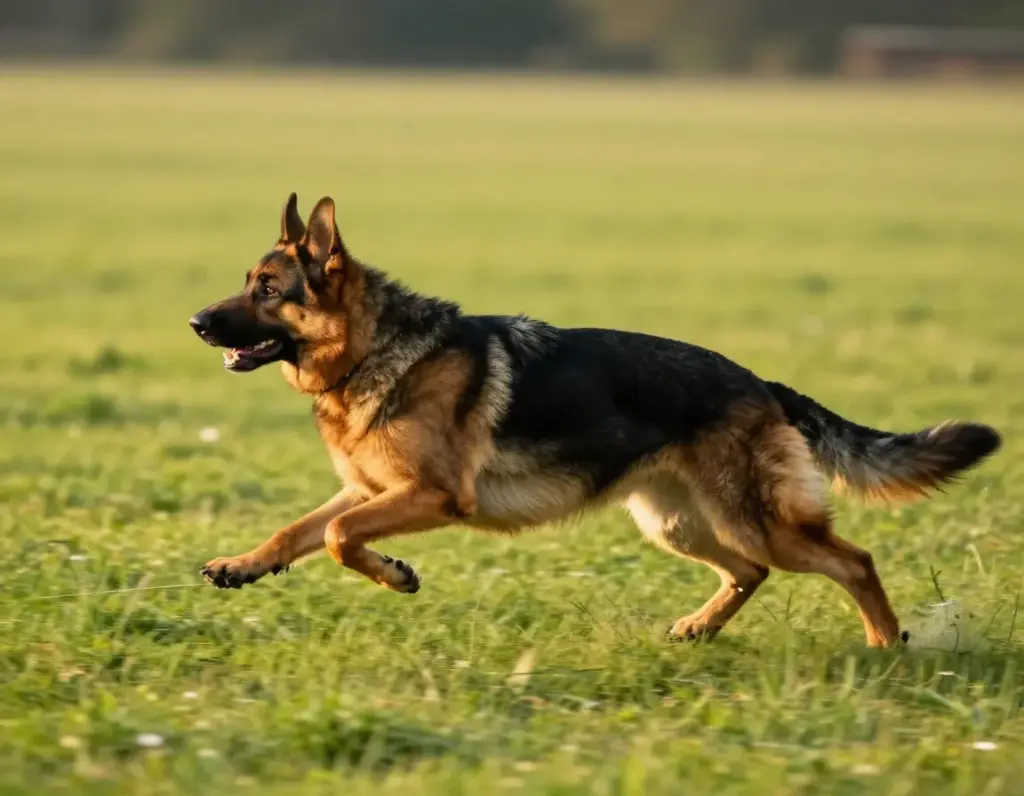
Sleep needs represent another fundamental difference in the 6 key differences between adult dogs and puppies: German Shepherd edition. Understanding these requirements helps owners create appropriate schedules and environments for their dogs.
Puppy Sleep Requirements:
- 💤 16-20 hours of sleep daily to support rapid growth and development [1]
- Frequent naps throughout the day between activity bursts
- Deep sleep periods essential for brain development and physical growth
- May experience sleep disruptions during teething or growth spurts
- Need comfortable, safe sleeping areas for uninterrupted rest
Adult Sleep Requirements:
- 🛌 12-14 hours of sleep daily for maintenance and recovery [1]
- More consolidated sleep periods, often overnight and one daytime nap
- Lighter sleep patterns with increased alertness to surroundings
- Sleep quality affected by exercise levels and mental stimulation
- Established sleep routines and preferred resting spots
The dramatic difference in sleep needs reflects the intense growth and development occurring during puppyhood. Puppy brains and bodies work overtime, requiring extensive rest periods to process new experiences and support physical development.
Sleep Schedule Recommendations:
| Age Group | Total Sleep | Nighttime Sleep | Daytime Naps |
|---|---|---|---|
| 8-12 weeks | 18-20 hours | 6-8 hours | 4-6 naps |
| 3-6 months | 16-18 hours | 8-10 hours | 2-4 naps |
| 6-18 months | 14-16 hours | 10-12 hours | 1-2 naps |
| Adult (2+ years) | 12-14 hours | 8-10 hours | 1 nap |
5. Bite Control and Mouth Behavior
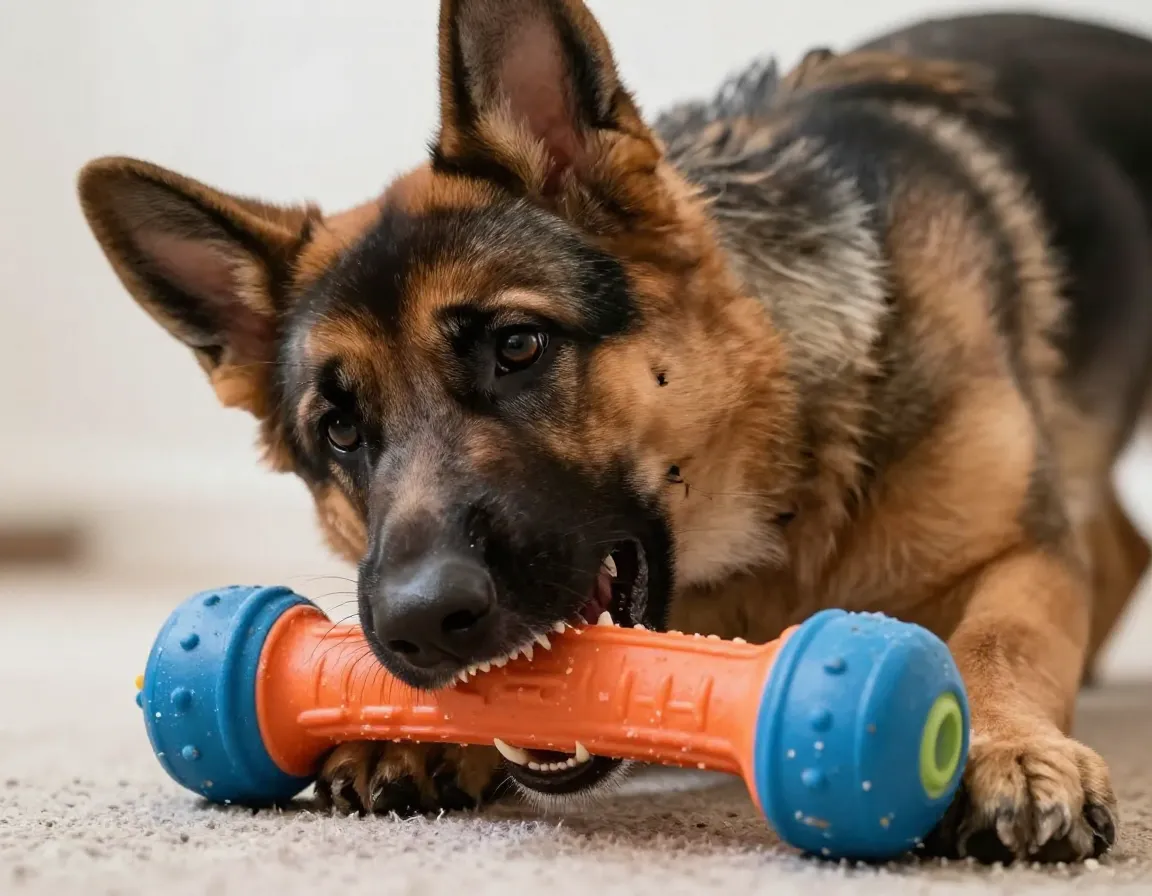
Mouth behavior and bite control showcase significant developmental changes in the 6 key differences between adult dogs and puppies: German Shepherd edition. This area requires careful attention and training throughout the maturation process.
Puppy Mouth Behavior:
- 🦷 Use mouths to explore with common play-biting behavior [1]
- Sharp puppy teeth that can cause unintentional injury
- Limited bite inhibition and pressure control
- Teething discomfort leading to increased chewing and mouthing
- Natural exploration behavior that requires redirection, not punishment
Adult Mouth Behavior:
- ✅ Developed bite inhibition with excellent pressure control [1]
- Understanding of appropriate mouthing versus inappropriate biting
- Controlled use of mouth for carrying objects and gentle interaction
- Mature jaw strength requiring responsible management
- Clear communication through mouth positioning and pressure
Teaching proper bite inhibition during puppyhood prevents serious problems in adulthood. German Shepherds possess powerful jaws as adults, making early mouth training essential for safety and appropriate social interaction.
Bite Control Training Strategies:
For Puppies:
- Yelp loudly when bitten too hard, then ignore briefly
- Redirect to appropriate chew toys immediately
- Never use hands or feet as play objects
- Provide plenty of appropriate chewing outlets
- Socialize with other well-behaved dogs for natural feedback
For Adults:
- Maintain consistent boundaries around mouth contact
- Practice “gentle” commands for taking treats or objects
- Continue providing appropriate chewing outlets
- Address any regression immediately with professional help
- Use mouth control in advanced training exercises
6. Confidence Levels and Social Maturity
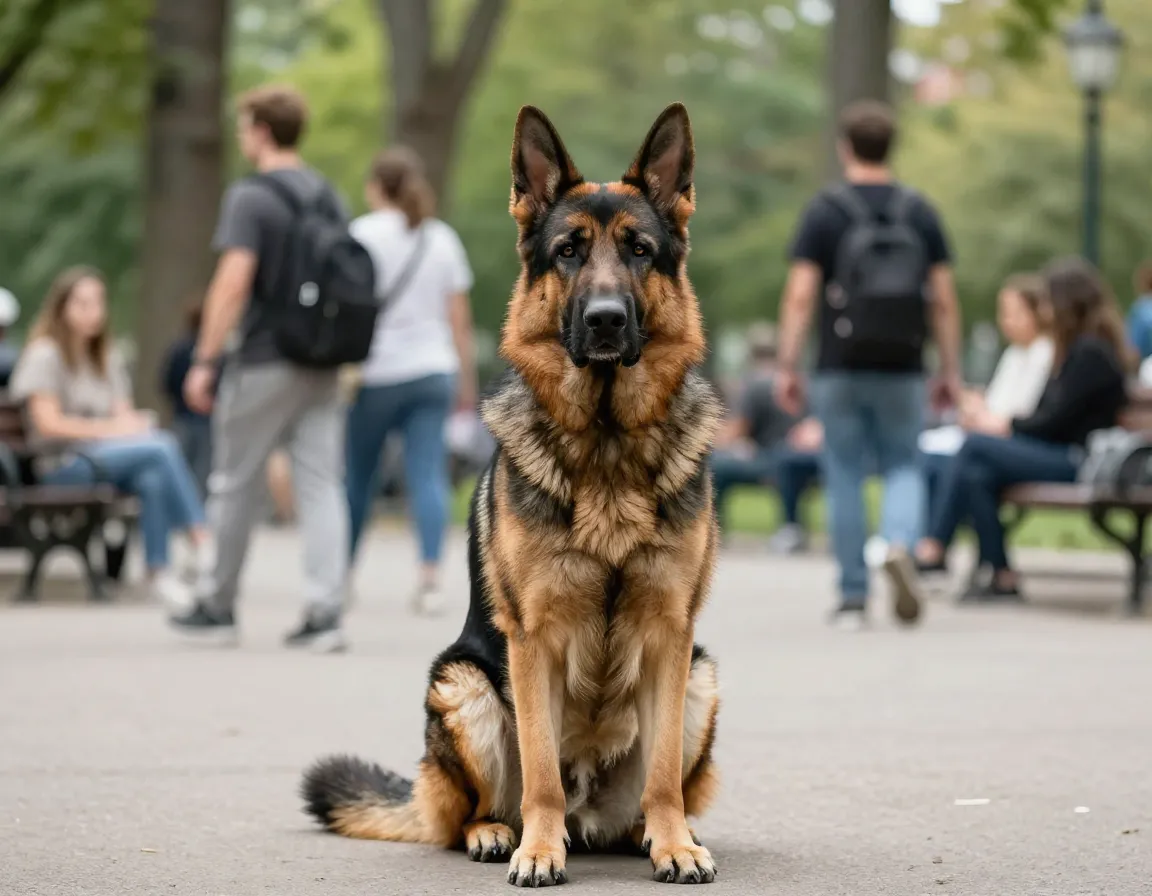
The final aspect of the 6 key differences between adult dogs and puppies: German Shepherd edition involves emotional and social development. Confidence levels and social skills undergo remarkable transformation as German Shepherds mature.
Puppy Confidence and Social Behavior:
- 😰 Easily scared or overwhelmed by new stimuli and environments [1]
- Curious but mischievous, constantly testing boundaries [1]
- Unpredictable reactions to new people, animals, and situations
- Critical socialization period requiring careful exposure management
- High sensitivity to negative experiences with lasting impact potential
Adult Confidence and Social Behavior:
- 😎 More confident and calm in unfamiliar situations [1]
- Mature and predictable with stable behavioral patterns [1]
- Established personality traits and preferences
- Better judgment in social situations and threat assessment
- Protective instincts balanced with appropriate social skills
The confidence transformation occurs gradually throughout the first 2-3 years of life. Early socialization during the critical period (3-14 weeks) significantly impacts adult confidence levels and social competence [7].
Confidence Building Strategies by Life Stage:
Puppy Confidence Building:
- Controlled exposure to new sights, sounds, and experiences
- Positive associations with handling, grooming, and vet visits
- Supervised interactions with various people and animals
- Building success through achievable training goals
- Protecting from overwhelming or traumatic experiences
Adult Confidence Maintenance:
- Continued socialization and novel experiences
- Advanced training challenges to build mental confidence
- Leadership roles in family activities and routines
- Regular positive interactions with community members
- Consistent boundaries and expectations for security
Feeding and Nutritional Differences
Nutritional needs represent an important supporting element to the 6 key differences between adult dogs and puppies: German Shepherd edition. Feeding requirements change significantly as German Shepherds mature.
Puppy Nutritional Needs:
- Multiple small meals (3-4 times daily) for rapid growth support [1]
- High-calorie, nutrient-dense puppy formula food
- Frequent feeding schedule to maintain blood sugar levels
- Careful portion control to prevent overfeeding and joint stress
- Gradual food transitions to prevent digestive upset
Adult Nutritional Needs:
- Fewer meals (1-2 times daily) with stable maintenance-focused diet [1]
- Balanced nutrition for sustained energy and health maintenance
- Portion control for weight management and joint health
- Consistent feeding schedule for digestive health
- Potential dietary modifications for activity level and health conditions
The transition from puppy to adult food typically occurs around 12-18 months, depending on individual development and veterinary recommendations [6].
Timeline for German Shepherd Maturation
Understanding the complete timeline helps owners navigate the 6 key differences between adult dogs and puppies: German Shepherd edition with realistic expectations:
8-16 Weeks (Early Puppyhood):
- Rapid physical growth and basic learning
- Critical socialization period
- House training and basic commands
- Maximum sleep requirements
4-6 Months (Late Puppyhood):
- Continued growth with increased coordination
- Teething and mouth behavior challenges
- Extended attention spans for training
- Developing confidence and personality
6-18 Months (Adolescence):
- Sexual maturity and potential behavioral challenges
- Continued physical development
- Advanced training capabilities
- Testing boundaries and independence
18-36 Months (Young Adult):
- Reaching full physical size and strength
- Emotional and behavioral maturity
- Stable personality and confidence levels
- Adult exercise and training capabilities
2+ Years (Full Maturity):
- Complete physical and mental development
- Established behavioral patterns
- Adult nutritional and exercise needs
- Maximum training and working potential
Conclusion
The 6 key differences between adult dogs and puppies: German Shepherd edition represent a fascinating journey of transformation that every owner should understand and appreciate. From the dramatic physical changes that see a tiny puppy grow into a powerful 90-pound adult, to the behavioral maturation that transforms a scattered, mouthy youngster into a confident, well-trained companion, each stage brings unique challenges and rewards.
Key areas of transformation include:
- Physical development from small, soft puppies to large, muscular adults
- Energy management from hyperactive bursts to controlled, sustained activity
- Training capacity from short attention spans to advanced learning ability
- Sleep requirements from 16-20 hours daily to 12-14 hours
- Bite control from exploratory mouthing to refined inhibition
- Confidence levels from easily overwhelmed to calm and assured
Actionable Next Steps:
✅ Assess your current German Shepherd’s life stage and adjust expectations accordingly
✅ Modify training approaches based on attention span and learning capacity
✅ Adjust exercise routines to match energy levels and physical capabilities
✅ Review feeding schedules to ensure appropriate nutrition for developmental stage
✅ Plan for the long-term journey – remember that full maturity takes 2-3 years
✅ Consult with professionals including veterinarians and trainers for stage-specific guidance
Understanding these differences empowers owners to provide appropriate care, training, and expectations throughout their German Shepherd’s development. Whether you’re welcoming a new puppy or helping an adolescent navigate toward adulthood, recognizing these natural progressions will strengthen your bond and ensure your German Shepherd reaches their full potential as a well-adjusted, confident adult dog.
Remember that every German Shepherd is unique, and individual development may vary from these general timelines. Patience, consistency, and professional guidance when needed will help you successfully navigate this incredible transformation journey.
References
[1] Watch – https://www.youtube.com/watch?v=9PNnngIO314
[2] Choosing Between Male German Shepherd Puppy Or Female – https://kaisergsd.com/choosing-between-male-german-shepherd-puppy-or-female/
[3] The Development Stages And Growth Chart Of German Shepherds – https://germanshepherdshop.com/blogs/list/the-development-stages-and-growth-chart-of-german-shepherds
[4] A Guide To German Shepherds – https://www.bellaandduke.com/dogs/expert-advice/dog-breeds/a-guide-to-german-shepherds/
[5] Male Vs Female German Shepherd Puppies – https://www.mittelwest.com/blog/male-vs-female-german-shepherd-puppies/
[6] German Shepherd Puppy Growth Chart Week By Week – https://dognutrio.com/german-shepherd-puppy-growth-chart-week-by-week/
[7] A Guide To Puppy Breeds German Shepherds – https://www.thepuppyacademy.com/blog/2021/12/6/a-guide-to-puppy-breeds-german-shepherds