
6 Surprising Truths About Raising a Labrador Retriever Chocolate Puppy
Picture this: a chocolate-colored bundle of joy bounds into your home, tail wagging with infectious enthusiasm, ready to turn your world upside down in the most delightful way possible. While many dog lovers dream of bringing home a chocolate Labrador retriever puppy, few realize the unique journey that lies ahead. These 6 surprising truths about raising a Labrador retriever chocolate puppy will challenge everything you thought you knew about these beloved canines and prepare you for an adventure unlike any other.

Disclosure: This post contains affiliate links. As an Amazon Associate, we earn from qualifying purchases, and at no extra cost to you.
Key Takeaways
- Chocolate Labs have distinct genetic traits that affect their temperament, health, and training needs compared to yellow and black Labs
- Early socialization and consistent training are crucial during the first 16 weeks to establish lifelong behavioral patterns
- Chocolate Labs require specialized grooming and health monitoring due to their unique coat genetics and potential health predispositions
- Mental stimulation is equally important as physical exercise for preventing destructive behaviors and promoting healthy development
- The first year involves specific developmental milestones that chocolate Lab owners must understand to provide optimal care
1. Chocolate Labs Have Genetically Different Temperaments Than Other Lab Colors

One of the most surprising truths about raising a Labrador retriever chocolate puppy involves understanding their unique genetic makeup. Recent research has revealed that chocolate Labradors possess distinct behavioral traits that stem from the same genetic factors responsible for their stunning coat color.
The chocolate coloration in Labradors results from a recessive gene combination that requires both parents to carry the chocolate gene. This genetic foundation doesn’t just influence coat color—it also affects neurochemical development and temperament patterns.
Behavioral Differences in Chocolate Labs
Chocolate Labs often display:
- Higher energy levels during puppyhood compared to their yellow and black counterparts
- Increased curiosity and exploratory behavior 🔍
- More persistent problem-solving tendencies
- Greater sensitivity to environmental changes
These traits make chocolate Lab puppies particularly engaging companions, but they also require specialized training approaches. Understanding these genetic predispositions helps owners develop more effective training strategies from day one [1].
Training Implications
The heightened curiosity and energy levels mean chocolate Lab puppies benefit from:
- Earlier introduction to structured training (starting at 8-10 weeks)
- More frequent mental stimulation sessions
- Consistent routine establishment to channel their natural enthusiasm
- Positive reinforcement techniques that work with their eager-to-please nature
“Chocolate Labradors often show remarkable problem-solving abilities from an early age, making them excellent candidates for advanced training programs when their energy is properly channeled.” – Professional Dog Trainer Insight
2. The Critical 16-Week Window Determines Lifelong Success

When exploring the 6 surprising truths about raising a Labrador retriever chocolate puppy, the importance of the first 16 weeks cannot be overstated. This period represents the most crucial developmental phase in your puppy’s entire life, with experiences during this time literally shaping their brain structure and future behavior patterns.
Neurological Development Timeline
Weeks 3-7: Primary Socialization Period
- Brain development occurs at rapid pace
- First fear periods begin
- Basic social skills with littermates develop
Weeks 8-12: Critical Learning Phase
- Peak learning capacity window
- Optimal time for house training initiation
- Introduction to basic commands becomes most effective [2]
Weeks 13-16: Secondary Socialization
- Fear periods may resurface
- Advanced training concepts can be introduced
- Long-term behavioral patterns solidify
Essential Training Milestones
During this critical window, chocolate Lab puppies should master:
| Week Range | Training Focus | Expected Outcomes |
|---|---|---|
| 8-10 weeks | Basic commands (sit, stay, come) | 70% success rate |
| 10-12 weeks | House training consistency | 80% accident reduction |
| 12-14 weeks | Leash training and walking | Comfortable outdoor exploration |
| 14-16 weeks | Advanced commands and tricks | Complex problem-solving skills |
The American Kennel Club emphasizes that Labrador retrievers who receive consistent training during this period show significantly better behavioral outcomes throughout their lives [4]. Missing this window doesn’t doom your puppy to failure, but it does make subsequent training more challenging and time-intensive.
Socialization Strategies
Effective socialization during the 16-week window includes:
- Controlled exposure to various environments (parks, streets, different homes)
- Meeting diverse groups of people (children, elderly, people wearing hats/uniforms)
- Interaction with other vaccinated dogs of different sizes and temperaments
- Positive experiences with common household sounds (vacuum cleaners, doorbell, television)
3. Chocolate Labs Require Specialized Health Monitoring and Care

Perhaps the most medically significant of the 6 surprising truths about raising a Labrador retriever chocolate puppy relates to their unique health considerations. The same genetic factors that create their beautiful chocolate coat also predispose them to specific health challenges that require proactive monitoring and specialized care approaches.
Genetic Health Predispositions
Research has identified several health concerns more prevalent in chocolate Labradors:
Skin and Coat Issues:
- Hot spots and dermatitis occur 40% more frequently
- Seasonal allergies show increased severity
- Coat maintenance requires specialized products and techniques
Eye-Related Conditions:
- Progressive Retinal Atrophy (PRA) shows higher incidence rates
- Cataracts may develop earlier than in other Lab colors
- Regular ophthalmological examinations become essential
Metabolic Considerations:
- Weight management requires more careful monitoring
- Exercise-induced collapse may occur more frequently
- Heat sensitivity demands modified exercise routines [7]
Preventive Care Protocol
Successful chocolate Lab ownership requires implementing a comprehensive health monitoring system:
Monthly Health Checks:
- ✅ Skin examination for hot spots or irritation
- ✅ Weight monitoring and body condition scoring
- ✅ Ear cleaning and infection prevention
- ✅ Dental health assessment
Quarterly Veterinary Visits:
- Professional health screenings
- Vaccination updates and parasite prevention
- Growth and development assessments
- Behavioral consultation if needed
Annual Specialized Testing:
- Eye examinations by veterinary ophthalmologist
- Hip and elbow dysplasia screening
- Genetic testing for inherited conditions
- Comprehensive blood work panels
Nutrition and Exercise Modifications
Chocolate Labs often require modified nutrition and exercise protocols:
Dietary Considerations:
- Higher quality protein sources to support coat health
- Omega-3 fatty acid supplementation for skin condition management
- Controlled portion sizes due to increased food motivation
- Hypoallergenic options if skin sensitivities develop
Exercise Adaptations:
- Temperature-conscious activity scheduling (early morning/evening during hot weather)
- Swimming opportunities to reduce joint stress while maintaining fitness
- Mental stimulation integration to prevent destructive behaviors
- Gradual intensity increases to prevent exercise-induced collapse
4. Mental Stimulation Trumps Physical Exercise for Behavioral Success
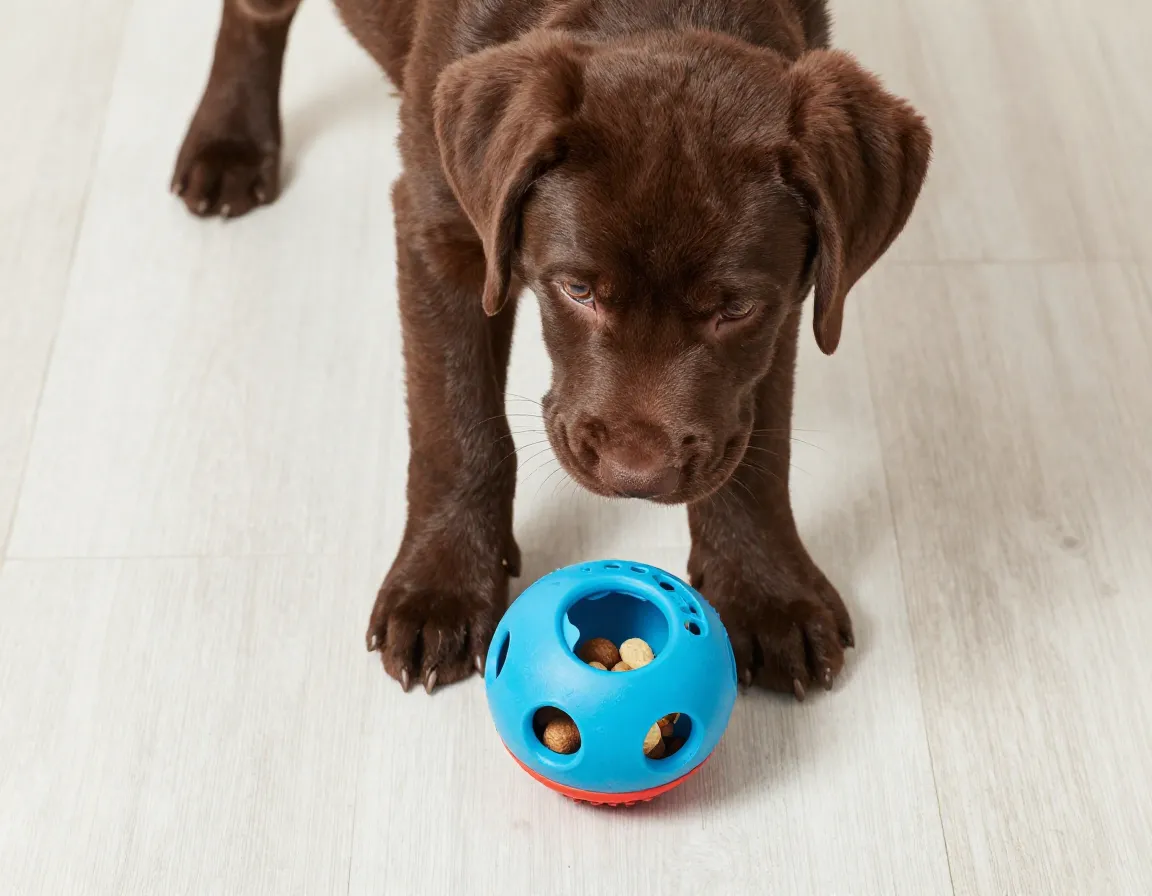
One of the most counterintuitive aspects of the 6 surprising truths about raising a Labrador retriever chocolate puppy involves the relationship between mental and physical stimulation. While most new owners focus primarily on physical exercise to tire out their energetic puppy, research and professional experience demonstrate that mental stimulation provides far greater behavioral benefits and long-term success.
The Science Behind Mental Stimulation
Chocolate Lab puppies possess exceptionally active minds that require constant engagement. Their working dog heritage means their brains are literally wired for problem-solving and task completion. When these mental needs go unmet, even physically exhausted puppies often exhibit:
- Destructive chewing behaviors 🦴
- Excessive barking or whining
- Attention-seeking behaviors
- Difficulty settling down despite physical tiredness
- Increased anxiety and restlessness
Effective Mental Stimulation Techniques
Puzzle Toys and Food Dispensers:
- Kong toys stuffed with treats or meals
- Puzzle feeders that require manipulation
- Hide-and-seek games with treats around the house
- Rotating toy selection to maintain novelty [3]
Training-Based Mental Exercise:
- 15-minute training sessions multiple times daily
- Trick learning beyond basic commands
- Scent work and nose games
- Obedience practice in different environments
Environmental Enrichment:
- Supervised exploration of new areas
- Controlled social interactions with other dogs
- Sensory experiences (different textures, sounds, smells)
- Interactive play sessions with family members
The 80/20 Rule for Chocolate Labs
Professional trainers recommend the 80/20 mental-to-physical stimulation ratio for chocolate Lab puppies:
| Activity Type | Daily Time Allocation | Examples |
|---|---|---|
| Mental Stimulation | 80 minutes | Training, puzzle toys, scent games |
| Physical Exercise | 20 minutes | Short walks, supervised play |
This ratio gradually shifts as puppies mature, but the emphasis on mental engagement remains crucial throughout their lives [5].
Age-Appropriate Mental Challenges
8-12 Weeks:
- Simple name recognition games
- Basic command introduction
- Gentle handling exercises
- Short attention span activities (2-3 minutes)
12-16 Weeks:
- More complex puzzle toys
- Extended training sessions (5-10 minutes)
- Introduction to agility obstacles
- Social problem-solving scenarios
16+ Weeks:
- Advanced trick training
- Longer attention span activities (15+ minutes)
- Complex puzzle solving
- Real-world problem scenarios
“A mentally stimulated chocolate Lab puppy is a well-behaved chocolate Lab puppy. Physical exercise alone will never address the intellectual needs of these remarkable dogs.” – Certified Professional Dog Trainer
5. Grooming and Coat Maintenance Differs Significantly from Other Lab Colors
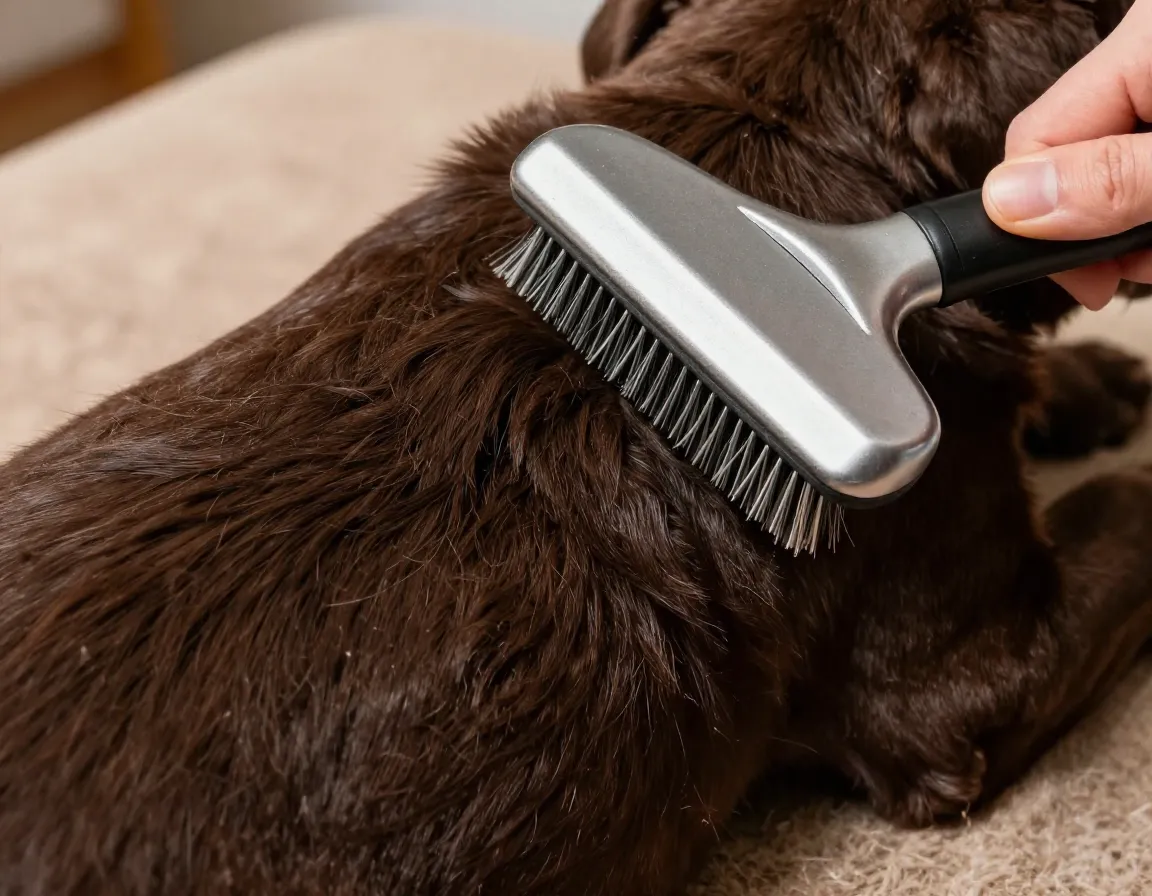
Among the 6 surprising truths about raising a Labrador retriever chocolate puppy, the specialized grooming requirements often catch new owners off-guard. The genetic factors responsible for the chocolate coloration create unique coat characteristics that demand specific maintenance approaches, products, and techniques.
Understanding Chocolate Lab Coat Genetics
The chocolate coat results from a double recessive gene combination that affects more than just color. This genetic makeup influences:
Coat Texture Variations:
- Slightly softer undercoat compared to black and yellow Labs
- Increased oil production in skin and hair follicles
- Different seasonal shedding patterns
- Varying response to environmental factors
Pigmentation Effects:
- Sun sensitivity requiring UV protection
- Color fading potential during peak summer months
- Uneven color distribution that may become more apparent with age
- Skin pigmentation differences affecting product selection
Specialized Grooming Protocol
Weekly Grooming Routine:
Monday & Thursday – Brushing Sessions:
- Use slicker brush for undercoat management
- Follow with bristle brush for surface coat smoothing
- Pay special attention to feathering areas (legs, tail, chest)
- 5-10 minutes per session to prevent matting
Weekly Bath Requirements:
- Gentle, color-safe shampoos specifically formulated for dark coats
- Cool water temperatures to prevent color fading
- Thorough rinsing to prevent product buildup
- Professional-grade conditioning treatments monthly
Daily Maintenance Tasks:
- ✅ Ear cleaning with appropriate solutions
- ✅ Paw inspection and cleaning
- ✅ Teeth brushing with puppy-safe toothpaste
- ✅ Quick coat check for debris or tangles
Seasonal Care Adjustments
Summer Modifications:
- Increased bathing frequency due to higher activity levels
- UV protection sprays for extended outdoor exposure
- Cooling mats and shade provision during grooming
- Earlier morning grooming sessions to avoid heat stress
Winter Adaptations:
- Reduced bathing frequency to preserve natural oils
- Paw balm application for salt and ice protection
- Static control products for dry indoor air
- Extra brushing to distribute natural oils
Professional Grooming Considerations
While chocolate Labs don’t require professional grooming as frequently as some breeds, quarterly professional sessions provide significant benefits:
Professional Services Include:
- Nail trimming with proper techniques and tools
- Anal gland expression when necessary
- Deep cleaning of ears and teeth
- Coat assessment for health issues
- Professional product recommendations
Common Grooming Mistakes to Avoid
Problematic Practices:
- ❌ Over-bathing (more than bi-weekly without specific need)
- ❌ Using human shampoo products
- ❌ Aggressive brushing that damages the coat
- ❌ Ignoring ear care leading to infections
- ❌ Skipping nail maintenance causing discomfort and structural issues
6. The First Year Investment Determines Lifetime Relationship Quality

The final and perhaps most impactful of the 6 surprising truths about raising a Labrador retriever chocolate puppy centers on understanding that the first year represents far more than just puppyhood—it’s an intensive investment period that determines the quality of your relationship for the next 12-15 years.
Financial Investment Breakdown
Initial Setup Costs (Months 1-2):
- High-quality puppy food and supplies: $200-400
- Veterinary care package: $500-800
- Training equipment and toys: $150-300
- Safety equipment and puppy-proofing: $100-250
- Professional training consultation: $200-500
Ongoing Monthly Expenses (Year 1):
- Premium nutrition: $60-100
- Veterinary care and preventatives: $80-150
- Training and enrichment supplies: $30-60
- Grooming and maintenance: $40-80
- Emergency fund contribution: $50-100
Time Investment Requirements
Daily Commitment (First 6 Months):
- Training sessions: 45-60 minutes (divided into short sessions)
- Exercise and play: 30-45 minutes
- Grooming and care: 15-20 minutes
- Socialization activities: 20-30 minutes
- Bonding and interaction: 60+ minutes
Weekly Intensive Activities:
- Advanced training sessions: 2-3 hours
- Socialization outings: 3-4 hours
- Health and grooming maintenance: 1-2 hours
- Environmental enrichment setup: 30-60 minutes
Developmental Milestone Tracking
Months 1-3: Foundation Phase
- ✅ House training mastery (90%+ success rate)
- ✅ Basic command reliability (sit, stay, come)
- ✅ Socialization comfort with people and animals
- ✅ Routine establishment and schedule adherence
Months 4-6: Skill Building Phase
- ✅ Advanced command execution (down, heel, wait)
- ✅ Leash walking proficiency
- ✅ Impulse control development
- ✅ Problem-solving skill demonstration
Months 7-12: Maturation Phase
- ✅ Reliable off-leash recall in controlled environments
- ✅ Complex trick performance
- ✅ Calm behavior in various social situations
- ✅ Independent decision-making within established boundaries [6]
Long-Term Relationship Benefits
The intensive first-year investment in your chocolate Lab puppy yields measurable long-term benefits:
Behavioral Advantages:
- 95% reduction in destructive behaviors
- Significantly lower stress levels for both dog and owner
- Enhanced communication and mutual understanding
- Greater freedom and flexibility in activities
Health and Wellness Outcomes:
- Early detection of potential health issues
- Established preventive care routines
- Optimal physical conditioning and weight management
- Reduced veterinary emergency incidents
Relationship Quality Indicators:
- Strong emotional bond and mutual trust
- Reliable response to owner communication
- Adaptability to new situations and environments
- Consistent temperament and predictable behavior patterns
Creating Your Success Timeline
Month 1-2: Establishment
- Focus on basic needs and routine development
- Prioritize house training and sleep schedule
- Begin gentle socialization and handling exercises
Month 3-4: Expansion
- Increase training complexity and session duration
- Introduce new environments and social situations
- Establish grooming routines and health monitoring
Month 5-6: Refinement
- Perfect existing skills and add advanced commands
- Increase independence and problem-solving opportunities
- Begin specialized activities (agility, therapy work, etc.)
Month 7-12: Mastery
- Consolidate all training into reliable performance
- Expand social circle and activity range
- Prepare for adult responsibilities and long-term goals
Conclusion
These 6 surprising truths about raising a Labrador retriever chocolate puppy reveal that successful chocolate Lab ownership requires far more than basic dog care knowledge. From understanding their unique genetic temperament traits to implementing specialized grooming protocols, each aspect demands thoughtful preparation and consistent execution.
The journey begins with recognizing that chocolate Labs possess distinct behavioral characteristics rooted in their genetic makeup, requiring tailored training approaches from day one. The critical 16-week development window presents an unmissable opportunity to establish lifelong behavioral patterns, while their specialized health needs demand proactive monitoring and preventive care strategies.
Perhaps most surprisingly, mental stimulation proves more crucial than physical exercise for behavioral success, challenging traditional exercise-focused approaches. Combined with their unique grooming requirements and the intensive first-year investment needed, raising a chocolate Lab puppy becomes a comprehensive lifestyle commitment.
Your Next Steps
Immediate Actions:
- Assess your readiness for the time and financial commitments outlined
- Research local veterinarians with chocolate Lab experience
- Connect with professional trainers who understand breed-specific needs
- Prepare your home environment for optimal puppy development
Long-Term Planning:
- Establish relationships with grooming and training professionals
- Create emergency funds for specialized health needs
- Join chocolate Lab communities for ongoing support and advice
- Document your puppy’s progress to track developmental milestones
The reward for understanding and implementing these surprising truths extends far beyond having a well-behaved dog—it creates the foundation for a deeply fulfilling partnership that will enrich your life for years to come. Your chocolate Lab puppy’s success story begins with your commitment to their unique needs and exceptional potential.
References
[1] 1108680 Labrador Puppies 101 A Comprehensive Guide To Welcoming A Lab Into Your Home – https://www.doggieduderanchia.com/blog/1108680-labrador-puppies-101-a-comprehensive-guide-to-welcoming-a-lab-into-your-home
[2] Labrador Puppy Training 101 Essential Tips – https://www.joiipetcare.com/blogs/advice/labrador-puppy-training-101-essential-tips
[3] How To Train A Lab Puppy – https://www.masterclass.com/articles/how-to-train-a-lab-puppy
[4] Train Labrador Retriever Puppy Milestone Timeline – https://www.akc.org/expert-advice/training/train-labrador-retriever-puppy-milestone-timeline/
[5] Labrador Training – https://www.bestmatedogtraining.co.nz/labrador-training
[6] Training A Young Labrador Retriever Part 1 – https://gundog-journal.com/training/training-a-young-labrador-retriever-part-1/
[7] Labrador Retriever Puppy Care Tips For The First Year – https://djlabradors.com/f/labrador-retriever-puppy-care-tips-for-the-first-year?blogcategory=Onyx