
6 Truths About Owning a Mini Weiner Dog Puppy: What Every Future Owner Must Know
Picture this: a tiny sausage-shaped puppy with oversized ears and an even bigger personality waddles into your heart and changes everything. Mini weiner dogs, officially known as miniature dachshunds, have captured the hearts of dog lovers worldwide with their distinctive appearance and spirited nature. However, beneath that adorable exterior lies a complex companion that requires specific care, understanding, and long-term commitment.

Disclosure: This post contains affiliate links. As an Amazon Associate, we earn from qualifying purchases, and at no extra cost to you.
The 6 truths about owning a mini weiner dog puppy reveal both the joys and challenges that come with these remarkable little dogs. From their surprising exercise needs to their potential health concerns, prospective owners need to understand what they’re signing up for before bringing home one of these charismatic canines. These aren’t just cute lap dogs—they’re intelligent, strong-willed hunting dogs packed into a compact frame.
Key Takeaways
- Long-term commitment required: Mini dachshunds live 12-16 years and need consistent care throughout their extended lifespan
- Health vigilance essential: Approximately 25% develop serious spinal issues requiring surgical intervention
- Exercise needs are substantial: Despite their size, they require 50 minutes of daily exercise as adults
- Training demands patience: Their strong-willed nature and extended housebreaking timeline require consistent, positive reinforcement
- Space considerations matter: While adaptable to apartments, 68% of owners recommend large homes with fenced yards for optimal happiness
1. Their Size Is Deceptively Small But Growth Takes Time
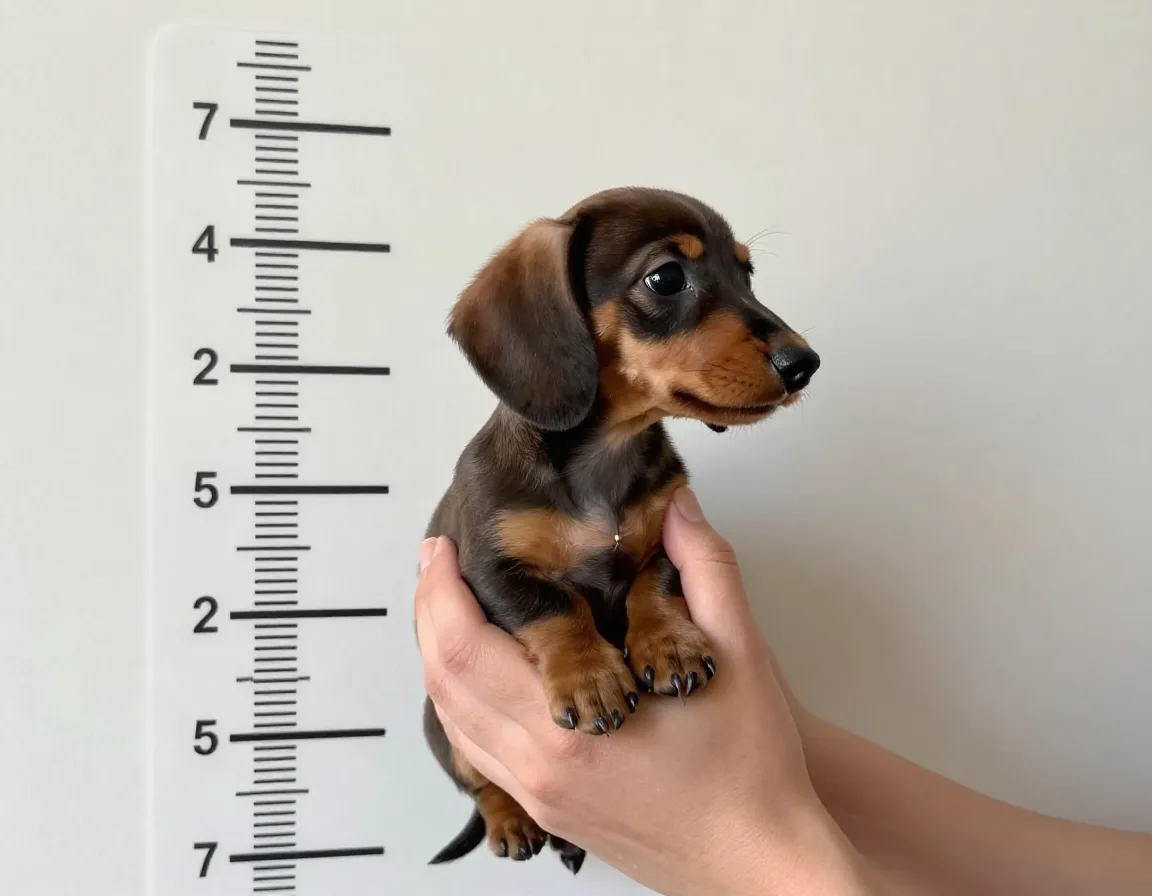
When considering the 6 truths about owning a mini weiner dog puppy, understanding their growth pattern stands as the first crucial reality. These tiny companions don’t stay puppy-sized forever, and their development timeline might surprise new owners.
Miniature dachshunds reach their full adult height between 8 to 12 months [2], with males typically measuring 6-8 inches at the shoulder and females slightly smaller at 5-7 inches. To qualify as “mini,” they must weigh under 11 pounds as adults [5], with most reaching approximately 7kg (15.4 pounds) at maturity [2].
Growth Milestones to Expect
The growth journey follows a predictable pattern that helps owners prepare:
- 6 months: Puppies reach approximately 5.8kg
- 12 months: Near-adult weight of 7.2kg achieved [2]
- Full maturity: Complete physical development by their first birthday
Weight monitoring becomes critical during this growth phase since the breed gains weight easily [4]. Overfeeding during puppyhood can establish poor eating habits and contribute to obesity—a serious health concern for their elongated spine structure.
“Their small stature is deceiving. These dogs pack the personality and energy of a much larger breed into a compact frame, requiring owners to think beyond their size when planning care and activities.”
Space Planning Considerations
Despite their diminutive size, 68% of dachshund owners indicated that a large house with a fenced yard remains ideal [7]. While they can adapt to apartment living, their exercise needs and vocal tendencies make spacious environments preferable for both dog and neighbor satisfaction.
2. Exercise Needs Are More Demanding Than Expected
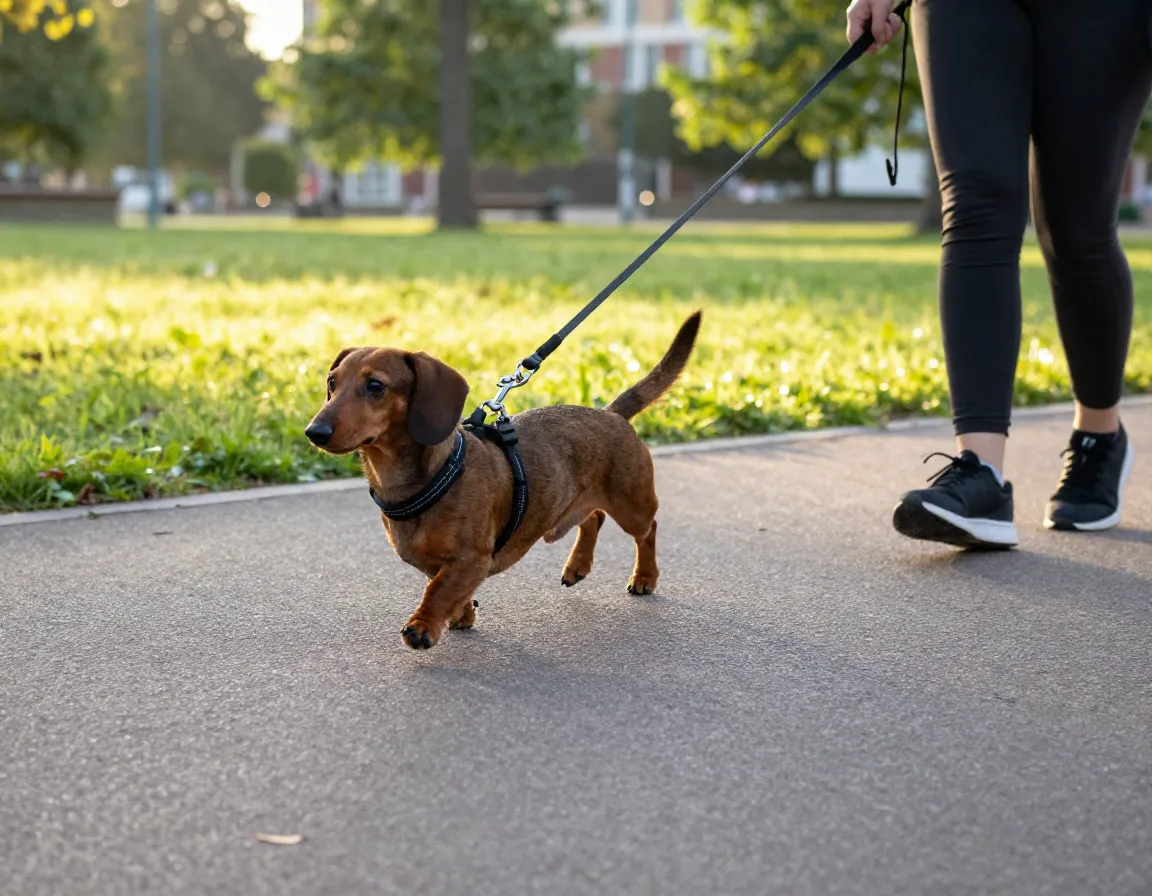
The second truth about owning a mini weiner dog puppy challenges common misconceptions about small dog exercise requirements. These aren’t sedentary lap dogs—they’re active hunting breeds with substantial physical and mental stimulation needs.
Fully grown miniature dachshunds require approximately 50 minutes of exercise daily [2], ideally divided into multiple sessions to accommodate their short legs and prevent overexertion. This requirement often surprises owners who assume smaller dogs need minimal activity.
Puppy Exercise Guidelines
Puppy exercise needs differ significantly from adult requirements:
- Initial stage: As little as 5 minutes for very young puppies
- Gradual increase: Exercise duration builds progressively with age [2]
- Walking readiness: Begins after vaccination completion around 14 weeks [4]
Exercise Structure and Safety
The unique body structure of mini dachshunds demands specific exercise considerations:
Recommended Activities:
- Multiple short walks rather than one long session
- Mental enrichment games and puzzle toys
- Supervised play in secure areas
- Swimming (excellent low-impact exercise)
Activities to Avoid:
- Jumping should be strongly discouraged due to back injury risk [4]
- Excessive stair climbing
- High-impact activities that stress the spine
Mental Stimulation Requirements
Beyond physical exercise, miniature dachshunds require substantial mental stimulation [2][4]. Their intelligent, hunting-bred minds need engagement through:
- Interactive puzzle feeders
- Scent work and tracking games
- Training sessions with positive reinforcement
- Rotating toy selection to maintain interest
Insufficient mental stimulation often manifests as destructive behavior, excessive barking, or anxiety—common issues that proper enrichment can prevent.
3. Health Challenges Require Proactive Management

Among the 6 truths about owning a mini weiner dog puppy, health predispositions represent perhaps the most serious consideration for prospective owners. The breed’s distinctive elongated body structure, while charming, creates specific medical vulnerabilities requiring vigilant management.
Approximately 25% of all dachshunds develop Intervertebral Disc Disease (IVDD) requiring surgical intervention [2]. This statistic alone should give potential owners pause, as IVDD treatment can cost thousands of dollars and significantly impact quality of life.
Primary Health Concerns
The breed faces several hereditary health challenges:
| Condition | Prevalence | Management Strategy |
|---|---|---|
| Intervertebral Disc Disease (IVDD) | 25% require surgery [2] | Weight control, jumping prevention, regular vet monitoring |
| Patellar Luxation | Common [2] | Maintain healthy weight, appropriate exercise |
| Brittle Bone Disease | Breed predisposition [2] | Careful handling, supervised activities |
| Eye Problems | Various conditions [2] | Regular ophthalmologic examinations |
| Obesity | High risk [2] | Measured feeding, portion control |
Spinal Health Protection
The elongated spine demands specific protective measures:
Daily Precautions:
- Discourage jumping from furniture, beds, or vehicles [4]
- Use ramps or steps for elevated surfaces
- Support their body properly when lifting (chest and hindquarters)
- Avoid activities that encourage twisting or excessive bending
Environmental Modifications:
- Install baby gates to prevent stair access during unsupervised times
- Provide orthopedic bedding for proper spinal support
- Maintain consistent flooring to prevent slipping
Early Warning Signs
Owners must recognize IVDD symptoms requiring immediate veterinary attention:
- Reluctance to move or play
- Crying when touched or lifted
- Hunched back or abnormal posture
- Weakness or dragging of hind legs
- Loss of bladder or bowel control
Early intervention significantly improves outcomes for spinal conditions, making owner awareness crucial for long-term health.
4. Training Demands Patience and Consistency

The fourth reality among the 6 truths about owning a mini weiner dog puppy centers on their complex training needs. While undeniably intelligent, miniature dachshunds possess a strong-willed, independent nature that can challenge even experienced dog owners.
Miniature dachshunds are described as playful, mischievous, loyal, and notably strong-willed [1][2], requiring consistent, patient training with positive reinforcement methods [2][4]. Their hunting heritage contributes to this independent streak—traits that served them well when working alone in badger dens.
Housebreaking Challenges
Toilet training represents one of the most significant hurdles, as miniature dachshunds often take longer to master this essential skill compared to other breeds [4]. Several factors contribute to this challenge:
Physical Factors:
- Small bladders require frequent outdoor trips
- Puppies need outside access after meals, naps, and play sessions [4]
- Weather sensitivity may create reluctance to go outdoors
Behavioral Factors:
- Strong-willed nature can manifest as selective compliance
- Territorial marking instincts, especially in males
- Distractibility during outdoor bathroom trips
Effective Training Strategies
Success requires adapting training methods to their unique personality:
Positive Reinforcement Techniques:
- High-value treats for immediate reward
- Consistent praise and encouragement
- Short, frequent training sessions to maintain attention
- Patience with repetition and setbacks
Consistency Requirements:
- All family members must use identical commands
- Established routines for feeding, exercise, and bathroom breaks
- Clear boundaries and expectations from day one
Socialization Critical Period
The critical socialization window occurs between 3 and 16 weeks [4], making early positive experiences essential for confident adult behavior. Proper socialization helps prevent:
- Excessive vocalization and territorial barking [1]
- Anxiety around strangers or new situations
- Aggression toward other dogs or pets
- Fear-based behavioral problems
Socialization Activities:
- Controlled introductions to various people, animals, and environments
- Positive experiences with different sounds, textures, and situations
- Puppy socialization classes (after vaccination completion)
- Regular, brief outings to build confidence
5. Feeding and Weight Management Require Vigilance

Understanding feeding requirements represents a crucial element among the 6 truths about owning a mini weiner dog puppy. Their predisposition to weight gain, combined with specific nutritional needs during rapid growth phases, demands careful attention from responsible owners.
Puppies require 3 to 4 small meals daily, with portions measured carefully since the breed gains weight easily [4]. This frequent feeding schedule supports their high metabolism during growth while preventing the overeating that can establish lifelong weight problems.
Feeding Schedule by Age
Proper nutrition timing changes as puppies mature:
8-16 Weeks:
- 4 meals daily at consistent intervals
- High-quality puppy formula for small breeds
- Measured portions based on expected adult weight
4-6 Months:
- Transition to 3 meals daily
- Continue puppy-specific nutrition
- Monitor weight gain against growth charts
6-12 Months:
- Gradually reduce to 2-3 meals daily
- Begin transitioning to adult food around 10-12 months
- Establish adult feeding routine
Weight Monitoring Importance
Weight management becomes critical early due to the breed’s spinal vulnerability. Excess weight places additional stress on their elongated back, significantly increasing IVDD risk and other health complications.
Target Weight Milestones:
- 6 months: Approximately 5.8kg
- 12 months: Around 7.2kg (15.4 lbs) [2]
- Adult classification: Under 11 pounds for “mini” designation [5]
Portion Control Strategies
Effective weight management requires proactive measures:
Measuring Techniques:
- Use measuring cups rather than estimating portions
- Weigh food for precision with small serving sizes
- Account for training treats in daily caloric intake
- Avoid free-feeding or leaving food available constantly
Healthy Treat Guidelines:
- Limit treats to 10% of daily calories
- Choose low-calorie, high-value options for training
- Use pieces of regular kibble as training rewards
- Avoid human food that may be harmful or calorie-dense
Signs of Overfeeding
Owners must recognize early indicators of weight problems:
- Difficulty feeling ribs through a light touch
- Loss of visible waist when viewed from above
- Reduced activity or reluctance to exercise
- Breathing difficulty during mild exertion
- Increased sleeping or lethargy
Early intervention prevents serious health consequences and establishes healthy habits that support lifelong wellbeing.
6. Long-Term Commitment Spans Over a Decade
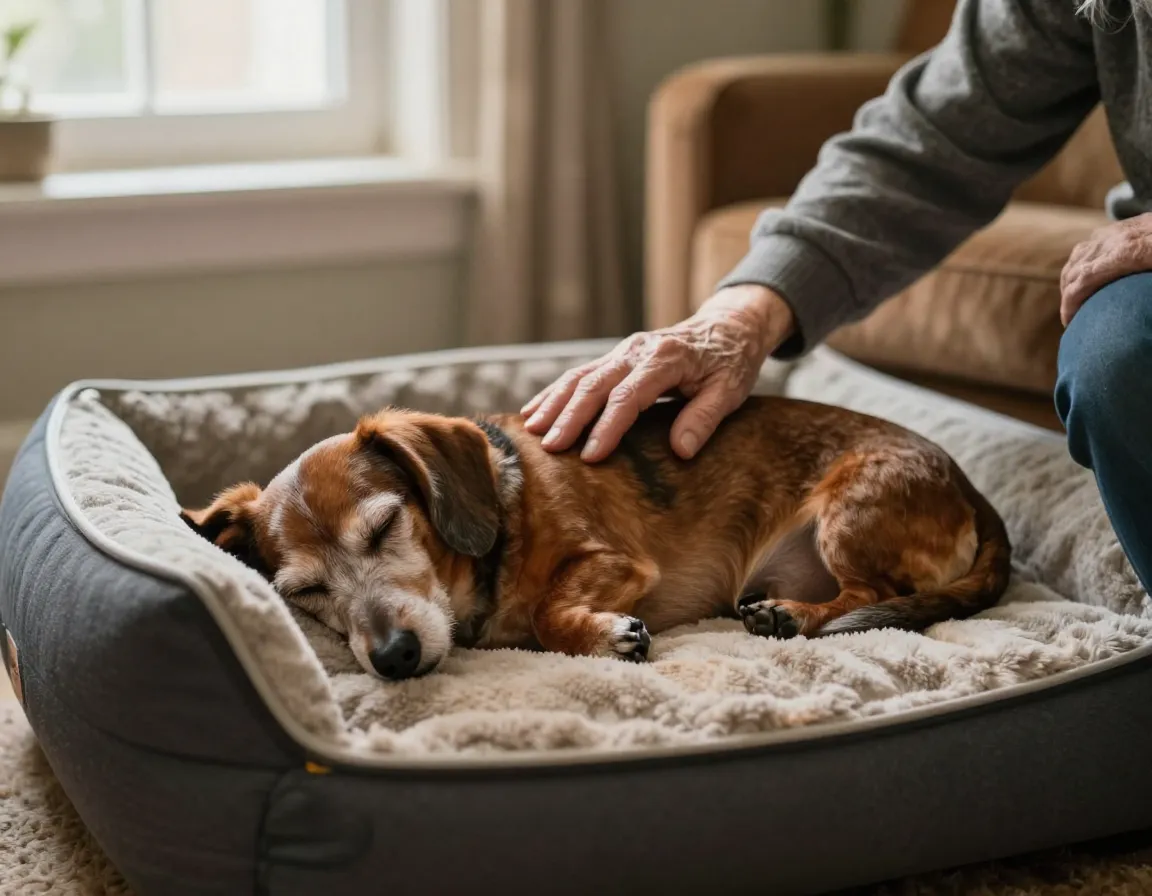
The final truth among the 6 truths about owning a mini weiner dog puppy addresses the significant time commitment these dogs represent. With an average life expectancy of 12 to 16 years [1], miniature dachshunds rank among the longer-lived dog breeds, making them truly long-term family members.
This extended lifespan, while wonderful for bonding and companionship, requires prospective owners to consider their life circumstances not just today, but well into the future. A puppy adopted in 2026 will likely still be a family member in 2040 or beyond.
Life Stage Considerations
Understanding the different life phases helps owners prepare for changing needs:
Puppyhood (0-12 months):
- Intensive training and socialization requirements
- Frequent veterinary visits for vaccinations and health monitoring
- High energy and supervision needs
- Establishing lifelong habits and routines
Adult Years (1-8 years):
- Consistent exercise and mental stimulation needs
- Regular health maintenance and preventive care
- Peak activity levels and social engagement
- Ongoing training reinforcement
Senior Years (8+ years):
- Increased veterinary care and health monitoring
- Potential mobility challenges requiring accommodation
- Modified exercise routines and dietary adjustments
- Enhanced comfort measures and quality of life considerations
Financial Planning
The long lifespan necessitates substantial financial planning:
Initial Costs:
- Purchase price or adoption fees
- Microchipping required by 8 weeks by law [4]
- Initial veterinary examinations and vaccinations
- Essential supplies and equipment
Ongoing Annual Expenses:
- Regular veterinary care and preventive treatments
- High-quality food and supplements
- Professional grooming and nail care
- Pet insurance or emergency fund for health issues
Potential Major Expenses:
- IVDD surgery (can cost $3,000-$8,000+)
- Emergency medical treatments
- Specialized senior care requirements
- End-of-life care and difficult decisions
Lifestyle Compatibility Assessment
Before committing to a mini dachshund puppy, honest evaluation of long-term compatibility becomes essential:
Housing Stability:
- Will current housing accommodate a dog for 12-16 years?
- Are there restrictions on pets in current or future living situations?
- Can the living space be modified for an aging dog’s needs?
Family Changes:
- How will marriage, children, or family changes affect pet care?
- Who will be responsible for daily care throughout the dog’s life?
- What arrangements exist for vacations, work travel, or emergencies?
Health and Energy:
- Can owners maintain consistent exercise and care routines?
- Are there backup plans if primary caregivers become unable to provide care?
- How will the dog’s needs be met during owner illness or life changes?
Building Support Systems
Successful long-term ownership benefits from established support networks:
- Reliable veterinary relationships with breed experience
- Professional pet care services for emergencies or travel
- Local dachshund communities or breed-specific resources
- Family or friend networks willing to assist when needed
Conclusion
The 6 truths about owning a mini weiner dog puppy reveal these remarkable dogs as complex, long-term companions requiring dedicated, informed care. From their deceptively demanding exercise needs to their 12-16 year lifespan commitment, miniature dachshunds challenge many assumptions about small dog ownership.
Success with these spirited dogs depends on realistic expectations and proactive management. Their predisposition to spinal issues demands vigilant health monitoring and environmental modifications. Their strong-willed nature requires patient, consistent training approaches. Their substantial exercise and mental stimulation needs must be met despite their compact size.
However, for owners prepared to meet these challenges, miniature dachshunds offer unparalleled loyalty, entertainment, and companionship. Their playful, mischievous personalities and devoted nature create bonds that justify the extra effort required for their care.
Next Steps for Prospective Owners
Before bringing home a mini dachshund puppy:
- Research reputable breeders who health test for IVDD and other genetic conditions
- Establish veterinary relationships with professionals experienced in dachshund care
- Puppy-proof your home with ramps, gates, and safety modifications
- Budget for long-term expenses including potential emergency medical costs
- Connect with local dachshund communities for ongoing support and advice
Prepare for success by understanding that these aren’t typical small dogs—they’re hunting breeds with big personalities packed into elongated frames. With proper preparation, realistic expectations, and committed care, a mini weiner dog puppy can become the devoted companion that enriches life for well over a decade.
The decision to welcome one of these characterful dogs into your family shouldn’t be taken lightly, but for the right owners, it represents the beginning of an extraordinary journey filled with laughter, loyalty, and love.
References
[1] Mini Dachshund – https://www.aspcapetinsurance.com/resources/mini-dachshund/
[2] Miniature Dachshund Owners Guide – https://www.bellaandduke.com/dogs/expert-advice/dog-breeds/miniature-dachshund-owners-guide/
[3] Miniature Dachshund Guide 10 Key Facts Before You Buy – https://www.lancasterpuppies.com/pet-advice/miniature-dachshund-guide-10-key-facts-before-you-buy.html
[4] Your New Miniature Dachshund Puppy The Essentials – https://www.joiipetcare.com/blogs/advice/your-new-miniature-dachshund-puppy-the-essentials
[5] A Complete Guide To Dachshund Puppies – https://wagwalking.com/lifestyle/dog-ownership/a-complete-guide-to-dachshund-puppies
[6] Dachshund – https://www.akc.org/dog-breeds/dachshund/
[7] Explore The Dachshund Genuine Tips From 9000 Owners – https://www.sniffspot.com/blog/dog-breeds/explore-the-dachshund-genuine-tips-from-9000-owners
[8] 21 Things About Dachshunds Every Owner Should Know – https://youdidwhatwithyourweiner.com/21-things-about-dachshunds-every-owner-should-know/