6 Steps to Successfully Introduce Your Kitten to Eating Wet Food
Picture this: a tiny, fluffy kitten taking its very first tentative licks of wet food, marking a crucial milestone in its journey toward independence. This magical moment represents more than just a meal—it’s the beginning of a lifelong relationship with proper nutrition that will shape your kitten’s health and happiness for years to come.
Disclosure: This post contains affiliate links. As an Amazon Associate, we earn from qualifying purchases, and at no extra cost to you.
The transition from nursing or bottle-feeding to solid food is one of the most critical phases in a kitten’s development. Getting it right can mean the difference between a smooth, stress-free weaning process and weeks of feeding challenges. Understanding the 6 Steps to Successfully Introduce Your Kitten to Eating Wet Food will ensure your furry friend develops healthy eating habits while receiving the essential nutrients needed for optimal growth.
Key Takeaways
- Start early but not too early: Kittens can begin eating wet food as early as 3-4 weeks old, with the full transition complete by 8 weeks of age
- Gradual transition is key: Mix wet food with kitten milk replacement formula initially, gradually increasing the food proportion over 7-10 days
- Proper timing and frequency matter: Feed 3-5 small meals daily using shallow dishes and appropriate feeding tools
- Quality nutrition is essential: Choose wet food with at least 75% real meat content specifically formulated for kittens
- Hydration benefits are significant: Wet food provides approximately 70% water content, supporting proper hydration during this critical growth phase
Understanding the Perfect Timing for Your Kitten’s Food Transition
When to Begin the Wet Food Journey
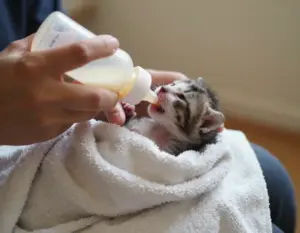
The timing of introducing wet food to kittens is crucial for their healthy development. Kittens can begin eating wet food as early as 3-4 weeks old, when they’re transitioning from nursing or bottle-feeding[1][2]. This timing aligns perfectly with their natural development, as their teeth begin to emerge and their digestive systems start preparing for solid foods.
However, it’s important to note that the full transition to solid foods should be complete by 8 weeks of age[1][3]. This gives you approximately 4-5 weeks to gradually introduce and establish wet food as a primary nutrition source. Rushing this process can lead to digestive upset, while waiting too long may create feeding difficulties later.
The Natural Progression Timeline
Understanding the natural progression helps ensure success when implementing the 6 Steps to Successfully Introduce Your Kitten to Eating Wet Food. Here’s what the timeline typically looks like:
| Age | Feeding Stage | Key Milestones |
|---|---|---|
| 3-4 weeks | Initial wet food introduction | First taste of solid food mixed with formula |
| 4-5 weeks | Gradual increase in wet food | Reducing formula proportion daily |
| 5-6 weeks | Dry food introduction | Adding dry kibble alongside wet food[3] |
| 6-8 weeks | Final transition | Primarily solid foods with minimal formula |
Signs Your Kitten is Ready
Before beginning the introduction process, watch for these readiness indicators:
- Teeth emergence: Small, sharp baby teeth becoming visible
- Increased mobility: Ability to walk steadily and explore
- Interest in mother’s food: Attempting to investigate or sample adult cat food
- Reduced nursing frequency: Natural decrease in milk consumption
- Weight gain: Steady growth indicating healthy development
Expert Tip: “Kittens don’t typically drink water until 4 weeks old, making wet food’s high moisture content especially beneficial during this transition period.”[1]
The Complete 6 Steps to Successfully Introduce Your Kitten to Eating Wet Food
1. Prepare the Perfect Food Mixture
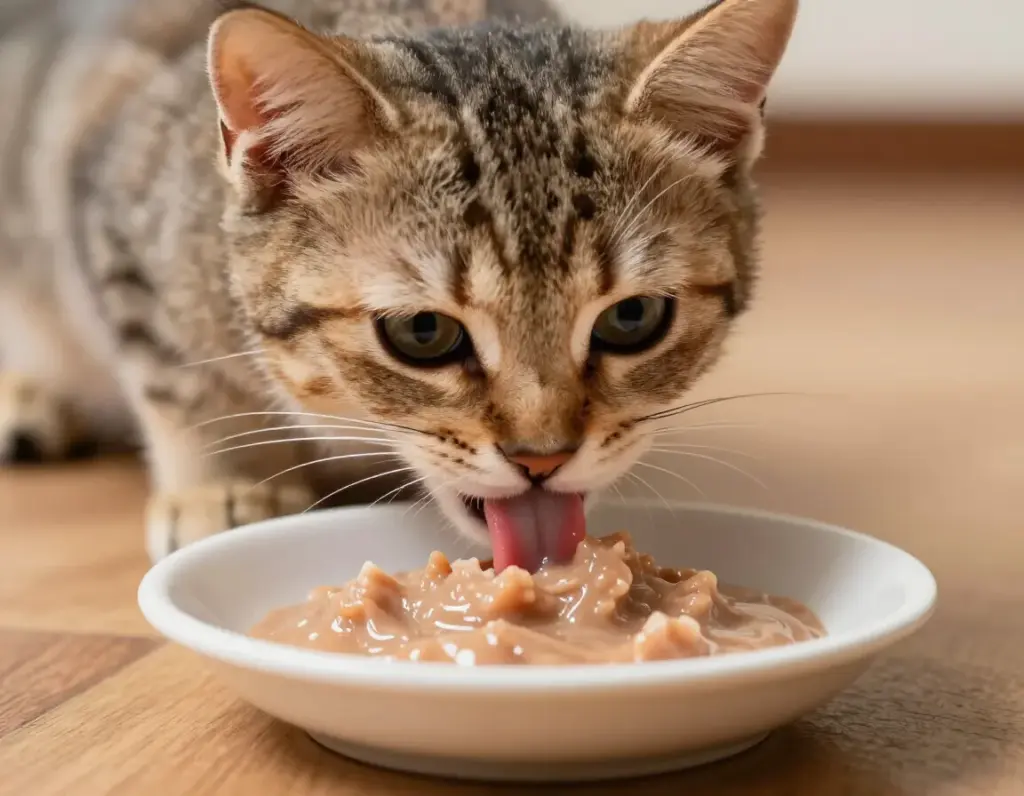
The first step in the 6 Steps to Successfully Introduce Your Kitten to Eating Wet Food involves creating an appealing and digestible mixture. Begin with small amounts mixed into kitten milk replacement formula or warm water[2][3][5]. This familiar base helps kittens accept the new texture and flavor more readily.
Important mixing guidelines:
- Start with a ratio of 75% formula to 25% wet food
- Use warm water instead of cow’s milk (which can cause upset stomach and diarrhea)[5]
- Ensure the mixture has a smooth, soupy consistency
- Gradually increase the wet food proportion over 7-10 days[1][8]
2. Choose the Right Feeding Equipment
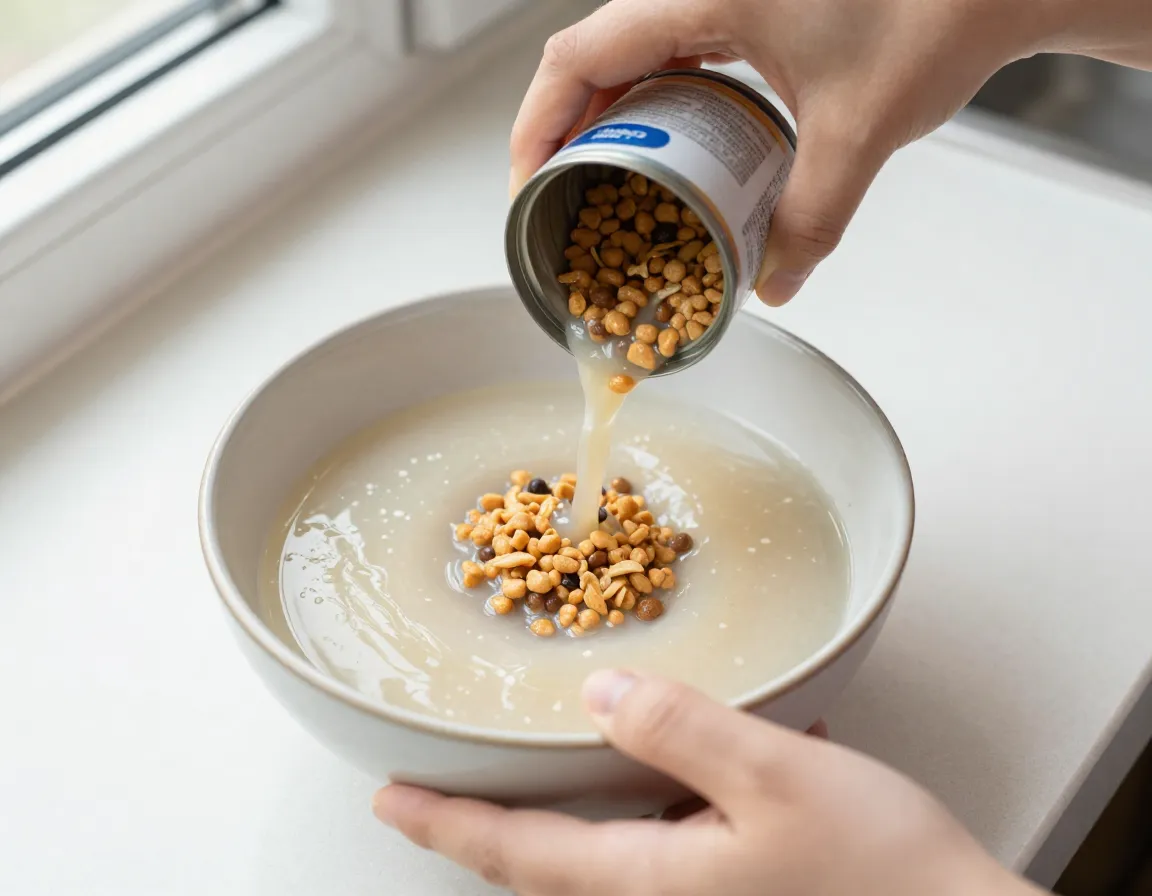
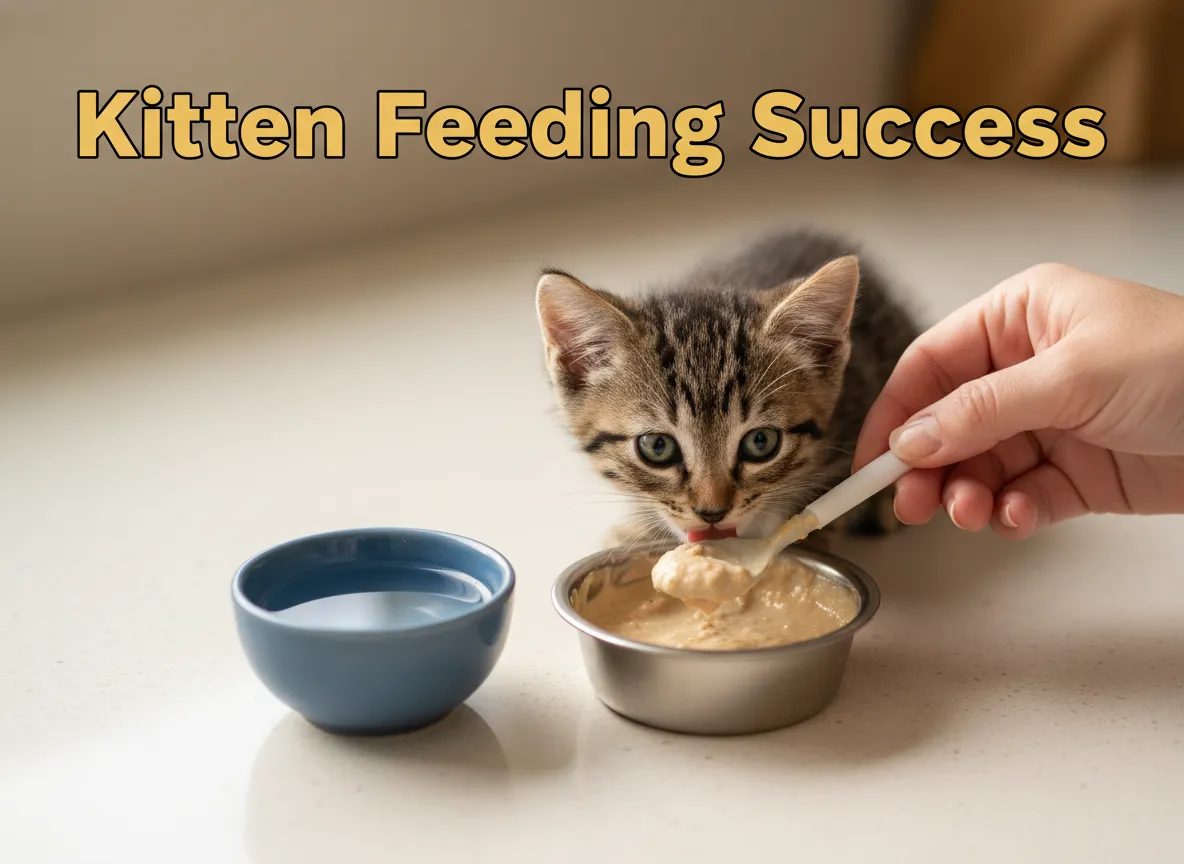
Proper feeding tools make a significant difference in the success of your kitten’s transition. Use shallow dishes, soft spoons, or popsicle sticks rather than fingers to prevent accidental bites[2]. Young kittens haven’t yet learned to control their bite force, making fingers a risky choice for feeding.
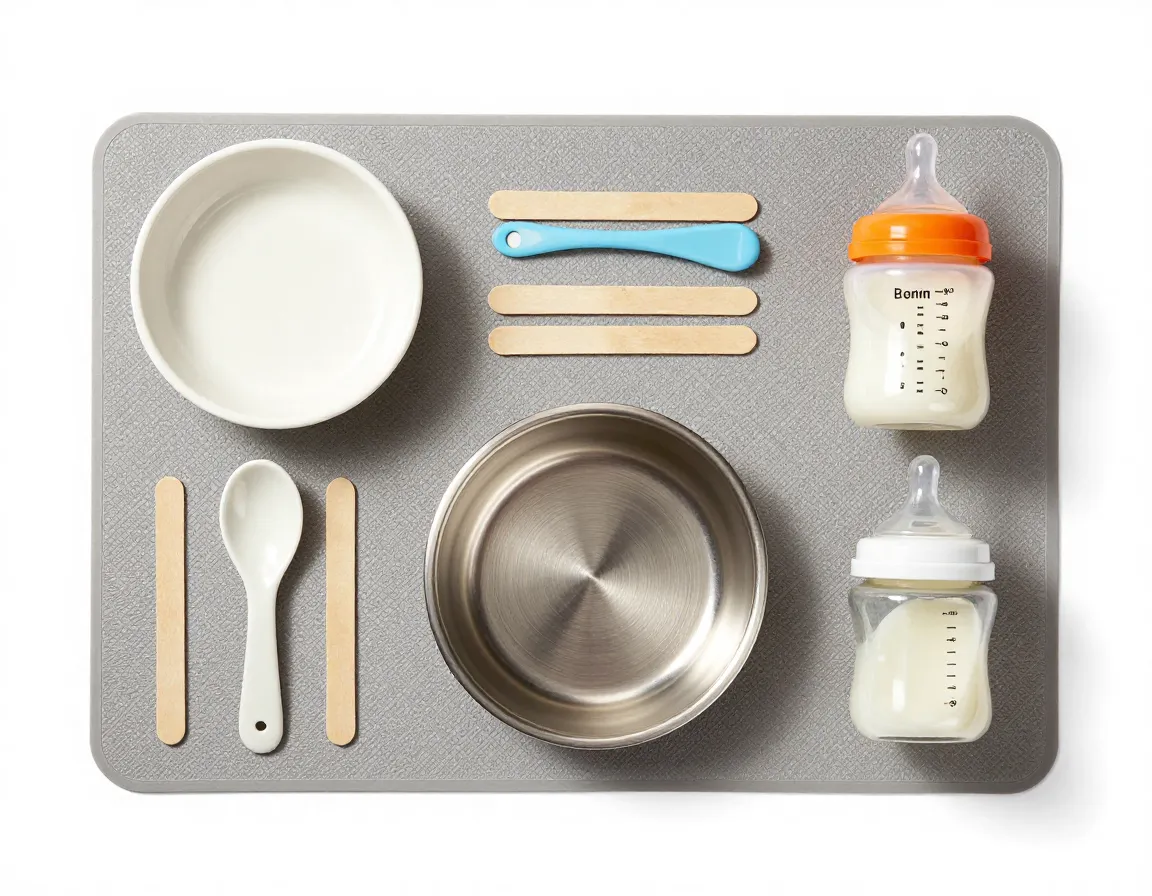
Recommended feeding equipment:
- 🥄 Shallow ceramic or stainless steel dishes (easy to clean and stable)
- 🥄 Soft-tipped feeding spoons (gentle on delicate mouths)
- 🥄 Popsicle sticks (disposable and appropriately sized)
- 🥄 Non-slip feeding mats (prevents dish movement during meals)
3. Establish Proper Feeding Frequency and Portions
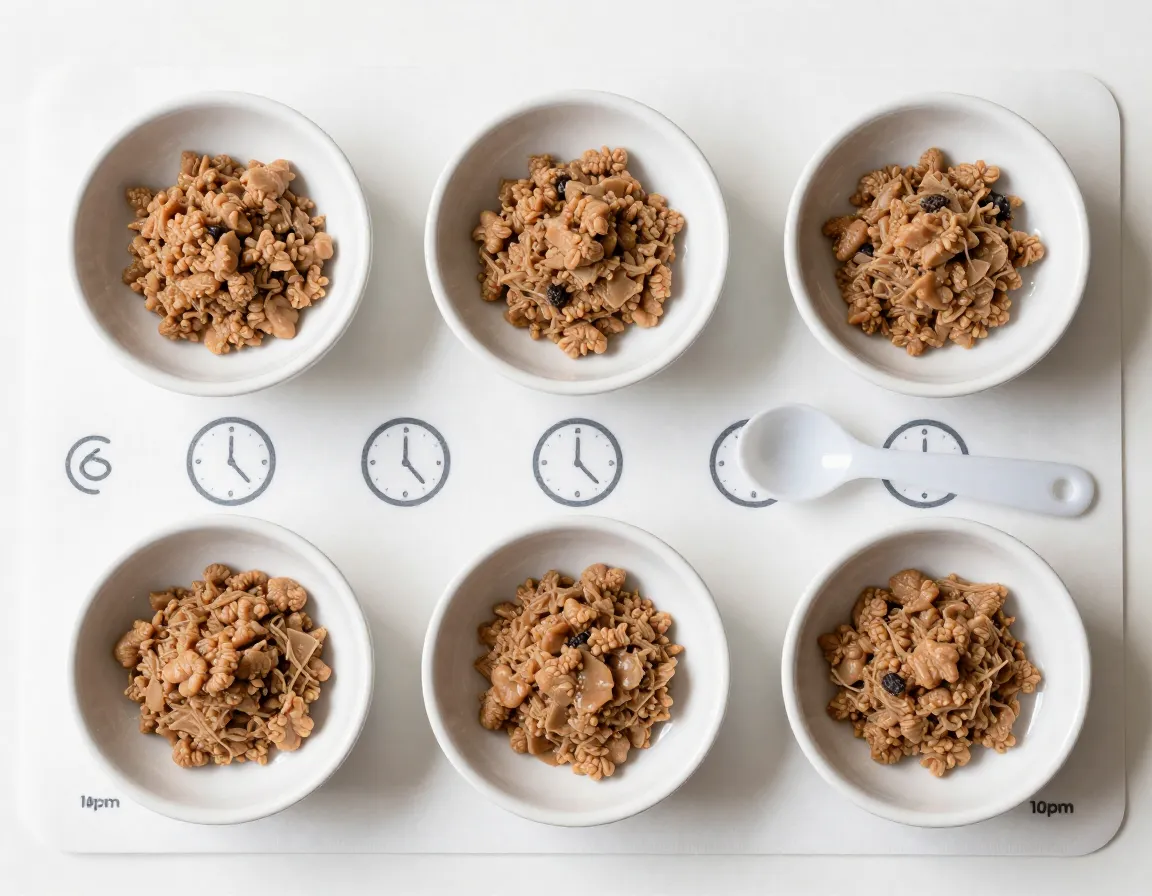
Feed kittens 3-5 small meals daily to help stomach adjustment[1][7]. This frequent feeding schedule mimics their natural nursing pattern while accommodating their small stomach capacity. Offer smaller, more frequent meals rather than large portions[1] to prevent overwhelming their developing digestive systems.
Daily feeding schedule example:
- 6:00 AM – Morning meal
- 10:00 AM – Mid-morning snack
- 2:00 PM – Afternoon meal
- 6:00 PM – Evening meal
- 10:00 PM – Late evening snack (optional for younger kittens)
4. Select High-Quality Wet Kitten Food
Quality wet kitten food should contain a minimum of 75% real meat and be formulated with proper protein, fat, and moisture balance[1]. This high-quality nutrition supports rapid growth and development during this critical life stage.
Key nutritional requirements:
- Protein content: 30-40% minimum for growing kittens
- Fat content: 18-22% for energy and coat health
- Moisture content: Approximately 70% water content[5]
- Essential nutrients: Taurine, DHA, vitamins, and minerals
- Life stage appropriate: Specifically formulated for kittens
5. Monitor the Gradual Transition Process
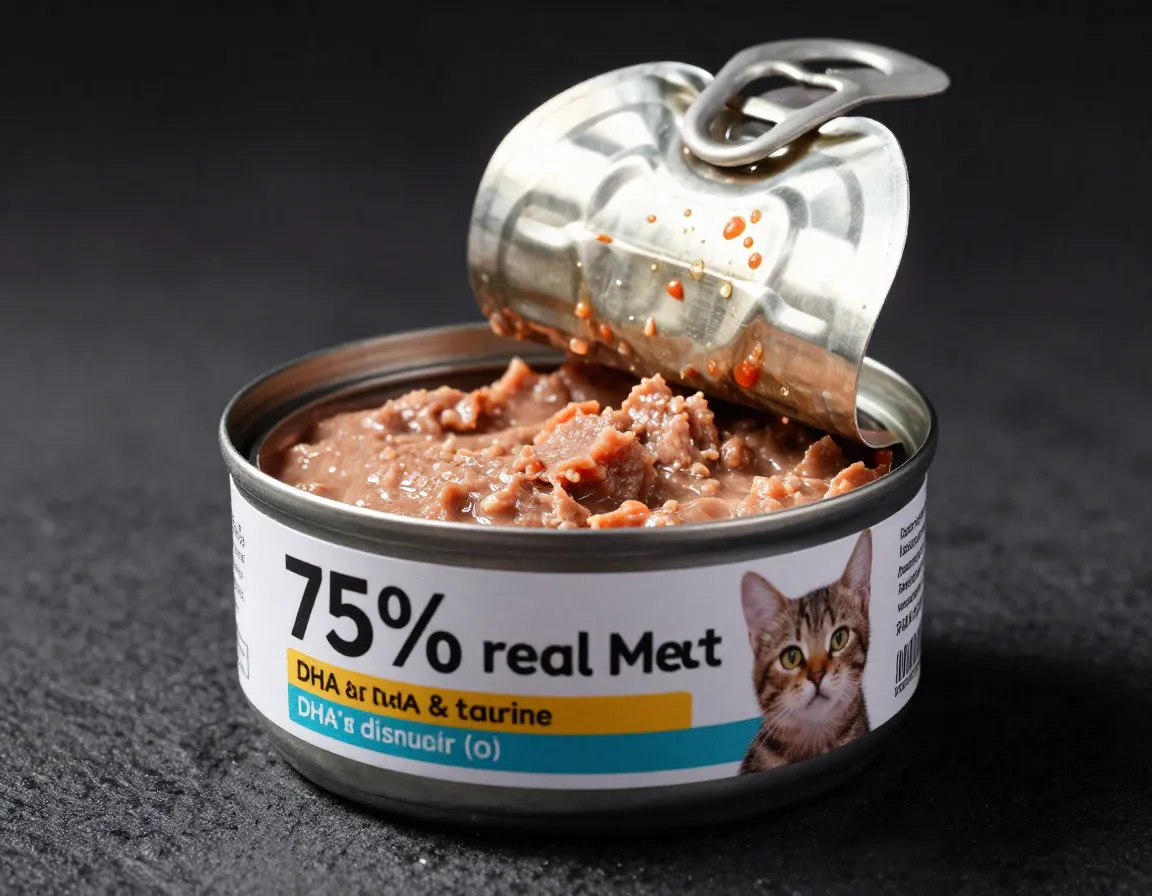
The fifth step in the 6 Steps to Successfully Introduce Your Kitten to Eating Wet Food involves careful monitoring and adjustment. Start with a higher proportion of formula and gradually increase wet food over 7-10 days[1][8]. This gradual approach prevents digestive upset while allowing kittens to adapt to new flavors and textures.
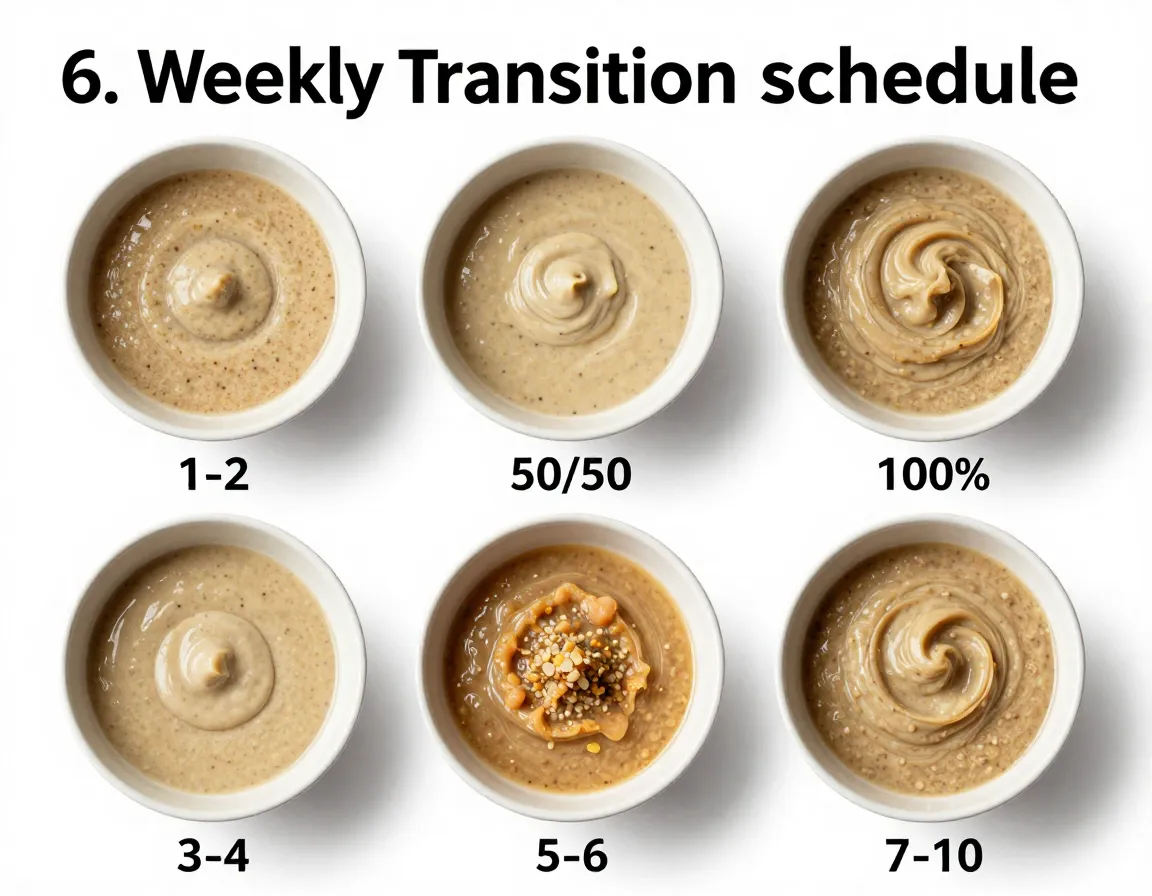
Weekly transition schedule:
- Days 1-2: 75% formula, 25% wet food
- Days 3-4: 50% formula, 50% wet food
- Days 5-6: 25% formula, 75% wet food
- Days 7-10: 100% wet food (with water if needed)
6. Address Common Challenges and Adjustments
The final step involves troubleshooting common issues that may arise during the transition. Every kitten is unique, and some may require additional time or different approaches to successfully accept wet food.
Common challenges and solutions:
🐱 Refusing to eat: Try different flavors or brands, ensure food is at room temperature
🐱 Digestive upset: Slow down the transition process, consult a veterinarian if symptoms persist
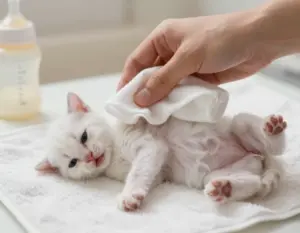
🐱 Messy eating: Use larger feeding mats, clean face and paws after meals
🐱 Inconsistent appetite: Maintain regular feeding schedules, remove uneaten food after 30 minutes
Maximizing Nutritional Benefits and Hydration
The Hydration Advantage of Wet Food
One of the most significant benefits when following the 6 Steps to Successfully Introduce Your Kitten to Eating Wet Food is the superior hydration it provides. Wet food provides approximately 70% water content, compared to 10% in dry food[5]. This high moisture content is particularly beneficial since kittens don’t typically drink water until 4 weeks old[1].
Hydration benefits include:
- 💧 Kidney health support: Adequate hydration reduces kidney strain
- 💧 Urinary tract health: Dilute urine helps prevent crystal formation
- 💧 Improved digestion: Moisture aids in nutrient absorption
- 💧 Temperature regulation: Proper hydration supports body temperature control
Supporting Healthy Growth and Development
Proper nutrition during the kitten stage sets the foundation for lifelong health. The high-quality protein and balanced nutrients in premium wet kitten foods support:
- Rapid growth: Essential amino acids for muscle and organ development
- Brain development: DHA and other fatty acids for cognitive function
- Immune system: Antioxidants and vitamins for disease resistance
- Coat and skin health: Omega fatty acids for lustrous fur
Creating Positive Food Associations
The way you introduce wet food can influence your kitten’s relationship with eating throughout their life. Make mealtimes positive experiences by:
- Maintaining calm environments during feeding
- Using encouraging, gentle voices while kittens eat
- Allowing adequate time for meals without rushing
- Cleaning up promptly to maintain hygiene
- Providing consistent routines that create security
Troubleshooting Common Feeding Challenges
When Kittens Resist Wet Food
Some kittens may initially resist the transition to wet food, requiring patience and creativity. If your kitten seems reluctant to try wet food, consider these strategies:
Flavor and texture modifications:
- Try different protein sources (chicken, turkey, fish)
- Experiment with pâté versus chunks in gravy
- Warm the food slightly to enhance aroma
- Mix in a small amount of low-sodium chicken broth
Managing Multiple Kittens
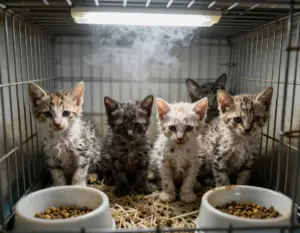
When introducing wet food to a litter of kittens, individual feeding stations prevent competition and ensure each kitten receives adequate nutrition. Space feeding dishes at least 12 inches apart to reduce stress and allow monitoring of individual intake.
Multi-kitten feeding tips:
- 🍽️ Provide separate dishes for each kitten
- 🍽️ Monitor weaker or smaller kittens closely
- 🍽️ Consider supplemental feeding for slower eaters
- 🍽️ Maintain consistent feeding locations
Addressing Digestive Sensitivities
Some kittens may experience mild digestive upset during the transition. Signs to watch for include:
- Loose stools or diarrhea
- Vomiting after meals
- Decreased appetite
- Lethargy or discomfort
If digestive issues occur, slow the transition process and consult with a veterinarian if symptoms persist beyond 24-48 hours.
Long-Term Success and Healthy Eating Habits
Establishing Lifelong Feeding Routines
The habits established during the wet food introduction phase often carry into adulthood. Creating structured feeding routines helps kittens develop healthy relationships with food and reduces anxiety around mealtimes.
Routine elements that promote success:
- Consistent feeding times that align with household schedules
- Designated feeding areas that remain constant
- Proper food storage to maintain freshness and safety
- Regular dish cleaning to prevent bacterial growth
Transitioning to Adult Food
While this article focuses on the 6 Steps to Successfully Introduce Your Kitten to Eating Wet Food, it’s important to plan for the eventual transition to adult cat food. Most kittens can begin transitioning to adult formulations around 12 months of age, following a similar gradual process.
Monitoring Growth and Development
Regular veterinary check-ups during the weaning period ensure kittens are meeting growth milestones and receiving adequate nutrition. Weight gain should be steady but not excessive, with healthy kittens typically doubling their birth weight by 10-14 days and continuing to gain 3-4 ounces weekly.
Growth monitoring checklist:
- ✅ Weekly weight checks using a digital scale
- ✅ Body condition scoring to assess fat and muscle development
- ✅ Energy level and playfulness observations
- ✅ Coat quality and skin health evaluation
- ✅ Litter box habits and consistency
Conclusion
Successfully implementing the 6 Steps to Successfully Introduce Your Kitten to Eating Wet Food requires patience, preparation, and attention to individual kitten needs. By starting at the appropriate age (3-4 weeks), creating proper food mixtures, using suitable feeding equipment, establishing regular meal schedules, selecting high-quality nutrition, and monitoring the transition process, pet owners can ensure their kittens develop healthy eating habits that will benefit them throughout their lives.
The benefits of wet food introduction extend far beyond basic nutrition, providing essential hydration, supporting rapid growth, and creating positive associations with mealtime. Remember that every kitten develops at their own pace, and flexibility in approach often leads to the best outcomes.
Your next steps should include:
- Assess your kitten’s readiness using the signs outlined in this guide
- Gather appropriate feeding supplies including shallow dishes and quality wet kitten food
- Create a feeding schedule that works with your household routine
- Begin the gradual introduction process following the 7-10 day timeline
- Monitor progress closely and adjust as needed based on your kitten’s response
- Schedule a veterinary consultation to ensure optimal health during the transition
By following these evidence-based steps and remaining attentive to your kitten’s individual needs, you’ll set the foundation for a lifetime of healthy eating habits and optimal nutrition. The investment in proper wet food introduction during these critical early weeks pays dividends in your cat’s long-term health, happiness, and quality of life.
References
[1] How To Introduce Wet Cat Food To A Kitten S Diet – https://fuzzball.club/blogs/news/how-to-introduce-wet-cat-food-to-a-kitten-s-diet
[2] The Kitten Weaning Process – https://library.kittencoalition.org/article/the-kitten-weaning-process/
[3] Weaning Kittens – https://www.petmd.com/cat/general-health/weaning-kittens
[4] Cant Miss Guide Optimal Kitten Nutrition – https://www.hudsonanimalhospitalnyc.com/services/cats/blog/cant-miss-guide-optimal-kitten-nutrition/
[5] 965456 March Newsletter How And When To Introduce Solid Food To Your Kitten – https://cooperstownveterinaryclinic.com/articles/general/965456-march-newsletter-how-and-when-to-introduce-solid-food-to-your-kitten
[6] Introducing Solid Food Kittens – https://thepetvet.com/introducing-solid-food-kittens/
[7] Caring For Kittens 5 Weeks And Older – https://humanesocietyofcharlotte.org/services/community-cats-services/findingkittens/caring-for-kittens-5-weeks-and-older/
[8] Feeding Kittens – https://straycatalliance.org/resources/kittens101/feeding-kittens/
[9] Bringing Up A Litter Of Kittens Health Considerations – https://icatcare.org/articles/bringing-up-a-litter-of-kittens-health-considerations
[10] What To Feed Kittens – https://www.chewy.com/education/cat/new-cat/what-to-feed-kittens