
7 Essential Items for Your Ultimate Pet Sitting Checklist
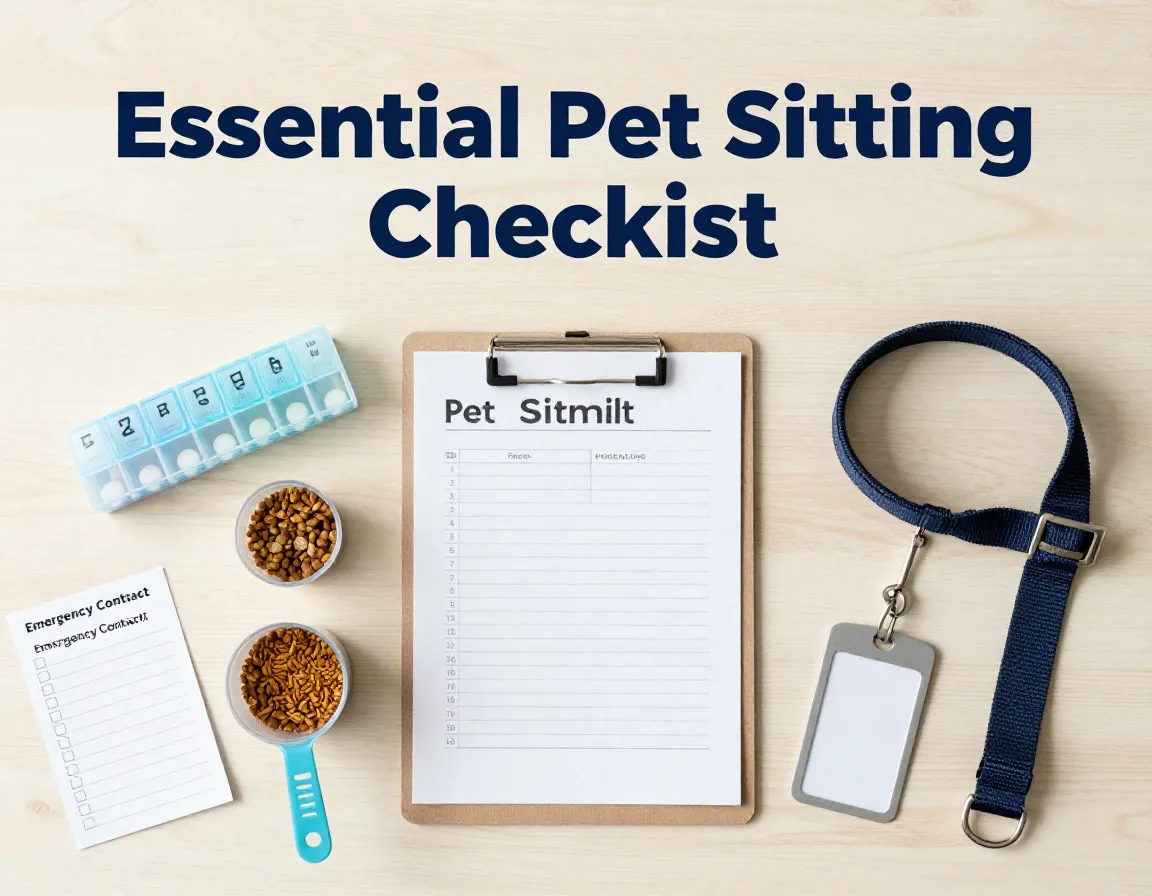
Picture this: You’ve been entrusted with someone’s beloved furry family member for the weekend, and suddenly you realize you’re missing crucial information about their medication schedule. The panic sets in as you scramble through notes, trying to figure out what to do next. This scenario happens more often than you’d think, but it’s entirely preventable with proper preparation. Whether you’re a professional pet sitter or helping out a neighbor, having the 7 Essential Items for Your Ultimate Pet Sitting Checklist can mean the difference between a smooth, stress-free experience and a weekend filled with anxiety and confusion.
Disclosure: This post contains affiliate links. As an Amazon Associate, we earn from qualifying purchases, and at no extra cost to you.
Pet sitting has become increasingly popular in 2026, with more pet owners seeking personalized care for their animals rather than traditional boarding facilities. However, successful pet sitting requires meticulous planning and organization to ensure both pets and their owners feel secure and comfortable during the separation.
Key Takeaways
- Comprehensive preparation is crucial for successful pet sitting experiences, requiring detailed information about feeding, medication, and emergency procedures
- Emergency contact information and veterinary details must be readily accessible and clearly documented for immediate use during crises
- Daily routine documentation helps maintain consistency and reduces pet anxiety by preserving familiar schedules and habits
- Proper identification and medical records ensure quick access to critical information if pets become lost or require veterinary care
- Comfort items and cleaning supplies create a safe, hygienic environment while maintaining the pet’s emotional well-being
1. Complete Feeding Information and Supplies
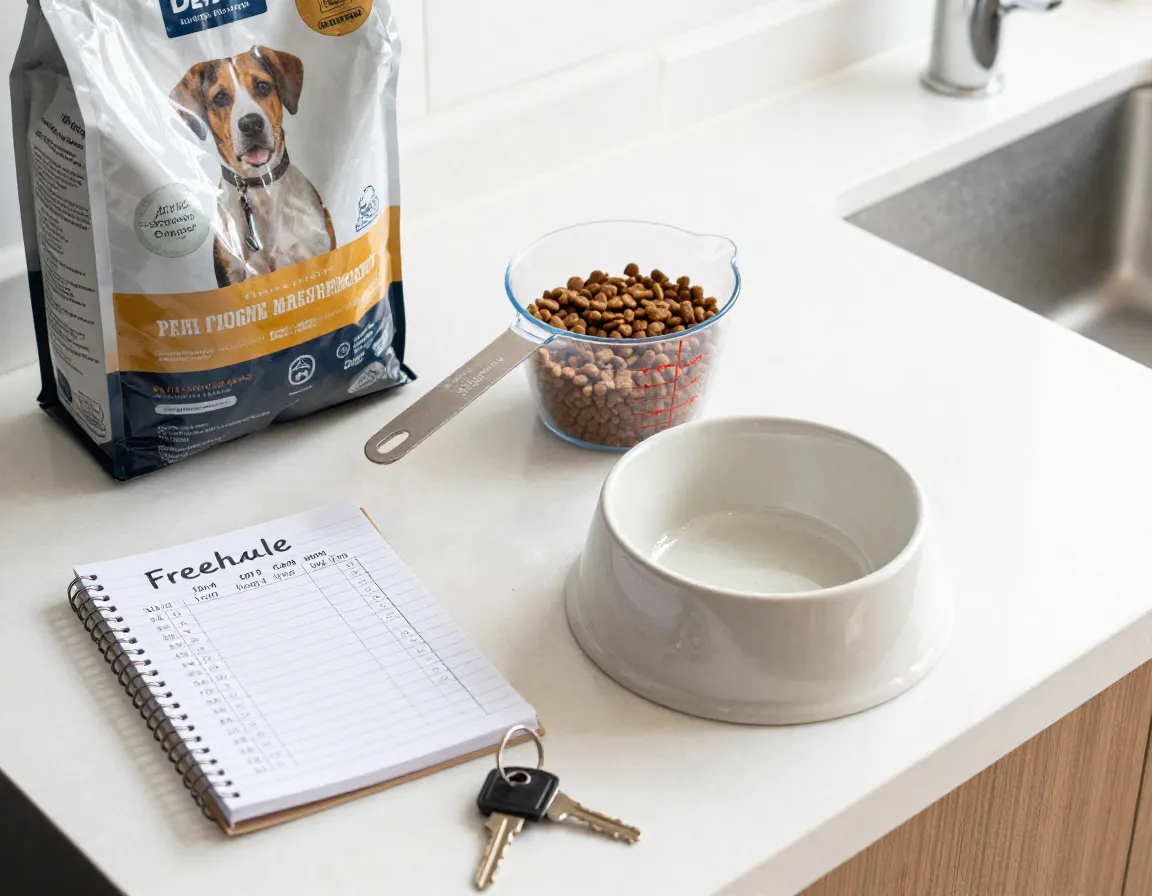
The foundation of any successful pet sitting arrangement begins with comprehensive feeding information and proper supplies. This goes far beyond simply knowing what brand of food the pet eats. Pet owners should provide detailed feeding schedules, including exact portion sizes, feeding times, and any special dietary requirements or restrictions [1].
Essential Feeding Components
Measuring tools are absolutely critical for maintaining consistent portion control. Many pets have specific dietary needs, and even small variations in food amounts can lead to digestive upset or health complications. The feeding station should include:
- Proper measuring cups or kitchen scales for accurate portions
- Food and water bowls that the pet is familiar with
- Complete feeding schedule with specific times
- Instructions for treats and their frequency
- Special dietary notes including allergies or sensitivities
Documentation Details
The feeding instructions should specify not just what to feed, but how much, when, and any special preparation requirements. Some pets require medications mixed with food, while others need their meals separated from other animals in multi-pet households [3].
“Proper nutrition timing and portion control are fundamental to maintaining a pet’s health and preventing digestive issues during the owner’s absence.”
Water requirements are equally important, especially for pets with kidney conditions or those taking certain medications. Fresh water should be available at all times, and pet sitters should know the pet’s normal water consumption patterns to identify potential health issues early.
2. Medications with Clear Administration Instructions
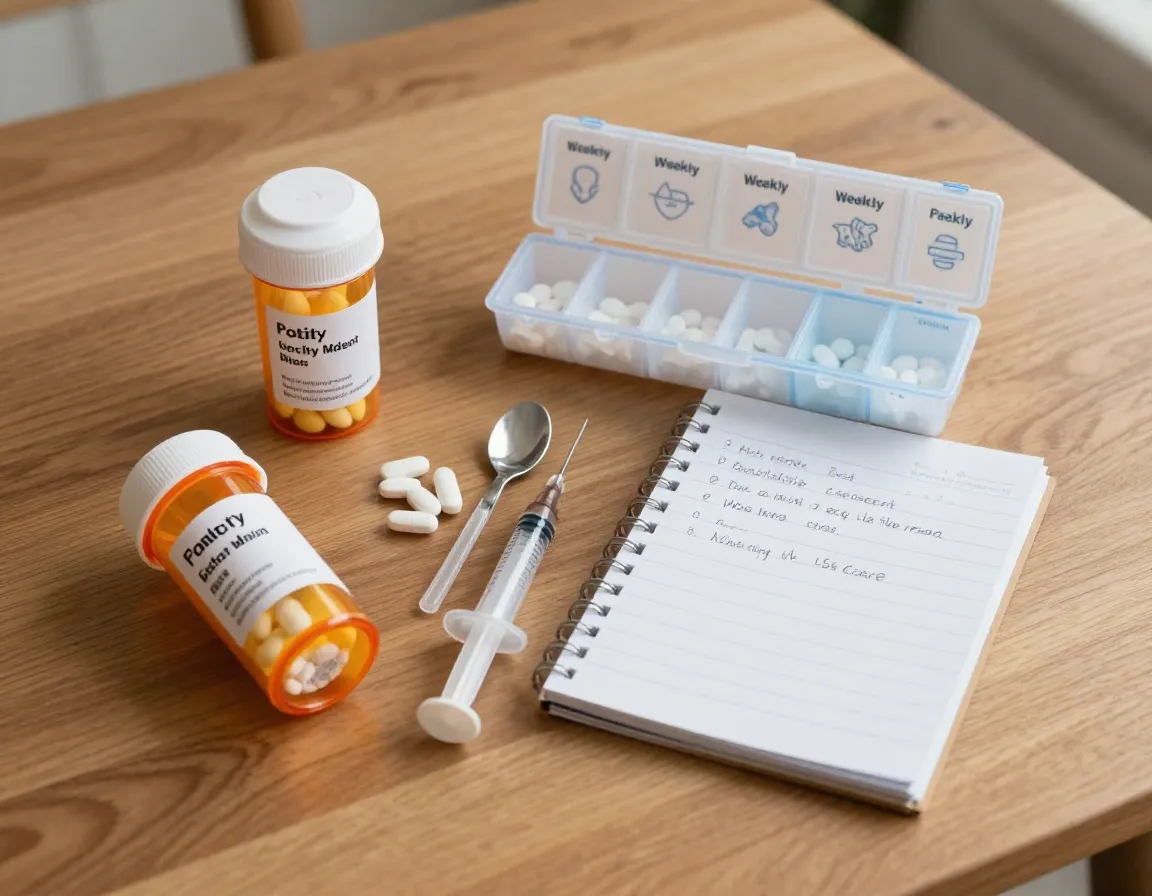
Medication management represents one of the most critical responsibilities in pet sitting, requiring precise documentation and careful attention to detail. Even minor errors in medication timing or dosage can have serious health consequences for pets with chronic conditions [1].
Comprehensive Medication Documentation
Each medication should be clearly labeled with the pet’s name, dosage amount, administration time, and specific instructions for giving the medication. This includes:
- Exact dosage amounts and measurement tools
- Specific timing requirements (with meals, between meals, etc.)
- Administration method (oral, topical, injection)
- Duration of treatment and refill information
- Side effects to watch for and emergency procedures
Special Administration Considerations
Many pets require creative approaches for medication administration. Some medications must be hidden in specific foods, while others need to be given on an empty stomach. Pet owners should demonstrate the administration technique and provide backup methods if the primary approach fails [3].
Emergency medication protocols should be clearly outlined, including when to contact the veterinarian and when to seek immediate emergency care. This is particularly important for pets with conditions like diabetes, epilepsy, or severe allergies that may require urgent intervention.
Medication Storage and Safety
Proper storage instructions ensure medication effectiveness and prevent accidental ingestion by other pets or family members. Temperature requirements, light sensitivity, and expiration dates should all be clearly documented and easily accessible.
3. Emergency Contact Information and Veterinary Details
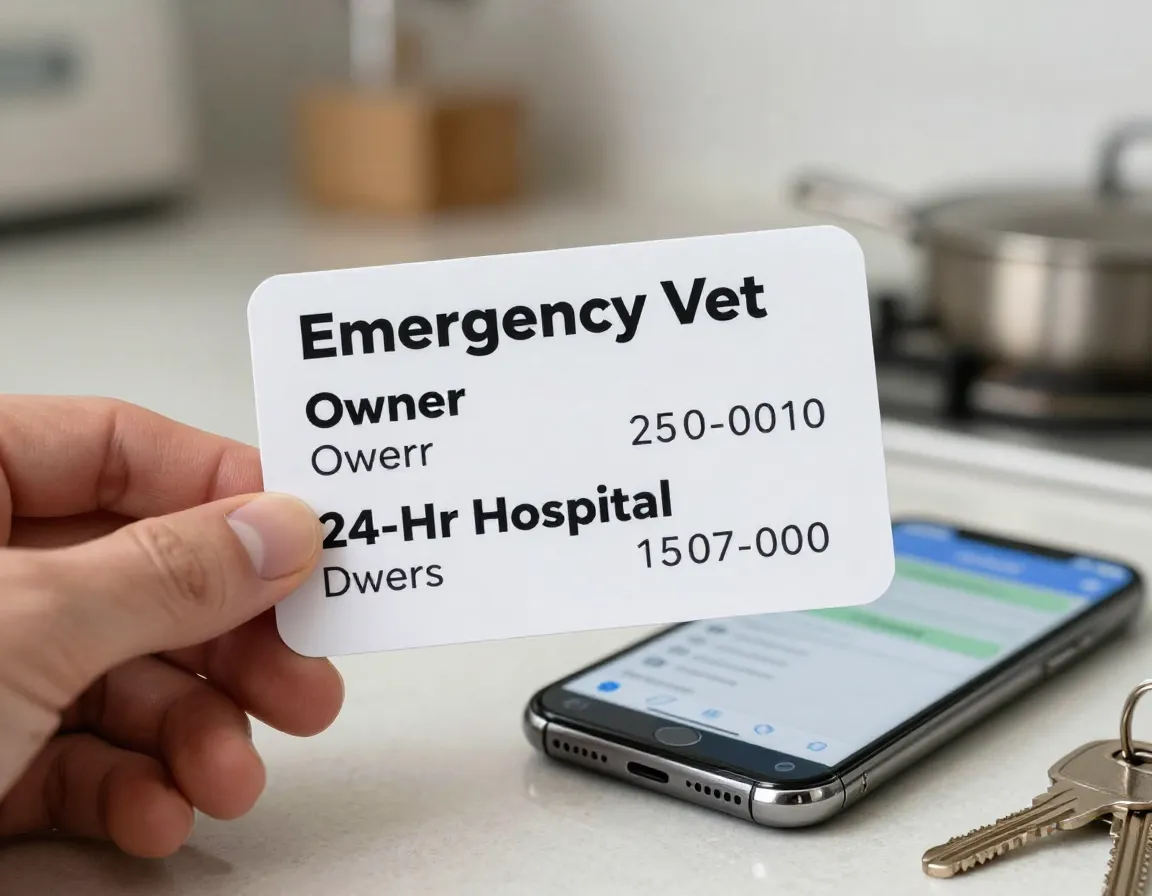
Comprehensive emergency contact information serves as the lifeline during pet sitting emergencies, providing immediate access to professional help and pet owner guidance. This information should be prominently displayed and easily accessible at all times [1][3].
Primary Contact Network
The emergency contact list should include multiple layers of communication:
- Primary pet owner contact with multiple phone numbers
- Secondary emergency contact (family member or close friend)
- Primary veterinarian with office and emergency hours
- 24-hour emergency animal hospital with address and directions
- Pet insurance information and policy numbers
Veterinary Relationship Details
Understanding the pet’s relationship with their veterinary care providers helps ensure continuity of care during emergencies. This includes knowing which veterinarian is most familiar with the pet’s medical history and any specific protocols they prefer for the animal’s care [6].
Authorization for veterinary care should be clearly established before the pet sitting period begins. Some veterinarians require written authorization to treat pets in the owner’s absence, and emergency hospitals may need proof of ownership and payment authorization.
Quick Reference Format
Emergency information should be formatted for quick access during stressful situations. Consider creating a laminated card with essential numbers that can be easily grabbed and taken to the veterinarian if needed. Digital backups on the pet sitter’s phone provide additional security against lost or damaged physical copies.
4. Pet Identification and Medical Documentation
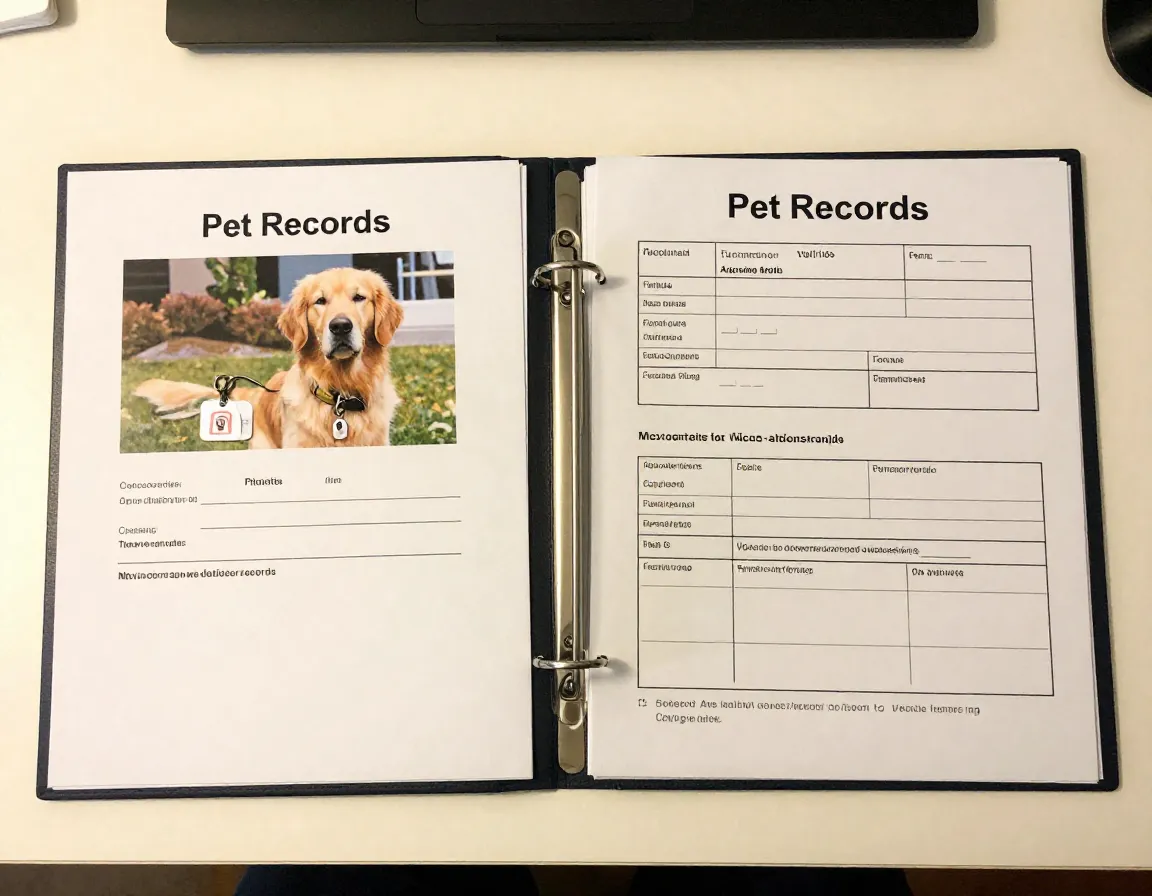
Comprehensive pet identification and medical records provide crucial information for veterinary care and help ensure lost pets can be quickly reunited with their families. This documentation becomes especially important when pets are in unfamiliar environments or with new caregivers [2].
Identification Essentials
Complete identification documentation should include:
- Current, clear photographs from multiple angles
- Microchip information with registration details
- Description of identifying marks, scars, or unique features
- Collar and ID tag verification with current contact information
- Registration numbers for purebred animals
Medical History Documentation
Comprehensive medical records enable veterinarians to make informed decisions about treatment options and help identify potential complications. Essential medical documentation includes:
- Complete vaccination records with dates and veterinarian information
- Immunization schedules and upcoming due dates
- Surgical history and any implanted devices
- Allergy information and previous adverse reactions
- Chronic condition management and treatment protocols
Insurance and Financial Information
Pet insurance details should include policy numbers, coverage limitations, and claim procedures. Even if the pet sitter isn’t authorized to make insurance claims, having this information readily available can speed up the process when owners return [2].
Pre-approved spending limits for emergency veterinary care help pet sitters make quick decisions without waiting for owner approval in critical situations. This financial framework protects both the pet and the pet sitter from difficult decisions during emergencies.
5. Cleaning Supplies and Waste Management
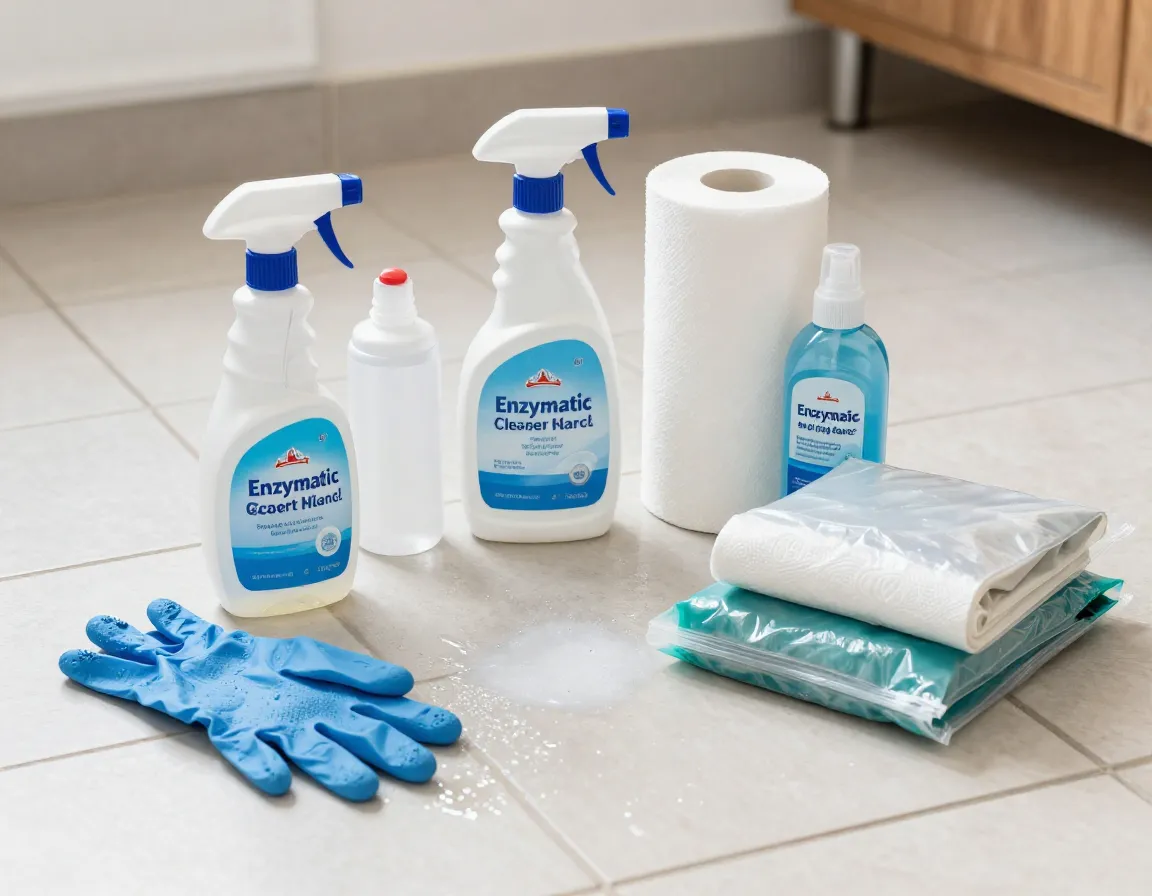
Proper cleaning supplies and waste management protocols ensure a hygienic environment while addressing the inevitable accidents and messes that occur during pet care. Having the right supplies readily available prevents small issues from becoming major problems [1][4].
Essential Cleaning Arsenal
Effective pet care requires specialized cleaning products designed for animal-related messes:
- Enzymatic cleaners for organic stains and odor elimination
- Paper towels and absorbent materials for quick cleanup
- Disinfectants safe for use around animals
- Waste disposal bags and proper disposal instructions
- Carpet and upholstery cleaning solutions
Waste Management Protocols
Different types of pets require different waste management approaches. Dog waste disposal may involve yard cleanup and specific disposal locations, while cat litter maintenance requires understanding of preferred litter types and cleaning frequencies [3].
Indoor accident procedures should be clearly outlined, including immediate cleanup steps and long-term odor prevention strategies. Quick response to accidents prevents permanent staining and reduces the likelihood of repeat incidents in the same location.
Health and Safety Considerations
Proper cleaning protocols protect both pets and humans from disease transmission and toxic exposures. This includes understanding which cleaning products are safe to use around specific types of animals and ensuring adequate ventilation during cleaning activities [4].
Protective equipment such as gloves and masks may be necessary for certain cleaning tasks, particularly when dealing with sick animals or extensive cleanup situations.
6. Daily Routine Schedule and Activity Requirements
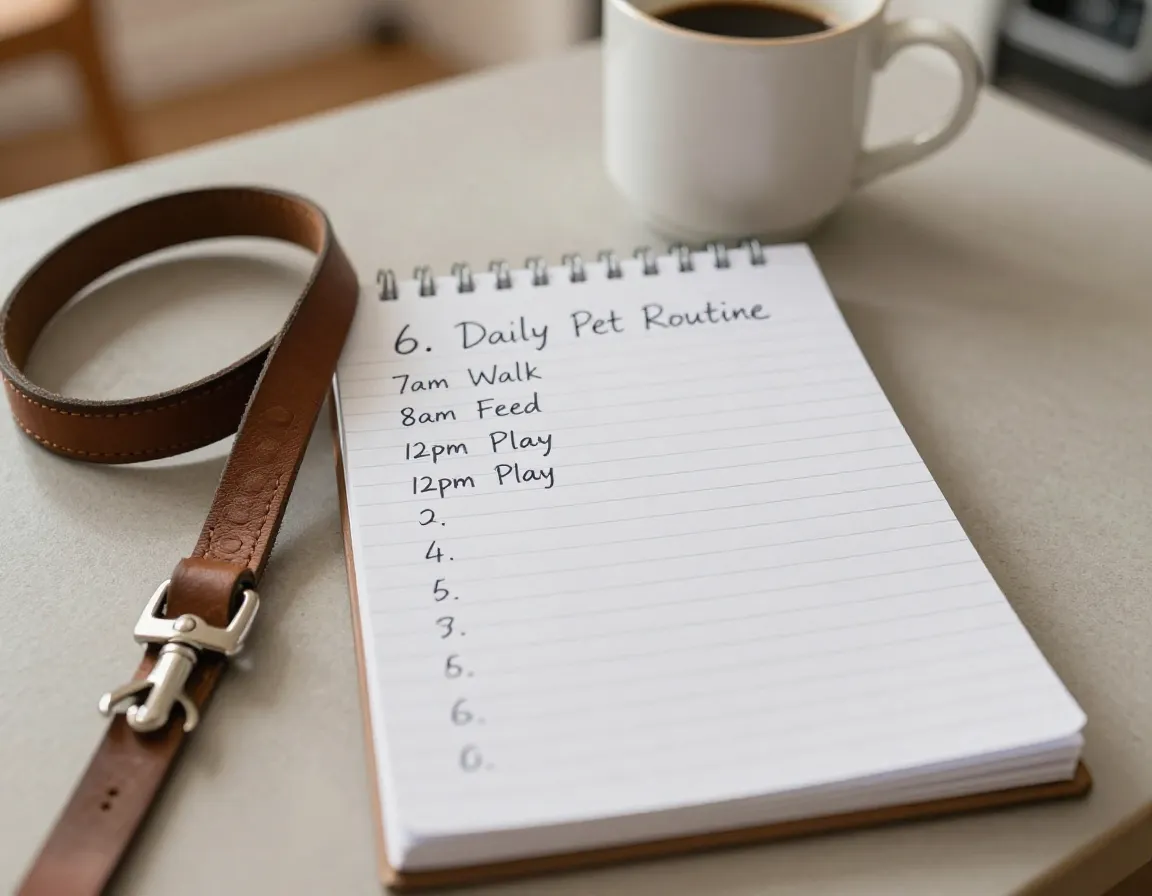
Maintaining consistent daily routines helps reduce pet anxiety and ensures their physical and emotional needs are met throughout the pet sitting period. Detailed scheduling prevents confusion and helps pets feel secure in their temporary care arrangement [3][4].
Comprehensive Schedule Documentation
A complete daily routine should include:
- Specific feeding times with portion sizes and locations
- Bathroom break schedules and preferred locations
- Exercise requirements including duration and intensity
- Playtime activities and favorite games
- Bedtime routines and sleeping arrangements
Exercise and Activity Needs
Different pets have vastly different exercise requirements based on their age, breed, and health status. Dog exercise schedules should specify walk routes, duration, and any behavioral considerations during outdoor activities [3].
Indoor activity alternatives become crucial during bad weather or for pets with mobility limitations. Understanding preferred toys, games, and interaction styles helps maintain mental stimulation and prevents destructive behaviors.
Behavioral Management
Routine documentation should include information about normal behavioral patterns and strategies for managing anxiety or stress. Some pets require specific comfort measures during storms, while others may have separation anxiety that needs special attention [4].
Social interaction preferences help pet sitters understand whether pets enjoy meeting other animals or people during walks, or if they prefer to avoid social situations that might cause stress.
7. Comfort Items and Entertainment Essentials

Familiar comfort items and appropriate entertainment help pets feel secure and content during their owner’s absence, reducing anxiety and preventing destructive behaviors. These items serve as emotional anchors in an otherwise disrupted routine [1][3].
Comfort and Security Items
Essential comfort items include:
- Favorite toys and comfort objects
- Familiar bedding or blankets with the owner’s scent
- Special comfort items for anxiety management
- Preferred sleeping locations and arrangements
- Items that provide mental stimulation during quiet times
Entertainment and Mental Stimulation
Interactive toys and puzzles help prevent boredom and maintain mental health during the pet sitting period. Different types of pets require different forms of entertainment, from puzzle feeders for dogs to climbing structures for cats [3].
Rotating toy availability can help maintain interest and prevent pets from becoming bored with their entertainment options. Understanding which toys are appropriate for unsupervised play versus those requiring human interaction ensures safety during alone time.
Safety Equipment
Proper leashes, harnesses, and safety equipment ensure secure outdoor activities and prevent escape incidents. Pet sitters should be familiar with how to properly fit and use all safety equipment before taking pets outside [1].
Indoor safety considerations include understanding which areas of the home are off-limits to pets and any special safety protocols for specific animals or situations.
Preparing Your 7 Essential Items for Your Ultimate Pet Sitting Checklist
Creating an effective pet sitting checklist requires careful preparation and attention to detail. Successful preparation begins well before the actual pet sitting period starts, allowing time to address any gaps in information or supplies [2].
Pre-Sitting Preparation Steps
Gradual introduction between pets and their temporary caregivers helps reduce anxiety and builds trust before the owner’s departure. This introduction period allows pet sitters to observe normal behaviors and ask questions about care routines [2].
Trial runs for medication administration and daily routines help identify potential problems while the owner is still available to provide guidance and adjustments.
Documentation Organization
Centralized information storage ensures all essential details are easily accessible during the pet sitting period. This might include a dedicated folder with printed information and a digital backup accessible on mobile devices.
Emergency action plans should be clearly outlined and easily understood, even during stressful situations when clear thinking might be compromised.
Communication Protocols
Regular update schedules help maintain owner peace of mind while ensuring any concerns are addressed promptly. Establishing preferred communication methods and frequency prevents misunderstandings and builds trust.
Photo and video sharing capabilities allow owners to stay connected with their pets and provide pet sitters with positive feedback about their care quality.
Conclusion
The 7 Essential Items for Your Ultimate Pet Sitting Checklist provide the foundation for successful, stress-free pet care experiences that benefit everyone involved. From comprehensive feeding information and medication protocols to emergency contacts and comfort items, each element plays a crucial role in ensuring pets receive the care they need while their owners are away.
Proper preparation transforms potentially overwhelming pet sitting responsibilities into manageable, rewarding experiences. When pet sitters have access to detailed information about feeding schedules, medical needs, emergency procedures, identification documents, cleaning supplies, daily routines, and comfort items, they can provide confident, professional care that gives pet owners peace of mind.
The investment in creating comprehensive pet sitting documentation pays dividends in reduced anxiety, improved pet health outcomes, and stronger relationships between pet owners and their chosen caregivers. Professional pet sitters who consistently use detailed checklists build reputations for reliability and thoroughness that lead to repeat clients and referral business.
Next Steps
Start building your pet sitting checklist today by gathering the seven essential categories of information outlined in this guide. Whether you’re a pet owner preparing for upcoming travel or a pet sitter looking to improve your service quality, having these systems in place before you need them ensures smooth operations when the time comes.
Practice using your checklist with short trial periods to identify any gaps or areas for improvement. The goal is to create a system so comprehensive and well-organized that pet sitting becomes a positive experience for everyone involved, including the pets who benefit from consistent, informed care during their owner’s absence.
Remember that every pet is unique, and your checklist should be customized to reflect the specific needs and preferences of each animal in your care. Regular updates to your documentation ensure that changing health needs, behavioral patterns, and care preferences are accurately reflected in your pet sitting protocols.
References
[1] The Ultimate Dog Sitter Checklist – https://www.care.com/c/the-ultimate-dog-sitter-checklist/
[2] Pet Sitting Animal Supplies Checklist – https://www.trustedhousesitters.com/blog/owners/pet-sitting-animal-supplies-checklist/
[3] Dog Sitting Checklist – https://www.timetopet.com/blog/dog-sitting-checklist
[4] The Ultimate Overnight Pet Sitting Checklist For A Stress Free Experience – https://gladdogsnation.com/blogs/blog/the-ultimate-overnight-pet-sitting-checklist-for-a-stress-free-experience
[5] The Ultimate Cat Sitting Checklist – https://www.belovedpetsit.com/the-ultimate-cat-sitting-checklist/
[6] Pet Sitter Checklist – https://communitypetcarehospital.com/news/pet-sitter-checklist
[7] 2026 Pet Sitters Planner Logbook – https://www.etsy.com/listing/4331336420/2026-pet-sitters-planner-logbook
[8] Start A Pet Sitting Business 2026 – https://www.petsit.com/start-a-pet-sitting-business-2026