7 Essential Safety Tips for Paddle Boarding With Your Dog
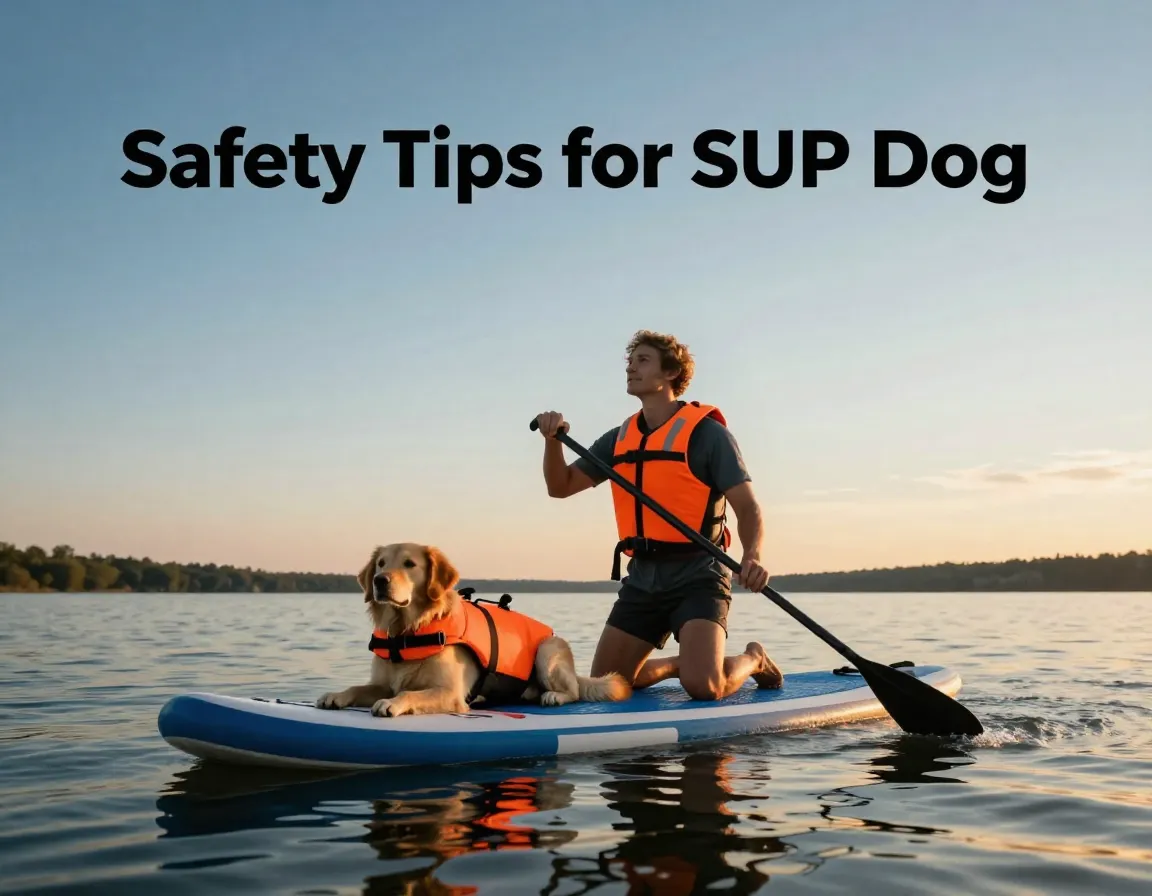
Picture this: a perfect summer morning on calm waters, you gliding across the lake on your paddleboard with your furry best friend by your side, both of you enjoying the serenity and adventure together. This idyllic scene is absolutely achievable, but it requires careful preparation and adherence to crucial safety protocols. 7 Essential Safety Tips for Paddle Boarding With Your Dog can transform what might seem like a risky activity into a safe, enjoyable bonding experience that strengthens your relationship while keeping both you and your canine companion secure on the water.
Disclosure: This post contains affiliate links. As an Amazon Associate, we earn from qualifying purchases, and at no extra cost to you.
Paddle boarding with dogs has surged in popularity across the United States in 2026, with more pet owners seeking outdoor adventures that include their four-legged family members. However, this water sport presents unique challenges and potential hazards that require specific knowledge and preparation to navigate safely.
Key Takeaways
- Always use a properly fitted dog life jacket with handles and allow your pet to acclimate to wearing it before water activities
- Master basic paddle boarding skills independently before bringing your dog on board to ensure confident handling in all situations
- Establish solid obedience commands including “sit,” “stay,” “come,” and “down” as these are essential for water safety
- Position your dog strategically on the board based on their size and keep them lying down to maintain optimal balance
- Practice in calm, shallow water near shore before venturing into deeper or more challenging conditions
Understanding the Fundamentals of Safe Dog Paddle Boarding
Before diving into the specific safety tips, it’s crucial to understand that paddle boarding with dogs requires a completely different skill set than solo paddling. Your dog will mirror your stress levels, making it essential to remain calm and confident throughout the experience [1]. The activity combines elements of water safety, animal behavior management, and advanced paddle boarding techniques that demand thorough preparation.
Water safety for dogs differs significantly from human safety protocols. Dogs can experience hypothermia more quickly than humans, may panic in unfamiliar water environments, and lack the cognitive ability to understand potential dangers like boat traffic or strong currents [6]. Additionally, dogs cannot communicate distress in the same way humans can, making it vital for owners to recognize subtle signs of discomfort or fear.
The physical demands on both paddler and dog are also intensified when sharing a board. Balance becomes more challenging, steering requires greater precision, and emergency responses must account for two beings instead of one. This complexity underscores why following proven safety protocols isn’t just recommended—it’s absolutely essential for preventing accidents and ensuring positive experiences.
1. Invest in a Proper Dog Life Jacket and Ensure Proper Fit
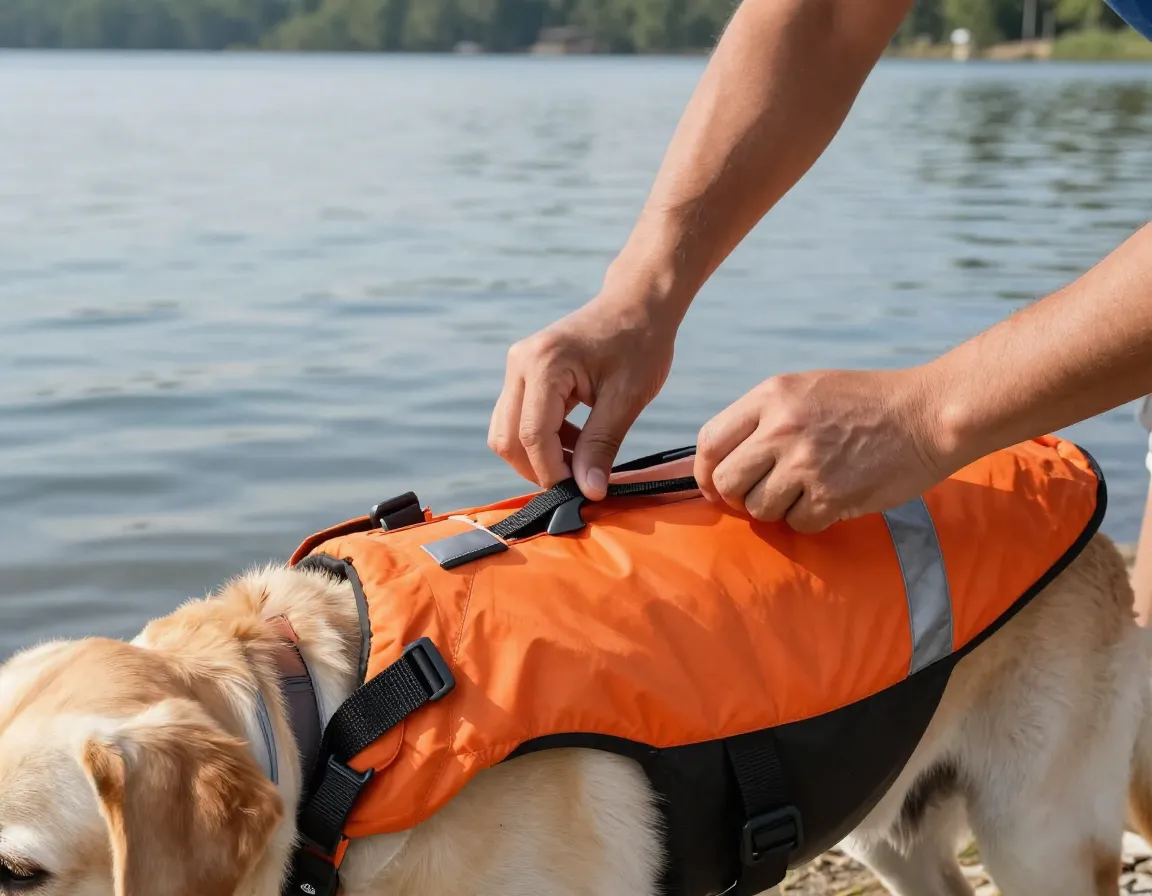
The most critical element of safe dog paddle boarding is a properly fitted, dog-specific life jacket (PFD). Unlike human life jackets, dog PFDs are designed with unique features that accommodate canine anatomy and behavior patterns [1][3]. These specialized flotation devices include handles on the back that allow you to lift and maneuver your dog safely, which proves invaluable when helping them back onto the board or during emergency situations.
Key features to look for in a quality dog life jacket:
- Adjustable straps around the chest and belly for a secure, comfortable fit
- Bright colors (orange or yellow) for maximum visibility on the water
- Reflective strips for enhanced visibility in low-light conditions
- Sturdy handles positioned on the back for safe lifting and control
- Buoyant materials that keep your dog’s head above water naturally
- Quick-release buckles for easy removal in emergency situations
The acclimation process is absolutely essential and should begin well before your first paddle boarding adventure [1][3]. Start by having your dog wear the life jacket for short periods at home, gradually increasing the duration while providing positive reinforcement through treats and praise. Practice lifting your dog by the life jacket handles on dry land, then progress to shallow water where they can still touch the bottom.
Proper fit verification involves several checkpoints: You should be able to fit two fingers under the straps when fastened, the jacket shouldn’t shift when you lift your dog by the handles, and your dog should be able to move comfortably without restriction. A poorly fitted life jacket can actually increase drowning risk by creating false security or restricting movement.
2. Master Your Paddle Boarding Skills Before Bringing Your Dog
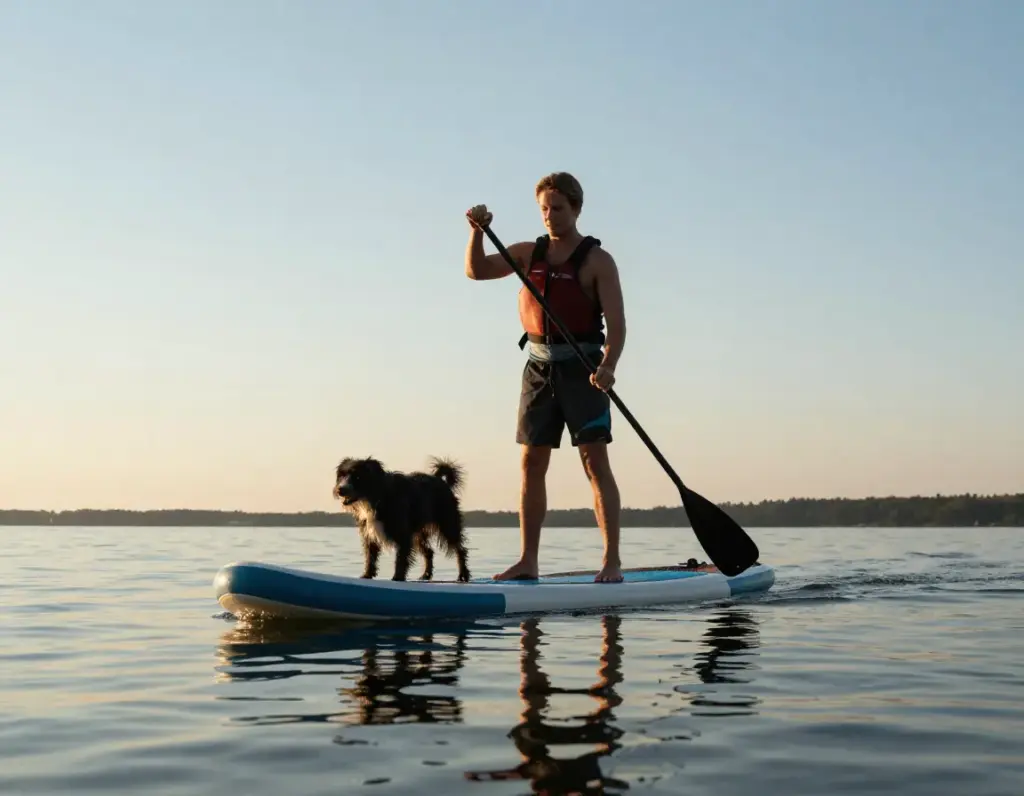
Attempting to paddle board with your dog before mastering solo skills is one of the most common mistakes that leads to accidents and negative experiences [1]. You must be completely confident in your ability to stand, paddle, turn, and most importantly, re-board from the water before introducing the additional complexity of managing a dog on your board.
Essential skills you must master independently include:
- Standing up smoothly from a kneeling position without wobbling
- Maintaining balance in various water conditions and wind scenarios
- Executing controlled turns using proper paddle techniques
- Re-boarding efficiently from deep water after falling off
- Handling unexpected situations like boat wakes or sudden weather changes
- Carrying and managing equipment while maintaining board control
The re-boarding skill deserves special emphasis because when paddle boarding with dogs, you may need to get back on the board quickly while also assisting your pet. Practice this skill extensively in various conditions until it becomes second nature. The standard technique involves approaching the board from the side, placing both hands on the board, and using a strong kick to propel yourself up while swinging your leg over.
Consider taking a paddle boarding course or working with a certified instructor to ensure your technique is solid. Many water sports centers now offer specialized classes for paddle boarding with pets, which can provide valuable hands-on experience in a controlled environment. The investment in proper training pays dividends in safety and enjoyment for both you and your dog.
Weather and water condition assessment becomes even more critical when paddling with dogs. You need the skills to recognize when conditions are deteriorating and make quick decisions about returning to shore. Dogs cannot assist in emergency situations, so your competence as a paddler directly impacts both of your safety levels.
3. Establish Solid Obedience Commands and Training Foundation
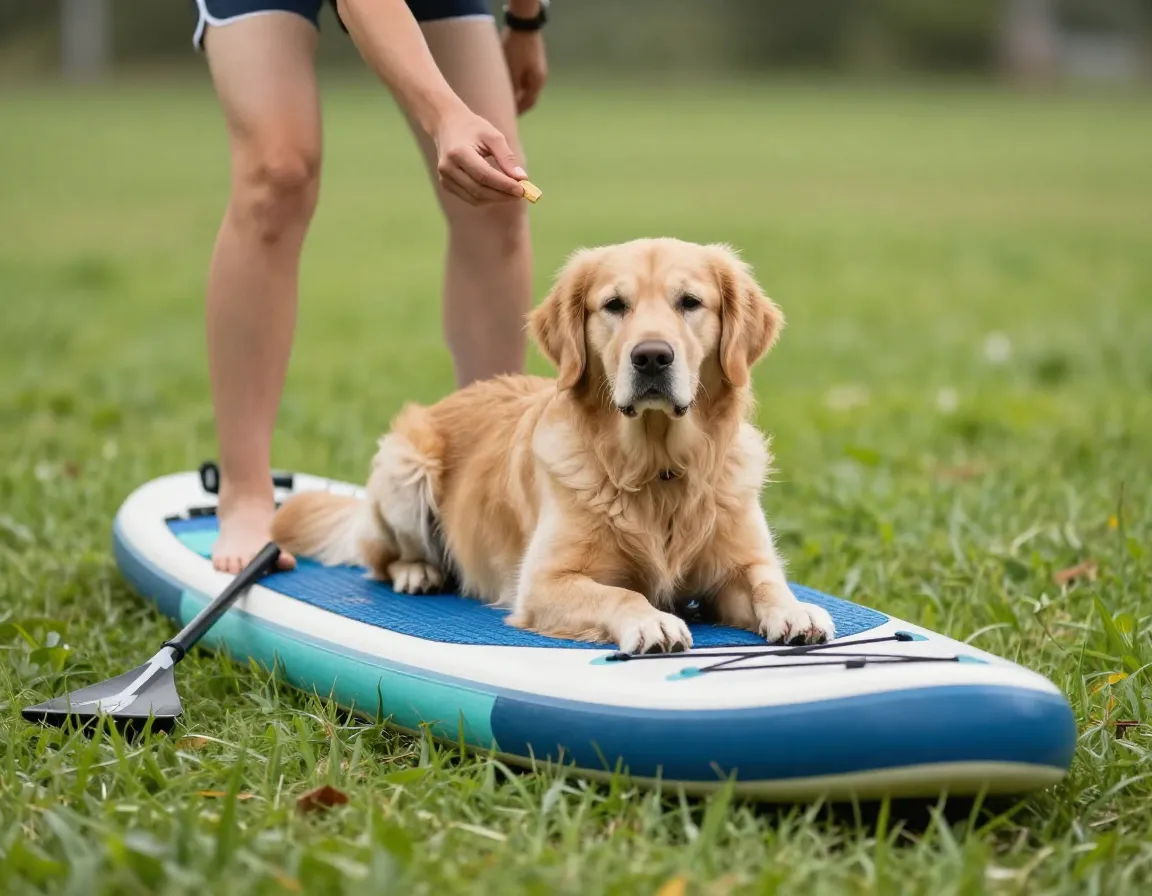
Basic obedience forms the cornerstone of safe dog paddle boarding, and certain commands become absolutely critical in water environments [1][2][3]. Dogs will mirror your stress and energy levels, making it essential that they respond reliably to your directions even when excited or nervous about being on the water.
The four essential commands for paddle boarding safety:
- “Sit” – Keeps your dog in a controlled position and helps maintain board balance
- “Stay” – Prevents impulsive jumping or movement that could destabilize the board
- “Come” – Crucial for recall if your dog enters the water unexpectedly
- “Down” – The safest position for dogs on paddle boards, lowering the center of gravity
Training should progress systematically from dry land to water environments. Begin practicing these commands on a stationary paddle board placed on grass or sand, allowing your dog to become comfortable with the board’s surface and movement. Gradually introduce the board to shallow water while continuing to reinforce commands with high-value treats and positive reinforcement.
Recall training requires special attention because the water environment presents numerous distractions and potential dangers [2][4]. Practice recall commands near water before attempting paddle boarding, and always use extremely high-value rewards when your dog responds correctly. The goal is to make coming to you more appealing than any distraction the water environment might offer.
Stress recognition and management play crucial roles in successful training. Signs of stress in dogs include excessive panting, drooling, trembling, or attempts to escape. If your dog shows these signs, immediately return to shore and allow them to decompress. Forcing a stressed dog to continue can create lasting negative associations with water activities.
Practice sessions should be short and positive, typically lasting no more than 15-20 minutes initially. End each session on a positive note with successful command execution and generous rewards. This approach builds confidence and enthusiasm for future paddle boarding adventures while establishing the reliable obedience foundation essential for safety.
4. Strategic Dog Positioning and Balance Management
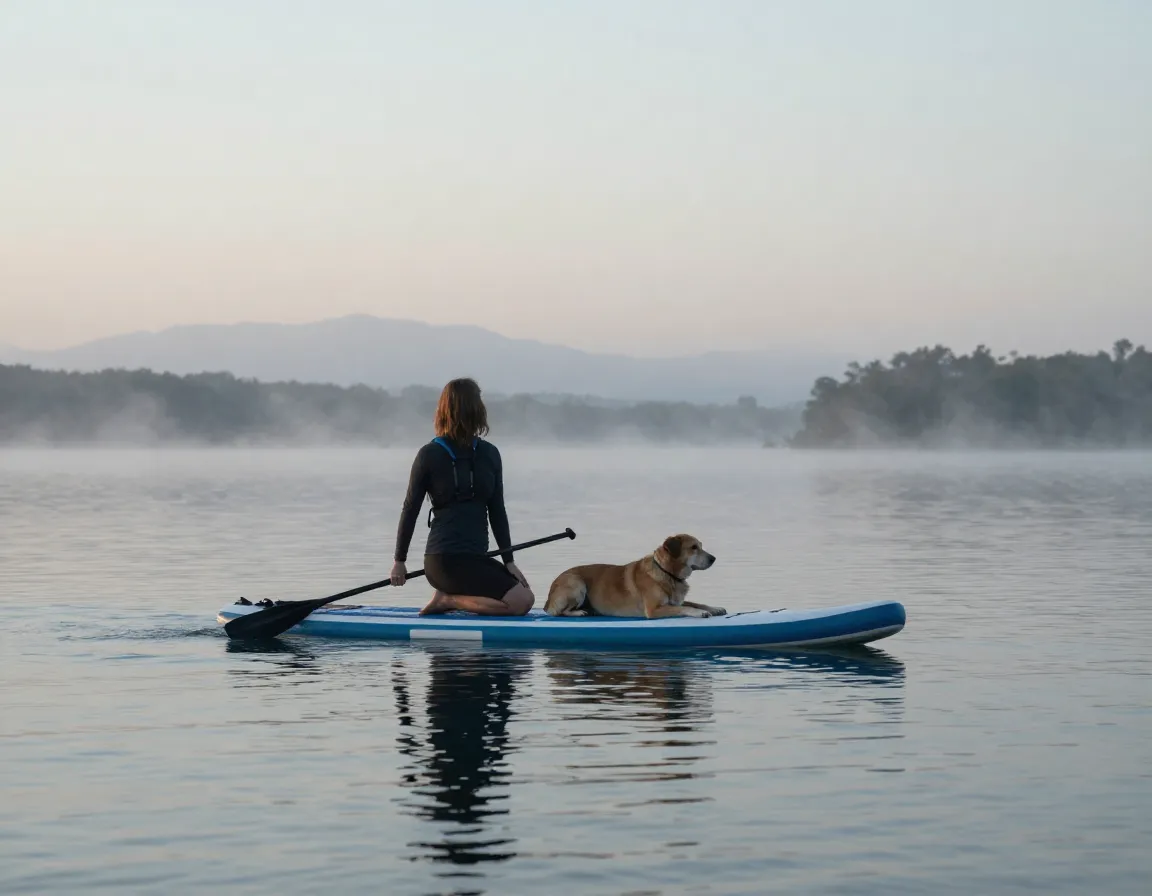
Proper positioning of your dog on the paddle board directly impacts stability, safety, and your ability to paddle effectively [1][3]. The positioning strategy varies significantly based on your dog’s size, temperament, and experience level, but certain principles apply universally to maintain optimal balance and control.
Size-based positioning guidelines:
- Small dogs (under 25 pounds): Position on the nose or directly in front of you where you can maintain visual contact and physical control
- Medium dogs (25-60 pounds): Place in the middle section of the board, typically just in front of your standing position
- Large dogs (over 60 pounds): Position in the back third of the board to prevent nose-diving and maintain steering control
The lying down position is always safest regardless of your dog’s size [1]. A lying dog creates a lower center of gravity, reduces the risk of sudden movements that could destabilize the board, and presents a smaller profile to wind resistance. Train your dog to lie down on command and remain in that position throughout most of the paddle boarding session.
Balance distribution becomes critical when sharing your board with a dog. The combined weight must be distributed to keep the board level and responsive to steering inputs. If your dog moves to one side, you may need to adjust your position to compensate and maintain stability. This dynamic balancing requires practice and develops over time as both you and your dog become more experienced.
Movement management strategies help prevent sudden destabilization. Teach your dog to move slowly and deliberately when changing positions on the board. Use the “stay” command to keep them stationary during critical moments like turning or navigating obstacles. If your dog needs to move, guide them slowly while maintaining your own balance and paddle control.
Visual monitoring of your dog’s position and comfort level should be constant. Watch for signs of anxiety, fatigue, or discomfort that might lead to sudden movements or attempts to jump off the board. Early recognition of these signs allows you to make adjustments or return to shore before problems escalate.
5. Nail Trimming and Board Surface Preparation
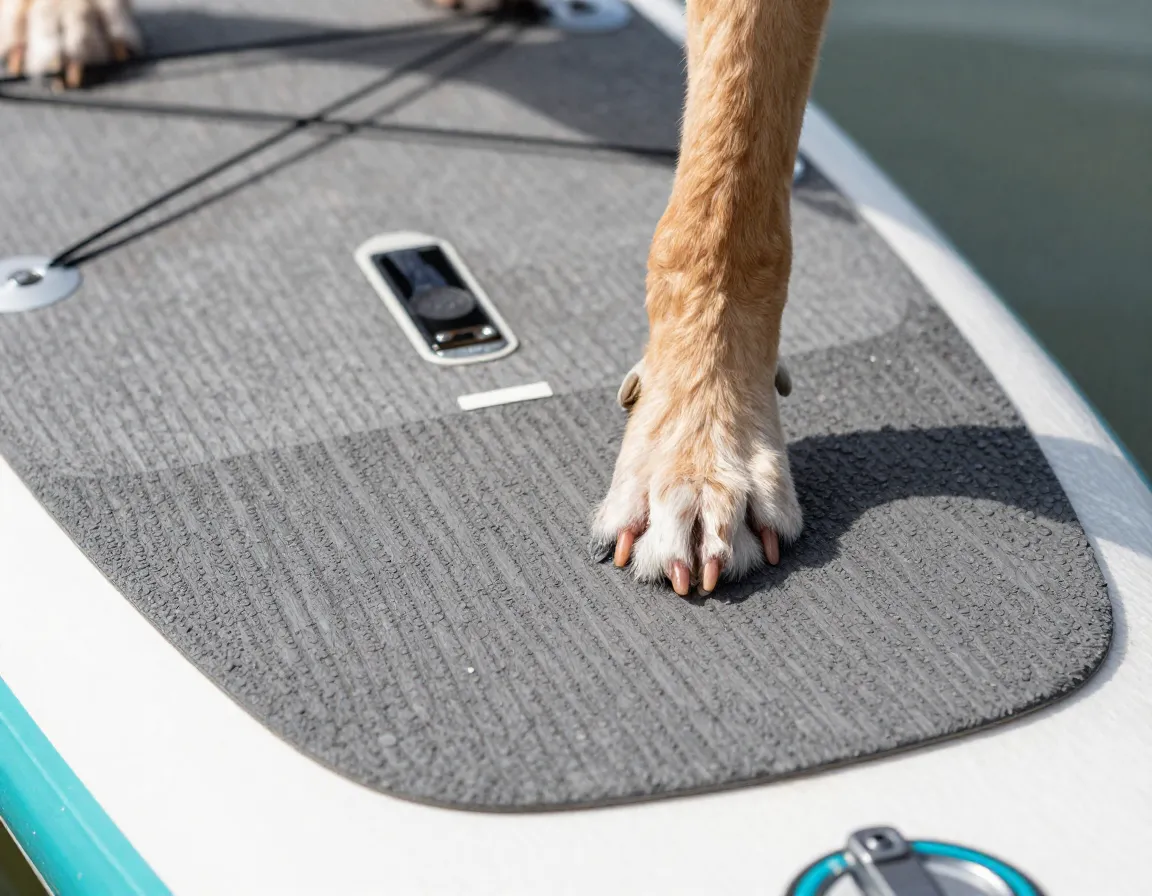
Proper nail maintenance represents a frequently overlooked but crucial safety element for paddle boarding with dogs [2][4]. Long nails can scratch and damage your paddle board’s surface, creating rough areas that increase slipping risk for both you and your dog. More importantly, long nails provide less secure grip on smooth surfaces, increasing the likelihood of your dog losing their footing.
Pre-trip nail trimming should occur 2-3 days before your paddle boarding adventure to allow any minor cuts or sensitivity to heal. Trim nails to just above the quick, ensuring they’re short enough to prevent scratching but not so short as to cause discomfort. If you’re uncomfortable trimming your dog’s nails yourself, schedule a professional grooming appointment well in advance of your planned water activities.
Board surface modifications significantly improve safety and comfort for dogs [2]. Non-slip mats, towels, or specialized paddle board deck pads provide better traction and cushioning for your dog’s paws. These modifications become especially important when the board surface is wet, as smooth paddle board surfaces can become extremely slippery.
Recommended surface enhancement options:
- Marine-grade non-slip mats that can be temporarily attached with suction cups
- Quick-dry towels positioned where your dog will sit or lie down
- Specialized dog deck pads designed specifically for paddle boards
- Yoga mats that provide cushioning and improved grip (ensure they’re secured properly)
Surface preparation also involves safety inspection of your paddle board for any existing damage that could injure your dog. Check for sharp edges, loose hardware, or rough patches that might cause cuts or discomfort. Address any issues before bringing your dog on board, as their safety depends on a properly maintained paddle board surface.
Temperature considerations affect both nail trimming timing and surface preparation. Hot paddle board surfaces can burn your dog’s paw pads, while cold surfaces may cause discomfort. Test the board surface temperature with your hand before allowing your dog to board, and consider using protective paw wax in extreme temperature conditions.
6. Leash Safety and Emergency Preparedness Protocols
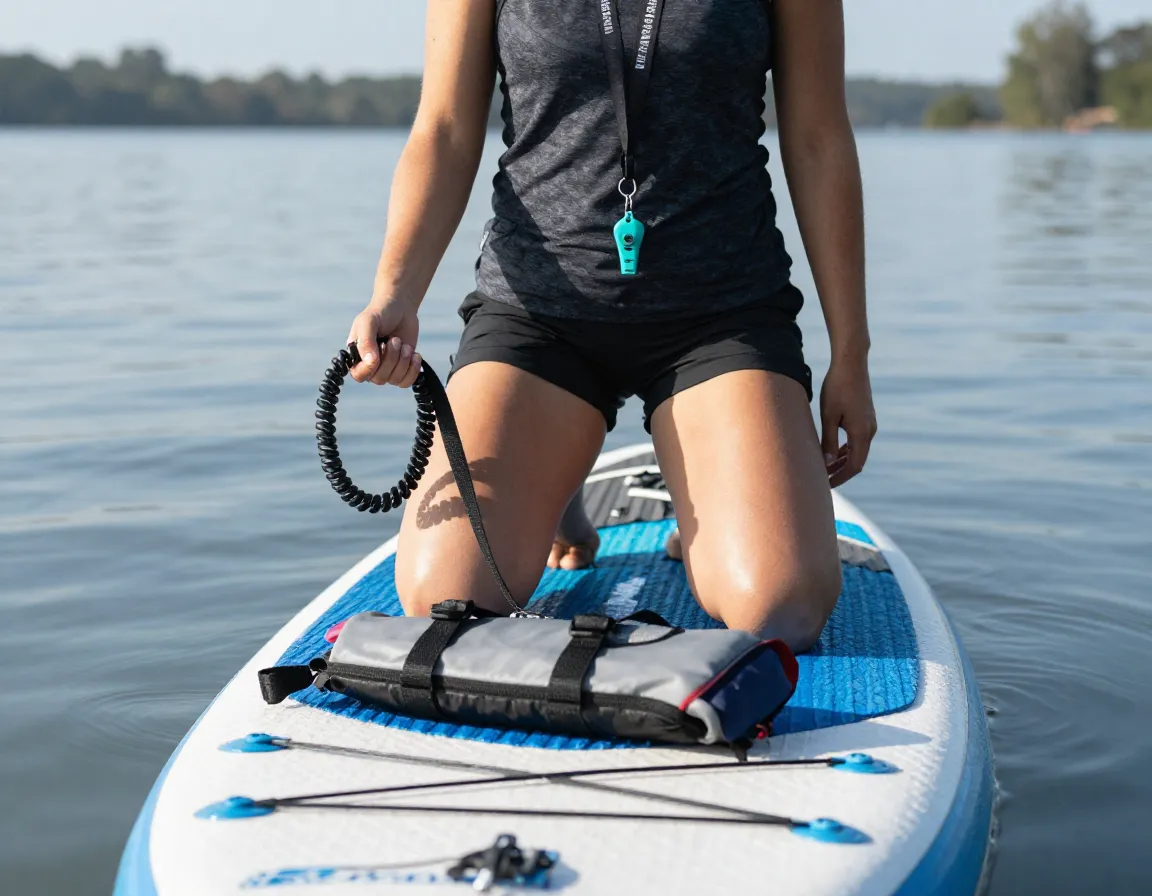
Never attach your dog’s leash to the paddle board while actively paddling [2]. This creates serious entanglement and drowning hazards if either you or your dog falls into the water. A leashed dog attached to a paddle board can become trapped underwater or pulled away from safety by a drifting board. Instead, carry a leash for use on land and specific emergency situations only.
Proper leash management involves strategic planning for different phases of your paddle boarding adventure. Use the leash when loading and unloading your dog at the launch site, during pre-boarding preparation, and immediately after returning to shore. Once on the water, secure the leash to your person or store it safely on the board where it won’t create entanglement risks.
Emergency preparedness requires multiple contingency plans because paddle boarding with dogs presents unique rescue challenges. If your dog jumps or falls off the board, you need predetermined strategies for getting them back on board safely. Large dogs jumping off can overturn the board entirely, requiring you to manage both board recovery and dog rescue simultaneously [1][2][4].
Essential emergency protocols include:
- Immediate response to dog overboard: Remain calm, secure your paddle, and approach your dog slowly to avoid startling them
- Re-boarding assistance: Use the life jacket handle to guide your dog to the side of the board, then lift them up while maintaining your own balance
- Board recovery after capsizing: Practice righting and re-boarding your paddle board while managing your dog in the water
- Distress signal procedures: Carry a whistle and know how to signal for help while managing your dog’s safety
Distance from shore considerations become critical when paddle boarding with dogs [1][2][4]. Stay within 15 feet of shore when kneeling on the board, and only venture into deeper water when standing with full control. This proximity ensures you can quickly reach safety if emergencies arise and reduces the complexity of rescue operations.
Communication with other water users helps prevent accidents and ensures assistance is available if needed. Inform other paddlers or boaters of your presence and maintain safe distances from boat traffic, swimmers, and other water activities. Dogs can become excited or frightened by approaching watercraft, leading to sudden movements that compromise safety.
7. Hydration, Positioning Guidelines, and Environmental Awareness
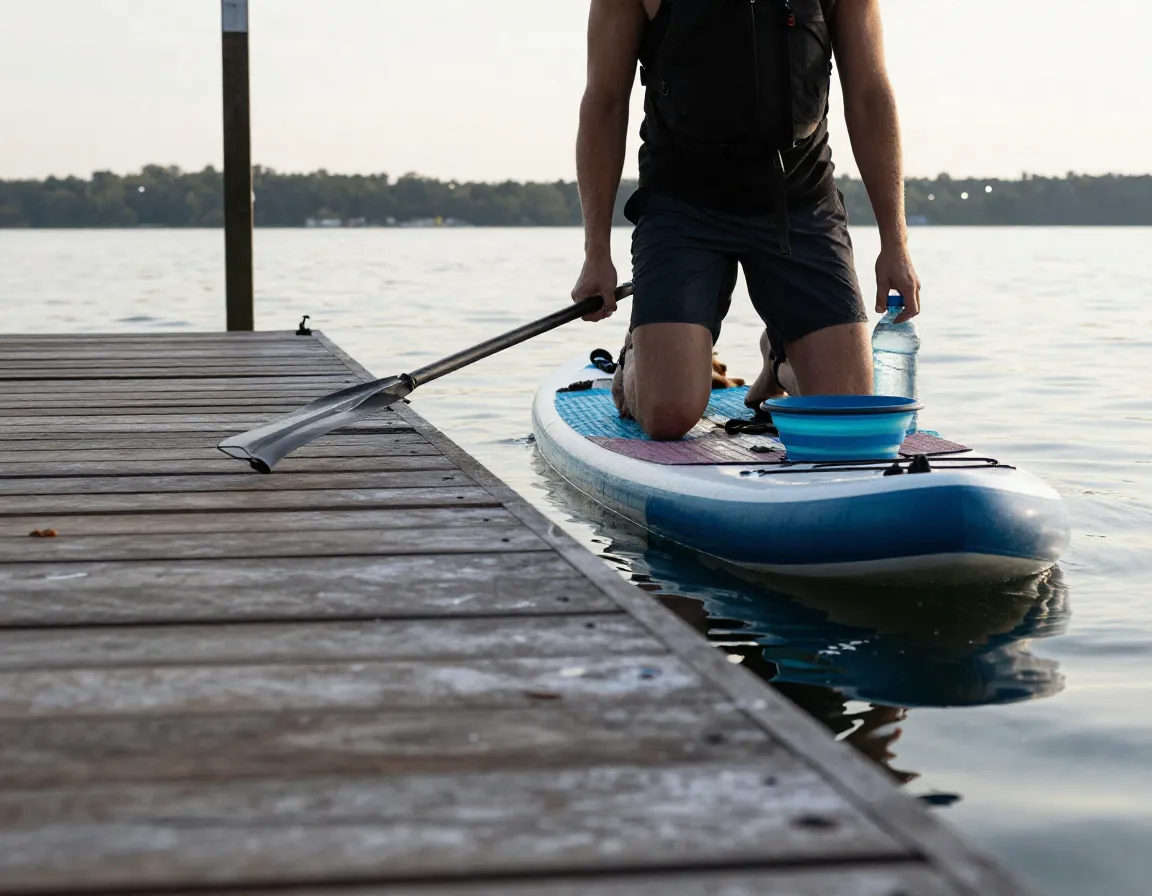
Fresh water availability represents a critical safety requirement that’s often underestimated by new paddle boarders [1]. Both you and your dog need access to clean drinking water throughout your adventure, and preventing salt water consumption becomes especially important in marine environments. Salt water ingestion can cause dehydration, electrolyte imbalances, and salt poisoning in dogs, creating serious health emergencies.
Hydration planning should account for increased needs due to sun exposure, physical activity, and potential stress from the new environment. Bring more water than you think you’ll need, stored in secure, easily accessible containers that won’t spill if the board tips. Collapsible dog bowls work well for paddle boarding and take up minimal storage space.
Environmental hazard awareness requires constant vigilance when paddle boarding with dogs. Hazards that might not affect solo paddlers can become serious risks when managing a dog. These include shallow areas where your dog might jump off to explore, dock areas with boat traffic, and areas with strong currents or underwater obstacles [1].
Strategic positioning relative to hazards involves different techniques than solo paddling. Kneel on your board when approaching docks, other boats, shallow areas, or crowded swimming zones [1]. The kneeling position provides better stability and control while reducing the risk of falls that could separate you from your dog in potentially dangerous areas.
Weather monitoring and response planning become more complex when responsible for a dog’s safety. Dogs may not recognize deteriorating weather conditions as dangerous, and their stress responses to thunder, wind, or rough water can create additional safety challenges. Develop clear criteria for when to end your paddle boarding session and head for shore.
Launch location selection significantly impacts the success and safety of your paddle boarding adventure [6]. Choose calm, easily accessible locations with gentle entry points and minimal boat traffic for initial training sessions. Avoid areas with strong currents, rocky shorelines, or heavy recreational use until both you and your dog are experienced and comfortable with paddle boarding.
Wildlife encounter protocols require special consideration when paddle boarding with dogs. Your dog’s presence may attract or agitate local wildlife, and their instinct to chase or investigate can create dangerous situations. Maintain safe distances from all wildlife and be prepared to control your dog’s reactions to birds, fish, or marine mammals you might encounter.
Advanced Safety Considerations and Best Practices
Progressive skill development ensures that both you and your dog build confidence and competence gradually. Start with very short sessions in ideal conditions, slowly increasing duration and complexity as your skills improve. This methodical approach prevents overwhelming experiences that could create lasting negative associations with water activities.
Equipment redundancy provides crucial backup options when paddle boarding with dogs. Consider carrying backup safety equipment including an extra dog life jacket, emergency whistle, and first aid supplies specifically for pets. The additional weight and storage requirements are justified by the increased safety margin when managing two lives on the water.
Communication systems become more important when paddle boarding with dogs because you may need assistance more quickly than solo paddlers. Carry a waterproof phone case or marine radio, and inform someone on shore of your planned route and expected return time. Consider paddle boarding with other people when possible to ensure help is available if needed.
Post-activity care for your dog includes checking for cuts, irritation, or signs of fatigue after each paddle boarding session. Rinse salt water from your dog’s coat and paws, and monitor them for any delayed reactions to the activity. Some dogs may experience muscle soreness or fatigue similar to humans after physical activity.
Seasonal considerations affect safety planning throughout the year. Water temperature, air temperature, and weather patterns all impact the safety and comfort of paddle boarding with dogs. Cold water requires additional precautions including limiting session duration and monitoring for hypothermia signs in both you and your dog.
Building Long-Term Success and Enjoyment
Consistency in training and safety practices builds the foundation for years of enjoyable paddle boarding adventures with your dog. Regular practice sessions, even brief ones, maintain and improve both your skills and your dog’s comfort level with the activity. This consistency also reinforces safety habits that become automatic responses in emergency situations.
Documentation and progress tracking help identify areas for improvement and celebrate successes. Keep notes about your dog’s responses to different conditions, successful training techniques, and any challenges encountered. This information proves valuable for planning future adventures and sharing experiences with other dog owners interested in paddle boarding.
Community engagement with other paddle boarding dog owners provides valuable learning opportunities and social benefits for both you and your dog. Many areas have paddle boarding groups specifically for dog owners, offering organized activities, shared experiences, and collective safety awareness.
Equipment evolution should match your growing skills and changing needs. As you and your dog become more experienced, you may want to upgrade to specialized equipment designed for paddle boarding with pets, including larger boards with better stability or advanced safety gear.
Conclusion
Successfully implementing these 7 Essential Safety Tips for Paddle Boarding With Your Dog transforms what could be a risky activity into a safe, rewarding adventure that strengthens the bond between you and your canine companion. The key lies in thorough preparation, gradual skill development, and unwavering commitment to safety protocols that protect both you and your dog.
Your next steps should begin immediately: Start with basic obedience training if your dog hasn’t mastered essential commands, invest in a high-quality dog life jacket, and dedicate time to improving your solo paddle boarding skills. Remember that rushing the process increases risk and reduces enjoyment for both participants.
The investment in proper preparation pays dividends in safety, confidence, and enjoyment for years to come. Every moment spent on training, every dollar invested in proper equipment, and every precaution taken contributes to positive experiences that create lasting memories rather than dangerous situations.
Begin your paddle boarding journey with your dog today by taking the first step: assess your current skill level honestly, identify areas that need improvement, and create a systematic plan for developing the competencies necessary for safe water adventures. Your dog is counting on your leadership and preparation to keep them safe while exploring new horizons together.
The water awaits, and with proper preparation and adherence to these essential safety guidelines, you and your dog can safely enjoy the freedom, adventure, and bonding opportunities that paddle boarding provides. Start your journey today, but start it safely.
References
[1] Paddle Boarding With Dogs – https://www.cruisersup.com/pages/paddle-boarding-with-dogs
[2] Paddle Boarding With A Dog – https://tractive.com/blog/en/safety/paddle-boarding-with-a-dog
[3] Paddle Board With Dog – https://www.akc.org/expert-advice/travel/paddle-board-with-dog/
[4] Top 10 Tips For Standup Paddleboarding With Your Dog – https://ruffwear.com/blogs/explored/top-10-tips-for-standup-paddleboarding-with-your-dog
[5] Paddle Boarding With Your Dog The Ultimate Guide To Sup Pups – https://westcoastpaddlesports.com/blogs/news/paddle-boarding-with-your-dog-the-ultimate-guide-to-sup-pups
[6] Keep Your Dog Safe Water These Paddling Safety Tips – https://www.hpanimalhospital.com/services/dogs/blog/keep-your-dog-safe-water-these-paddling-safety-tips
[7] Water Safety Tips Your Dog Summer – https://www.animalhumanesociety.org/resource/water-safety-tips-your-dog-summer