7 Pro Pet Sitting Tips for a Safe and Happy Furry Guest
When pet parents need to travel or work long hours, finding the right care for their beloved companions becomes a top priority. The difference between a mediocre pet sitting experience and an exceptional one often lies in the preparation, professionalism, and attention to detail that both pet owners and sitters bring to the arrangement. Whether you’re a pet owner seeking the perfect sitter or a professional looking to elevate your pet care services, understanding the 7 Pro Pet Sitting Tips for a Safe and Happy Furry Guest can transform what could be a stressful separation into a positive experience for everyone involved.

Disclosure: This post contains affiliate links. As an Amazon Associate, we earn from qualifying purchases, and at no extra cost to you.
Key Takeaways
- Professional credentials matter: Seek sitters with proper insurance, bonding, first aid training, and adherence to industry standards like PSI guidelines
- Thorough preparation prevents problems: Comprehensive information sharing, written contracts, and detailed emergency plans are non-negotiable
- Gradual introductions build trust: Allow pets and sitters to meet in calm environments where animals can approach at their own pace
- Clear communication ensures success: Honest discussions about behavioral issues, routines, and expectations prevent misunderstandings
- Emergency preparedness saves lives: Having contingency plans, backup contacts, and scenario-tested protocols protects pets when unexpected situations arise
Essential Professional Qualifications and Credentials
1. Verify Insurance, Bonding, and Professional Training
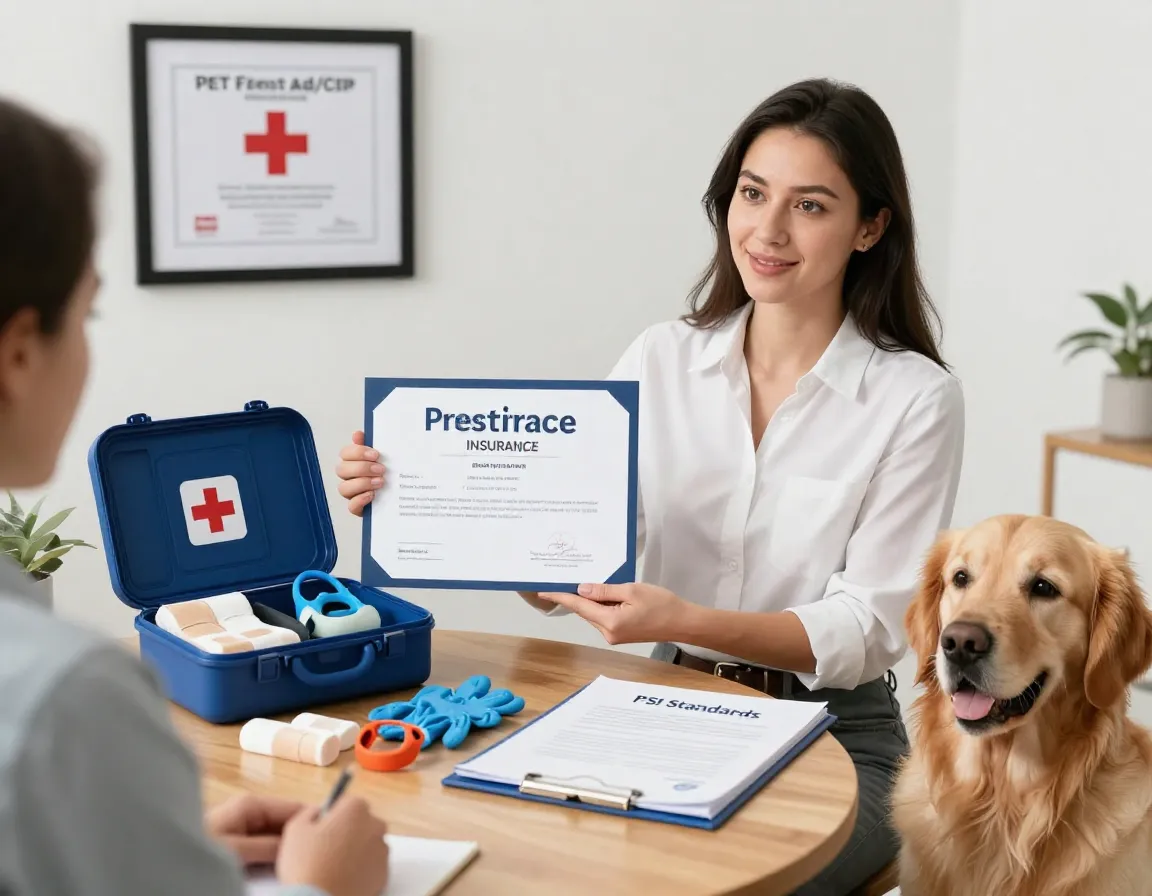
The foundation of exceptional pet sitting begins with proper professional credentials. Bonding and liability insurance are essential for any serious pet care provider [4]. Professional pet sitters should carry both types of coverage to protect clients and build trust, with insurance covering accidents or damages that might occur during care [4].
Beyond basic insurance, pet first aid/CPR training is a critical credential to evaluate when selecting a sitter [1]. This specialized training equips pet care providers with life-saving skills that could prove invaluable during emergencies. Look for certifications from recognized organizations that offer comprehensive courses covering:
- Choking and airway obstruction 🫁
- Wound care and bleeding control 🩹
- Signs of distress or illness 🚨
- Emergency medication administration 💊
- Basic life support techniques ❤️
Professional standards in the pet sitting industry have evolved significantly. PSI (Professional Pet Sitters International) has established Global Standards for Professional Pet-Sitting and Dog-Walking Businesses that publicly define baseline best practices worldwide [4]. These standards cover everything from business operations to animal welfare protocols, providing pet owners with a reliable framework for evaluating potential sitters.
When vetting potential pet care providers, request documentation of their credentials and don’t hesitate to verify certifications directly with issuing organizations. A truly professional sitter will welcome this scrutiny and often display their credentials prominently on their website or marketing materials.
2. Conduct Thorough Meet-and-Greet Sessions

The initial meeting between pet, owner, and sitter sets the tone for the entire pet sitting arrangement. A meet-and-greet must occur in a calm, distraction-free environment at a time when both pet parents and their animals are relaxed—avoiding busy times like cleaning hours or meal preparation [2].
Creating the right atmosphere for this crucial first meeting involves several key considerations:
Timing and Environment ⏰
- Schedule meetings during your pet’s most relaxed periods
- Choose a familiar space where your pet feels secure
- Minimize household distractions and noise
- Allow adequate time without rushing the process
Natural Interaction Approach 🐾
Allow pets to approach the sitter at their own pace rather than forcing interaction, which can cause stress [2]. This patient approach helps anxious or shy animals build confidence while giving the sitter valuable insights into each pet’s personality and comfort level.
During the meet-and-greet, observe how the potential sitter interacts with your pets. Professional pet care providers understand animal body language and will:
- Remain calm and patient during initial introductions
- Use appropriate voice tones and gentle movements
- Respect your pet’s boundaries and comfort zones
- Demonstrate knowledge of species-specific behaviors
- Ask thoughtful questions about your pet’s preferences
This initial meeting also provides an opportunity to assess the sitter’s genuine enthusiasm for animal care. The best pet sitters display authentic affection for animals and seem genuinely excited to spend time with your furry family members.
Comprehensive Information Sharing and Documentation
3. Provide Detailed Pet Care Instructions and Routines
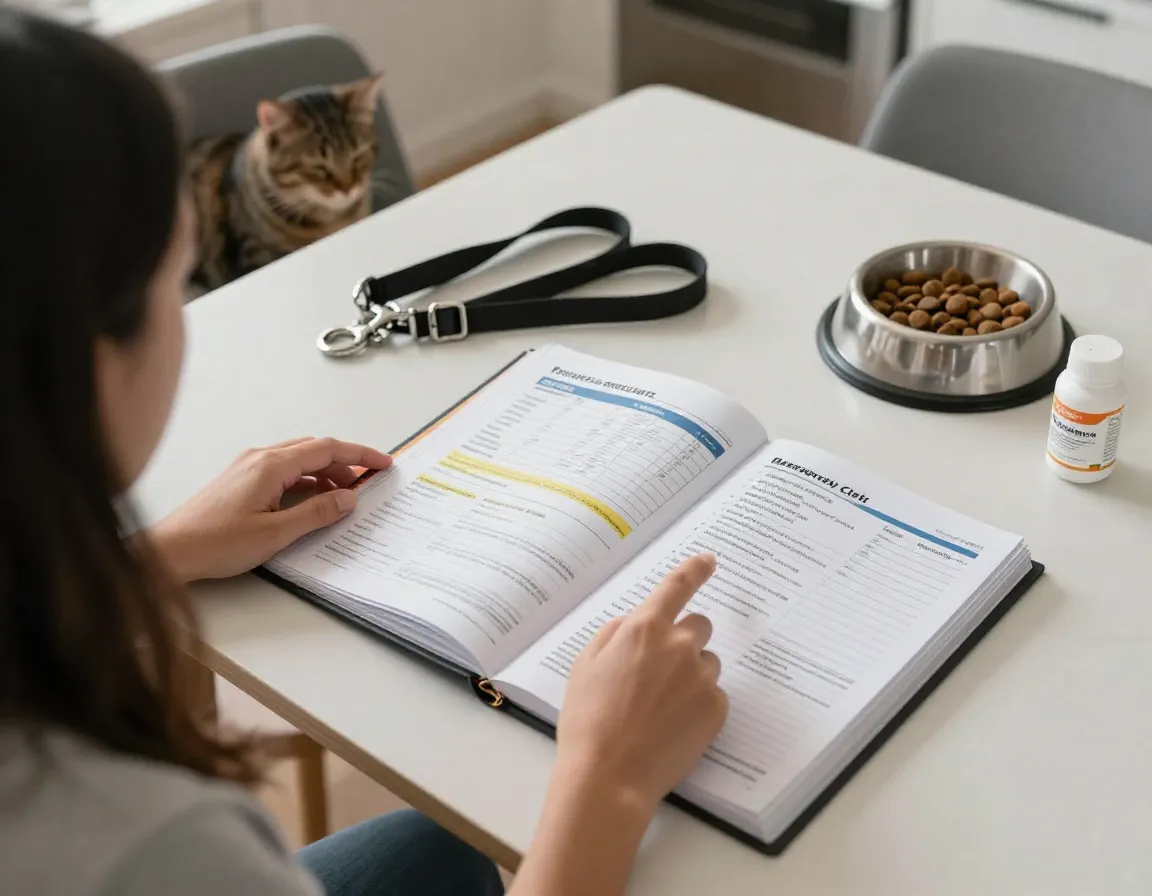
Successful pet sitting hinges on thorough preparation and information sharing. Pet sitters need comprehensive information about daily routines, medications, behavioral nuances, habits, and personality traits before the sit begins [1]. This detailed briefing ensures continuity of care and helps maintain your pet’s comfort level during your absence.
Essential Information Categories 📋
| Category | Key Details to Include |
|---|---|
| Daily Routines | Feeding times, walk schedules, play periods, bedtime rituals |
| Medical Needs | Medications, dosages, administration times, health conditions |
| Behavioral Traits | Triggers, preferences, fears, comfort items, training commands |
| Emergency Info | Veterinarian contacts, nearest animal hospital, poison control |
| House Rules | Allowed areas, furniture restrictions, visitor policies |
Honest communication about behavioral issues is essential, including jumping, leash pulling, or other behaviors—this transparency allows sitters to develop management strategies rather than avoid providing care [2]. Many pet owners worry that disclosing behavioral challenges might disqualify their pets from professional care, but experienced sitters appreciate this honesty and can often provide valuable training reinforcement.
Consider creating a comprehensive pet care binder that includes:
- Photo identification of each pet with distinguishing features noted
- Detailed feeding instructions including portion sizes and special dietary needs
- Exercise requirements with preferred routes and duration guidelines
- Comfort items and toys that provide emotional support
- Grooming needs and any specific care requirements
4. Establish Written Contracts and Clear Expectations

Professional pet sitting arrangements require formal documentation to protect all parties involved. Written contracts are non-negotiable; pet-sitting assignments should never proceed without a services agreement detailing scope, frequency, medical history, behavior, routines, and payment terms [4].
A comprehensive pet sitting contract should address:
Service Specifications 📝
- Exact dates and times of care
- Specific services included (feeding, walking, overnight stays)
- Duration and frequency of visits
- Additional services available (mail collection, plant watering)
Financial Terms 💰
- Total cost breakdown
- Payment schedule and accepted methods
- Cancellation policies and fees
- Additional charges for extra services or extended care
Liability and Responsibility ⚖️
- Insurance coverage details
- Emergency decision-making authority
- Property access and security protocols
- Communication expectations and updates
Emergency Procedures 🚨
- Veterinary authorization and spending limits
- Alternative care arrangements if sitter becomes unavailable
- Natural disaster or home emergency protocols
- Contact escalation procedures
Clear documentation prevents misunderstandings and ensures both parties have realistic expectations about the pet sitting arrangement. Professional sitters often provide standardized contracts that comply with local regulations and industry best practices.
Emergency Preparedness and Communication Strategies
5. Develop Comprehensive Emergency Response Plans

Effective emergency preparedness distinguishes professional pet sitting services from casual arrangements. Sitters should have contingency plans for emergencies and personal illness [1], ensuring your pets receive continuous care regardless of unexpected circumstances.
Emergency Scenario Planning 🚑
Professional pet sitters should be prepared to handle various emergency situations. Pose emergency scenarios to evaluate candidates, such as “What if the air conditioning breaks on a hot day or your pet starts vomiting?” [3]. Their responses will reveal their problem-solving abilities and level of preparedness.
Common emergency scenarios to discuss include:
- Medical emergencies requiring immediate veterinary attention
- Severe weather events affecting travel or utility services
- Home security issues such as break-ins or system malfunctions
- Sitter illness or injury preventing them from providing care
- Pet behavioral crises requiring specialized intervention
Veterinary Emergency Protocols 🏥
Establish clear guidelines for medical decision-making in your absence:
- Pre-approved spending limits for emergency veterinary care
- Primary and backup veterinary contacts with after-hours information
- Medical history summaries including allergies and previous treatments
- Insurance information and claim procedures if applicable
- Authorization forms allowing the sitter to approve emergency treatment
6. Establish Multiple Emergency Contacts and Backup Plans

Redundancy in emergency planning ensures your pets receive help even when primary contacts are unavailable. Provide emergency contacts including veterinary information and a nearby trusted person who can assist [2].
Contact Hierarchy 📞
Create a comprehensive contact list prioritized by availability and authority:
- Pet owner primary contact (your travel itinerary and phone numbers)
- Local emergency contact (trusted friend or family member nearby)
- Primary veterinarian (regular clinic with medical history)
- Emergency veterinary clinic (24-hour facility information)
- Backup pet sitter (in case primary sitter becomes unavailable)
- Home emergency services (utilities, security, maintenance)
Key Access and Security 🔑
Spare keys should be distributed appropriately—at least one for the sitter and a backup with a neighbor or lockbox [1]. Consider these security measures:
- Multiple key locations to prevent lockouts
- Security system codes and operation instructions
- Neighbor notification about the pet sitting arrangement
- Package and mail handling procedures
- Emergency utility shut-off locations and procedures
7. Maintain Regular Communication and Updates

Consistent communication throughout the pet sitting period provides peace of mind and ensures any issues are addressed promptly. Professional pet sitters understand that regular updates are part of their service commitment.
Communication Schedule 📱
Establish expectations for update frequency and methods:
- Daily check-ins with photos and brief activity summaries
- Immediate notification of any health or behavioral concerns
- Emergency contact protocols for urgent situations
- Preferred communication methods (text, email, phone calls)
- Response time expectations for non-emergency questions
Photo and Video Documentation 📸
Visual updates provide reassurance and help you stay connected with your pets:
- Daily activity photos showing pets eating, playing, and resting
- Short video clips capturing personality and behavior
- Health monitoring images if relevant to ongoing medical care
- Home security documentation showing property is well-maintained
Progress Reports 📊
Comprehensive updates should include:
- Appetite and eating patterns 🍽️
- Exercise and activity levels 🏃♂️
- Bathroom habits and regularity 🚽
- Sleep patterns and comfort 😴
- Social interaction and mood 😊
- Any unusual behaviors or concerns ⚠️
Professional pet sitters often use specialized apps or platforms that streamline communication and provide secure, organized record-keeping for each pet sitting assignment.
Conclusion
Implementing these 7 Pro Pet Sitting Tips for a Safe and Happy Furry Guest creates a foundation for successful pet care arrangements that benefit everyone involved. From verifying professional credentials and conducting thorough meet-and-greets to establishing comprehensive emergency plans and maintaining clear communication, each element contributes to a seamless experience that prioritizes pet safety and happiness.
The investment in proper preparation, documentation, and professional standards pays dividends in peace of mind for pet owners and successful outcomes for pets. Whether you’re a pet parent seeking exceptional care for your furry family members or a professional pet sitter looking to elevate your services, these guidelines provide a roadmap for excellence in pet care.
Take Action Today 🎯
- Research local pet sitters with proper credentials and insurance coverage
- Schedule meet-and-greet sessions with top candidates in calm, comfortable environments
- Prepare comprehensive care instructions covering all aspects of your pet’s routine and needs
- Develop emergency response plans with multiple contacts and clear protocols
- Establish communication expectations that provide regular updates and peace of mind
Remember that exceptional pet sitting is built on trust, preparation, and professional expertise. By following these proven strategies, you can ensure your furry guests receive the safe, loving care they deserve while you’re away, creating positive experiences that strengthen the bond between pets, owners, and caregivers for years to come.
References
[1] Professional Pet Sitter Difference – https://asyouwishpetsitters.com/professional-pet-sitter-difference/
[2] Tips For A Successful Meet And Greet With Your Pet Care Provider – https://rcopetcare.com/tips-for-a-successful-meet-and-greet-with-your-pet-care-provider/
[3] How Choose And Prepare Pet Sitter – https://www.humaneworld.org/en/resources/how-choose-and-prepare-pet-sitter
[4] Start A Pet Sitting Business 2026 – https://www.petsit.com/start-a-pet-sitting-business-2026