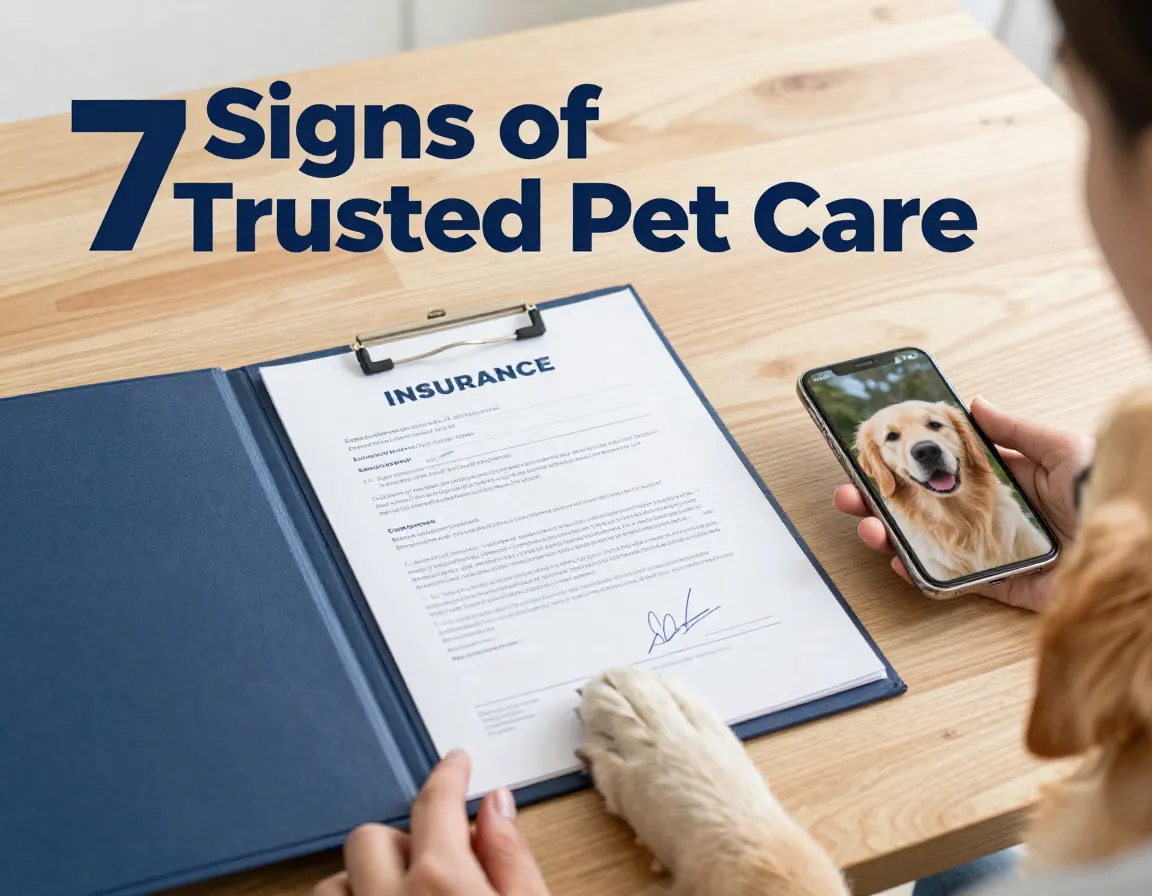
7 Signs You’re Hiring a Reputable and Insured Pet Sitting Company
When disaster struck the Johnson family’s vacation in 2025, their beloved Golden Retriever Max suffered an injury while under the care of an uninsured pet sitter. The resulting veterinary bills and property damage left them facing thousands of dollars in unexpected costs—all because they hadn’t verified their pet sitter’s credentials and insurance coverage. Don’t let this nightmare scenario happen to you. Understanding the 7 signs you’re hiring a reputable and insured pet sitting company can save you from financial devastation and ensure your furry family members receive the professional care they deserve.
Disclosure: This post contains affiliate links. As an Amazon Associate, we earn from qualifying purchases, and at no extra cost to you.
Key Takeaways
- Insurance verification is essential: Reputable pet sitting companies provide certificates of insurance and maintain both general liability and animal bailee coverage
- Professional documentation matters: Look for written service agreements, clear policies, and transparent pricing structures
- Proper licensing and bonding: Legitimate companies maintain required business licenses and bonding for employee protection
- Background checks and training: Professional pet sitters undergo thorough screening and continuing education in animal care
- Emergency preparedness: Established companies have 24/7 emergency protocols and veterinary partnerships in place
Understanding the Importance of Hiring Insured Pet Care Professionals
The pet care industry has experienced explosive growth, with more families seeking professional pet sitting services than ever before. However, this growth has also attracted inexperienced providers who may lack proper insurance coverage and professional standards. When you’re entrusting your beloved pets to someone else’s care, recognizing the 7 signs you’re hiring a reputable and insured pet sitting company becomes crucial for protecting both your pets and your financial well-being.
Professional pet sitting companies understand the significant responsibilities involved in caring for other people’s animals. From potential injuries to property damage, numerous risks exist that only proper insurance coverage and professional protocols can adequately address. The difference between a casual pet sitter and a legitimate business often comes down to these critical protective measures.
1. They Provide Proof of Comprehensive Insurance Coverage
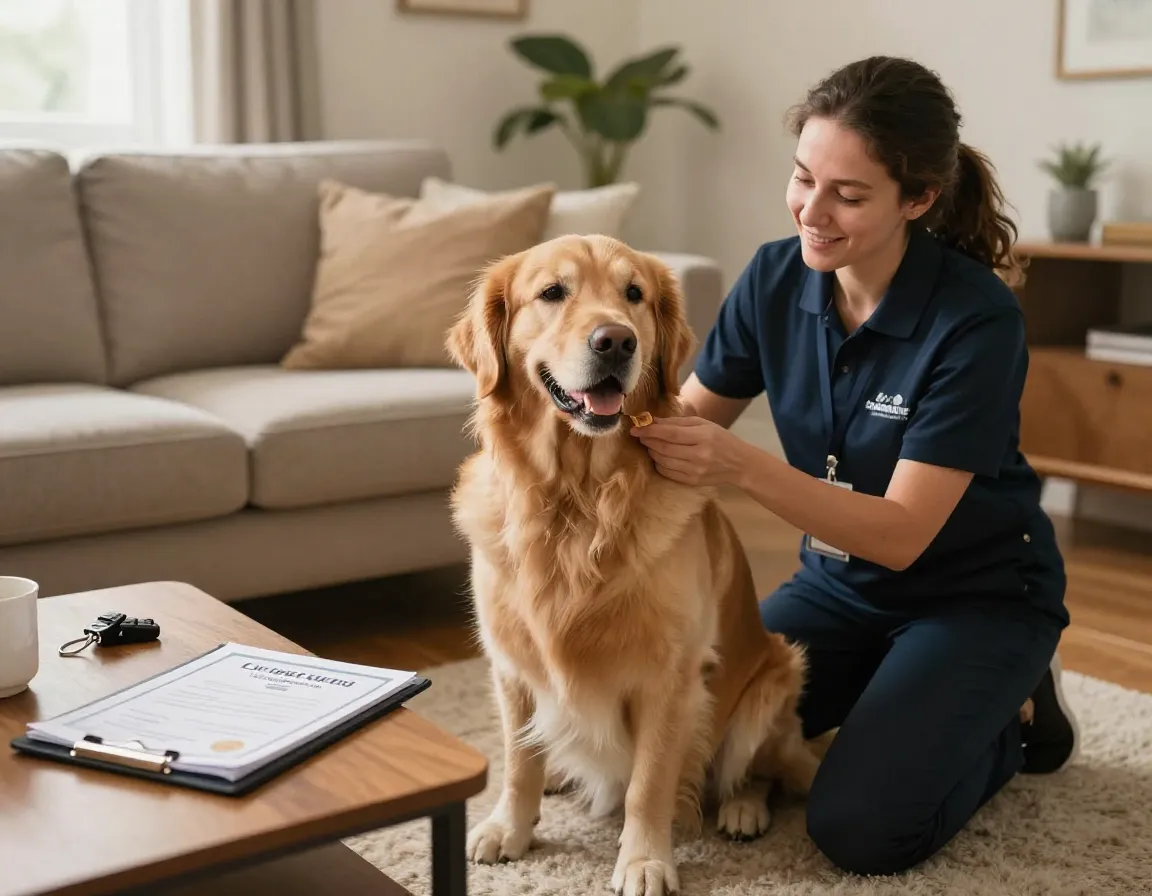
Certificate of Insurance Documentation 📋
The most important sign of a reputable pet sitting company is their ability to provide a certificate of insurance upon request[1]. Professional pet sitters maintain current insurance policies and can immediately produce documentation proving their coverage. This certificate should clearly outline their policy details, coverage limits, and expiration dates.
Legitimate companies understand that informed clients want to verify insurance coverage before entrusting their pets to their care. They welcome these requests and often proactively share insurance information during initial consultations. If a pet sitting service hesitates or cannot provide insurance documentation, this represents a major red flag.
Types of Essential Coverage
General Liability Insurance forms the foundation of professional pet care coverage, protecting against third-party bodily injury and property damage claims[1][2]. However, comprehensive protection requires additional coverage types:
- Animal Bailee Coverage: Protects against pet injuries and illnesses that general liability alone doesn’t cover[5]
- Professional Liability: Covers errors and omissions in service delivery
- Property Insurance: Protects business equipment and supplies
Understanding Insurance Investment Costs
Professional pet sitting companies typically invest $42-$45 per month in general liability insurance coverage[2][5]. This financial commitment demonstrates their dedication to operating as a legitimate business rather than a casual side service. Companies willing to make this ongoing investment show they’re serious about protecting their clients and maintaining professional standards.
2. Written Service Agreements and Clear Policies

Comprehensive Service Contracts
Professional pet sitters create written agreements with clients that clearly spell out services, payment terms, policies, and include proof of insurance[1]. These detailed contracts protect both parties by establishing clear expectations and procedures. Reputable companies never operate on handshake agreements or verbal understandings alone.
Essential contract elements include:
| Contract Section | Key Components |
|---|---|
| Service Details | Specific care tasks, feeding schedules, exercise requirements |
| Payment Terms | Rates, payment methods, cancellation policies |
| Emergency Procedures | Veterinary contacts, authorization protocols |
| Insurance Information | Policy numbers, coverage limits, certificate attachment |
| Liability Clauses | Responsibility boundaries, damage procedures |
Transparent Policy Documentation
Beyond service contracts, professional companies maintain written policies covering various scenarios. These might include weather-related cancellations, emergency veterinary care authorization, key management procedures, and communication protocols. Having documented policies demonstrates organizational maturity and commitment to consistent service delivery.
Clear Pricing Structure
Reputable companies provide transparent pricing without hidden fees or surprise charges. They clearly explain their rate structure, including base services, additional fees, holiday rates, and payment terms. This transparency reflects their professional approach and helps build trust with potential clients.
3. Proper Business Licensing and Bonding

Required Business Licenses
Legitimate pet sitting companies maintain all required business licenses for their location and service type. This includes general business licenses, specialized pet care permits where required, and tax identification numbers. Licensed businesses demonstrate compliance with local regulations and commitment to operating legally.
Employee Bonding Protection
Companies with employees should carry workers’ compensation insurance, which is legally required in many states for businesses with multiple staff members[1][3][9]. Additionally, employee bonding provides protection against theft or misconduct by staff members. These protections show the company takes responsibility for their team’s actions.
Professional Association Memberships
Many reputable pet sitting companies maintain memberships in professional organizations such as Pet Sitters International (PSI) or the National Association of Professional Pet Sitters (NAPPS). These memberships often require insurance coverage and adherence to professional standards, serving as additional credibility indicators.
4. Thorough Background Checks and Staff Screening

Comprehensive Employee Vetting
Professional pet sitting companies conduct thorough background checks on all employees and contractors. This screening process typically includes criminal background checks, reference verification, and driving record reviews for mobile services. Companies should be transparent about their screening procedures and willing to discuss their hiring standards.
Ongoing Training Requirements
Reputable companies invest in continuing education for their staff. This might include pet first aid certification, animal behavior training, and customer service development. Companies that prioritize training demonstrate their commitment to providing knowledgeable, competent care for your pets.
Professional References and Reviews
Established companies can provide references from veterinarians, long-term clients, and other pet care professionals. They maintain positive relationships within the local pet care community and often receive referrals from veterinary clinics and pet supply stores.
5. Emergency Preparedness and Veterinary Partnerships
24/7 Emergency Response Protocols
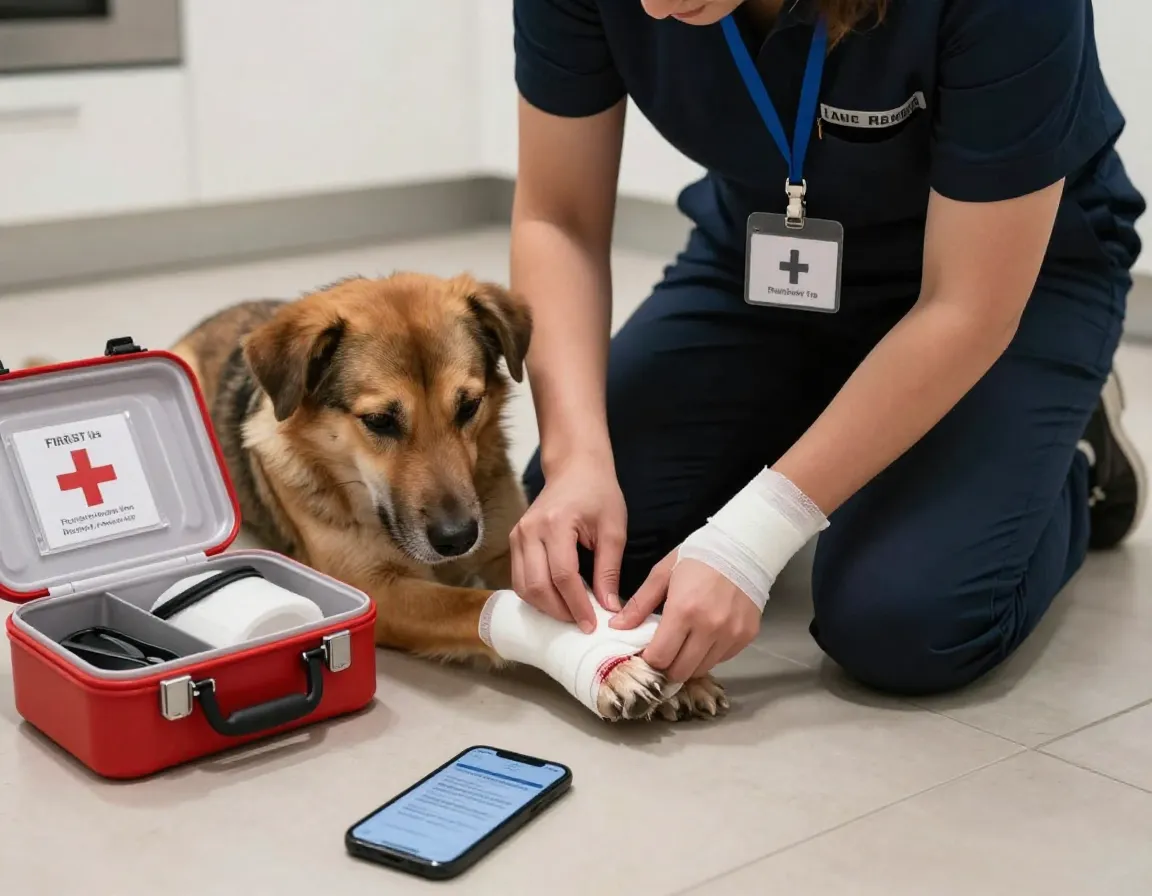
Professional pet sitting companies maintain emergency response procedures that operate around the clock. They should clearly explain how they handle after-hours emergencies, including veterinary situations, natural disasters, or other unexpected events. Having documented emergency protocols shows they’ve thoughtfully considered various scenarios.
Established Veterinary Relationships
Reputable companies often maintain relationships with local veterinary clinics and emergency animal hospitals. These partnerships facilitate quick response during medical emergencies and demonstrate their integration into the professional pet care community. Some companies even have preferred veterinarian arrangements for their clients.
Emergency Authorization Procedures
Professional services establish clear procedures for obtaining emergency veterinary care authorization. They understand the importance of quick decision-making during crises while respecting owner preferences and budget considerations. These procedures should be clearly outlined in service agreements.
6. Professional Communication and Technology Systems
Regular Update Communications
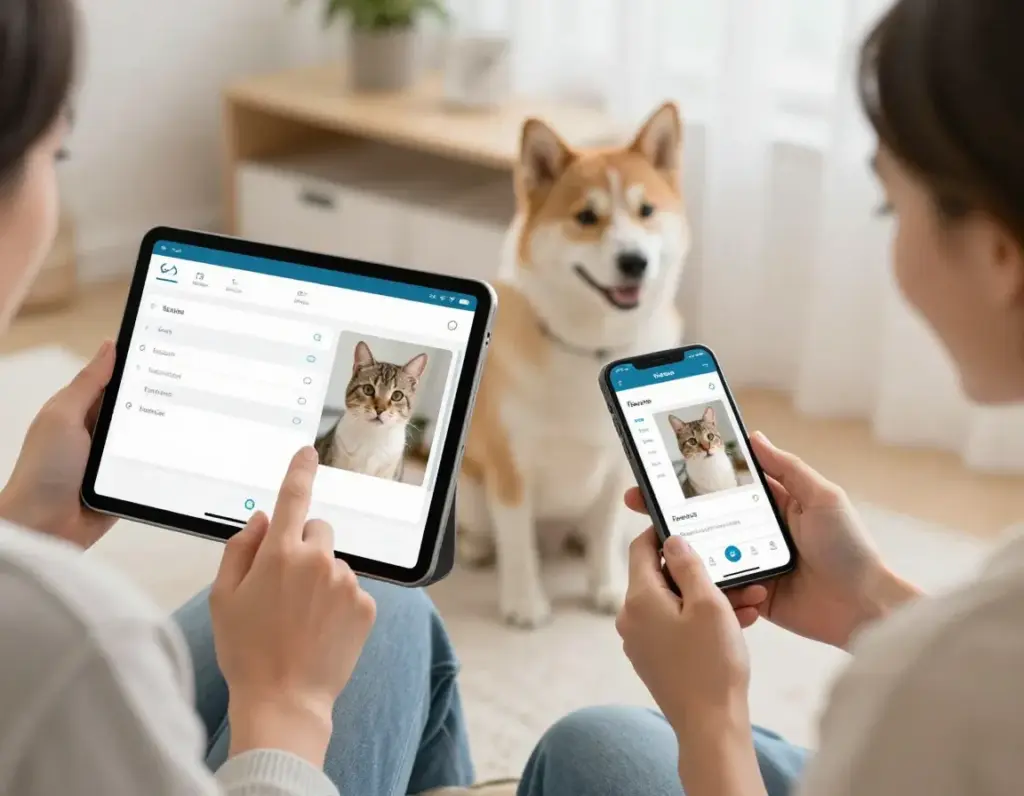
Established pet sitting companies maintain consistent communication with clients throughout service periods. This might include daily text updates, photo sharing, or detailed written reports. Professional communication systems demonstrate their commitment to keeping owners informed and reducing anxiety during separations.
Modern Technology Integration
Many reputable companies utilize professional pet care software for scheduling, communication, and record-keeping. These systems help ensure consistent service delivery and provide convenient client access to updates and scheduling. Technology investment indicates business maturity and commitment to efficiency.
Detailed Service Documentation
Professional companies maintain detailed records of each visit, including feeding times, exercise activities, behavioral observations, and any concerns. This documentation serves multiple purposes: demonstrating service completion, tracking pet health patterns, and providing valuable information for owners and veterinarians.
7. Transparent Business Practices and Professional Reputation

Open Business Operations
Legitimate pet sitting companies operate transparently, with clear business addresses, published phone numbers, and professional websites. They’re willing to meet clients at their business location and provide tours of any facilities. Transparency in business operations reflects confidence in their professional standards.
Positive Community Standing
Reputable companies maintain positive reputations within their local communities. They often participate in pet-related events, support animal welfare organizations, and receive recognition from local business groups. Community involvement demonstrates their commitment to the pet care industry beyond just profit.
Long-Term Client Relationships
Established companies can point to long-term client relationships spanning multiple years. These ongoing relationships demonstrate consistent service quality and client satisfaction. Companies with high client retention rates typically provide superior service and maintain professional standards.
Financial Stability Indicators
Professional pet sitting companies demonstrate financial stability through consistent operations, proper insurance maintenance, and business growth. They typically accept multiple payment methods, maintain business banking relationships, and can provide proof of business insurance and bonding when requested.
Red Flags to Avoid When Selecting Pet Care Services
While understanding positive indicators helps identify reputable companies, recognizing warning signs proves equally important. Avoid pet sitting services that:
🚩 Cannot provide insurance documentation or claim they’re covered under homeowner’s policies
🚩 Refuse to provide written contracts or operate only on verbal agreements
🚩 Lack proper business licenses or cannot provide business registration information
🚩 Have no emergency procedures or cannot explain their crisis response protocols
🚩 Offer prices significantly below market rates without clear explanation
🚩 Cannot provide professional references or have limited online presence
🚩 Avoid meeting in person or refuse to visit your home before service begins
Making the Final Decision: Questions to Ask Potential Pet Sitters
Before committing to any pet sitting service, ask these essential questions to verify you’re working with a reputable, insured company:
Insurance and Legal Questions
- “Can you provide a current certificate of insurance?”
- “What types of coverage does your policy include?”
- “Are you licensed to operate in this area?”
- “Do you carry workers’ compensation if you have employees?”
Service and Emergency Questions
- “What are your emergency response procedures?”
- “How do you handle after-hours veterinary situations?”
- “What happens if you become ill or unavailable?”
- “Can you provide references from current clients?”
Business Practice Questions
- “How long have you been in business?”
- “What training do your staff members receive?”
- “How do you communicate with clients during service?”
- “What is included in your service agreement?”
The Cost of Choosing Uninsured Pet Care Services
Understanding the financial risks of hiring uninsured pet sitters helps put the importance of proper coverage into perspective. Potential costs from uninsured incidents include:
- Emergency veterinary bills ranging from hundreds to thousands of dollars
- Property damage repairs from pet-related accidents
- Legal fees and liability claims from third-party injuries
- Lost wages from dealing with incident aftermath
- Emotional trauma costs from preventable pet injuries
When compared to the modest additional cost of hiring properly insured professionals, the protection value becomes clear. Investing in reputable, insured pet care services provides peace of mind that far exceeds any premium pricing.
Conclusion
Recognizing the 7 signs you’re hiring a reputable and insured pet sitting company protects both your beloved pets and your financial security. From comprehensive insurance coverage and written agreements to professional licensing and emergency preparedness, these indicators separate legitimate businesses from casual providers who may leave you vulnerable to significant risks.
The pet care industry continues evolving, with professional standards becoming increasingly important as more families seek reliable pet sitting services. By prioritizing these seven essential signs, you ensure your pets receive the professional care they deserve while protecting yourself from potential liability and financial loss.
Take action today by:
- Requesting insurance certificates from potential pet sitters
- Reviewing service agreements carefully before signing
- Verifying business licenses and professional references
- Asking detailed questions about emergency procedures
- Choosing quality over cost when selecting pet care services
Remember, your pets are family members who deserve the same level of professional care you would expect for any family member. Don’t compromise their safety or your peace of mind by choosing uninsured, unprofessional pet care services. The investment in reputable, insured pet sitting companies pays dividends in reliability, safety, and confidence every time you need their services.
References
[1] Why Pet Sitting Insurance Matters Protect Your Business With Pet Sitting Insurance – https://www.simplybusiness.com/resource/why-pet-sitting-insurance-matters-protect-your-business-with-pet-sitting-insurance/
[2] Pet Sitting Insurance Cost – https://www.insuranceopedia.com/business-insurance/pet-sitting-insurance-cost
[3] How To Start A Pet Sitting And Dog Walking Business – https://www.wolterskluwer.com/en/expert-insights/how-to-start-a-pet-sitting-and-dog-walking-business
[4] Start A Pet Sitting Business 2026 – https://www.petsit.com/start-a-pet-sitting-business-2026
[5] Cost – https://www.insureon.com/pet-care-business-insurance/sitters/cost
[6] Dog Daycare And Boarding Insurance Guide – https://www.timetopet.com/blog/dog-daycare-and-boarding-insurance-guide
[7] Pet Care Services – https://www.travelers.com/small-business-insurance/pet-care-services
[8] petcareins – https://www.petcareins.com
[9] Florida Pet Business Insurance – https://www.macphersonagency.com/business-insurance/specialized-business-insurance/florida-pet-business-insurance
[10] Pet Business Insurance – https://www.thehartford.com/business-insurance/pet-business-insurance