8 Questions to Ask Before Boarding My Dog at a New Facility
Finding the right boarding facility for your beloved canine companion can feel overwhelming, especially when faced with countless options and varying quality standards. With recent legislative changes across states like Massachusetts and New York implementing stricter regulations for pet boarding facilities, dog owners now have more protection than ever before—but only if they know what questions to ask.
Disclosure: This post contains affiliate links. As an Amazon Associate, we earn from qualifying purchases, and at no extra cost to you.
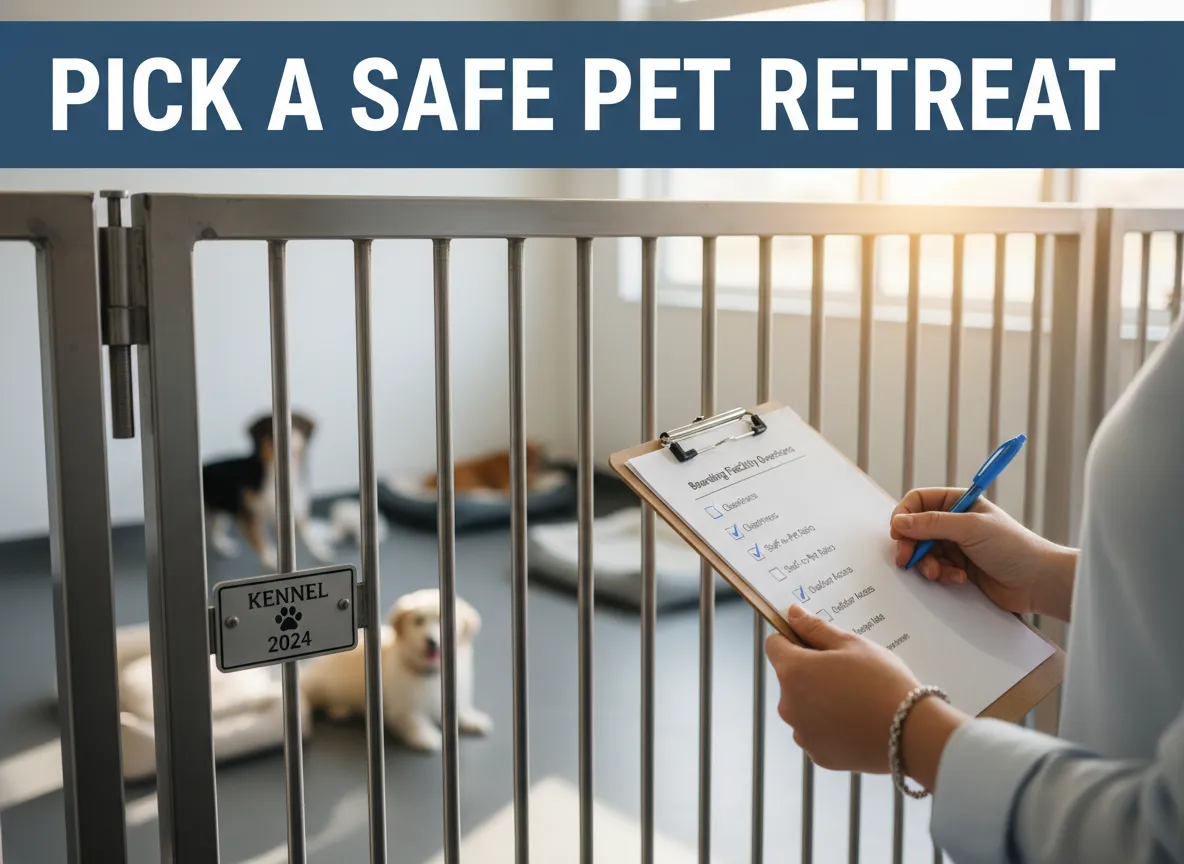
The 8 Questions to Ask Before Boarding My Dog at a New Facility serve as your essential roadmap to ensuring your pet’s safety, comfort, and well-being while you’re away. These carefully crafted inquiries will help you evaluate everything from licensing compliance to staff training, giving you the confidence to make an informed decision about your dog’s temporary home.
Key Takeaways
- Verify licensing and inspection compliance – Ensure the facility maintains current municipal kennel licenses and passes regular inspections as required by state laws
- Assess staff qualifications and training – Confirm that employees are trained in humane handling, canine body language, and emergency procedures
- Review safety protocols and record-keeping – Check that the facility maintains detailed records, reports incidents, and adheres to capacity limits
- Evaluate facility standards – Inspect housing conditions, enrichment programs, feeding protocols, and sanitation practices
- Confirm insurance and veterinary partnerships – Verify proper insurance coverage and established relationships with veterinary professionals
Essential Licensing and Compliance Questions
1. Does the Facility Have a Current Municipal Kennel License?
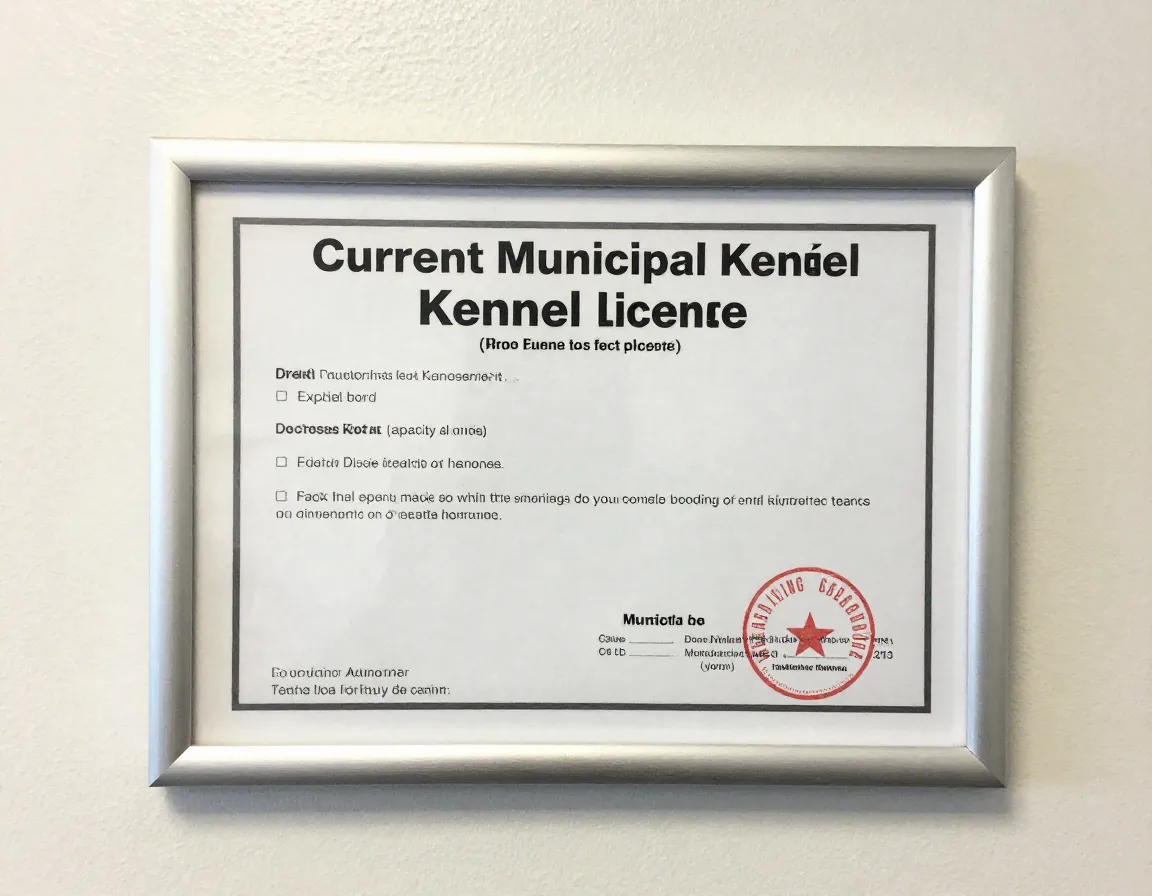
The first and most critical question in your 8 Questions to Ask Before Boarding My Dog at a New Facility checklist involves licensing verification. Under Ollie’s Law in Massachusetts, which took effect in December 2024, all boarding facilities must maintain current municipal kennel licenses with no grace period for expired permits [3]. This legislation represents a significant step forward in pet protection and sets a precedent for other states.
When visiting a potential boarding facility, request to see their current license displayed prominently. A reputable facility will gladly show you their credentials and may even provide copies for your records. The license should include:
- Current expiration date ✅
- Facility capacity limits 📊
- Municipal approval stamps 🏛️
- Inspection compliance records 📋
If a facility cannot produce a current license or seems hesitant to discuss their licensing status, consider this a major red flag and continue your search elsewhere.
2. Has the Facility Passed Recent Inspections?
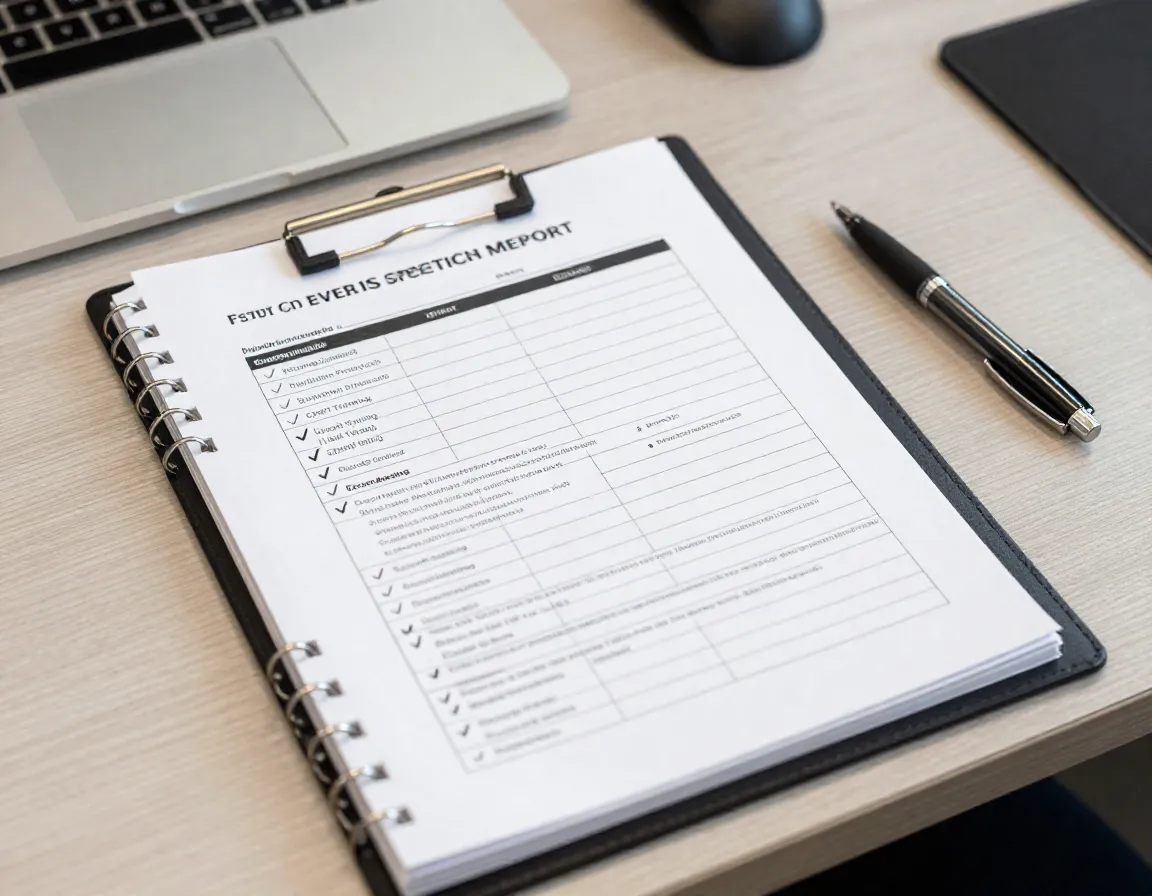
Building on licensing requirements, Ollie’s Law mandates inspections before license issuance and renewal [1]. These inspections evaluate critical safety factors including housing conditions, sanitation practices, staff protocols, and overall facility management.
Ask to review recent inspection reports, which should detail:
| Inspection Area | What to Look For |
|---|---|
| Housing Standards | Adequate space, ventilation, temperature control |
| Sanitation Protocols | Cleaning schedules, disinfection procedures |
| Staff Training | Certification records, ongoing education |
| Emergency Procedures | Evacuation plans, veterinary contacts |
| Record Keeping | Detailed logs, incident reports |
Facilities that have passed inspections with flying colors will typically be proud to share these results. Any hesitation or inability to provide recent inspection documentation should raise immediate concerns about the facility’s commitment to regulatory compliance.
Staff Training and Safety Protocols
3. Does Staff Have Training in Humane Handling and Canine Body Language?

Professional staff training represents a cornerstone of quality dog boarding services. When evaluating the 8 Questions to Ask Before Boarding My Dog at a New Facility, understanding staff qualifications becomes paramount to your pet’s safety and emotional well-being.
Well-trained staff should demonstrate knowledge in several key areas:
🐕 Canine Body Language Recognition
- Stress signals and anxiety indicators
- Aggressive posturing and warning signs
- Play behavior versus concerning interactions
- Signs of illness or distress
👥 Humane Handling Techniques
- Proper restraint methods without causing fear
- Positive reinforcement training principles
- De-escalation strategies for anxious dogs
- Safe introduction protocols for new arrivals
Ask facility managers about their staff training programs, certification requirements, and ongoing education initiatives. Reputable facilities often partner with professional dog training organizations or veterinary behaviorists to ensure their team maintains current knowledge of best practices.
4. What Are the Facility’s Maximum Capacity Limits and Adherence Policies?
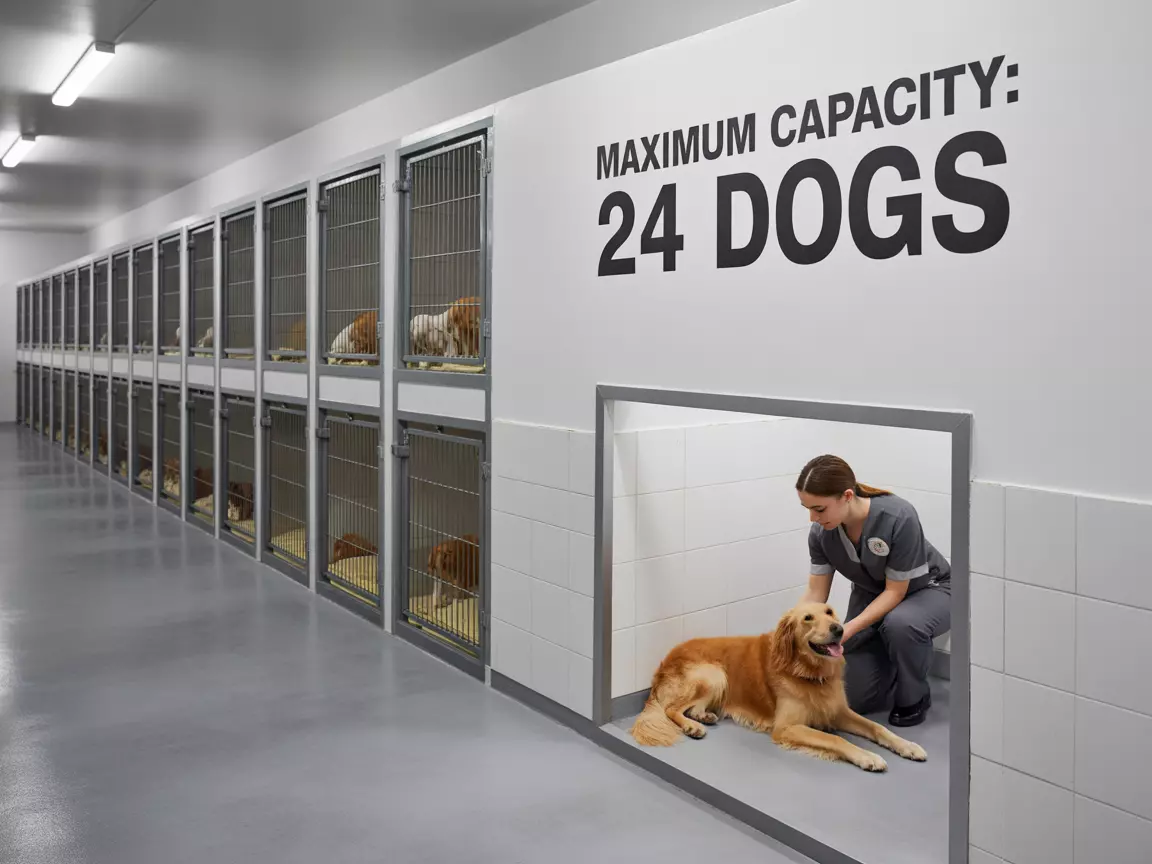
Overcrowding poses significant risks to canine health, safety, and stress levels. Massachusetts regulations require facilities to maintain detailed records of each dog in care and adhere to established capacity limits [1]. This question from your 8 Questions to Ask Before Boarding My Dog at a New Facility list helps ensure your pet won’t be housed in unsafe, overcrowded conditions.
During your facility tour, observe the following indicators:
- Staff-to-dog ratios during different shifts
- Available kennel space versus current occupancy
- Exercise area capacity and scheduling systems
- Emergency evacuation procedures for full capacity scenarios
Quality facilities will have clear policies about turning away bookings when approaching capacity limits, prioritizing animal welfare over profit margins. They should also maintain waiting lists and recommend alternative arrangements rather than accepting more dogs than they can safely accommodate.
Health and Safety Standards
5. Does the Facility Verify Vaccination Requirements and Maintain Health Records?
Vaccination verification and health record maintenance represent critical components of responsible boarding operations. Under current regulations, facilities must verify that all dogs over six months have valid rabies vaccinations and licenses [1]. This requirement protects both your pet and other animals in the facility from preventable diseases.
A comprehensive vaccination and health protocol should include:
📋 Required Documentation:
- Current rabies vaccination certificates
- DHPP (Distemper, Hepatitis, Parvovirus, Parainfluenza) records
- Bordetella (kennel cough) vaccination
- Municipal dog license verification
- Recent veterinary health examination records
🏥 Health Monitoring Procedures:
- Daily health checks by trained staff
- Temperature monitoring for illness detection
- Appetite and behavior observation logs
- Immediate isolation protocols for sick animals
Ask about the facility’s policies for handling health emergencies and their relationships with local veterinary clinics. Reputable facilities maintain partnerships with veterinarians who can provide immediate care if needed during your absence.
6. What Are the Facility’s Standards for Housing, Enrichment, and Sanitation?
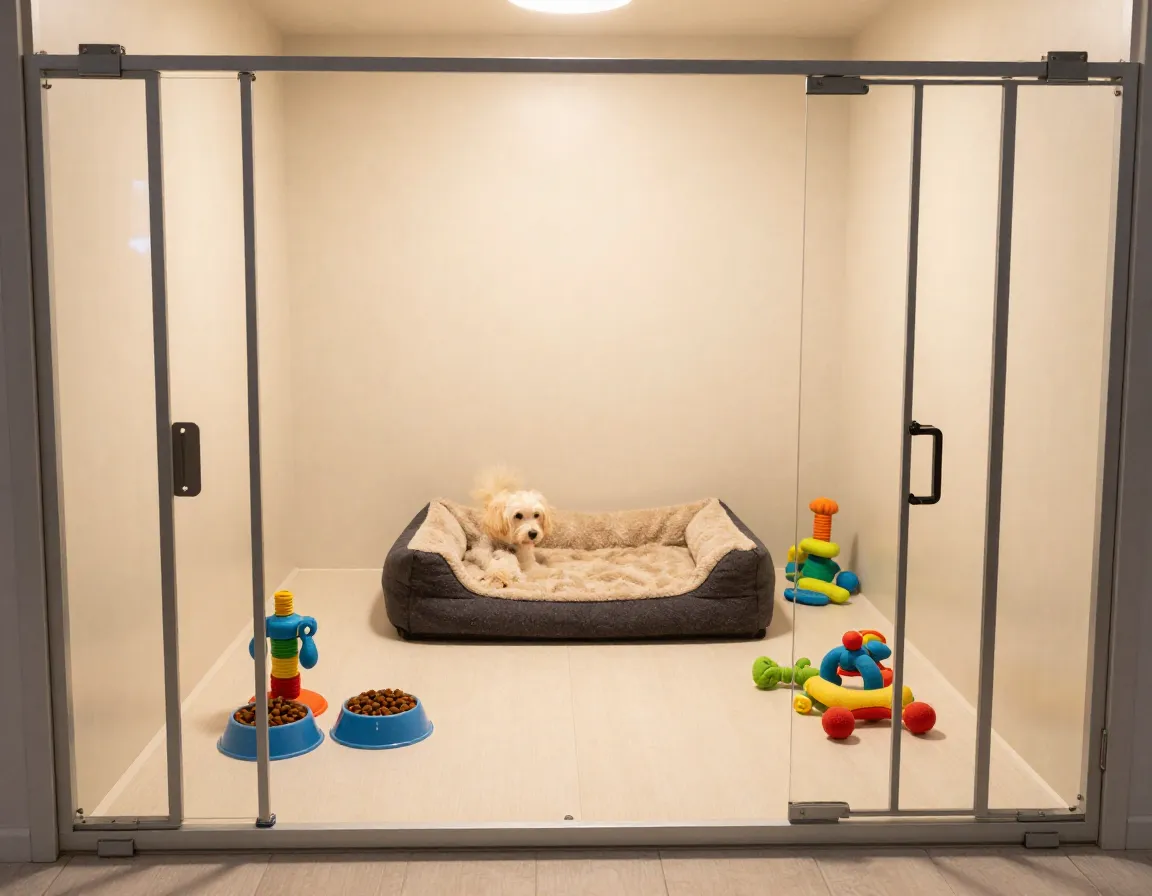
Environmental standards directly impact your dog’s physical and mental well-being during their stay. The proposed Safe Pet Boarding Act in New York includes specific regulations for heat, sound levels, and sanitation that provide excellent benchmarks for evaluating any facility [2][4].
When touring potential boarding facilities, evaluate these critical environmental factors:
🏠 Housing Standards:
- Adequate space for your dog’s size and activity level
- Proper ventilation and temperature control systems
- Sound dampening to reduce stress from barking
- Comfortable bedding and rest areas
- Secure fencing and containment systems
🎾 Enrichment Programs:
- Scheduled exercise and play sessions
- Mental stimulation activities and toys
- Socialization opportunities with compatible dogs
- Individual attention and human interaction time
- Outdoor access and nature exposure
🧽 Sanitation Protocols:
- Daily cleaning and disinfection schedules
- Proper waste disposal systems
- Fresh water availability at all times
- Food safety and storage procedures
- Pest control and facility maintenance
Quality facilities will have written protocols for each of these areas and should be transparent about their daily routines and procedures.
Insurance and Emergency Preparedness
7. Does the Facility Maintain Appropriate Insurance Coverage?
Insurance coverage provides crucial protection for both the facility and your pet in case of accidents, injuries, or emergencies. New York City requires boarding establishments to maintain worker’s compensation and disability insurance as part of their permitting process [5]. While requirements vary by location, responsible facilities should carry comprehensive coverage.
Essential insurance coverage should include:
💼 Liability Protection:
- General business liability insurance
- Professional liability for animal care services
- Property damage coverage for client belongings
- Worker’s compensation for staff injuries
🐾 Animal-Specific Coverage:
- Veterinary care insurance for boarding animals
- Emergency medical treatment authorization
- Transportation coverage for veterinary visits
- Coverage for lost or injured animals
Request to see current insurance certificates and ask about coverage limits. Facilities that hesitate to discuss insurance coverage may not carry adequate protection, potentially leaving you financially responsible for any incidents involving your pet.
8. What Emergency Procedures and Veterinary Partnerships Are in Place?
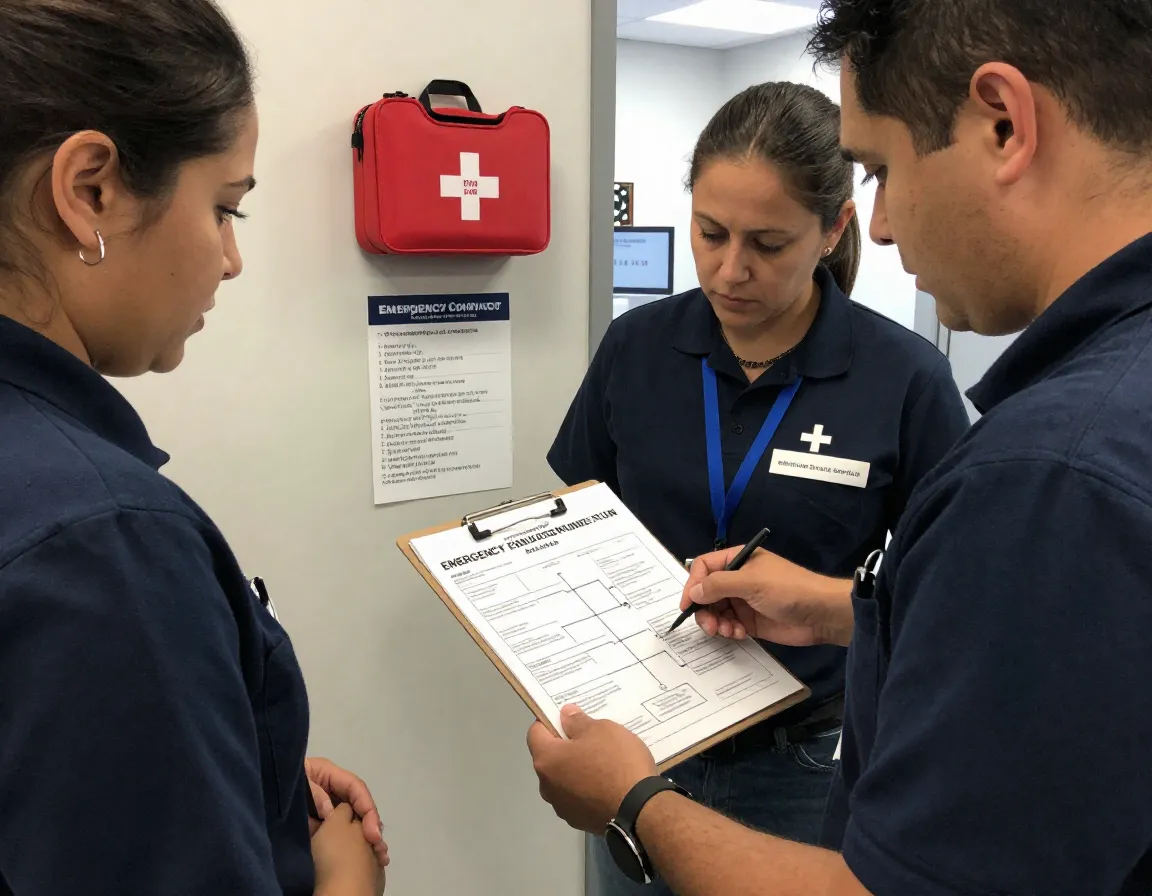
The final question in your 8 Questions to Ask Before Boarding My Dog at a New Facility assessment focuses on emergency preparedness—a factor that could prove lifesaving for your beloved companion. Comprehensive emergency protocols demonstrate a facility’s commitment to animal welfare and professional standards.
Evaluate the facility’s emergency preparedness across multiple scenarios:
🚨 Medical Emergencies:
- 24/7 staff availability or monitoring systems
- Established relationships with emergency veterinary clinics
- Clear authorization protocols for medical treatment
- Emergency contact procedures for pet owners
- First aid training for staff members
🔥 Facility Emergencies:
- Fire evacuation plans with animal transport procedures
- Natural disaster preparedness protocols
- Power outage contingency plans
- Security breach response procedures
- Communication systems for emergency notifications
Ask for written copies of emergency procedures and verify that staff members are familiar with these protocols. The facility should also provide you with emergency contact information and clear instructions for reaching them outside normal business hours.
Making Your Final Decision
After completing your 8 Questions to Ask Before Boarding My Dog at a New Facility evaluation, take time to process the information you’ve gathered. Create a comparison chart ranking each facility across the eight critical areas, noting any red flags or outstanding features that stood out during your visits.
Consider scheduling a trial day or short overnight stay before committing to longer boarding periods. This allows both you and your dog to assess the facility’s services firsthand and identify any potential concerns in a low-risk environment.
Remember that the cheapest option may not provide the best value when your pet’s safety and well-being are at stake. Investing in a quality boarding facility that meets all regulatory requirements and maintains high standards will provide peace of mind during your travels and ensure your dog receives excellent care in your absence.
Conclusion
Selecting the right boarding facility for your dog requires careful evaluation and informed decision-making. The 8 Questions to Ask Before Boarding My Dog at a New Facility provide a comprehensive framework for assessing licensing compliance, staff qualifications, safety protocols, health standards, and emergency preparedness.
As regulations continue to evolve across states like Massachusetts and New York, dog owners have increasingly powerful tools to ensure their pets receive safe, professional care. By asking these essential questions and thoroughly evaluating facility responses, you can confidently choose a boarding facility that prioritizes your dog’s health, safety, and happiness.
Take action today by creating your facility evaluation checklist, scheduling tours with potential boarding facilities, and requesting documentation for licensing, insurance, and inspection records. Your dog’s well-being depends on the time and effort you invest in this important decision.
Don’t wait until you need boarding services to begin your search. Start evaluating facilities in your area now, so you’ll be prepared when travel opportunities arise or emergencies require temporary care for your beloved companion.
References
[1] Massachusetts – https://www.thedogkennelcollection.com/dog-kennel-laws-in/massachusetts/
[2] Legislative Alert Ny Senate Bill S08510 – https://iacpdogs.org/2025/09/24/legislative-alert-ny-senate-bill-s08510/
[3] Ollies Law Information – https://www.mass.gov/info-details/ollies-law-information
[4] New York State Lawmakers Propose Animal Boarding Regulations – https://www.wamc.org/news/2025-09-23/new-york-state-lawmakers-propose-animal-boarding-regulations
[5] Small Animal Boarding Establishment Permit – https://nyc-business.nyc.gov/nycbusiness/description/small-animal-boarding-establishment-permit