6 Common Health Issues In Bulldogs And How To Prevent Them
Bulldogs capture hearts with their wrinkled faces, stocky builds, and gentle personalities, but behind those adorable features lies a sobering reality: these beloved companions face some of the most serious health challenges in the canine world. Statistics reveal that 50% of bulldogs don’t reach 7.5 years of age, making understanding the 6 common health issues in bulldogs and how to prevent them absolutely critical for every current and prospective bulldog owner [7].
Disclosure: This post contains affiliate links. As an Amazon Associate, we earn from qualifying purchases, and at no extra cost to you.
The unique physical characteristics that make bulldogs so endearing—their flat faces, compact bodies, and distinctive features—unfortunately predispose them to a range of serious medical conditions. From breathing difficulties that can turn a simple walk into a life-threatening situation to joint problems that affect their mobility, bulldogs require specialized care and preventive measures that go far beyond typical dog ownership.
Key Takeaways
- Brachycephalic Obstructive Airway Syndrome (BOAS) affects bulldogs at rates nearly 12 times higher than other breeds, requiring immediate attention to breathing difficulties
- Hip dysplasia occurs more frequently in English Bulldogs than any other dog breed, making early screening essential
- Preventive care including weight management, proper grooming, and environmental controls can significantly reduce health risks
- Early veterinary intervention and specialized protocols are crucial for extending bulldogs’ shortened life expectancy
- Owner education about breed-specific health risks enables better daily management and emergency recognition
Understanding Bulldog Health Challenges: The Big Picture
Before diving into the specific health issues, it’s essential to understand why bulldogs face such significant medical challenges. The breeding practices that created their distinctive appearance have inadvertently created what veterinarians call a “cascade effect” of health problems.
Brachycephalic breeds like bulldogs are almost three times more likely to submit insurance claims for breathing problems compared to dogs with normal facial structures [1]. This statistic represents just the tip of the iceberg, as respiratory issues often serve as a gateway to additional complications affecting multiple body systems.
The Nationwide insurance analysis—the largest single-study cohort ever conducted with over 450,000 dog years of data—reveals that bulldogs with breathing problems face increased risks for pneumonia, spinal disease, esophageal problems, and gastrointestinal issues [1]. This interconnected web of health challenges makes preventive care absolutely crucial.
The 6 Most Critical Health Issues in Bulldogs
1. Brachycephalic Obstructive Airway Syndrome (BOAS) 🫁
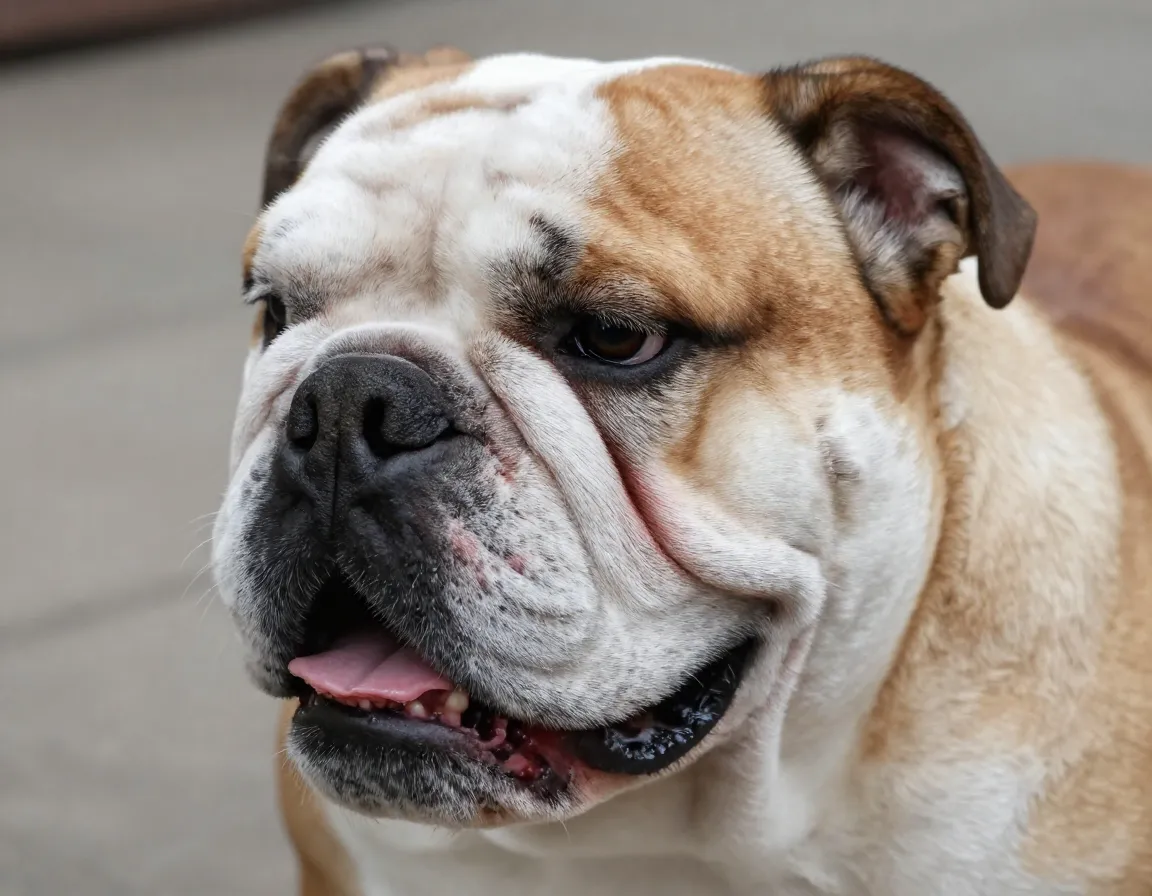
BOAS represents the most serious and immediate threat to bulldog health. This complex respiratory condition results from the compressed facial structure that gives bulldogs their characteristic flat-faced appearance. English Bulldogs are nearly 12 times more likely to develop BOAS compared to non-brachycephalic breeds [1].
What BOAS Looks Like:
- Loud, labored breathing even at rest
- Excessive panting in mild temperatures
- Blue-tinged gums during exertion
- Collapsing episodes after minimal activity
- Snoring that worsens over time
- Difficulty eating or drinking due to breathing struggles
The Anatomy Behind BOAS:
Bulldogs have the same amount of soft tissue in their airways as longer-nosed dogs, but it’s compressed into a much smaller space. This creates multiple obstructions:
- Stenotic nares (narrowed nostrils)
- Elongated soft palate that blocks the airway
- Collapsed laryngeal cartilages
- Narrowed trachea
Prevention Strategies for BOAS:
Environmental Management:
- Maintain indoor temperatures below 75°F (24°C)
- Use air conditioning during warm weather
- Provide multiple water sources for easy access
- Avoid areas with high humidity
Exercise Modifications:
- Schedule walks during cooler morning or evening hours
- Limit exercise duration to 10-15 minute sessions
- Choose shaded, well-ventilated routes
- Stop immediately if breathing becomes labored
Emergency Recognition:
“Any bulldog showing blue gums, excessive drooling, or inability to settle after mild exertion needs immediate veterinary attention. BOAS can quickly become life-threatening.”
2. Hip Dysplasia: The Hidden Joint Crisis 🦴
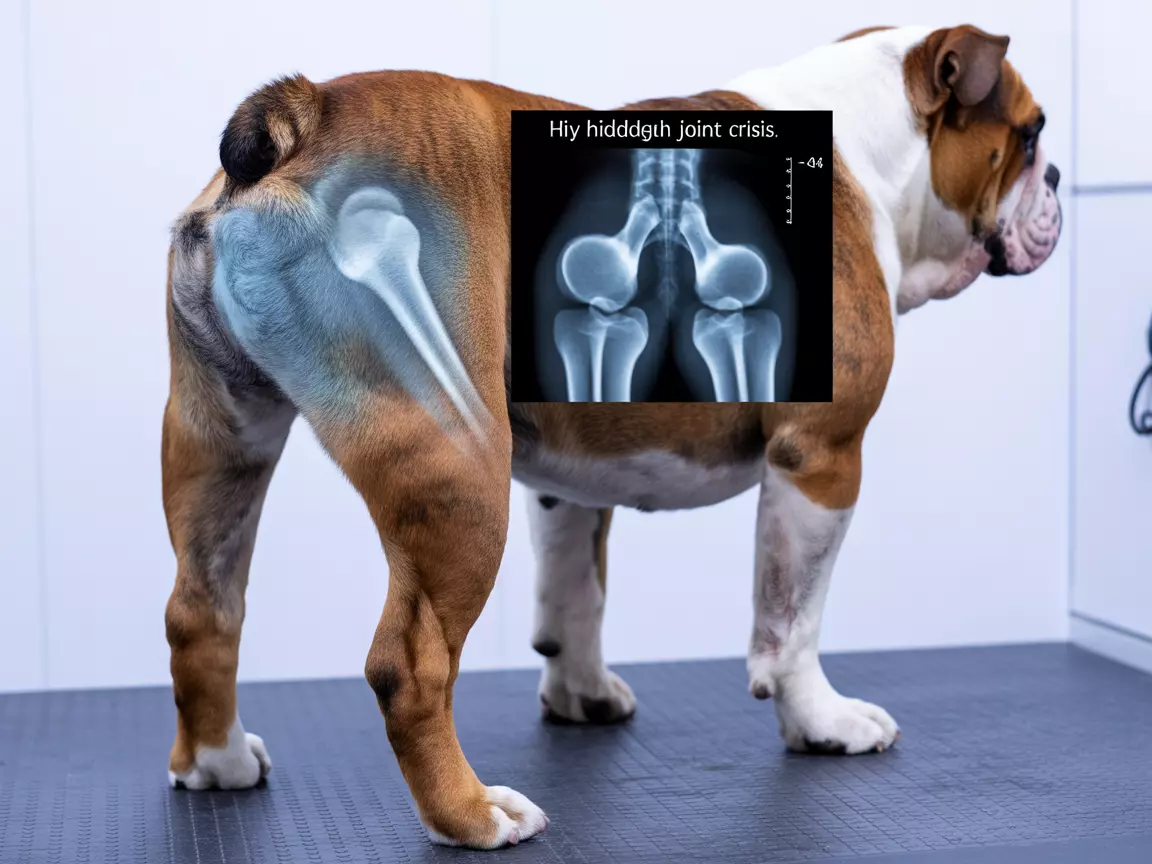
English Bulldogs have the highest incidence of hip dysplasia of any dog breed according to Orthopedic Foundation for Animals statistics [5]. This genetic condition affects the hip joint’s development, leading to arthritis, pain, and mobility issues that can severely impact quality of life.
Understanding Hip Dysplasia in Bulldogs:
Hip dysplasia occurs when the ball and socket joint of the hip develops abnormally. In bulldogs, their compact, muscular build places additional stress on already compromised joints. The condition typically manifests in two phases:
- Juvenile phase (4-12 months): Joint laxity and instability
- Adult phase (1+ years): Arthritis and degenerative changes
Early Warning Signs:
- Reluctance to jump or climb stairs
- “Bunny hopping” gait with both rear legs moving together
- Decreased activity levels or play interest
- Stiffness after rest periods
- Difficulty rising from lying position
- Muscle loss in the rear legs
Prevention Protocol for Hip Dysplasia:
Screening Schedule:
| Age | Screening Type | Purpose |
|---|---|---|
| 4-6 months | PennHIP evaluation | Early detection of joint laxity |
| 12-18 months | OFA hip X-rays | Assess joint development |
| 2+ years | Annual evaluations | Monitor progression |
Weight Management:
Maintaining optimal body weight is crucial for reducing stress on developing joints:
- Body Condition Score should be 4-5 out of 9
- Rib check: Ribs should be easily felt but not visible
- Waist tuck: Visible when viewed from above
Exercise Guidelines:
- Low-impact activities: Swimming, controlled walking
- Avoid high-impact: Jumping, rough play, long runs
- Surface considerations: Soft grass preferred over concrete
- Consistency: Regular, moderate exercise better than weekend warriors
3. Skin Fold Dermatitis: The Wrinkle Problem 🧴
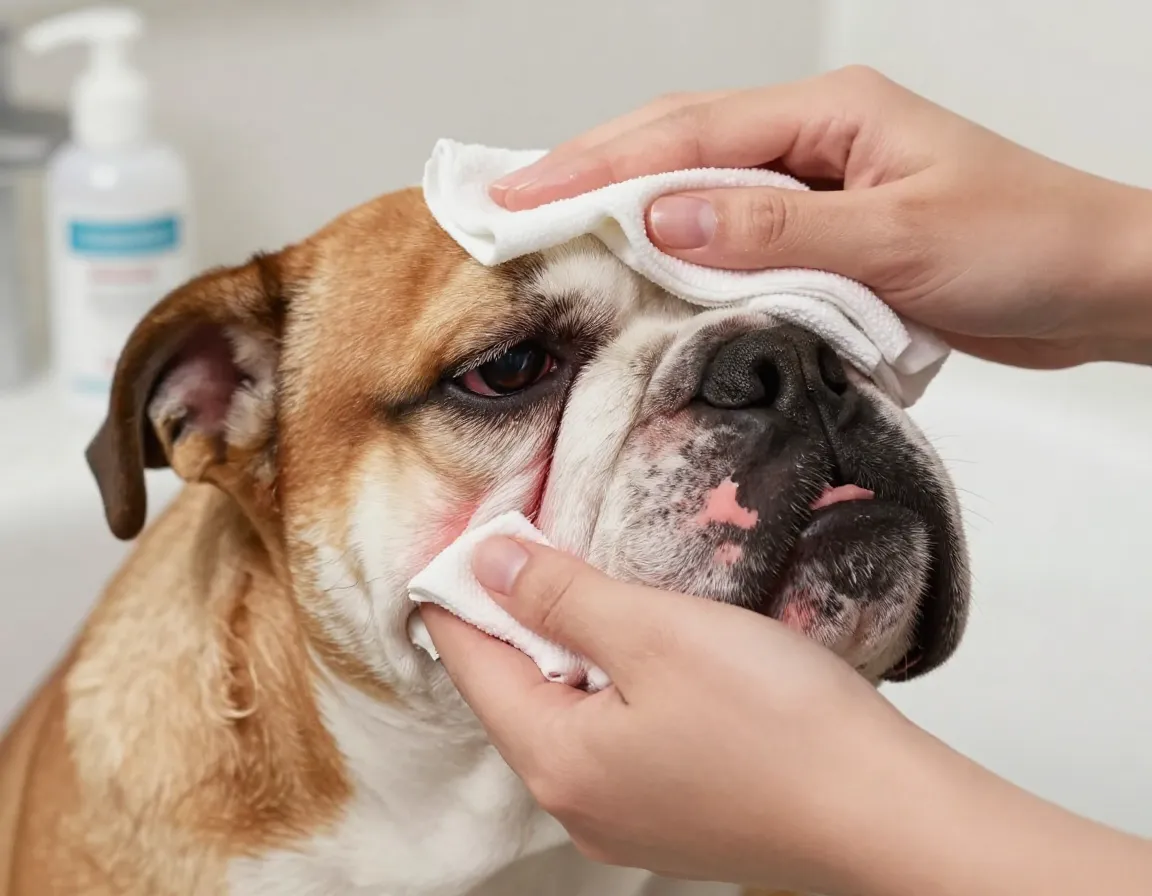
Bulldogs’ adorable wrinkles and skin folds create the perfect environment for bacterial and fungal infections. The excess skin traps moisture, dirt, and bacteria, leading to painful infections that can become chronic without proper management [4].
Common Problem Areas:
- Facial folds around the nose and eyes
- Neck wrinkles where collars sit
- Body folds on the chest and sides
- Tail pocket (if present)
- Between toe spaces
Signs of Skin Fold Infections:
- Red, inflamed skin in fold areas
- Foul odor emanating from wrinkles
- Brown or black discharge
- Scratching or rubbing at affected areas
- Hair loss around infected folds
- Crusty or scaly skin texture
Daily Prevention Routine:
Morning Cleaning Protocol:
- Gentle lifting of each skin fold
- Dry cloth wipe to remove overnight moisture
- Inspection for redness or odor
- Thorough drying with soft towel
Evening Deep Clean:
- Warm water rinse of all folds
- Antimicrobial wipes (veterinarian-approved)
- Complete drying with absorbent cloth
- Powder application (cornstarch-based, if recommended)
Weekly Maintenance:
- Medicated shampoo baths with fold-specific products
- Professional grooming every 4-6 weeks
- Veterinary examination of problem areas
4. Obesity: The Multiplying Health Risk ⚖️
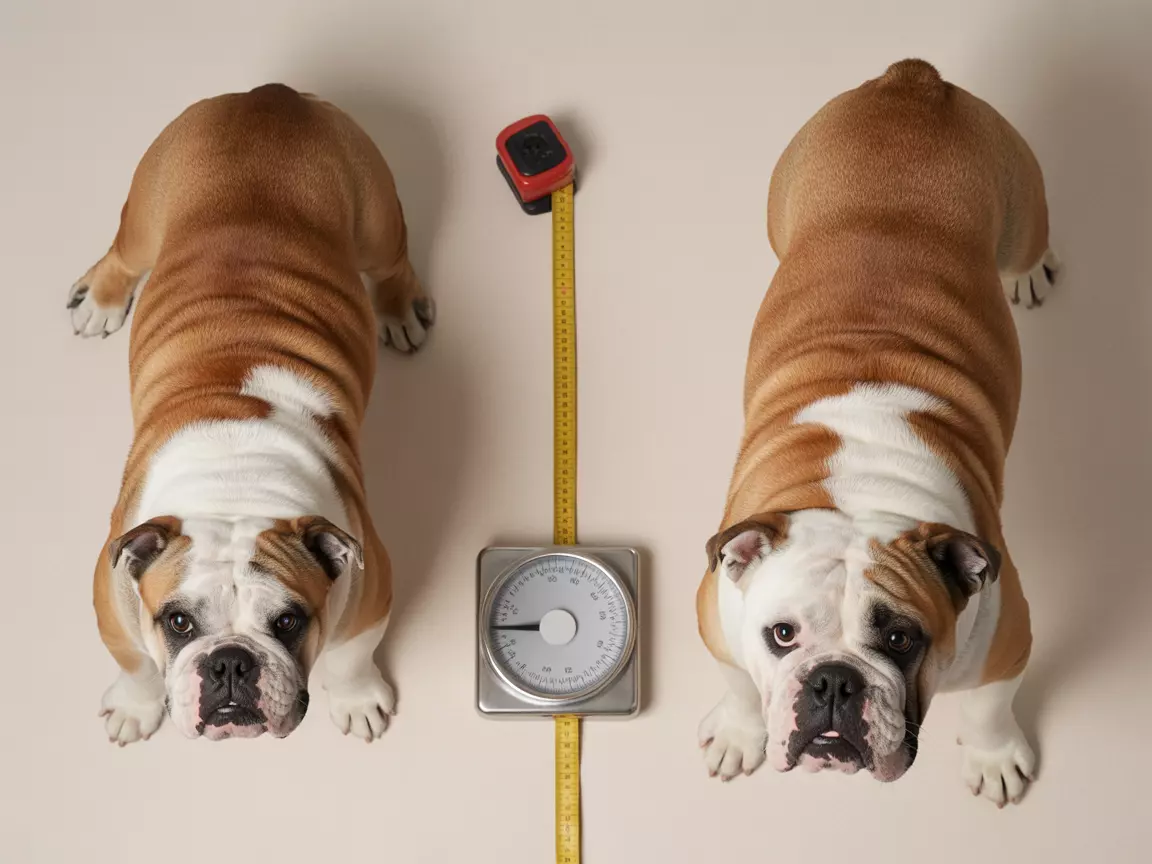
Bulldogs easily gain weight due to their lower activity levels and food-motivated personalities. Obesity compounds every other health issue bulldogs face, making breathing problems worse, increasing joint stress, and reducing overall life expectancy [4].
Why Bulldogs Gain Weight Easily:
- Reduced exercise capacity due to breathing issues
- Lower metabolic rate compared to active breeds
- Food motivation and begging behaviors
- Owner sympathy leading to overfeeding
- Genetic predisposition to weight gain
Health Consequences of Obesity:
Respiratory Impact:
- Increased fat around the neck compresses airways further
- Additional weight makes breathing more laborious
- Heat intolerance becomes more severe
Joint Stress:
- Extra weight accelerates hip dysplasia progression
- Increased arthritis development
- Reduced mobility and exercise tolerance
Systemic Effects:
- Higher risk of diabetes
- Increased anesthesia risks for surgeries
- Shortened life expectancy
Weight Management Strategies:
Feeding Protocol:
- Measured portions using a kitchen scale
- High-quality protein to maintain muscle mass
- Multiple small meals (3-4 per day) instead of free feeding
- Puzzle feeders to slow eating and provide mental stimulation
Calorie Guidelines:
| Weight Range | Daily Calories | Feeding Frequency |
|---|---|---|
| 40-50 lbs | 800-1000 | 3-4 meals |
| 50-60 lbs | 1000-1200 | 3-4 meals |
| 60+ lbs | 1200-1400 | 3-4 meals |
Exercise Adaptations:
- Water therapy for low-impact cardio
- Short, frequent walks rather than long sessions
- Indoor activities during hot weather
- Mental stimulation games to burn calories
5. Allergies and Skin Sensitivities 🌿
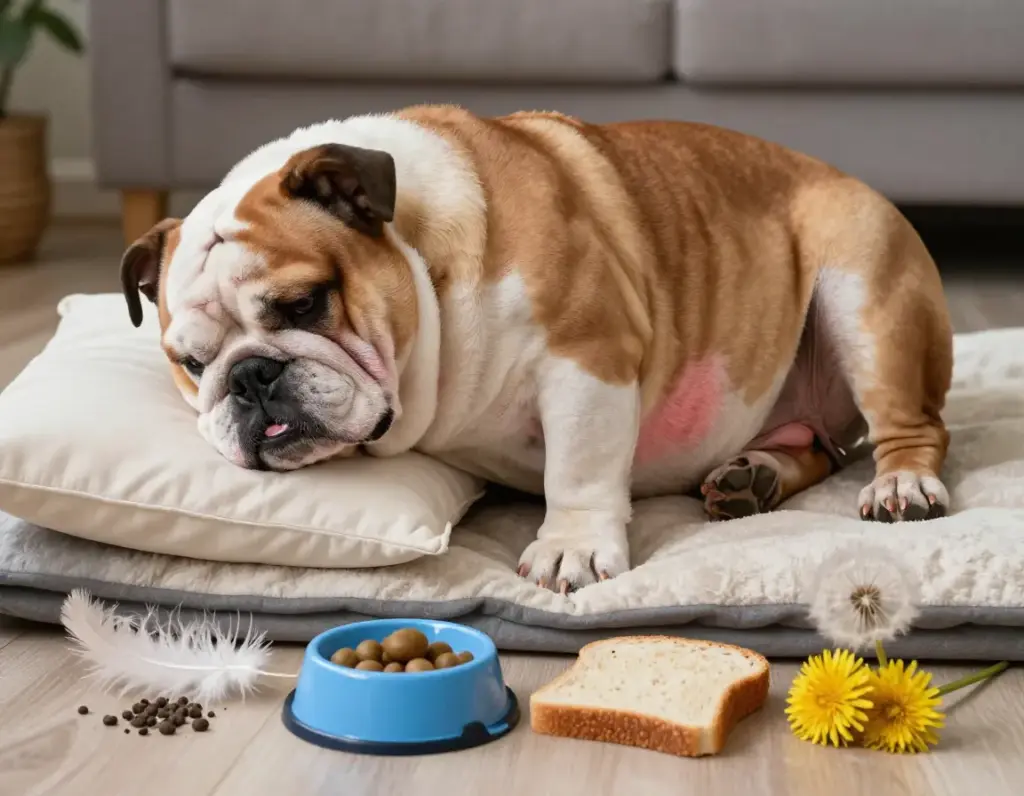
Allergic reactions are documented among the major health problems affecting bulldogs [8]. Their sensitive skin and compromised immune systems make them particularly susceptible to environmental, food, and contact allergies.
Types of Allergies in Bulldogs:
Environmental Allergies:
- Pollen from trees, grasses, and weeds
- Dust mites in bedding and carpets
- Mold spores in humid environments
- Cleaning chemicals and air fresheners
Food Allergies:
- Protein sources: Chicken, beef, dairy
- Grains: Wheat, corn, soy
- Additives: Artificial colors and preservatives
- Novel proteins: Sometimes even hypoallergenic foods
Contact Allergies:
- Fabric materials in bedding or clothing
- Lawn chemicals and fertilizers
- Grooming products with harsh ingredients
- Plastic food bowls
Allergy Symptoms to Watch For:
- Chronic itching and scratching
- Red, inflamed skin especially in folds
- Ear infections that recur frequently
- Digestive upset including diarrhea or vomiting
- Excessive licking of paws or body
- Hair loss in patches
Prevention and Management:
Environmental Control:
- HEPA air filters to reduce airborne allergens
- Regular washing of bedding in hot water
- Hypoallergenic cleaning products
- Dehumidifiers to control moisture levels
Dietary Management:
- Elimination diets to identify food triggers
- Limited ingredient commercial foods
- Novel protein sources like duck or venison
- Omega-3 supplementation for skin health
6. Entropion: The Eyelid Problem 👁️
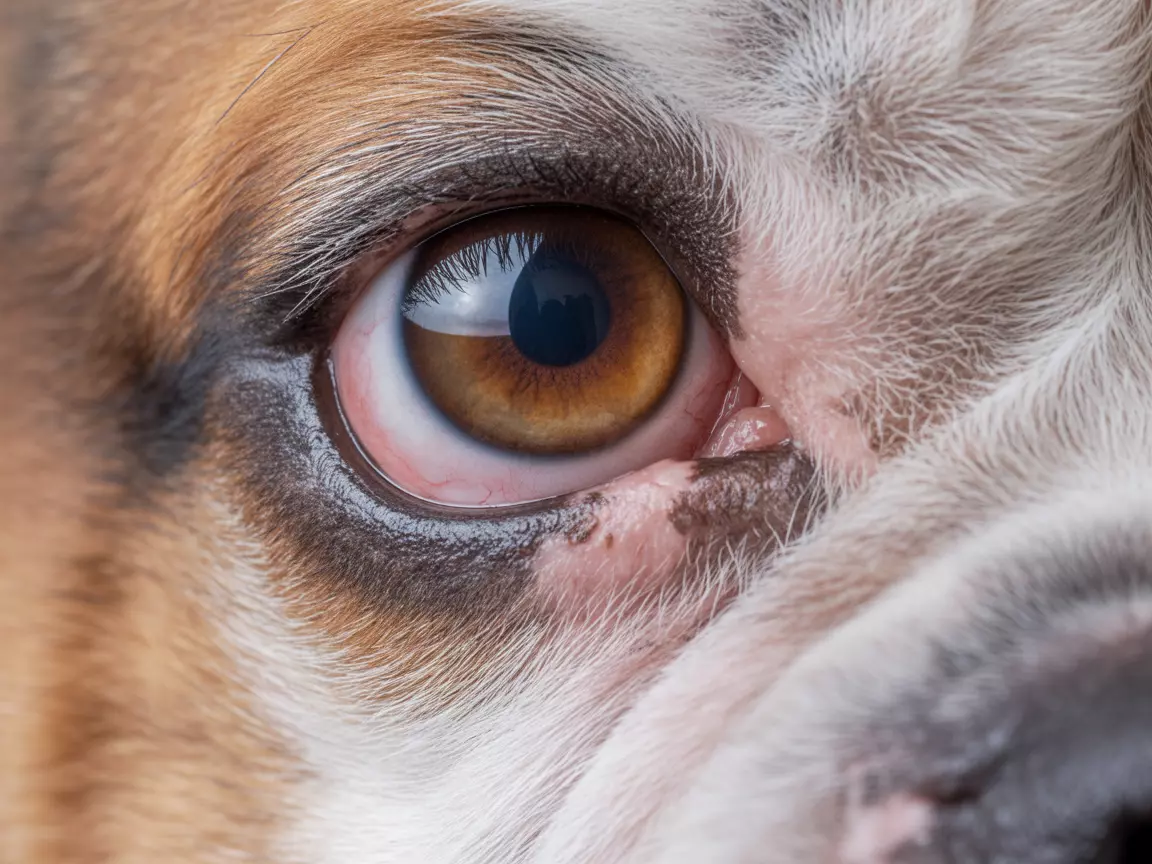
Entropion, where the eyelids roll inward, is a documented health issue for English Bulldogs [8]. This condition causes the eyelashes and lid margin to rub against the cornea, leading to pain, irritation, and potential vision problems.
Understanding Entropion in Bulldogs:
The flat facial structure of bulldogs affects not just their breathing, but also their eye anatomy. The shortened skull changes the angle and position of the eyelids, making them more prone to rolling inward.
Types of Entropion:
- Juvenile entropion: Present from birth, may improve with growth
- Adult-onset entropion: Develops due to facial changes or injuries
- Spastic entropion: Temporary condition due to pain or irritation
Symptoms of Entropion:
- Excessive tearing or watery discharge
- Squinting or keeping eyes partially closed
- Pawing at the eyes frequently
- Red, inflamed conjunctiva
- Corneal ulcers in severe cases
- Behavioral changes due to discomfort
Prevention and Treatment:
Early Detection:
- Monthly eye examinations at home
- Professional veterinary screening every 6 months
- Immediate attention for any eye irritation signs
Conservative Management:
- Artificial tears to maintain moisture
- Protective ointments to shield the cornea
- E-collar use to prevent self-trauma
- Anti-inflammatory medications as prescribed
Surgical Intervention:
When conservative treatment fails, surgical correction may be necessary:
- Timing considerations: Usually after 6-12 months of age
- Procedure types: Range from simple tacking to full reconstruction
- Success rates: Generally excellent with proper surgical technique
- Recovery period: 2-3 weeks with careful monitoring
Comprehensive Prevention Strategies for All 6 Common Health Issues
Creating a Bulldog-Friendly Environment 🏠
Temperature Control:
- Maintain indoor temperatures between 68-75°F (20-24°C)
- Use multiple fans for air circulation
- Provide cooling mats for resting areas
- Install blackout curtains to reduce heat gain
Safety Modifications:
- Install ramps instead of stairs where possible
- Use non-slip rugs on smooth floors
- Provide orthopedic bedding for joint support
- Remove potential allergens from living spaces
Veterinary Care Schedule 📅
Puppy Stage (0-12 months):
- Monthly wellness exams
- Hip evaluation at 4-6 months
- Allergy testing if symptoms appear
- Eye examinations every 3 months
Adult Stage (1-7 years):
- Bi-annual comprehensive exams
- Annual hip and joint assessments
- Quarterly weight and body condition evaluations
- Ongoing monitoring of chronic conditions
Senior Stage (7+ years):
- Quarterly veterinary visits
- Advanced diagnostic imaging as needed
- Pain management consultations
- Quality of life assessments
Emergency Preparedness 🚨
BOAS Crisis Kit:
- Portable fan or cooling device
- Ice packs wrapped in towels
- Emergency veterinary contact information
- Transportation plan for immediate care
Signs Requiring Immediate Veterinary Attention:
- Blue or purple gums
- Inability to settle after mild exertion
- Collapse or fainting episodes
- Severe difficulty breathing
- Sudden onset limping or inability to walk
- Eye trauma or sudden vision changes
The Role of Breeding and Genetics 🧬
Understanding the genetic component of these health issues is crucial for prevention. Responsible breeding practices can significantly reduce the incidence of hereditary conditions:
Health Testing for Breeding Dogs:
- Respiratory function testing for BOAS
- Hip and elbow dysplasia screening
- Eye examinations by veterinary ophthalmologists
- Genetic testing for known hereditary conditions
Selecting a Healthy Puppy:
- Meet the parents and assess their health status
- Review health clearances for both parents
- Observe puppy behavior and breathing patterns
- Choose breeders who prioritize health over appearance
Long-term Management and Quality of Life 💝
Living with a bulldog requires a long-term commitment to specialized care. The goal is not just to treat problems as they arise, but to prevent them through proactive management.
Daily Care Routine:
Morning (10 minutes):
- Quick breathing assessment
- Skin fold inspection and cleaning
- Weight and appetite check
Evening (15 minutes):
- Thorough skin fold cleaning
- Joint mobility observation
- Eye and ear examination
Weekly (30 minutes):
- Complete grooming session
- Weight measurement
- Exercise tolerance evaluation
Building a Support Network:
- Veterinary team experienced with brachycephalic breeds
- Emergency clinic familiar with BOAS protocols
- Bulldog community for support and advice
- Pet insurance to manage healthcare costs
Conclusion: Taking Action for Your Bulldog’s Health
Understanding the 6 common health issues in bulldogs and how to prevent them is the foundation of responsible bulldog ownership. While these health challenges may seem overwhelming, proactive prevention and early intervention can significantly improve outcomes and extend your bulldog’s life.
The key takeaway is that prevention is always more effective and less costly than treatment. By implementing the strategies outlined in this guide—from environmental modifications and weight management to regular veterinary care and emergency preparedness—bulldog owners can help their companions live healthier, more comfortable lives.
Your Next Steps:
- Schedule a comprehensive health assessment with a veterinarian experienced in brachycephalic breeds
- Implement daily prevention routines for skin fold care and weight management
- Create an emergency action plan for breathing difficulties
- Establish a regular veterinary care schedule based on your bulldog’s age and health status
- Connect with other bulldog owners and breed-specific resources for ongoing support
Remember, while bulldogs face significant health challenges, they also bring immense joy and companionship to their families. With proper care, knowledge, and dedication, many bulldogs can live fulfilling lives despite their breed-related health issues. The investment in preventive care and early intervention pays dividends in quality time with these special companions.
By staying informed about the 6 common health issues in bulldogs and how to prevent them, owners can make educated decisions that prioritize their pet’s health and well-being. The goal is not just to add years to your bulldog’s life, but to add life to their years through comprehensive, preventive healthcare management.
References
[1] Brachycephalic Breeds Analysis Face Increased Health Risks – https://news.nationwide.com/brachycephalic-breeds-analysis-face-increased-health-risks/
[2] Bca Health Statement – https://bulldogclubofamerica.org/bulldog-health/bca-health-statement/
[3] English Bulldog Attack Statistics – https://wifitalents.com/english-bulldog-attack-statistics/
[4] Understanding Bulldog Health Problems What Every Bulldog Parent Should Know – https://www.houndsy.com/blogs/modern-tails/understanding-bulldog-health-problems-what-every-bulldog-parent-should-know
[5] Health Issues English Bulldog – https://www.prudentpet.com/health-issues-english-bulldog/
[6] The 7 Most Common Bulldog Health Issues – https://bulldoggrade.com/blogs/bulldog-blog/the-7-most-common-bulldog-health-issues
[7] Dog Breeds Meet The Bulldog Update Your Knowledge 2 – https://wsava.org/updates/dog-breeds-meet-the-bulldog-update-your-knowledge-2/
[8] Bulldog – https://www.petmd.com/dog/breeds/bulldog