6 Grooming Tips Every Toy Poodle Dog Owner Needs
Picture this: your adorable toy poodle transforms from a fluffy, well-groomed companion into a matted, uncomfortable mess in just a few weeks of neglected care. This scenario happens more often than pet owners realize, especially with toy poodles whose unique coat characteristics demand specialized attention. The 6 Grooming Tips Every Toy Poodle Dog Owner Needs can mean the difference between a happy, healthy pup and costly veterinary bills due to skin infections and painful matting.
Disclosure: This post contains affiliate links. As an Amazon Associate, we earn from qualifying purchases, and at no extra cost to you.
Toy poodles possess one of the most distinctive coat types in the canine world—soft, curly, and wool-like fur that continues growing throughout their lives [2]. Unlike many dog breeds that shed naturally, toy poodles require consistent, proactive grooming to maintain their coat health and overall well-being. Without proper care, their beautiful curls can quickly become a source of discomfort and health issues.
Key Takeaways
- Daily brushing prevents painful matting and keeps toy poodle coats healthy and manageable
- Professional grooming every 4-6 weeks maintains proper coat length and prevents overgrowth
- Regular bathing every 3-4 weeks with dog-specific products keeps skin clean and coat conditioned
- Weekly mat checks in high-risk areas like ears, legs, and collar zones prevent serious tangles
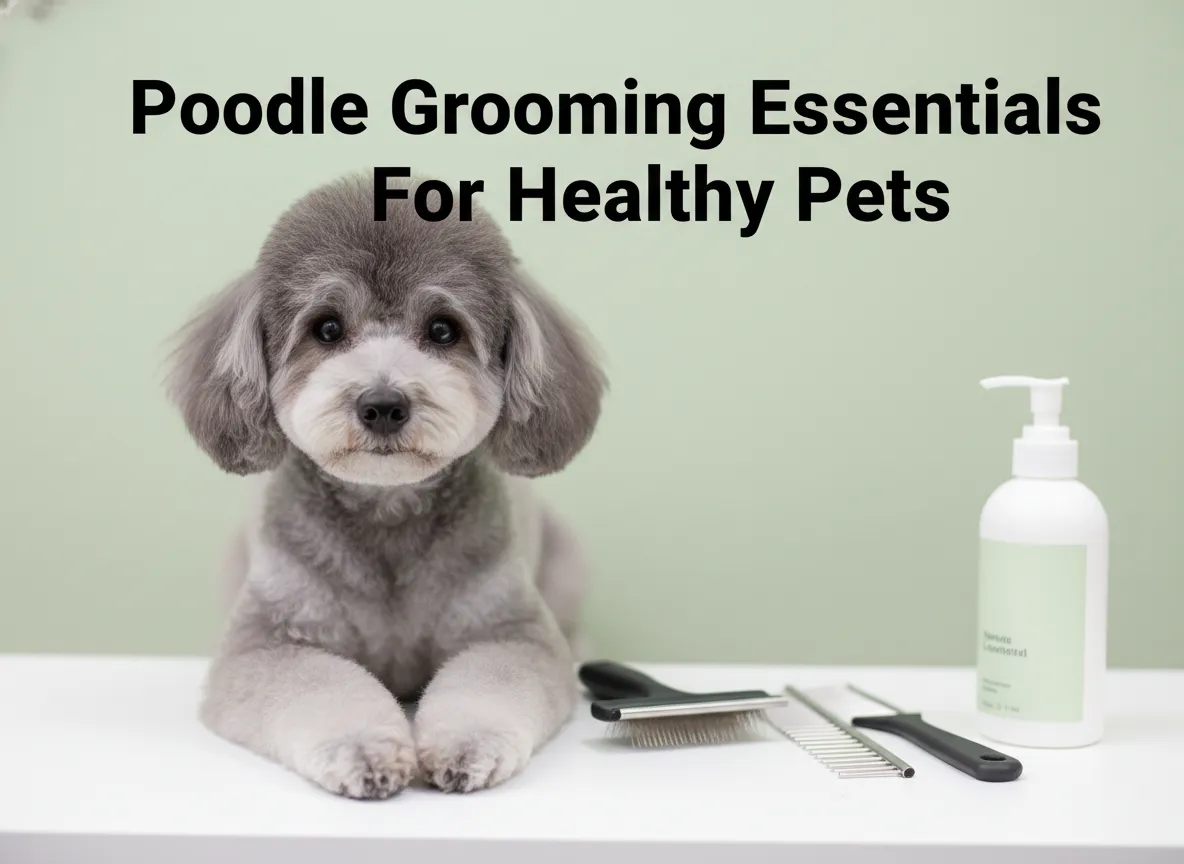
- Proper tools including slicker brushes, pin brushes, and metal combs are essential for effective grooming
Essential Daily and Weekly Grooming Practices
1. Establish a Consistent Brushing Routine 🐩
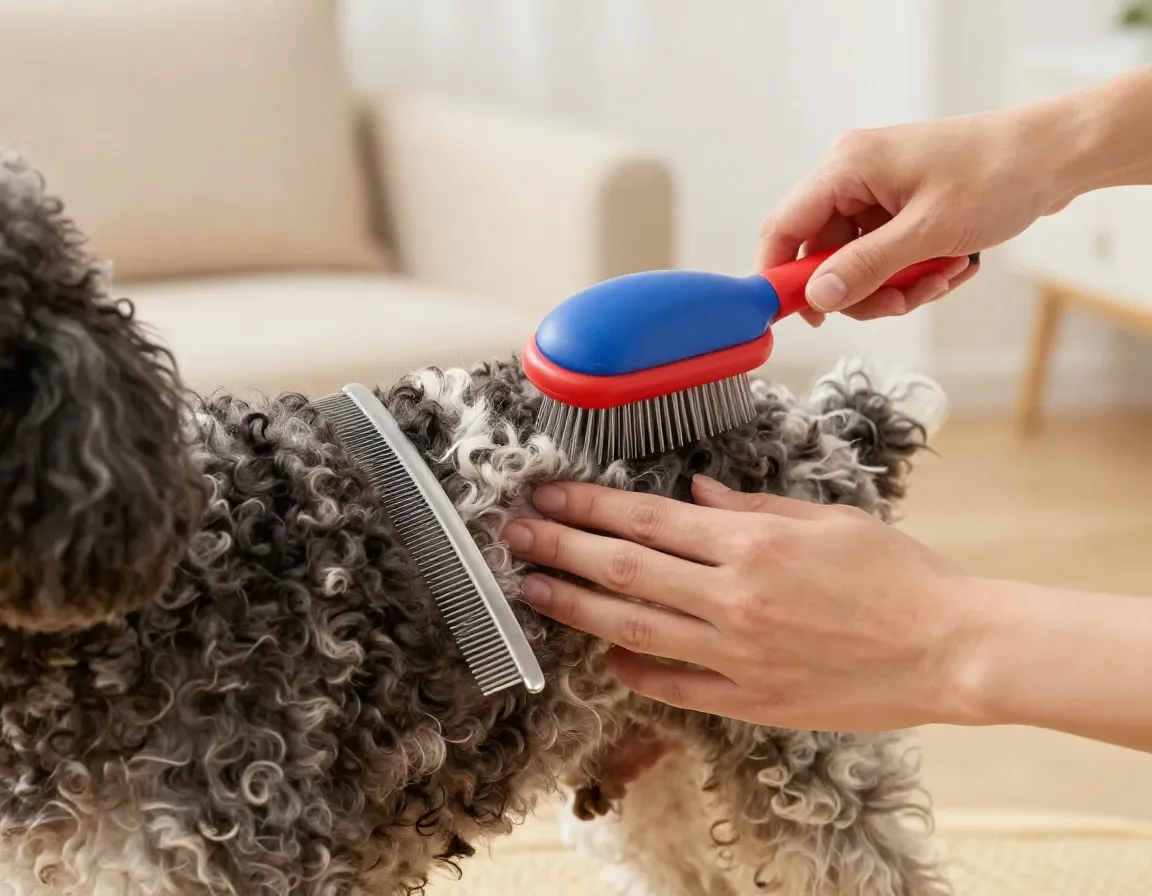
The foundation of proper toy poodle care begins with daily brushing or at minimum, brushing 3-4 times per week [2]. This frequent attention isn’t just about aesthetics—it’s about preventing painful matting that can pull on the skin and create serious health complications.
Toy poodles have soft, curly, wool-like coats that keep growing continuously without heavy shedding [2]. This unique characteristic means loose hair gets trapped within the curls, creating tangles that can quickly escalate into tight mats if left unaddressed.
Best Brushing Practices:
- Start with a slicker brush or pin brush to work through the outer coat layers [1][2]
- Follow up with a metal comb to detect any hidden tangles the brush might have missed [2]
- Work in small sections, brushing from the skin outward
- Be gentle but thorough, especially in sensitive areas
The consequences of skipping regular brushing extend far beyond appearance. Mats can pull on skin, cause pain, trap moisture, and lead to skin infections [2]. Additionally, severe matting can become so tight that professional groomers cannot safely remove it without causing distress to the dog.
2. Focus on High-Risk Matting Areas
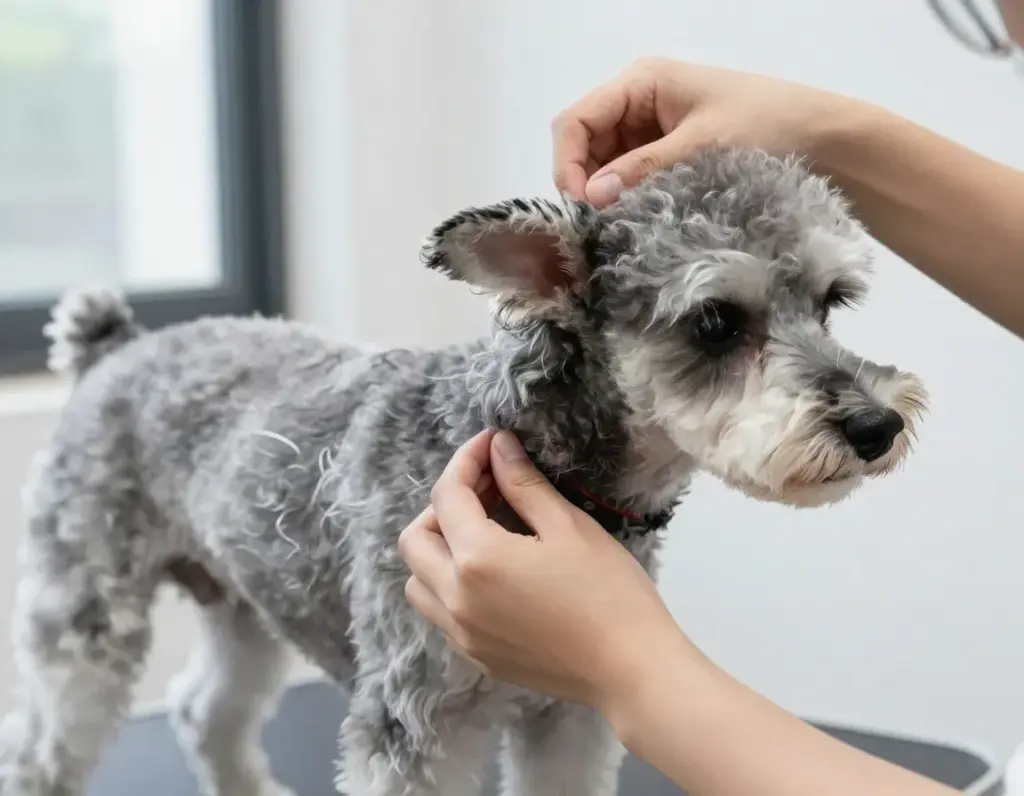
Not all areas of a toy poodle’s coat are equally prone to matting. Experienced groomers know to pay extra attention to areas that mat easily: behind ears, under arms, neck/collar area, legs, tail, and face [2]. These zones experience more friction from movement, collars, and environmental factors.
Weekly Mat Prevention Checklist:
- Behind the ears: Check for small tangles that form from scratching
- Under the arms: Inspect areas where legs meet the body
- Neck and collar area: Look for friction-related matting
- Legs and paws: Examine between toes and around leg joints
- Tail: Check the base and length of the tail
- Face: Gently inspect around the eyes and muzzle
Performing weekly mat checks helps stop small tangles from becoming painful, embedded mats [2]. When checking these areas, use your fingers to gently feel through the coat, identifying any areas that feel tight or knotted.
Professional Grooming and Bathing Guidelines
3. Schedule Regular Professional Grooming Sessions
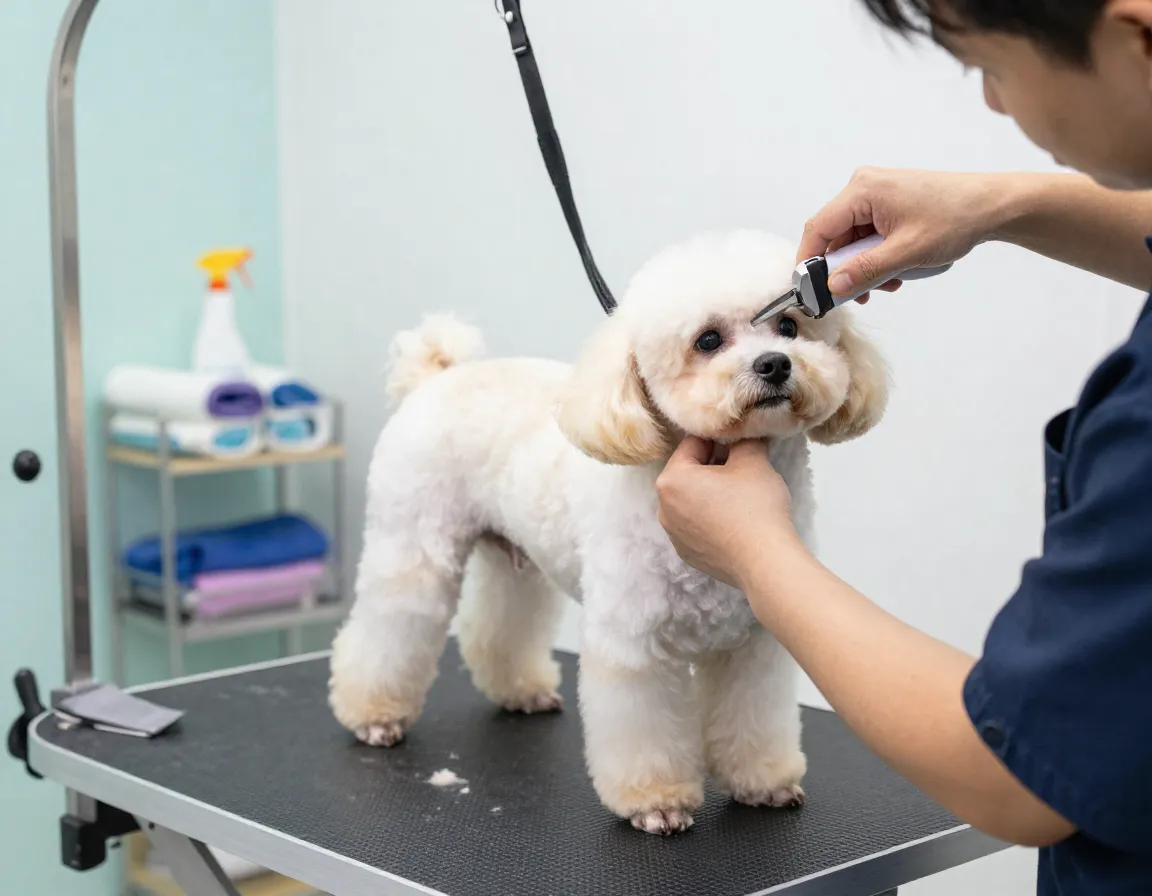
Even with excellent at-home care, toy poodles require professional grooming every 4-6 weeks to keep their coats trimmed and manageable [2][4]. Professional groomers possess specialized tools and expertise that complement home grooming efforts.
During professional sessions, groomers can:
- Trim overgrown areas that are difficult to manage at home
- Remove any developing mats safely and efficiently
- Shape the coat according to breed standards or owner preferences
- Inspect for skin issues that might be hidden beneath the coat
It’s crucial to avoid leaving knots in the coat before professional appointments, as they can get stuck in clippers and create complications during the grooming process [3]. If mats develop between appointments, address them immediately or consult with a professional groomer for advice.
4. Master the Art of Proper Bathing
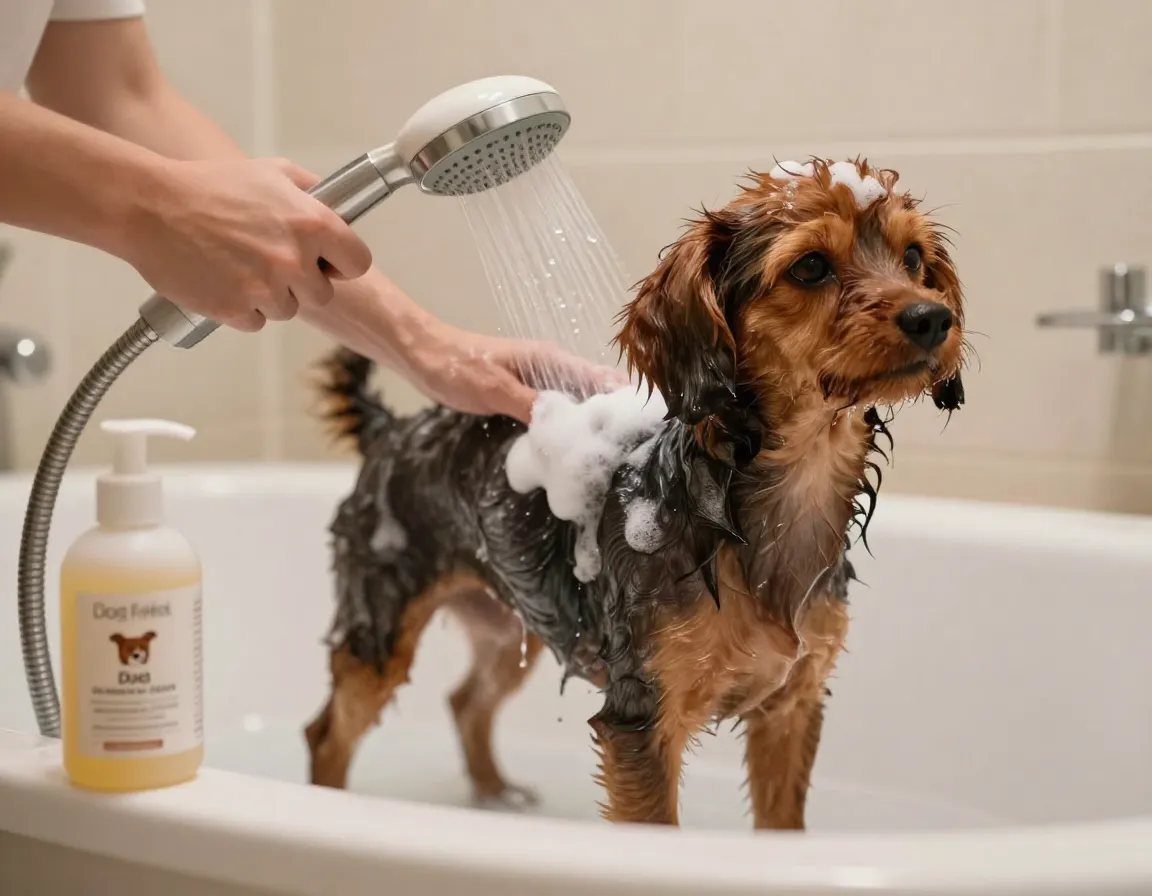
Bathing toy poodles every 3-4 weeks keeps their skin clean and their coat in optimal condition [2]. However, the bathing process involves more than simply getting the dog wet and applying shampoo.
Step-by-Step Bathing Process:
- Pre-bath preparation: Brush thoroughly to remove loose hair and small tangles
- Water temperature: Use lukewarm water that feels comfortable to your wrist
- Gentle wetting: Slowly saturate the coat, working water through the curls
- Shampoo application: Use dog-specific shampoo, massaging gently into the skin
- Thorough rinsing: Ensure all shampoo is completely removed
- Conditioning: Apply dog conditioner to keep the coat soft and manageable
Important Product Considerations:
Always use a dog conditioner specifically formulated for dogs rather than human products [4]. The pH levels in human hair products differ significantly from what dogs need and can cause skin irritation or coat damage. Dog-specific conditioners help keep coats soft, hydrated, and tangle-free [4].
Advanced Grooming Techniques and Tool Selection
5. Choose the Right Grooming Tools for Success
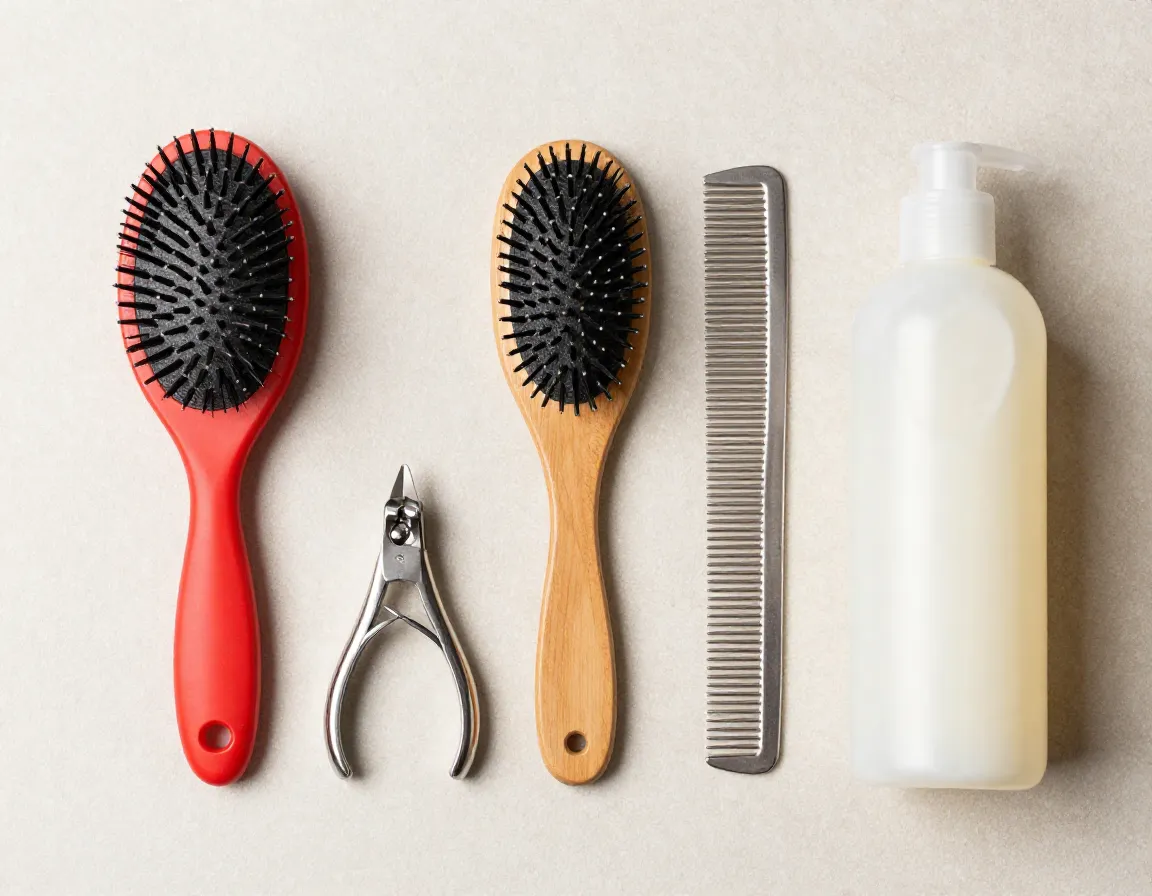
The effectiveness of any grooming routine depends heavily on using appropriate tools designed for toy poodle coat characteristics. Using a slicker brush or pin brush serves as the primary tool for removing dirt and preventing matting [1][2].
Essential Grooming Tool Kit:
| Tool Type | Purpose | Frequency of Use |
|---|---|---|
| Slicker Brush | Remove loose hair, prevent mats | Daily |
| Pin Brush | Gentle detangling, finishing | Daily |
| Metal Comb | Detect hidden tangles | After each brushing |
| Nail Clippers | Maintain proper nail length | Every 3-4 weeks |
| Dog Shampoo | Clean skin and coat | Every 3-4 weeks |
| Dog Conditioner | Soften and protect coat | Every 3-4 weeks |
Slicker brushes feature fine, short wires that effectively work through the dense, curly coat without causing discomfort when used properly. Pin brushes offer a gentler option for sensitive areas and finishing touches. The metal comb serves as a quality control tool, revealing any tangles that brushes might have missed.
6. Maintain Proper Nail Care and Overall Health
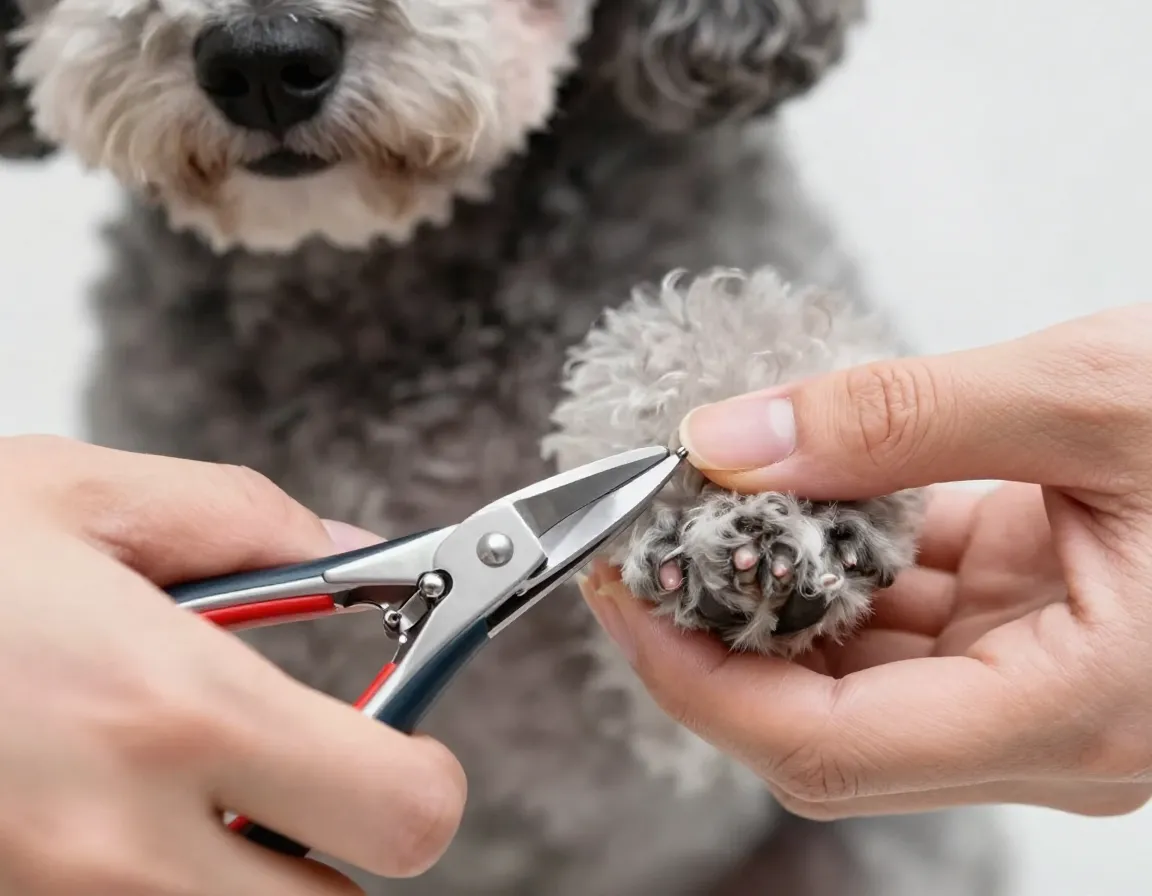
Complete toy poodle grooming extends beyond coat care to include essential health maintenance tasks. Trimming nails every 3-4 weeks using proper dog nail clippers or a grinder prevents overgrowth that can affect the dog’s gait and comfort [1][2].
Nail Trimming Best Practices:
- Use dog nail clippers designed for small breeds
- Trim only the white tip, avoiding the pink quick
- If unsure, trim small amounts frequently rather than cutting too much at once
- Consider professional nail trimming if the dog is anxious or resistant
Additional Health Checks During Grooming:
- Ear inspection: Look for signs of infection, excessive wax, or odor
- Eye area cleaning: Gently remove any discharge or tear stains
- Skin examination: Check for rashes, bumps, or irritation
- Dental health: Observe teeth and gums for any concerning changes
“Regular grooming isn’t just about keeping your toy poodle looking beautiful—it’s about maintaining their health, comfort, and quality of life through consistent, caring attention to their unique needs.”
Creating a Sustainable Grooming Schedule
Implementing these 6 Grooming Tips Every Toy Poodle Dog Owner Needs requires developing a realistic, sustainable routine that fits into daily life while meeting the dog’s needs.
Sample Weekly Grooming Schedule:
Daily (5-10 minutes):
- Quick brush-through with slicker brush
- Check face and eye area
- Brief overall inspection
Every 3-4 Days (15-20 minutes):
- Thorough brushing session
- Metal comb check for tangles
- Focus on high-risk matting areas
Weekly (30 minutes):
- Complete mat inspection
- Nail length assessment
- Ear and dental check
Every 3-4 Weeks:
- Full bathing session
- Nail trimming
- Professional grooming appointment scheduling
Every 4-6 Weeks:
- Professional grooming session
- Coat trimming and shaping
- Professional health assessment
Troubleshooting Common Grooming Challenges
Even with consistent care, toy poodle owners may encounter specific grooming challenges that require targeted solutions.
Challenge: Matting Despite Regular Brushing
- Solution: Increase brushing frequency and ensure you’re reaching the skin level
- Prevention: Use a metal comb after each brushing session to catch missed tangles
Challenge: Resistance to Grooming
- Solution: Start with short, positive sessions and gradually increase duration
- Prevention: Associate grooming with treats and praise to create positive experiences
Challenge: Skin Irritation After Bathing
- Solution: Ensure complete rinsing and switch to hypoallergenic dog products
- Prevention: Test new products on a small area first
Challenge: Nail Trimming Anxiety
- Solution: Practice handling paws regularly and trim very small amounts frequently
- Prevention: Start nail handling exercises when the dog is young
Seasonal Grooming Considerations
Toy poodle grooming needs may vary slightly with seasonal changes, requiring adjustments to the basic routine.
Summer Considerations:
- More frequent bathing may be needed due to increased outdoor activity
- Consider shorter coat trims to help with cooling
- Pay extra attention to paw cleaning after walks on hot pavement
Winter Considerations:
- Longer coat lengths can provide additional warmth
- Increase moisturizing to combat dry indoor air
- Clean and dry paws thoroughly after exposure to salt and ice
Year-Round Priorities:
- Maintain consistent brushing regardless of season
- Adjust bathing frequency based on activity level and coat condition
- Monitor skin health for seasonal allergies or sensitivities
Conclusion
Mastering these 6 Grooming Tips Every Toy Poodle Dog Owner Needs transforms what might seem like an overwhelming responsibility into a manageable, rewarding routine that strengthens the bond between owner and pet. The unique characteristics of toy poodle coats—their continuous growth, minimal shedding, and tendency to mat—require dedicated attention, but the investment pays dividends in the form of a healthy, comfortable, and beautiful companion.
The key to success lies in consistency rather than perfection. Daily brushing, weekly mat checks, regular professional grooming, proper bathing techniques, appropriate tool selection, and comprehensive health maintenance create a framework that prevents problems before they develop into serious issues.
Immediate Action Steps:
- Assess your current grooming toolkit and acquire any missing essential tools
- Establish a daily 5-10 minute brushing routine starting today
- Schedule your next professional grooming appointment if it’s been more than 6 weeks
- Create a weekly grooming calendar to track brushing, bathing, and health checks
- Research local professional groomers experienced with poodle coat care
Remember that every toy poodle is unique, and what works perfectly for one dog might need adjustment for another. Pay attention to your pet’s individual needs, skin sensitivity, and coat characteristics. When in doubt, consult with professional groomers or veterinarians who can provide personalized guidance.
The time and effort invested in proper grooming practices will be rewarded with a happier, healthier toy poodle who feels comfortable in their own skin and coat. These grooming sessions also provide valuable opportunities to monitor overall health, catch potential issues early, and strengthen the trusting relationship that makes pet ownership so rewarding.
By implementing these evidence-based grooming strategies consistently, toy poodle owners can ensure their beloved companions enjoy optimal coat health, comfort, and quality of life throughout their years together.
References
[1] Toy Poodle Pups Grooming Care Tips – https://healthyactivepet.com/blogs/pet-health-and-nutrition-4/toy-poodle-pups-grooming-care-tips
[2] Toy Poodle Grooming Basics – https://petageinhumanyearscalculator.com/blog/toy-poodle-grooming-basics/
[3] Poodle Grooming 15 Tips For Grooming Your Poodle – https://www.daysmart.com/pet/blog/poodle-grooming-15-tips-for-grooming-your-poodle/
[4] Essential Poodle Grooming Guide Keep Your Pup Picture Perfect – https://smoochie-pooch.com/essential-poodle-grooming-guide-keep-your-pup-picture-perfect/