
7 Health Checks Every Cavalier King Charles Spaniels Owner Should Schedule
When Sarah brought home her adorable Cavalier King Charles Spaniel puppy, she thought regular vaccinations would be enough to keep her furry companion healthy. Two years later, a routine vet visit revealed an early heart murmur—a wake-up call that changed everything. This beautiful breed, beloved for their gentle temperament and expressive eyes, faces unique health challenges that require proactive screening and specialized care.
Disclosure: This post contains affiliate links. As an Amazon Associate, we earn from qualifying purchases, and at no extra cost to you.
The 7 health checks every Cavalier King Charles Spaniels owner should schedule represent a comprehensive approach to preventive veterinary care specifically designed for this breed’s genetic predispositions. These essential screenings can mean the difference between catching serious conditions early and facing devastating health crises later.
Key Takeaways
- Heart screening by a board-certified cardiologist is mandatory for breeding dogs and recommended for all Cavaliers due to their high risk of mitral valve disease
- Annual eye examinations help detect progressive conditions like glaucoma and retinal problems that can lead to blindness
- MRI screening for syringomyelia identifies painful neurological conditions unique to toy breeds with skull malformations
- DNA testing provides valuable insights into genetic carrier status for multiple hereditary conditions
- Early detection through regular health checks significantly improves treatment outcomes and quality of life for affected dogs
Understanding Cavalier King Charles Spaniel Health Risks
Cavalier King Charles Spaniels face a higher risk of inherited health conditions compared to many other breeds. Research from 2026 continues to reveal new findings about retinal dysplasia and ongoing mitral valve disease studies, highlighting the importance of staying current with health screening recommendations [8].
The breed’s genetic makeup predisposes them to several serious conditions including heart disease, neurological disorders, eye problems, and joint issues. Health testing does not guarantee lifelong health—while tests identify genetic conditions and reduce disease risk, they cannot prevent all inherited diseases from manifesting later in life [4].
However, proactive health screening provides several critical benefits:
- Early detection allows for prompt treatment intervention
- Breeding decisions can be made based on genetic health status
- Lifestyle modifications can slow disease progression
- Financial planning helps owners prepare for potential medical costs
- Peace of mind comes from knowing your dog’s health status
Essential Health Screenings for Your Cavalier
1. Cardiac Evaluation and Heart Murmur Screening
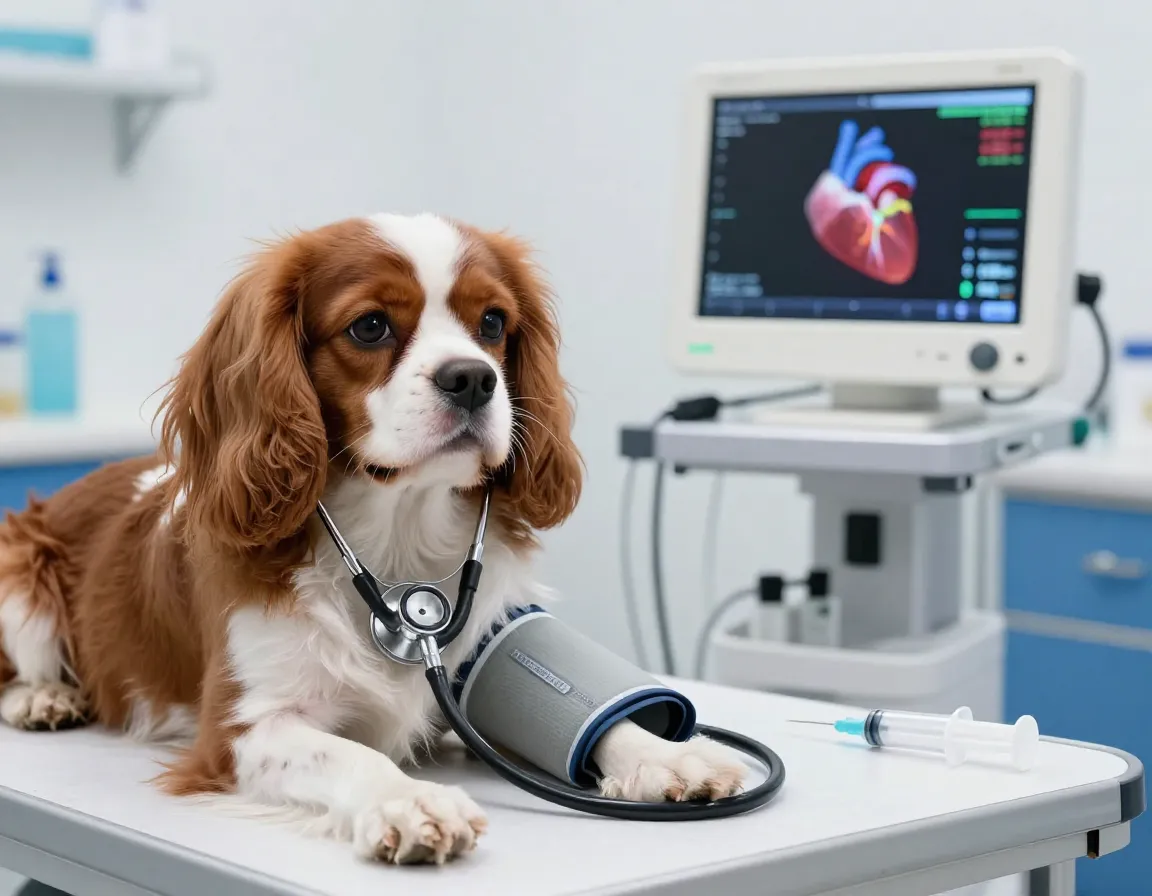
Heart disease represents the most significant health threat to Cavalier King Charles Spaniels, with mitral valve disease (MVD) affecting the majority of the breed by middle age. This genetic condition causes the heart’s mitral valve to deteriorate, leading to blood backflow and eventual heart failure.
Annual heart murmur exams are required for all cavaliers past puppyhood to screen for mitral valve disease, which is the breed’s most prevalent genetic condition [1]. These examinations should include:
Basic Heart Screening Components:
- Thorough cardiac auscultation by a licensed veterinarian
- Blood pressure measurement
- Assessment of heart rate and rhythm
- Evaluation of exercise tolerance
- Documentation of any detected murmurs
Advanced Cardiac Testing:
For breeding dogs or those with detected abnormalities, heart screening must be conducted by a board-certified veterinary cardiologist at a minimum age of 2.5 years, with repeated screening every two years for breeding dogs [2][3]. Advanced testing includes:
- Echocardiography to visualize heart structure
- Doppler studies to assess blood flow
- ECG to evaluate electrical activity
- Chest x-rays to check heart size
Health clinics typically charge discounted fees ($45 for heart auscultation) compared to standard veterinary rates [1], making regular screening more accessible for owners.
2. Comprehensive Eye Examination
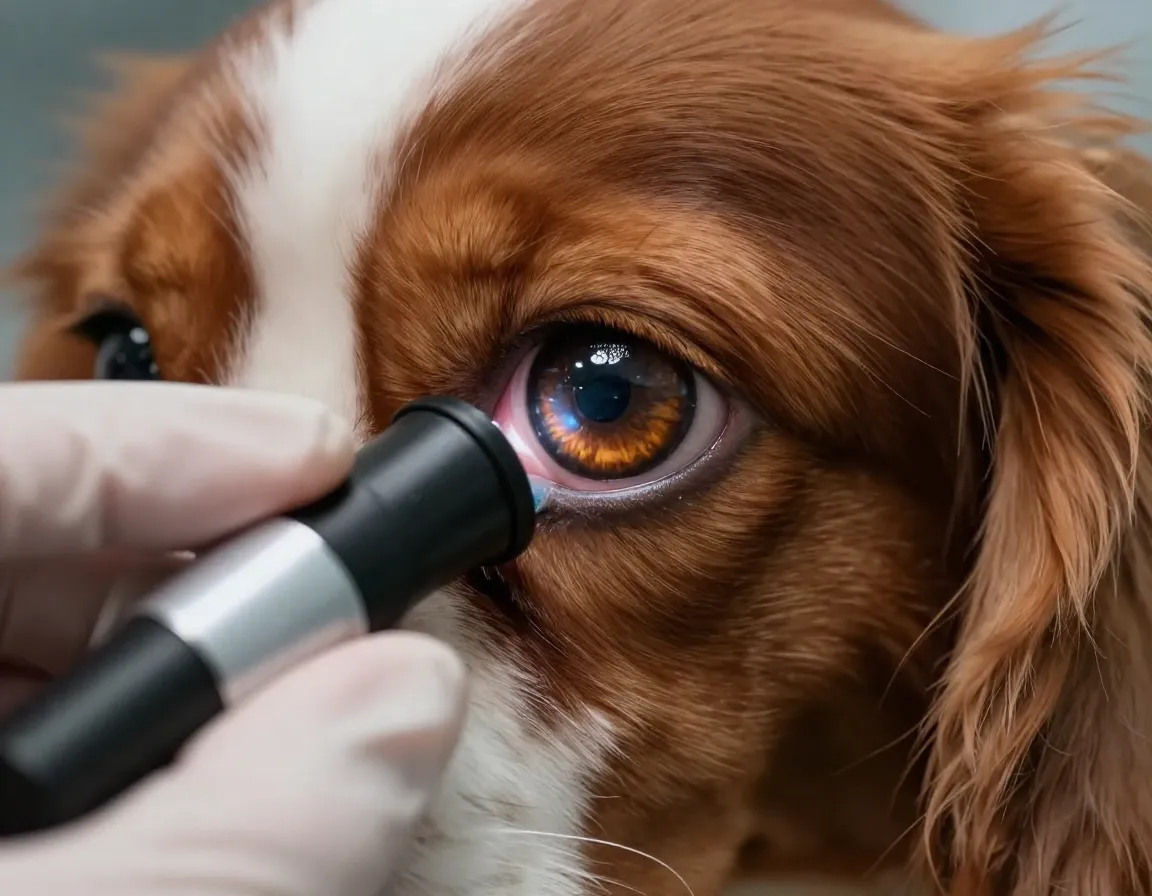
Cavalier King Charles Spaniels face multiple hereditary eye conditions that can severely impact their quality of life. Eye exams under the BVA/KC/ISDS Eye Scheme should be conducted within 12 months prior to breeding, with gonioscopy testing repeated every 3 years due to the progressive nature of glaucoma predisposition [3].
Primary Eye Conditions to Screen For:
Glaucoma and Pectinate Ligament Abnormality:
- Increased intraocular pressure
- Progressive vision loss
- Painful eye condition requiring immediate treatment
- Gonioscopy reveals drainage angle abnormalities
Retinal Problems:
- January 2026 research updates include new findings on retinal dysplasia (inner retinal plaques in blood vessels) [8]
- Progressive retinal atrophy
- Retinal detachment
- Night blindness development
Other Eye Conditions:
- Cataracts affecting lens clarity
- Corneal dystrophy causing vision impairment
- Dry eye syndrome
- Cherry eye requiring surgical correction
Examination Schedule:
- Annual comprehensive eye exams for all dogs
- Gonioscopy every three years for glaucoma screening
- Immediate evaluation for any vision changes
- Pre-breeding clearances for reproductive dogs
3. Orthopedic Assessments for Joint Health
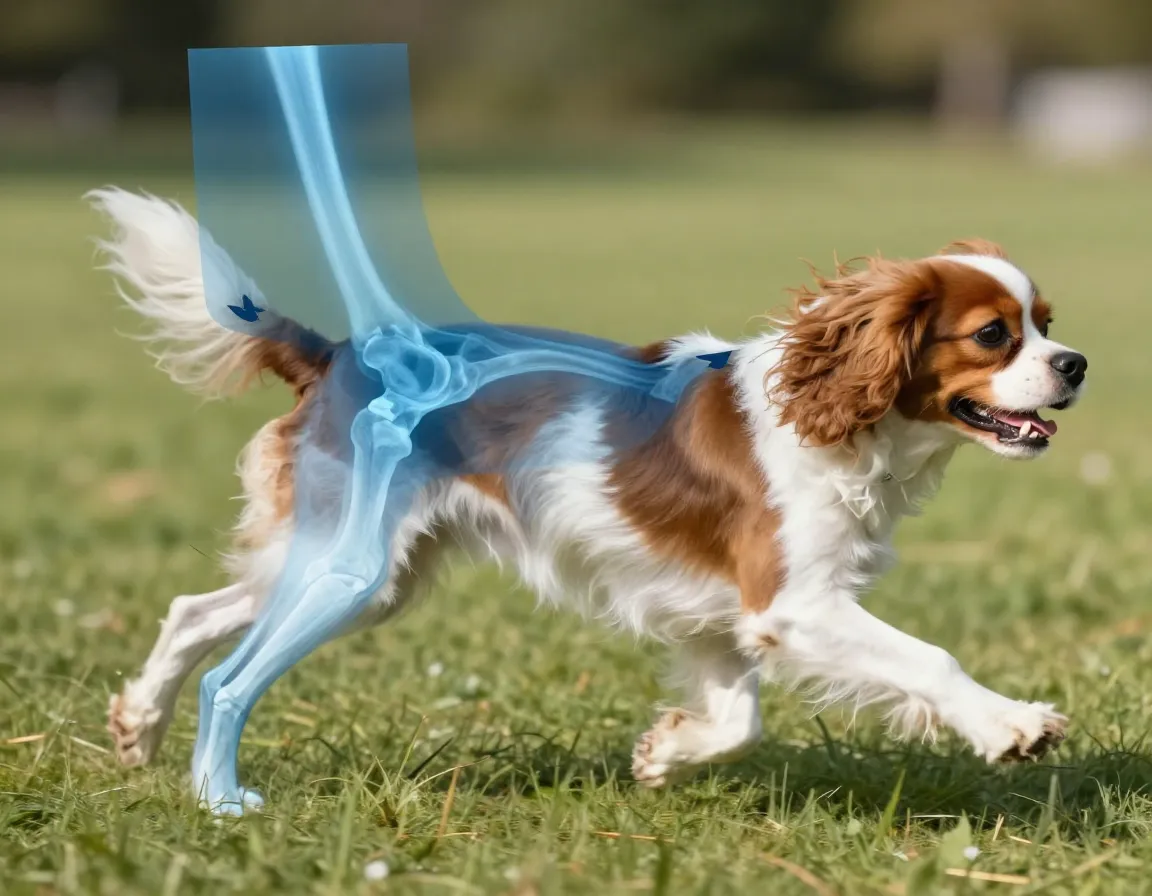
Joint problems significantly impact mobility and comfort in Cavalier King Charles Spaniels. Two primary orthopedic screenings help identify potential issues before they cause pain or lameness.
Hip Dysplasia Screening:
Hip dysplasia screening via OFA x-rays is a standard requirement, with testing clinics offering this service for $325.00 as of April 2026 [1]. This condition involves malformation of the hip socket, leading to:
- Progressive arthritis development
- Pain during movement
- Reduced activity levels
- Potential need for surgical intervention
Patella Luxation Evaluation:
Patella luxation evaluations by a licensed veterinarian are recommended to identify joint abnormalities before breeding [2]. This condition involves kneecap dislocation and can cause:
- Intermittent lameness
- Difficulty jumping or climbing stairs
- Progressive joint damage
- Chronic pain without treatment
Orthopedic Screening Protocol:
- Hip x-rays at 24 months minimum age
- Annual patella examinations during routine visits
- Gait analysis for movement abnormalities
- Joint palpation for pain or instability
- Range of motion assessments
4. MRI Screening for Syringomyelia and Chiari-like Malformation
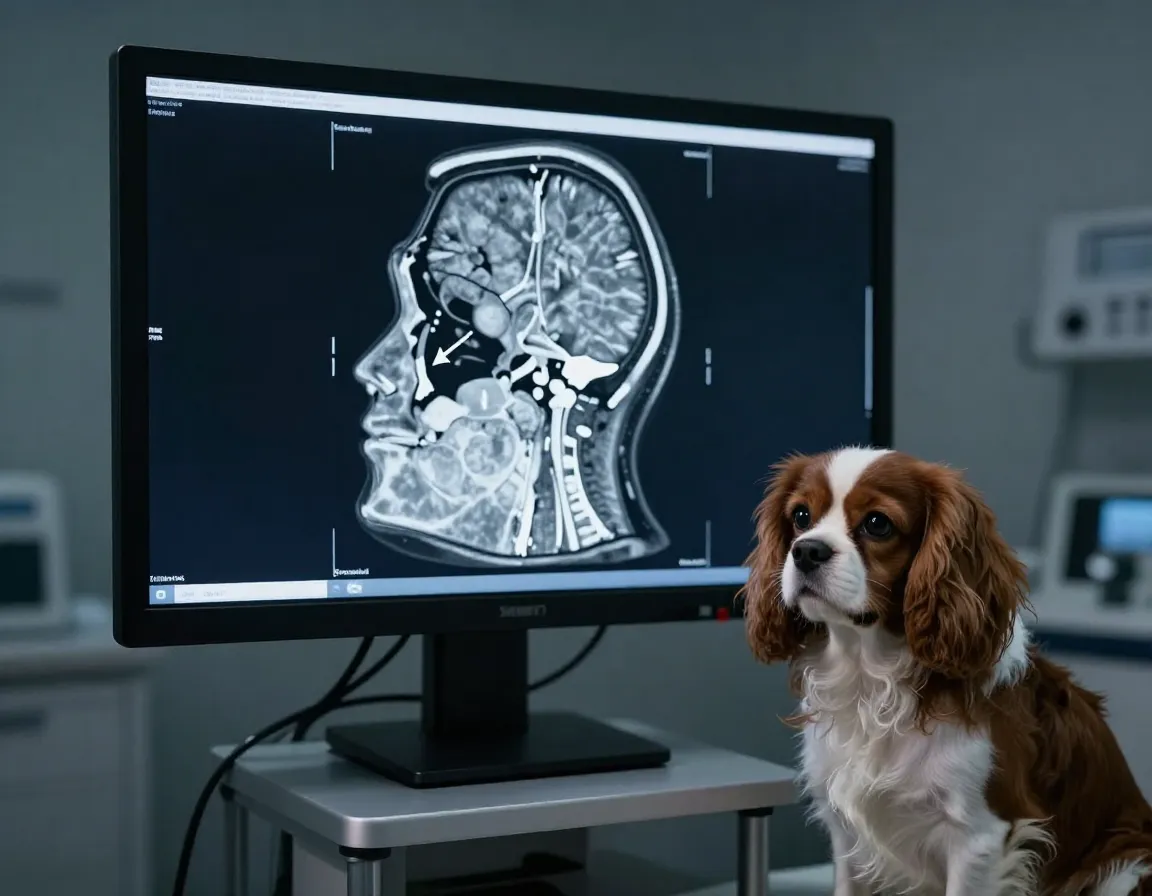
One of the most serious conditions affecting Cavalier King Charles Spaniels involves neurological problems related to skull malformation. MRI screening for Chiari-like malformation/syringomyelia (CM/SM) is recommended at ages one year, three to five years, and over five years, though not universally required by all breed clubs [3].
Understanding CM/SM:
- Chiari-like malformation: Skull too small for the brain
- Syringomyelia: Fluid-filled cavities in the spinal cord
- Causes severe pain and neurological symptoms
- Progressive condition requiring ongoing management
Clinical Signs to Watch For:
- Scratching at the neck or ears without contact
- Sensitivity to touch around the head and neck
- Balance problems or coordination issues
- Reluctance to jump or climb stairs
- Crying out during normal activities
- Changes in personality or behavior
MRI Screening Schedule:
- Initial screening at 12 months of age
- Follow-up screening between 3-5 years
- Additional screening after 5 years of age
- Immediate imaging for symptomatic dogs
5. Genetic DNA Testing Panel
DNA testing is increasingly used to identify carriers and affected dogs for genetic conditions including Mitral Valve Disease (MVD), Syringomyelia (SM), and episodic falling syndrome [4]. Modern genetic testing provides valuable information about inherited disease risk.
Available Genetic Tests:
Cardiac Genetic Markers:
- MVD genetic risk assessment
- Cardiac rhythm disorder screening
- Congenital heart defect markers
Neurological Condition Testing:
- Syringomyelia genetic predisposition
- Episodic falling syndrome
- Muscular dystrophy carriers
- Neuronal ceroid lipofuscinosis
Other Genetic Conditions:
- Coat color genetics
- Drug sensitivity markers
- Immune system disorders
- Metabolic condition screening
Benefits of Genetic Testing:
- Informed breeding decisions
- Early intervention planning
- Lifestyle modification guidance
- Family health history documentation
- Veterinary care customization
6. Thyroid Function Assessment
Thyroid testing is included in some health clinic offerings as part of comprehensive screening [1]. Thyroid disorders can significantly impact metabolism, energy levels, and overall health in Cavalier King Charles Spaniels.
Thyroid-Related Symptoms:
- Unexplained weight gain or loss
- Changes in coat quality or hair loss
- Lethargy or hyperactivity
- Temperature regulation problems
- Behavioral changes or aggression
- Reproductive issues
Thyroid Testing Components:
- Total T4 (thyroxine) levels
- Free T4 measurement
- TSH (thyroid-stimulating hormone)
- T3 (triiodothyronine) assessment
- Thyroglobulin autoantibodies
Testing Schedule:
- Baseline testing at 2-3 years of age
- Annual monitoring for affected dogs
- Pre-breeding thyroid clearances
- Testing when symptoms develop
7. Routine Blood Work and Wellness Panels
Comprehensive blood work provides essential baseline information about organ function and helps detect systemic diseases before clinical symptoms appear.
Complete Blood Count (CBC):
- Red blood cell evaluation
- White blood cell assessment
- Platelet count and function
- Signs of infection or inflammation
- Blood clotting ability
Chemistry Panel Components:
- Liver enzyme levels
- Kidney function markers
- Blood sugar regulation
- Protein levels
- Electrolyte balance
- Cholesterol and triglycerides
Additional Wellness Tests:
- Urinalysis for kidney and bladder health
- Fecal examination for parasites
- Heartworm and tick-borne disease testing
- Vaccination titer levels
Creating Your Cavalier’s Health Screening Schedule
Developing a systematic approach to the 7 health checks every Cavalier King Charles Spaniels owner should schedule ensures nothing falls through the cracks. Work with your veterinarian to create a personalized timeline based on your dog’s age, health status, and risk factors.
Puppy to Young Adult (8 weeks – 2 years):
- Monthly wellness visits during puppyhood
- Initial eye examination at 6-8 weeks
- Heart murmur screening at every visit
- First MRI screening at 12 months
- Baseline blood work at 6 months
- Hip x-rays at 24 months
Adult Dogs (2-7 years):
- Annual comprehensive examinations
- Yearly heart and eye screenings
- MRI follow-up between 3-5 years
- Genetic testing completion
- Thyroid function assessment
- Orthopedic evaluations as needed
Senior Dogs (7+ years):
- Bi-annual health examinations
- Increased cardiac monitoring
- Senior blood work panels
- Pain assessment and management
- Quality of life evaluations
- Palliative care planning
Working with Veterinary Specialists
The CKCSC-USA recommends health clearances be provided to both stud dog and brood bitch owners at the time of breeding [2]. This emphasizes the importance of working with qualified veterinary specialists for accurate health assessments.
Board-Certified Specialists:
- Veterinary cardiologists for advanced heart screening
- Veterinary ophthalmologists for comprehensive eye exams
- Veterinary radiologists for MRI interpretation
- Veterinary neurologists for CM/SM evaluation
- Veterinary geneticists for DNA test interpretation
Questions to Ask Your Veterinarian:
- Which health tests are most important for my dog’s age and condition?
- How often should each screening be repeated?
- What are the early warning signs I should watch for?
- Which specialists do you recommend in our area?
- How can we make health screening more affordable?
Understanding Health Test Results
Health screening results require proper interpretation to make informed decisions about your Cavalier’s care. Health testing does not guarantee lifelong health, but provides valuable information for management decisions [4].
Heart Screening Results:
- Grade 1-2 murmurs: May be innocent or early disease
- Grade 3-4 murmurs: Likely indicate significant valve disease
- Grade 5-6 murmurs: Severe heart disease requiring immediate attention
- Echocardiogram findings: Detailed structural assessment
Eye Examination Outcomes:
- Clear: No abnormalities detected at time of exam
- Affected: Disease present requiring treatment
- Carrier: May pass condition to offspring
- At risk: Predisposed to developing condition
Genetic Test Interpretations:
- Normal/Clear: Two normal gene copies
- Carrier: One normal, one abnormal gene copy
- Affected: Two abnormal gene copies
- Inconclusive: Additional testing may be needed
Cost Considerations and Financial Planning
Health screening represents a significant investment in your Cavalier’s long-term wellbeing. Understanding costs helps with budgeting and decision-making about which tests to prioritize.
Typical Health Screening Costs:
- Basic heart auscultation: $45 (clinic rate) [1]
- Hip dysplasia x-rays: $325 (clinic rate) [1]
- Comprehensive eye exam: $150-300
- MRI screening: $1,500-3,000
- Genetic testing panel: $200-500
- Complete blood work: $150-250
Cost-Saving Strategies:
- Attend breed-specific health clinics for discounted rates
- Bundle multiple tests during single appointments
- Investigate pet insurance coverage for genetic conditions
- Join breed clubs offering member discounts
- Plan screening schedule to spread costs over time
Red Flags: When to Seek Immediate Veterinary Care
While scheduled health checks form the foundation of preventive care, certain symptoms require immediate veterinary attention regardless of your screening timeline.
Cardiac Emergency Signs:
- Difficulty breathing or rapid breathing
- Blue or pale gums
- Collapse or fainting episodes
- Severe exercise intolerance
- Persistent coughing, especially at night
Neurological Warning Signs:
- Seizures or convulsions
- Loss of coordination or balance
- Severe neck or head pain
- Sudden behavior changes
- Weakness or paralysis
Eye Emergency Symptoms:
- Sudden vision loss
- Cloudy or red eyes
- Excessive tearing or discharge
- Pawing at eyes
- Obvious pain or squinting
Conclusion
The 7 health checks every Cavalier King Charles Spaniels owner should schedule provide a comprehensive framework for maintaining your beloved companion’s health throughout their lifetime. From cardiac screening and eye examinations to MRI testing and genetic analysis, each component plays a vital role in early detection and prevention of serious health conditions.
Remember that health testing does not guarantee lifelong health, but it significantly improves your ability to provide appropriate care and make informed decisions about treatment options [4]. The investment in preventive screening often pays dividends in terms of your dog’s quality of life and longevity.
Take action today by scheduling a consultation with your veterinarian to discuss which health screenings are most appropriate for your Cavalier’s current age and condition. Create a personalized health monitoring schedule that fits your budget and ensures nothing important is overlooked.
Your next steps:
- Contact your veterinarian to discuss your Cavalier’s health screening needs
- Research board-certified specialists in your area for advanced testing
- Investigate breed-specific health clinics for cost-effective screening options
- Join Cavalier King Charles Spaniel breed organizations for ongoing health education
- Maintain detailed health records to track your dog’s screening history
By prioritizing these essential health checks, you’re giving your Cavalier King Charles Spaniel the best possible chance for a long, healthy, and happy life filled with the joy and companionship this wonderful breed is known for.
References
[1] Health Clinics – https://www.cavalierhealth.org/health_clinics.htm
[2] Testing Guide – https://ckcsc.org/testing-guide
[3] The Royal Kennel Club Health Standard – https://www.royalkennelclub.com/about-us/about-the-rkc/what-we-do/the-royal-kennel-club-rules-regulations-and-codes/the-royal-kennel-club-health-standard/
[4] Cavalier Health – https://www.royalflushcavaliers.com/cavalier-health.html
[8] cavalierhealth – https://cavalierhealth.org