6 Reasons Your Ball Python Curls Into a Ball (And When to Worry)
Picture this: you walk over to check on your beloved ball python, only to find them tightly coiled into a perfect sphere, head tucked securely inside. While this behavior might seem alarming to new snake owners, understanding the 6 reasons your ball python curls into a ball (and when to worry) is essential for providing proper care and recognizing potential health concerns.
Disclosure: This post contains affiliate links. As an Amazon Associate, we earn from qualifying purchases, and at no extra cost to you.
Ball pythons earned their name precisely because of this distinctive defensive behavior. However, not all curling is created equal – some instances represent natural, healthy responses, while others may signal underlying problems that require immediate attention.
Key Takeaways
- Natural defense mechanism: Ball pythons curl into balls as an instinctive protective response to perceived threats or stress
- Temperature regulation: Curling helps pythons conserve body heat when temperatures drop below optimal ranges
- Normal vs. concerning: Occasional curling is natural, but persistent balling accompanied by other symptoms may indicate health issues
- Environmental factors: Poor habitat conditions, incorrect humidity, and inadequate hiding spots often trigger excessive curling behavior
- When to seek help: Contact a reptile veterinarian if curling persists for days, occurs with appetite loss, or includes other concerning symptoms
Understanding Ball Python Behavior: The Science Behind the Curl
Ball pythons (Python regius) have evolved this remarkable defensive strategy over thousands of years. When threatened, these snakes can transform themselves into an almost impenetrable sphere, protecting their vulnerable head and vital organs within the coils of their muscular body.
This behavior serves multiple purposes beyond simple protection. The tight coiling position helps conserve body heat, reduces surface area exposed to potential threats, and creates a psychological barrier that often deters predators in the wild.
Understanding when this behavior is normal versus problematic requires careful observation of your python’s overall health, environmental conditions, and behavioral patterns.
1. Natural Defensive Response to Perceived Threats
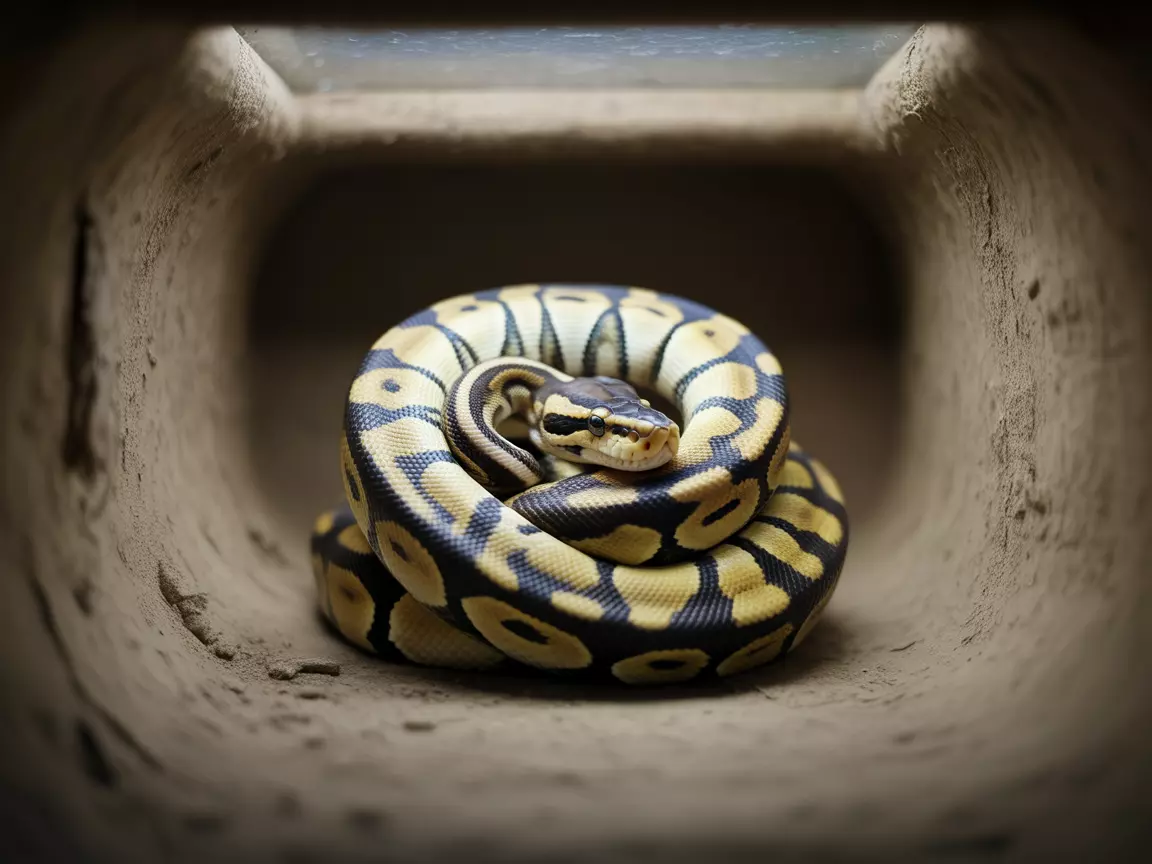
The most common reason ball pythons curl into balls is their innate defensive mechanism. This behavior represents millions of years of evolutionary programming designed to protect them from predators in their native West African habitat.
What Triggers the Defensive Response
Several factors can activate this natural defense mechanism:
- Sudden movements near the enclosure
- Loud noises or vibrations
- Unfamiliar scents or people
- Handling attempts when the snake feels vulnerable
- Bright lights or sudden illumination changes
Normal vs. Excessive Defensive Behavior
Normal defensive curling typically includes:
- ✅ Brief episodes lasting minutes to a few hours
- ✅ Relaxation once the perceived threat disappears
- ✅ Normal feeding and activity patterns between episodes
- ✅ Responsive to gentle, patient handling techniques
Concerning defensive behavior may involve:
- ❌ Remaining balled up for multiple days
- ❌ Refusing to uncurl even in quiet, secure conditions
- ❌ Aggressive striking when approached
- ❌ Complete loss of appetite for extended periods
Managing Defensive Responses
To minimize stress-induced curling:
Environmental Management:
- Maintain consistent daily routines
- Avoid sudden movements near the enclosure
- Provide adequate hiding spots
- Keep noise levels low in the snake room
Handling Techniques:
- Move slowly and deliberately
- Allow the snake to uncurl naturally
- Support the body properly during handling
- Limit handling sessions to 10-15 minutes
2. Temperature Regulation and Thermoregulation Needs
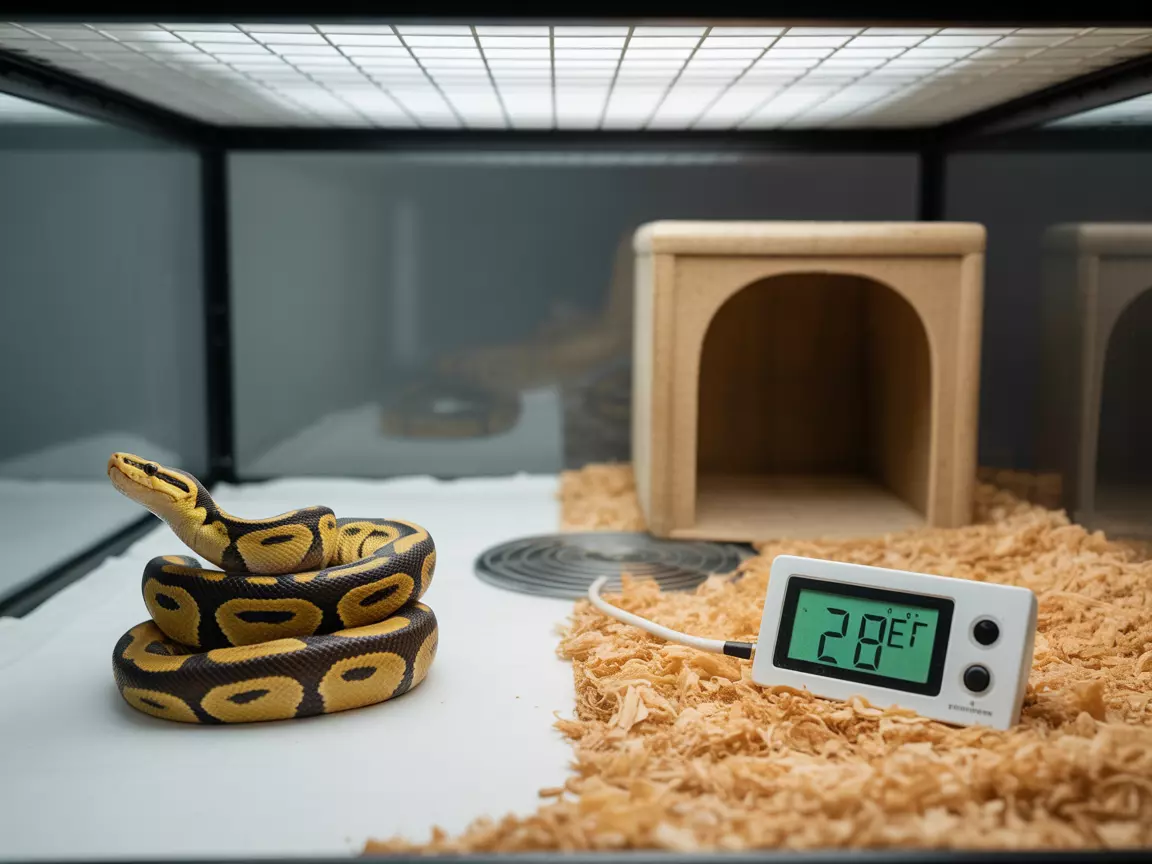
Ball pythons are ectothermic creatures, meaning they rely on external heat sources to regulate their body temperature. Curling into a tight ball significantly reduces their surface area, helping conserve precious body heat when temperatures drop.
Optimal Temperature Requirements
Ball pythons require specific temperature gradients for proper health:
| Zone | Temperature Range | Purpose |
|---|---|---|
| Warm Side | 88-92°F (31-33°C) | Digestion, activity |
| Cool Side | 78-80°F (26-27°C) | Thermoregulation |
| Basking Spot | 90-95°F (32-35°C) | Heat absorption |
| Nighttime | 75-80°F (24-27°C) | Rest period |
Signs of Temperature-Related Curling
When ball pythons curl due to temperature issues, you may notice:
- Tight coiling on the cool side of the enclosure
- Seeking out the warmest available spots
- Reduced activity and appetite
- Prolonged periods in hiding spots
- Difficulty digesting food properly
Creating Proper Thermal Gradients
Heating Equipment:
- Under-tank heaters (UTH) for primary heat
- Ceramic heat emitters for ambient temperature
- Radiant heat panels for overhead warming
- Digital thermostats for precise control
Monitoring Tools:
- Digital thermometers with probes
- Infrared temperature guns
- Data logging thermometers for 24/7 monitoring
💡 Pro Tip: Use multiple temperature monitoring devices to ensure accuracy. A single thermometer can fail, potentially endangering your python’s health.
3. Stress Response to Environmental Factors
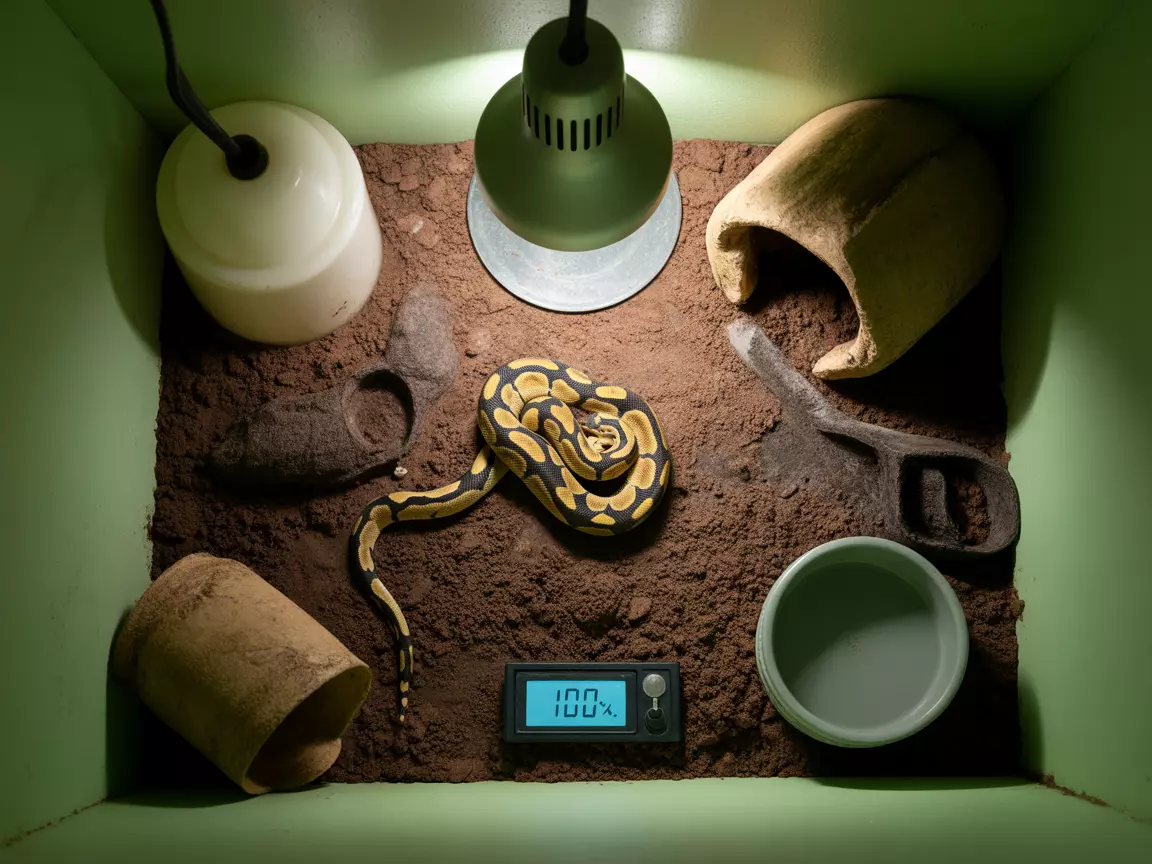
Environmental stressors represent one of the most significant causes of excessive curling behavior in captive ball pythons. These sensitive reptiles react strongly to suboptimal conditions in their habitat.
Common Environmental Stressors
Humidity Issues:
- Levels below 50% or above 70%
- Rapid humidity fluctuations
- Poor ventilation causing stagnant air
- Inadequate water sources
Lighting Problems:
- Excessive bright lighting
- Lack of day/night cycles
- UV lighting (unnecessary for ball pythons)
- Light sources that generate excessive heat
Substrate Concerns:
- Inappropriate bedding materials
- Dusty or aromatic substrates
- Insufficient substrate depth
- Wet or moldy bedding
Creating a Stress-Free Environment
Humidity Management:
- Maintain 55-65% relative humidity
- Use large water bowls for passive humidity
- Mist enclosures lightly if needed
- Monitor with digital hygrometers
Proper Enclosure Setup:
- Provide hiding spots on both warm and cool sides
- Use appropriately sized enclosures (not too large)
- Ensure secure, escape-proof construction
- Maintain consistent environmental conditions
Substrate Selection:
- Aspen shavings (excellent choice)
- Cypress mulch (holds humidity well)
- Paper towels (easy to clean)
- Avoid cedar, pine, or aromatic woods
4. Illness or Health-Related Issues
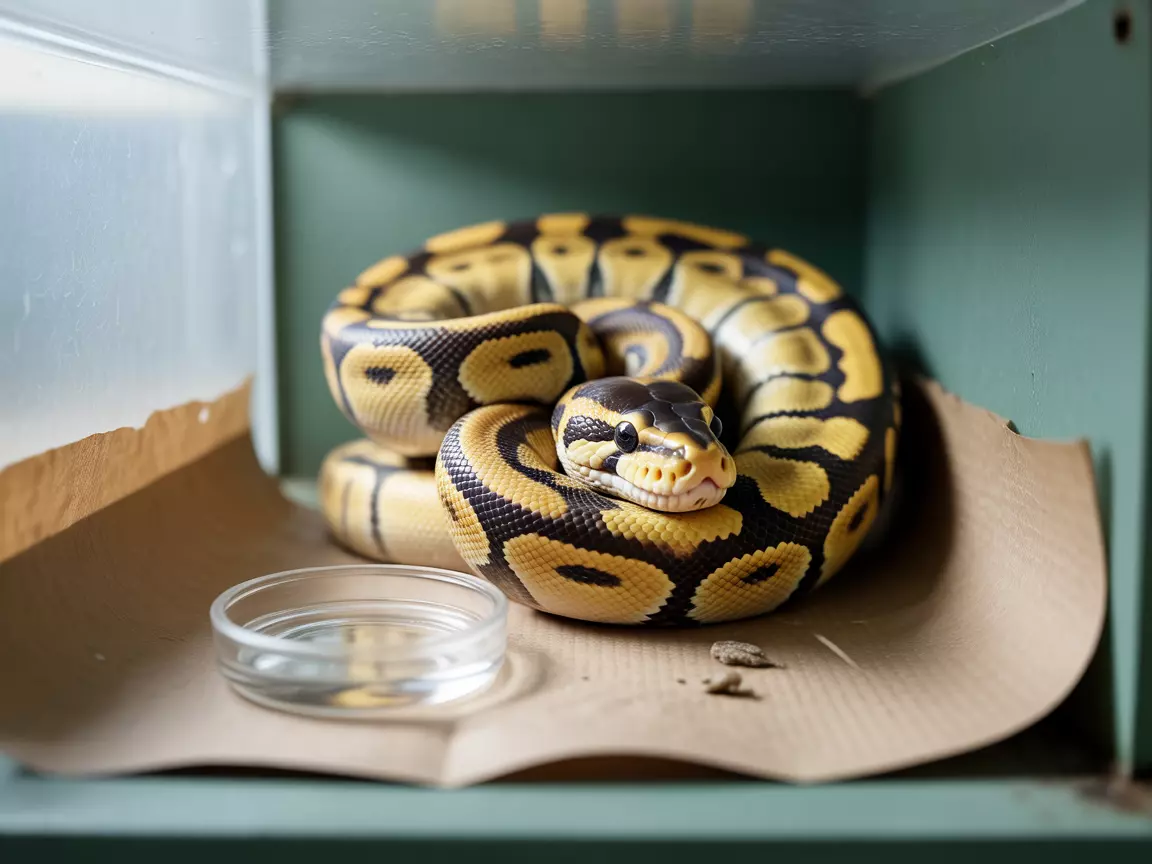
When ball pythons curl into balls due to health problems, the behavior often persists longer than normal defensive responses and may be accompanied by other concerning symptoms.
Health Conditions That Cause Curling
Respiratory Infections:
- Mouth breathing or wheezing sounds
- Excess mucus around the mouth or nostrils
- Difficulty shedding properly
- Lethargy and loss of appetite
Parasitic Infections:
- Weight loss despite normal feeding
- Regurgitation of meals
- Abnormal feces or urates
- Visible mites or ticks
- Abnormal positioning or “star gazing”
- Difficulty coordinating movement
- Seizure-like activity
- Inability to right themselves properly
When to Consult a Veterinarian
Seek professional veterinary care if curling behavior occurs alongside:
- 🚨 Appetite loss for more than 2-3 feeding cycles
- 🚨 Respiratory symptoms like mouth breathing
- 🚨 Regurgitation of recently consumed meals
- 🚨 Abnormal discharge from mouth or nose
- 🚨 Visible parasites or unusual skin conditions
- 🚨 Neurological symptoms or coordination problems
Preventive Health Measures
Regular Health Monitoring:
- Weekly weight checks during growth periods
- Monthly weight monitoring for adults
- Annual veterinary examinations
- Quarantine procedures for new animals
Hygiene Practices:
- Clean water bowls weekly
- Spot-clean substrate as needed
- Disinfect enclosures monthly
- Wash hands before and after handling
5. Inadequate Hiding Spots and Security Issues
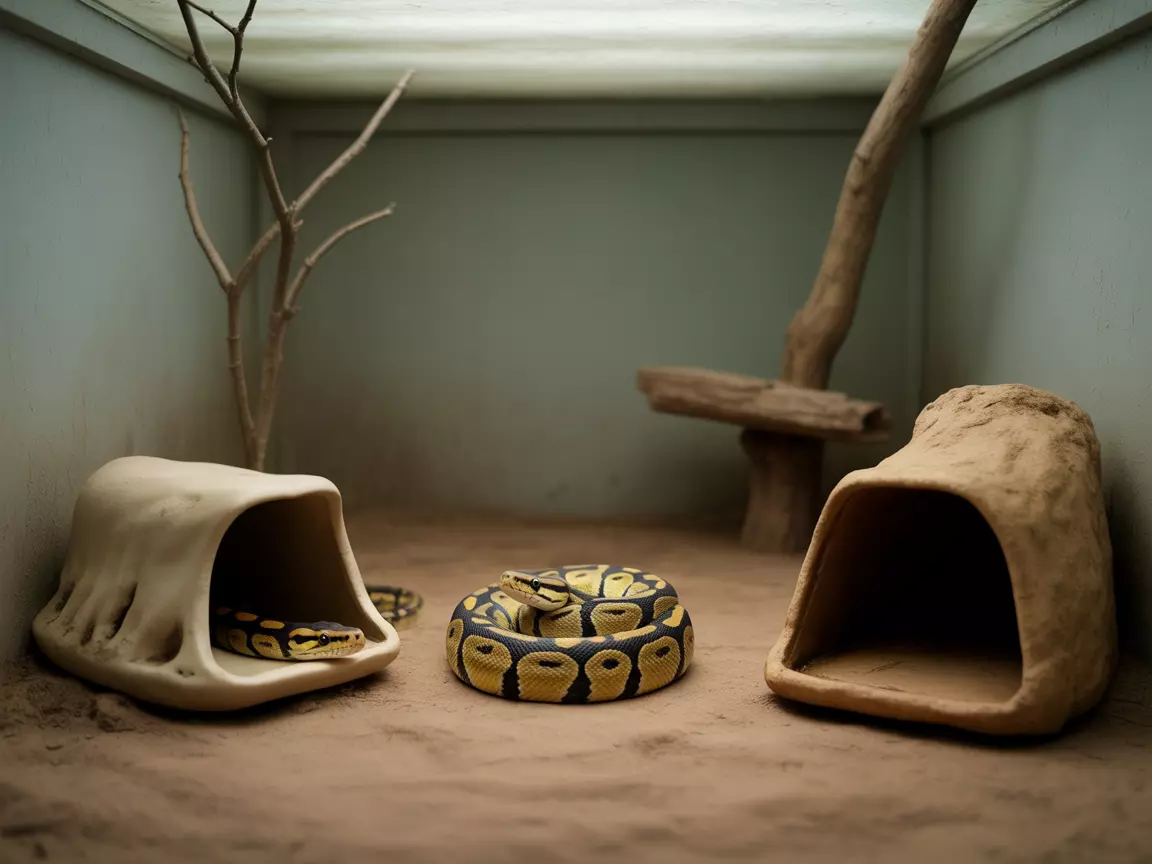
Ball pythons are naturally secretive creatures that spend most of their time hidden in burrows, termite mounds, or dense vegetation in the wild. Inadequate hiding opportunities in captivity can cause chronic stress and excessive curling behavior.
Importance of Proper Hiding Spots
Hiding spots serve multiple critical functions:
- Security: Provide psychological comfort and safety
- Thermoregulation: Help maintain optimal body temperature
- Stress reduction: Offer escape from environmental pressures
- Natural behavior: Allow expression of instinctive behaviors
Characteristics of Ideal Hide Boxes
Size Requirements:
- Snug fit allowing the snake to touch multiple sides
- Large enough for the entire body
- Not so spacious that security is compromised
Placement Strategy:
- One hide on the warm side of the enclosure
- One hide on the cool side for temperature choice
- Additional hiding spots for larger enclosures
Material Considerations:
- Non-porous materials for easy cleaning
- Smooth surfaces to prevent injury
- Stable construction that won’t tip over
- Appropriate entrance hole size
DIY vs. Commercial Hide Options
Commercial Options:
- Reptile caves and hides
- Half logs and cork bark
- Plastic hide boxes
- Rock-like resin structures
DIY Solutions:
- Plastic storage containers with entrance holes
- Cardboard boxes (temporary use)
- PVC pipe sections
- Ceramic flower pots
🏠 Hide Box Rule: If your ball python can’t touch at least three sides while inside their hide, it’s too large and won’t provide adequate security.
6. Shedding Process and Skin-Related Discomfort
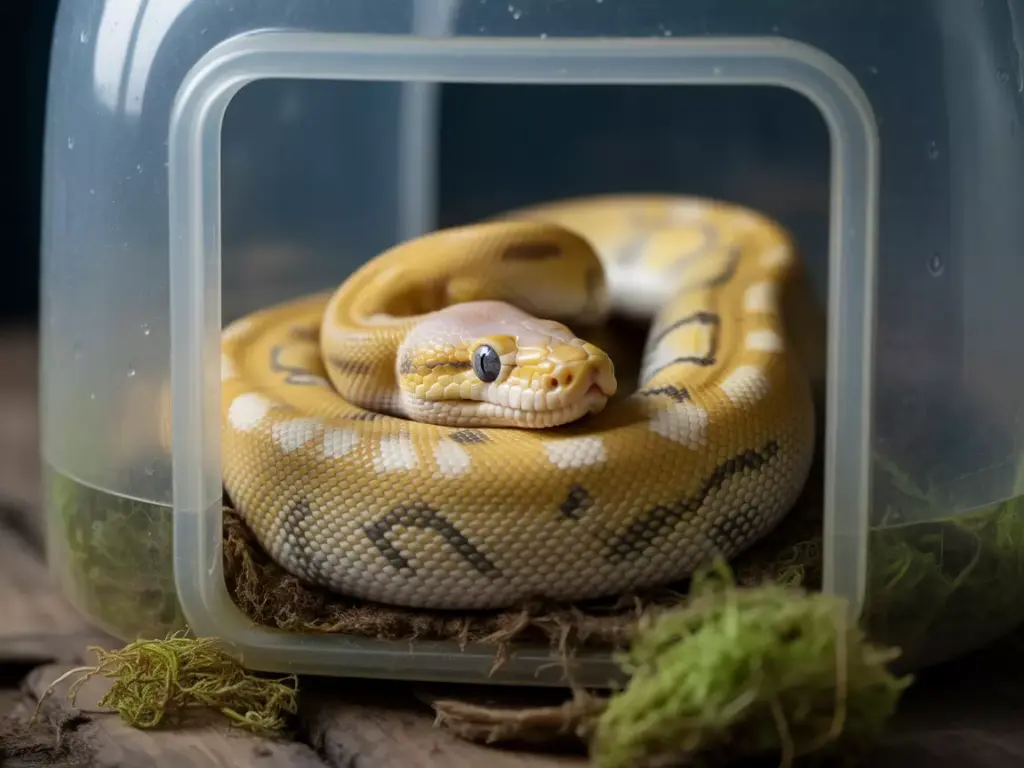
The shedding process (ecdysis) represents a vulnerable time for ball pythons, often triggering increased defensive behaviors including curling into tight balls.
Understanding the Shedding Cycle
Ball pythons typically shed every 4-8 weeks, with younger snakes shedding more frequently than adults. The process involves several distinct phases:
Pre-shed Phase (7-14 days):
- Eyes become cloudy or “blue”
- Skin appears dull and darker
- Appetite may decrease
- Increased hiding and defensive behavior
Shed Phase (1-3 days):
- Eyes clear up (“going clear”)
- Snake becomes more active
- Begins rubbing against rough surfaces
- May refuse food until shed is complete
Post-shed Phase:
- Fresh, vibrant coloration
- Clear, bright eyes
- Normal appetite returns
- Reduced defensive behaviors
Shedding-Related Problems
Stuck Shed (Dysecdysis):
- Shed skin remains attached in patches
- Particularly problematic around eyes and tail tip
- Can lead to circulation problems
- Requires intervention to prevent complications
Environmental Factors Affecting Shedding:
- Low humidity levels (below 50%)
- Lack of rough surfaces for rubbing
- Inadequate water sources
- Stress from poor husbandry
Supporting Healthy Shedding
Humidity Management:
- Increase humidity to 65-70% during pre-shed
- Provide larger water bowls
- Add damp moss to hide boxes
- Mist enclosure lightly if necessary
Environmental Enrichment:
- Rough branches or cork bark for rubbing
- Textured surfaces on hide boxes
- Multiple water sources
- Stable environmental conditions
Monitoring and Intervention:
- Check for complete shed within 24-48 hours
- Inspect for stuck shed on eyes, tail, and scales
- Provide humid hide boxes during shedding
- Consult veterinarian for persistent problems
Recognizing When Ball Python Curling Becomes a Concern
Understanding the difference between normal and problematic curling behavior is crucial for maintaining your ball python’s health and wellbeing. Several key indicators can help determine when professional intervention may be necessary.
Normal Curling Patterns
Healthy curling behavior typically exhibits these characteristics:
- Duration: Brief episodes lasting minutes to a few hours
- Frequency: Occasional responses to specific triggers
- Recovery: Quick return to normal behavior once stressor is removed
- Appetite: Maintained feeding schedule and food interest
- Activity: Normal exploration and thermoregulation behaviors
- Response: Gradual relaxation with patient, gentle handling
Warning Signs Requiring Attention
Concerning curling patterns may include:
- Persistent balling: Remaining curled for days at a time
- Appetite loss: Refusing food for multiple feeding cycles
- Isolation: Avoiding normal basking and exploration
- Physical symptoms: Respiratory issues, discharge, or visible illness
- Extreme defensiveness: Aggressive striking or inability to calm down
- Environmental neglect: Ignoring temperature gradients or hiding spots
Creating an Action Plan
When concerning behaviors arise, follow this systematic approach:
Immediate Assessment (0-24 hours):
- Check all environmental parameters
- Review recent changes in routine or setup
- Observe for additional symptoms
- Document behavior patterns and duration
Short-term Monitoring (1-3 days):
- Maintain optimal environmental conditions
- Minimize disturbances and handling
- Continue detailed behavioral observations
- Prepare for potential veterinary consultation
Professional Intervention (3+ days):
- Contact qualified reptile veterinarian
- Compile detailed health and behavior history
- Prepare for diagnostic testing if recommended
- Follow professional treatment recommendations
Environmental Optimization for Ball Python Wellness
Creating an optimal environment addresses most causes of problematic curling behavior and promotes overall health and natural behaviors in captive ball pythons.
Comprehensive Habitat Setup
Enclosure Specifications:
- Size: 40-gallon minimum for adults (larger is often better)
- Security: Secure, escape-proof construction with proper ventilation
- Accessibility: Easy access for maintenance and monitoring
- Materials: Non-toxic, easy-to-clean surfaces
Temperature and Heating:
- Gradient: Clear warm and cool zones
- Consistency: Stable temperatures with minimal fluctuation
- Control: Reliable thermostat systems with backup monitoring
- Safety: Proper installation to prevent burns or fires
Humidity and Ventilation:
- Levels: 55-65% relative humidity consistently
- Air flow: Adequate ventilation without drafts
- Monitoring: Multiple hygrometers for accuracy
- Adjustment: Ability to modify humidity as needed
Enrichment and Behavioral Support
Physical Enrichment:
- Multiple hiding spots of appropriate sizes
- Climbing opportunities (branches, shelves)
- Varied textures for sensory stimulation
- Water features for drinking and soaking
Environmental Enrichment:
- Consistent day/night lighting cycles
- Seasonal temperature variations (slight)
- Varied feeding locations occasionally
- Periodic supervised exploration outside enclosure
Professional Veterinary Care and When to Seek Help
Establishing a relationship with a qualified reptile veterinarian before problems arise ensures prompt, effective treatment when health issues develop.
Finding Qualified Reptile Veterinarians
Research Criteria:
- Specialized training in reptile medicine
- Experience with ball pythons specifically
- Modern diagnostic equipment and facilities
- Positive reviews from reptile community
- Emergency care availability
Questions to Ask Potential Veterinarians:
- What percentage of patients are reptiles?
- What diagnostic tools are available on-site?
- How do you handle reptile emergencies?
- Can you provide references from other snake owners?
- What are typical costs for common procedures?
Preparing for Veterinary Visits
Information to Compile:
- Detailed husbandry information (temperatures, humidity, feeding)
- Behavioral observations and timeline
- Recent changes in environment or routine
- Previous health issues or treatments
- High-quality photos of concerning symptoms
Transport Considerations:
- Secure, well-ventilated transport container
- Temperature maintenance during transport
- Minimal stress handling techniques
- Required paperwork and identification
Conclusion
Understanding the 6 reasons your ball python curls into a ball (and when to worry) empowers reptile owners to provide exceptional care while recognizing potential health concerns. From natural defensive responses and temperature regulation to stress indicators and health issues, each curling behavior offers valuable insights into your python’s wellbeing.
The key to successful ball python ownership lies in proactive environmental management, consistent monitoring, and prompt response to concerning changes. By maintaining optimal habitat conditions, providing appropriate enrichment, and establishing relationships with qualified veterinary professionals, owners can ensure their ball pythons thrive in captivity.
Take Action Today:
- Evaluate your current setup against optimal parameters
- Implement any necessary environmental improvements
- Establish monitoring routines for temperature, humidity, and behavior
- Research and contact qualified reptile veterinarians in your area
- Join reputable ball python communities for ongoing education and support
Remember that every ball python is an individual with unique personality traits and preferences. Patient observation, consistent care, and willingness to adapt your approach will help build a strong, trusting relationship with your scaly companion while ensuring their long-term health and happiness.