8 Beginner-Friendly Tips for Your First Ball Python Pet Snake
Bringing home your first ball python is an exciting milestone that marks the beginning of a rewarding journey into reptile ownership. These gentle, docile snakes have captured the hearts of pet enthusiasts worldwide, making them one of the most popular choices for first-time snake owners. However, success with 8 beginner-friendly tips for your first ball python pet snake requires proper preparation, understanding, and commitment to providing excellent care.
Disclosure: This post contains affiliate links. As an Amazon Associate, we earn from qualifying purchases, and at no extra cost to you.
Ball pythons, scientifically known as Python regius, are native to West and Central Africa and have earned their reputation as ideal starter snakes due to their calm temperament and manageable size. Unlike their larger python cousins, ball pythons typically reach 3-5 feet in length, making them perfect for home environments. Their docile nature and stunning variety of colors and patterns have made them incredibly popular in the pet trade.
Key Takeaways
- Proper habitat setup is crucial for ball python health, requiring specific temperature gradients, humidity levels, and secure hiding spots
- Feeding schedules should follow age-appropriate guidelines with pre-killed frozen prey to ensure safety and proper nutrition
- Regular health monitoring and establishing a relationship with an exotic veterinarian prevents common health issues
- Gentle handling techniques and patience help build trust between owner and snake while ensuring safety for both parties
- Long-term commitment includes understanding that ball pythons can live 20-30 years with proper care and consistent husbandry
Understanding Ball Python Basics: Essential Foundation Knowledge
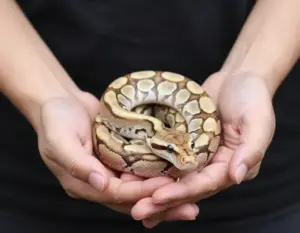
Before diving into the specific care requirements, new owners must understand what makes ball pythons unique among pet snakes. These remarkable reptiles get their name from their defensive behavior of curling into a tight ball when stressed or threatened. This natural response, combined with their non-aggressive nature, makes them exceptionally safe for beginners to handle and care for.
Ball pythons are semi-arboreal creatures in the wild, meaning they spend time both on the ground and in trees. This behavior influences their captive care requirements, as they appreciate both ground-level hiding spots and occasional climbing opportunities. Understanding their natural habitat helps create an environment where they can thrive in captivity.
Physical Characteristics and Lifespan
Adult ball pythons typically measure between 3-5 feet in length, with females generally growing larger than males. Their robust, muscular build gives them a substantial feel despite their relatively modest length. With proper care, these snakes can live 20-30 years, making them a significant long-term commitment that potential owners must carefully consider.
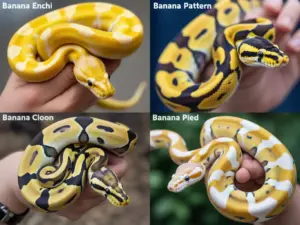
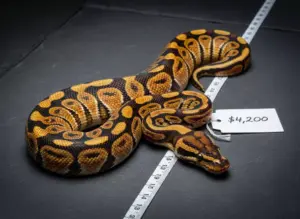
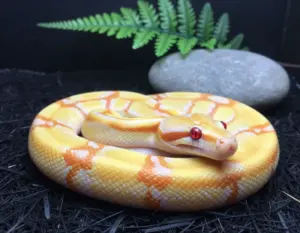
The variety of morphs (color and pattern variations) available in ball pythons is truly staggering. From the classic wild-type pattern to exotic morphs like albino, pastel, and spider, there’s a ball python to suit every aesthetic preference. However, beginners should focus on healthy, well-established morphs rather than rare or expensive varieties.
1. Setting Up the Perfect Ball Python Habitat
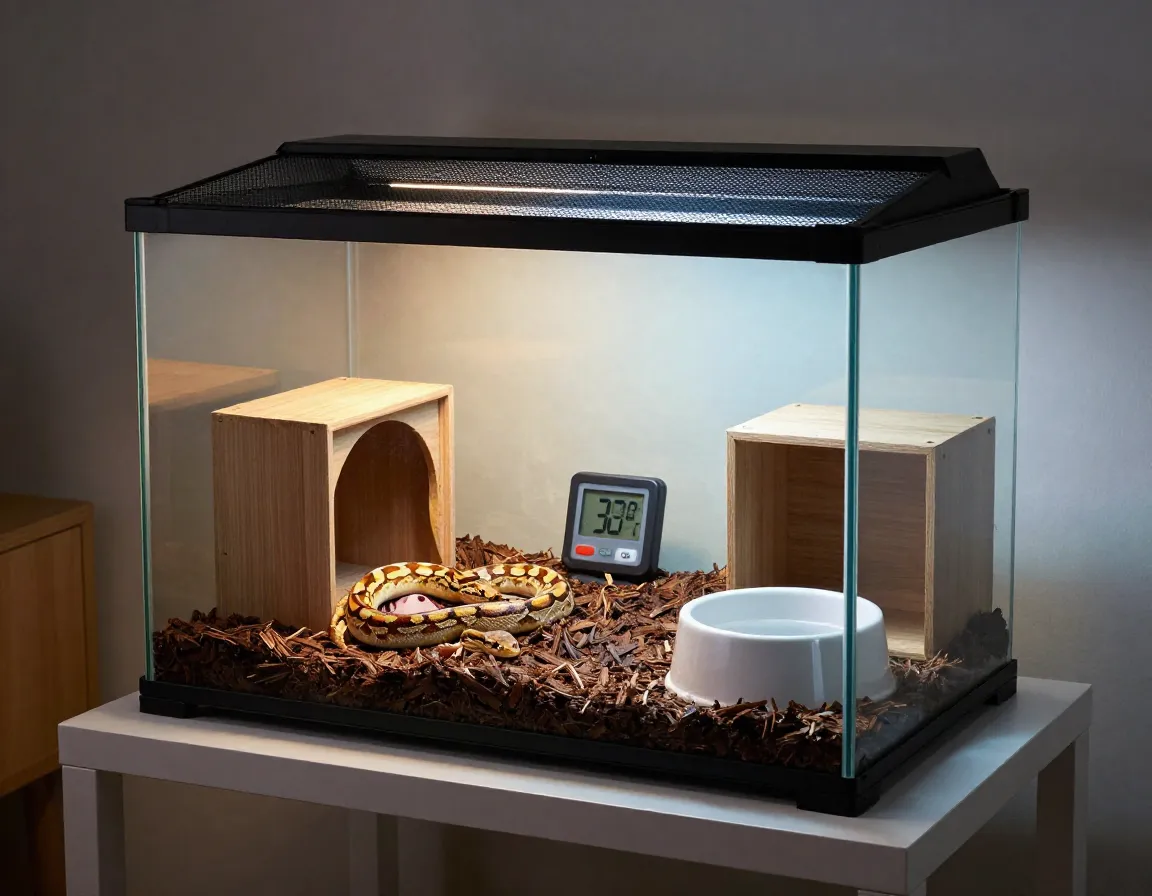
Creating an appropriate habitat represents the foundation of successful ball python ownership and forms the cornerstone of 8 beginner-friendly tips for your first ball python pet snake. The enclosure serves as your snake’s entire world, making proper setup absolutely critical for their physical and psychological well-being.
Enclosure Size and Type
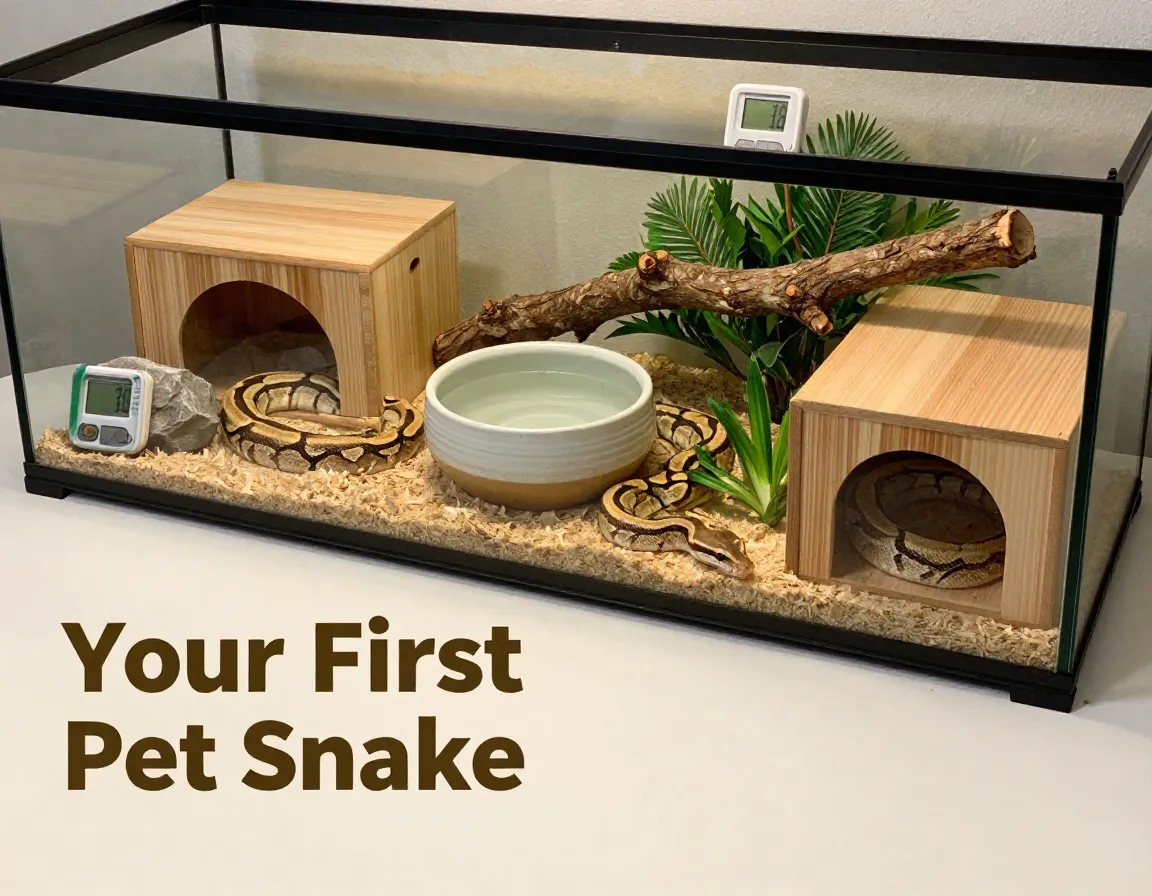
A 40-gallon breeder tank serves as the minimum size for an adult ball python, though larger enclosures of 75-120 gallons provide better enrichment opportunities. Glass terrariums with secure, ventilated lids work excellently, as do specialized reptile enclosures made from PVC or wood. The enclosure should be longer than it is tall, as ball pythons are primarily terrestrial despite their climbing abilities.
Security is paramount when selecting an enclosure. Ball pythons are notorious escape artists, capable of pushing through surprisingly small gaps. Ensure the lid fits tightly and consider adding clips or locks for additional security. A escaped snake poses dangers to both the animal and household members.
Temperature and Heating Requirements
Ball pythons require a temperature gradient within their enclosure to properly regulate their body temperature. The warm side should maintain temperatures between 88-92°F (31-33°C), while the cool side should stay around 78-80°F (26-27°C). Nighttime temperatures can drop slightly but should never fall below 75°F (24°C).
Under-tank heaters (UTH) or ceramic heat emitters provide the most effective heating methods. Avoid heat rocks, which can cause severe burns. Always use thermostats to regulate heating elements and prevent dangerous temperature spikes. Digital thermometers with probes give accurate readings of both surface and air temperatures.
| Temperature Zone | Day Temperature | Night Temperature |
|---|---|---|
| Basking Spot | 88-92°F (31-33°C) | 85-88°F (29-31°C) |
| Cool Side | 78-80°F (26-27°C) | 75-78°F (24-26°C) |
| Ambient Air | 80-85°F (27-29°C) | 78-82°F (26-28°C) |
Humidity and Substrate Selection
Maintaining proper humidity levels between 50-60% prevents shedding problems and respiratory issues. During shedding periods, humidity can be increased to 70-80% to assist the process. Digital hygrometers provide accurate humidity readings and should be monitored regularly.
Substrate choices significantly impact humidity maintenance and overall enclosure cleanliness. Cypress mulch, coconut husk, and paper towels all work well for ball pythons. Avoid cedar or pine shavings, which contain aromatic oils that can cause respiratory irritation. The substrate should be deep enough to allow natural burrowing behaviors, typically 2-3 inches deep.
2. Feeding Your Ball Python: Nutrition and Scheduling Fundamentals
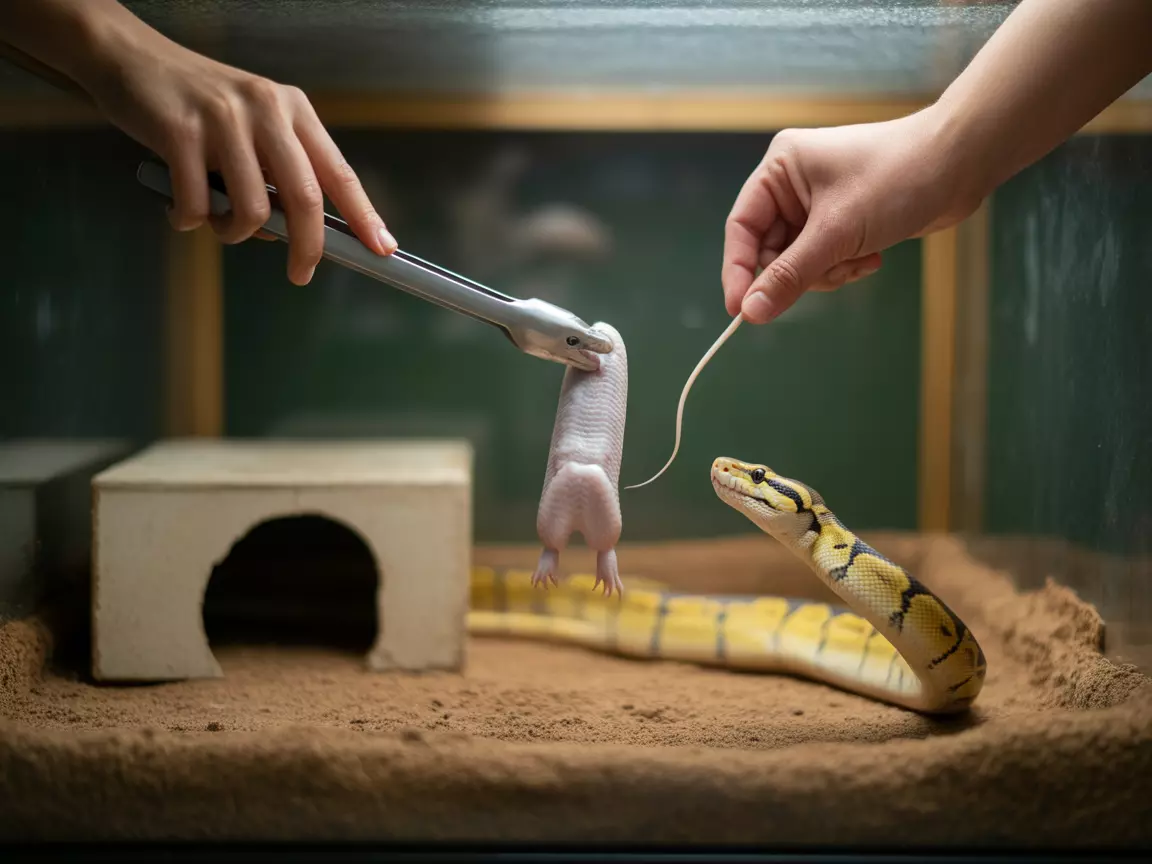
Proper nutrition forms another crucial element among 8 beginner-friendly tips for your first ball python pet snake. Ball pythons are obligate carnivores, meaning they require a diet consisting entirely of whole prey animals. Understanding feeding schedules, prey sizes, and proper techniques ensures your snake maintains optimal health throughout their life.
Prey Size and Type Selection
The appropriate prey size should be approximately equal to the thickest part of your snake’s body. Feeding prey that’s too large can cause regurgitation or injury, while prey that’s too small doesn’t provide adequate nutrition. Pre-killed frozen/thawed rodents are safer and more convenient than live prey, eliminating the risk of injury to your snake from defensive prey animals.
Mice and rats serve as the primary food sources for ball pythons. Juveniles typically eat adult mice or small rats, while adult ball pythons consume medium to large rats. The feeding progression generally follows this pattern:
- Hatchlings (0-6 months): Adult mice every 5-7 days
- Juveniles (6-12 months): Small rats every 7-10 days
- Adults (1+ years): Medium to large rats every 10-14 days
Feeding Techniques and Safety
Feeding tongs or hemostats should always be used when offering food to prevent accidental bites. Ball pythons have excellent heat detection and may mistake warm hands for prey. Thaw frozen prey completely in warm water, ensuring the internal temperature reaches room temperature or slightly warm.
Feed your ball python in their enclosure rather than moving them to a separate feeding container. This reduces stress and eliminates the need for additional handling during feeding time. Offer the prey item using gentle movements, allowing the snake to strike and constrict naturally.
Pro Tip: “Never handle your ball python for 48-72 hours after feeding to prevent regurgitation. This waiting period allows proper digestion and reduces stress on your snake.” – Reptile Care Specialist
Dealing with Feeding Refusal
Ball pythons are notorious for feeding strikes, periods where they refuse food for weeks or even months. This behavior is often normal, especially during winter months, breeding season, or times of stress. Adult ball pythons can safely go several months without eating, though juveniles require more frequent feeding.
Common causes of feeding refusal include:
- Seasonal changes and natural fasting periods
- Incorrect temperatures or humidity levels
- Stress from handling or environmental changes
- Improper prey size or presentation
- Illness or parasites
3. Health Monitoring and Veterinary Care Essentials
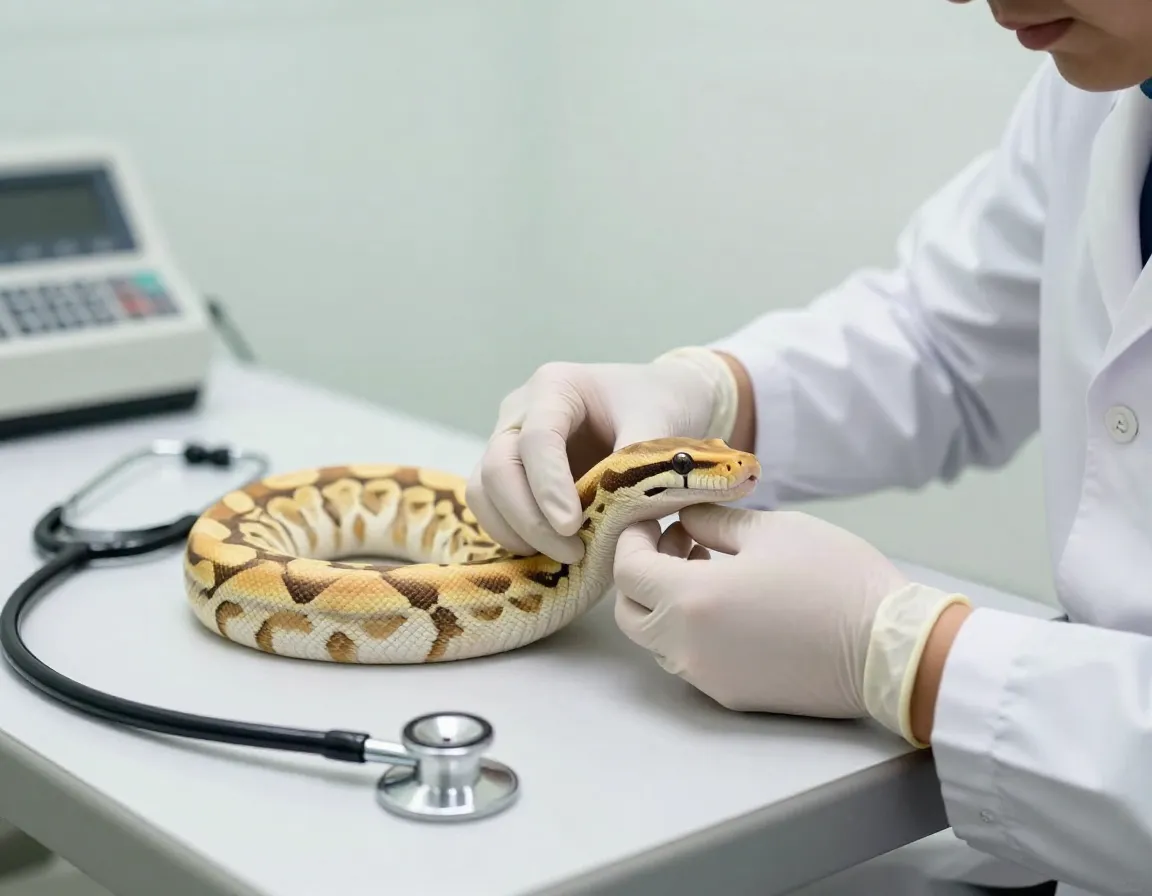
Establishing a relationship with an exotic animal veterinarian before problems arise represents a critical component of 8 beginner-friendly tips for your first ball python pet snake. Regular health monitoring and preventive care help identify issues early, when they’re most treatable and before they become life-threatening emergencies.
Finding the Right Exotic Veterinarian
Not all veterinarians have experience treating reptiles, making it essential to locate a qualified exotic animal specialist. Contact local veterinary clinics to inquire about their reptile experience, or search online directories for exotic veterinarians in your area. Establish this relationship before you need emergency care.
Schedule a wellness examination within the first few weeks of bringing your ball python home. This initial visit allows the veterinarian to establish baseline health parameters and provides an opportunity to discuss proper care techniques, feeding schedules, and warning signs of illness.
Common Health Issues and Warning Signs
Ball pythons are generally hardy animals, but several health conditions commonly affect captive snakes. Early recognition of symptoms allows for prompt treatment and better outcomes. Watch for these warning signs:
Respiratory Infections:
- Mouth breathing or wheezing sounds
- Mucus around the mouth or nostrils
- Holding the head elevated
- Loss of appetite
Shedding Problems (Dysecdysis):
- Retained shed skin, especially around eyes and tail tip
- Patchy or incomplete shedding
- Difficulty removing old skin
Mites and Parasites:
- Tiny moving specks on the snake or in water bowl
- Excessive soaking behavior
- Restlessness and frequent rubbing against objects
- Small red or black dots between scales
Quarantine Procedures for New Snakes
Quarantine protocols protect existing reptile collections from potential diseases carried by new animals. Even if you only plan to own one ball python, establishing quarantine procedures demonstrates responsible ownership and protects your investment.
New ball pythons should be quarantined for a minimum of 60-90 days in a separate room from any existing reptiles. During this period, monitor for signs of illness, parasites, or behavioral abnormalities. Use separate equipment for quarantined animals and always handle quarantined snakes last to prevent cross-contamination.
4. Proper Handling Techniques and Building Trust
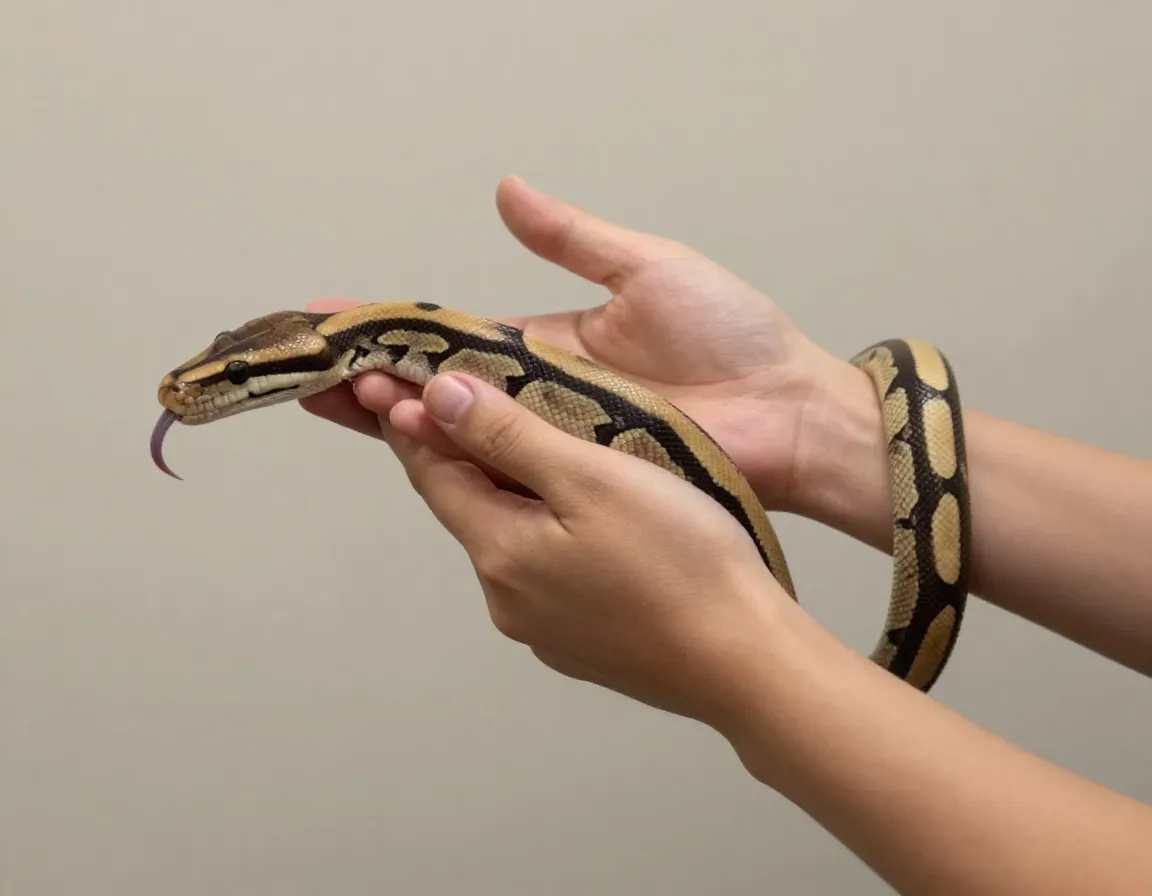
Learning correct handling methods forms an essential skill within 8 beginner-friendly tips for your first ball python pet snake. Proper technique ensures safety for both handler and snake while building the foundation for a positive relationship. Ball pythons can become quite tolerant of handling when approached with patience and respect for their natural behaviors.
Initial Acclimation Period
Allow your new ball python 7-10 days to settle into their new environment before attempting any handling. This acclimation period reduces stress and allows the snake to become familiar with their enclosure, feeding schedule, and daily routines. Resist the temptation to handle immediately, as this can cause unnecessary stress and feeding refusal.
During the acclimation period, limit interactions to essential maintenance tasks like spot-cleaning and water changes. Move slowly and deliberately around the enclosure, speaking softly to help your snake become accustomed to your presence and voice.
Safe Handling Techniques
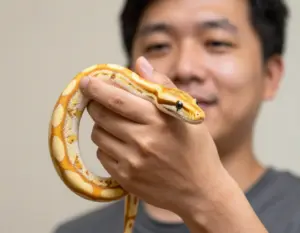
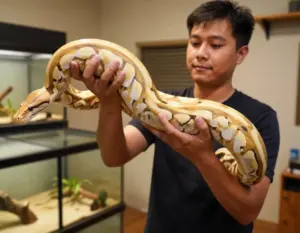
Support the snake’s body when lifting, using both hands to distribute weight evenly. Approach from the side rather than directly above, as overhead movements can trigger defensive responses. Gently lift the snake about one-third of the way back from the head, supporting the body with your other hand.
Never grab the head or tail when picking up your ball python. The head is sensitive and grabbing it can cause stress or defensive biting, while the tail lacks the strength to support the snake’s body weight. Allow the snake to move freely through your hands, providing support as needed.
Key handling guidelines:
- Move slowly and confidently
- Support the snake’s weight properly
- Keep sessions short initially (5-10 minutes)
- Handle 2-3 times per week maximum
- Never handle during shedding or after feeding
Reading Ball Python Body Language
Understanding your snake’s body language and stress signals helps determine appropriate times for handling and when to leave them alone. Ball pythons communicate their comfort level through various behaviors and postures.
Signs of a calm, comfortable snake:
- Relaxed, loose body posture
- Slow, deliberate movements
- Normal tongue flicking behavior
- Willingness to explore during handling
Signs of stress or discomfort:
- Balling up tightly
- Rapid, jerky movements
- Excessive hissing or defensive posturing
- Attempting to escape or hide
- Rigid, tense body posture
5. Creating Environmental Enrichment and Natural Behaviors
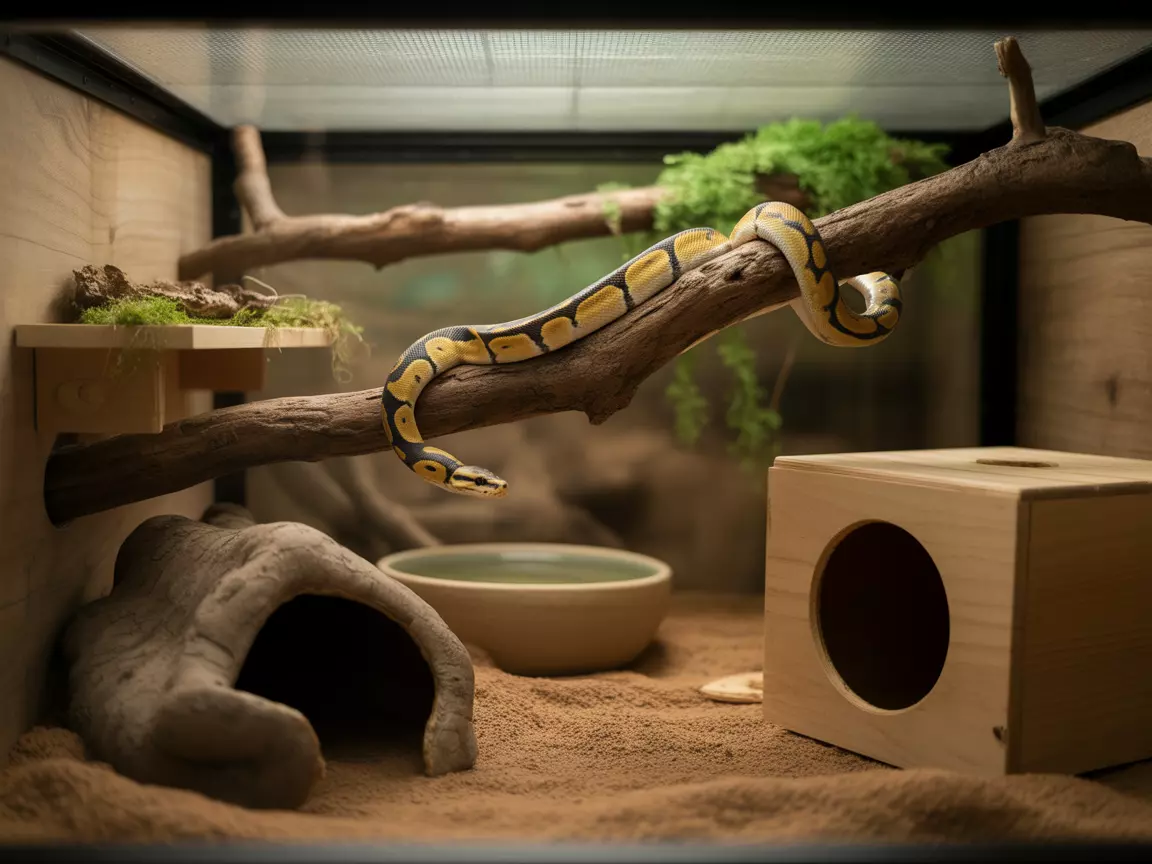
Environmental enrichment enhances quality of life and represents an often-overlooked aspect of 8 beginner-friendly tips for your first ball python pet snake. While ball pythons have relatively simple needs compared to more active species, providing opportunities for natural behaviors promotes both physical and psychological well-being.
Hide Boxes and Security
Multiple hiding spots should be provided throughout the enclosure, with at least one hide on the warm side and another on the cool side. Hides should be snug enough that the snake feels secure but large enough to accommodate their entire body comfortably. Commercial reptile hides, plastic storage containers with entrance holes, or cork bark all work effectively.
The humid hide serves a special purpose, containing slightly dampened sphagnum moss or paper towels to create a microclimate with higher humidity. This hide becomes especially important during shedding periods, helping ensure complete, healthy sheds.
Climbing and Exercise Opportunities
Although primarily terrestrial, ball pythons appreciate occasional climbing opportunities. Sturdy branches, cork bark pieces, or commercial reptile climbing structures add vertical space and exercise options. Ensure all climbing structures are securely positioned to prevent collapse and potential injury.
Exercise and movement can be encouraged through enclosure design that promotes exploration. Creating a layout with multiple pathways, varying substrate depths, and strategically placed decorations encourages natural movement patterns and prevents obesity.
Water Features and Soaking Behavior
A large, heavy water bowl should always be available, sized large enough for the snake to soak their entire body if desired. Ball pythons often soak before shedding or when humidity levels are inadequate. Change water regularly to prevent bacterial growth and maintain cleanliness.
Some ball pythons enjoy occasional supervised soaking in lukewarm water, especially during shedding periods. Use a secure container with water depth reaching only halfway up the snake’s body, and never leave them unattended during soaking sessions.
6. Understanding Ball Python Behavior and Communication
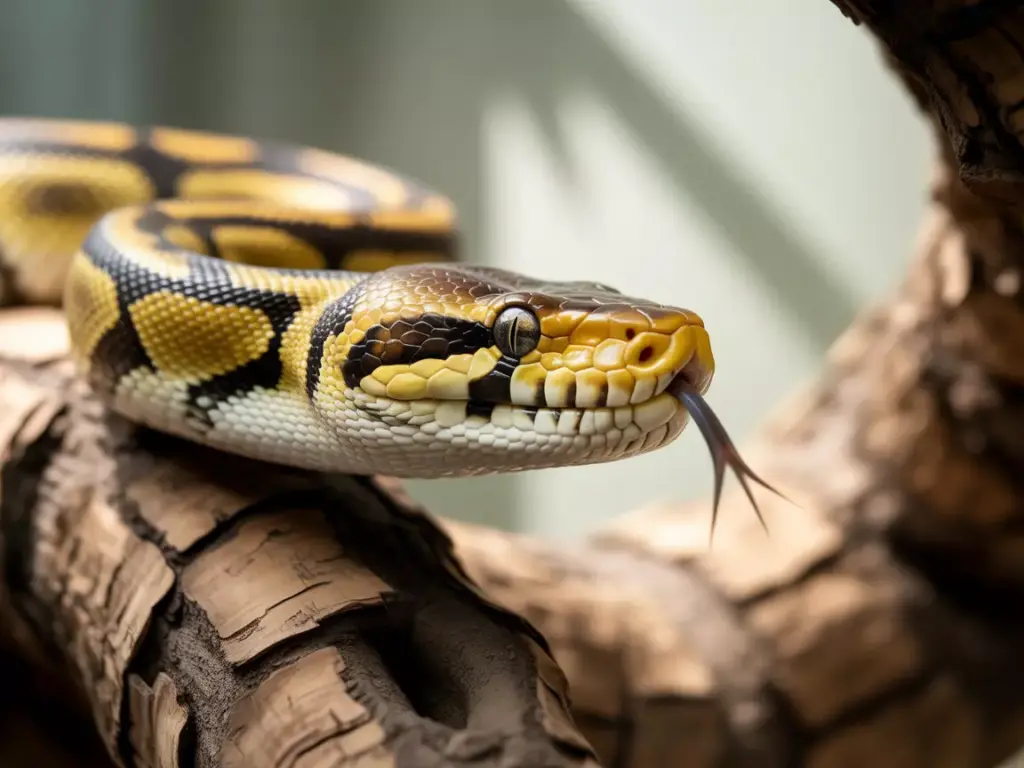
Developing an understanding of natural ball python behaviors enhances the care experience and forms a valuable component of 8 beginner-friendly tips for your first ball python pet snake. These snakes communicate through subtle body language, activity patterns, and behavioral changes that provide insights into their health and comfort levels.
Activity Patterns and Circadian Rhythms
Ball pythons are crepuscular, meaning they’re most active during dawn and dusk hours. Understanding these natural activity patterns helps owners schedule feeding, handling, and maintenance tasks for times when their snake is naturally alert and responsive.
During daylight hours, ball pythons typically remain hidden in their preferred hiding spots, emerging as evening approaches. Night observation often reveals more natural behaviors, including exploration, drinking, and general movement around the enclosure.
Seasonal Behavior Changes
Seasonal variations significantly impact ball python behavior, even in captive environments with controlled lighting and temperature. Many ball pythons experience reduced appetite during winter months, mimicking natural patterns from their African homeland where cooler, drier seasons trigger behavioral changes.
Breeding season behaviors may emerge in adult ball pythons, including increased activity, feeding refusal, and restlessness. Males often exhibit these behaviors more dramatically than females, sometimes refusing food for several months during peak breeding season.
Communication Through Body Language
Ball pythons communicate primarily through body posture and movement patterns. Learning to interpret these signals helps owners respond appropriately to their snake’s needs and comfort levels.
Defensive behaviors include:
- Coiling into a tight ball with head protected
- Hissing or rapid breathing
- Striking motions (though actual bites are rare)
- Rapid movement away from perceived threats
Comfortable, relaxed behaviors include:
- Loose, flowing movement patterns
- Regular tongue flicking to gather scent information
- Exploring enclosure features and boundaries
- Normal feeding responses and appetite
7. Maintenance Schedules and Cleaning Protocols
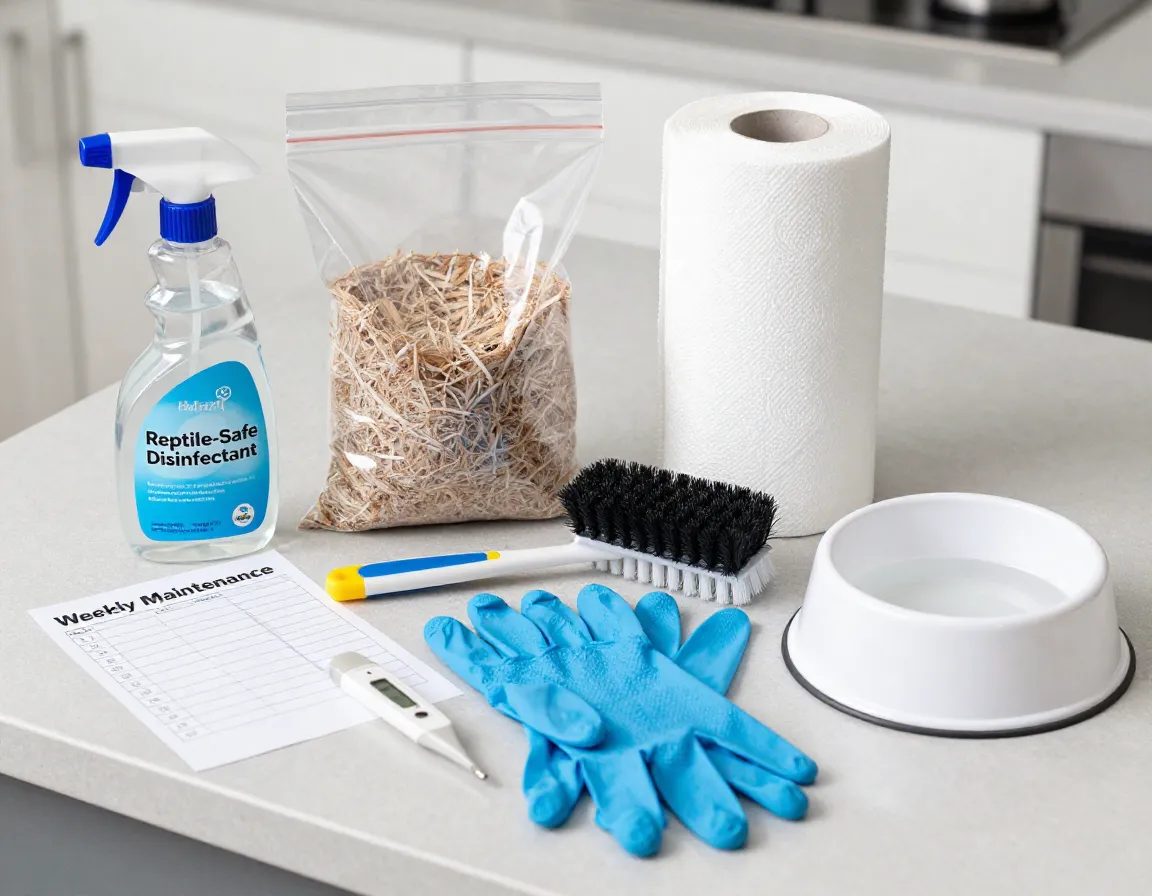
Establishing consistent maintenance routines ensures optimal health conditions and represents a practical element of 8 beginner-friendly tips for your first ball python pet snake. Regular cleaning prevents bacterial growth, maintains proper humidity levels, and provides opportunities to monitor your snake’s health and behavior.
Daily Maintenance Tasks
Daily observations should include checking water bowl cleanliness, monitoring temperature and humidity levels, and noting any changes in your snake’s behavior or appearance. Remove any waste immediately to prevent bacterial growth and maintain enclosure cleanliness.
Temperature and humidity monitoring requires daily attention, especially during seasonal changes or when heating equipment ages. Digital thermometers and hygrometers provide accurate readings, but periodic calibration ensures continued accuracy.
Weekly Cleaning Routines
Water bowl cleaning should occur weekly or whenever the water appears cloudy or contaminated. Use reptile-safe disinfectants or a dilute bleach solution (thoroughly rinsed) to sanitize water bowls before refilling with fresh, dechlorinated water.
Spot cleaning removes waste, shed skin pieces, and any contaminated substrate. Replace substrate in affected areas and check hide boxes for cleanliness. This weekly attention prevents the need for frequent complete substrate changes.
Monthly Deep Cleaning
Complete substrate replacement should occur monthly or as needed based on enclosure conditions. Remove all substrate, clean and disinfect the enclosure bottom, and replace with fresh substrate. This process provides an opportunity for thorough equipment inspection and deep cleaning.
Equipment maintenance includes cleaning heating elements, checking thermostat accuracy, and inspecting all enclosure components for wear or damage. Replace any worn equipment before it fails to ensure continuous optimal conditions.
Cleaning Product Safety
Reptile-safe cleaning products must be used exclusively, as many household cleaners contain chemicals toxic to reptiles. Simple solutions include dilute bleach (thoroughly rinsed), white vinegar, or commercial reptile-safe disinfectants.
Rinse thoroughly after using any cleaning products, allowing all surfaces to dry completely before returning your snake to the enclosure. Chemical residues can cause respiratory irritation or skin problems in sensitive reptiles.
8. Long-term Commitment and Responsible Ownership
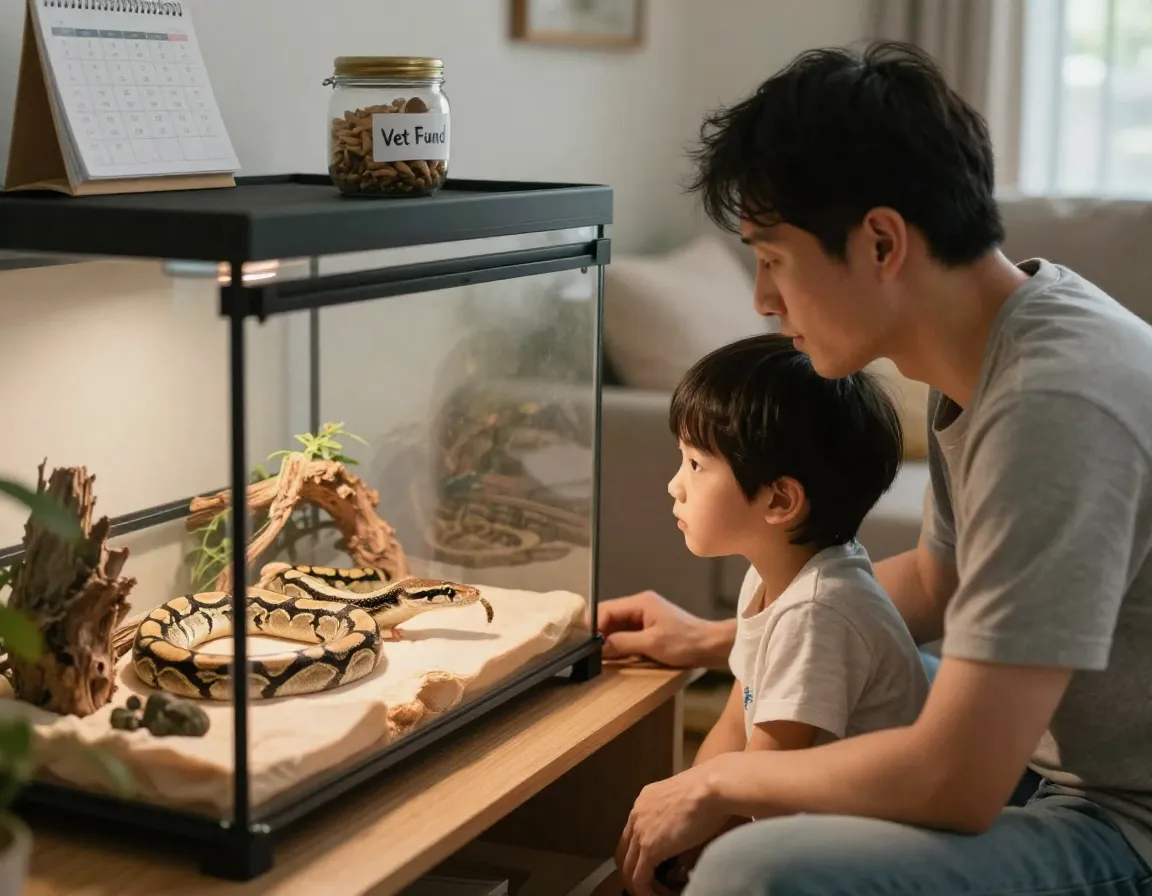
Understanding the long-term commitment involved completes the 8 beginner-friendly tips for your first ball python pet snake and ensures prospective owners make informed decisions. Ball pythons can live 20-30 years with proper care, representing a significant commitment that extends well beyond the initial excitement of new pet ownership.
Financial Responsibilities
Initial setup costs for a proper ball python habitat typically range from $300-600, including enclosure, heating elements, thermostats, hides, substrate, and other essential equipment. Quality equipment represents an investment in your snake’s long-term health and your own peace of mind.
Ongoing expenses include monthly substrate replacement, electricity for heating and lighting, periodic equipment replacement, and veterinary care. Budget approximately $200-400 annually for routine care, with additional funds reserved for potential veterinary emergencies.
Planning for Life Changes
Life circumstances change over the course of 20-30 years, making it essential to consider how major life events might impact your ability to provide proper care. College, career changes, marriage, children, and relocation all present potential challenges for reptile ownership.
Contingency planning should include identifying potential caretakers, understanding local regulations regarding reptile ownership, and considering how housing changes might affect your ability to maintain proper enclosure conditions.
Educational Responsibilities
Continuous learning about ball python care, new research findings, and improved husbandry techniques benefits both owner and snake. Join reptile communities, attend reptile shows, and maintain relationships with experienced keepers and veterinarians.
Responsible breeding considerations should be thoroughly researched before attempting to breed ball pythons. Breeding requires extensive knowledge, additional equipment, significant time investment, and plans for housing and placing offspring.
Building the Reptile Community
Sharing knowledge with other reptile enthusiasts helps build a supportive community and promotes responsible ownership practices. Experienced keepers often mentor newcomers, sharing practical tips and troubleshooting advice that benefits the entire community.
Conservation awareness includes understanding wild ball python populations and supporting ethical breeding practices that reduce pressure on wild populations. Choose captive-bred animals from reputable breeders who prioritize health and genetic diversity.
Conclusion
Successfully caring for a ball python requires dedication, proper preparation, and ongoing commitment to providing excellent husbandry. These 8 beginner-friendly tips for your first ball python pet snake provide the foundation for a rewarding relationship with one of nature’s most fascinating creatures. From creating the perfect habitat and establishing proper feeding routines to understanding behavior and planning for long-term care, each element contributes to your snake’s health and well-being.
The journey of ball python ownership offers unique rewards, including the opportunity to observe natural behaviors, develop handling skills, and participate in a passionate community of reptile enthusiasts. With proper care, your ball python can thrive for decades, providing countless opportunities for learning and enjoyment.
Take action today by researching local exotic veterinarians, connecting with experienced ball python keepers in your area, and continuing your education about reptile care. Consider joining online forums, attending reptile shows, and building relationships within the reptile community to support your journey as a responsible ball python owner.
Remember that successful reptile keeping is a continuous learning process, and even experienced keepers regularly update their knowledge and techniques. Stay curious, remain observant of your snake’s needs, and never hesitate to seek advice from qualified professionals when questions arise.