9 Things You Didn’t Know About Russian White Cats (The Snow Princess)
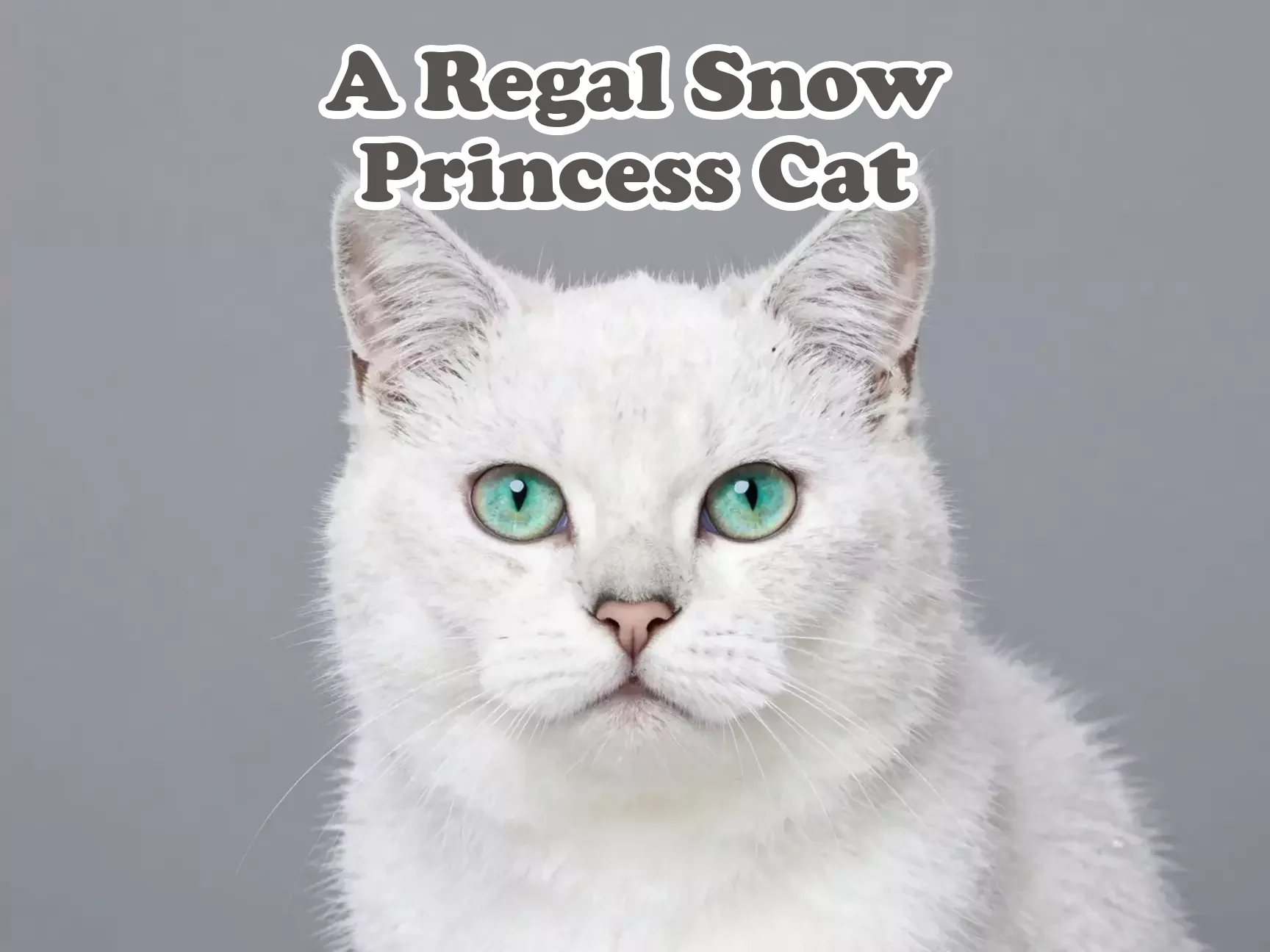
Only 5% of the world’s entire cat population is born with a pure white coat — making white cats one of nature’s rarest feline expressions [1]. Now narrow that further to a specific, purpose-bred, pedigree variety with vivid green eyes and a personality that blends royal aloofness with surprising warmth, and you have the Russian White cat, affectionately called the “Snow Princess.” If you’ve ever crossed paths with one of these luminous creatures and wondered what makes them so special, you’re in the right place. This article explores 9 Things You Didn’t Know About Russian White Cats (The Snow Princess) — from their surprisingly recent origin story to the genetic secret hiding beneath that flawless white coat.
Key Takeaways 🐾
- Russian White cats are extremely rare — only 5% of cats are white, and this breed is a relatively new, niche development [1]
- The breed was officially created in the 1970s through a deliberate cross between a Siberian cat and a Russian Blue [1]
- Their white coat can mask hidden color genes, meaning a white mother can produce kittens of multiple colors [1]
- They are highly intelligent, trainable, and loyal — but require early socialization to overcome natural shyness [1]
- Despite their exotic appearance, they are robust and healthy, with no known breed-specific genetic conditions [1]
What Makes the Russian White Cat So Extraordinary?
Before diving into the specific facts, it helps to understand the broader context. The Russian White is not simply a Russian Blue cat that happened to be born white. It is a deliberately engineered breed with its own registration, standard, and distinct identity. Yet because the breed is so new and so rare, most cat lovers — even dedicated enthusiasts — know very little about it.
The 9 Things You Didn’t Know About Russian White Cats (The Snow Princess) listed below are drawn from verified breed research and will likely surprise even experienced cat owners. Let’s get into it.
9 Things You Didn’t Know About Russian White Cats (The Snow Princess): The Full Breakdown
1. The Breed Was Only Created in the 1970s
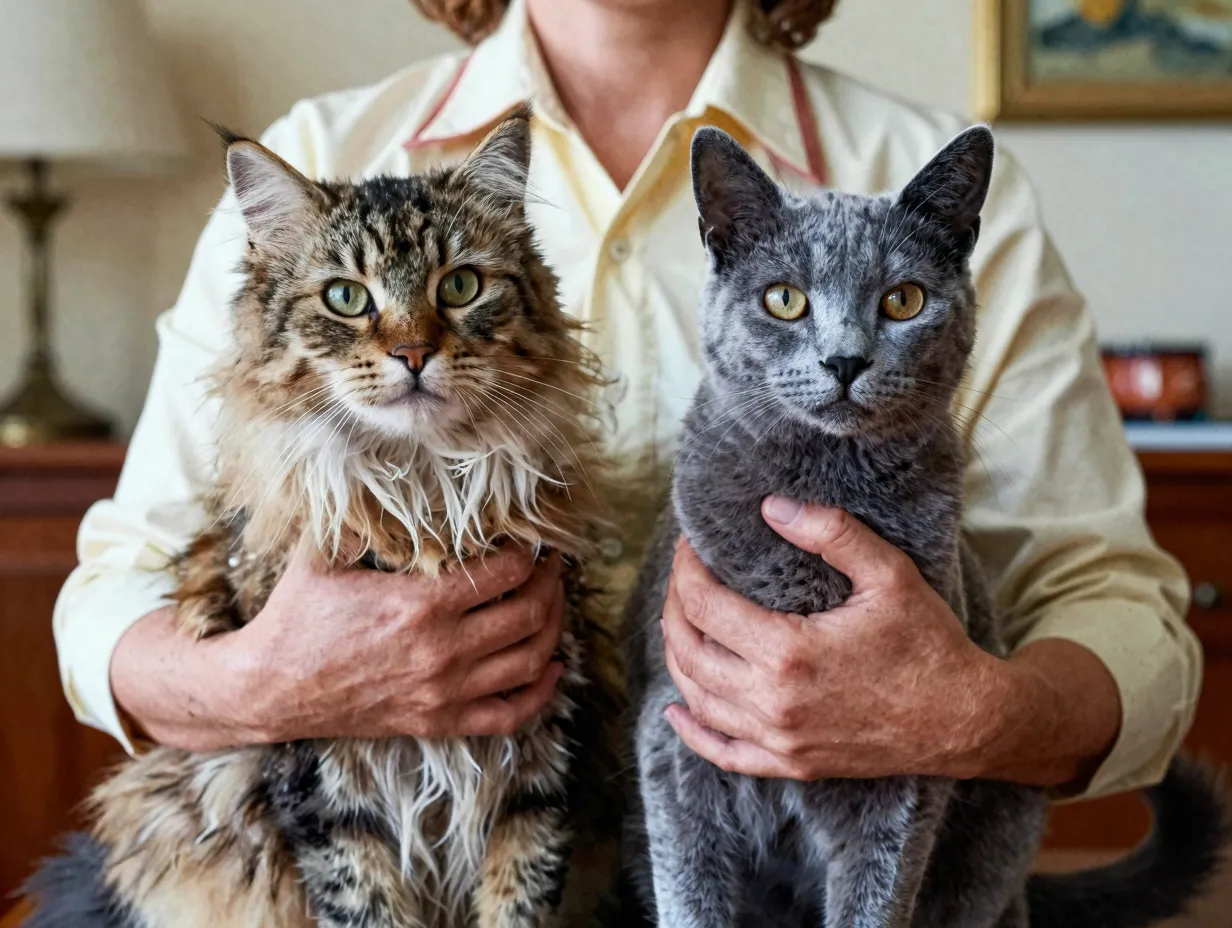
Most people assume the Russian White is an ancient breed with centuries of history in the Russian steppes. The truth is far more recent. The breed was officially developed in the 1970s, when an Australian breeder crossed a Siberian cat with a Russian Blue [1][2]. The goal was deliberate: to produce a cat with the temperament, body structure, and coat quality of the Russian Blue, but in a pure white color.
The resulting hybrid didn’t become an official, registered breed overnight. It took four generations of selective breeding before the offspring were considered stable enough to be recognized as a distinct breed [1]. This careful, multi-generational process is part of what makes the Russian White so special — it is a breed built with intention, not accident.
💡 Pull Quote: “The Russian White isn’t a color variation — it’s a purpose-built breed that took four generations to perfect.”
2. They Are Nearly Identical to Russian Blue Cats — With One Key Difference
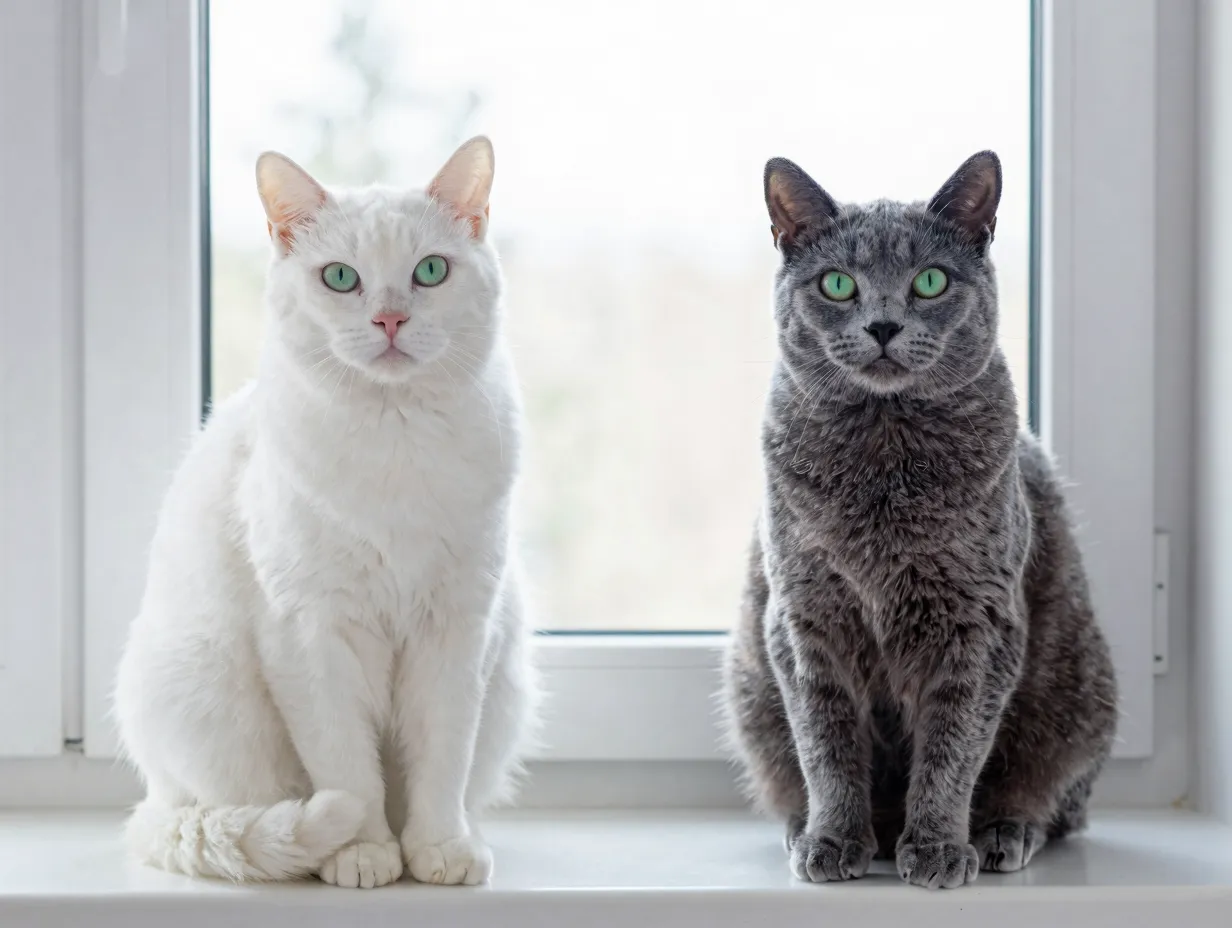
If you placed a Russian White and a Russian Blue side by side, you might struggle to tell them apart beyond coat color. The two breeds are practically identical in body structure, temperament, and coat texture [1]. Both have:
| Feature | Russian Blue | Russian White |
|---|---|---|
| Body type | Medium, elegant | Medium, elegant |
| Coat texture | Dense double coat | Dense double coat |
| Eye color | Vivid green | Vivid green |
| Temperament | Loyal, reserved | Loyal, reserved |
| Weight range | 7–15 lbs | 7–15 lbs |
The only distinguishing feature is the coat color — pure snowy white versus the iconic blue-grey [1]. This means that if you love the Russian Blue’s personality and build but prefer a lighter aesthetic, the Russian White delivers exactly that experience.
3. Kittens Can Be Born With a Dark “Cap” — And It Disappears
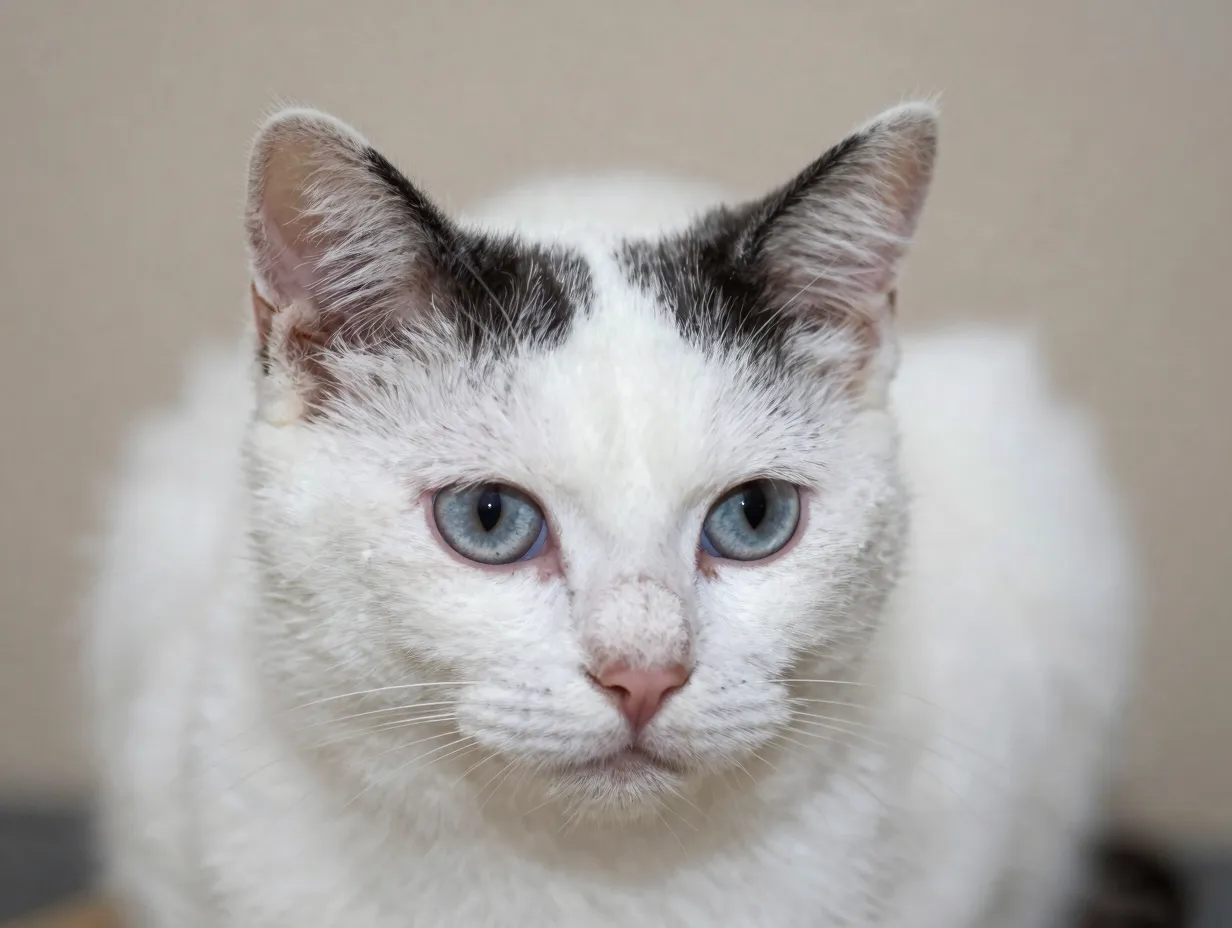
Here’s one of the most surprising facts in this list of 9 Things You Didn’t Know About Russian White Cats (The Snow Princess): Russian White kittens are sometimes born with a dark marking on the top of their head, often described as a “cap” [1].
This might seem alarming if you’re expecting a pure white kitten. But there’s no need to worry. The marking is a temporary pigmentation that fades naturally as the kitten matures into adulthood. By the time the cat reaches full development, the coat becomes the pure, unbroken white that the breed standard requires [1].
This phenomenon is a fascinating reminder that genetics are never entirely straightforward — even in carefully controlled breeding programs.
4. Their Eyes Start Yellow and Turn Green
🟡 ➡️ 🟢
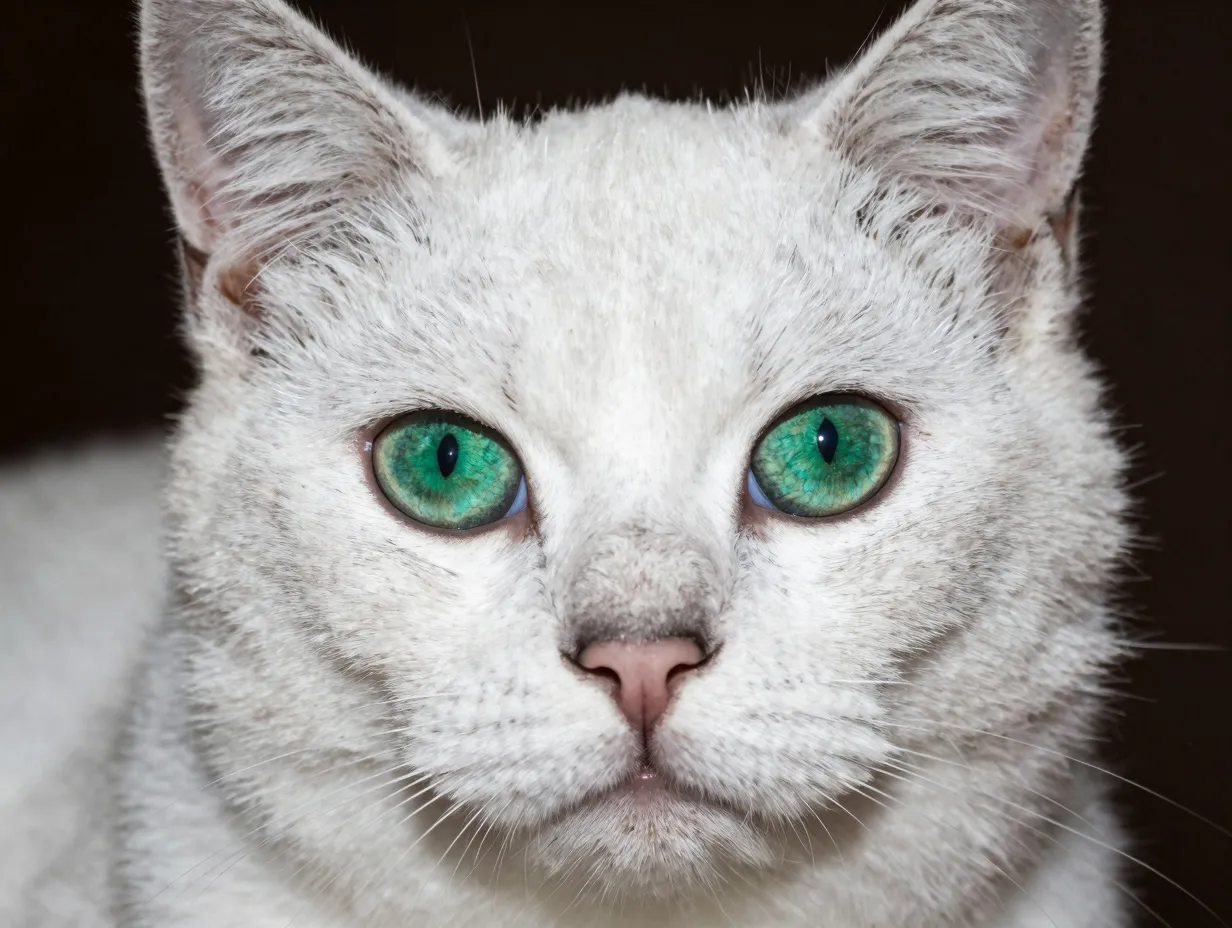
Most cat owners know that kittens are born with blue eyes that may change color over time. Russian White cats follow a slightly different path. Some kittens are born with yellow eyes that gradually transition to the breed’s signature vivid green as they mature [1].
This eye color transformation is one of the most visually dramatic changes in the breed’s development. The final result — deep, jewel-like green eyes set against a pure white coat — is one of the most striking combinations in the entire cat world.
If you’re evaluating a Russian White kitten and notice yellow eyes, don’t be concerned. Give them time. The green will come.
5. White Coat Can Hide Secret Color Genes
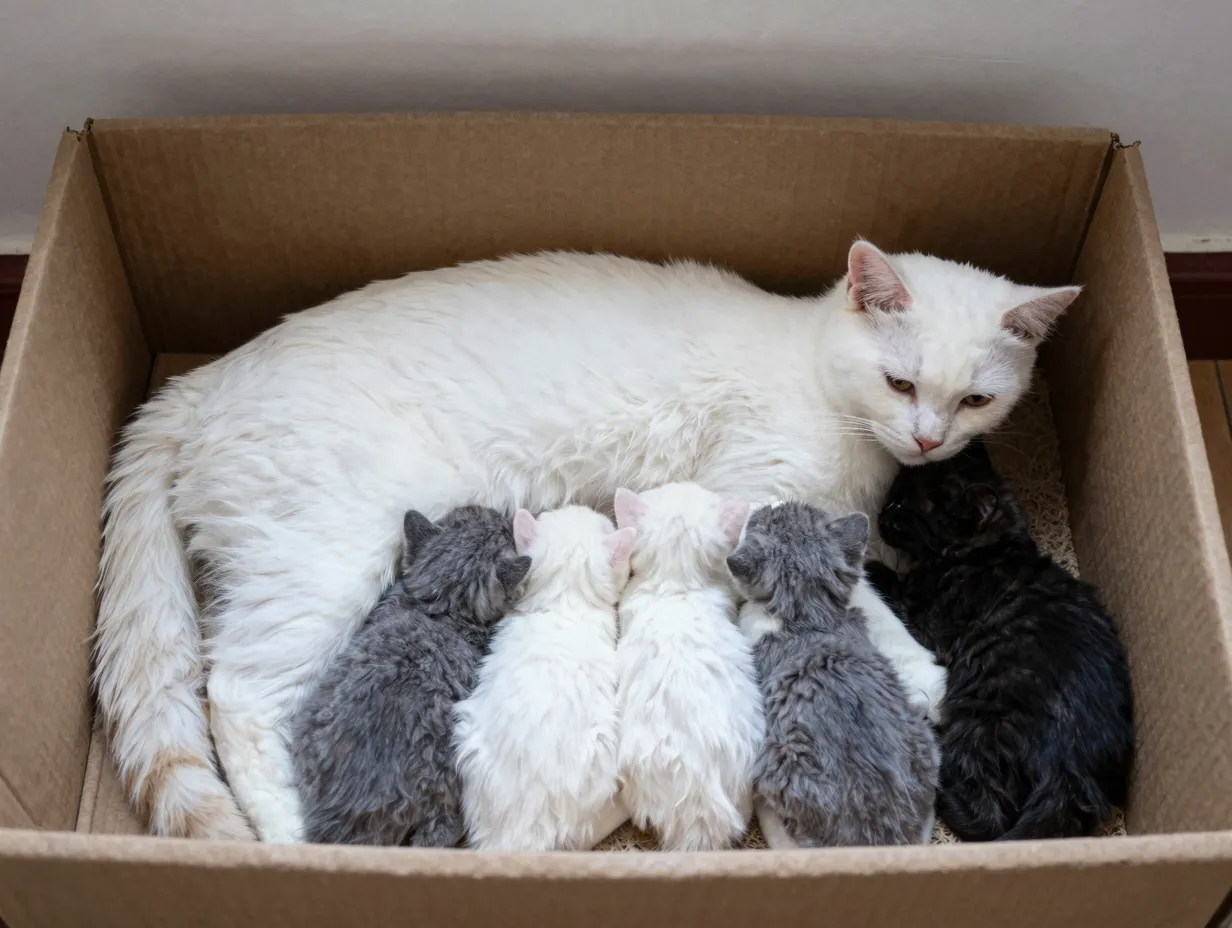
This is the genetic twist that surprises even experienced breeders. White is not a color in the traditional genetic sense — it is a masking gene that suppresses the expression of other colors underneath. In Russian White cats, this means the white coat can be hiding either black or blue genes beneath the surface [1].
The practical consequence? A white Russian White mother can produce kittens that are not white at all. According to breed research, approximately 50% of offspring from a white parent may carry and express other coat colors [1]. This is not a breeding error — it is simply genetics at work.
Here’s a quick breakdown of how this plays out:
- 🐱 White × White pairing → Mix of white and potentially colored kittens
- 🐱 White × Russian Blue pairing → Possible white, blue, or mixed-color kittens
- 🐱 Two white parents with hidden blue genes → Possible blue kittens
For breeders, understanding this genetic masking is essential for producing consistent litters.
6. They Are Surprisingly Robust — No Known Genetic Health Issues
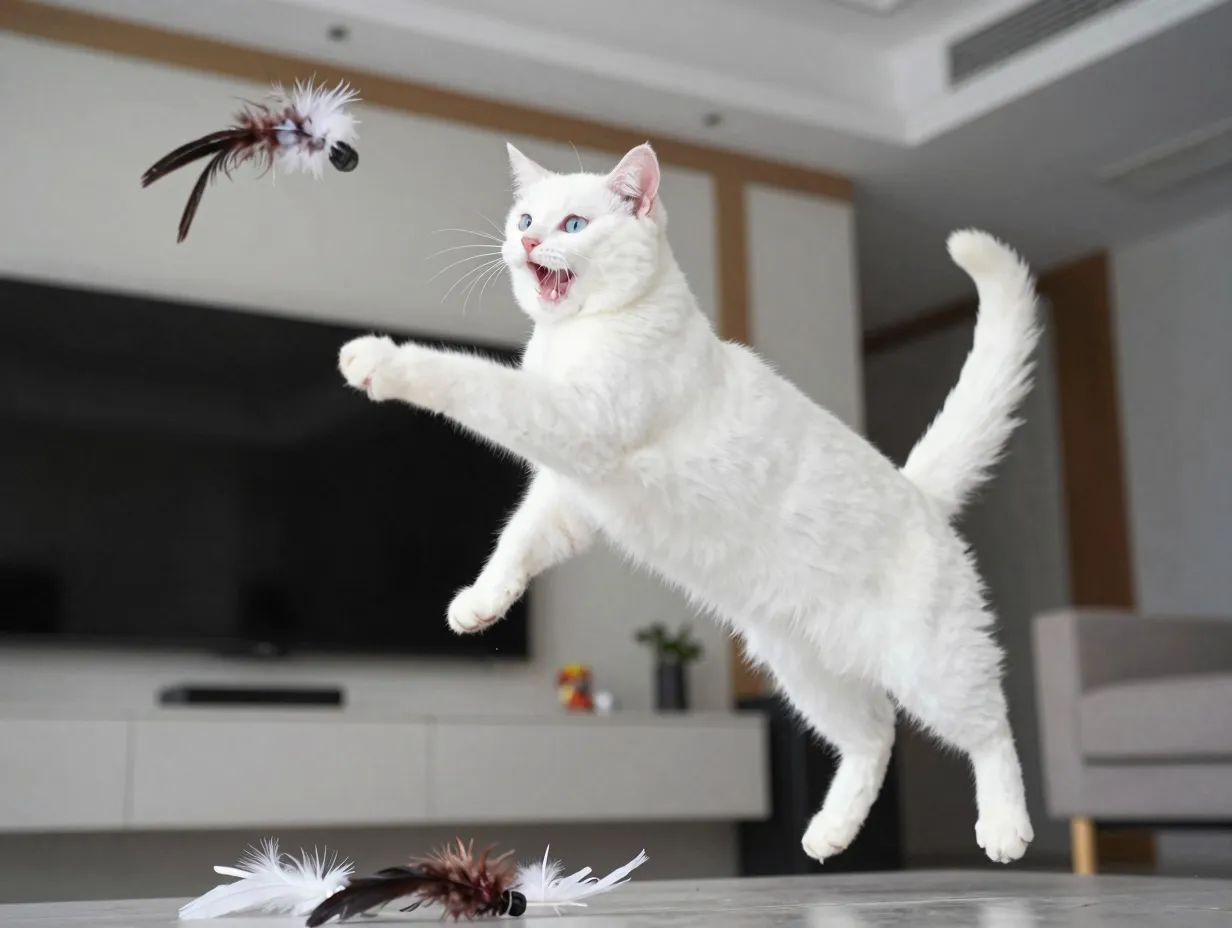
Many pedigree cat breeds carry a burden of genetic health conditions — from heart disease in Maine Coons to kidney issues in Persians. The Russian White stands apart. The breed has no known specific genetic predispositions or inherited health problems [1].
This is a significant advantage for prospective owners. While no cat is immune to illness, Russian Whites are generally considered a hardy, long-lived breed when provided with proper nutrition, veterinary care, and a safe environment.
Key health facts at a glance:
- ✅ No breed-specific genetic conditions identified [1]
- ✅ Lifespan: Typically 15–20 years with good care
- ✅ Weight range: 7–15 pounds (3–7 kg) [1]
- ✅ Height: 15–18 inches (38–45 cm) without tail [1]
- ✅ Males are generally larger than females [1]
💡 Pull Quote: “In a world where many pedigree cats carry genetic health burdens, the Russian White is a refreshingly robust exception.”
7. They Are Highly Intelligent and Can Learn Tricks
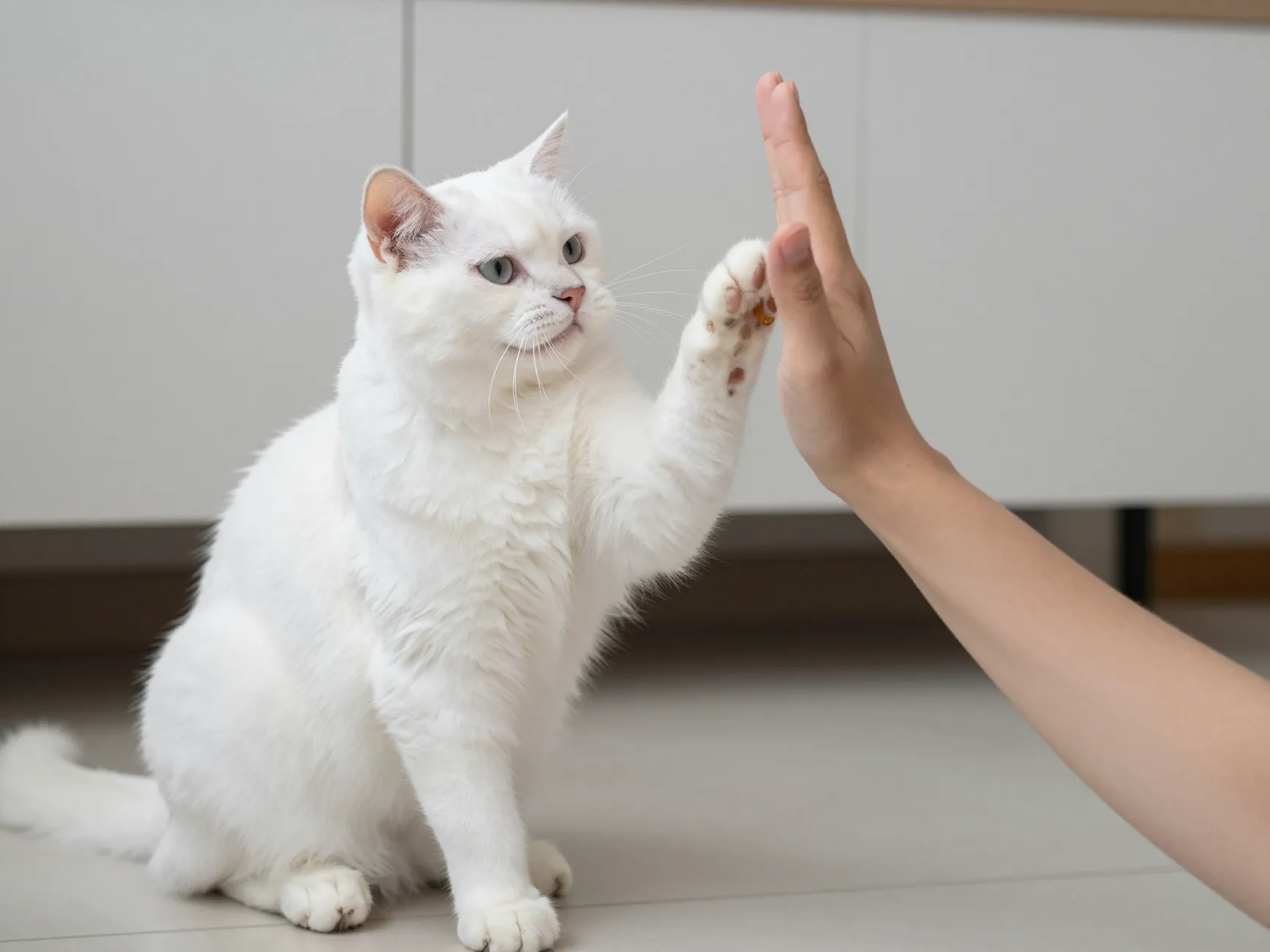
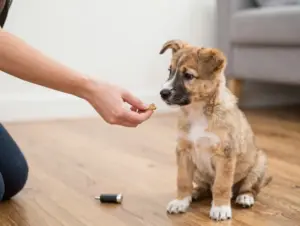
Don’t let the serene, regal appearance fool you. Russian White cats are highly intelligent animals that are fully capable of learning tricks when motivated by the right rewards [1]. Think of them less like a decorative ornament and more like a curious, engaged companion who wants to participate in household life.
With treat-based motivation and consistent positive reinforcement, Russian Whites can learn:
- Sit on command
- High-five or paw-shake
- Come when called by name
- Fetch lightweight toys
- Navigate obstacle courses or puzzle feeders
Their intelligence also means they can become bored if under-stimulated. Providing interactive toys, puzzle feeders, and regular play sessions is important for their mental well-being. A bored Russian White may become destructive or withdrawn.
8. They Need Early Socialization — Shyness Is a Real Trait
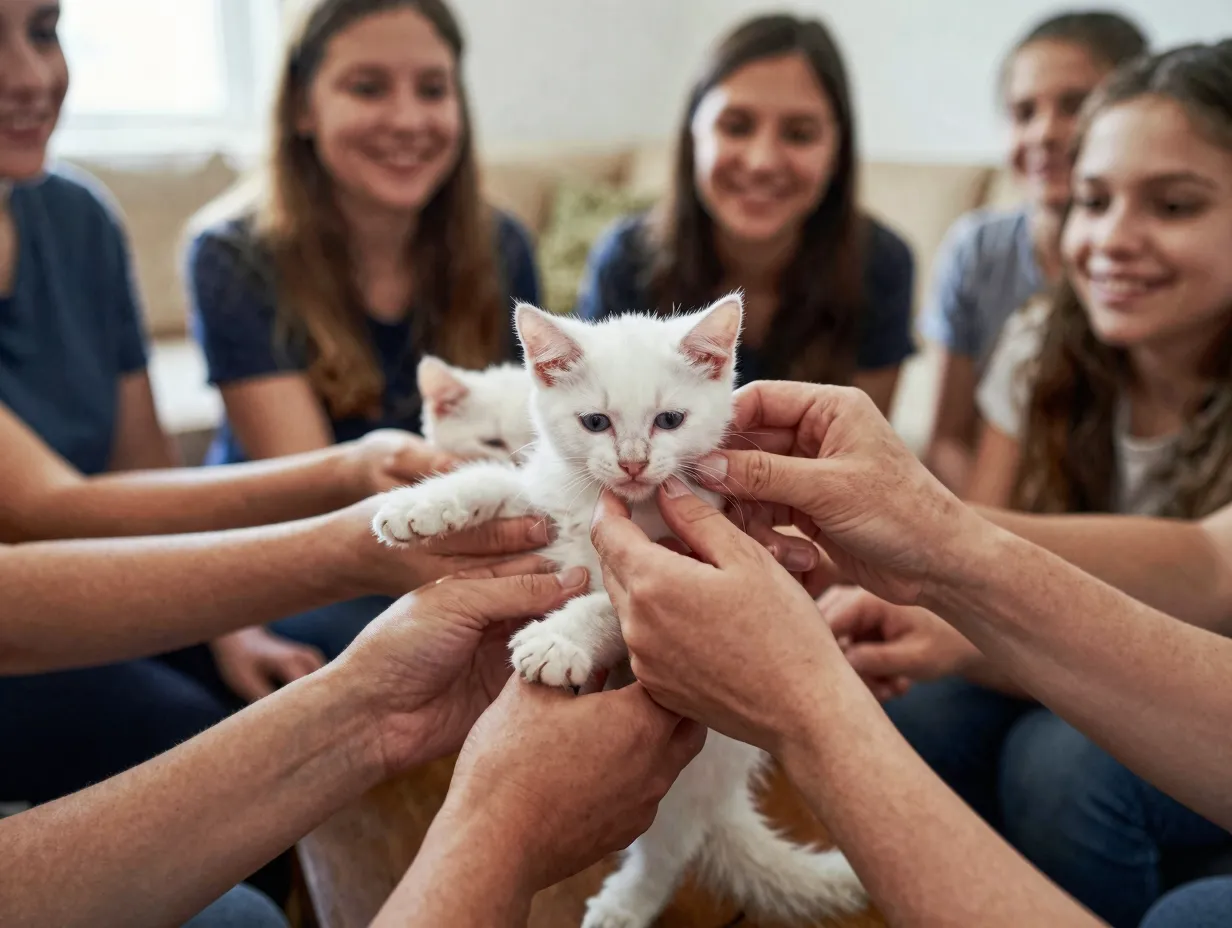
The Russian White’s elegance and reserve can sometimes tip into genuine shyness. This breed can be naturally cautious around strangers, and without proper early socialization, that caution can harden into persistent avoidance behavior [1].
The solution is straightforward but requires commitment: expose kittens to a wide variety of people, sounds, and environments from an early age. Positive associations built during the critical socialization window (roughly 2–9 weeks of age) will shape a confident, sociable adult cat.
Practical socialization tips for Russian White kittens:
- Introduce visitors regularly so the kitten learns that new people are safe
- Use treats and gentle handling to create positive associations
- Expose them to household sounds — vacuum cleaners, music, children’s voices
- Avoid forcing interaction — let the kitten approach on its own terms
- Maintain consistency — regular, calm social exposure beats occasional overwhelming events
A well-socialized Russian White is an affectionate, loyal companion. A poorly socialized one may hide whenever the doorbell rings.
9. They Are a Niche, Expensive Breed — And Counterfeits Exist
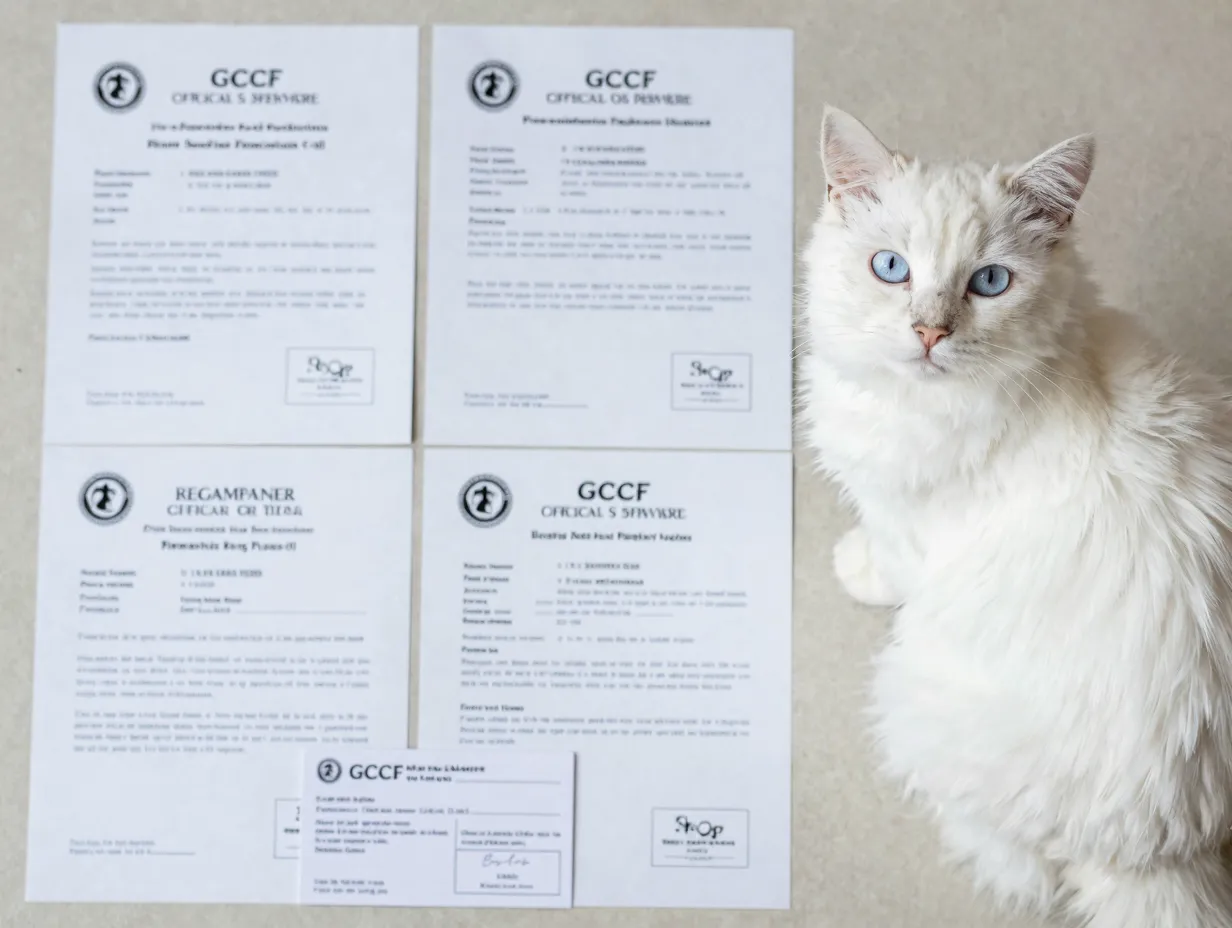
The final entry in our exploration of 9 Things You Didn’t Know About Russian White Cats (The Snow Princess) is a practical warning. The Russian White is a rare, niche breed with limited availability, and that scarcity comes with a price — both financial and reputational [1].
Because demand outstrips supply, unscrupulous sellers sometimes pass off ordinary white cats as Russian Whites. Here’s how to protect yourself:
| What to Look For | What to Avoid |
|---|---|
| Registered breeder with pedigree papers | No documentation or registration |
| GCCF, CFA, or TICA registration | Vague claims of “Russian heritage” |
| Health testing records for parents | Unwillingness to show parent cats |
| Transparent breeding history | Unusually low price for the breed |
| Kitten socialization program | Kittens available immediately, no wait list |
Reputable breeders will always welcome questions, provide documentation, and often have waiting lists. If a deal seems too easy or too cheap, treat that as a red flag [1].
The investment in a genuine Russian White from a responsible breeder is significant — but so is the reward. These cats are loyal, beautiful, and long-lived companions that can enrich your life for two decades.
Bonus Context: How Rare Are White Cats, Really?
To fully appreciate the Russian White, it helps to zoom out. Only 5% of the global cat population has a pure white coat [1]. That’s already a small minority. Now factor in that the Russian White is a specific, registered pedigree breed within that 5% — and you begin to understand just how exclusive these cats truly are.
This rarity is not just cosmetic. White cats, including Russian Whites, carry a dominant white gene (W gene) that suppresses all other color expression. This same gene is associated in some white cat populations with a higher incidence of deafness, particularly in blue-eyed white cats. However, Russian Whites are characterized by green eyes, not blue — which significantly reduces (though does not eliminate) this risk.
Conclusion: Is the Russian White Cat Right for You?
The Snow Princess lives up to her nickname. The Russian White cat is rare, beautiful, intelligent, and surprisingly robust — a combination that is genuinely hard to find in the pedigree cat world. But she is also a cat with specific needs: early socialization, mental stimulation, and a patient owner who understands that her initial reserve is not coldness, but caution.
Here are your actionable next steps if you’re considering a Russian White:
- Research registered breeders through recognized cat fancy organizations (GCCF, TICA, CFA)
- Join Russian White or Russian cat breed communities online to connect with experienced owners
- Prepare for a waiting list — reputable breeders rarely have kittens immediately available
- Budget appropriately — this is a premium breed with a premium price
- Plan your socialization strategy before the kitten arrives home
- Schedule a vet check early and establish a long-term care relationship
The 9 Things You Didn’t Know About Russian White Cats (The Snow Princess) covered in this article are just the beginning. The more time you spend with this breed, the more layers you discover — in their personality, their genetics, and their quiet, luminous presence. If you’re ready for a companion who is equal parts mystery and devotion, the Snow Princess may be exactly what you’ve been looking for. 🐾
References
[1] 27 Facts About Russian White Cats – https://www.feliway.co.uk/blogs/news/27-facts-about-russian-white-cats
[2] Watch – https://www.youtube.com/watch?v=lLmIukWDdiY