9 Essential Facts Every Belgian Shepherd Dog Groenendael Owner Should Know
Only about 1 in 10 prospective dog owners researches their chosen breed thoroughly before bringing one home — and with a dog as demanding, intelligent, and complex as the Belgian Shepherd Dog Groenendael, that gap in knowledge can lead to serious frustration for both owner and animal. Whether you are already sharing your home with one of these striking black-coated dogs or seriously considering it, the 9 Essential Facts Every Belgian Shepherd Dog Groenendael Owner Should Know will give you the foundation to build a truly rewarding relationship with this breed.
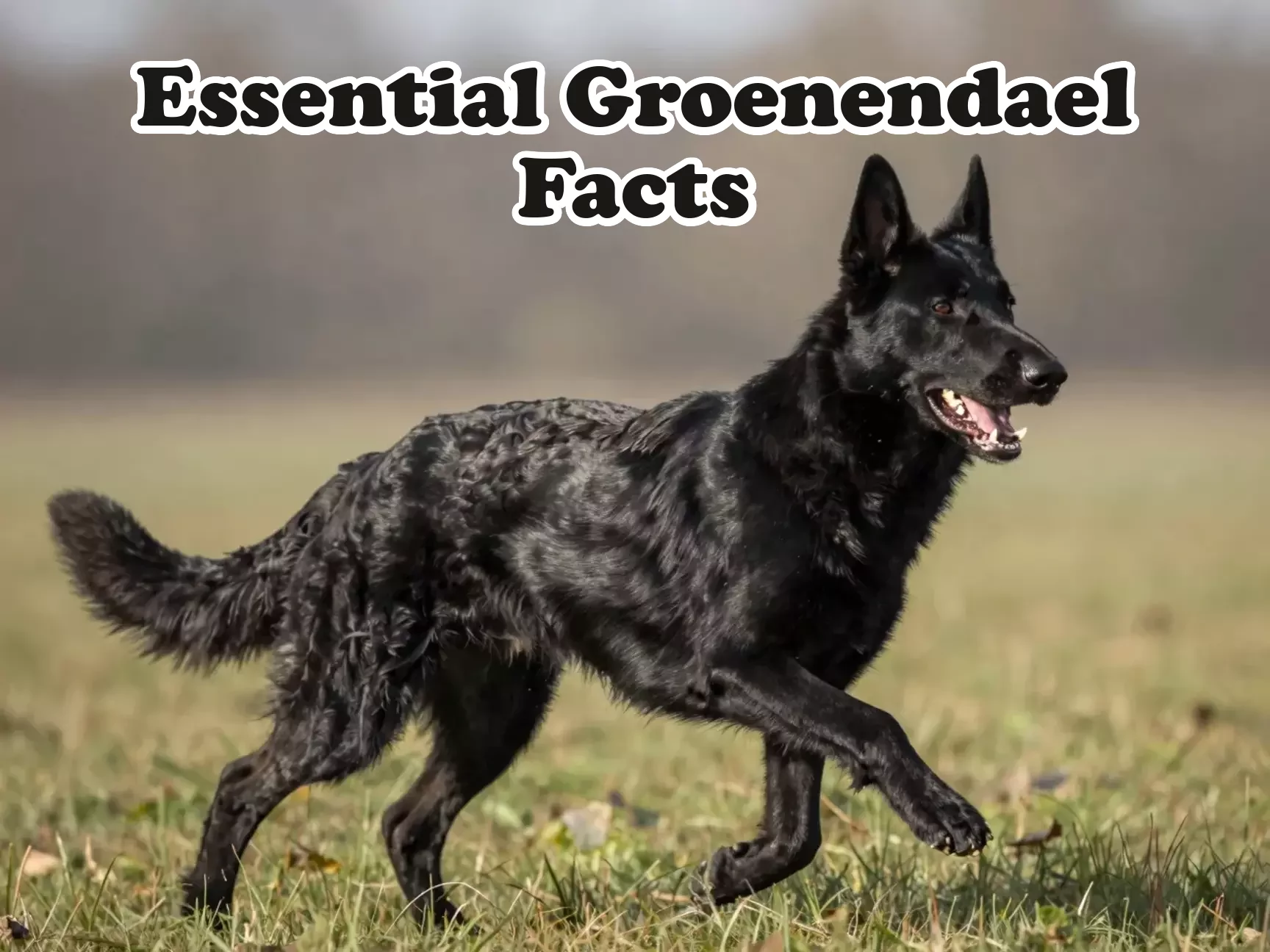
These dogs are not simply beautiful — they are working machines wrapped in a silky black coat. From their unique breed classification to their health vulnerabilities, every aspect of owning a Groenendael deserves careful attention. Let’s dig into the facts that matter most.
Key Takeaways
- 🐾 The Groenendael is one of four Belgian Shepherd varieties, recognized as a separate breed (Belgian Sheepdog) in the USA.
- 🧠 This breed demands intense mental and physical stimulation — a bored Groenendael is a destructive one.
- 🛡️ They are natural watchdogs and working dogs, excelling in law enforcement, search and rescue, and therapy roles.
- ✂️ Grooming is manageable year-round but requires daily brushing during heavy shedding seasons.
- ❤️ With a lifespan of 10–14 years, proactive health screening is essential to catch common conditions early.
1. The Groenendael Is One of Four Belgian Shepherd Varieties
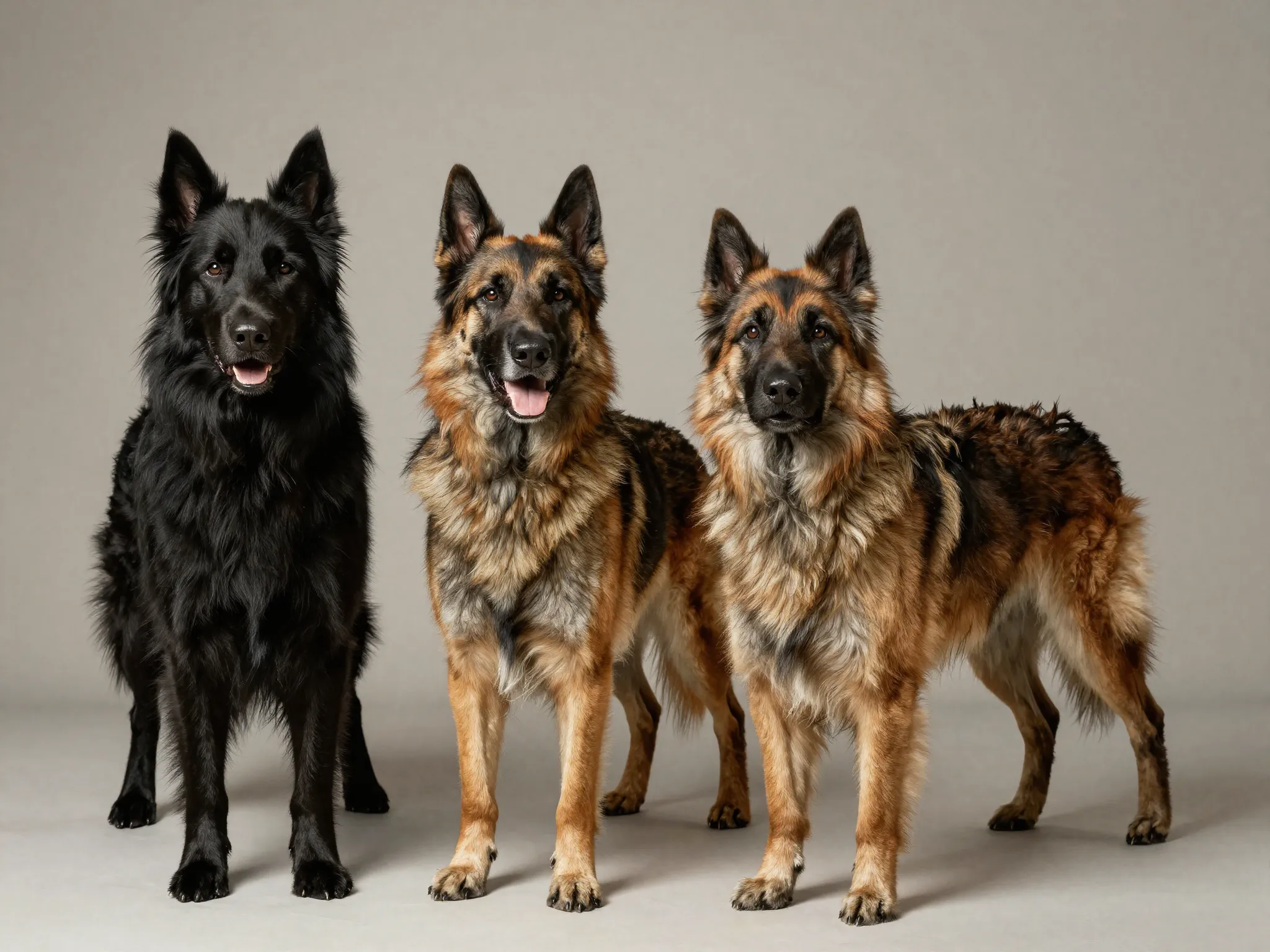
The Belgian Shepherd Dog Groenendael does not stand alone. It is one of four recognized varieties of the Belgian Shepherd breed — the others being the Laekenois, the Malinois, and the Tervuren. Each variety is distinguished primarily by coat type and color. [3]
Here is a quick comparison:
| Variety | Coat Type | Coat Color |
|---|---|---|
| Groenendael | Long-haired | Black |
| Tervuren | Long-haired | Fawn/mahogany with black overlay |
| Malinois | Short-haired | Fawn/mahogany with black mask |
| Laekenois | Rough/wiry | Fawn |
💡 Pull Quote: “In the United States, the Groenendael is officially recognized as a separate breed called the Belgian Sheepdog — a distinction that surprises many new owners.”
This classification matters practically. In countries that follow the FCI (Fédération Cynologique Internationale) standard, all four are grouped as one breed. In the USA under the American Kennel Club and the Canadian Kennel Club, the Groenendael is registered separately as the Belgian Sheepdog. [2] Understanding this distinction helps you navigate breed registries, health databases, and breed-specific legislation where it exists.
2. That Iconic Black Coat Is More Than Just Good Looks
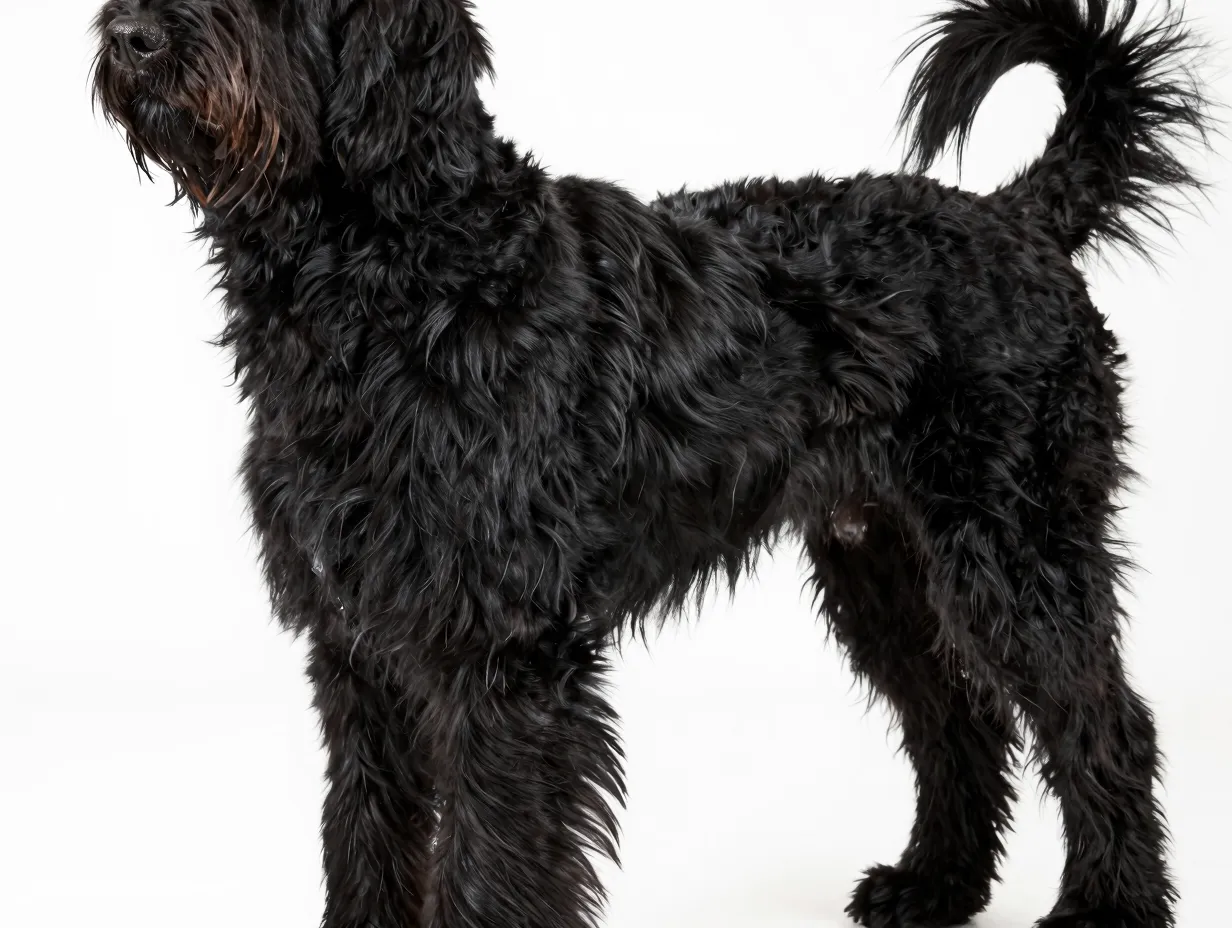
The Groenendael’s coat is its most recognizable feature — a solid black, long-haired double coat that can also carry small white markings on the chest and tips of the toes. What sets it apart visually is the elaborate feathering: longer fur along the legs, a full “collarette” or mane around the neck and chest, and a plumed tail. [3]
This coat serves a functional purpose. The dense undercoat provides insulation in cold weather, while the outer coat repels light rain and debris. However, it also means:
- Heat sensitivity in summer months — shade and water access are essential.
- A magnet for debris — burrs, mud, and leaves cling easily during outdoor activities.
- A visual health indicator — a dull, brittle, or thinning coat can signal nutritional deficiencies or thyroid issues.
Pro tip: Never shave a Groenendael’s coat in summer. The double coat actually insulates against heat as well as cold, and shaving can damage the coat’s natural regrowth cycle permanently.
3. Size and Build — Athletic, Not Bulky
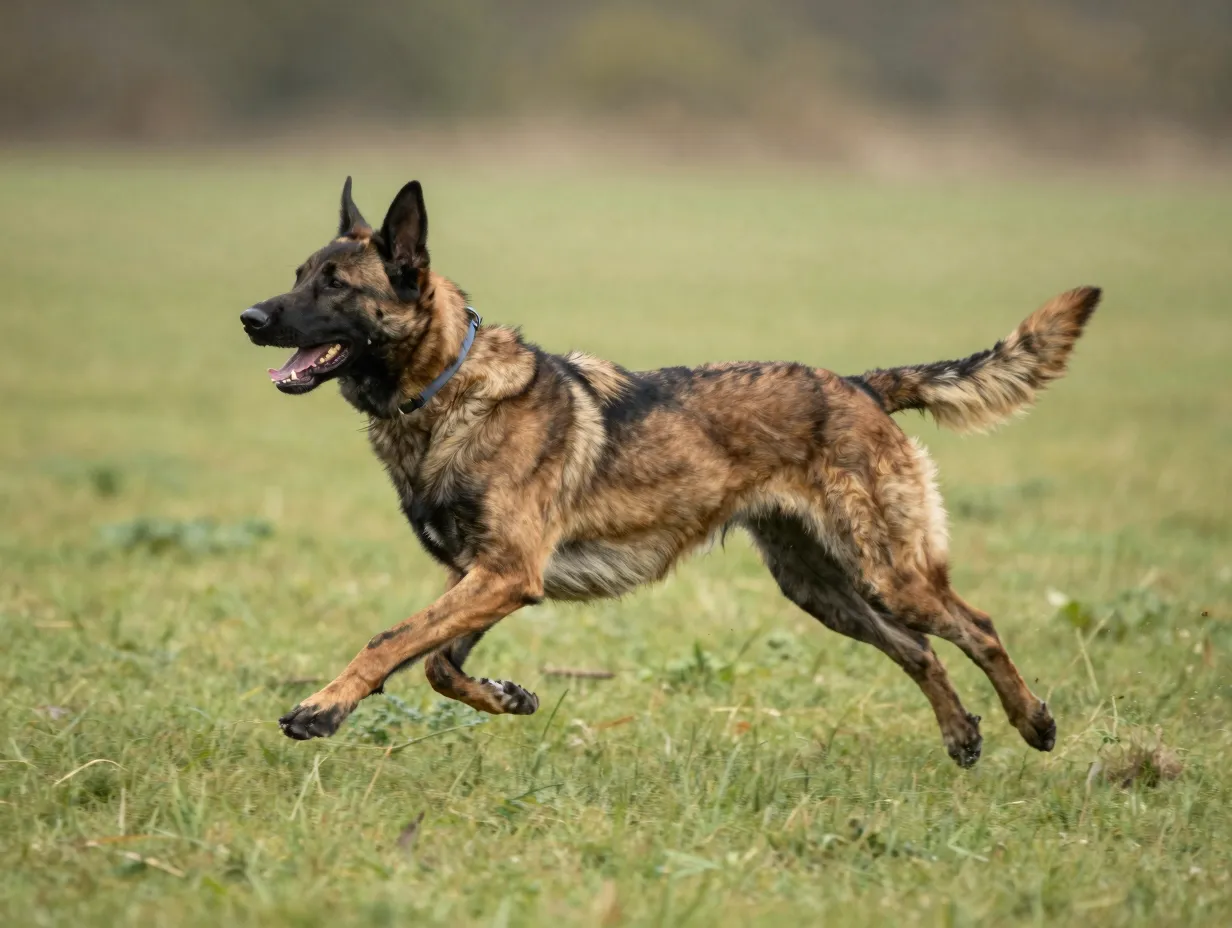
One of the 9 Essential Facts Every Belgian Shepherd Dog Groenendael Owner Should Know is that this is a medium-to-large dog with an athlete’s body, not a heavyweight’s. [3]
Typical measurements:
- Height: 56–66 cm (22–26 inches) at the shoulder
- Weight: 20–30 kg (44–66 pounds)
- Build: Square, well-proportioned, lean and muscular
Males tend to be larger and more masculine in appearance, while females are slightly lighter and more refined. The squared body structure means the dog’s length from chest to rump roughly equals its height at the shoulder — a build optimized for agility and endurance rather than raw power.
This matters for practical ownership decisions:
- Housing: They can adapt to apartment living only if given substantial daily exercise — a house with a securely fenced yard is strongly preferred.
- Equipment: Standard large-breed harnesses, crates, and feeding bowls are appropriate.
- Vehicle transport: A medium-to-large crate or cargo barrier is necessary for safe car travel.
4. Intelligence and Energy — A Double-Edged Sword 🧠⚡
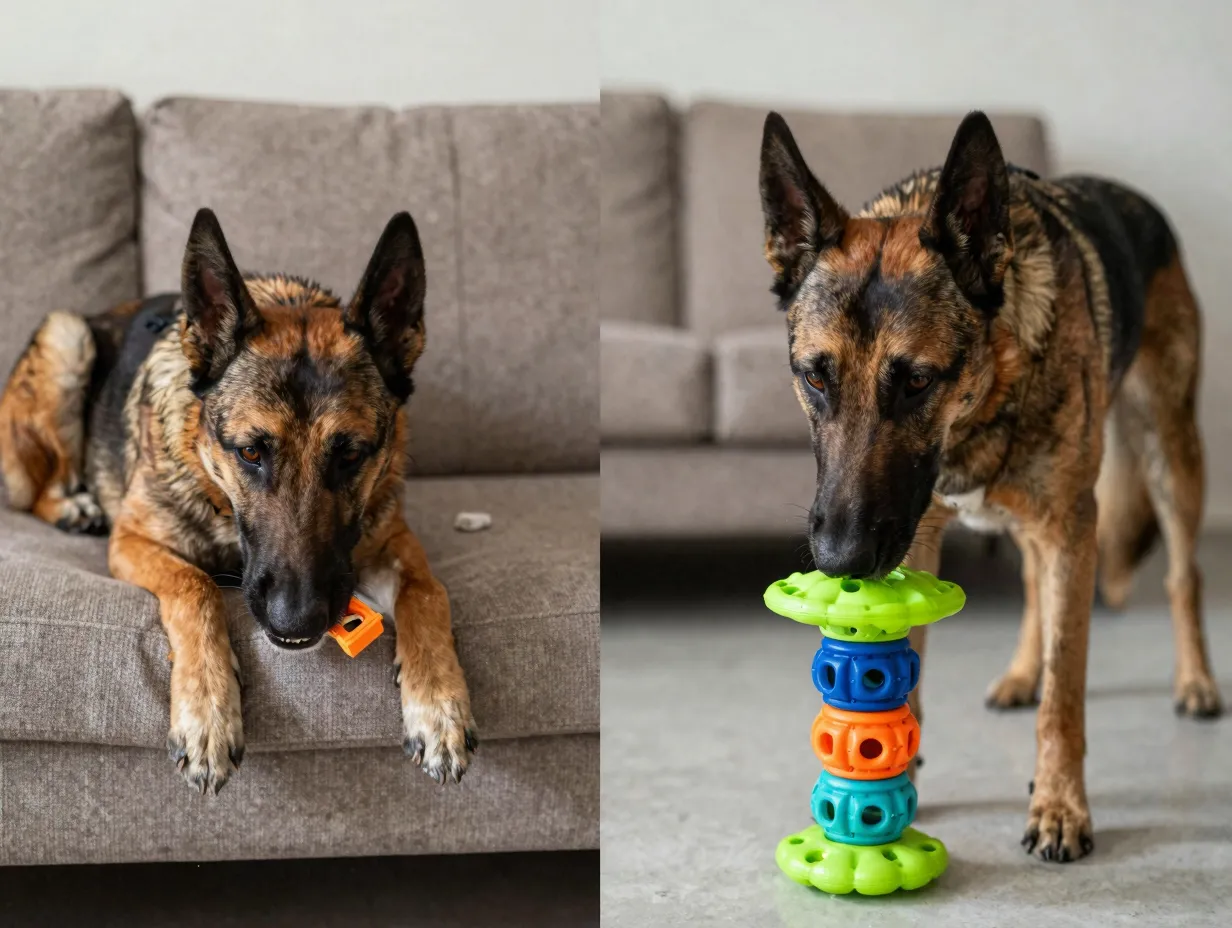
Ask any experienced Groenendael owner what surprised them most, and the answer is almost always the same: just how much this dog needs to do. The breed is ranked among the most intelligent dog breeds in the world, and that intelligence comes with a relentless need for stimulation. [3]
What happens when a Groenendael is under-stimulated:
- Destructive chewing (furniture, shoes, baseboards)
- Excessive digging in yards
- Compulsive barking
- Anxiety and stress behaviors
- Redirected herding of children or other pets
What a well-stimulated Groenendael looks like:
- Calm and focused indoors
- Responsive and eager to train
- Confident in new environments
- Gentle and playful with family members
🔑 Key Insight: A minimum of 1.5–2 hours of vigorous exercise per day is not a recommendation for this breed — it is a baseline requirement. Add mental challenges like puzzle feeders, scent work, or obedience training on top of physical activity.
The breed is absolutely not suited to sedentary households. If your lifestyle involves long work hours with no dog walker or enrichment plan, a Groenendael will struggle — and so will you. [3]
5. Natural Watchdog Instincts Are Hardwired
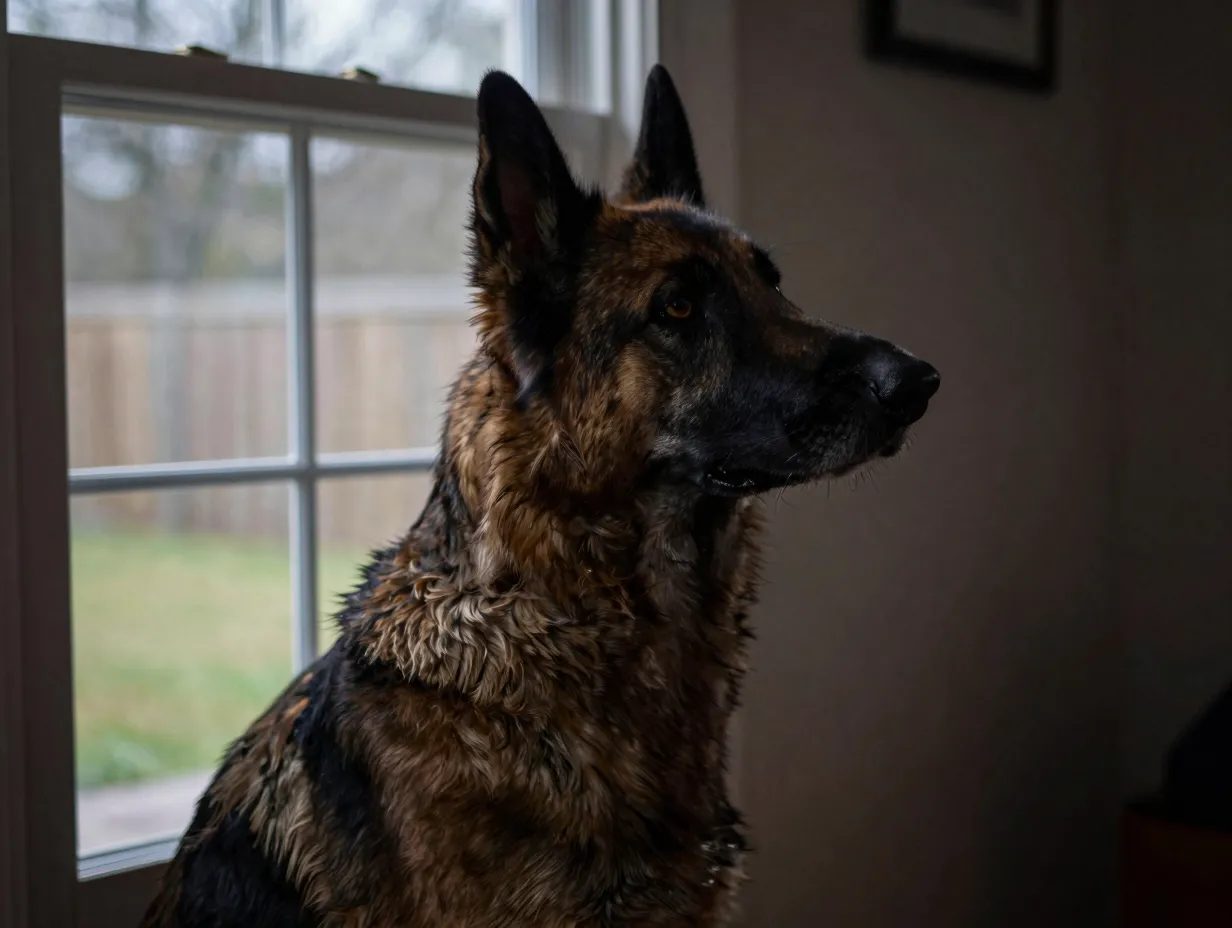
The Groenendael’s watchdog ability is not a trained behavior — it is built into the breed’s DNA. Sharp, upright ears, dark almond-shaped eyes that miss nothing, and a vigilant, alert demeanor make these dogs exceptional at detecting anything unusual in their environment. [1]
What makes them effective watchdogs:
- They bark infrequently and purposefully — not at every passing car, but when something genuinely warrants attention. [1]
- Their body language shifts noticeably when they sense a threat, giving owners a clear signal.
- Their size and confident bearing are a natural deterrent.
Important distinction: Watchdog ≠ Guard dog. A Groenendael will alert you to danger with impressive reliability. Whether they will physically intervene depends on individual temperament and specific protection training, which should only be conducted by qualified professionals.
Socialization is critical. Without proper early exposure to strangers, other animals, and varied environments, the watchdog instinct can tip into over-protectiveness or fearful aggression. Start socialization from puppyhood and continue it throughout the dog’s life.
6. Versatility — From Herding Fields to Hospital Wards
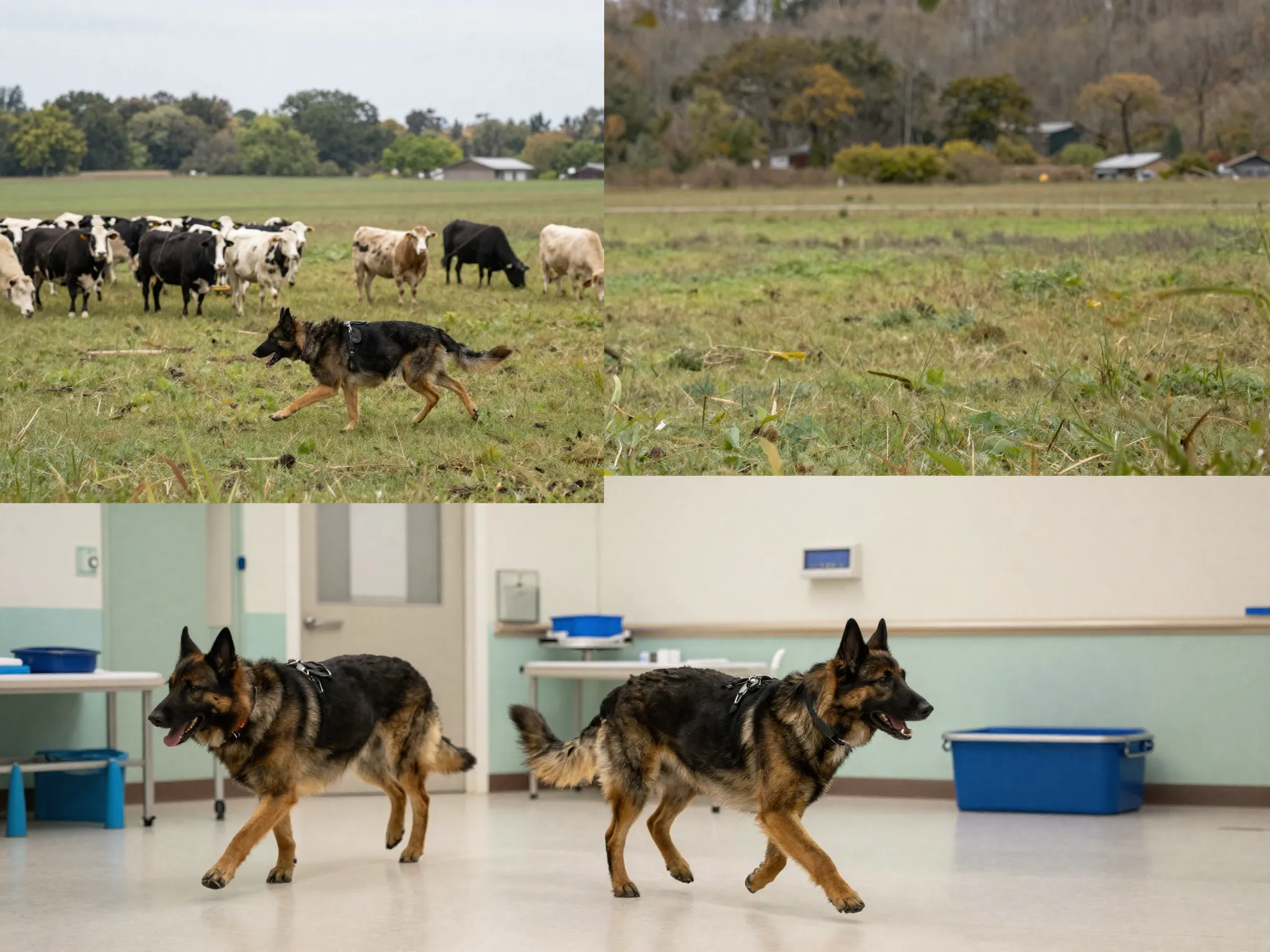
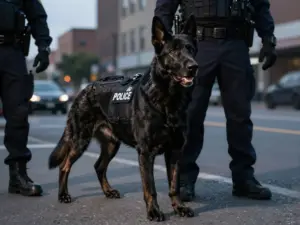
One of the most impressive aspects of the 9 Essential Facts Every Belgian Shepherd Dog Groenendael Owner Should Know is the sheer range of roles this breed has mastered. Originally developed in Belgium for herding livestock, the Groenendael’s intelligence and trainability have made it indispensable across dozens of professional and competitive fields. [3]
Current working roles include:
- Law enforcement and police work
- Military service
- Drug and explosive detection
- Search and rescue operations
- Tracking and trailing
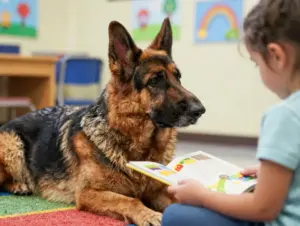
- Therapy and emotional support work
- Competitive agility and obedience trials
- Herding competitions
- Personal protection work
💬 “The Belgian Sheepdog combines devotion with athleticism — a combination that has made it one of the most versatile working breeds in the world.” [2]
For pet owners, this versatility translates into an exceptionally trainable companion — one that thrives when given a “job,” even if that job is learning advanced obedience commands, competing in dog sports, or participating in therapy dog programs. The key is channeling the breed’s drive productively.
7. Grooming — More Manageable Than the Coat Suggests ✂️
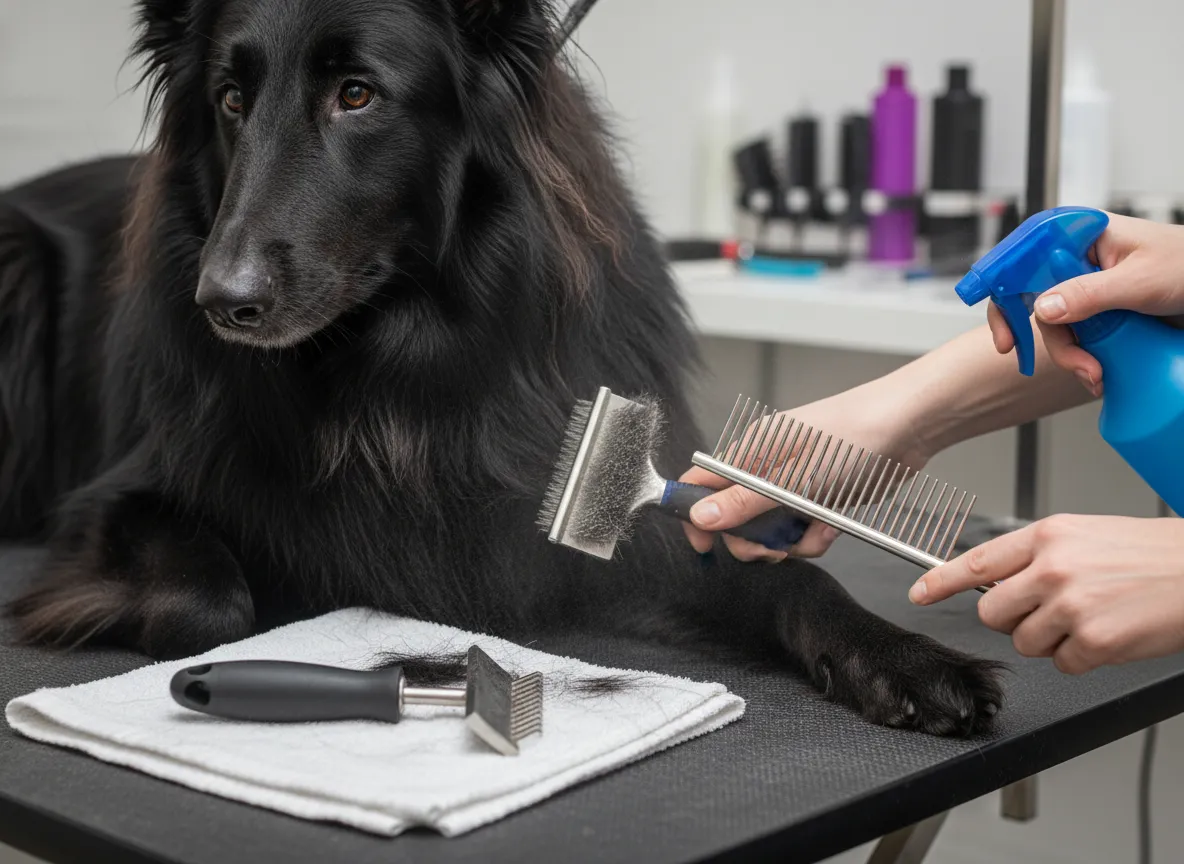
Many people look at the Groenendael’s flowing black coat and assume it requires salon-level grooming every week. The reality is more nuanced — and more manageable — than it appears. [3]
Grooming schedule breakdown:
| Task | Frequency |
|---|---|
| Brushing (normal periods) | 2–3 times per week |
| Brushing (shedding season) | Daily |
| Bathing | Every 6–8 weeks or as needed |
| Nail trimming | Every 3–4 weeks |
| Ear cleaning | Weekly check, clean as needed |
| Eye area cleaning | Weekly |
| Dental brushing | 3–5 times per week |
The Groenendael sheds heavily once or twice per year — typically in spring and fall — during which daily brushing is essential to prevent matting and manage the volume of loose fur. [3] Outside of these periods, the coat is relatively low-maintenance for a long-haired breed.
Tools you will need:
- A quality slicker brush
- A long-toothed metal comb
- A de-shedding tool (like a Furminator) for shedding seasons
- Detangling spray for the feathered areas
One important note: never use scissors to cut out mats. Work through tangles with a detangling spray and a wide-toothed comb, or consult a professional groomer.
8. Health — Know the Risks, Plan Proactively 🏥
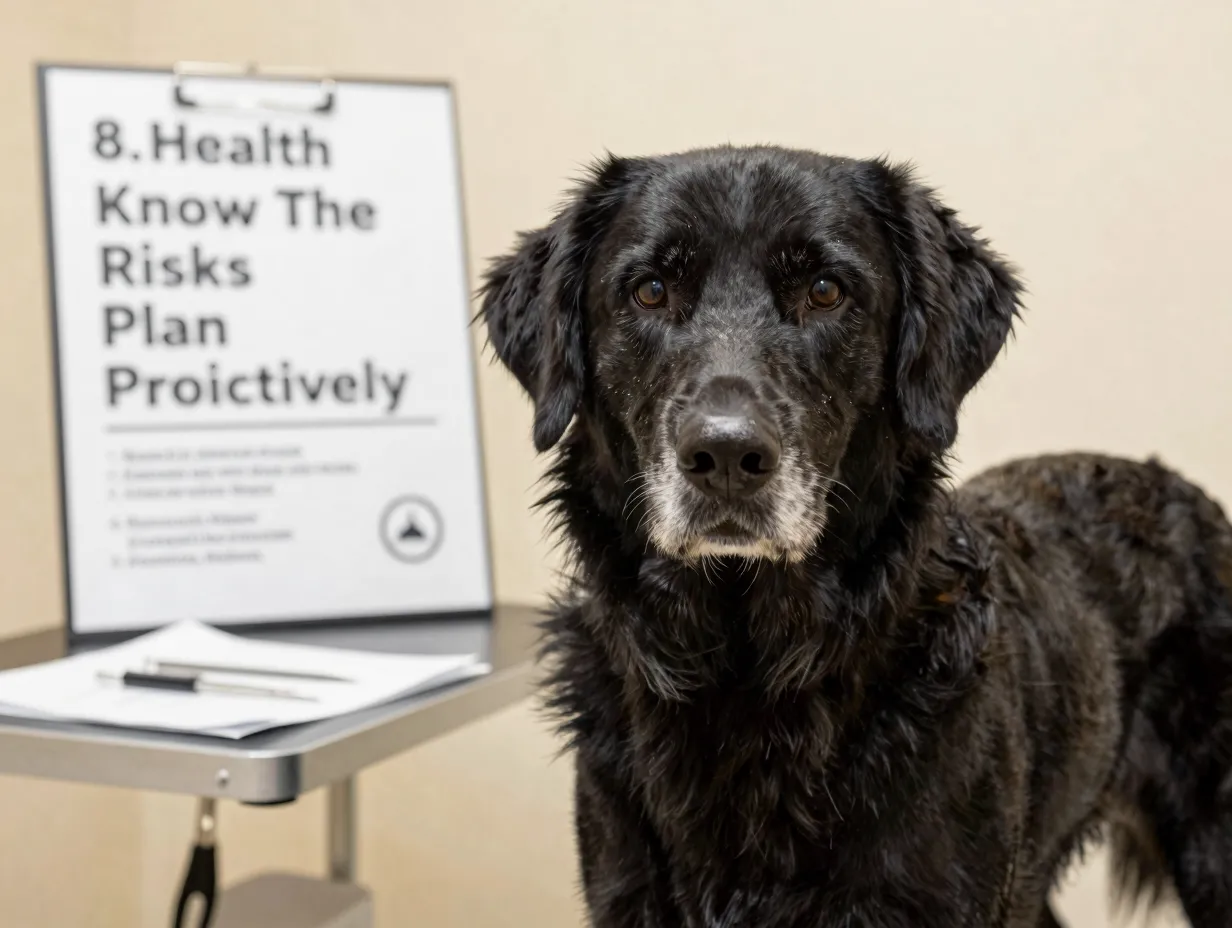
The Groenendael is a relatively healthy breed with a lifespan of 10–14 years, with most dogs living between 11 and 13 years. [3] However, like all purebred dogs, they carry predispositions to certain health conditions that every owner should monitor.
Common health concerns:
- Hip dysplasia — a malformation of the hip joint leading to arthritis and pain; screen breeding dogs with OFA or PennHIP certification.
- Progressive Retinal Atrophy (PRA) — a degenerative eye condition leading to blindness; genetic testing is available.
- Hypothyroidism — underactive thyroid causing weight gain, lethargy, and coat changes; manageable with daily medication.
- Epilepsy — seizure disorders occur in the breed; work closely with a veterinary neurologist if diagnosed.
- Cataracts — can develop with age or as a hereditary condition.
- Cancer — as with many medium-large breeds, cancer risk increases with age.
Proactive health steps:
- Choose a breeder who health-tests for hip dysplasia and PRA at minimum.
- Schedule annual veterinary wellness exams and biannual exams for dogs over age 7.
- Maintain a healthy weight — excess weight dramatically accelerates joint problems.
- Consider pet health insurance early in the dog’s life, before conditions are diagnosed and become pre-existing exclusions.
⚠️ Important: Coat changes — dullness, thinning, or excessive shedding outside of normal seasons — can be an early sign of hypothyroidism. Report these changes to your vet promptly.
9. Temperament — Devoted, Confident, and Deeply Bonded
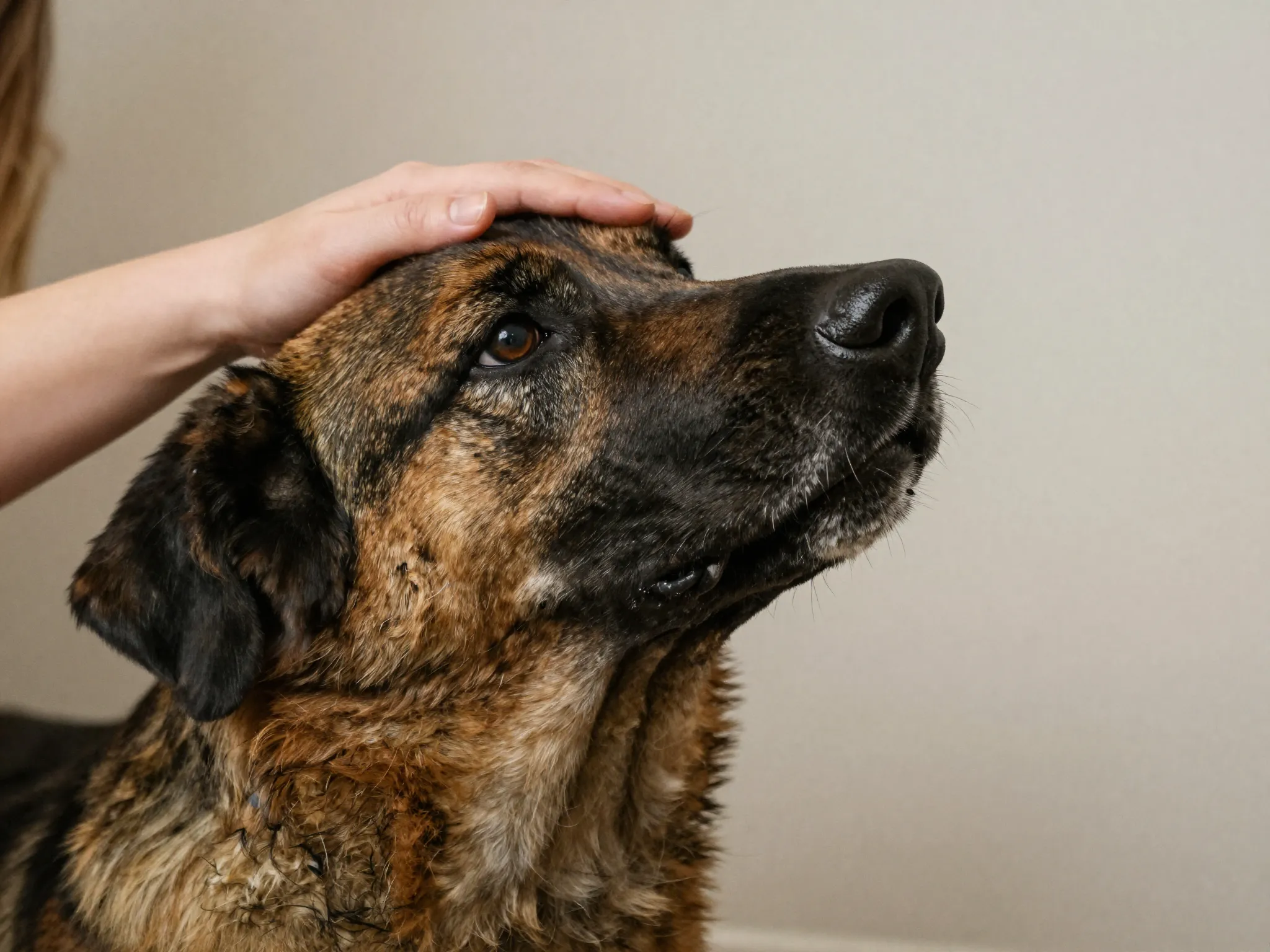
The final fact in the 9 Essential Facts Every Belgian Shepherd Dog Groenendael Owner Should Know may be the most important one of all: this breed forms extraordinarily deep bonds with its family. [2]
The Groenendael’s temperament is characterized by:
- Confidence — not timid or easily rattled in new situations when properly socialized
- Devotion — deeply attached to their primary family; can develop separation anxiety if left alone excessively
- Watchfulness — always aware of their environment and the people in it
- Sensitivity — highly attuned to human emotions and tone of voice; responds poorly to harsh training methods
- Playfulness — retains a puppy-like enthusiasm for play well into adulthood
With children: Generally excellent with children they are raised with, though the herding instinct may cause them to chase or “nudge” small children. Supervision and training can address this effectively.
With other pets: Can coexist well with other dogs and cats when socialized early, though the prey drive may be triggered by small animals.
Training approach: Positive reinforcement is the only recommended method for this breed. Punishment-based training damages trust, creates anxiety, and can trigger defensive behaviors. These dogs are eager to please — reward that eagerness generously. [4]
💡 Pull Quote: “A Groenendael raised with consistent, kind leadership and abundant stimulation is one of the most loyal, capable, and rewarding companions a dog owner can experience.”
Conclusion: Owning a Groenendael Is a Commitment Worth Making
The 9 Essential Facts Every Belgian Shepherd Dog Groenendael Owner Should Know paint a clear picture: this is not a beginner’s dog, and it is not a dog for passive owners. But for those who are ready to meet its needs, the Groenendael offers something rare — a companion that is simultaneously a working partner, a devoted family member, and an endlessly impressive animal.
Your actionable next steps as a Groenendael owner or prospective owner in 2026:
- Assess your lifestyle honestly. Can you commit to 1.5–2 hours of daily vigorous exercise plus mental enrichment? If yes, proceed with confidence.
- Find a health-tested breeder or reputable rescue. Insist on OFA hip certifications and PRA genetic testing documentation.
- Enroll in puppy classes immediately. Early socialization and basic obedience training set the foundation for everything that follows.
- Build a grooming routine from day one. Get your puppy comfortable with brushing, nail trims, and ear checks before they become a struggle.
- Partner with a knowledgeable veterinarian. Find a vet familiar with the breed’s specific health predispositions.
- Consider a dog sport or working activity. Agility, nose work, herding trials, or therapy dog certification will channel your Groenendael’s intelligence productively.
The Groenendael is a breed that gives back exactly what you put in — and then some. Invest in understanding it fully, and you will have a partner unlike any other.
References
[1] Watch – https://www.youtube.com/watch?v=8PWfWdOZJOI
[2] Belgian Sheepdog Groenendael – https://ckcusa.com/breeds/belgian-sheepdog-groenendael/
[3] Belgian Groenendael Top 10 Interesting Facts – https://www.rocadog.com/blog/belgian-groenendael-top-10-interesting-facts
[4] 10 Essential Facts About Belgian Shepherds Before Buying – https://www.lancasterpuppies.com/pet-advice/10-essential-facts-about-belgian-shepherds-before-buying.html
[5] 10 Things You Need To Know About The Belgian Shepherd Dog Before You Buy One – https://www.pets4homes.co.uk/pet-advice/10-things-you-need-to-know-about-the-belgian-shepherd-dog-before-you-buy-one.html
[6] Watch – https://www.youtube.com/watch?v=-jBti5R48Co