8 Tender Moments: A Mother Cat with Newborn Kittens Bonding
The first gentle touch of a mother cat’s tongue on her newborn kitten‘s fur creates an invisible bond that will shape both their lives forever. This magical connection between feline mothers and their babies mirrors the deep emotional ties we see throughout the animal kingdom, yet it holds unique characteristics that make it truly special. Understanding these 8 tender moments: a mother cat with newborn kittens bonding reveals not only the beauty of maternal love but also the fascinating science behind these precious relationships.
Recent research has unveiled remarkable insights into how cats form attachments with their offspring and caregivers. Studies show that approximately 65.8% of adult cats and 64.3% of kittens form secure attachments with their caregivers, remarkably similar to the 65% rate observed in human infants [2]. This discovery has transformed our understanding of feline emotional intelligence and the depth of their capacity for love.
Key Takeaways
- Oxytocin plays a crucial role in mother-kitten bonding, with levels rising during gentle physical contact and nurturing behaviors
- Eight distinct bonding moments occur between mother cats and newborns, from first touch to protective positioning
- Secure attachment rates in cats mirror those of human infants at approximately 65%, indicating sophisticated emotional development
- Maternal behaviors like grooming, nursing, and vocalizations create lasting psychological benefits for kittens
- Understanding these moments helps cat owners recognize healthy bonding patterns and support optimal development
The Science Behind Feline Maternal Bonding
The neurochemical foundation of 8 tender moments: a mother cat with newborn kittens bonding lies in the same hormone that drives human parental love: oxytocin. This powerful “love hormone” surges through a mother cat’s system during birth and continues to influence her behavior throughout the early weeks of her kittens’ lives [1].
Research conducted in February 2025 revealed that when cats engage in gentle physical contact, both participants experience elevated oxytocin levels—but only when the interaction occurs naturally without force [1]. This finding explains why mother cats instinctively know how to create the perfect environment for bonding with their newborns.
The biological process involves:
- 🧠 Neurochemical changes in the mother’s brain during and after birth
- 💝 Oxytocin release triggered by physical contact and nursing
- 🔄 Positive feedback loops that strengthen the bond over time
- 🎯 Stress reduction in both mother and kittens through bonding behaviors
Mother cats and human parents share remarkable similarities in their bonding mechanisms. Both species rely heavily on oxytocin to create and maintain strong emotional connections with their offspring [3]. This parallel suggests that maternal love operates on fundamental biological principles that transcend species boundaries.
8 Tender Moments That Define Mother-Kitten Bonding
1. The First Touch: Immediate Post-Birth Connection
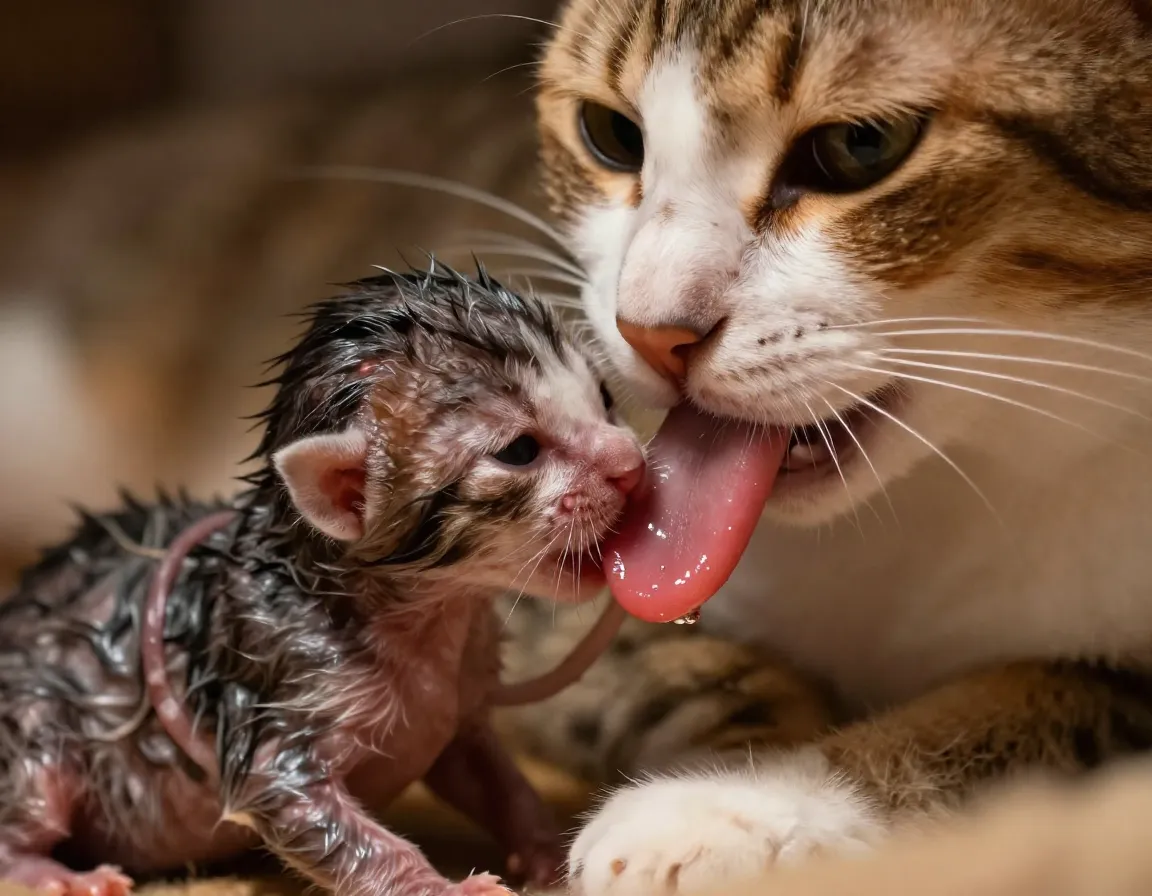
The moment a kitten enters the world, its mother’s first instinct is to provide gentle, reassuring contact. This initial touch serves multiple purposes beyond simple comfort—it activates the kitten’s nervous system and begins the crucial imprinting process that will define their relationship.
During this tender moment, the mother cat typically uses her nose to gently nudge the newborn, stimulating breathing and circulation. Her warm breath and soft vocalizations create an auditory and sensory environment that helps the kitten transition from the womb to the outside world.
Key behaviors during first touch:
- Gentle nose-to-nose contact
- Soft purring vibrations
- Warm positioning against the mother’s body
- Immediate cleaning to remove birth fluids
2. The Cleaning Ritual: Grooming as Love Language
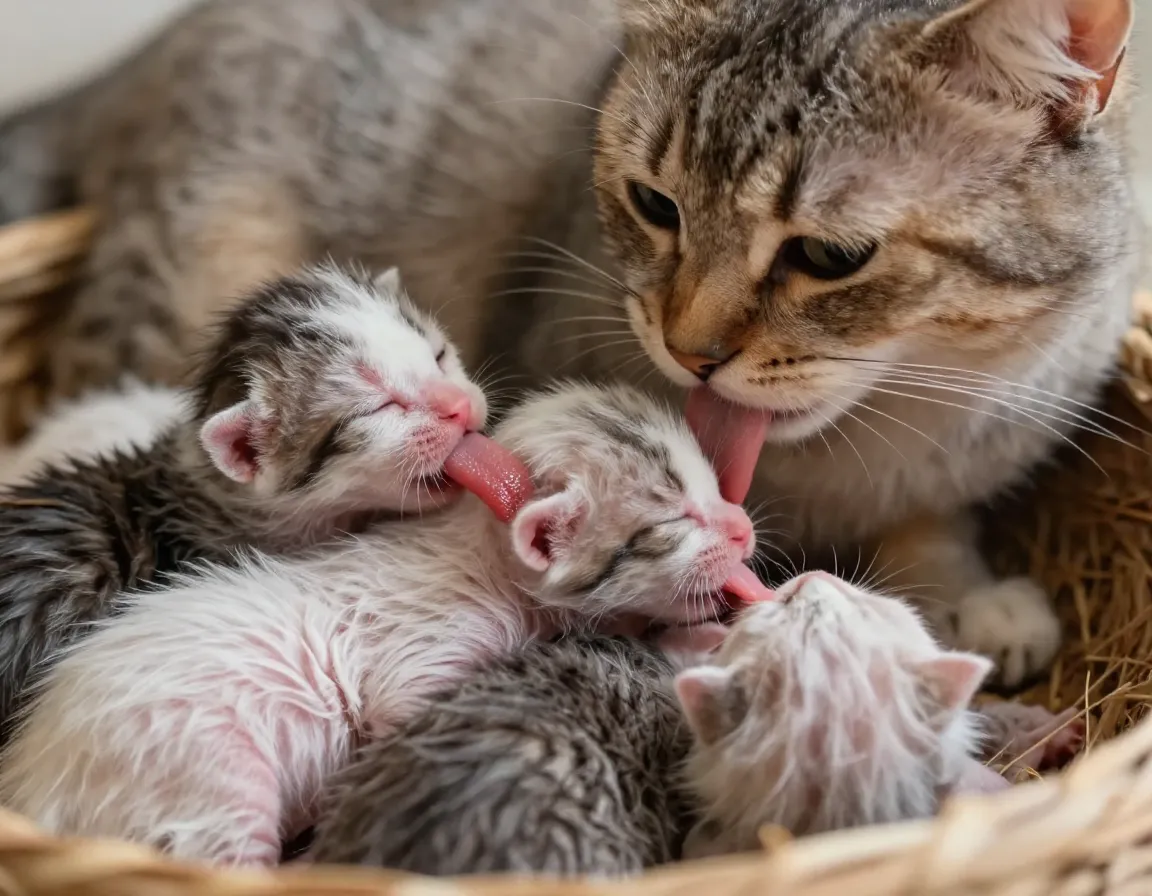
Perhaps no behavior demonstrates 8 tender moments: a mother cat with newborn kittens bonding more clearly than the meticulous grooming ritual. A mother cat’s tongue, designed with tiny backward-facing hooks called papillae, serves as the perfect tool for cleaning and stimulating her babies.
This grooming process accomplishes several critical functions:
- Removes birth fluids and keeps kittens clean
- Stimulates circulation and helps regulate body temperature
- Promotes digestion through gentle abdominal massage
- Creates scent bonding through saliva transfer
- Provides comfort and security through rhythmic motion
The cleaning ritual typically begins within minutes of birth and continues multiple times throughout each day. Mother cats spend an average of 3-4 hours daily grooming their kittens during the first few weeks of life.
3. The Nursing Circle: Nutritional and Emotional Nourishment
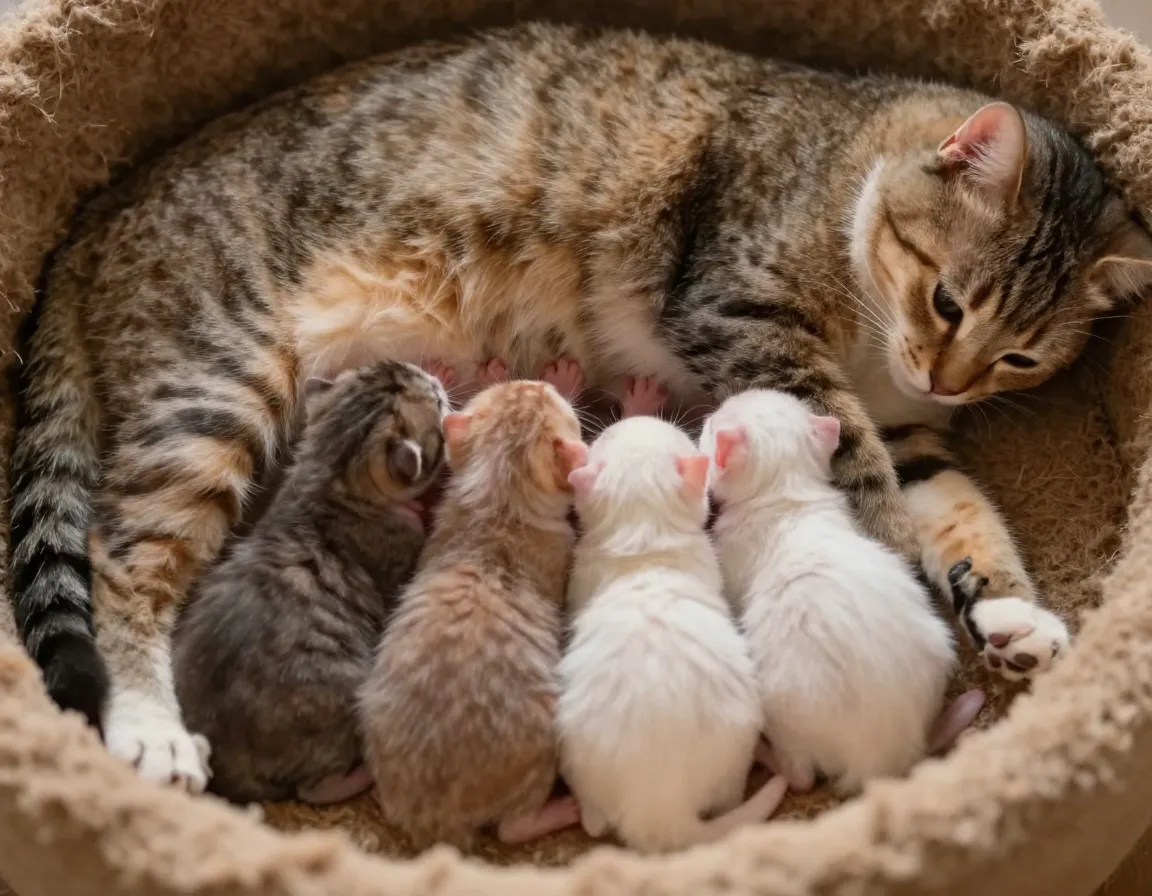
When newborn kittens instinctively search for their mother’s milk, they create one of the most touching scenes in the animal kingdom. The nursing circle represents both nutritional sustenance and profound emotional bonding, as kittens knead their mother’s belly while purring contentedly.
The nursing process creates multiple bonding benefits:
| Benefit Type | Description | Duration |
|---|---|---|
| Nutritional | Colostrum provides antibodies and essential nutrients | First 24-48 hours |
| Emotional | Physical closeness releases oxytocin in both parties | Throughout nursing period |
| Behavioral | Kneading motion stimulates milk production | 6-8 weeks |
| Social | Littermates learn hierarchy and sharing | 4-6 weeks |
The warmth generated during nursing sessions helps regulate the kittens’ body temperature, as they cannot thermoregulate effectively during their first few weeks of life. This physical dependency strengthens the emotional bond and ensures the mother remains attentive to her babies’ needs.
4. The Protective Positioning: Creating a Safe Haven
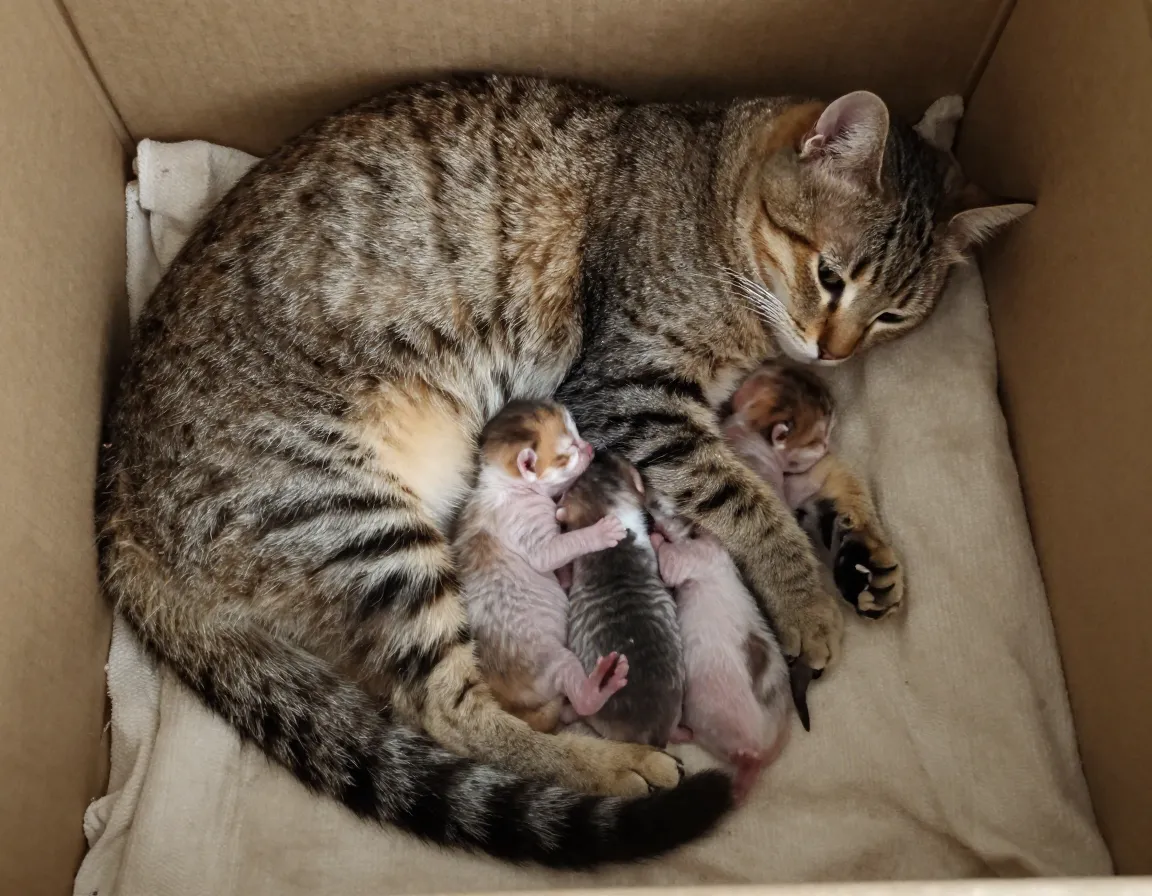
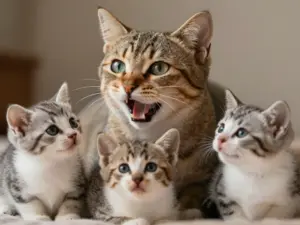
Mother cats demonstrate remarkable intuition when it comes to positioning themselves protectively around their newborns. This behavior, often called “curling,” creates a physical barrier against potential threats while maintaining optimal warmth and comfort for the kittens.
The protective positioning involves the mother cat curving her body into a C-shape or circle, with her tail often serving as an additional barrier. This formation allows kittens to remain close to nursing opportunities while feeling completely secure within their mother’s embrace.
Elements of protective positioning include:
- Strategic body placement to shield kittens from drafts
- Tail positioning to create additional warmth
- Head placement for quick response to threats
- Leg positioning to allow easy kitten access
5. The Vocal Communication: Purrs, Chirps, and Calls
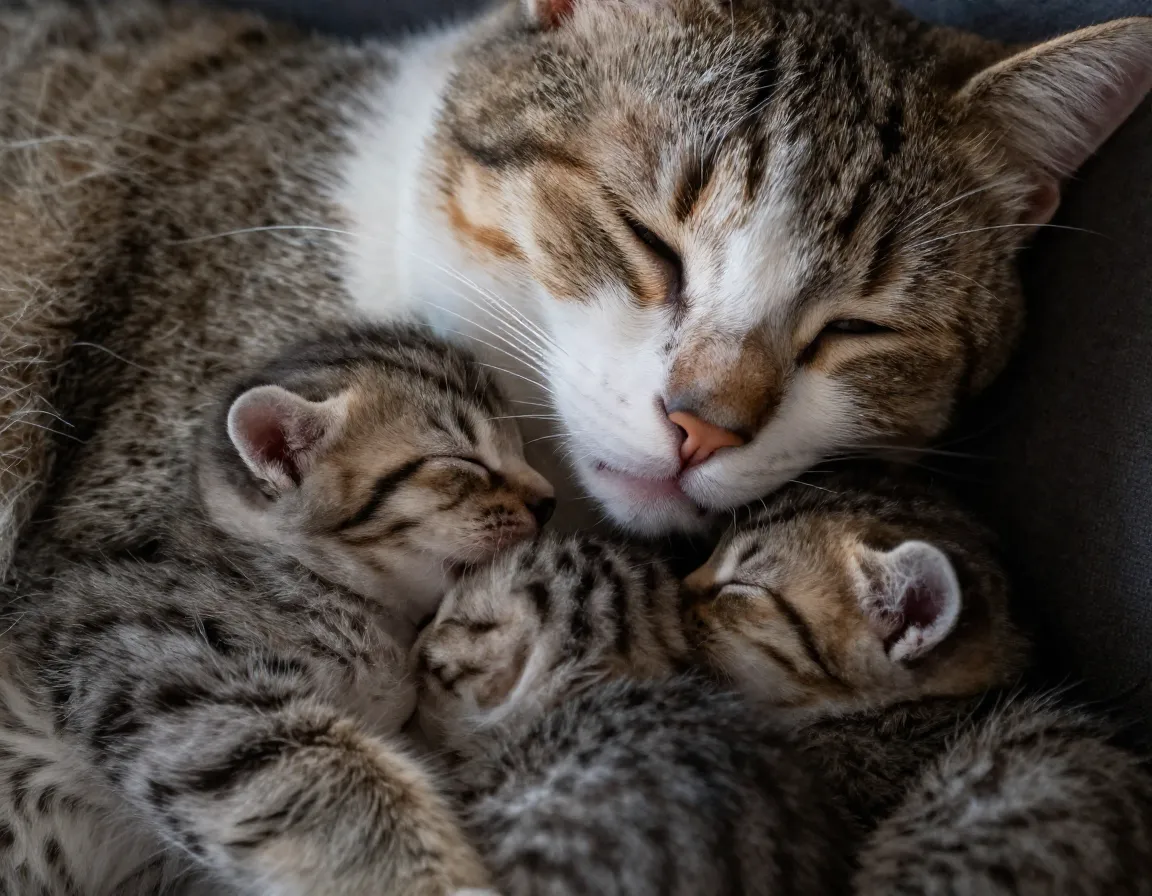
The soundtrack of 8 tender moments: a mother cat with newborn kittens bonding consists of a complex symphony of vocalizations that serve as the foundation for lifelong communication patterns. Mother cats use distinct sounds to convey different messages to their offspring, from comfort calls to warning signals.
Primary vocal communications include:
🎵 Purring: The most recognizable bonding sound, purring creates vibrations that can actually promote healing and reduce stress in both mother and kittens. Research shows that cat purrs can lower human heart rate and blood pressure [1].
🗣️ Chirping: Short, bird-like sounds that mothers use to call their kittens for feeding or to encourage movement.
📢 Trilling: Rolling vocalizations that express contentment and encourage kittens to approach.
⚠️ Warning calls: Sharp, distinctive sounds that alert kittens to potential danger.
These vocalizations begin immediately after birth and evolve as the kittens develop. By the time kittens are three weeks old, they can distinguish between different maternal calls and respond appropriately.
6. The Carrying Behavior: Gentle Transportation
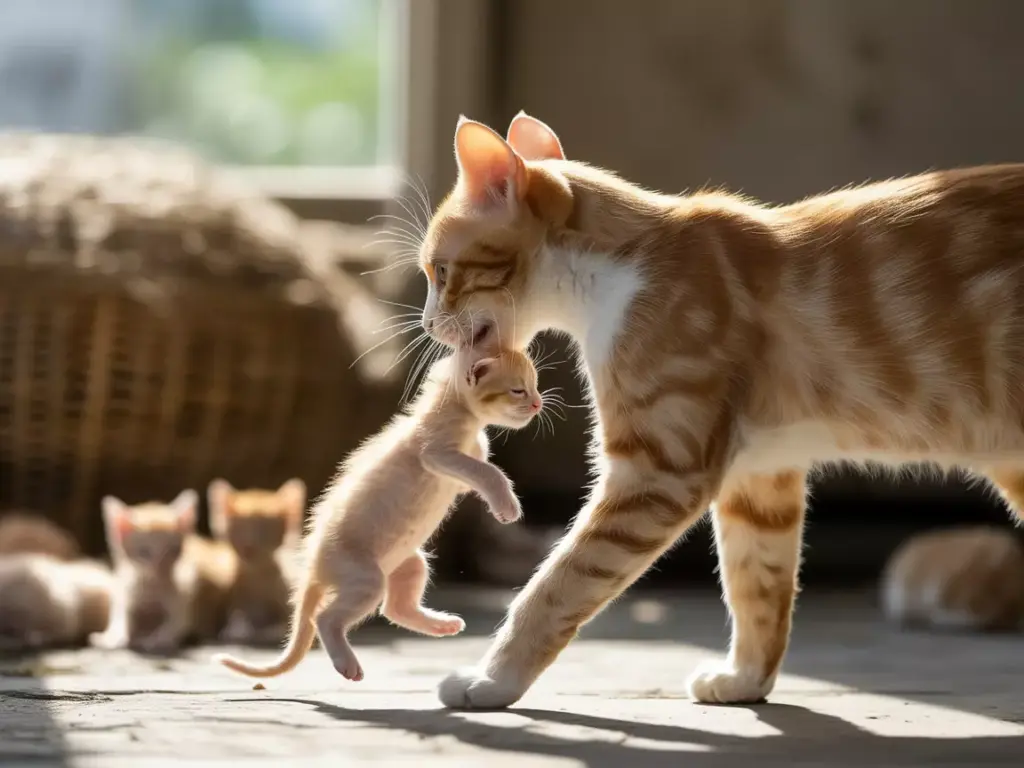
When mother cats need to move their kittens to a safer location, they demonstrate one of the most tender behaviors in the feline world: carrying by the scruff. This behavior, known as “scruffing,” triggers an automatic relaxation response in kittens, making transportation safe and stress-free.
The mother cat gently grasps the loose skin at the back of the kitten’s neck, which activates a neurological response that causes the kitten to become still and curl into a compact position. This evolutionary adaptation ensures that kittens remain safe during transport without struggling or falling.
Benefits of proper carrying behavior:
- Ensures kitten safety during relocation
- Teaches trust and submission responses
- Allows mothers to respond quickly to threats
- Demonstrates protective instincts to offspring
7. The Teaching Moments: Early Life Lessons
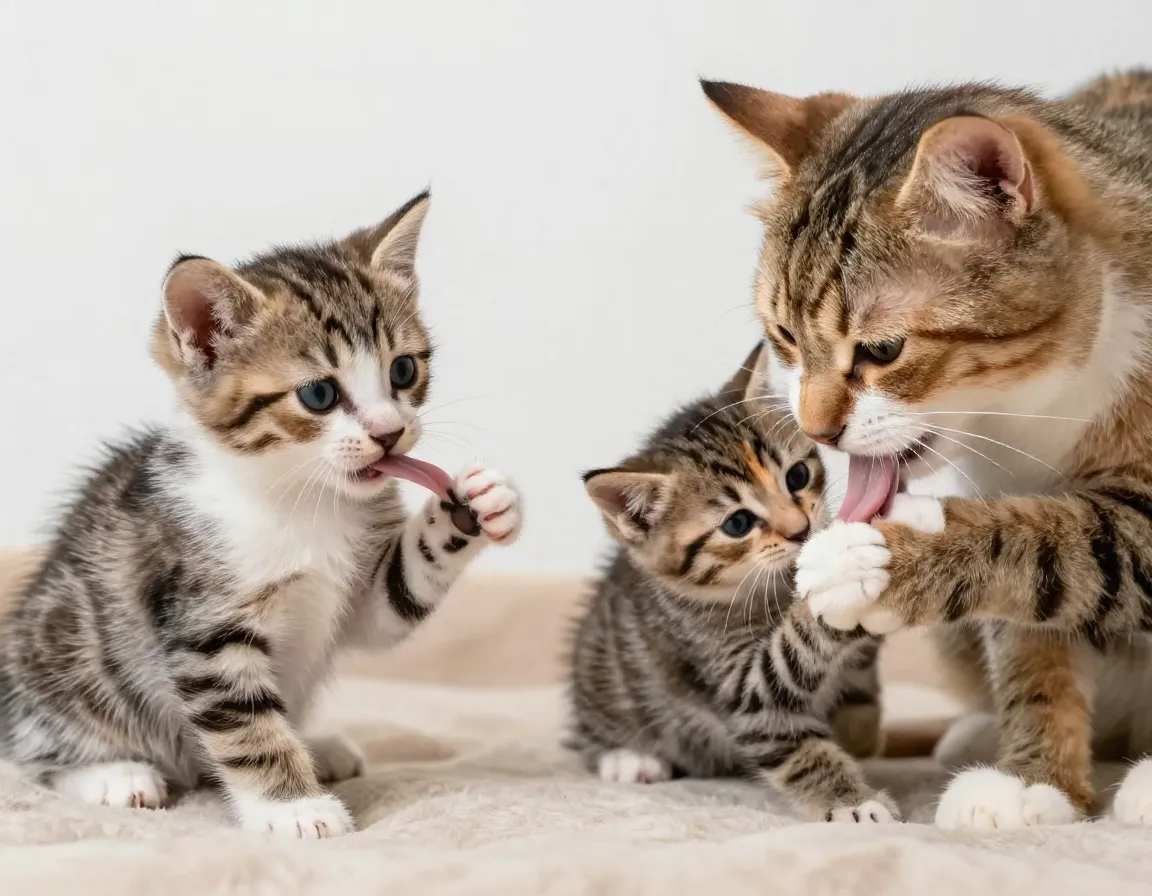
As kittens begin to develop their senses and mobility, mother cats initiate gentle teaching behaviors that prepare their offspring for independence. These educational moments represent some of the most endearing aspects of 8 tender moments: a mother cat with newborn kittens bonding.
Teaching behaviors typically begin around 3-4 weeks of age and include:
Hunting demonstrations: Mothers may bring disabled prey to show kittens how to catch and kill food sources.
Social boundaries: Gentle corrections help kittens learn appropriate play behavior and respect for others.
Grooming techniques: Mothers demonstrate self-care behaviors that kittens will need throughout their lives.
Environmental awareness: Mothers guide kittens in exploring their surroundings safely.
8. The Comfort Response: Soothing Distressed Kittens
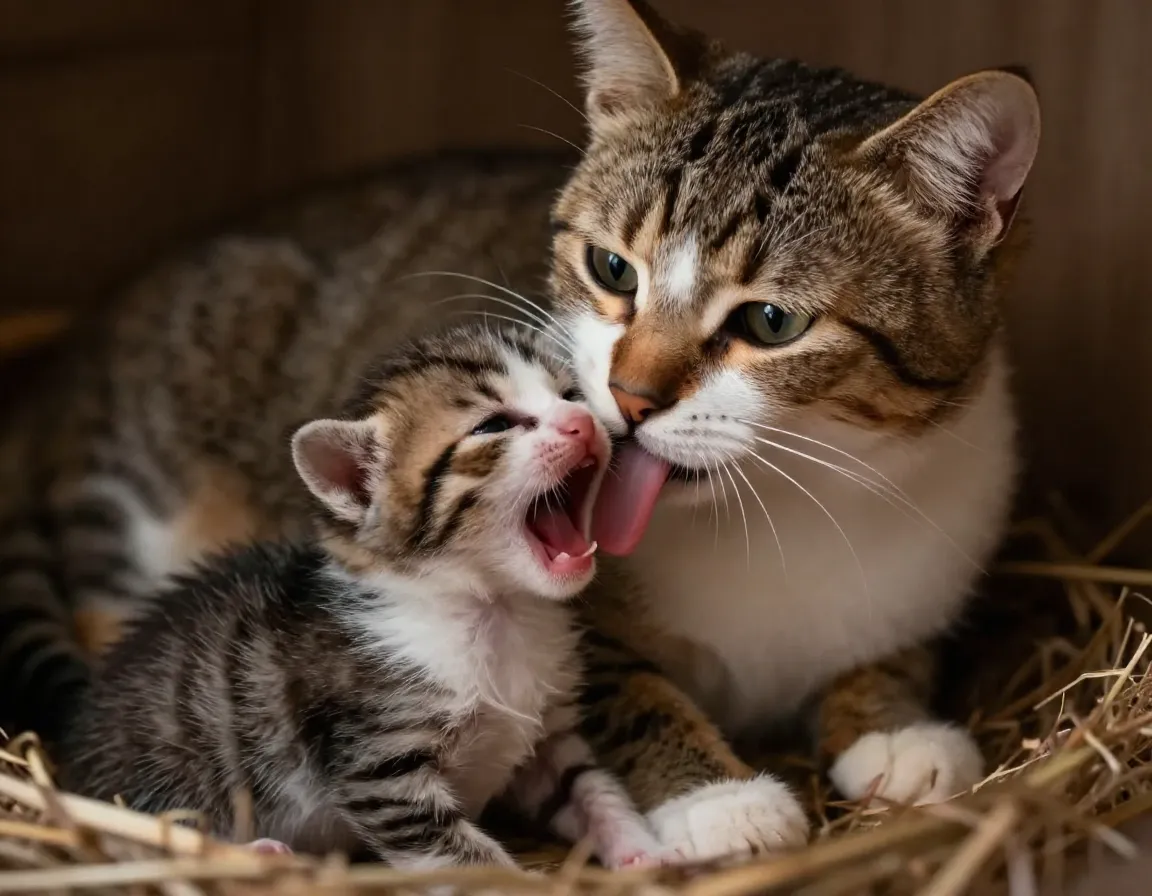
Perhaps the most emotionally powerful moment in mother-kitten bonding occurs when a distressed kitten calls for help and receives immediate maternal comfort. This response demonstrates the depth of the emotional connection and the mother’s unwavering commitment to her offspring’s wellbeing.
When kittens cry out due to cold, hunger, or fear, mother cats typically respond within seconds with a combination of behaviors designed to address the specific need. This might include repositioning for warmth, offering nursing opportunities, or providing protective positioning against perceived threats.
The comfort response includes:
- Immediate attention to distress calls
- Physical repositioning to address needs
- Increased grooming and physical contact
- Vocalization to provide reassurance
- Heightened vigilance for ongoing threats
Understanding the Long-Term Impact of Early Bonding
The 8 tender moments: a mother cat with newborn kittens bonding create lasting effects that extend far beyond the initial weeks of life. Kittens who experience secure attachment with their mothers demonstrate better social skills, reduced anxiety, and improved adaptability throughout their lives.
Research from Oregon State University confirms that cats with secure early attachments are more likely to form healthy relationships with human caregivers later in life [2]. This finding highlights the critical importance of allowing natural bonding processes to occur without human interference during the early weeks.
Long-term benefits of secure bonding include:
✅ Improved stress resilience in new environments
✅ Better social skills with other cats and humans
✅ Reduced anxiety and fear-based behaviors
✅ Enhanced learning ability and adaptability
✅ Stronger immune system function
✅ More confident exploration and play behaviors
Cats who experienced disrupted bonding may require additional support and patience from human caregivers to develop secure attachments later in life. Understanding this connection helps explain why some rescue cats may need extra time to trust their new families.
Supporting Healthy Mother-Kitten Bonding
Cat owners and caregivers play a crucial role in facilitating optimal bonding between mother cats and their newborns. The key lies in providing a supportive environment while avoiding interference with natural bonding processes.
Essential support strategies include:
🏠 Creating a quiet, secure nesting area away from household traffic and noise
🌡️ Maintaining appropriate temperature (75-80°F) for newborn thermoregulation
🍽️ Providing high-quality nutrition for the nursing mother to support milk production
💧 Ensuring fresh water access to prevent dehydration during nursing
🚫 Minimizing human handling of kittens during the first 2-3 weeks
👀 Monitoring from a distance to ensure all kittens are thriving
🏥 Scheduling veterinary checkups to confirm health and development
The most important principle is to trust the mother cat’s instincts while remaining available to provide support if complications arise. Excessive human intervention can disrupt natural bonding processes and create unnecessary stress for both mother and kittens.
“The bond between a mother cat and her kittens represents one of nature’s most perfect examples of unconditional love in action.”
When Bonding Challenges Arise
While most mother cats instinctively know how to bond with their newborns, certain circumstances can interfere with this natural process. Understanding potential challenges helps caregivers recognize when intervention may be necessary.
Common bonding challenges include:
⚠️ First-time mother anxiety leading to uncertain caregiving behaviors
⚠️ Medical complications affecting the mother’s ability to care for kittens
⚠️ Large litter sizes overwhelming maternal resources
⚠️ Environmental stress from noise, disruption, or inadequate space
⚠️ Nutritional deficiencies affecting milk production and maternal energy
⚠️ Premature separation due to human interference or medical emergencies
When challenges arise, gentle support rather than complete takeover often produces the best outcomes. Working with veterinary professionals ensures that both medical and behavioral needs are addressed appropriately.
The Role of Human Caregivers in Feline Bonding
Interestingly, research suggests that cats may extend their bonding behaviors to include human caregivers, sometimes treating their owners with similar affection and care typically reserved for offspring [4]. This extension of maternal behaviors helps explain why cats often seem to “parent” their human companions through grooming, bringing gifts, and providing comfort during illness.
Understanding the parallels between mother-kitten bonding and cat-human relationships can help owners build stronger connections with their feline companions. The same principles that govern successful maternal bonding—gentle contact, respect for boundaries, and consistent care—apply to human-cat relationships as well.
Applying bonding principles to human-cat relationships:
- Allow cats to initiate contact rather than forcing interaction
- Use gentle, consistent handling techniques
- Provide secure, comfortable environments
- Respect individual personality differences
- Maintain predictable care routines
Conclusion
The 8 tender moments: a mother cat with newborn kittens bonding represent far more than simple caregiving behaviors—they demonstrate the profound capacity for love, protection, and nurturing that exists throughout the animal kingdom. From the first gentle touch to the comfort response that soothes distressed kittens, these moments create lasting bonds that influence behavior and wellbeing throughout life.
Understanding these bonding moments helps us appreciate the complexity of feline emotional intelligence while providing insights that can improve our relationships with cats. The science behind oxytocin release, secure attachment formation, and maternal behaviors reveals that cats experience deep emotional connections that parallel human bonding in remarkable ways.
Take action to support healthy bonding by:
- Creating optimal environments for mother cats and kittens
- Respecting natural bonding processes without unnecessary interference
- Learning to recognize signs of healthy attachment and development
- Applying bonding principles to strengthen relationships with pet cats
- Supporting rescue organizations that prioritize keeping mothers and kittens together during critical bonding periods
Whether observing a mother cat with her newborns or building relationships with pet cats, these tender moments remind us of the universal power of love, care, and connection that transcends species boundaries. By understanding and supporting these precious bonds, we contribute to the wellbeing of cats while enriching our own lives through deeper appreciation of their remarkable emotional capacity.
References
[1] Studies Reveal The Best Ways To Chemically Bond With Your Cat – https://www.sciencealert.com/studies-reveal-the-best-ways-to-chemically-bond-with-your-cat
[2] Cats Bond Owners 07622 – https://www.sci.news/biology/cats-bond-owners-07622.html
[3] Science Takes On An Important Question Is The Mommy Cat Really Hugging The Kitten 28373 – https://www.discovermagazine.com/science-takes-on-an-important-question-is-the-mommy-cat-really-hugging-the-kitten-28373
[4] Do Cats Think Owners Are Their Babies – https://www.kinship.com/cat-behavior/do-cats-think-owners-are-their-babies