
8 Shocking Facts About the Burmese Python in Florida’s Ecosystem
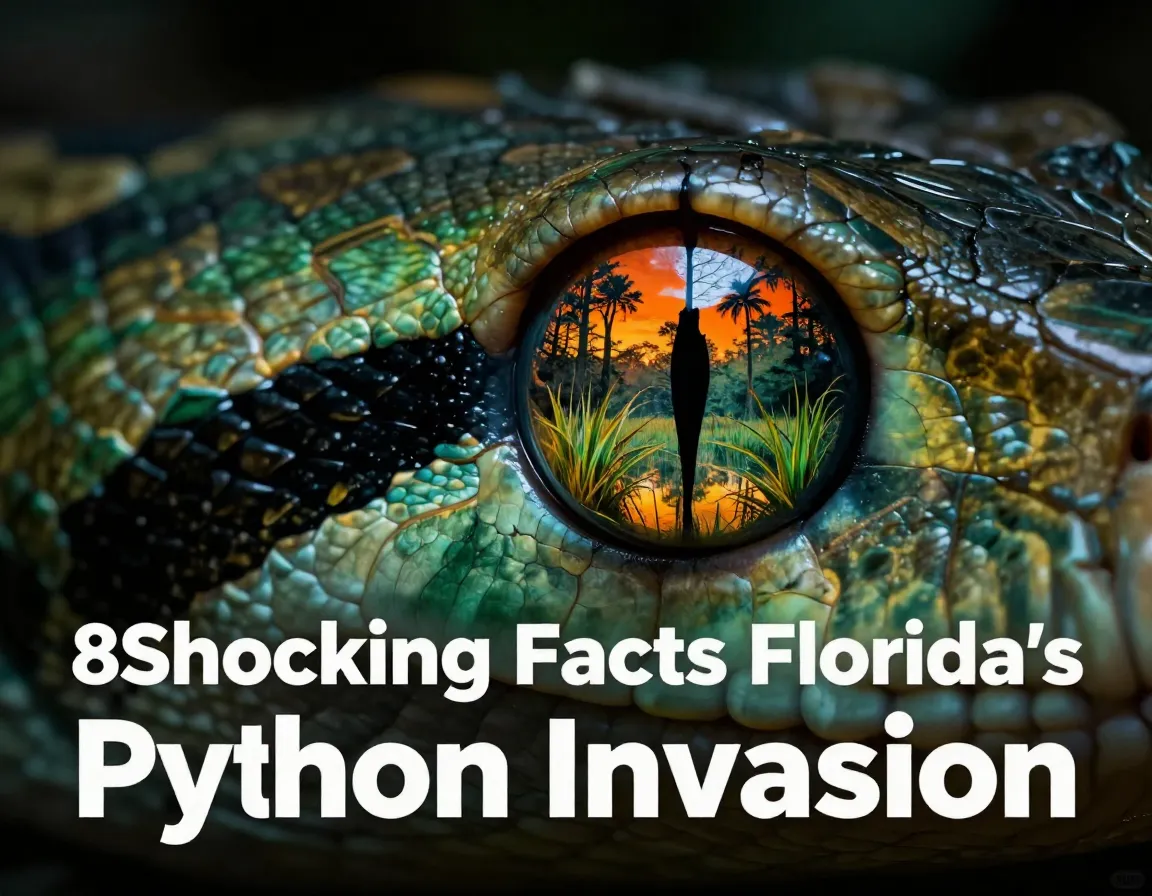
Deep in the heart of Florida’s pristine Everglades, a silent predator slithers through the sawgrass and cypress swamps. This isn’t a native species that has called these wetlands home for millennia—it’s an invasive giant that has fundamentally altered one of America’s most unique ecosystems. The 8 shocking facts about the Burmese python in Florida’s ecosystem reveal a story of ecological disruption that continues to unfold with devastating consequences for native wildlife.
gfdfg
What began as escaped or released pets has evolved into one of the most significant environmental crises in modern American history. These massive constrictors, capable of growing over 20 feet long, have established a thriving population that threatens the delicate balance of Florida’s natural heritage.
Key Takeaways
- Population explosion: Burmese pythons have grown from a few escaped pets to an estimated population of 100,000-300,000 individuals in just three decades
- Massive ecological impact: Native mammal populations have declined by 90-99% in areas with established python populations
- Incredible adaptability: These snakes have proven remarkably successful at surviving and reproducing in Florida’s climate and terrain
- Ongoing management challenge: Despite extensive removal efforts, the python population continues to grow and expand its range
- Economic consequences: The invasion costs Florida millions of dollars annually in management efforts and ecological damage
The Invasion Begins: How Burmese Pythons Conquered Florida
1. The Population Explosion is Beyond Imagination
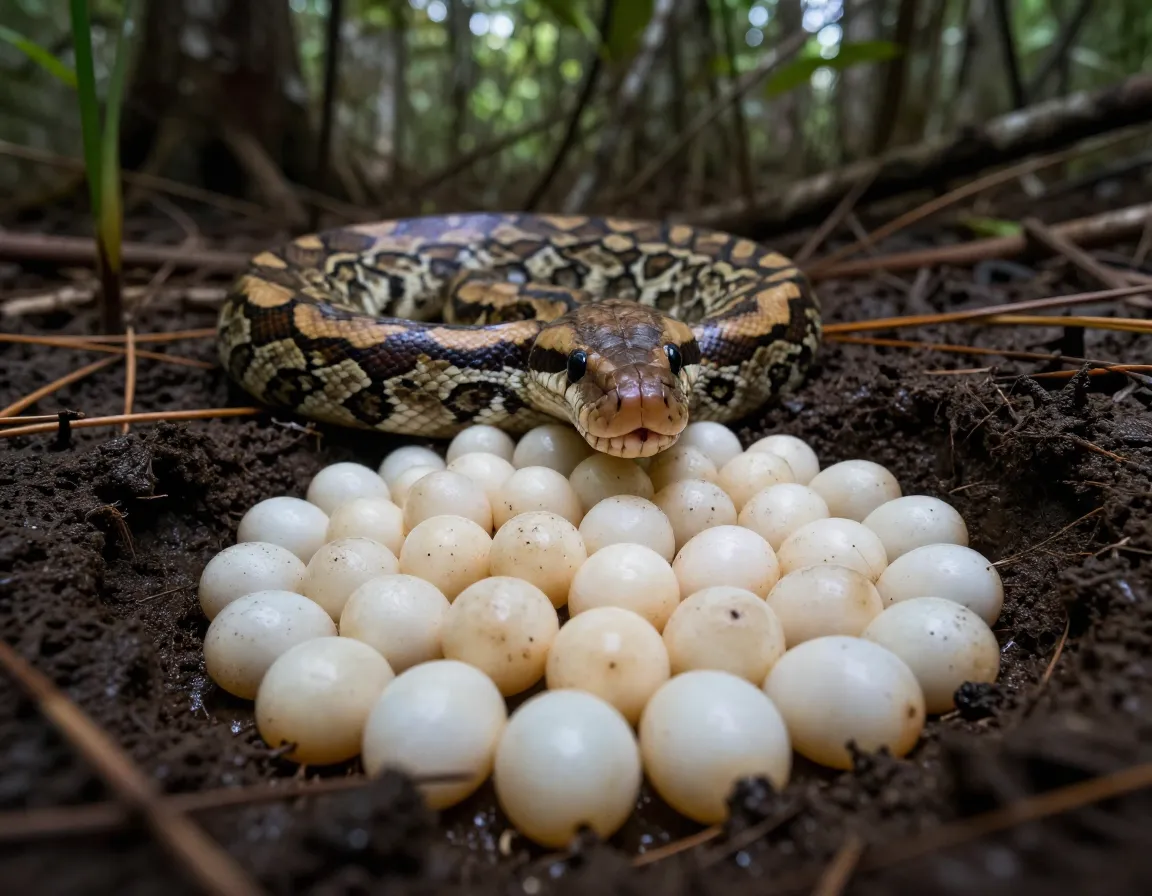
The 8 shocking facts about the Burmese python in Florida’s ecosystem begin with numbers that seem almost impossible to believe. Scientists estimate that between 100,000 to 300,000 Burmese pythons now call Florida home. This staggering population has grown from just a handful of escaped or released pets in the 1980s and 1990s.
The exponential growth rate of these serpents defies conventional wildlife management expectations. Female Burmese pythons can lay 50-100 eggs per clutch, and with no natural predators in Florida, survival rates are extraordinarily high. Research conducted by the University of Florida shows that the population doubles approximately every 3-5 years in optimal habitat conditions.
Key Population Statistics:
- 1980s: First documented sightings (less than 10 individuals)
- 2000: Approximately 1,000 estimated pythons
- 2010: 10,000-30,000 estimated pythons
- 2026: 100,000-300,000 estimated pythons
“The reproductive success of Burmese pythons in Florida represents one of the most dramatic invasive species population explosions ever documented in North America.” – Dr. Frank Mazzotti, University of Florida Wildlife Ecologist
2. They’re Absolutely Massive in Size

When examining the 8 shocking facts about the Burmese python in Florida’s ecosystem, their incredible size stands out as particularly alarming. The largest Burmese python captured in Florida measured an astounding 18.9 feet long and weighed 215 pounds. However, these giants can potentially grow even larger in Florida’s favorable climate.
Adult females typically reach lengths of 12-16 feet, while males average 8-12 feet. Their girth can exceed 12 inches in diameter, allowing them to consume prey much larger than native Florida snakes could ever attempt. This size advantage gives them access to prey species that evolved without facing such massive predators.
Size Comparison Table:
| Species | Average Length | Maximum Recorded Length | Average Weight |
|---|---|---|---|
| Burmese Python | 12-16 feet | 18.9 feet | 70-150 lbs |
| Eastern Diamondback Rattlesnake | 3-5 feet | 8 feet | 3-5 lbs |
| Florida Pine Snake | 4-6 feet | 7.5 feet | 2-4 lbs |
| Eastern Indigo Snake | 6-8 feet | 9.2 feet | 4-10 lbs |
The massive size of these pythons allows them to prey on animals as large as white-tailed deer, alligators up to 6 feet long, and even bobcats. This predatory capability far exceeds that of any native Florida snake species.
Ecological Devastation: The Environmental Impact
3. Native Wildlife Populations Have Collapsed
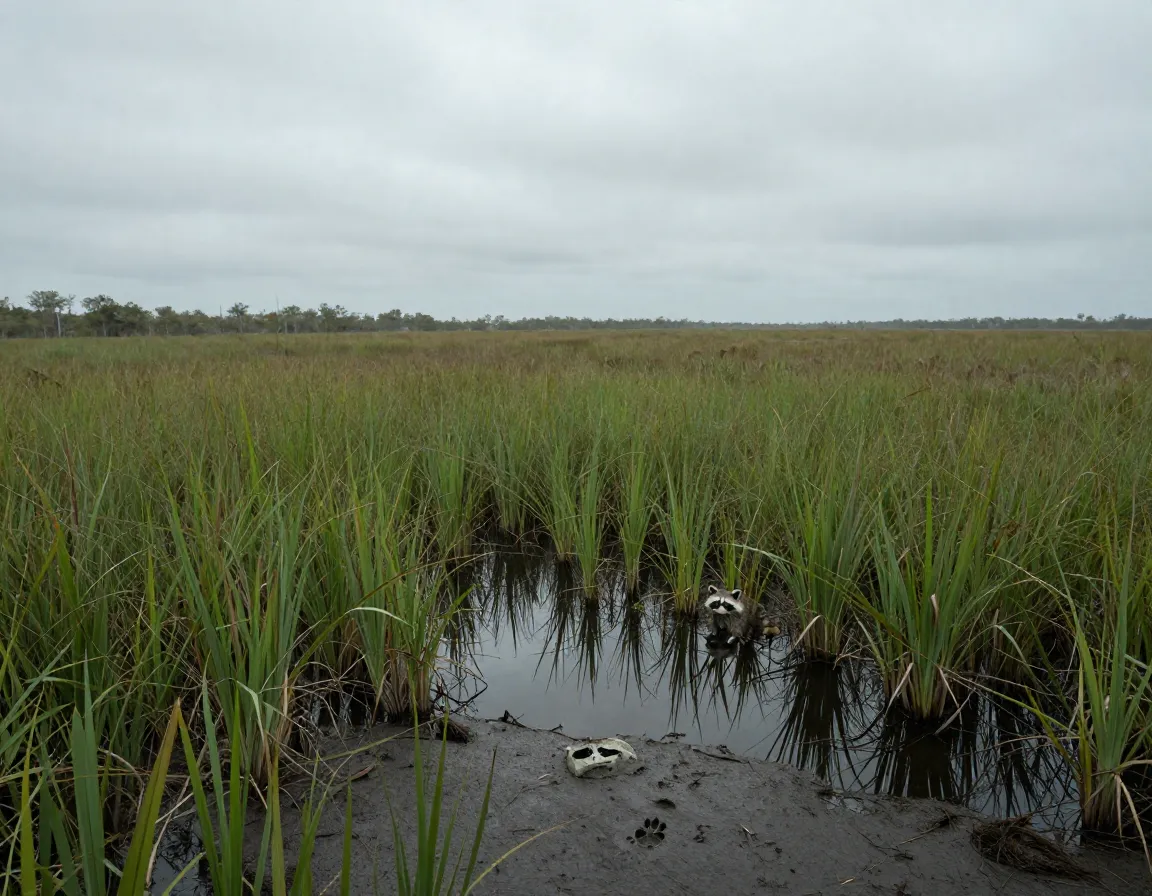
Perhaps the most devastating among the 8 shocking facts about the Burmese python in Florida’s ecosystem is the catastrophic decline in native mammal populations. Scientific studies conducted in Everglades National Park reveal population decreases that border on ecological collapse:
Mammal Population Declines:
- Raccoons: 99.3% decline 📉
- Opossums: 98.9% decline 📉
- White-tailed deer: 94.1% decline 📉
- Bobcats: 87.5% decline 📉
- Rabbits: 100% decline (effectively extinct in study areas) 📉
These numbers represent one of the most severe ecological disasters in modern American environmental history. The research, published in the Proceedings of the National Academy of Sciences, compared wildlife populations in areas with established python populations to areas without pythons.
Dr. Michael Dorcas, lead researcher on the landmark study, noted: “The magnitude of these declines is unprecedented for a large-scale ecosystem in North America.” The ripple effects extend throughout the food web, affecting everything from vegetation patterns to bird populations that depend on the missing mammals for food.
4. They’re Eating Florida’s Endangered Species
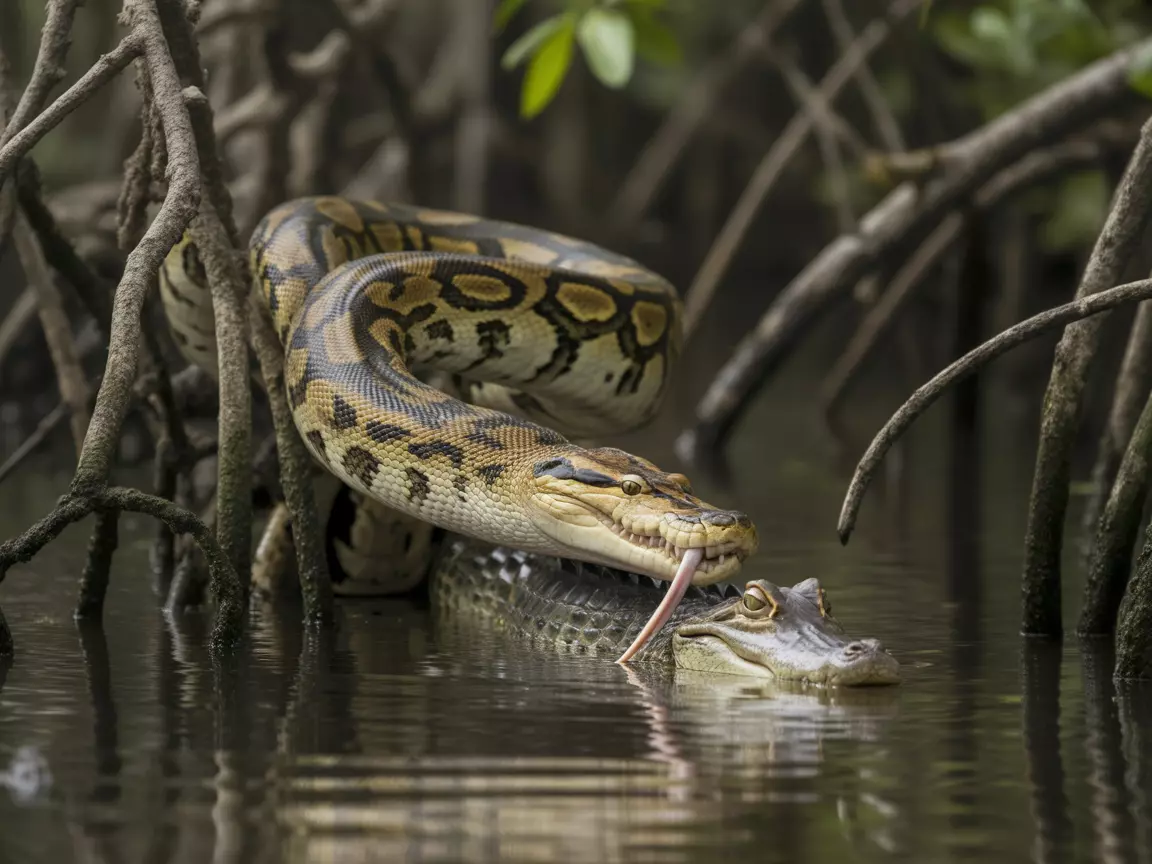
The 8 shocking facts about the Burmese python in Florida’s ecosystem include their devastating impact on species already struggling for survival. Burmese pythons have been documented consuming several endangered and threatened species native to Florida:
Threatened Species Consumed by Pythons:
- 🦌 Key Largo woodrats (endangered)
- 🐰 Lower Keys marsh rabbits (endangered)
- 🦎 Wood storks (threatened)
- 🐊 American alligators (juveniles and adults up to 6 feet)
- 🦅 Limpkins (species of special concern)
The consumption of endangered species represents a particularly tragic aspect of the python invasion. These native species evolved over thousands of years to thrive in Florida’s unique ecosystems, only to face extinction from an introduced predator they have no evolutionary defense against.
Recovery Implications:
The loss of breeding adults from endangered populations can set back conservation efforts by decades. For species like the Key Largo woodrat, which already faces habitat loss and other pressures, python predation may push them past the point of recovery.
Biological Advantages: Why Pythons Dominate
5. Their Hunting Abilities are Supernatural
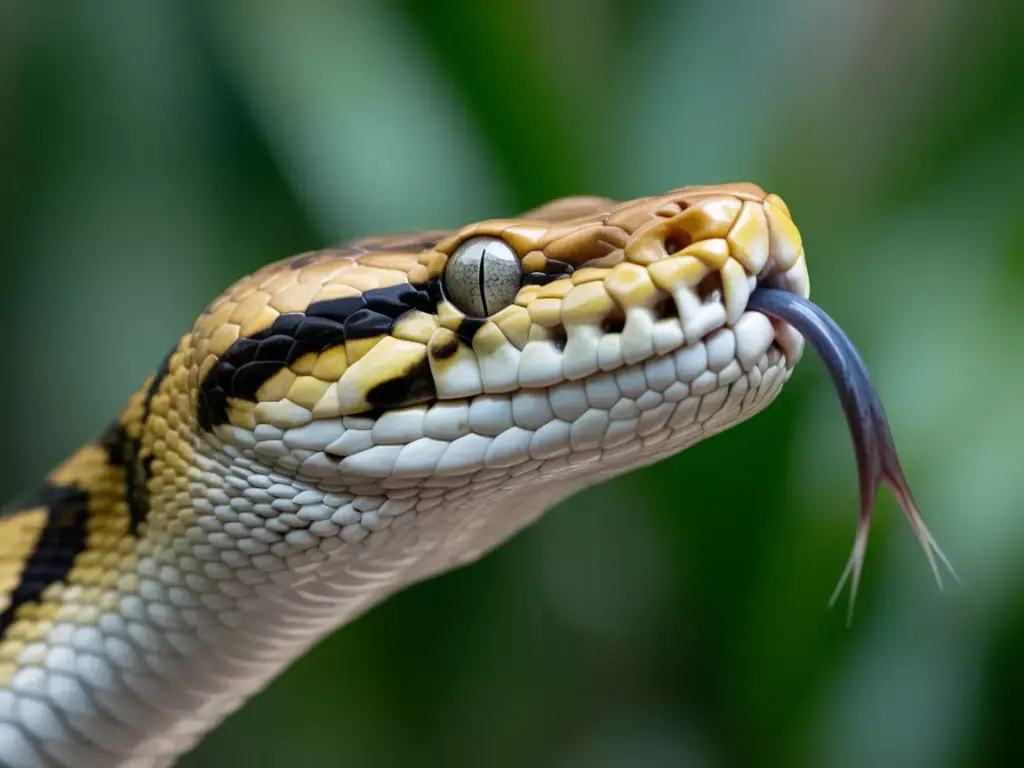
Among the 8 shocking facts about the Burmese python in Florida’s ecosystem, their extraordinary hunting capabilities stand out as particularly remarkable. Burmese pythons possess sensory abilities that make them nearly perfect predators in Florida’s environment:
Advanced Sensory Systems:
- Heat-sensing pits: Detect temperature differences as small as 0.003°C 🌡️
- Chemical detection: Forked tongues analyze scent molecules with incredible precision 👅
- Pressure sensitivity: Can detect heartbeats and breathing of nearby prey 💓
- Infrared vision: See heat signatures in complete darkness 🔍
These sensory advantages allow pythons to hunt effectively in the murky waters and dense vegetation of the Everglades. They can locate warm-blooded prey from significant distances and track animals through complex terrain that would challenge human hunters with modern equipment.
Hunting Strategy Breakdown:
- Ambush positioning: Pythons remain motionless for hours near water sources or game trails
- Strike precision: Lightning-fast strikes with 100+ backward-curved teeth ensure prey cannot escape
- Constriction power: Squeeze with pressure exceeding 90 pounds per square inch
- Consumption capacity: Can swallow prey up to 75% of their own body weight
6. They Can Survive Months Without Food
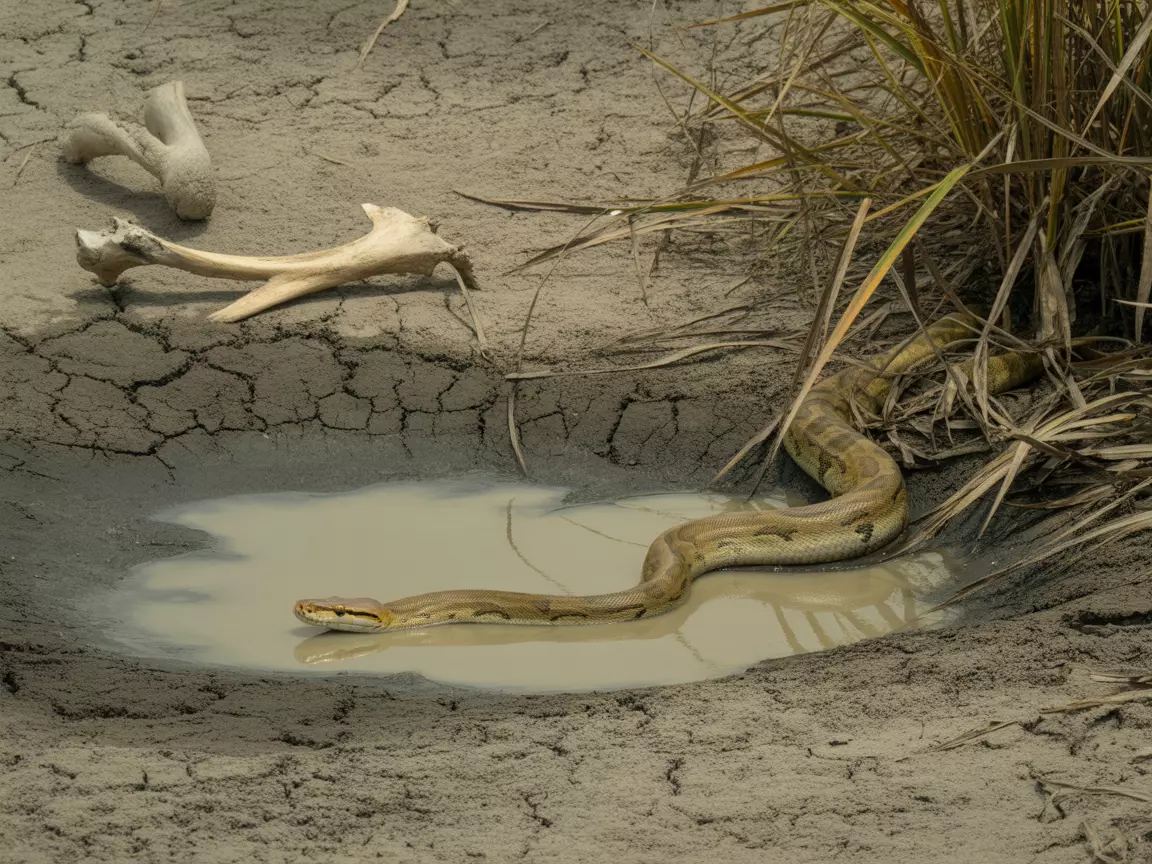
The metabolic efficiency revealed in the 8 shocking facts about the Burmese python in Florida’s ecosystem demonstrates why these snakes have been so successful as invaders. Burmese pythons can survive 6-12 months without eating, allowing them to persist through seasonal changes in prey availability that would challenge other predators.
This remarkable fasting ability stems from their extremely slow metabolism. After consuming a large meal, pythons can reduce their metabolic rate by up to 70%, essentially entering a state of controlled dormancy while digesting their prey.
Metabolic Advantages:
- Energy conservation: Minimal movement reduces caloric needs
- Efficient digestion: Extract maximum nutrition from each meal
- Seasonal adaptation: Survive Florida’s dry seasons when prey is scarce
- Reproductive efficiency: Females can fast during egg incubation periods
“The ability of Burmese pythons to survive extended periods without food gives them a tremendous advantage over native predators that require regular feeding.” – Dr. Kristen Hart, U.S. Geological Survey
This fasting capability also makes pythons incredibly difficult to control through habitat modification or prey reduction strategies that might work against other invasive species.
Management Challenges and Future Outlook
7. Removal Efforts Face Overwhelming Odds
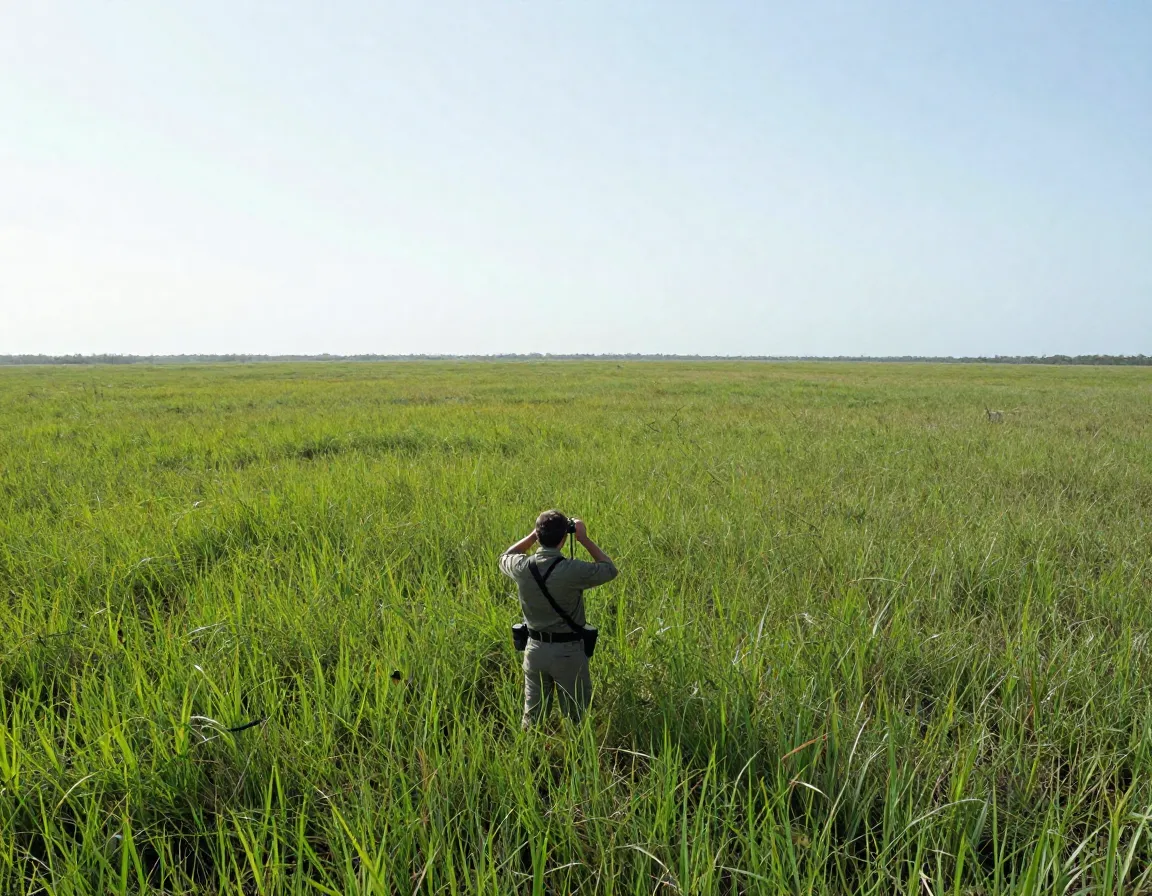
The scale of the challenge becomes clear when examining the 8 shocking facts about the Burmese python in Florida’s ecosystem, particularly the difficulties faced by removal programs. Despite intensive efforts, management programs have removed only a tiny fraction of the estimated python population:
Removal Program Statistics (2017-2026):
- Total pythons removed: Approximately 15,000+ 🐍
- Estimated population: 100,000-300,000 📊
- Removal rate: Less than 5% of total population 📉
- Annual reproduction: Potentially 50,000+ new pythons yearly 📈
The Florida Python Challenge, Python Elimination Program, and various research initiatives have mobilized hundreds of hunters and scientists. However, the vastness of suitable habitat and the secretive nature of these snakes make detection extremely difficult.
Removal Method Effectiveness:
| Method | Pythons Removed Annually | Cost per Python | Success Rate |
|---|---|---|---|
| Professional Hunters | 3,000-4,000 | $1,500-$2,000 | Moderate |
| Public Challenges | 200-400 | $500-$1,000 | Low |
| Research Teams | 1,000-1,500 | $3,000-$5,000 | High |
| Technology (drones, etc.) | 500-800 | $2,000-$4,000 | Variable |
Detection Challenges:
- 🌿 Camouflage expertise: Pythons blend perfectly with Everglades vegetation
- 🏊 Aquatic ability: Excellent swimmers that can remain submerged for 20+ minutes
- 🌙 Nocturnal behavior: Most active during nighttime hours when detection is difficult
- 📍 Vast territory: Over 1,000 square miles of suitable habitat in South Florida
8. The Economic Impact Reaches Millions

The final entry in the 8 shocking facts about the Burmese python in Florida’s ecosystem reveals the staggering financial cost of this invasion. Economic analyses estimate that python management and ecological damage costs Florida $25-50 million annually.
Cost Breakdown:
- Direct removal efforts: $8-12 million yearly 💰
- Research and monitoring: $5-8 million yearly 🔬
- Ecological damage: $10-20 million yearly 🌱
- Tourism impact: $2-10 million yearly 🏖️
The economic impact extends beyond direct management costs. The decline in native wildlife affects eco-tourism, a significant component of Florida’s economy. Everglades National Park alone generates over $100 million annually in tourism revenue, much of which depends on visitors seeing native wildlife that pythons are eliminating.
Long-term Economic Projections:
Economists predict that without significant intervention, the cumulative cost of the python invasion could exceed $1 billion over the next 20 years. This includes:
- Continued management expenses
- Lost ecosystem services
- Reduced tourism revenue
- Potential expansion to new habitats
The Ongoing Battle: Current Research and Innovation
Advanced Technology in Python Detection
Scientists and wildlife managers are deploying cutting-edge technology to improve detection and removal efficiency. Radio telemetry, thermal imaging drones, and environmental DNA sampling represent the latest tools in the fight against pythons.
Innovative Detection Methods:
- Judas snakes: Radio-collared male pythons lead researchers to breeding females
- Scent detection dogs: Specially trained canines can locate python scent trails
- Acoustic monitoring: Listening devices detect python movement in vegetation
- Satellite imagery: AI analysis of habitat changes and python congregation areas
Biological Control Research
Researchers are investigating potential biological control methods, though extreme caution is required to avoid introducing additional invasive species. Current research focuses on:
Potential Control Agents:
- Pheromone traps: Chemical attractants to lure pythons to capture devices
- Genetic modification: Research into sterile male release programs
- Disease agents: Studying python-specific pathogens for potential biocontrol
- Reproductive inhibitors: Chemicals that could reduce python fertility
Future Implications and Range Expansion
Climate Change and Habitat Expansion
Climate models suggest that warming temperatures could expand suitable habitat for Burmese pythons northward into Georgia, Alabama, and potentially the Carolinas. This potential expansion represents a significant concern for wildlife managers across the Southeast.
Expansion Risk Factors:
- 🌡️ Rising winter temperatures: Reducing cold-related mortality
- 🌊 Sea level rise: Forcing pythons into new inland habitats
- 🏘️ Urban development: Creating corridors for python movement
- 🚛 Human transportation: Accidental transport of pythons to new areas
Ecosystem Recovery Challenges
Even if python populations were somehow eliminated tomorrow, ecosystem recovery would face significant challenges:
Recovery Obstacles:
- Genetic bottlenecks: Surviving native populations may lack genetic diversity
- Habitat degradation: Python presence has altered vegetation and water patterns
- Behavioral changes: Surviving animals may have altered feeding and breeding patterns
- Competitive displacement: Other invasive species may fill ecological niches
Conclusion
The 8 shocking facts about the Burmese python in Florida’s ecosystem paint a sobering picture of one of America’s most significant environmental challenges. From their explosive population growth to the near-extinction of native mammals, these invasive giants have fundamentally altered the Everglades forever.
The scale of ecological damage—with some mammal populations declining by over 99%—represents an environmental catastrophe that will require decades to address, even with the most aggressive management efforts. The pythons’ remarkable adaptability, combined with their incredible size and hunting abilities, has created a nearly perfect invasive species that continues to expand its impact.
Key Action Steps Moving Forward:
- Support removal efforts: Participate in Python Challenge events or support professional removal programs financially
- Prevent further releases: Never release pet snakes into the wild, regardless of species
- Report sightings: Contact Florida Fish and Wildlife Conservation Commission immediately if you spot a python
- Educate others: Share information about the python crisis to build public awareness and support
- Advocate for funding: Support increased funding for research, removal, and prevention programs
The battle against Burmese pythons in Florida serves as a critical reminder of the devastating consequences that can result from invasive species introductions. While the current situation appears overwhelming, continued research, technological innovation, and sustained removal efforts offer hope for protecting what remains of Florida’s native ecosystem.
The 8 shocking facts about the Burmese python in Florida’s ecosystem demonstrate that environmental protection requires vigilance, immediate action, and long-term commitment. The future of the Everglades—and potentially ecosystems throughout the Southeast—depends on our response to this ongoing crisis.