8 Must-Know Tips for House Training a Puppy Faster
Picture this: you’ve just brought home your adorable new puppy, and within the first hour, you discover a “surprise” on your favorite rug. Sound familiar? 🐕 If you’re feeling overwhelmed by the prospect of house training your furry friend, you’re not alone. The good news is that with the right approach and these 8 Must-Know Tips for House Training a Puppy Faster, you can dramatically reduce accidents and create a well-trained companion in record time.
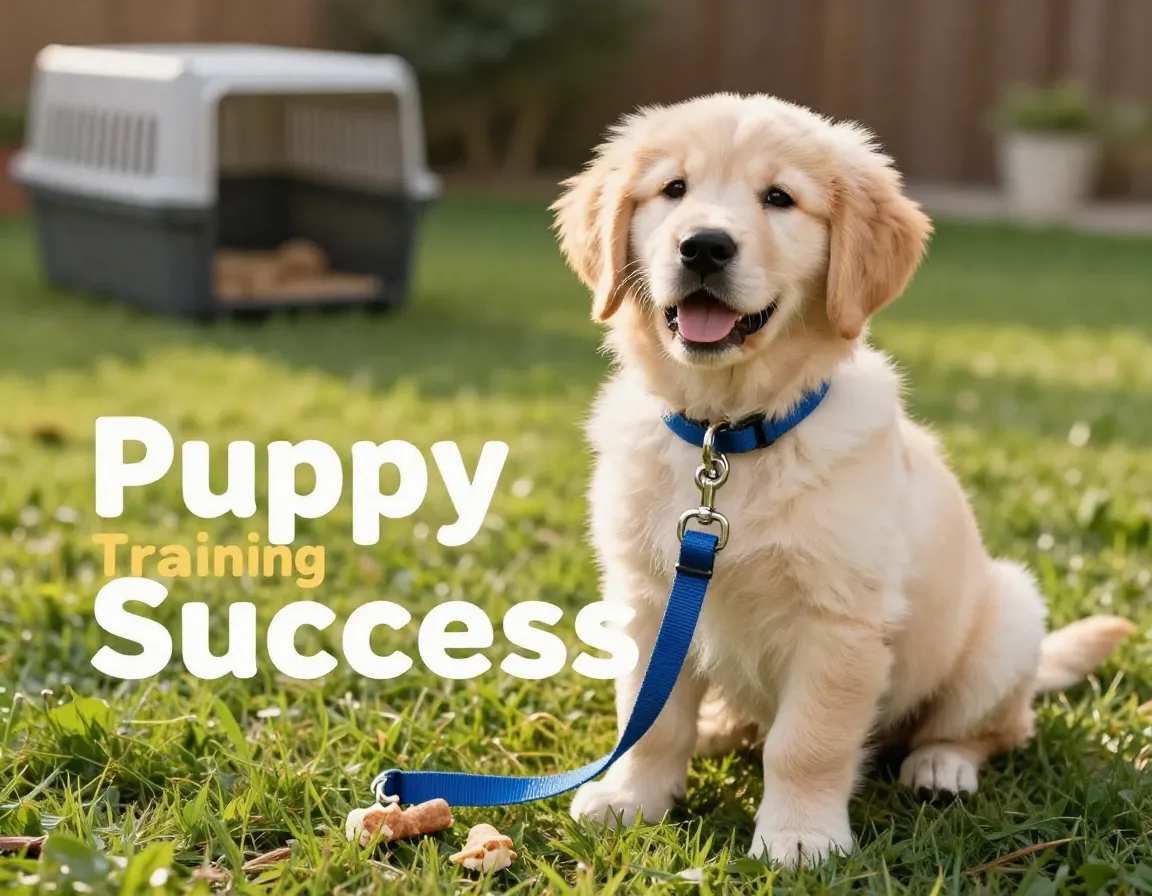
House training doesn’t have to be a months-long struggle filled with frustration and carpet cleaners. By implementing proven strategies and maintaining consistency, most puppies can master the basics within just a few weeks. In this comprehensive guide, I’ll share the most effective techniques that professional trainers use to accelerate the house training process and help you build a stronger bond with your new pet.
Key Takeaways
- Start early at 8 weeks old – The optimal window for house training begins when puppies reach eight weeks of age
- Consistency is everything – Establish regular feeding schedules, designated potty areas, and consistent commands across all family members
- Supervision and confinement – Constant monitoring and proper crate training form the foundation of successful house training
- Immediate rewards work best – Praise and treat your puppy the moment they eliminate in the correct location
- The triangle method accelerates progress – Cycling between crate, outdoor potty area, and supervised indoor time creates structure
Understanding the House Training Timeline
Before diving into the specific tips, it’s important to set realistic expectations. House training typically takes three to five months depending on your individual puppy’s temperament, breed, and consistency of training [3]. Smaller breeds often take longer due to their faster metabolisms and smaller bladders, while larger breeds may grasp the concept more quickly.
The key to success lies in understanding that puppies have limited bladder control and need frequent opportunities to eliminate. A general rule of thumb is that a puppy can “hold it” for about one hour per month of age, plus one additional hour. So a 3-month-old puppy should be taken out every 4 hours maximum.
The Foundation: Why These 8 Must-Know Tips for House Training a Puppy Faster Work
These eight strategies aren’t just random suggestions – they’re based on canine psychology and proven training principles. Dogs are naturally clean animals who prefer not to soil their living spaces. By working with these instincts rather than against them, we can create an environment where success becomes inevitable.
The methods outlined below focus on prevention rather than correction, which is far more effective and less stressful for both you and your puppy. When accidents are prevented through proper management, puppies develop strong habits of eliminating in appropriate locations.
1. Start House Training at the Optimal Age
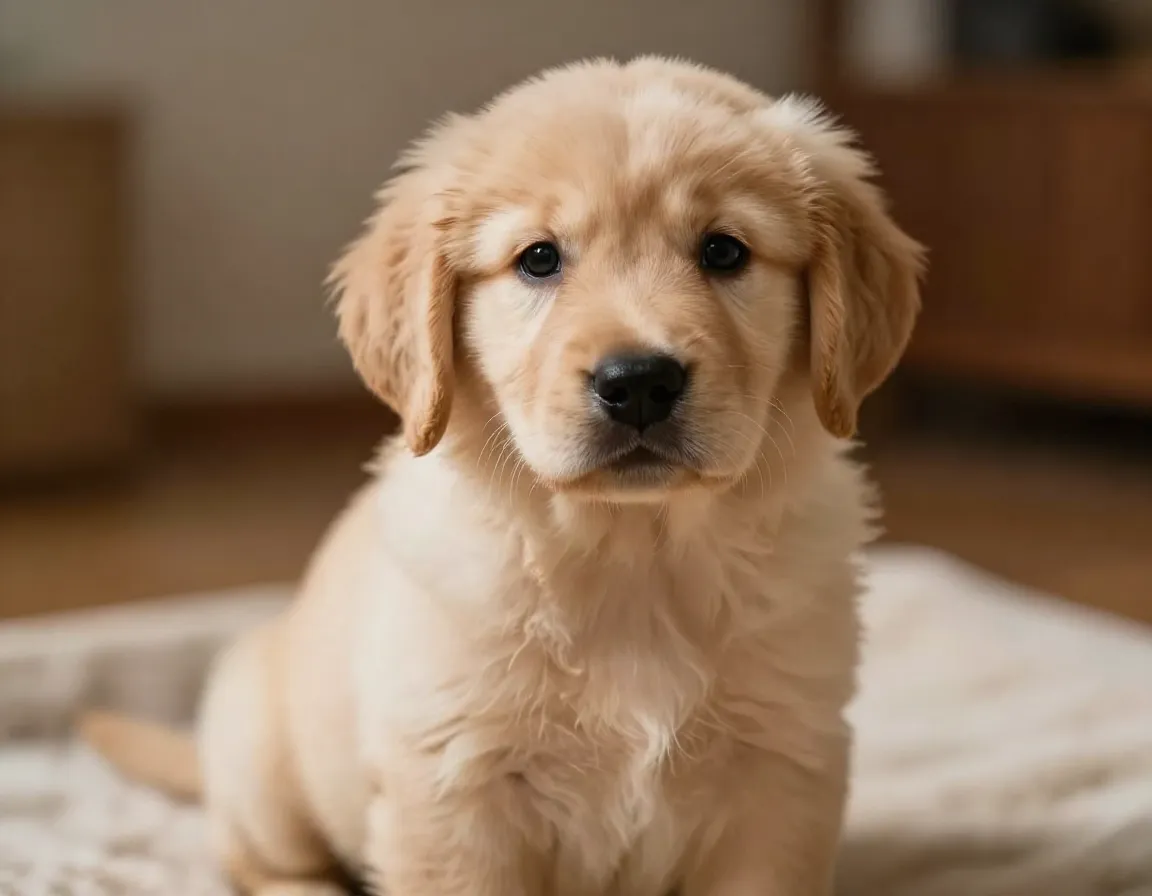
The foundation of successful house training begins at exactly 8 weeks of age [3]. This isn’t arbitrary – it’s when puppies develop sufficient bladder control and cognitive ability to begin learning house rules. Starting earlier can lead to frustration, while waiting longer means missing the critical learning window.
At 8 weeks old, puppies are also typically weaned from their mothers and ready to bond with their new families. This bonding period creates an excellent opportunity to establish routines and expectations. During the first few days in your home, your puppy is naturally looking for guidance about where they fit into the household structure.
Why 8 weeks is crucial:
- Bladder control begins developing
- Cognitive ability to learn routines emerges
- Natural bonding period with new family
- Separation from littermates creates dependency on human guidance
- Immune system is typically strong enough for controlled outdoor exposure
I always recommend that new puppy owners take at least a few days off work during this initial period. The time investment in the first week pays dividends throughout the entire house training process.
2. Establish a Rock-Solid Feeding Schedule
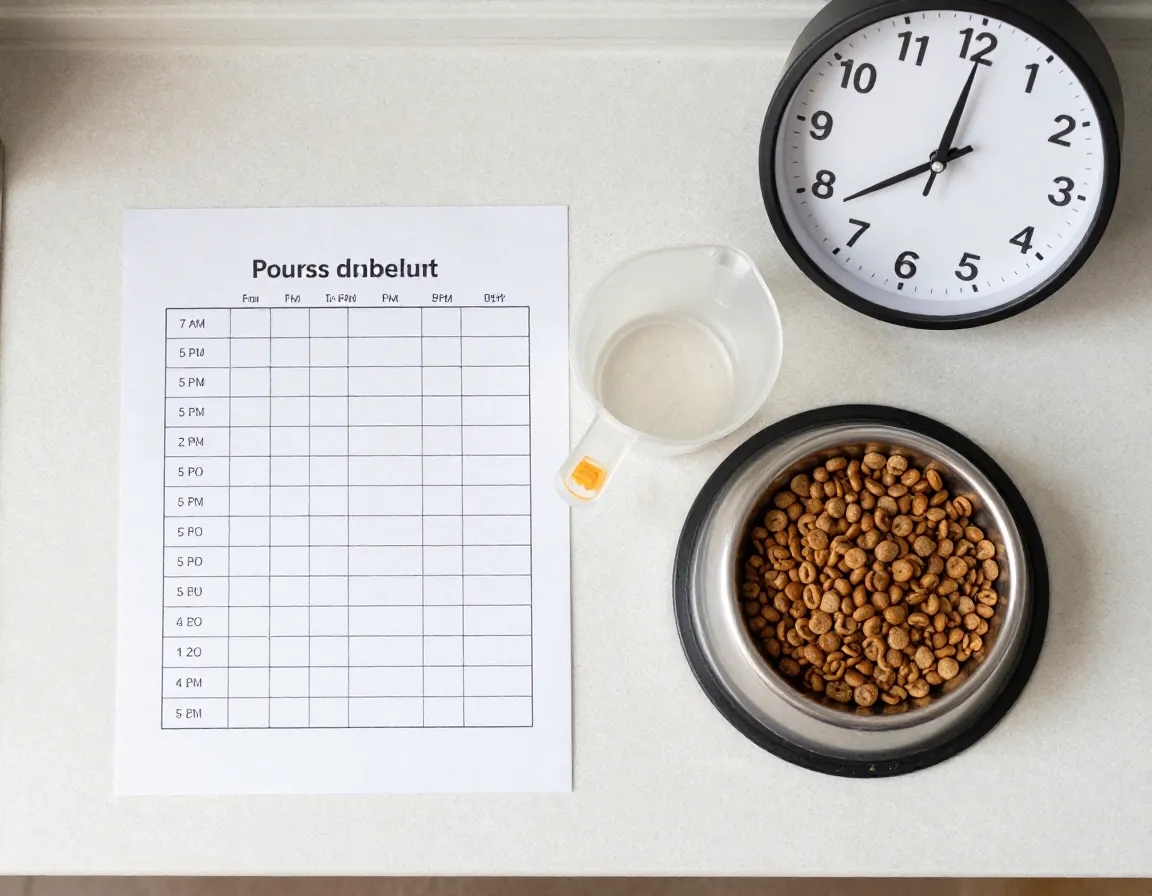
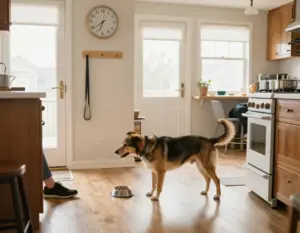
Consistent feeding schedules create predictable elimination patterns [1]. Feed your puppy three meals per day at exactly the same times until they reach six months of age. This regularity helps their digestive system develop a rhythm, making it much easier to anticipate when they’ll need to go outside.
Most puppies need to eliminate within 15-30 minutes after eating, so plan your schedule accordingly. I recommend feeding times of 7 AM, 12 PM, and 5 PM, which allows for adequate spacing and gives you time for evening activities without late-night potty emergencies.
Sample feeding and potty schedule:
| Time | Activity | Expected Potty Time |
|---|---|---|
| 7:00 AM | Breakfast | 7:15-7:30 AM |
| 12:00 PM | Lunch | 12:15-12:30 PM |
| 5:00 PM | Dinner | 5:15-5:30 PM |
| 9:00 PM | Final potty break | Immediate |
Additional feeding tips:
- Remove water 2-3 hours before bedtime
- Use the same bowl and location for all meals
- Measure food portions to maintain consistency
- Avoid free-feeding (leaving food out all day)
The predictability of this schedule extends beyond just mealtimes. Your puppy will begin to anticipate these routines, making them more receptive to training and reducing anxiety about when their needs will be met.
3. Designate a Specific Outdoor Potty Area
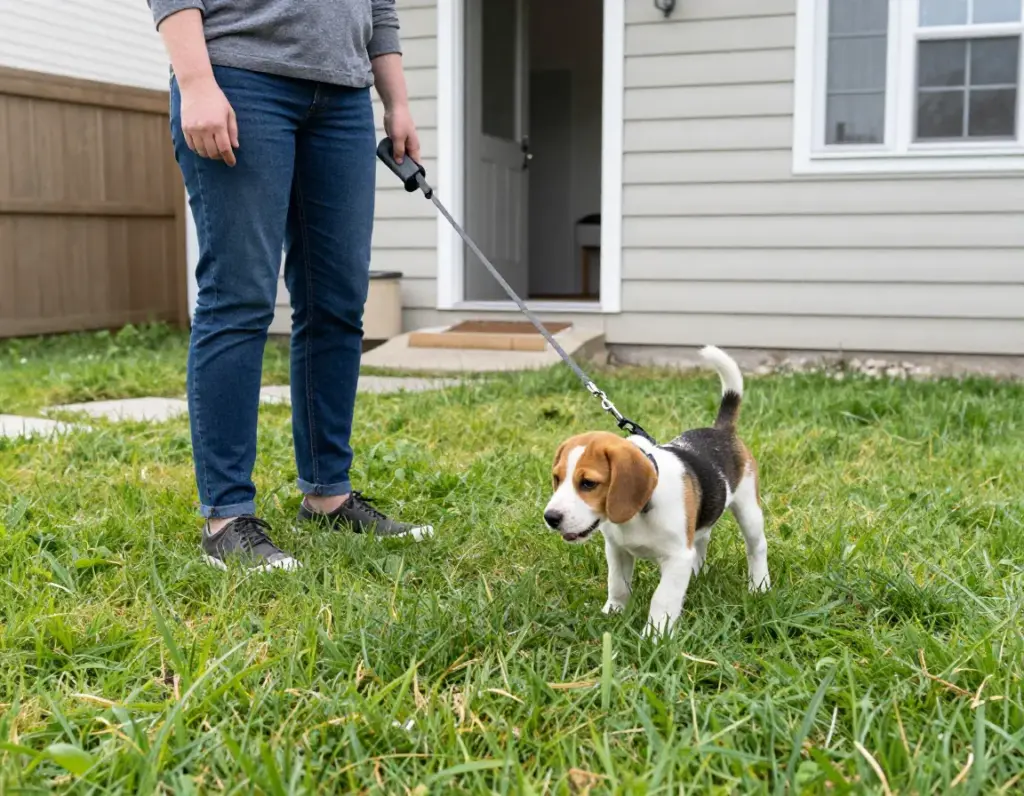
Creating a designated elimination zone is one of the most overlooked aspects of house training [1]. Choose a specific area of your yard and use the same door to access it every single time. This consistency helps your puppy understand exactly where they’re supposed to go and what’s expected of them.
Introduce a consistent phrase like “Do you want to go out?” or “Potty time!” every time you head to this area. Over time, your puppy will associate these words with the action of eliminating, eventually allowing you to encourage them to go on command.
Setting up your potty area:
- Choose a spot that’s easily accessible in all weather
- Use the same door every time
- Keep the area clean and free of distractions
- Consider using a specific surface (grass, gravel, or pee pads)
- Make sure it’s away from play areas and food/water stations
The scent marking that occurs in this designated area will also help reinforce the behavior. Dogs naturally want to eliminate where they smell previous eliminations, so this area becomes increasingly attractive to your puppy over time.
Pro tip: If you live in an apartment or don’t have immediate yard access, you can create an indoor designated area using pee pads or artificial grass systems. The same principles apply – consistency in location and access route.
4. Provide Constant Supervision and Smart Confinement
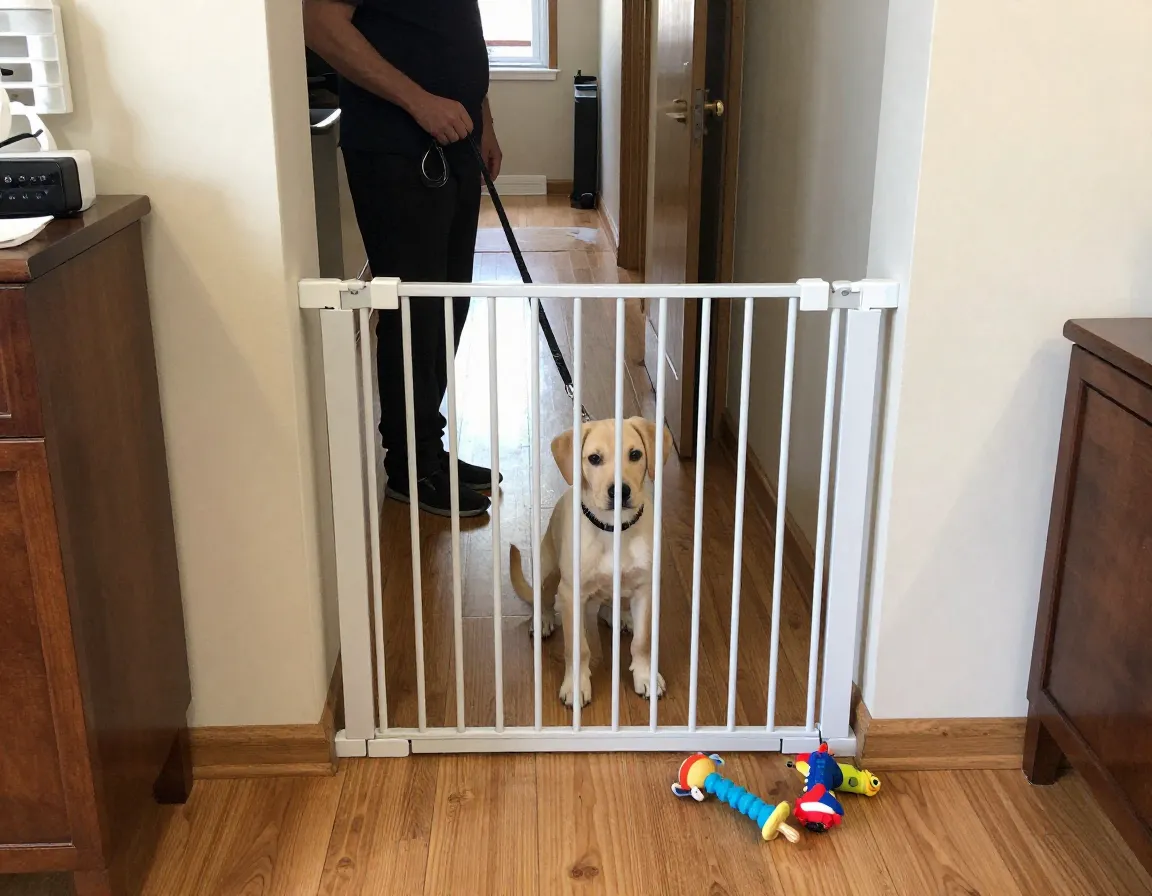
Supervision is absolutely critical during the house training process [1][2]. Your puppy should be in the same room with you at all times when they’re not crated. This doesn’t mean you need to stare at them constantly, but you should be aware of their behavior and able to intervene if they show signs of needing to eliminate.
Use baby gates, exercise pens, or tether your puppy with a six-foot leash to keep them close. This prevents them from wandering off to have accidents in other rooms while allowing them freedom to move and play.
Signs your puppy needs to go out:
- 🔄 Circling or spinning
- 👃 Sniffing the ground intensely
- 🚪 Going to the door or whining
- 😰 Sudden restlessness or pacing
- 🕐 It’s been 1-2 hours since their last potty break
When you can’t supervise directly:
- Use an appropriately sized crate
- Confine to a small, puppy-proofed room
- Set up an exercise pen with pee pads if needed
- Ask a family member to take over supervision duties
The goal is to prevent accidents from happening in the first place. Every accident that occurs in your house reinforces the idea that indoor elimination is acceptable, setting back your training progress.
5. Master the Art of Staying Present During Potty Breaks
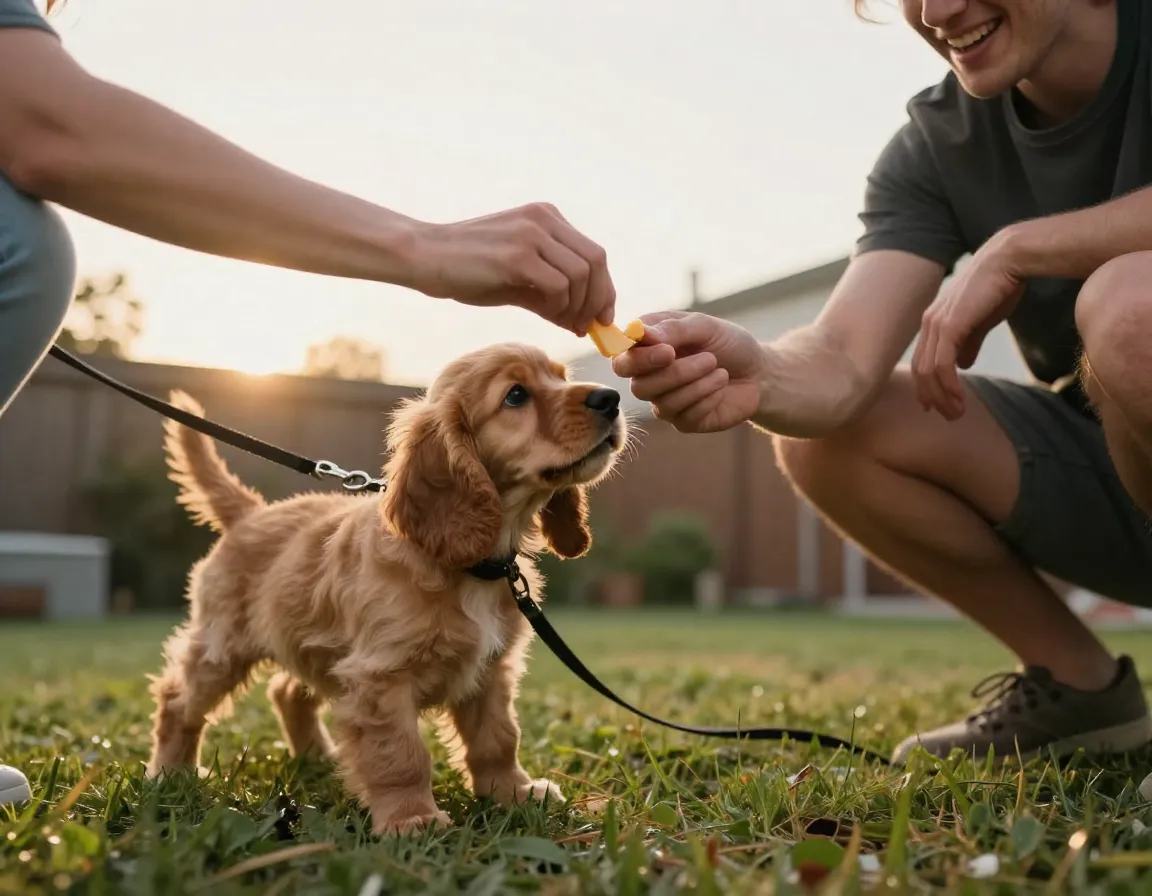
One of the biggest mistakes new puppy owners make is sending their puppy outside alone [2]. You must stay present during elimination to provide immediate rewards and ensure the behavior actually occurs. Simply opening the door and hoping for the best often results in a puppy who plays outside for 10 minutes and then comes in to have an accident.
Take your puppy outside on a leash, even in your own yard. This keeps them focused on the task at hand rather than getting distracted by interesting smells, sounds, or sights. Stay with them until they eliminate, then immediately reward with praise and high-value treats.
Effective outdoor supervision:
- Always use a leash, even in fenced yards
- Stay quiet and boring until they eliminate
- Don’t engage in play until after they’ve gone potty
- Wait at least 5-10 minutes before giving up
- Bring treats outside with you for immediate rewards
If your puppy doesn’t eliminate within 10-15 minutes, bring them back inside and try again in 30 minutes. Don’t let them have free run of the house during this time – return them to their crate or keep them tethered to you.
Weather considerations:
- Invest in appropriate weather gear for yourself
- Create covered areas for rainy days
- Consider indoor alternatives during extreme weather
- Maintain the routine regardless of conditions
Remember, your presence outside serves multiple purposes: preventing accidents, enabling immediate rewards, and building positive associations with the elimination area.
6. Implement the Powerful Housetraining Triangle Method
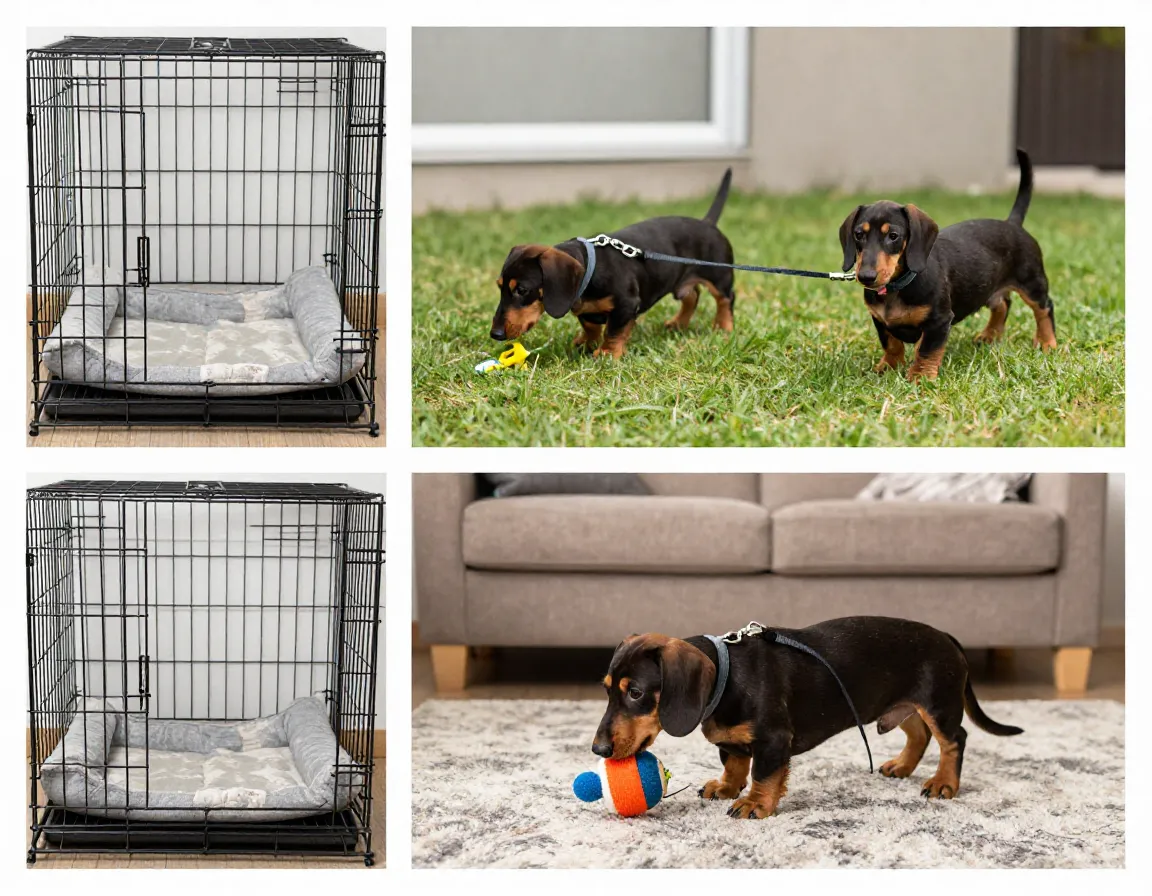
The triangle method is a systematic approach that cycles your puppy between three specific zones: crate, outdoor potty area, and supervised indoor time [3]. This method provides structure while teaching your puppy appropriate behaviors in each environment.
Here’s how the triangle method works:
Zone 1: The Crate
- Safe confinement when unsupervised
- Sleeping and quiet time
- Develops bladder control
- Provides security and routine
Zone 2: Outdoor Potty Area
- Designated elimination zone
- Immediate rewards for success
- Building positive associations
- Learning elimination commands
Zone 3: Supervised Indoor Time
- Social interaction and bonding
- Learning household rules
- Practicing basic commands
- Supervised play and exploration
Daily triangle rotation schedule:
- Morning: Crate → Potty area → Supervised indoor time
- Mid-morning: Supervised time → Potty area → Crate (nap)
- Lunch: Crate → Potty area → Supervised time
- Afternoon: Supervised time → Potty area → Crate (nap)
- Evening: Crate → Potty area → Supervised time
- Night: Supervised time → Potty area → Crate (sleep)
This method prevents your puppy from developing bad habits while reinforcing good ones. The predictability helps reduce anxiety and accelerates learning.
7. Perfect Your Reward Timing and Consistency

Immediate and consistent rewards are the cornerstone of successful house training [1][4]. The moment your puppy finishes eliminating in the correct location, you have a 3-second window to deliver praise and treats for maximum effectiveness. Waiting until you get back inside dilutes the message and can create confusion.
Effective reward strategies:
- Use high-value treats (small pieces of chicken, cheese, or special training treats)
- Deliver praise in an excited, happy voice
- Keep treats in your pocket during all outdoor trips
- Use the same praise words every time (“Good potty!” or “Yes!”)
- Make the reward more exciting than any indoor distraction
Consistency across family members:
All household members must use the same commands, rewards, and procedures. Mixed messages confuse puppies and slow down the training process. Hold a family meeting to establish:
- Who takes the puppy out at specific times
- What commands to use
- What treats to give
- How to respond to accidents
Common reward timing mistakes:
- ❌ Waiting until you’re back inside to give treats
- ❌ Using different commands or rewards
- ❌ Forgetting to bring treats outside
- ❌ Giving attention for accidents (negative attention is still attention)
- ❌ Inconsistent enthusiasm levels
The goal is to make outdoor elimination the most rewarding experience in your puppy’s day. When done correctly, your puppy will actively seek out opportunities to earn these rewards.
8. Strategic Confinement When Unsupervised
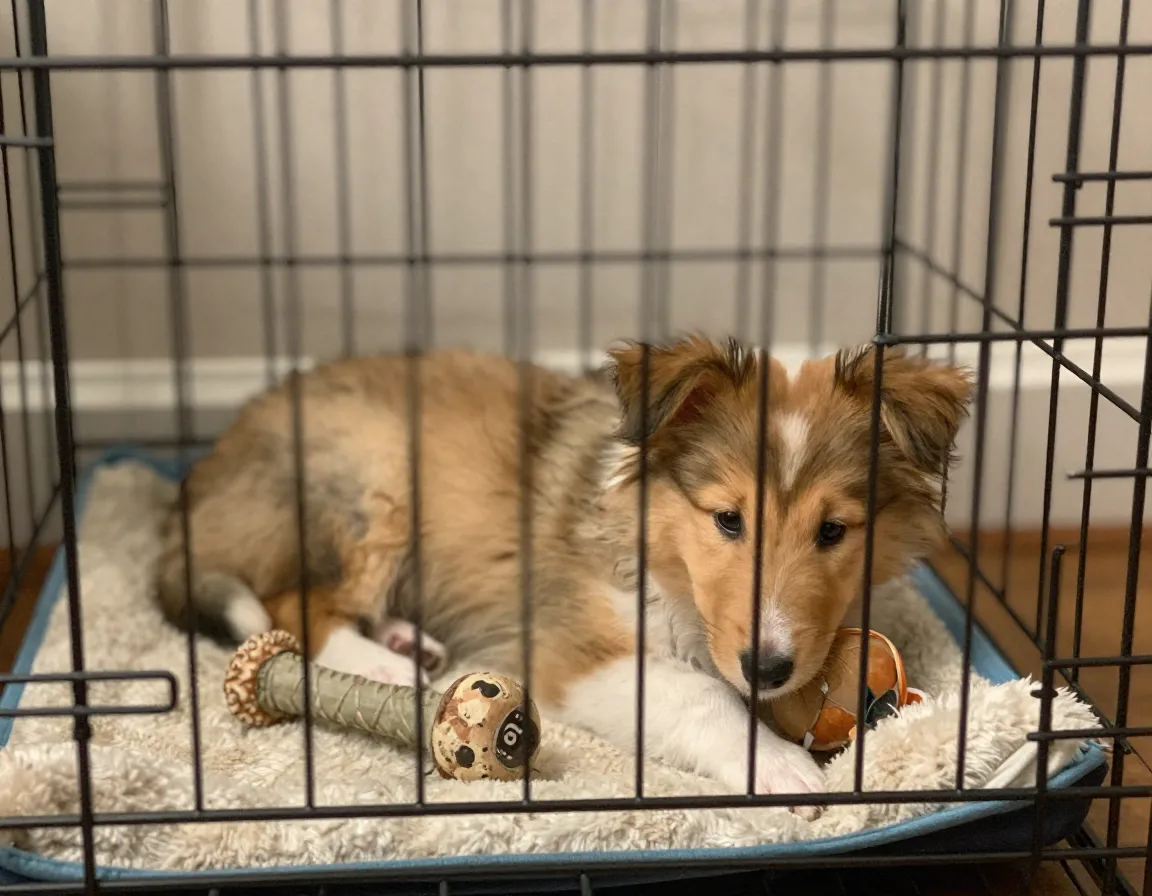
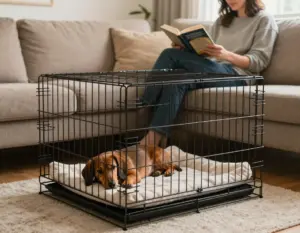
Proper confinement is essential for preventing accidents and reinforcing good habits [1][2]. Most puppies naturally avoid soiling their sleeping areas, making appropriately sized crates an invaluable training tool. The key word here is “appropriately sized” – the crate should be large enough for your puppy to stand, turn around, and lie down, but not so large that they can eliminate in one corner and sleep in another.
Crate training guidelines:
- Choose a crate that fits your puppy’s current size
- Use dividers to adjust space as they grow
- Make the crate comfortable with bedding and a favorite toy
- Never use the crate as punishment
- Gradually increase crate time to build tolerance
Alternative confinement options:
- Exercise pens: Larger than crates but still contained
- Puppy-proofed rooms: Bathrooms or laundry rooms work well
- Baby gates: Contain to specific areas while maintaining visibility
- Tethering: Keep puppy within sight range using a leash
Signs your confinement strategy is working:
- Fewer accidents in the house
- Puppy goes willingly into crate
- Longer periods between potty breaks
- More reliable elimination in designated outdoor area
- Reduced anxiety and increased confidence
Troubleshooting confinement issues:
If your puppy eliminates in their crate, the space may be too large, or they may have a medical issue requiring veterinary attention. Some puppies from pet stores or puppy mills may have learned to eliminate in small spaces due to poor early conditions and need extra patience.
Advanced Strategies for Accelerated Success
Beyond these eight core tips, several advanced strategies can further accelerate your house training success:
Bell training: Hang a bell by your door and teach your puppy to ring it when they need to go out. This creates clear communication and reduces guesswork.
Enzymatic cleaners: Use specialized cleaners that completely eliminate odors from any accidents. Regular household cleaners may mask smells from human noses but leave traces that encourage repeat offenses.
Weather preparation: Have backup plans for extreme weather conditions. Indoor alternatives like pee pads or artificial grass systems can maintain routine during storms or extreme temperatures.
Gradual freedom expansion: As your puppy proves reliable in one room, gradually expand their unsupervised access to other areas of the house.
Troubleshooting Common House Training Challenges
Even with perfect implementation of these 8 Must-Know Tips for House Training a Puppy Faster, you may encounter some challenges:
Regression after initial success: This is normal and often occurs during growth spurts, stress, or changes in routine [4][8]. Return to basics with increased supervision and more frequent potty breaks.
Accidents in the same spot: Thoroughly clean with enzymatic cleaners and temporarily block access to problem areas while reinforcing training.
Excitement or submissive urination: This behavioral issue requires different approaches than house training and often resolves with maturity and confidence building.
Medical issues: Frequent accidents, straining, or blood in urine warrant immediate veterinary attention as they may indicate health problems rather than training issues.
The Long-Term Benefits of Proper House Training
Investing time and effort into these proven house training methods pays dividends far beyond just preventing accidents. A well-house-trained puppy:
- Develops stronger bonds with family members through positive training experiences
- Builds confidence through clear expectations and consistent success
- Learns faster in other training areas due to established communication patterns
- Experiences less stress from understanding household routines
- Becomes a welcome member of the family without constant supervision needs
The skills your puppy learns during house training – routine following, impulse control, and responding to commands – form the foundation for all future training endeavors.
Creating Your Personal Action Plan
Now that you understand these 8 Must-Know Tips for House Training a Puppy Faster, it’s time to create your personalized implementation strategy:
Week 1-2: Foundation Building
- Establish feeding and potty schedules
- Set up designated potty area and crate
- Begin constant supervision protocols
- Start reward timing practice
Week 3-4: Routine Reinforcement
- Implement triangle method consistently
- Increase time between potty breaks gradually
- Address any emerging challenges
- Begin expanding supervised indoor time
Week 5-8: Independence Building
- Test longer periods in crate
- Introduce bell training if desired
- Gradually expand house access
- Maintain consistency while building confidence
Month 3+: Mastery and Maintenance
- Phase out constant supervision
- Maintain feeding schedules and routines
- Address any regression immediately
- Celebrate your success!
Conclusion
House training your puppy doesn’t have to be a frustrating, months-long ordeal. By implementing these 8 Must-Know Tips for House Training a Puppy Faster, you’re setting both yourself and your furry friend up for rapid success. Remember that consistency, patience, and positive reinforcement are your most powerful tools.
The key to accelerated house training lies in prevention rather than correction. By providing constant supervision, maintaining predictable routines, and rewarding success immediately, you’re working with your puppy’s natural instincts rather than against them.
Your next steps are simple:
- Set up your environment with proper crate sizing and designated potty areas
- Establish your schedule for feeding, potty breaks, and supervision rotations
- Gather your supplies including high-value treats, enzymatic cleaners, and weather gear
- Start immediately – every day you delay is a missed opportunity for progress
- Stay consistent even when progress seems slow or setbacks occur
Remember, the time you invest in proper house training during these critical early months will reward you with years of a well-behaved, confident companion. Your puppy wants to please you and succeed – these eight tips simply provide the roadmap for making that success inevitable.
With dedication to these proven methods, most puppies show significant improvement within just 2-3 weeks, with full house training achieved in 8-12 weeks rather than the typical 3-5 months. Start today, stay consistent, and prepare to be amazed at how quickly your puppy masters these essential life skills! 🎉
References
[1] Puppy Potty Training And House Training – https://www.eukanuba.com/articles/training/puppy-potty-training-and-house-training
[2] Housetraining For Puppies – https://www.wihumane.org/housetraining-for-puppies
[3] Brandon Mcmillans 8 Step Guide For Housebreaking A Dog – https://www.masterclass.com/articles/brandon-mcmillans-8-step-guide-for-housebreaking-a-dog
[4] Puppy Potty Training Regression – https://www.woofz.com/blog/puppy-potty-training-regression/
[5] How To Potty Train A Puppy – https://www.akc.org/expert-advice/training/how-to-potty-train-a-puppy/
[6] Dog Blog Breeders Should Potty Train Pups – https://www.dunbaracademy.com/pages/dog-blog-breeders-should-potty-train-pups
[7] 9 Tips To Housetrain Your Puppy Or Adult Dog – https://www.fearfreehappyhomes.com/9-tips-to-housetrain-your-puppy-or-adult-dog/
[8] Puppy Training House Training Aka Potty Training Setbacks – https://smartdoguniversity.com/puppy-training-house-training-aka-potty-training-setbacks/
[9] Watch – https://www.youtube.com/watch?v=VADeX4uf-ao