8 Majestic Facts About the Grey Norwegian Forest Cat
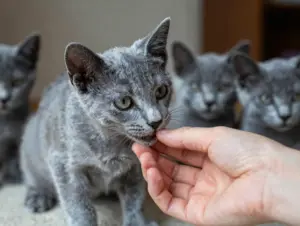
Fewer than 1% of domestic cat breeds can claim a mythology written about them by Vikings — but the Norwegian Forest Cat is one of them. Long before it graced modern living rooms, this ancient Nordic breed was hauling itself up sheer rock faces, surviving brutal Scandinavian winters, and earning a place in Norse legend. The grey Norwegian Forest Cat, in particular, carries a coat so striking that it seems carved from storm clouds and morning mist.
In this article, we explore the 8 Majestic Facts About the Grey Norwegian Forest Cat — a deep dive into the history, genetics, personality, and care needs of one of the world’s most breathtaking feline breeds. Whether you’re a prospective owner, a seasoned cat enthusiast, or simply curious about this Nordic giant, these facts will give you a thorough, authoritative picture of what makes the grey “Wegie” so extraordinary.
Key Takeaways 🐾
- The grey Norwegian Forest Cat is not a separate breed — it is a color variant of the Norwegian Forest Cat (NFC), one of the oldest natural cat breeds in the world.
- Grey coloration in NFCs is produced by a dilution gene that modifies black pigmentation into a blue-grey or solid grey tone.
- Norwegian Forest Cats are large, muscular cats with a distinctive double-layered, water-resistant coat built for harsh Nordic climates.
- Despite their wild appearance, grey Wegies are gentle, sociable, and highly intelligent companions.
- Regular grooming, a protein-rich diet, and awareness of breed-specific health conditions are essential for keeping a grey NFC healthy.
1. An Ancient Breed Rooted in Norse Mythology
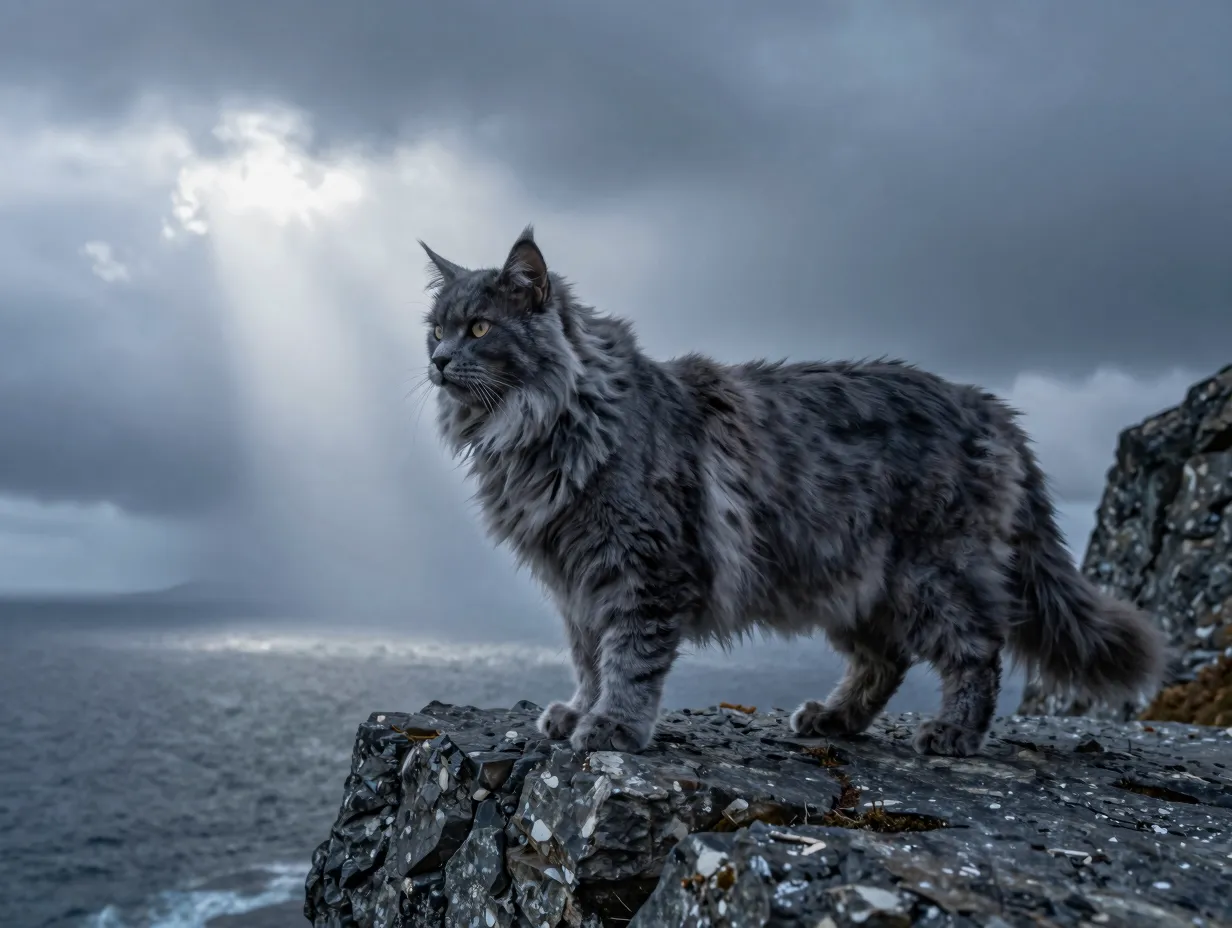
The story of the Norwegian Forest Cat stretches back over 1,000 years. These cats are believed to have traveled with Vikings aboard longships as working mousers, protecting grain stores and controlling rodent populations on long sea voyages [1]. Their presence in Norse mythology is equally impressive — the goddess Freya, associated with love and fertility, was said to ride a chariot pulled by large, long-haired cats widely believed to be early ancestors of the Norwegian Forest Cat [2].
In Norwegian, the breed is called Skogkatt, which translates literally to “forest cat.” This name reflects the breed’s natural habitat: the dense, cold forests of Scandinavia, where these cats developed their extraordinary physical traits over centuries of natural selection.
💬 “The Norwegian Forest Cat is one of the few domestic breeds whose origins are genuinely ancient rather than the result of modern selective breeding programs.”
The grey Norwegian Forest Cat carries this same storied lineage. While grey (often referred to as “blue” in cat fancy terminology) is just one of many recognized color variants, it is among the most visually dramatic — evoking the misty fjords and granite cliffs of Norway itself.
2. The Grey Coat Is the Result of a Fascinating Genetic Mechanism
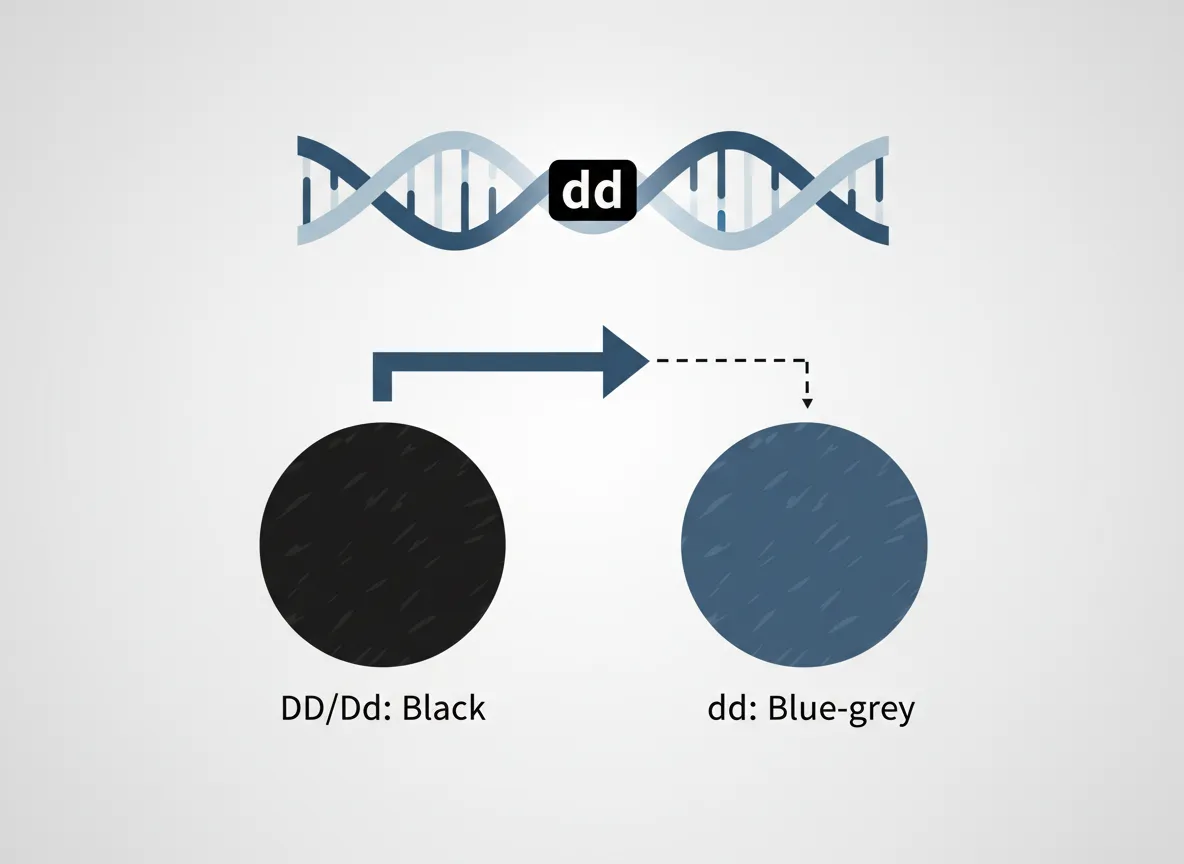
One of the most scientifically interesting of the 8 Majestic Facts About the Grey Norwegian Forest Cat is how that stunning grey coat actually comes to be. The grey coloration is not a random occurrence — it is the product of a specific dilution gene (the d allele) that acts on the eumelanin (black) pigment in the cat’s fur.
When a Norwegian Forest Cat inherits two copies of this recessive dilution gene (dd genotype), the black pigmentation is “diluted” into a softer, blue-grey tone. In cat fancy circles, this color is officially called “blue” — but to most people, it looks like a rich, cool grey.
How Grey Coloration Appears in NFCs
| Genotype | Pigment Result | Visual Appearance |
|---|---|---|
| DD or Dd | Full black pigment | Black coat |
| dd | Diluted black pigment | Blue-grey / grey coat |
| dd + tabby pattern | Diluted tabby markings | Blue tabby (grey striped) |
| dd + white spotting | Diluted with white patches | Blue and white |
Grey Norwegian Forest Cats can appear in several pattern variations:
- Solid blue-grey — a uniform, dense grey from root to tip
- Blue tabby — grey with darker grey tabby striping
- Blue and white — grey with white patches on the chest, paws, or face
- Blue silver — a grey coat with a silver sheen caused by the inhibitor gene
This genetic depth means that no two grey Wegies look exactly alike, making each one a unique expression of the breed’s rich genetic heritage [6].
3. Their Double-Layered Coat Is an Engineering Marvel
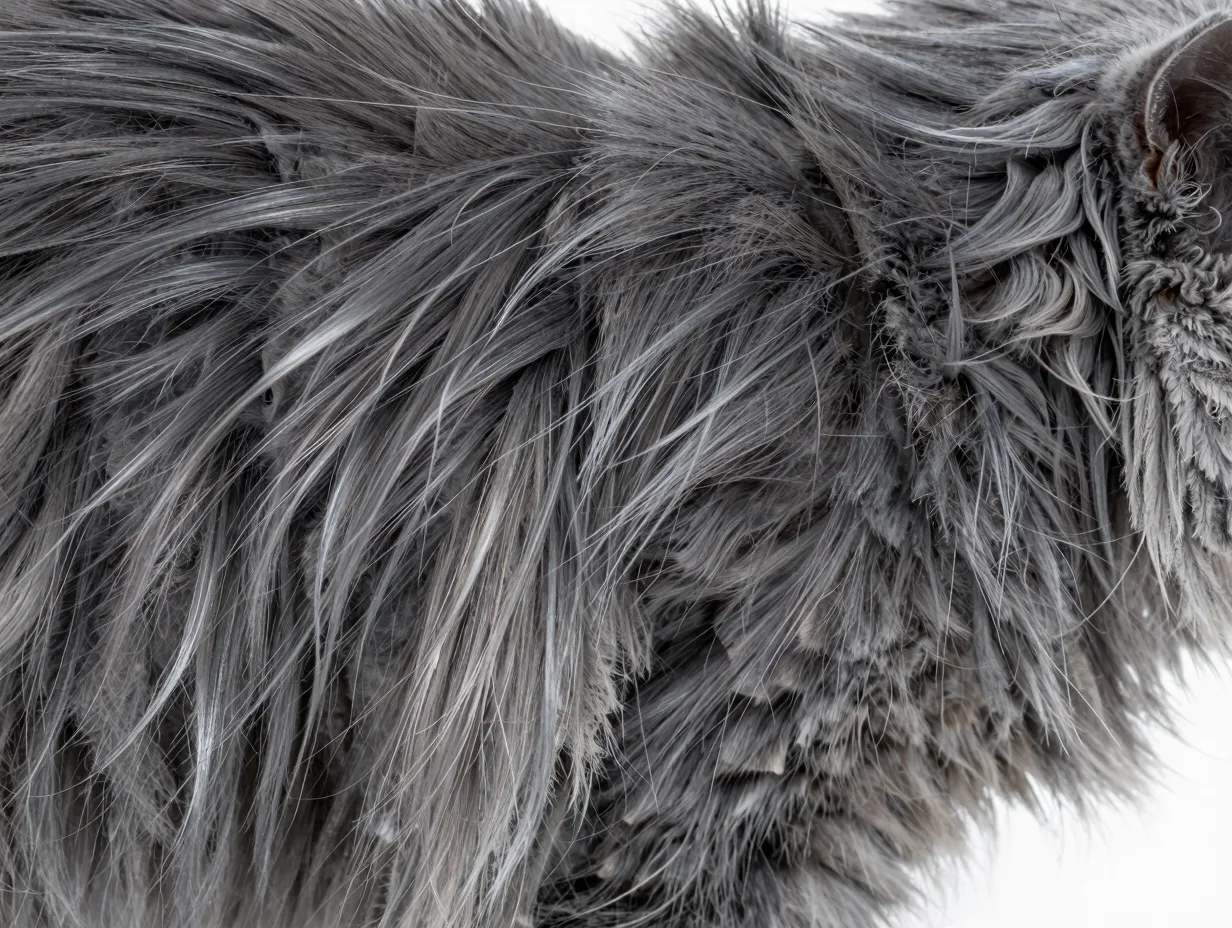
The grey Norwegian Forest Cat’s coat is not just beautiful — it is a functional masterpiece shaped by thousands of years of adaptation to sub-zero Scandinavian winters. The coat consists of two distinct layers [4]:
- A dense, woolly undercoat that traps body heat and provides insulation
- Long, glossy guard hairs that form a water-resistant outer shell, preventing moisture from reaching the skin
This double-layer system is so effective that Norwegian Forest Cats can remain comfortable in temperatures that would leave most domestic cats shivering. The grey coat, in particular, showcases this structure beautifully — the contrast between the soft, lighter undercoat and the deeper grey guard hairs gives the fur a three-dimensional, almost luminous quality.
Key coat features of the grey Norwegian Forest Cat:
- A full, bushy tail that can wrap around the body for warmth
- A prominent chest ruff or mane, especially pronounced in males
- Ear tufts (lynx tips) that protect the ears from cold and debris
- Tufted paws that act like natural snowshoes on icy terrain [7]
Seasonal shedding is significant in this breed. Wegies typically “blow” their coat twice a year — in spring and autumn — when they shed the dense undercoat in large quantities. During these periods, daily brushing is strongly recommended to prevent matting and hairballs [8].
4. Grey Norwegian Forest Cats Are Impressively Large
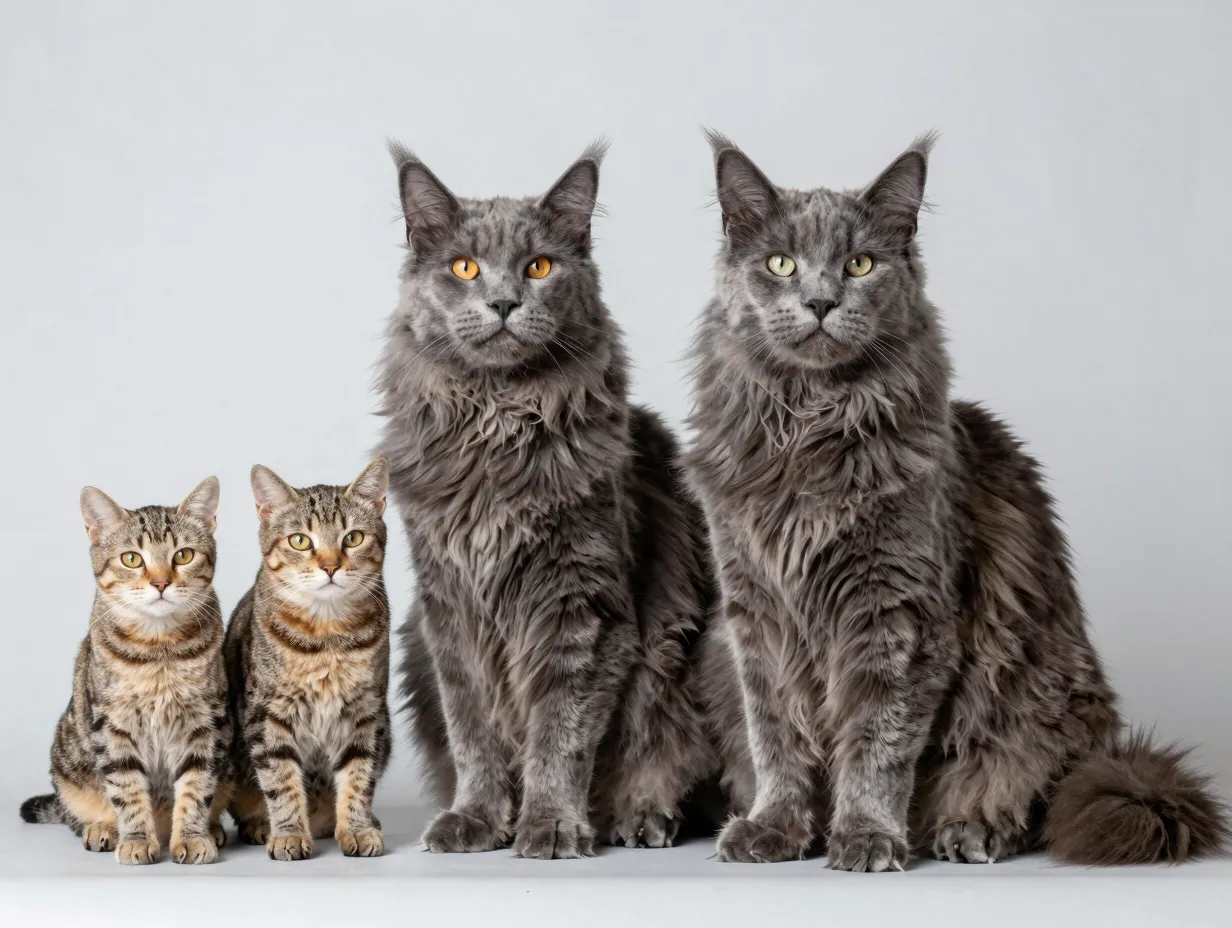
Size is one of the defining characteristics of this breed, and it is certainly one of the most striking of the 8 Majestic Facts About the Grey Norwegian Forest Cat. Norwegian Forest Cats are classified as a large breed, and they are among the biggest domestic cats you can own [2].
Size Comparison: Grey Norwegian Forest Cat vs. Average Domestic Cat
| Measurement | Average Domestic Cat | Grey Norwegian Forest Cat |
|---|---|---|
| Weight (male) | 4–5 kg (9–11 lbs) | 6–9 kg (13–20 lbs) |
| Weight (female) | 3–4 kg (7–9 lbs) | 4–6 kg (9–13 lbs) |
| Body length | ~46 cm (18 in) | Up to 90 cm (35 in) with tail |
| Maturity age | ~1 year | 4–5 years |
One of the most surprising aspects of NFC growth is how long it takes. While most cats reach full size by 12 months, Norwegian Forest Cats continue developing until they are 4 to 5 years old [1]. This slow maturation means that a grey Wegie kitten may look fully grown at 18 months but still has years of filling out ahead of it.
Their muscular, robust build — combined with strong, long hind legs — makes them exceptional climbers. In the wild, their ancestors were known to scale vertical rock faces that other cats could not manage [5].
5. The Personality Behind the Majestic Exterior
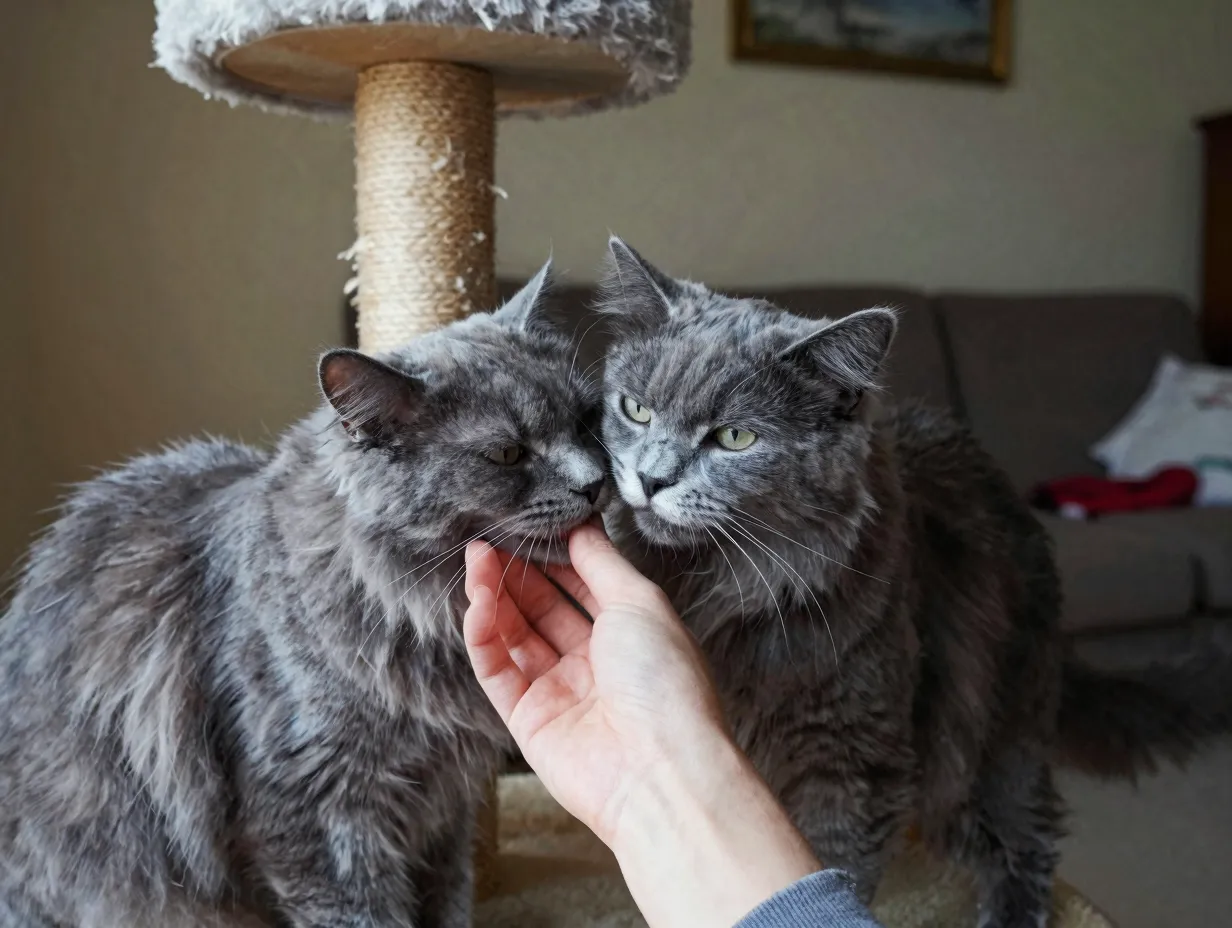
A common misconception about large, wild-looking cats is that they must be aloof or difficult to handle. The grey Norwegian Forest Cat firmly disproves this assumption. Wegies are known for being gentle, affectionate, and highly sociable — though they do so on their own terms [3].
Personality traits of the grey Norwegian Forest Cat:
- 🧠 Intelligent — NFCs are curious problem-solvers who enjoy interactive toys and puzzle feeders
- 🤝 Sociable — they bond deeply with their families but are rarely clingy or demanding
- 🐾 Playful — they retain a kitten-like playfulness well into adulthood
- 🏠 Adaptable — they can thrive in apartments if given sufficient vertical space and enrichment
- 🐕 Dog-friendly — many NFCs get along well with dogs and other cats [6]
Grey Norwegian Forest Cats tend to be independent thinkers. They will seek affection when they want it and retreat to a high perch when they need solitude. This balanced temperament makes them ideal for families, singles, and seniors alike.
💬 “The Norwegian Forest Cat is often described as ‘dog-like’ in its loyalty — it will follow its favorite person from room to room, but won’t demand constant attention.”
They are also notably vocal without being excessive — they communicate with soft chirps and trills rather than loud meowing, which many owners find endearing [7].
6. Grey Norwegian Forest Cats Have Specific Health Considerations
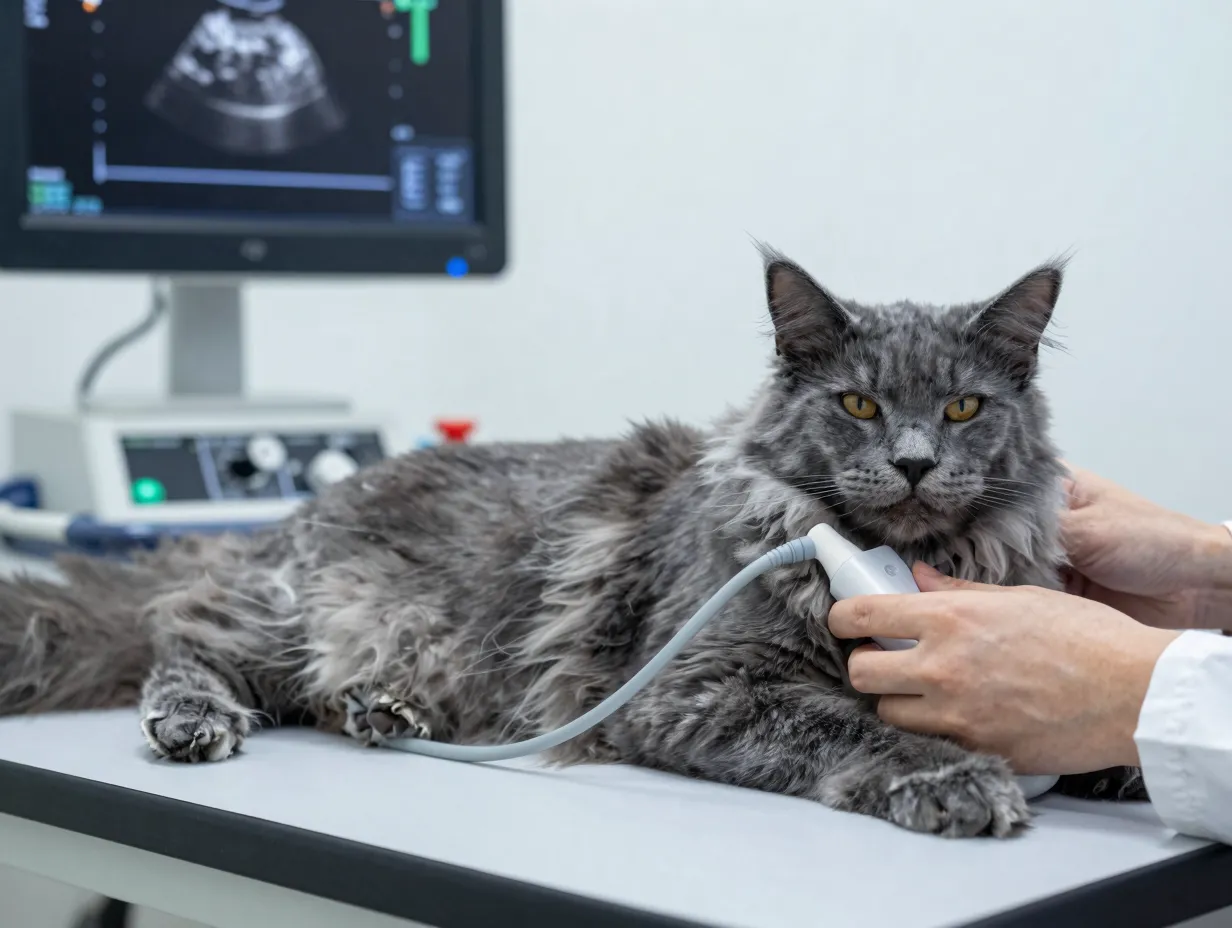
Like all pedigree breeds, the Norwegian Forest Cat has several breed-specific health conditions that prospective owners should be aware of. Understanding these risks is a critical part of responsible ownership and is one of the most practical of the 8 Majestic Facts About the Grey Norwegian Forest Cat.
Key Health Conditions to Monitor
1. Hypertrophic Cardiomyopathy (HCM)
HCM is the most common heart disease in cats, and NFCs have a known genetic predisposition to it. The condition causes the heart muscle walls to thicken, reducing the heart’s efficiency. Regular cardiac screenings by a veterinarian are strongly recommended for all Norwegian Forest Cats [5].
2. Glycogen Storage Disease Type IV (GSD IV)
This is a rare but serious inherited metabolic disorder found in Norwegian Forest Cats. It affects the body’s ability to process glycogen, leading to progressive muscle and neurological deterioration. Reputable breeders test for this condition before breeding [4].
3. Hip Dysplasia
Due to their large size and heavy build, NFCs can be susceptible to hip dysplasia — a malformation of the hip joint that can lead to arthritis and mobility issues over time [8].
4. Dental Disease
Like many cats, Norwegian Forest Cats are prone to periodontal disease. Regular dental check-ups and at-home teeth brushing can significantly reduce this risk [6].
Preventive care checklist for grey Norwegian Forest Cat owners:
- ✅ Annual veterinary wellness exams
- ✅ Cardiac screening every 1–2 years after age 5
- ✅ DNA testing for GSD IV (especially from breeders)
- ✅ Weight management to reduce joint stress
- ✅ Regular dental hygiene
With proper care, Norwegian Forest Cats have a lifespan of 14 to 16 years, and many live even longer [2].
7. Grooming a Grey Norwegian Forest Cat Requires Commitment
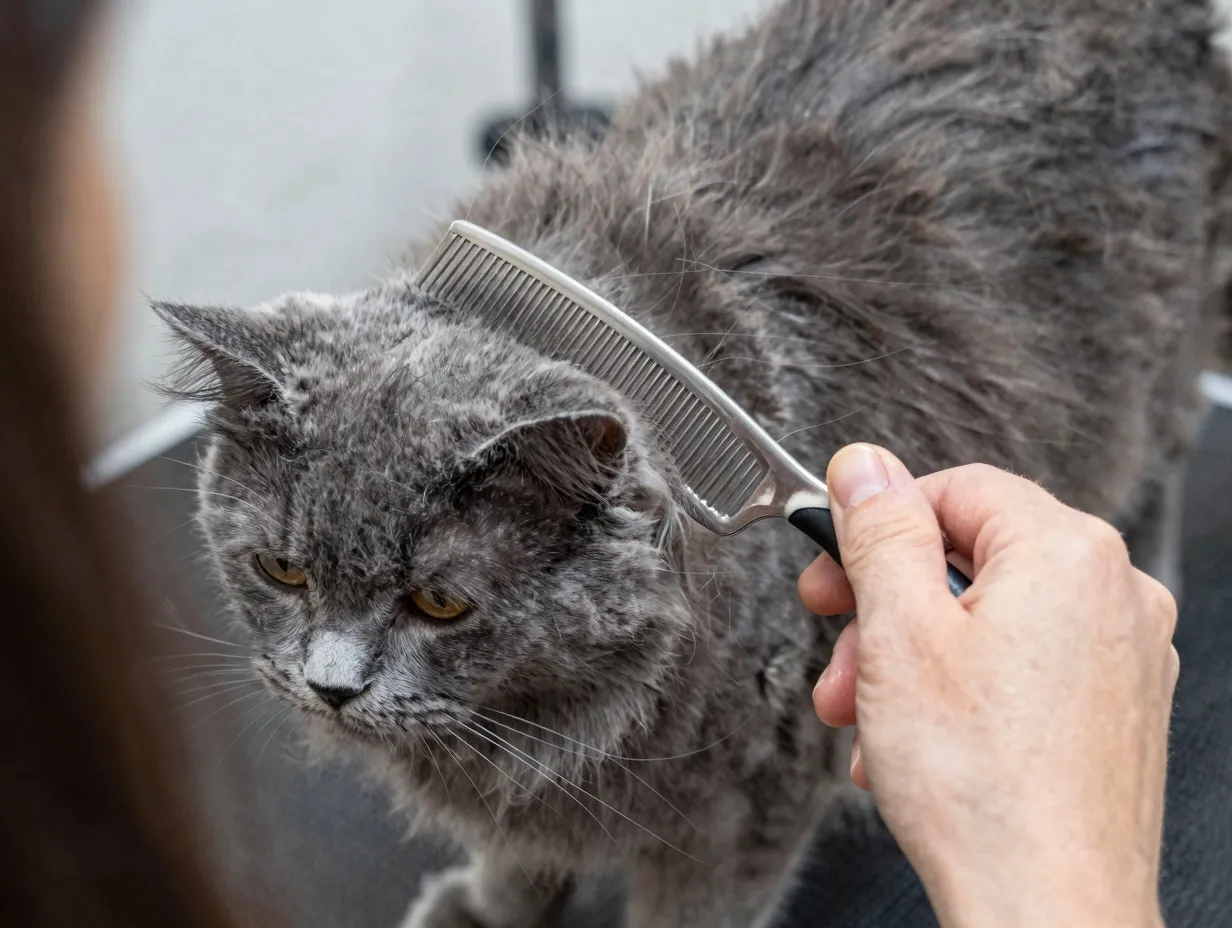
The grey Norwegian Forest Cat’s luxurious double coat is one of its most admired features — but it comes with a grooming commitment that potential owners must take seriously. The good news is that the NFC coat is surprisingly low-maintenance for its length, largely because the guard hairs are naturally resistant to tangling [1].
Grey NFC Grooming Schedule
| Frequency | Task |
|---|---|
| 2–3 times per week | Brush with a wide-toothed comb or slicker brush |
| Weekly | Check and clean ears |
| Monthly | Trim nails |
| As needed | Bathe (rarely required due to water-resistant coat) |
| Twice yearly | Deep de-shedding during coat blow seasons |
Pro tips for grooming a grey Norwegian Forest Cat:
- Use a wide-toothed metal comb to work through the undercoat without breaking the guard hairs
- Always brush in the direction of hair growth to avoid discomfort
- Pay special attention to the armpits, belly, and behind the ears — these areas are most prone to matting
- During shedding season, consider a de-shedding tool (like a Furminator) to manage undercoat volume
- The grey coat can show dust and dander more visibly than darker coats — regular brushing keeps it looking pristine [7]
One important note: bathing a Norwegian Forest Cat is rarely necessary and can be challenging due to their water-resistant coat — water tends to bead off the outer layer rather than penetrating to the skin. When bathing is needed, use a cat-specific shampoo and ensure thorough drying to prevent chilling [8].
8. The Grey Norwegian Forest Cat Has a Rich Cultural Legacy and Breed Recognition History
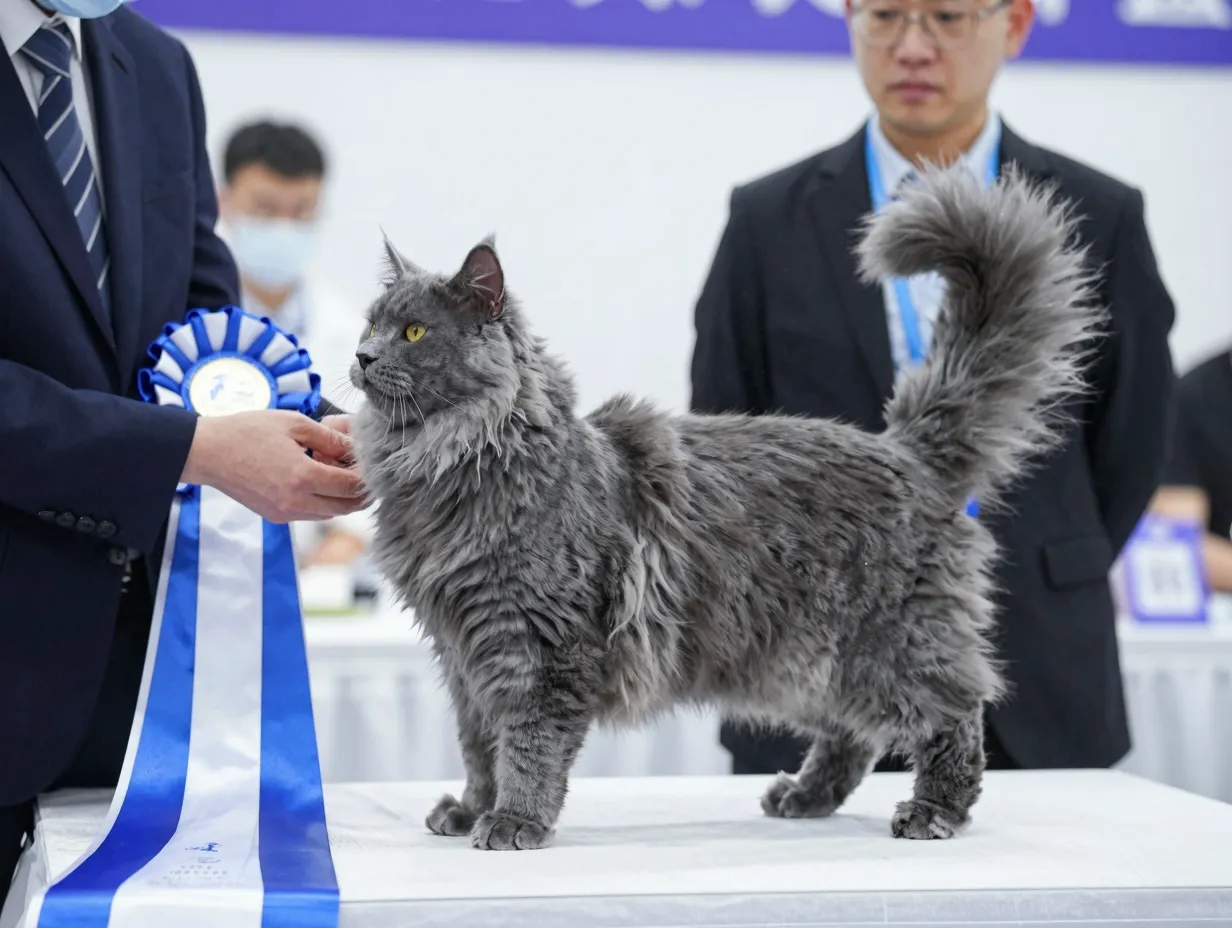
The final entry in our 8 Majestic Facts About the Grey Norwegian Forest Cat takes us back to the breed’s modern history and its journey to official recognition. Despite being ancient in origin, the Norwegian Forest Cat nearly disappeared as a distinct breed during World War II, when crossbreeding with other cats threatened its genetic integrity [1].
Norwegian cat enthusiasts launched a formal breeding program in the 1970s to preserve and standardize the breed. King Olaf V of Norway officially designated the Norwegian Forest Cat as the national cat of Norway, cementing its cultural significance [2].
International recognition followed:
- 1977 — Recognized by the Fédération Internationale Féline (FIFe)
- 1984 — First Norwegian Forest Cats exported to the United States
- 1993 — Fully recognized by the Cat Fanciers’ Association (CFA) [4]
The grey (blue) color variant is fully recognized by all major cat registries, including the CFA and The International Cat Association (TICA). In show standards, grey NFCs are judged on the same criteria as all other color variants — including coat quality, body structure, head shape, and temperament.
💬 “The Norwegian Forest Cat’s path to global recognition is a testament to the dedication of Scandinavian breeders who refused to let this magnificent breed disappear.”
Today, the Norwegian Forest Cat ranks among the most popular pedigree cat breeds in Europe, particularly in Scandinavia, France, and the United Kingdom [5]. In 2026, interest in the breed continues to grow globally, driven by social media communities dedicated to showcasing the breed’s photogenic qualities — with grey Wegies consistently among the most shared and admired.
Bonus: Quick Reference — Is a Grey Norwegian Forest Cat Right for You?
Before committing to ownership, consider these factors:
✅ Great fit if you:
- Want a large, visually stunning cat with a gentle temperament
- Have space for climbing trees, cat shelves, or tall scratching posts
- Can commit to regular grooming (2–3 times per week)
- Have children or other pets at home
- Appreciate an independent but affectionate companion
❌ May not be the right fit if you:
- Want a low-shedding or hypoallergenic cat
- Travel frequently and cannot arrange consistent care
- Live in a very small space with no vertical enrichment options
- Are unable to budget for potential breed-specific veterinary costs
Conclusion: The Grey Norwegian Forest Cat Is a Once-in-a-Lifetime Companion
The 8 Majestic Facts About the Grey Norwegian Forest Cat paint a picture of a breed that is extraordinary in almost every dimension — historically, genetically, physically, and temperamentally. From its Viking-era origins and Norse mythology connections to its storm-cloud coat produced by a fascinating dilution gene, the grey Wegie is a cat that commands respect and admiration.
Owning a grey Norwegian Forest Cat is a long-term commitment — these cats live 14 to 16 years and require consistent grooming, thoughtful nutrition, regular veterinary care, and a stimulating environment. But for those who can meet these needs, the reward is a deeply loyal, breathtakingly beautiful companion that brings a touch of the ancient Nordic wilderness into everyday life.
Actionable Next Steps for Prospective Grey NFC Owners
- Research reputable breeders who conduct genetic testing for GSD IV and HCM — ask for health certificates before purchasing.
- Prepare your home with tall cat trees, wall-mounted shelves, and scratching posts before your cat arrives.
- Invest in quality grooming tools — a wide-toothed metal comb and a de-shedding brush are non-negotiable.
- Schedule a veterinary wellness exam within the first week of bringing your cat home, and establish a relationship with a vet experienced in large breeds.
- Connect with NFC communities — breed clubs and online forums are invaluable resources for grey Wegie owners, offering advice on everything from grooming to health management.
The grey Norwegian Forest Cat is not just a pet — it is a living piece of natural and cultural history. Treat it with the care it deserves, and it will reward you with years of quiet majesty.
References
[1] 30 Fun Facts About The Norwegian Forest Cat – https://www.feliway.co.uk/blogs/news/30-fun-facts-about-the-norwegian-forest-cat
[2] Norwegian Forest Cat – https://www.litter-robot.com/blog/norwegian-forest-cat/
[3] Watch – https://www.youtube.com/watch?v=vdexdkfSlE4
[4] Norwegian Forest Cat – https://cfa.org/breed/norwegian-forest-cat/
[5] Norwegian Forest Cat Guide Care Personality Health – https://www.kanguroseguro.com/post/norwegian-forest-cat-guide-care-personality-health
[6] Norwegian Forest Breed Guide – https://vetslovepets.com.au/blogs/cat/norwegian-forest-breed-guide
[7] Norwegian Forest – https://www.purina.co.uk/find-a-pet/cat-breeds/norwegian-forest
[8] Norwegian Forest Cat – https://www.zooplus.co.uk/magazine/cat/cat-breeds/norwegian-forest-cat