
8 Key Factors That Determine Your Local Pet Sitting Rates
Setting the right price for pet sitting services can feel like solving a complex puzzle. With the pet care industry experiencing unprecedented growth and pet owners increasingly willing to invest in quality care for their furry family members, understanding 8 Key Factors That Determine Your Local Pet Sitting Rates has become essential for anyone entering this rewarding field.

Whether you’re a seasoned pet care professional or just starting your journey, pricing your services correctly can make the difference between a thriving business and struggling to cover basic expenses. The pet sitting market has evolved significantly, with dog-sitting accounting for 83% of the pet-sitting market[1] and professional rates varying dramatically based on multiple interconnected factors.
Key Takeaways
- Location dramatically impacts rates – Urban areas like New York and Los Angeles command premium prices ($5-$15 higher than base rates), while rural areas typically charge less but may include travel fees
- Service type and duration drive pricing – Basic 30-minute visits average $25, while overnight sitting reaches $80, with the national average for comprehensive pet sitting ranging from $115-$185[1][9]
- Pet complexity and sitter credentials justify higher rates – Multiple pets, special care needs, and professional certifications with insurance can significantly increase what clients are willing to pay
- Business overhead costs must be factored in – Insurance, licensing, travel expenses, and certification fees should be included in rate calculations to ensure profitability
- Experience and reputation allow for premium pricing – Established sitters with positive reviews and specialized training can charge 20-50% more than newcomers to the field
Understanding the Pet Sitting Market Landscape in 2026
The pet sitting industry has transformed into a professional service sector worth billions of dollars. As more pet owners treat their animals as family members, the demand for reliable, trustworthy pet care has skyrocketed. This shift has created opportunities for both casual pet lovers and serious entrepreneurs to build sustainable businesses.
Professional pet sitters generally charge $25 to $50 per 30-minute visit[7], but this range represents just the starting point. The actual rates depend on a complex interplay of factors that savvy pet sitters must understand to price their services competitively while ensuring profitability.
The market has also become more sophisticated, with clients expecting higher levels of service, communication, and professionalism. This evolution means that pet sitters who understand and implement the right pricing strategies can command premium rates while building long-term client relationships.
1. Geographic Location and Cost of Living Impact

Location stands as the most significant factor influencing pet sitting rates across the country. The economic reality of different regions creates dramatic variations in what pet sitters can charge for identical services.
Urban Premium Pricing 🏙️
Major metropolitan areas consistently command the highest rates in the industry. Sitters in major cities like New York, Los Angeles, and San Francisco charge premium rates due to higher living costs and greater demand[7]. These urban markets often see rates that are $5–$15 higher than the base rate[2] compared to national averages.
The reasons behind urban premium pricing include:
- Higher cost of living requiring increased wages
- Greater demand from busy urban professionals
- Limited parking and transportation challenges
- Higher business operating costs including insurance and licensing
Regional Variations Across States
Interestingly, pet sitters in Connecticut earn more than anywhere else in the country[1], demonstrating that wealthy suburban areas can sometimes outpace even major cities in terms of rates. This finding highlights the importance of understanding local market conditions rather than making assumptions based solely on population density.
Other high-paying regions typically include:
- California coastal areas (excluding rural regions)
- Northeast corridor from Boston to Washington D.C.
- Affluent suburban communities nationwide
- Tech hub cities like Seattle and Austin
Rural and Suburban Considerations
While rural and suburban areas generally have lower base rates, they often include additional considerations that can affect total pricing. Rural/out-of-town visits can include $10–$25 travel fees[2], which can sometimes bring the total cost in line with or even above urban rates.
Suburban markets often represent the sweet spot for many pet sitters, offering:
- Moderate competition levels
- Stable client base with repeat customers
- Reasonable travel distances between clients
- Family-oriented communities that prioritize pet care
2. Service Type and Duration Requirements

The specific type of service and its duration form the foundation of any pet sitting rate structure. Understanding how to price different service levels appropriately ensures both competitive positioning and adequate compensation for time invested.
Standard Visit Pricing Structure
Pet sitting costs an average of $25 for a 30-minute visit[1], which has become the industry standard for basic drop-in services. These visits typically include:
- Feeding and fresh water
- Basic exercise or playtime
- Litter box cleaning (for cats)
- Quick health and wellness check
- Brief companionship and attention
Extended and Overnight Services
For more comprehensive care, rates increase significantly. Pet sitting costs average $80 for overnight sitting[1], reflecting the substantial time commitment and responsibility involved. Overnight services often include:
- Full evening and morning routines
- Security presence in the home
- Emergency response availability
- Multiple feeding and exercise sessions
- Detailed daily reports for pet owners
Comprehensive Care Packages
Many successful pet sitters offer package deals that provide better value for extended care periods. The national average cost for hiring a pet sitter for one pet is $115–$185[9], which typically covers multiple visits or extended care arrangements.
Popular package options include:
- Weekend care (Friday evening through Sunday evening)
- Vacation packages (5+ days of daily visits)
- Holiday premium services with enhanced attention
- Senior pet care with specialized monitoring
3. Number and Types of Animals

The complexity of care increases exponentially with multiple pets, and successful pet sitters must price accordingly to reflect the additional time, attention, and responsibility required.
Multi-Pet Rate Structures
More pets require more effort and time, leading to higher rates[2]. However, the pricing structure for additional pets doesn’t simply double or triple the base rate. Most professional pet sitters use a tiered approach:
| Number of Pets | Rate Structure |
|---|---|
| 1 pet | Base rate (100%) |
| 2 pets | Base rate + 50-75% |
| 3 pets | Base rate + 100-125% |
| 4+ pets | Base rate + 150%+ |
Species-Specific Considerations
Different animals require varying levels of care and attention, which should be reflected in pricing. Dog-sitting accounts for 83% of the pet-sitting market[1], but rates can vary significantly based on the specific animals involved.
Dogs typically require:
- Regular outdoor exercise and bathroom breaks
- Social interaction and playtime
- Potential behavioral management
- Size-appropriate handling and safety measures
Cats generally need:
- Litter box maintenance
- Indoor environmental enrichment
- Respect for independent nature
- Monitoring for health changes
Exotic pets command premium rates due to:
- Specialized knowledge requirements
- Unique environmental needs
- Potential safety considerations
- Limited pool of qualified sitters
Special Care Requirements
Complicated care routines such as administering medication on a strict schedule or handling anxious pets result in additional costs[2]. These specialized services justify premium pricing because they require:
- Medical administration skills and liability
- Behavioral management expertise
- Flexible scheduling for multiple daily visits
- Detailed record keeping and communication
4. Professional Experience and Qualifications

Experience and professional credentials create significant opportunities for premium pricing in the pet sitting industry. Clients consistently demonstrate willingness to pay more for qualified, trustworthy care providers.
Certification and Training Benefits
Professional pet sitters who are certified, insured, and background-checked typically charge higher rates[7]. These credentials provide tangible value that justifies increased pricing through:
- Reduced client anxiety about pet safety
- Professional liability protection
- Demonstrated commitment to industry standards
- Enhanced emergency response capabilities
Popular certifications include:
- Pet Sitters International (PSI) certification
- National Association of Professional Pet Sitters (NAPPS) membership
- Pet first aid and CPR certification
- Animal behavior training credentials
Building Reputation and Client Trust
Experience level and established reputation influence what you can charge[5]. New pet sitters often start at the lower end of local rate ranges, but can quickly increase prices as they build:
- Positive client reviews and testimonials
- Repeat customer relationships
- Word-of-mouth referrals
- Professional portfolio of satisfied pets and owners
Specialization Premium
Pet sitters who develop expertise in specific areas can command premium rates:
- Senior pet care specialists
- Puppy training and socialization
- Medical needs management
- Behavioral rehabilitation support
- Exotic animal expertise
5. Insurance and Business Operating Costs

Understanding and incorporating business overhead costs into pricing ensures long-term sustainability and professional operation of pet sitting services.
Essential Insurance Coverage
Pet sitting insurance and business overhead costs must be factored into rate calculations[3][5]. Professional pet sitters need several types of coverage:
Liability Insurance protects against:
- Property damage during pet care
- Pet injury or illness claims
- Third-party injury incidents
- Professional negligence allegations
Bonding and Theft Protection covers:
- Client property protection
- Key and access security
- Valuable item safeguarding
- Professional reputation protection
Business Licensing and Certification Costs
Professional pet sitters must account for various licensing and certification expenses:
- Business license fees (varies by location)
- Professional certification costs ($100-$500 annually)
- Background check expenses ($25-$100)
- Continuing education requirements
Operational Expenses
Phone bills, advertising, and travel expenses must be included when setting rates[3][5]. These ongoing costs include:
Communication Costs:
- Professional phone service
- Client communication apps
- Website maintenance
- Social media management
Marketing and Advertising:
- Online platform fees
- Professional photography
- Business cards and materials
- Local advertising investments
Transportation Expenses:
- Vehicle maintenance and fuel
- Parking fees in urban areas
- Public transportation costs
- Equipment and supply transportation
6. Travel Distance and Accessibility Factors
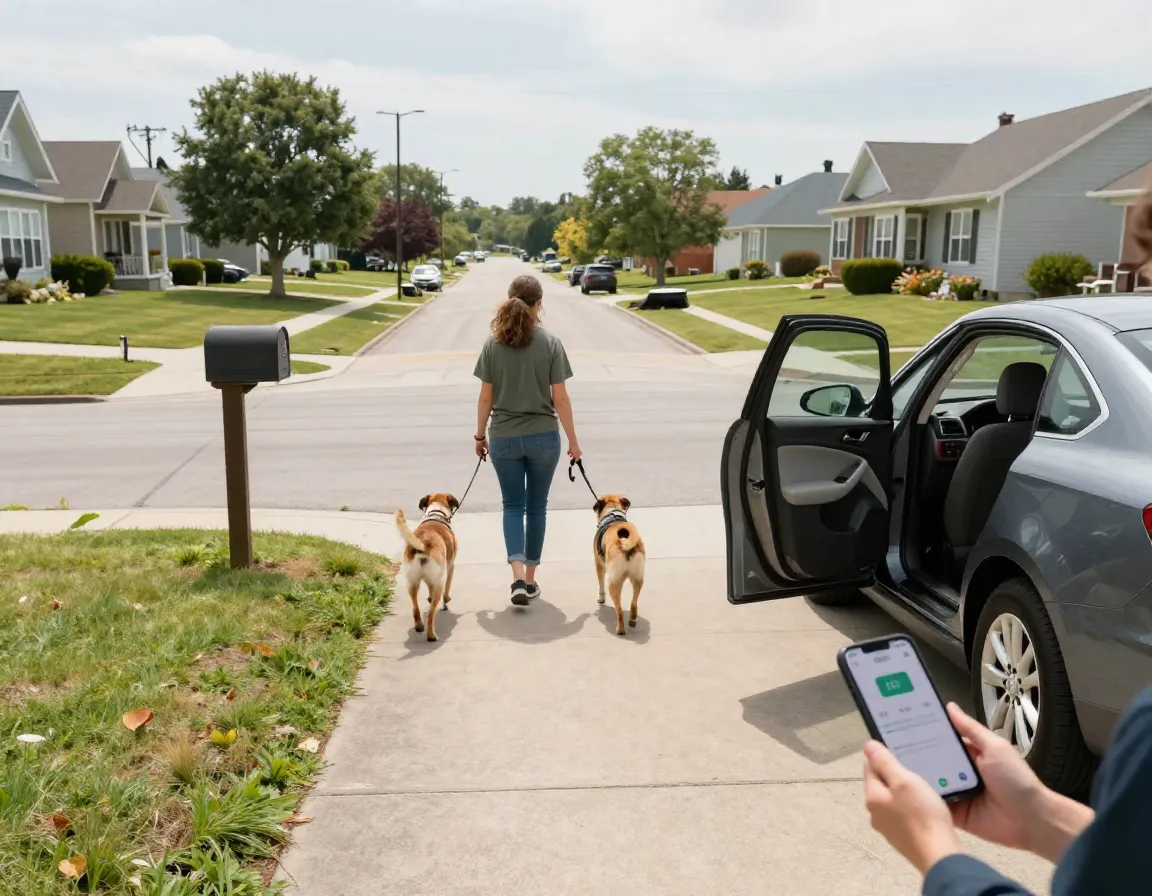
Geographic considerations extend beyond general location to include specific travel requirements and accessibility challenges that directly impact service delivery costs.
Distance-Based Surcharges
Long travel distances of 20–30+ minutes warrant $10–$20 travel surcharges[2]. These fees reflect the real costs of extended travel time and vehicle expenses. Professional pet sitters typically implement distance-based pricing using:
Mileage-Based Calculations:
- $0.50-$1.00 per mile beyond base service area
- Minimum travel fee for distances over 15 miles
- Round-trip calculations for single visits
- Reduced per-mile rates for multiple daily visits
Time-Based Travel Fees:
- $15-$25 for 30+ minute travel time
- Hourly rate application for extreme distances
- Premium rates for difficult-to-reach locations
- Emergency travel surcharges for urgent calls
Urban Parking Challenges
Urban areas with limited parking may incur additional parking costs of $5–$20[2]. These expenses can significantly impact profitability in dense metropolitan areas where:
- Metered parking requires constant feeding
- Parking garages charge hourly or daily rates
- Permit zones restrict non-resident parking
- Limited availability increases search time
Service Area Optimization
Successful pet sitters strategically define their service areas to balance:
- Client density for efficient routing
- Travel time minimization between visits
- Emergency response capability within reasonable timeframes
- Competitive positioning in target neighborhoods
7. Specific Care Duties and Responsibilities

The scope of responsibilities directly correlates with appropriate pricing, as different clients require varying levels of service complexity and attention to detail.
Basic Care Service Components
Standard pet sitting visits typically include fundamental care activities that form the pricing foundation:
Essential Daily Care:
- Feeding according to owner instructions
- Fresh water provision and bowl cleaning
- Basic exercise appropriate to pet’s needs
- Waste cleanup and litter maintenance
- Brief companionship and attention
Home Security Elements:
- Mail and package collection
- Light rotation and security presence
- Basic plant watering
- Trash bin management
- General home monitoring
Premium Service Additions
Specific responsibilities beyond basic pet care—such as feeding schedules, medication administration, and special handling needs—affect pricing[5]. These enhanced services justify rate increases:
Medical Care Services:
- Prescription medication administration
- Special dietary requirement management
- Health monitoring and reporting
- Veterinary appointment coordination
- Emergency medical response
Behavioral Support:
- Anxiety management techniques
- Training reinforcement activities
- Socialization exercises
- Environmental enrichment
- Behavioral modification support
Customized Care Plans
Many clients require individualized care approaches that command premium pricing:
Senior Pet Specialists:
- Mobility assistance and monitoring
- Comfort care and pain management
- Frequent health status updates
- Gentle exercise and mental stimulation
- End-of-life compassionate care
High-Energy Pet Management:
- Extended exercise sessions
- Mental stimulation activities
- Structured play and training
- Behavioral redirection techniques
- Energy outlet provision
8. Market Competition and Seasonal Demand

Understanding local market dynamics and seasonal fluctuations enables strategic pricing that maximizes both competitiveness and profitability throughout the year.
Competitive Analysis and Positioning
Successful pet sitters regularly assess their local market to ensure appropriate positioning. Rates vary based on the animal’s energy levels and stimulation requirements[4], but they also fluctuate based on local competition density and service quality differentiation.
Market Research Components:
- Competitor rate surveys and service comparisons
- Client feedback on pricing expectations
- Service gap identification opportunities
- Premium service positioning strategies
Seasonal Demand Fluctuations
Pet sitting demand varies significantly throughout the year, creating opportunities for dynamic pricing strategies:
Peak Demand Periods:
- Holiday seasons (Thanksgiving through New Year)
- Summer vacation months (June through August)
- Spring break periods (March and April)
- Long weekend holidays throughout the year
Seasonal Pricing Strategies:
- Holiday premium rates (15-25% increase)
- Advanced booking discounts for peak periods
- Last-minute availability surcharges
- Loyalty client rate protection during high-demand times
Value-Added Service Differentiation
Standing out in competitive markets requires strategic service enhancement rather than simple price competition:
Technology Integration:
- Real-time photo and video updates
- GPS-tracked walk documentation
- Professional daily report systems
- Emergency communication protocols
Professional Service Standards:
- Uniformed and branded presentation
- Comprehensive client consultation process
- Detailed care instruction documentation
- Follow-up service quality assessments
Implementing Strategic Pricing for Long-Term Success
Creating a sustainable pet sitting business requires balancing competitive pricing with adequate compensation for professional services. The most successful pet sitters understand that pricing strategy evolves with experience, market conditions, and service expansion.
Rate Structure Development
Professional pet sitters benefit from clear, transparent pricing structures that clients can easily understand:
Base Rate Components:
- Standard visit duration and included services
- Geographic service area boundaries
- Additional pet and service surcharges
- Holiday and emergency rate modifications
Package Deal Strategies:
- Multi-visit discounts for regular clients
- Extended care period rate reductions
- Loyalty program benefits and referral rewards
- Seasonal promotion offerings
Client Communication and Value Justification
Successful rate implementation requires clear communication about service value and pricing rationale. Clients who understand the factors behind pricing decisions are more likely to accept and appreciate professional rates.
Pricing Transparency Elements:
- Detailed service description documentation
- Clear explanation of rate calculation factors
- Professional credential and insurance verification
- Emergency response and backup plan communication
Conclusion
Understanding the 8 Key Factors That Determine Your Local Pet Sitting Rates provides the foundation for building a successful and sustainable pet care business. From geographic location and service complexity to professional qualifications and market dynamics, each factor plays a crucial role in determining appropriate pricing strategies.
The pet sitting industry continues to evolve, with clients increasingly valuing professional, reliable care for their beloved animals. By carefully considering location-based pricing, service scope, pet complexity, professional credentials, business costs, travel requirements, specific care duties, and market conditions, pet sitters can establish rates that reflect their true value while remaining competitive in their local markets.
Take action today by conducting a thorough analysis of your local market, assessing your current service offerings against these eight key factors, and adjusting your rates to reflect the professional value you provide. Remember that pricing is not just about covering costs—it’s about positioning yourself as a trusted professional who delivers exceptional care and peace of mind to pet owners.
Start by researching your local competition, calculating your true business costs, and identifying opportunities to enhance your service offerings. With the right pricing strategy based on these fundamental factors, you can build a thriving pet sitting business that provides both financial success and the satisfaction of caring for the animals you love.
References
[1] Pet Sitting Statistics – https://www.dogster.com/statistics/pet-sitting-statistics
[2] Cat Sitter Cost – https://www.airtasker.com/us/costs/cat-sitting/cat-sitter-cost/
[3] How To Set Your Pet Sitting Rates – https://www.petsit.com/how-to-set-your-pet-sitting-rates
[4] How Much Do Dog Sitters Charge – https://www.trustedhousesitters.com/blog/owners/how-much-do-dog-sitters-charge/
[5] Pet Sitting Rates How Much Should I Charge – https://www.care.com/c/pet-sitting-rates-how-much-should-i-charge/
[7] How Much To Pay Dog Sitter – https://www.kinship.com/dog-lifestyle/how-much-to-pay-dog-sitter
[9] Pet Sitting Prices – https://www.thumbtack.com/p/pet-sitting-prices