8 Jaw-Dropping Banana Ball Python Morphs and Their Unique Traits
Picture a snake that looks like it was painted with liquid sunshine, adorned with vibrant yellows and striking patterns that seem almost too beautiful to be real. The banana ball python morph has captivated reptile enthusiasts worldwide with its stunning appearance and fascinating genetic combinations. These 8 jaw-dropping banana ball python morphs and their unique traits represent some of the most sought-after specimens in the reptile breeding community, each offering distinct characteristics that make them truly extraordinary.
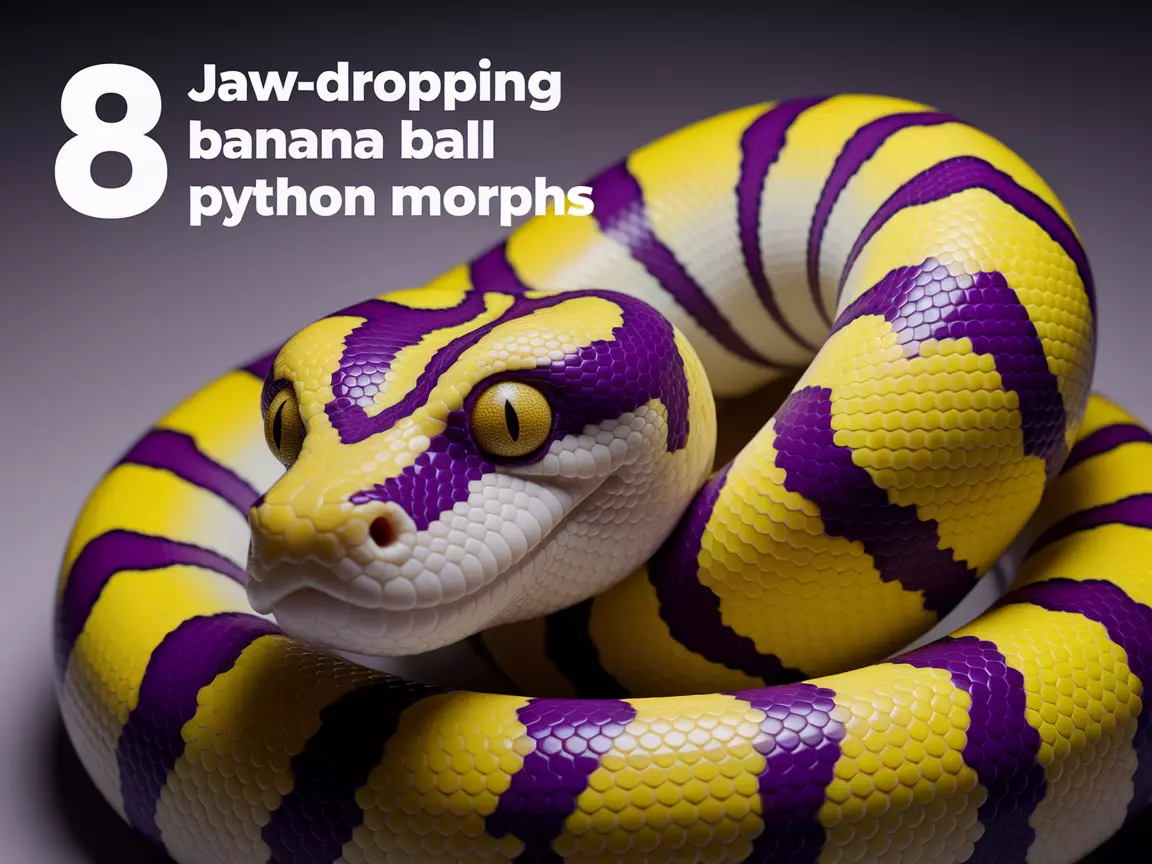
The banana morph, first discovered in the wild and brought into captivity in the early 2000s, has become the foundation for countless breathtaking combinations. What makes these morphs particularly special is not just their visual appeal, but also the complex genetics behind their creation and the unique behavioral traits that often accompany their stunning appearances.
Key Takeaways
- Banana ball pythons display incredible genetic diversity with combinations creating unique color patterns and scale formations
- Each morph has distinct visual characteristics ranging from vibrant yellows to deep purples and intricate pattern variations
- Breeding banana morphs requires understanding co-dominant genetics and how different genes interact to produce specific traits
- Market values vary significantly based on rarity, visual appeal, and breeding potential of each morph combination
- Proper care remains consistent across all banana morphs despite their genetic differences
Understanding the Genetics Behind These 8 Jaw-Dropping Banana Ball Python Morphs and Their Unique Traits
The banana gene operates as a co-dominant mutation, meaning that when paired with other morphs, it creates entirely new visual expressions. This genetic behavior allows breeders to combine the banana gene with various other morphs, resulting in spectacular offspring that showcase the best traits of both parent morphs.
How Co-Dominant Genetics Work
Co-dominant genes express themselves differently than recessive or dominant genes. When a banana ball python carries one copy of the banana gene, it displays the typical banana coloration. However, when combined with other co-dominant or recessive genes, the visual outcome can be dramatically different.
The temperature-dependent color changing is another fascinating aspect of banana morphs. Many banana combinations show different colors and intensities based on ambient temperature, with cooler temperatures often bringing out more vibrant yellows and warmer temperatures revealing deeper oranges and purples.
The Foundation: Standard Banana Ball Python
1. Classic Banana Morph
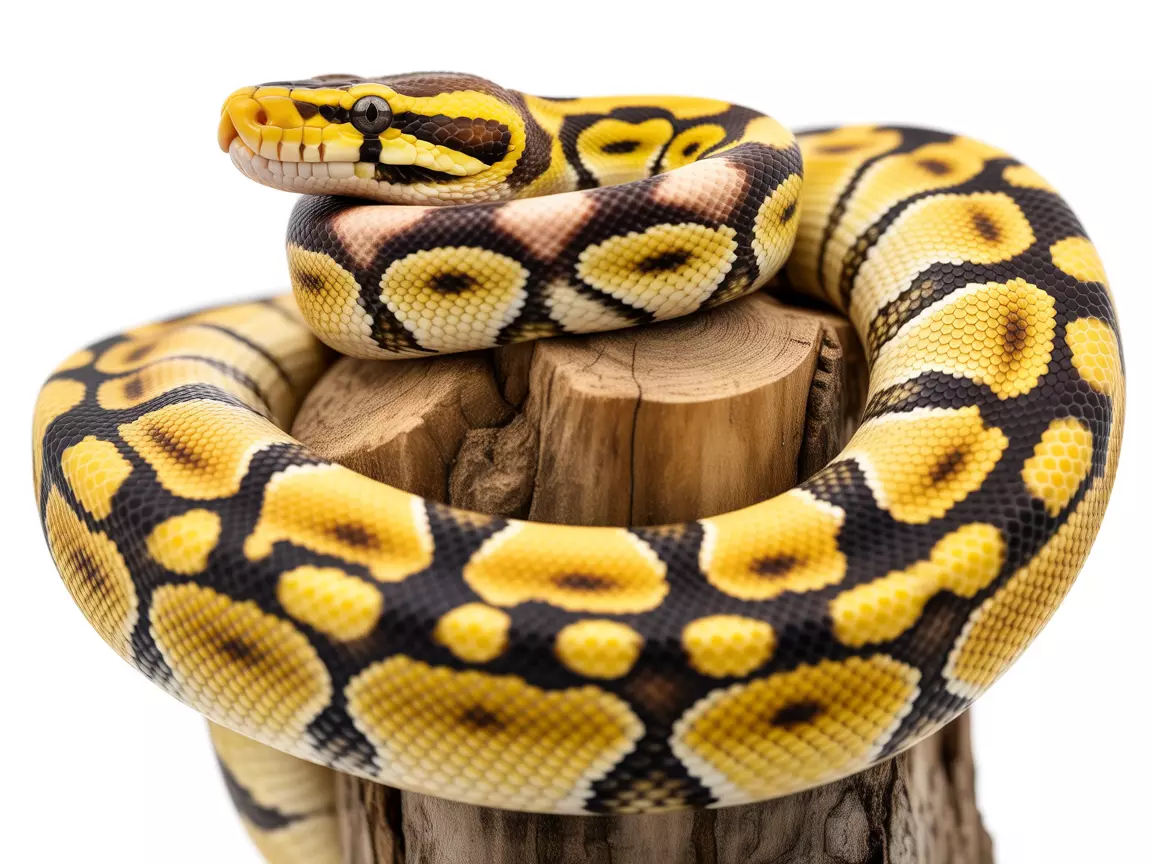
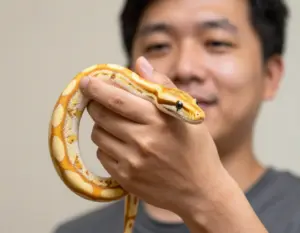
The original banana ball python serves as the cornerstone for all other banana combinations. These snakes display brilliant yellow and orange coloration with distinctive purple undertones that become more pronounced with age. The pattern typically features irregular blotches and stripes that create a truly unique appearance on each individual snake.
Key characteristics include:
- Bright yellow base coloration
- Purple blushing that intensifies over time
- Irregular pattern formation
- Color-changing properties based on temperature
- High contrast between light and dark areas
The classic banana typically ranges from $200 to $500 depending on the quality of coloration and pattern. Females generally command higher prices due to their breeding potential.
2. Banana Enchi Combination
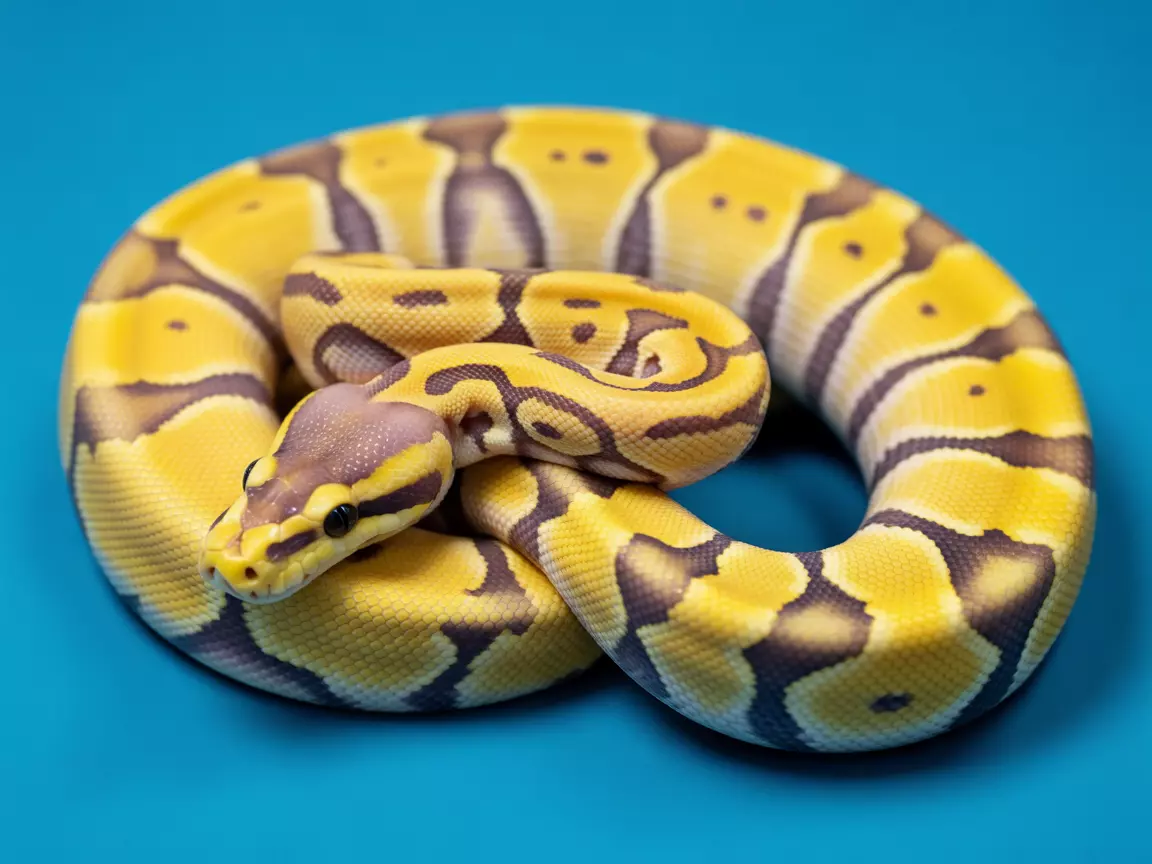
The banana enchi represents one of the most popular combinations in the banana family. The enchi gene enhances the banana’s natural colors while adding distinctive pattern modifications that create an almost artistic appearance.
This combination produces snakes with:
- Enhanced yellow saturation throughout the body
- Reduced pattern complexity for cleaner appearance
- More pronounced purple blushing
- Larger pattern elements with better definition
- Increased contrast between colors
Banana enchi pythons typically sell for $300 to $700, with exceptional specimens commanding premium prices. The enchi gene’s ability to enhance and clean up patterns makes this combination highly desirable among collectors.
Exploring Advanced Combinations in These 8 Jaw-Dropping Banana Ball Python Morphs and Their Unique Traits
3. Banana Pastel Morph
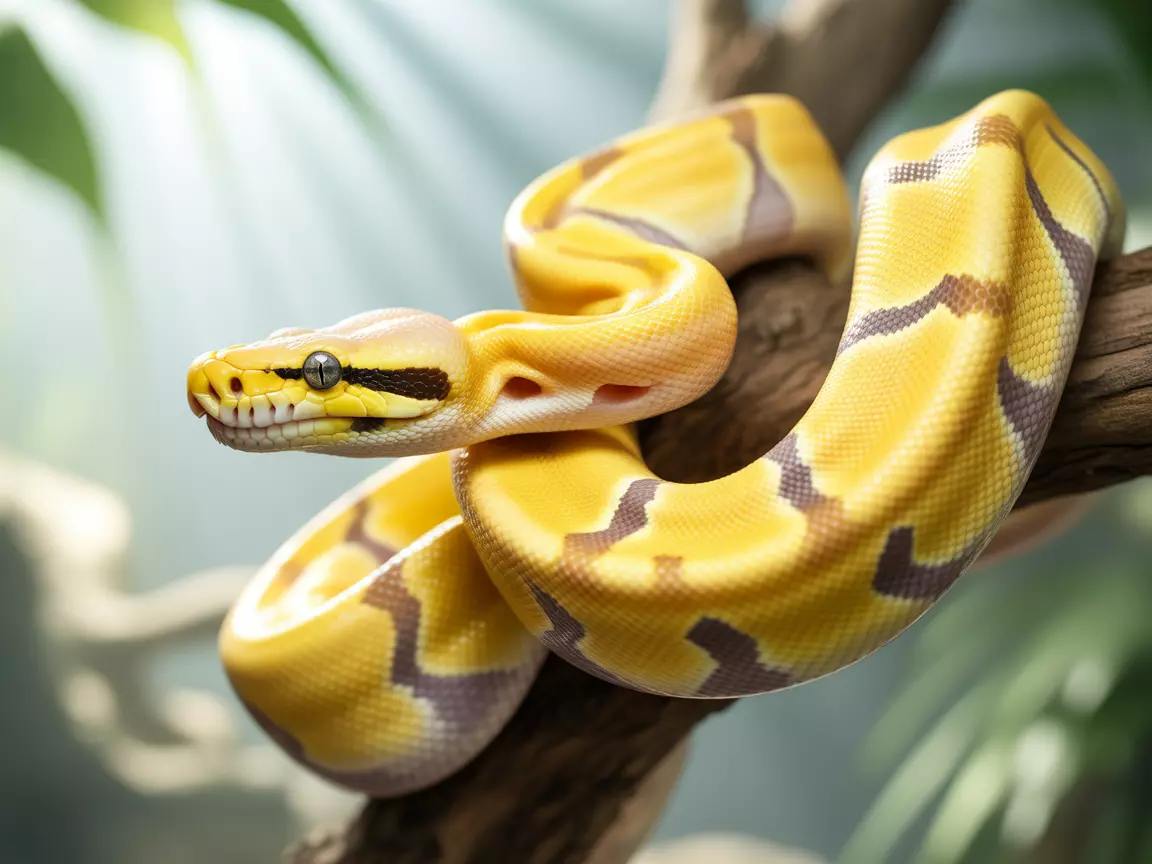
The banana pastel combination creates one of the most visually striking morphs in the ball python world. The pastel gene lightens the overall appearance while intensifying the yellow coloration, resulting in snakes that appear almost luminescent.
Notable features:
- Extremely bright yellow base color
- Reduced dark pigmentation
- Enhanced pattern contrast
- Lighter purple blushing
- Overall “glowing” appearance
These morphs typically range from $400 to $800, with high-quality specimens featuring exceptional brightness commanding the highest prices.
4. Banana Spider Complex
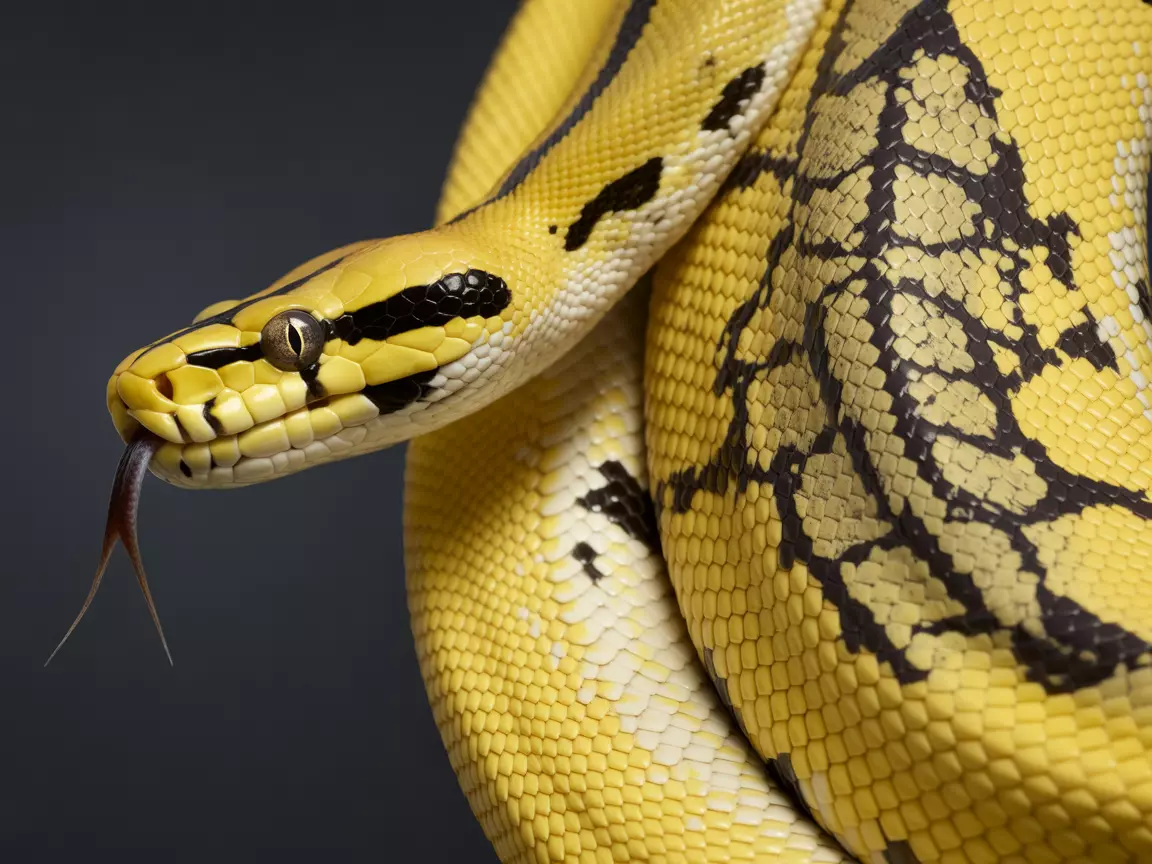
The banana spider represents a more complex genetic combination that produces truly spectacular results. The spider gene adds distinctive pattern modifications while maintaining the banana’s signature coloration.
Characteristics include:
- Distinctive “spider web” patterns along the spine
- Reduced side patterns
- Enhanced yellow coloration
- Unique head patterns
- Striking contrast between dorsal and lateral areas
Banana spider morphs generally sell for $500 to $1,000, though the spider gene requires careful breeding considerations due to associated neurological traits.
Premium Banana Combinations
5. Banana Clown Morph
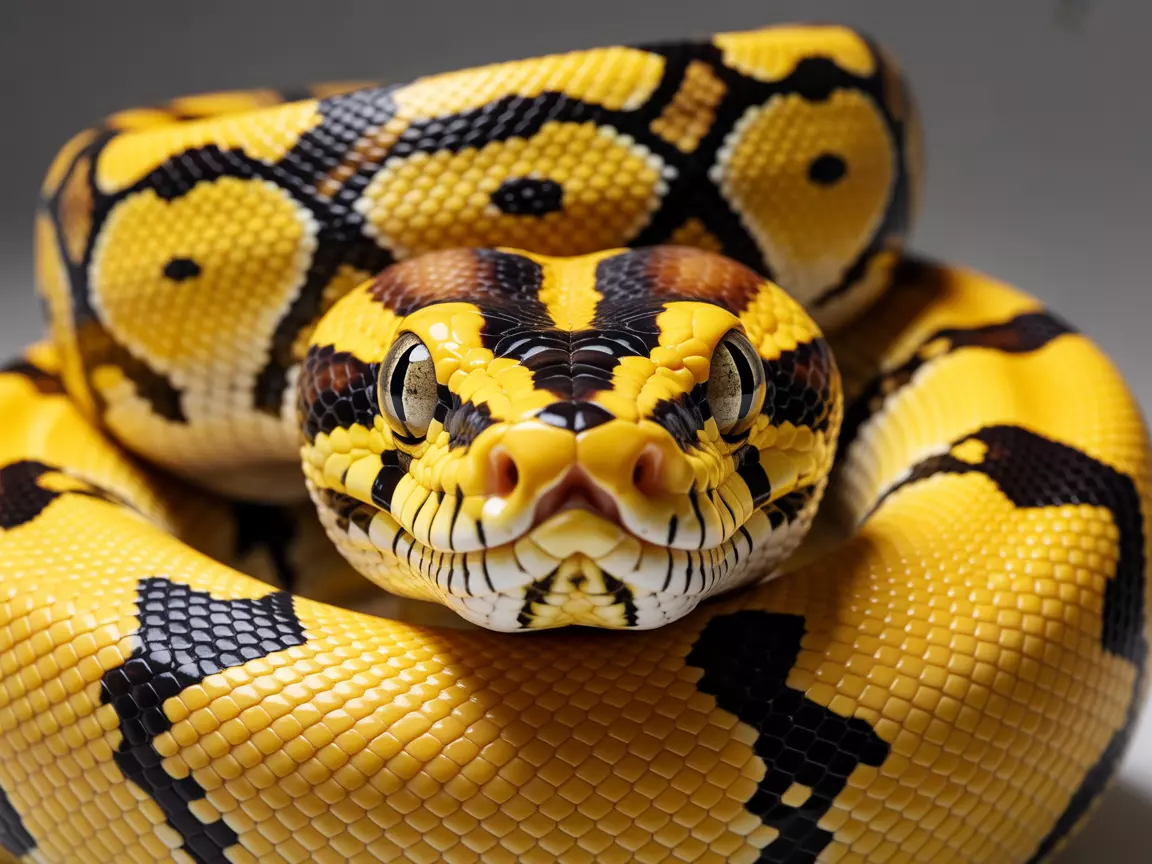
The banana clown combination creates one of the most dramatically patterned morphs available. The clown gene significantly alters pattern formation, creating distinctive “clown-like” markings that are enhanced by the banana’s vibrant coloration.
Key traits:
- Distinctive clown pattern formation
- Bright yellow background coloration
- Unique head patterns and markings
- Reduced side patterns with enhanced dorsal markings
- High contrast between pattern elements
These premium morphs typically command prices between $800 and $2,000, depending on pattern quality and breeding potential.
6. Banana Pied Combination
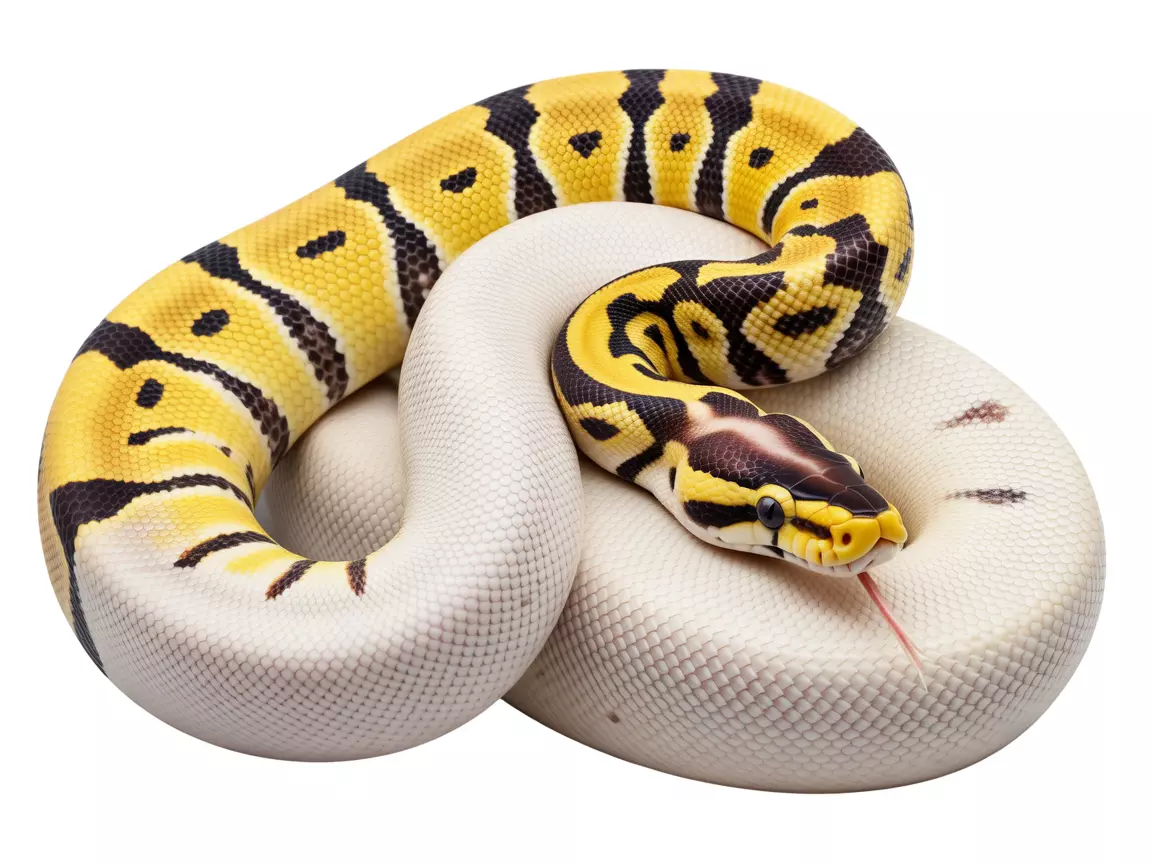
The banana pied represents one of the most striking pattern combinations available. The piebald gene creates areas of complete pattern absence (white patches) while the banana gene colors the remaining patterned areas with brilliant yellows and purples.
Notable characteristics:
- Pure white unpatterned areas
- Intense banana coloration in patterned sections
- Highly variable pattern distribution
- Striking contrast between white and colored areas
- Each individual completely unique
Banana pied morphs are among the most expensive, typically selling for $1,500 to $5,000 or more for exceptional specimens with ideal pattern distribution.
Ultra-Premium Banana Morphs
7. Banana Champagne Morph
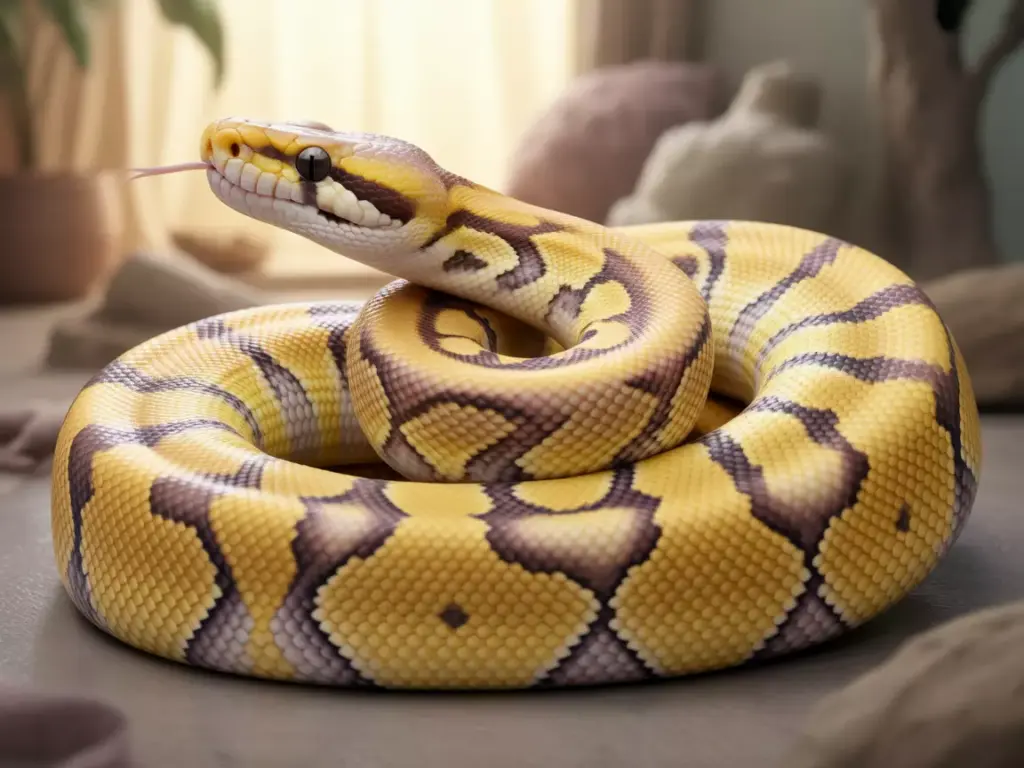
The banana champagne combination creates an incredibly refined appearance with subtle yet stunning visual characteristics. The champagne gene modifies both color and pattern while maintaining the banana’s signature traits.
Distinctive features:
- Subtle champagne coloration overlay
- Refined pattern elements
- Enhanced purple blushing
- Sophisticated color combinations
- Elegant overall appearance
These morphs typically range from $600 to $1,200, with exceptional specimens commanding premium prices in the collector market.
8. Banana Lesser Complex
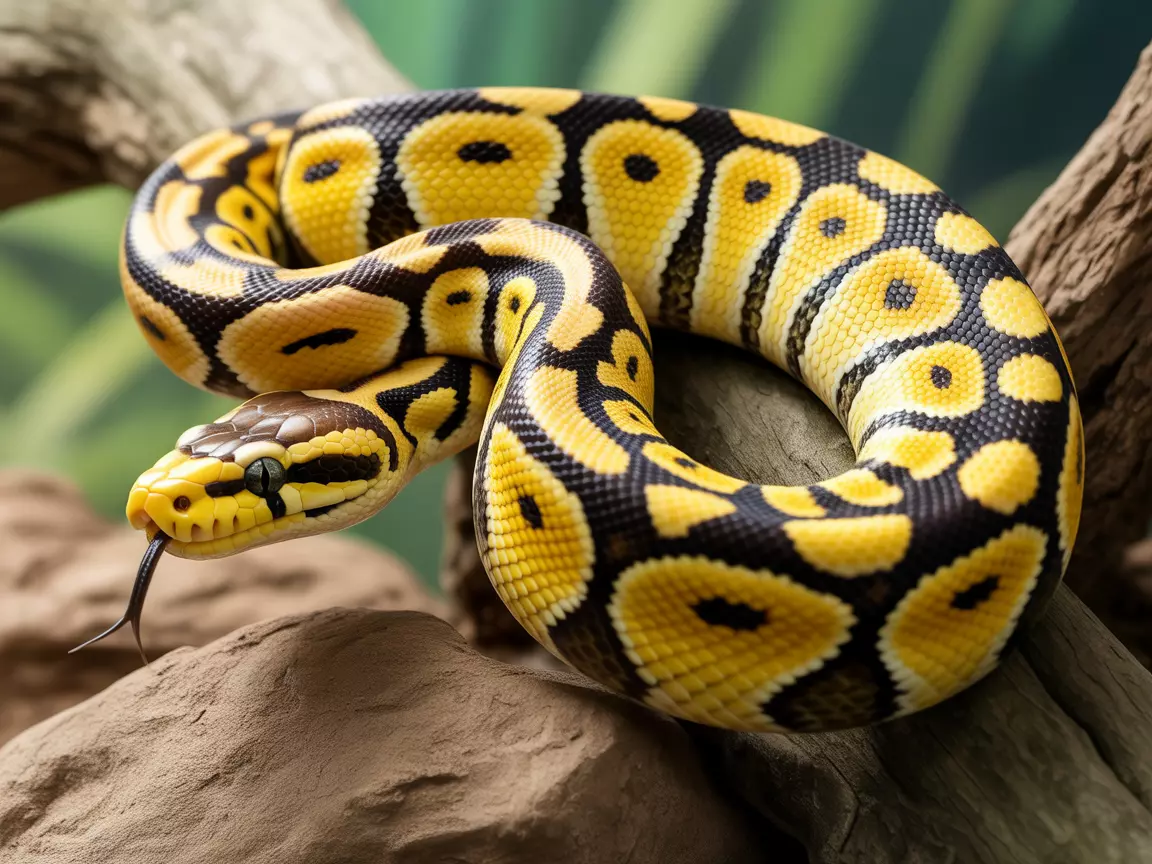
The banana lesser combination rounds out our list with a morph that demonstrates the incredible versatility of banana genetics. The lesser gene creates subtle but important modifications that enhance the overall appearance.
Key characteristics:
- Enhanced color saturation
- Modified pattern elements
- Improved contrast
- Subtle but important visual improvements
- Excellent breeding potential for future projects
Banana lesser morphs generally sell for $400 to $900, representing excellent value for both collectors and breeders.
Care Requirements for Banana Ball Python Morphs
Despite their genetic differences, all banana ball python morphs share the same basic care requirements. Understanding proper husbandry is essential for maintaining healthy, vibrant specimens.
Habitat Requirements
Temperature gradients are crucial for banana morphs, as temperature affects their color expression. Maintain a warm side of 88-92°F and a cool side of 78-80°F, with nighttime temperatures dropping to 75-78°F.
Humidity levels should remain between 50-60%, with occasional increases to 70% during shedding periods. Proper humidity prevents shedding problems and maintains healthy skin condition.
Feeding and Nutrition
Banana ball pythons require the same feeding schedule as other ball python morphs:
- Juveniles: Every 5-7 days
- Adults: Every 10-14 days
- Prey size: Appropriate to snake’s girth
- Prey type: Pre-killed frozen/thawed rodents
Breeding Considerations and Genetics
Understanding the genetic implications of breeding banana morphs is crucial for successful reproduction and maintaining desirable traits.
Genetic Compatibility
The banana gene’s co-dominant nature means it can be combined with virtually any other ball python morph. However, some combinations produce more desirable results than others.
Popular breeding combinations include:
- Banana × Pastel = Enhanced brightness
- Banana × Enchi = Cleaner patterns
- Banana × Clown = Dramatic pattern changes
- Banana × Pied = High-contrast combinations
Breeding Timeline and Expectations
Female banana ball pythons typically reach breeding size at 1,500-2,000 grams, usually around 2-3 years of age. Males can breed at smaller sizes, typically 800-1,000 grams.
Breeding season typically runs from November through March, with eggs being laid in late spring or early summer. Incubation takes approximately 55-60 days at 88-89°F.
Market Values and Investment Potential
The banana ball python market has shown remarkable stability and growth over the past decade. Understanding market trends helps both collectors and breeders make informed decisions.
Current Market Trends
| Morph Combination | Low Range | High Range | Average |
|---|---|---|---|
| Standard Banana | $200 | $500 | $350 |
| Banana Enchi | $300 | $700 | $500 |
| Banana Pastel | $400 | $800 | $600 |
| Banana Spider | $500 | $1,000 | $750 |
| Banana Clown | $800 | $2,000 | $1,400 |
| Banana Pied | $1,500 | $5,000+ | $3,000 |
| Banana Champagne | $600 | $1,200 | $900 |
| Banana Lesser | $400 | $900 | $650 |
Investment Considerations
Quality specimens tend to hold their value better than average examples. Factors affecting value include:
- Color intensity and saturation
- Pattern clarity and definition
- Overall health and condition
- Breeding proven status
- Market demand for specific combinations
Health Considerations Specific to Banana Morphs
While banana ball pythons are generally healthy, certain genetic combinations may have specific considerations.
Common Health Issues
Neurological traits can occur in some spider combinations, requiring careful observation and appropriate care modifications.
Feeding responses may vary between morphs, with some combinations showing stronger feeding responses than others.
Shedding patterns can be affected by the temperature-sensitive nature of banana coloration, making proper humidity control even more important.
Future Trends and Emerging Combinations
The banana morph continues to evolve as breeders develop new combinations and refine existing ones.
Emerging Combinations
Multi-gene combinations are becoming increasingly popular, with breeders combining three or more genes to create unprecedented visual effects.
Line breeding for enhanced traits is producing banana morphs with increasingly vibrant colors and improved pattern definition.
Technology and Breeding
Genetic testing is becoming more accessible, allowing breeders to make more informed breeding decisions and predict offspring outcomes with greater accuracy.
Digital documentation helps track lineages and genetic combinations, improving the overall quality of breeding programs.
Conclusion
The world of 8 jaw-dropping banana ball python morphs and their unique traits represents the pinnacle of reptile breeding achievement. From the foundational standard banana to the ultra-premium banana pied combinations, each morph offers distinct characteristics that appeal to different collectors and breeders.
These remarkable snakes demonstrate the incredible potential of selective breeding and genetic understanding. Whether you’re drawn to the brilliant yellows of a banana pastel, the dramatic patterns of a banana clown, or the striking contrast of a banana pied, each morph offers something unique for enthusiasts to appreciate.
Take action today by researching reputable breeders in your area, connecting with local reptile communities, and determining which banana morph combination best fits your interests and budget. Remember that proper care and husbandry remain the foundation of successful ball python keeping, regardless of the morph’s genetic complexity or market value.
The future of banana ball python breeding looks incredibly bright, with new combinations and refinements continuing to push the boundaries of what’s possible. By understanding the genetics, care requirements, and market dynamics surrounding these amazing animals, enthusiasts can make informed decisions and contribute to the continued development of this fascinating aspect of herpeticulture.