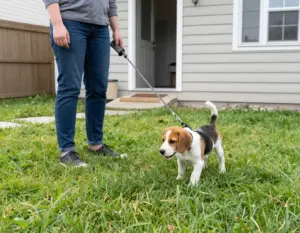
8 German Shepherd Puppy Training Tips for a Confident Companion
Picture this: You’ve just brought home an adorable German Shepherd puppy with those iconic pointy ears and expressive brown eyes. As you watch your new furry friend explore their surroundings with boundless curiosity, you realize that beneath that fluffy exterior lies the potential for one of the world’s most intelligent and loyal companions. However, without proper guidance, that same intelligence and energy can quickly turn into destructive behaviors and anxiety. The good news? With the right approach to 8 German Shepherd Puppy Training Tips for a Confident Companion, you can shape your puppy into a well-adjusted, confident dog that will be your faithful partner for years to come.

German Shepherds are renowned for their intelligence, loyalty, and versatility, but these remarkable traits come with unique training requirements. Unlike other breeds, German Shepherds possess an intense drive to work and please their owners, making them incredibly responsive to proper training methods. However, their high intelligence also means they can develop behavioral issues quickly if not given appropriate mental stimulation and structure.
Key Takeaways
- Start training immediately – Begin training as soon as you bring your 6-8 week old puppy home to establish good habits early
- Use positive reinforcement consistently – Reward-based training builds confidence and creates stronger bonds than punishment-based methods
- Prioritize socialization – Early exposure to various people, animals, and environments is crucial for developing a confident, well-adjusted adult dog
- Keep sessions short but frequent – 5-10 minute training sessions repeated 3-5 times daily are more effective than long, overwhelming sessions
- Establish daily routines – Consistent schedules reduce anxiety and help your puppy understand expectations
Understanding Your German Shepherd Puppy’s Unique Needs
Before diving into specific training techniques, it’s essential to understand what makes German Shepherds special. These dogs were originally bred for herding and protecting livestock, which means they have strong protective instincts and high energy levels [8]. German Shepherds require 1.5-2 hours of structured exercise daily, including mental stimulation activities like scent games and puzzles [1].
Your puppy’s brain is like a sponge during their first few months of life. German Shepherds are particularly intelligent and eager to learn, but they can also become anxious or destructive if their mental and physical needs aren’t met. This is why implementing 8 German Shepherd Puppy Training Tips for a Confident Companion from day one is so crucial.
The Critical Development Period
The period between 6-16 weeks is considered the critical socialization window for puppies. During this time, your German Shepherd puppy‘s brain is most receptive to new experiences, and positive encounters will shape their adult personality. Missing this window can result in fearful, anxious, or aggressive behaviors later in life.
1. Start Training Early (6-8 Weeks of Age)
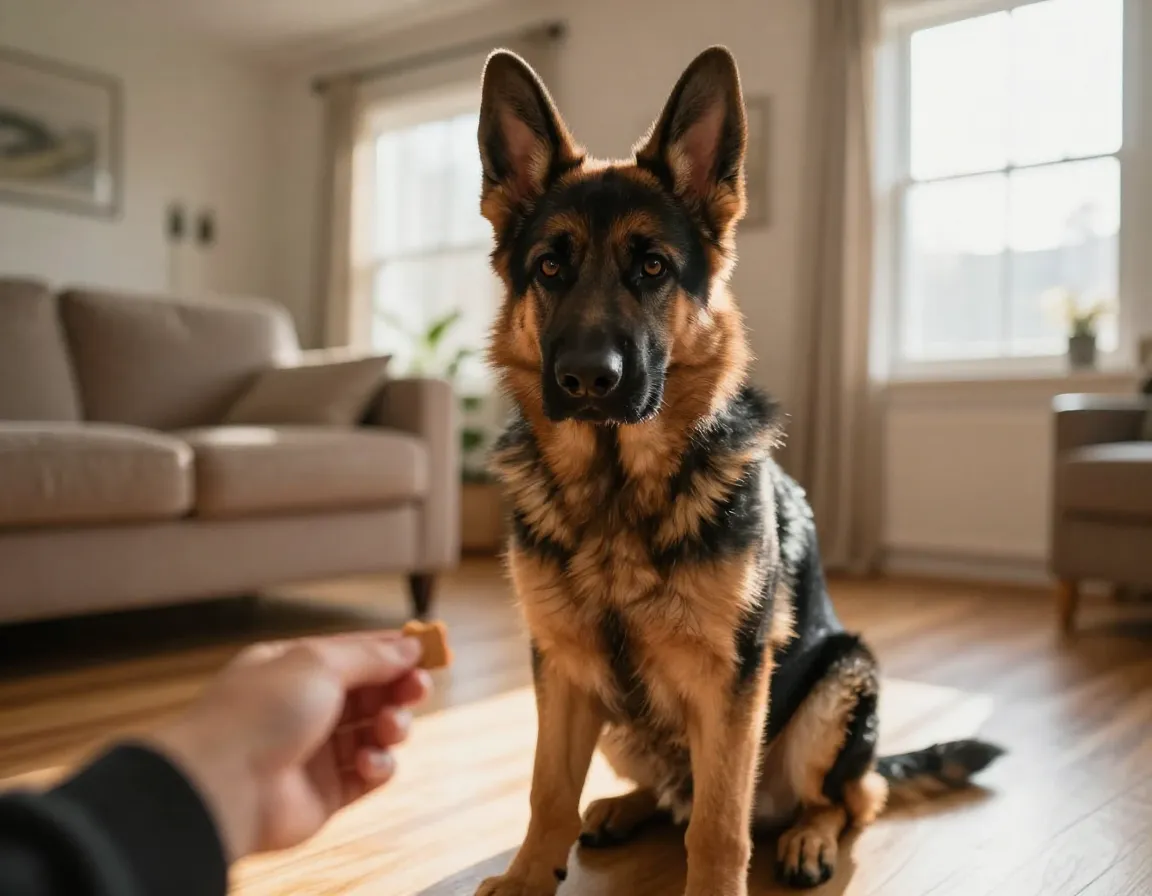
The first and most important of our 8 German Shepherd Puppy Training Tips for a Confident Companion is to begin training immediately. Training should begin as soon as you bring your puppy home, when they are typically 6-8 weeks old [2]. Many new puppy owners make the mistake of waiting until their dog is older, thinking they need to “settle in” first. However, every day you wait is a missed opportunity to establish good habits.
Why Early Training Matters
During the first few weeks in your home, your puppy is forming crucial associations about their environment, routine, and relationship with you. German Shepherds are particularly sensitive to these early experiences because of their high intelligence and strong bonding tendencies.
Early training benefits include:
- Faster house training success
- Reduced anxiety and fearfulness
- Stronger human-dog bond
- Prevention of behavioral problems
- Better socialization outcomes
Getting Started: Your First Week
Your first week should focus on basic routine establishment rather than complex commands. Start with simple concepts like:
- Name recognition – Use your puppy’s name frequently during positive interactions
- Basic handling – Gently touch paws, ears, and mouth to prepare for grooming and vet visits
- House training foundations – Establish a consistent schedule for meals, potty breaks, and sleep
💡 Pro Tip: Keep a training journal during your first month. Record what works, what doesn’t, and your puppy’s progress. This will help you identify patterns and adjust your approach as needed.
2. Use Positive Reinforcement Methods
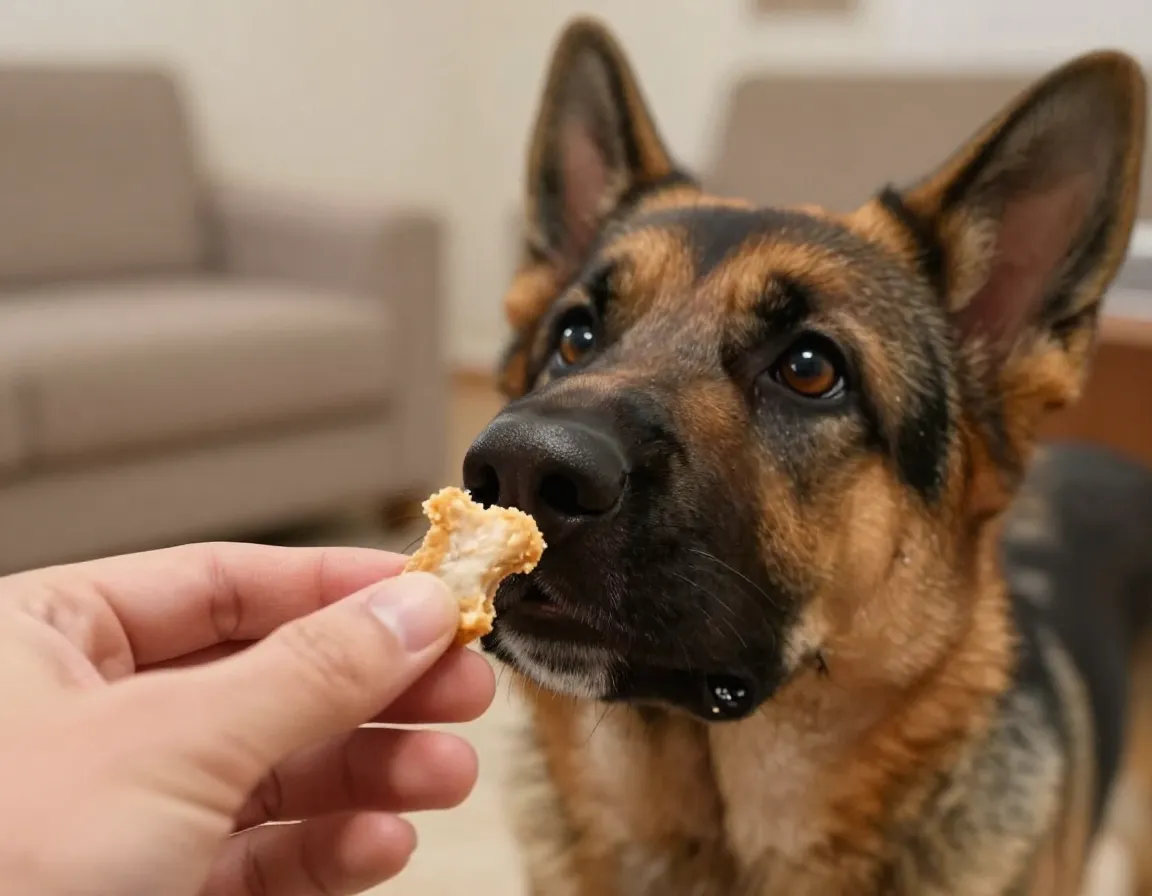
Positive reinforcement is the most effective approach to build confidence and ensure puppies reliably listen and perform behavioral cues [2]. This training philosophy is especially important for German Shepherds, who are sensitive to their owner’s emotions and can become anxious or shut down with harsh correction methods.
Understanding Positive Reinforcement
Positive reinforcement means adding something your puppy values immediately after they perform a desired behavior. This increases the likelihood that they’ll repeat the behavior in the future. Rewards should be motivating, including treats, verbal praise, toys, or pets [2].
Types of Rewards That Work
High-Value Treats:
- Small, soft training treats
- Tiny pieces of cooked chicken
- Freeze-dried liver
- Special “jackpot” treats for major breakthroughs
Verbal Praise:
- Enthusiastic “Good dog!”
- “Yes!” or “Excellent!”
- Use a happy, excited tone
Physical Rewards:
- Gentle petting
- Belly rubs
- Play sessions with favorite toys
Life Rewards:
- Going outside
- Meal time
- Access to favorite sleeping spots
Timing Is Everything
The key to successful positive reinforcement is timing. Rewards must be delivered within 1-3 seconds of the desired behavior for your puppy to make the connection. This is why many professional trainers use marker words like “Yes!” or clickers to mark the exact moment the puppy does something right.
3. Keep Training Sessions Short (5-10 Minutes)
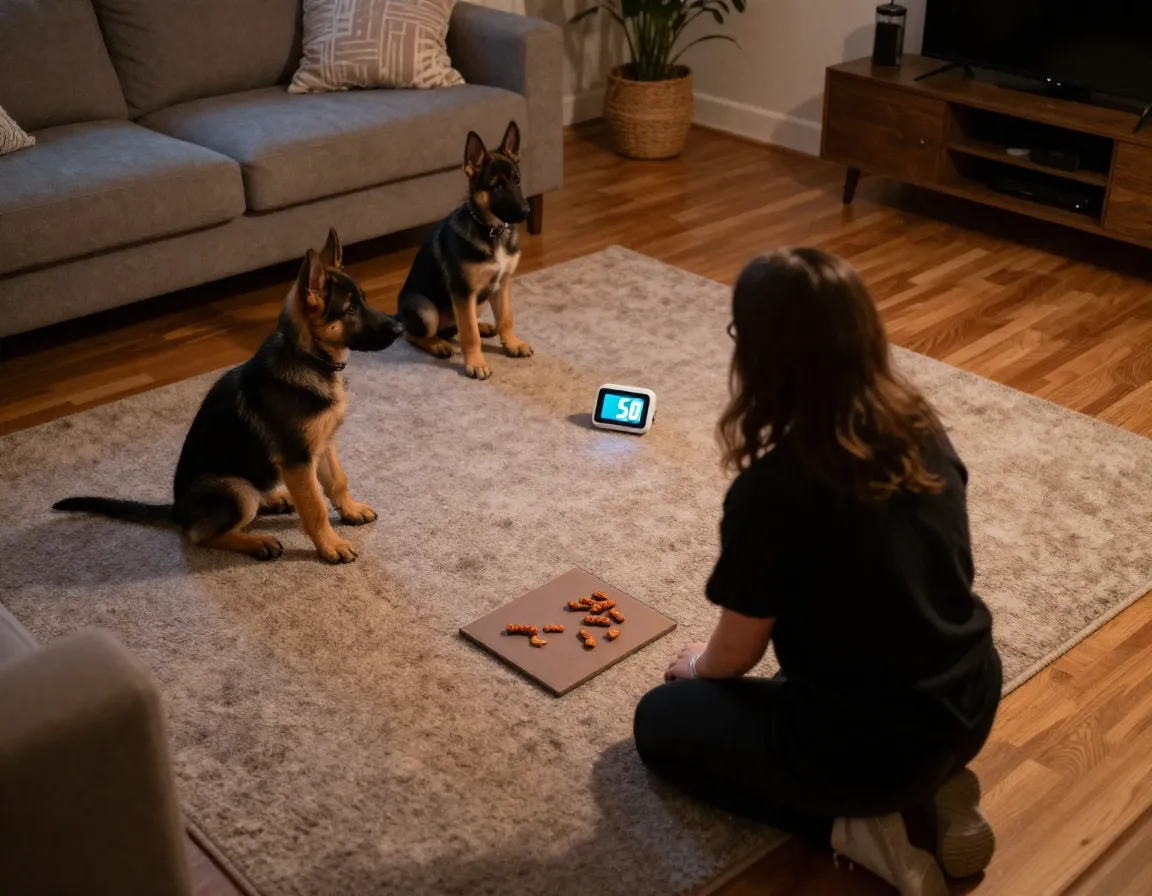
One of the most common mistakes new German Shepherd owners make is conducting training sessions that are too long. Puppies have short attention spans and typically cannot focus beyond 5-10 minutes per session [2]. However, you should repeat sessions 3-5 times until the behavior is learned [2].
The Science Behind Short Sessions
Puppy brains process information differently than adult dogs. During the first few months of life, puppies experience rapid neural development, but their ability to maintain focus is limited. Short, frequent sessions work better because they:
- Prevent mental fatigue
- Maintain high motivation
- Allow time for memory consolidation
- Reduce frustration for both puppy and owner
Sample Daily Training Schedule
Here’s an effective daily training schedule that incorporates multiple short sessions:
| Time | Activity | Duration | Focus |
|---|---|---|---|
| 7:00 AM | Morning routine training | 5 minutes | Sit before breakfast |
| 10:00 AM | Basic commands | 8 minutes | Come, sit, stay |
| 1:00 PM | Impulse control | 5 minutes | Wait before going outside |
| 4:00 PM | Socialization training | 10 minutes | Meeting new people/sounds |
| 7:00 PM | Evening commands | 8 minutes | Down, settle |
Ending on a High Note
Always end training sessions while your puppy is still engaged and successful. If they’re struggling with a new command, go back to something they know well and reward them before ending the session. This keeps training positive and maintains their enthusiasm for future sessions.
4. Prioritize Early Socialization
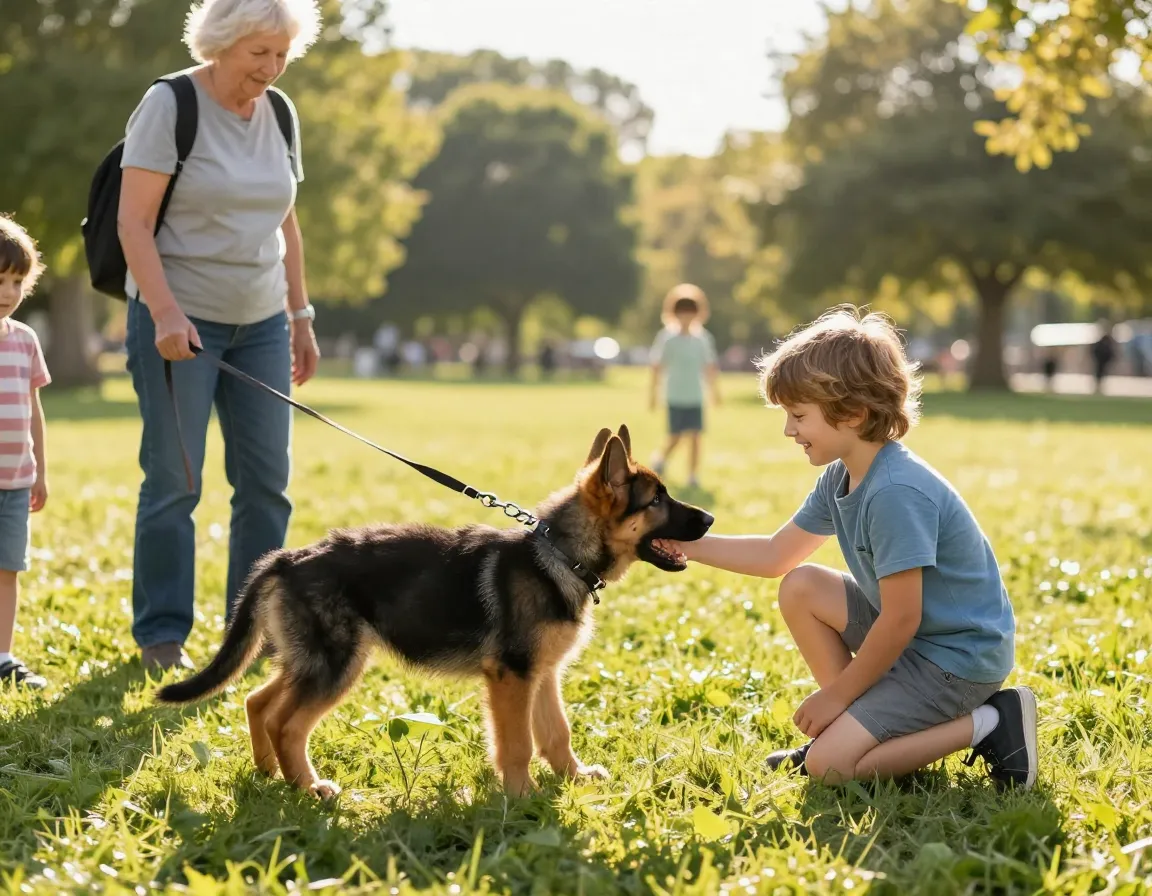
Safely exposing puppies to new sights, sounds, and smells from an early age is critical for development and confidence building [4]. For German Shepherds, who can be naturally protective and sometimes wary of strangers, early socialization is absolutely essential for developing into confident, well-adjusted adults.
The Socialization Checklist
Your German Shepherd puppy should be exposed to a wide variety of experiences during their critical socialization period. Here’s a comprehensive checklist:
People to Meet:
- ✅ Children of different ages
- ✅ Elderly individuals
- ✅ People wearing hats, sunglasses, uniforms
- ✅ People of different ethnicities
- ✅ People using mobility aids (wheelchairs, walkers, canes)
Animals to Encounter:
- ✅ Well-socialized adult dogs
- ✅ Puppies of similar age
- ✅ Cats (if safely possible)
- ✅ Other pets (rabbits, birds, etc.)
Environments to Explore:
- ✅ Different floor surfaces (carpet, hardwood, tile, concrete)
- ✅ Outdoor environments (grass, gravel, sand)
- ✅ Urban settings (sidewalks, parks)
- ✅ Car rides
- ✅ Pet stores (after vaccinations)
Sounds to Experience:
- ✅ Household appliances (vacuum, blender, doorbell)
- ✅ Traffic noises
- ✅ Children playing
- ✅ Other dogs barking
- ✅ Thunder recordings (played softly)
Safe Socialization Before Full Vaccination
Many puppy owners worry about socialization before their puppy is fully vaccinated. While you should avoid high-risk areas like dog parks, there are many safe ways to socialize your puppy:
- Puppy socialization classes with vaccination requirements
- Controlled meetings with known, healthy, vaccinated dogs
- Car rides to observe new environments from safety
- Home visits from friends and family
- Carrying your puppy in public spaces to observe
5. Establish Consistent Daily Routines
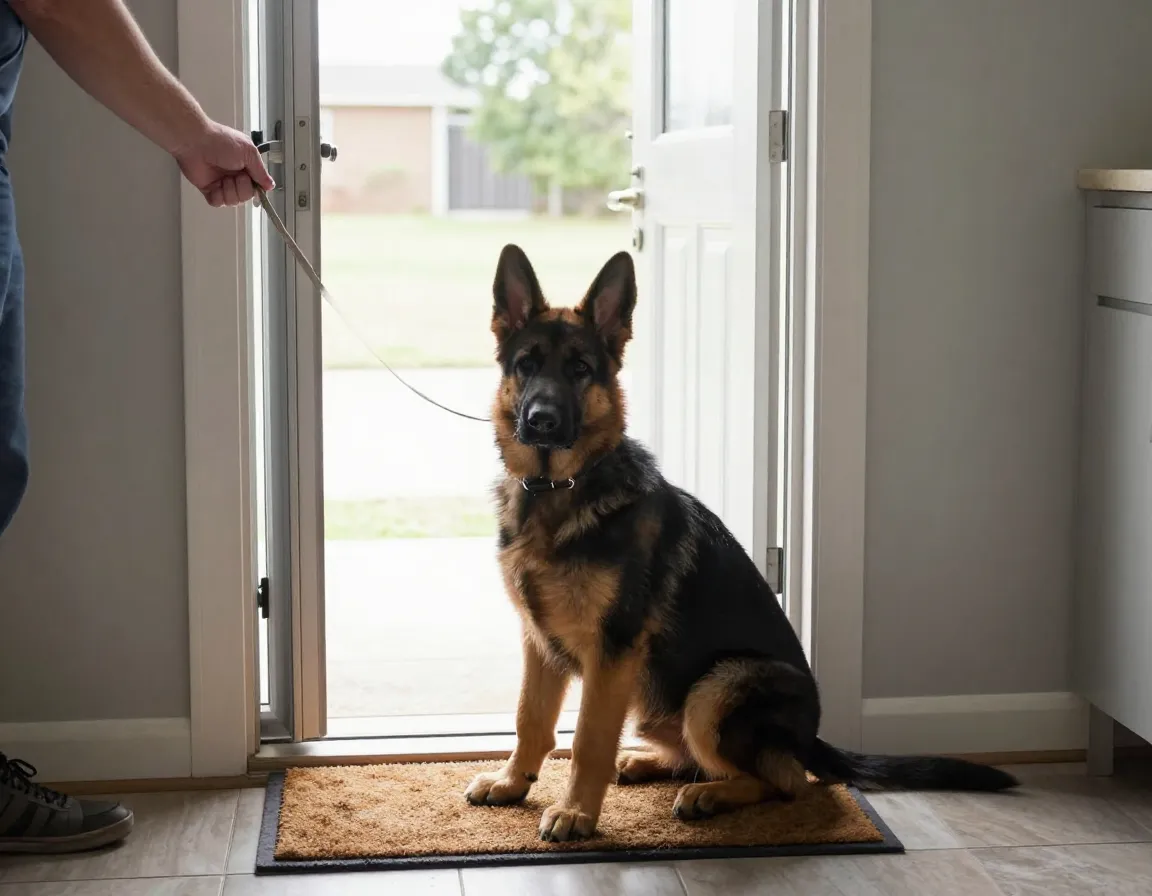
Predictable routines reduce anxiety and help puppies understand expectations [2]. German Shepherds, in particular, thrive on structure and routine. When they know what to expect, they’re more relaxed and better able to focus on learning.
The Power of Routine Training
One effective strategy is asking your puppy to sit before going outside, which teaches them the routine [2]. This simple practice accomplishes multiple training goals:
- Reinforces the “sit” command
- Teaches impulse control
- Establishes you as the decision-maker
- Creates a calm transition between activities
Building Your Daily Routine
A well-structured routine should include:
Morning Routine (7:00-9:00 AM):
- Immediate potty break upon waking
- Sit and wait before breakfast
- Short training session
- Play time or walk
Midday Routine (12:00-2:00 PM):
- Potty break
- Lunch (if feeding multiple meals)
- Quiet time or nap
- Brief training session
Evening Routine (6:00-9:00 PM):
- Dinner with sit/wait command
- Longer exercise session
- Training practice
- Calm settling time before bed
Routine Flexibility
While consistency is important, your routine should also include some flexibility to prevent your puppy from becoming overly rigid. Occasionally vary the order of activities or introduce new elements to keep your puppy adaptable and confident in new situations.
6. Teach Basic Obedience Cues by 8-12 Weeks
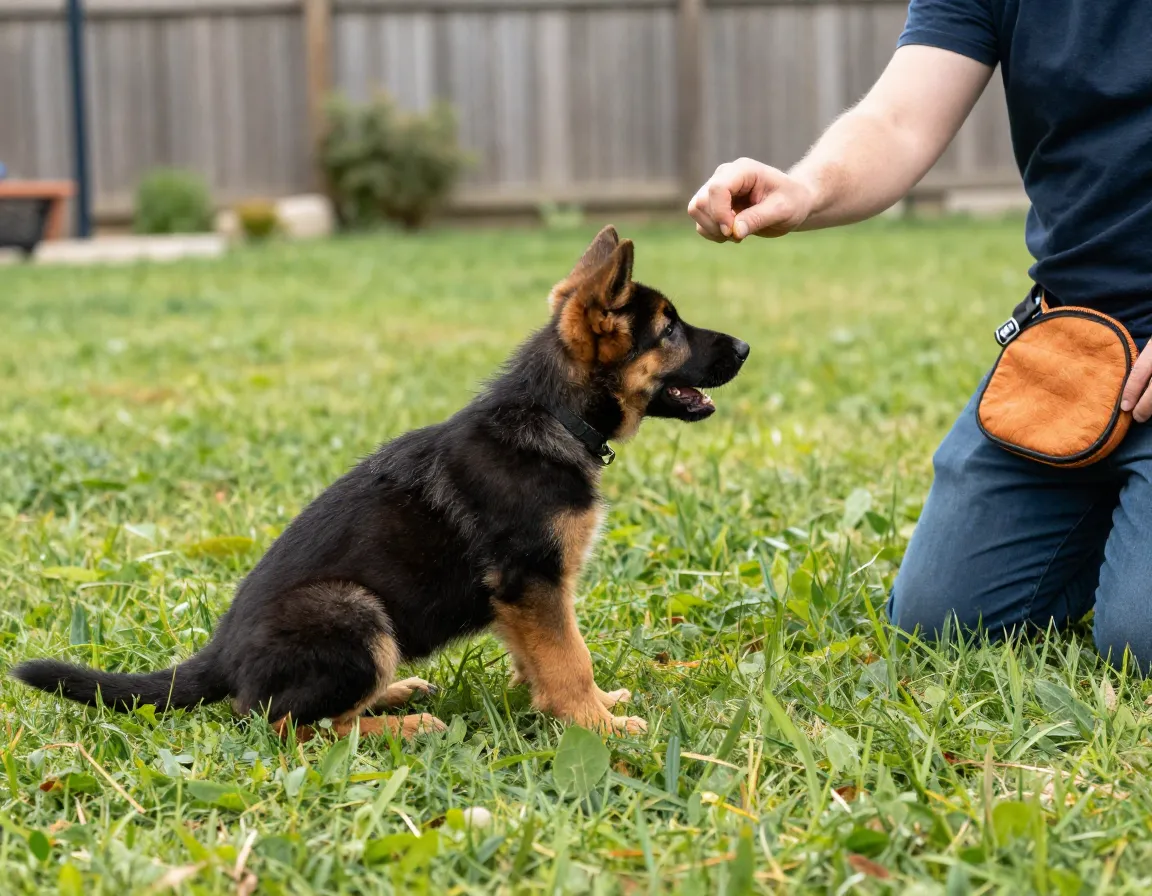
Between 8-12 weeks, puppies should learn behavioral cues such as come, sit, and lie down, while also beginning crate training and group classes [2]. This is when your German Shepherd puppy’s brain is most receptive to learning new commands, making it the perfect time to establish a foundation of basic obedience.
Essential Commands for German Shepherd Puppies
1. Sit
- Start with a treat at your puppy’s nose
- Slowly lift the treat over their head
- As their bottom touches the ground, say “Sit” and reward
- Practice before meals, going outside, and during greetings
2. Come
- Begin in a small, enclosed area
- Get down to your puppy’s level and call enthusiastically
- Reward generously when they reach you
- Never call your puppy to come for something they perceive as negative
3. Stay/Wait
- Start with your puppy in a sit position
- Hold your hand up in a “stop” gesture
- Take one small step back
- Return immediately and reward if they stayed
- Gradually increase distance and duration
4. Down
- From a sit position, hold a treat at your puppy’s nose
- Slowly lower the treat to the ground between their paws
- As they follow the treat down, say “Down” and reward
- This command is particularly useful for impulse control
Crate Training Fundamentals
Crate training is essential for German Shepherds and should begin during this 8-12 week period. A properly introduced crate becomes your puppy’s safe space and aids in house training.
Crate Training Steps:
- Make it positive – Feed meals in the crate and place favorite toys inside
- Start with short periods – Begin with just a few minutes while you’re home
- Ignore whining – Don’t let your puppy out while they’re crying or barking
- Use a command – Teach “crate” or “bed” as a cue to enter
- Gradually increase time – Work up to longer periods as your puppy adjusts
7. Develop Impulse Control and Focus
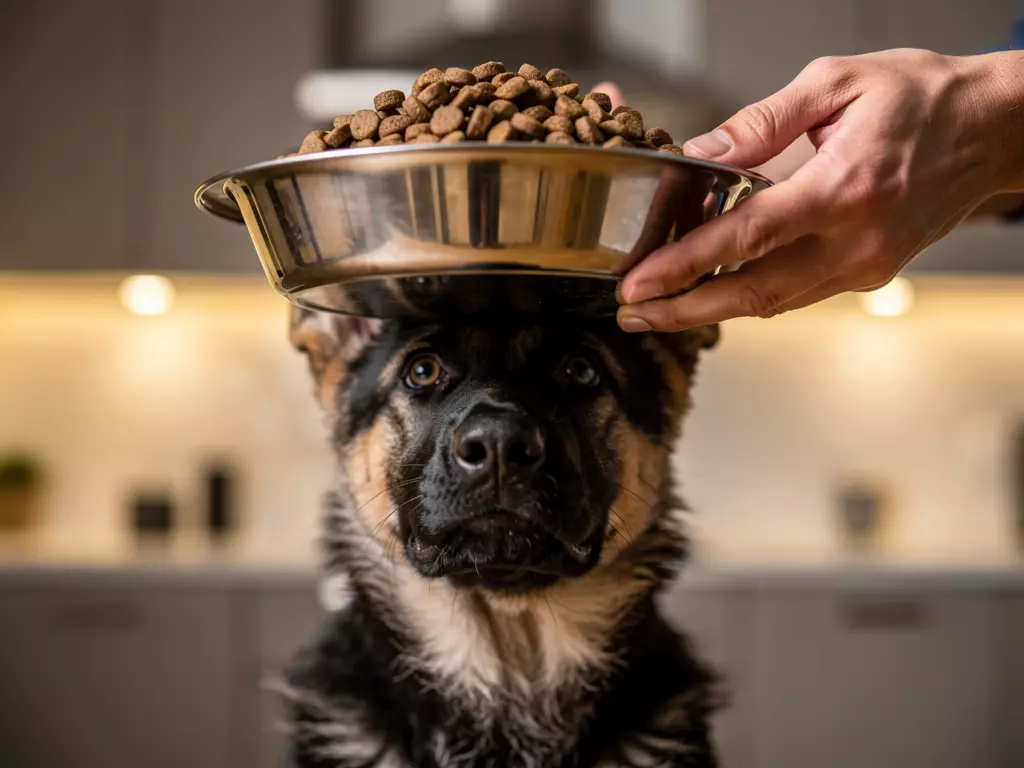
Teaching puppies to sit before meals, play, or outdoor time builds impulse control and strengthens focus on their owner, which benefits all future training [4]. German Shepherds are naturally energetic and can become overly excited, so impulse control training is crucial for developing a well-mannered adult dog.
Why Impulse Control Matters
Impulse control is the foundation of all advanced training. A puppy who can’t control their impulses will struggle with:
- Walking politely on a leash
- Greeting people appropriately
- Staying calm during exciting situations
- Following commands when distracted
Impulse Control Exercises
The “Wait” Game:
- Hold your puppy’s food bowl above their head
- Wait for them to sit and make eye contact
- Lower the bowl slowly
- If they jump up, raise the bowl again
- Only place the bowl down when they’re calm and waiting
Door Manners:
- Teach your puppy to sit and wait before going through doorways
- Don’t open the door until they’re sitting calmly
- Release them with an “okay” command
- This prevents door dashing and establishes leadership
Toy Control:
- Before throwing a toy, ask your puppy to sit and wait
- Hold the toy until they’re focused on you, not the toy
- Use a release word like “get it” before throwing
- This builds focus and prevents toy obsession
Building Focus Through Eye Contact
Eye contact is crucial for German Shepherds, who are naturally attentive to their handlers. Practice these focus-building exercises:
Name Game:
- Say your puppy’s name
- The moment they look at you, mark with “Yes!” and reward
- Practice in increasingly distracting environments
- This builds automatic attention when you call their name
Watch Me Command:
- Hold a treat near your eyes
- When your puppy looks at your face, say “Watch me”
- Mark and reward eye contact
- Gradually fade the treat lure
8. Provide 1.5-2 Hours of Structured Exercise Daily
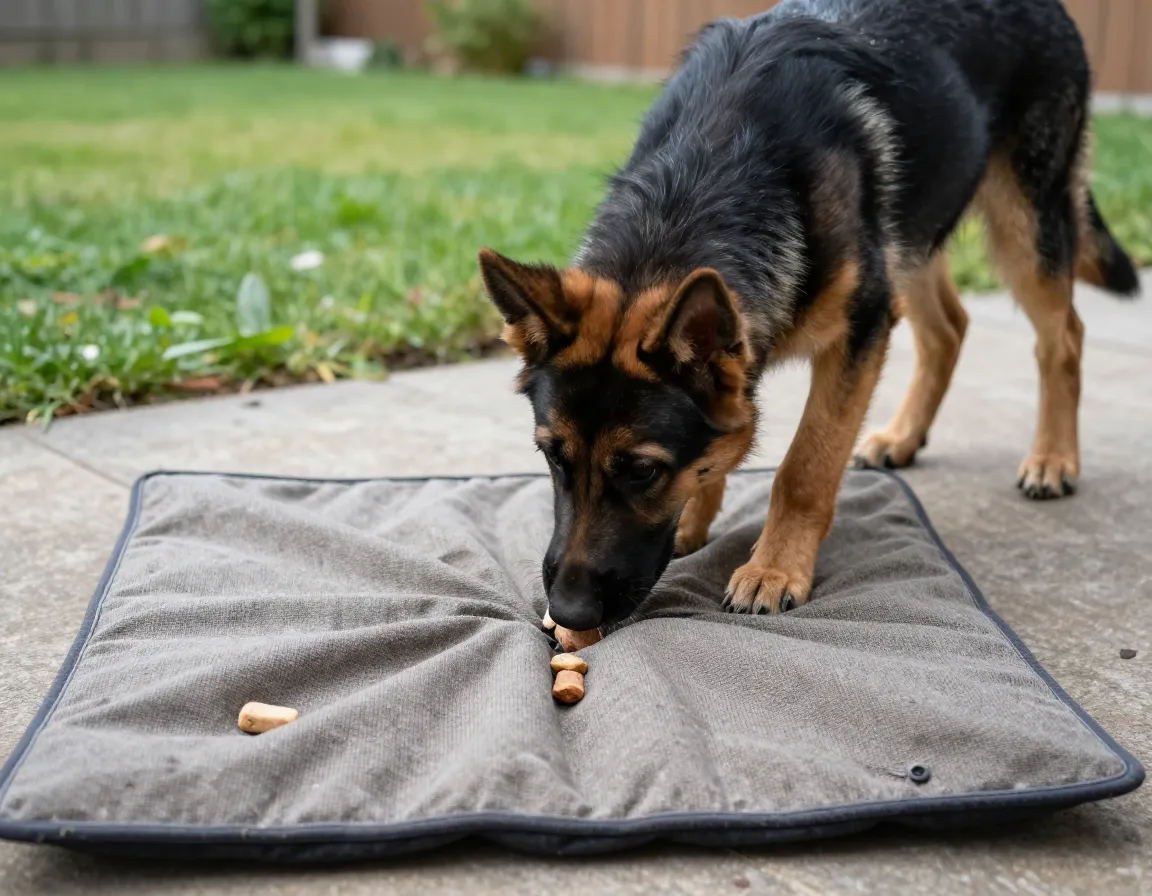
The final component of our 8 German Shepherd Puppy Training Tips for a Confident Companion addresses the breed’s significant exercise needs. German Shepherds require higher exercise than other breeds, including agility training, off-lead running, and mental stimulation tasks like scent games and puzzles [1].
Age-Appropriate Exercise Guidelines
While adult German Shepherds need substantial exercise, puppies have different requirements based on their age and development:
8-12 Weeks:
- 5 minutes of exercise per month of age, twice daily
- Focus on mental stimulation over physical exertion
- Short walks and supervised play sessions
3-6 Months:
- Gradually increase exercise duration
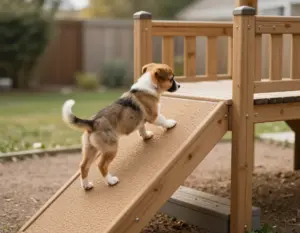
- Introduce basic agility obstacles (low jumps, tunnels)
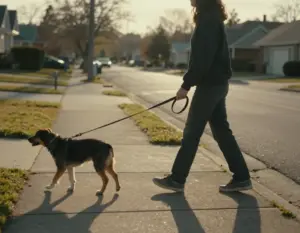
- Begin leash training for longer walks
6-12 Months:
- Increase to 1-1.5 hours of daily exercise
- Add swimming if available
- Begin more challenging mental puzzles
Mental Stimulation Activities
German Shepherds need mental exercise as much as physical exercise. Here are effective mental stimulation activities:
Puzzle Toys:
- Kong toys stuffed with treats
- Interactive puzzle feeders
- Hide-and-seek games with toys
Scent Work:
- Hide treats around the house
- Teach “find it” command
- Use snuffle mats for feeding
Training Games:
- Practice commands in new locations
- Teach new tricks weekly
- Use training as mental exercise
Exercise Safety Tips
⚠️ Important Safety Considerations:
- Avoid forced exercise until growth plates close (12-18 months)
- Watch for signs of overexertion (excessive panting, limping)
- Provide plenty of water during exercise
- Exercise during cooler parts of the day
- Build endurance gradually
Creating an Exercise Schedule
A well-planned exercise schedule might look like:
Morning (30-45 minutes):
- Leash walk or supervised yard play
- Basic training session
- Mental stimulation activity
Midday (15-20 minutes):
- Potty break with brief play
- Indoor training or puzzle time
Evening (45-60 minutes):
- Longer walk or hike
- Free play with other dogs (if available)
- Calm down period before bedtime
Troubleshooting Common German Shepherd Puppy Challenges
Even with the best implementation of these 8 German Shepherd Puppy Training Tips for a Confident Companion, you may encounter some breed-specific challenges. Here are solutions to common issues:
Excessive Barking
German Shepherds are naturally vocal, but excessive barking can become problematic:
Solutions:
- Identify triggers (doorbell, strangers, other dogs)
- Teach a “quiet” command using positive reinforcement
- Provide adequate mental and physical stimulation
- Never yell at your puppy for barking (they may think you’re joining in)
Nipping and Mouthing
Puppy biting is normal but needs to be redirected appropriately:
Redirection Techniques:
- Immediately redirect to appropriate chew toys
- Use a high-pitched “ouch!” to mimic littermate feedback
- End play sessions when biting occurs
- Ensure adequate teething toys are available
Separation Anxiety
German Shepherds bond strongly with their families and may develop separation anxiety:
Prevention Strategies:
- Practice short departures from early age
- Create positive associations with alone time
- Use puzzle toys during departures
- Gradually increase alone time duration
Advanced Training Considerations
As your German Shepherd puppy masters these foundational skills, you can begin thinking about advanced training opportunities that will further develop their confidence and abilities.
Puppy Kindergarten Classes
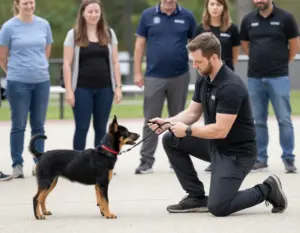
Group classes provide excellent socialization opportunities and professional guidance. Look for classes that:
- Require vaccination records
- Use positive reinforcement methods
- Include both training and socialization time
- Have experienced instructors familiar with German Shepherds
Preparing for Advanced Training
German Shepherds excel in many advanced activities:
- Agility training – Builds confidence and provides physical exercise
- Tracking and scent work – Utilizes their natural abilities
- Therapy dog training – Develops calm, confident temperament
- Protection training – Should only be pursued with professional guidance
Monitoring Progress and Adjusting Your Approach
Training is not a one-size-fits-all process. Every German Shepherd puppy is unique, and you may need to adjust your approach based on your puppy’s personality, learning style, and progress.
Signs of Successful Training
Look for these positive indicators:
- ✅ Eager participation in training sessions
- ✅ Consistent response to known commands
- ✅ Calm, confident body language in new situations
- ✅ Strong bond and focus on you during training
- ✅ Appropriate play behavior with people and other dogs
When to Seek Professional Help
Consider working with a professional trainer if you notice:
- Aggressive behavior toward people or other animals
- Extreme fearfulness or anxiety
- Lack of progress despite consistent training
- Destructive behaviors that aren’t improving
- Any behavior that makes you feel unsafe
Building Long-Term Success
The foundation you build during your puppy’s first few months will influence their entire life. Remember that training is an ongoing process that doesn’t end when your puppy reaches adulthood. German Shepherds continue to learn and benefit from mental stimulation throughout their lives.
Maintaining Training Momentum
- Practice daily – Even 5 minutes of daily training maintains skills
- Continue socialization – Expose your dog to new experiences regularly
- Stay consistent – Use the same commands and expectations
- Keep it positive – Maintain the positive reinforcement approach that builds confidence
The Confident Companion Goal
The ultimate goal of these 8 German Shepherd Puppy Training Tips for a Confident Companion is to develop a dog who is:
- Confident in various situations
- Responsive to your guidance
- Well-socialized with people and animals
- Mentally and physically satisfied
- A joy to live with and take anywhere
Conclusion
Implementing these 8 German Shepherd Puppy Training Tips for a Confident Companion will set the foundation for a lifetime of partnership with your remarkable dog. Remember that German Shepherds are incredibly intelligent and eager to please, but they require consistent guidance, adequate exercise, and positive reinforcement to reach their full potential.
The key to success lies in starting early, staying consistent, and maintaining a positive approach that builds your puppy’s confidence rather than breaking their spirit. Every training session is an investment in your future relationship and your dog’s well-being.
Your Next Steps
- Start immediately – Don’t wait for the “perfect” time to begin training
- Create a schedule – Plan daily training sessions and stick to them
- Gather supplies – Invest in high-quality treats, toys, and training equipment
- Find a puppy class – Enroll in a positive reinforcement-based puppy kindergarten
- Document progress – Keep a training journal to track successes and challenges
- Be patient – Remember that puppies learn at different rates
- Enjoy the process – Training should be fun for both you and your puppy
Your German Shepherd puppy has the potential to become an amazing companion who enriches your life in countless ways. By following these proven training strategies and maintaining consistency in your approach, you’re giving your puppy the best possible start in life. The time and effort you invest now will pay dividends for years to come as you enjoy the company of a confident, well-trained, and deeply bonded German Shepherd companion.
Remember, every great German Shepherd started as a wiggly puppy who needed guidance and patience. With dedication to these training principles, you’re well on your way to raising a confident companion who will make you proud for years to come. 🐕
References
[1] German Shepherd Training – https://www.woofz.com/blog/german-shepherd-training/
[2] How To Train A German Shepherd Puppy – https://www.chewy.com/education/dog/training-and-behavior/how-to-train-a-german-shepherd-puppy
[3] German Shepherd Puppies – https://www.rover.com/blog/german-shepherd-puppies/
[4] Puppy Training Timeline For Your German Shepherd Dog – https://www.akc.org/expert-advice/dog-breeds/puppy-training-timeline-for-your-german-shepherd-dog/
[5] The Training Of German Shepherds What To Know – https://www.thetrainingofdogs.com/post/the-training-of-german-shepherds-what-to-know
[6] German Shepherd Puppy Training – https://dognutrio.com/german-shepherd-puppy-training/
[7] Watch – https://www.youtube.com/watch?v=XcSEXObVBT4
[8] German Shepherd – https://www.petmd.com/dog/breeds/german-shepherd
[9] German Shepherd Puppy Joins Dads Workout – https://pethelpful.com/pet-news/german-shepherd-puppy-joins-dads-workout