8 Crucial Questions to Ask Before Buying Mini Australian Shepherd Puppies for Sale
Only 1 in 3 puppy buyers asks a breeder more than two questions before handing over their money — and that statistic helps explain why so many families end up with sick, poorly socialized, or misrepresented dogs. If you are searching for Mini Australian Shepherd puppies for sale, the questions you ask before you commit can be the difference between a decade-long joy and a heartbreaking (and expensive) mistake.

This guide walks you through the 8 crucial questions to ask before buying Mini Australian Shepherd puppies for sale, so you can shop with confidence, protect your family, and support ethical breeders who are doing things right. Whether you are a first-time dog owner or an experienced Aussie lover, these questions apply to every transaction.
Key Takeaways
- ✅ Health testing is non-negotiable. Reputable breeders test for at least 9 genetic conditions and provide OFA documentation.
- ✅ In-person visits reveal what online listings hide. Always ask to see the puppies and parents in their living environment.
- ✅ Socialization shapes temperament. Ask specifically what experiences puppies have had before they come home with you.
- ✅ Documentation protects you legally and medically. Demand health certificates, vaccination records, and a written sales contract.
- ✅ A breeder’s lifetime rehoming policy is a trust signal. It shows they care about the dog, not just the sale.
Why These Questions Matter When Searching for Mini Australian Shepherd Puppies for Sale
Mini Australian Shepherds — sometimes called Miniature American Shepherds or Mini Aussies — are intelligent, energetic, and deeply loyal dogs. Their compact size makes them attractive to apartment dwellers and active families alike. But their popularity has also attracted irresponsible breeders who prioritize profit over health and temperament.
“The questions you skip today become the vet bills you pay tomorrow.”
The Australian Shepherd Health & Genetics Institute (ASHGI) and other breed experts consistently emphasize that buyers need to be active participants in the selection process [6]. Asking the right questions is not about being difficult — it is about being responsible.
Here is a quick overview of what we will cover:
| # | Question | Why It Matters |
|---|---|---|
| 1 | Have the parents been health tested? | Prevents inherited disease |
| 2 | Can you provide OFA documentation? | Verifies structural soundness |
| 3 | Can I visit the puppies and parents? | Assesses living conditions |
| 4 | What age will the puppy go home? | Ensures proper socialization |
| 5 | What socialization have the puppies had? | Shapes long-term temperament |
| 6 | Are you a member of a breeder organization? | Signals ethical commitment |
| 7 | Will you supply a health certificate and contract? | Legal and medical protection |
| 8 | Do you offer lifetime rehoming? | Shows breeder accountability |
The 8 Crucial Questions to Ask Before Buying Mini Australian Shepherd Puppies for Sale
1. Have the Parents Been Health Tested for Genetic Diseases?
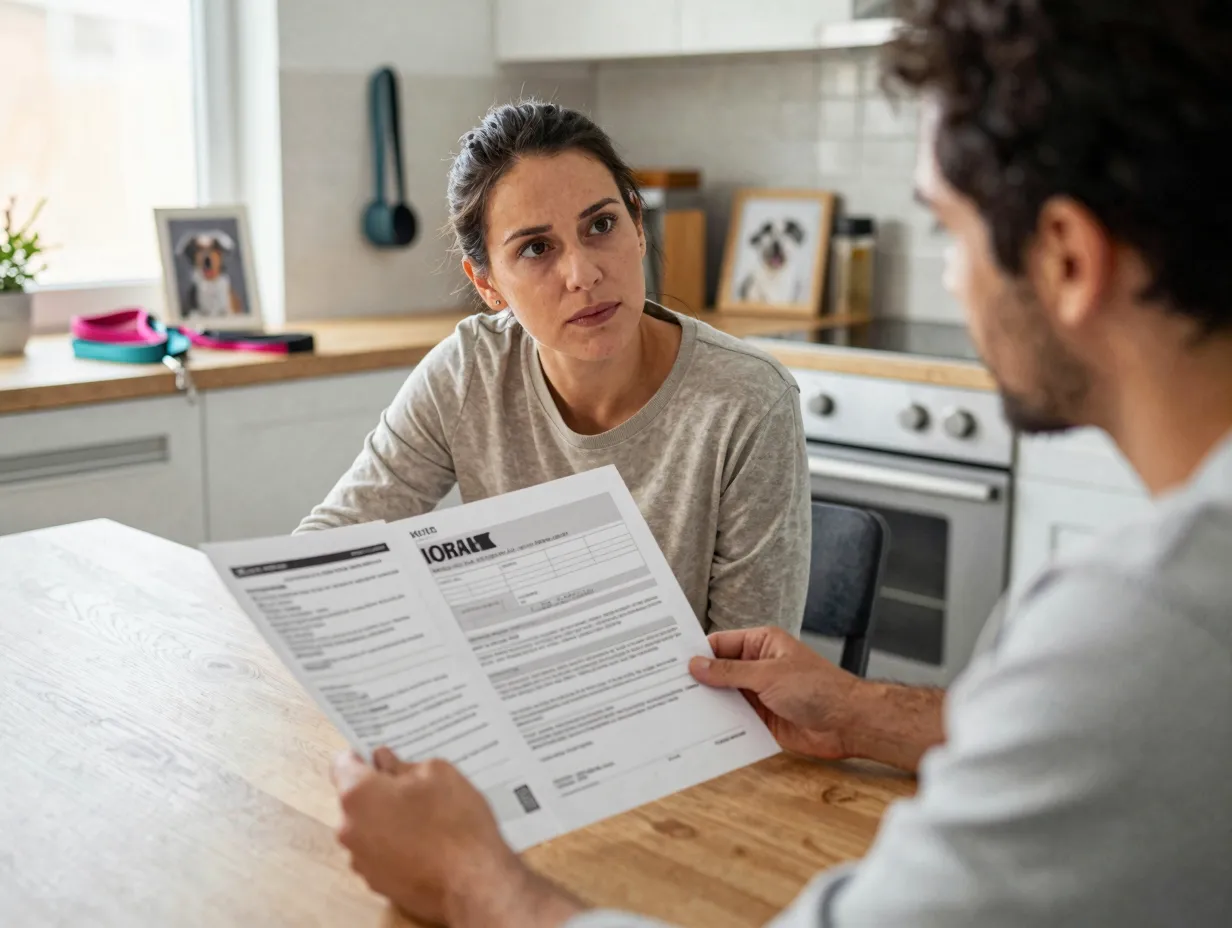
This is the single most important question you can ask. Mini Australian Shepherds carry a range of hereditary conditions that can dramatically shorten a dog’s life or require expensive ongoing treatment. A responsible breeder does not guess — they test.
At minimum, parents should be tested for:
- MDR1 (Multi-Drug Resistance 1) — affects how the dog processes certain medications; can be fatal if untreated
- PRA (Progressive Retinal Atrophy) — causes progressive blindness
- CEA (Collie Eye Anomaly) — a developmental eye defect
- HC (Hereditary Cataracts)
- CD (Cone Degeneration)
- HUU (Hyperuricosuria) — causes bladder and kidney stones
- DM (Degenerative Myelopathy) — a progressive neurological disease
- CDDY (Chondrodystrophy) — linked to disc disease
- NAD (Neuronal Ceroid Lipofuscinosis) — a fatal neurological storage disease [3]
Ask the breeder to share results directly or point you to their website where results are publicly listed. If they cannot provide documentation, walk away. The Australian Shepherd Health & Genetics Institute offers detailed guidance on exactly which tests buyers should request [6].
🔴 Red flag: A breeder who says “my dogs are healthy, I’ve never had problems” without actual test results is not a breeder you should trust.
2. Can You Provide OFA (Orthopedic Foundation for Animals) Documentation?
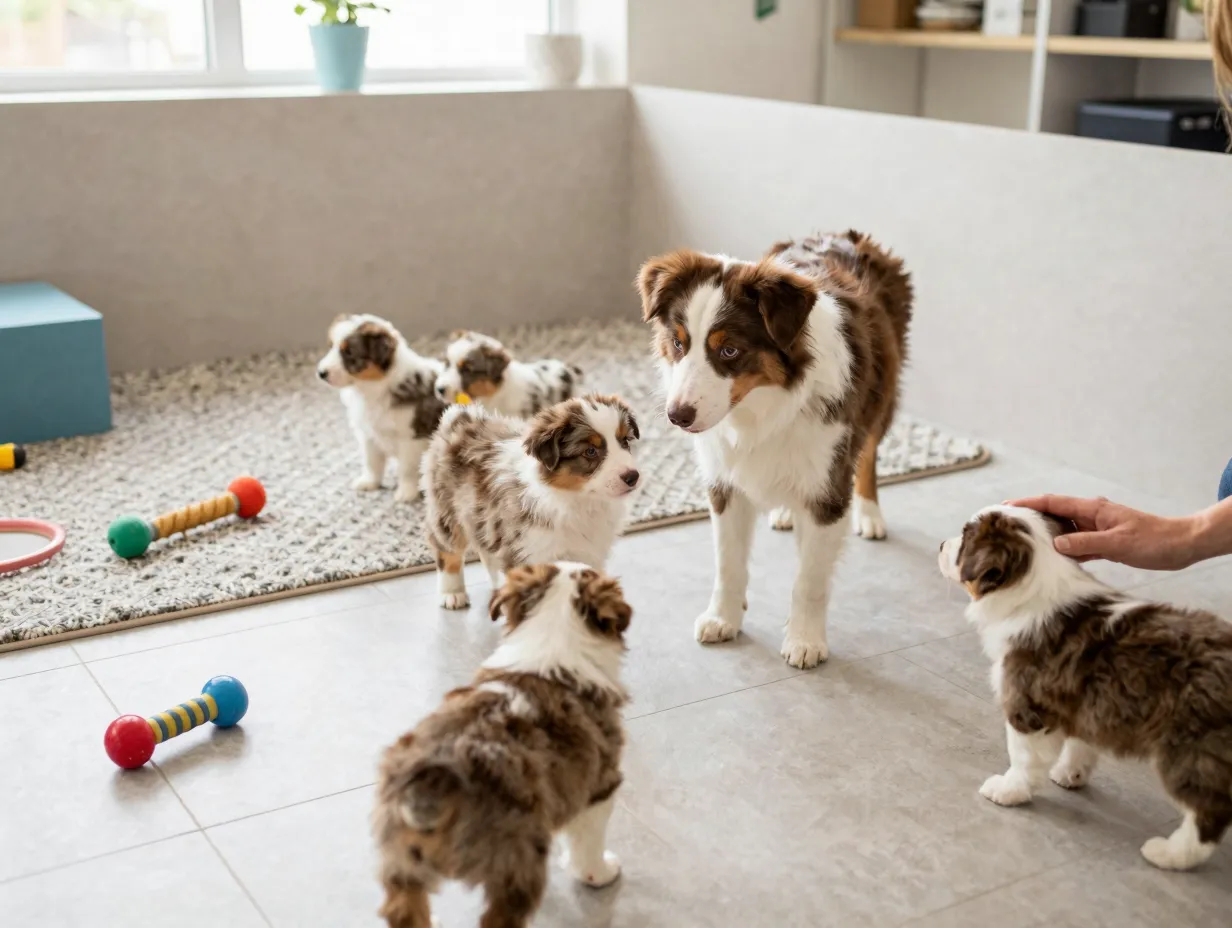
Genetic disease testing covers inherited conditions at the DNA level, but structural health requires a separate set of evaluations. The Orthopedic Foundation for Animals (OFA) maintains a public database where you can verify test results independently.
Ask for OFA clearances on:
- Hip dysplasia — a malformed hip joint that causes arthritis and pain
- Elbow dysplasia — similar joint malformation in the front legs
- Patellar luxation — a kneecap that slips out of place, common in smaller breeds
- Eye examinations — specifically a CAER (Companion Animal Eye Registry) exam performed by a board-certified veterinary ophthalmologist [3]
💡 Pro tip: You can verify any OFA result yourself at OFA.org by searching the dog’s registered name. If a breeder gives you a name and the results do not appear, that is a serious warning sign.
The Australian Shepherd Club of America’s buyer checklist also recommends confirming these structural clearances before any purchase decision [1]. Do not rely solely on the breeder’s word — verify independently.
3. Can I Visit the Puppies and Parents in Person?
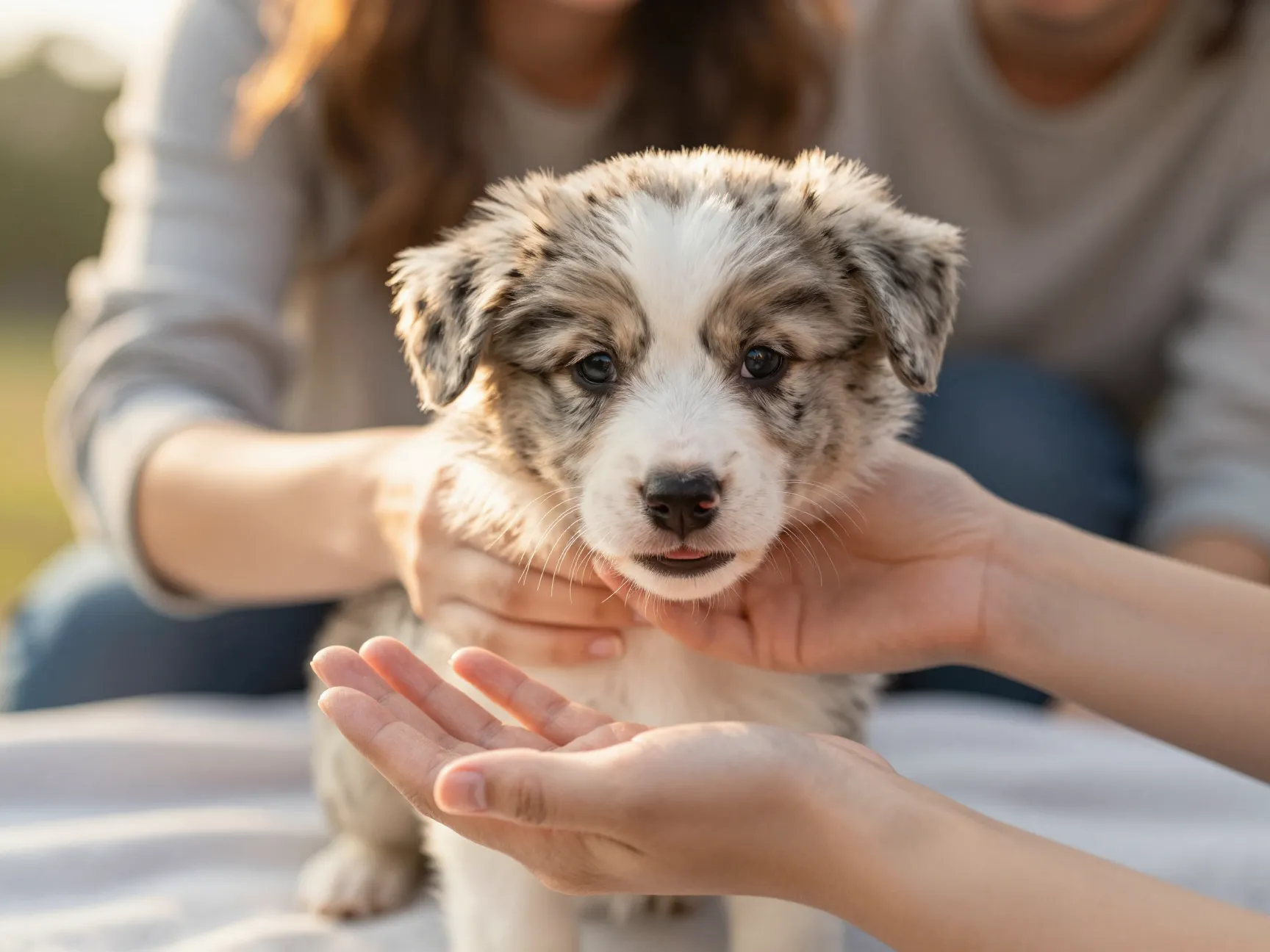
In 2026, online puppy listings are everywhere. Beautiful photos and slick websites can make any operation look professional. But a photo cannot tell you whether the mother is fearful and cowering, whether the puppies are living in a clean space, or whether the “breeder” is actually a broker reselling puppies from a mill.
Visiting in person allows you to:
- Observe the mother’s temperament (puppies inherit much of this)
- Assess cleanliness and space — are the puppies in a home environment or a crowded cage?
- See how the breeder interacts with the dogs
- Confirm that the puppies you are buying match what you were shown online [2]
If a breeder refuses an in-person visit or offers only a video call, ask why. Some legitimate breeders do work with out-of-state buyers and have reasonable protocols, but they should still be willing to show you live video of the actual litter and facility.
🟡 Caution: Breeders who ship puppies without any opportunity to visit should be approached with extra scrutiny. Always ask for references from previous buyers.
4. What Age Will the Puppy Go Home?
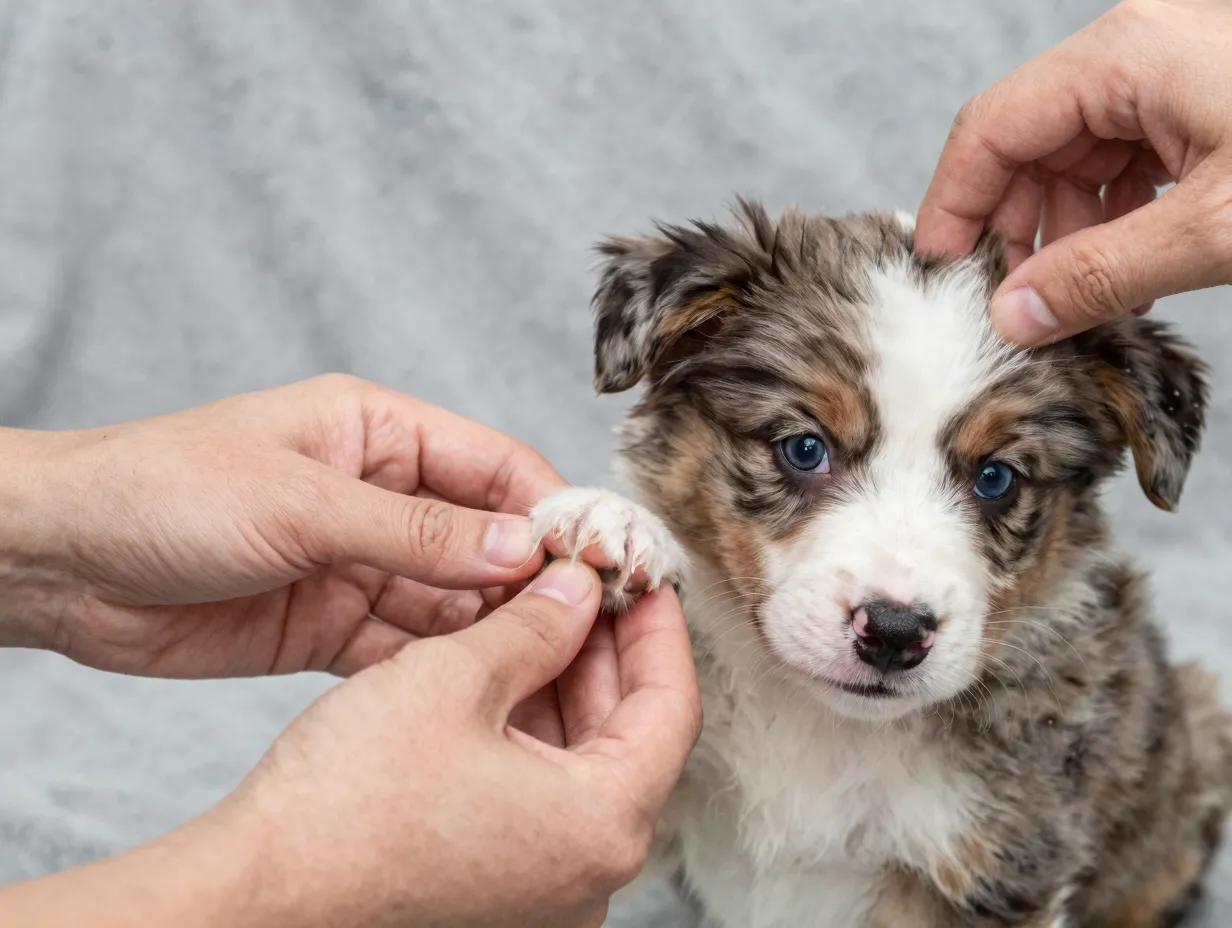
This question is simpler than the others, but the answer tells you a lot. Puppies should go home between 8 and 12 weeks of age — not before [5].
Here is why this window matters:
| Age | What Is Happening |
|---|---|
| 3–5 weeks | Primary socialization with mother and littermates begins |
| 5–8 weeks | Critical fear imprint period; puppies learn bite inhibition from siblings |
| 8–12 weeks | Ideal window for bonding with human family |
| 12+ weeks | Can still bond well, but may need extra socialization effort |
Puppies removed before 8 weeks often show higher rates of aggression, anxiety, and resource guarding later in life. Breeders who push to send puppies home at 5 or 6 weeks are cutting corners — and the puppy pays the price.
The AKC also recommends asking this question early in the process to screen out breeders who do not follow basic developmental guidelines [4].
5. What Socialization Have the Puppies Had?
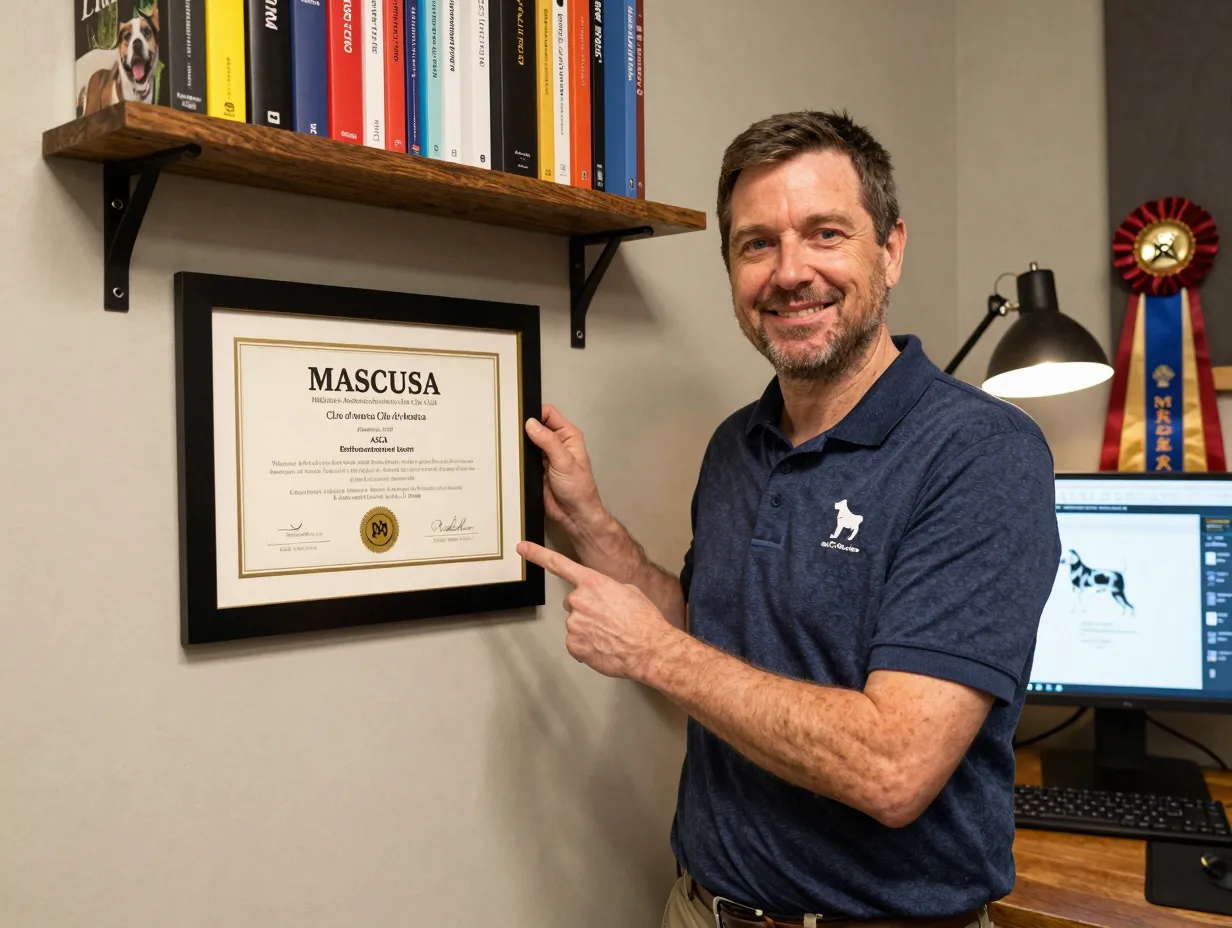
Mini Australian Shepherds are working dogs at heart. They are smart, sensitive, and deeply influenced by their early experiences. A puppy that has been exposed to a wide variety of people, sounds, surfaces, and situations will be far more adaptable and confident as an adult.
Ask the breeder specifically:
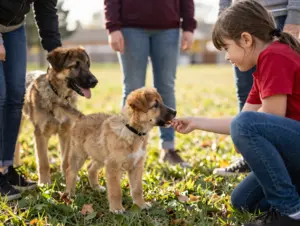
- Have the puppies been exposed to children, men, women, and strangers?
- Have they heard household sounds like vacuums, TVs, and doorbells?
- Have they walked on different surfaces (grass, tile, carpet, gravel)?
- Have they been handled regularly — paws touched, ears checked, mouths opened?
- Have they had any car rides? [2]
A quality breeder will have a deliberate socialization protocol, sometimes called Early Neurological Stimulation (ENS) or a Puppy Culture program. These are structured approaches that give puppies a head start on confidence and adaptability.
“A well-socialized puppy is not an accident — it is the result of intentional work by a dedicated breeder.”
If a breeder looks confused when you ask about socialization, that is a red flag. Puppies that have spent their first 8 weeks in a kennel with minimal human contact are starting life at a disadvantage.
6. Are You a Member of a Breeder Organization?
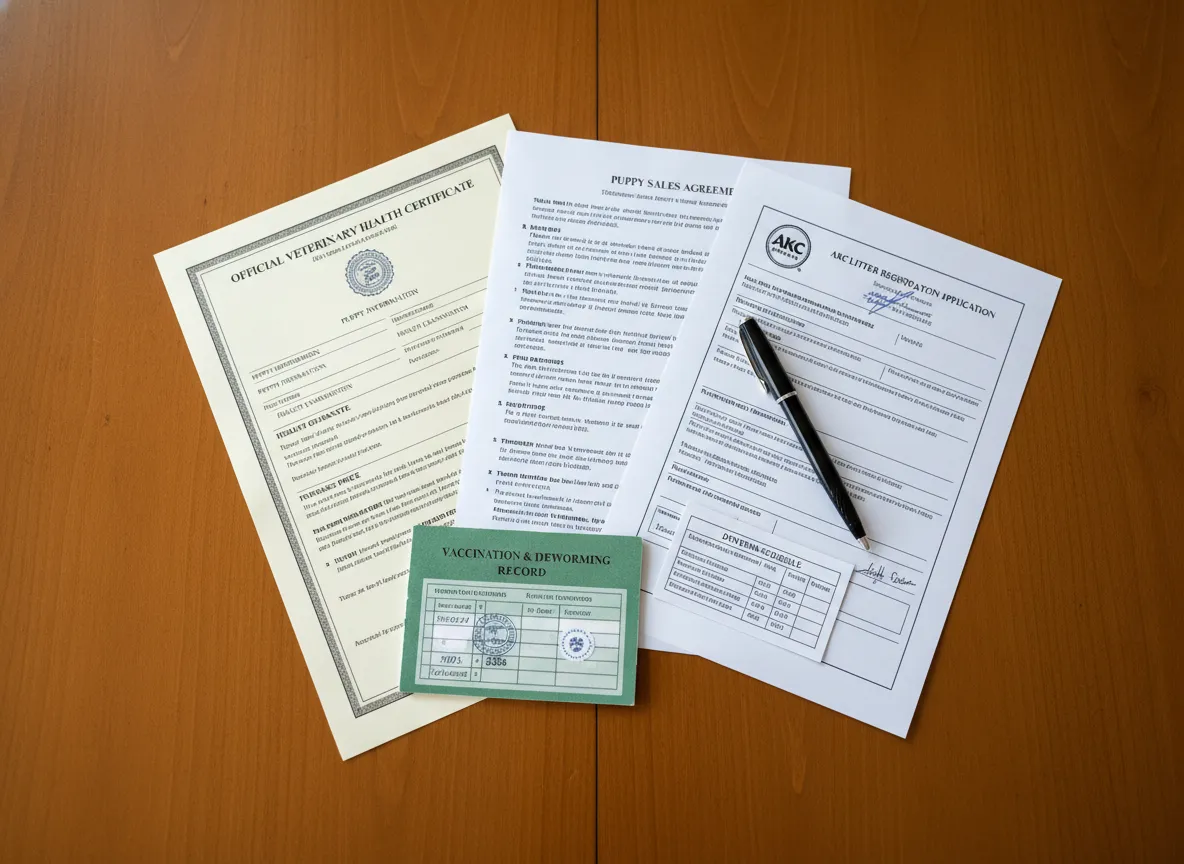
Membership in a recognized breed club is not a guarantee of quality, but it is a meaningful signal. Organizations like the Miniature American Shepherd Club of the USA (MASCUSA) or the Australian Shepherd Club of America (ASCA) have codes of ethics that members agree to follow [2].
Benefits of buying from a club member:
- The breeder has agreed to ethical breeding standards
- There is a formal complaint process if something goes wrong
- The breeder is connected to a community of peers who hold each other accountable
- They are more likely to stay current on health testing requirements and breed research
You can also ask whether the breeder registers their litters with the AKC or ASCA. Registration alone does not equal quality — puppy mills can register dogs too — but combined with health testing and club membership, it adds another layer of credibility [4].
🟢 Green flag: A breeder who is active in their breed club, attends events, and can name fellow breeders they respect is embedded in a community of accountability.
7. Will You Supply a Health Certificate and Certificate of Sale?
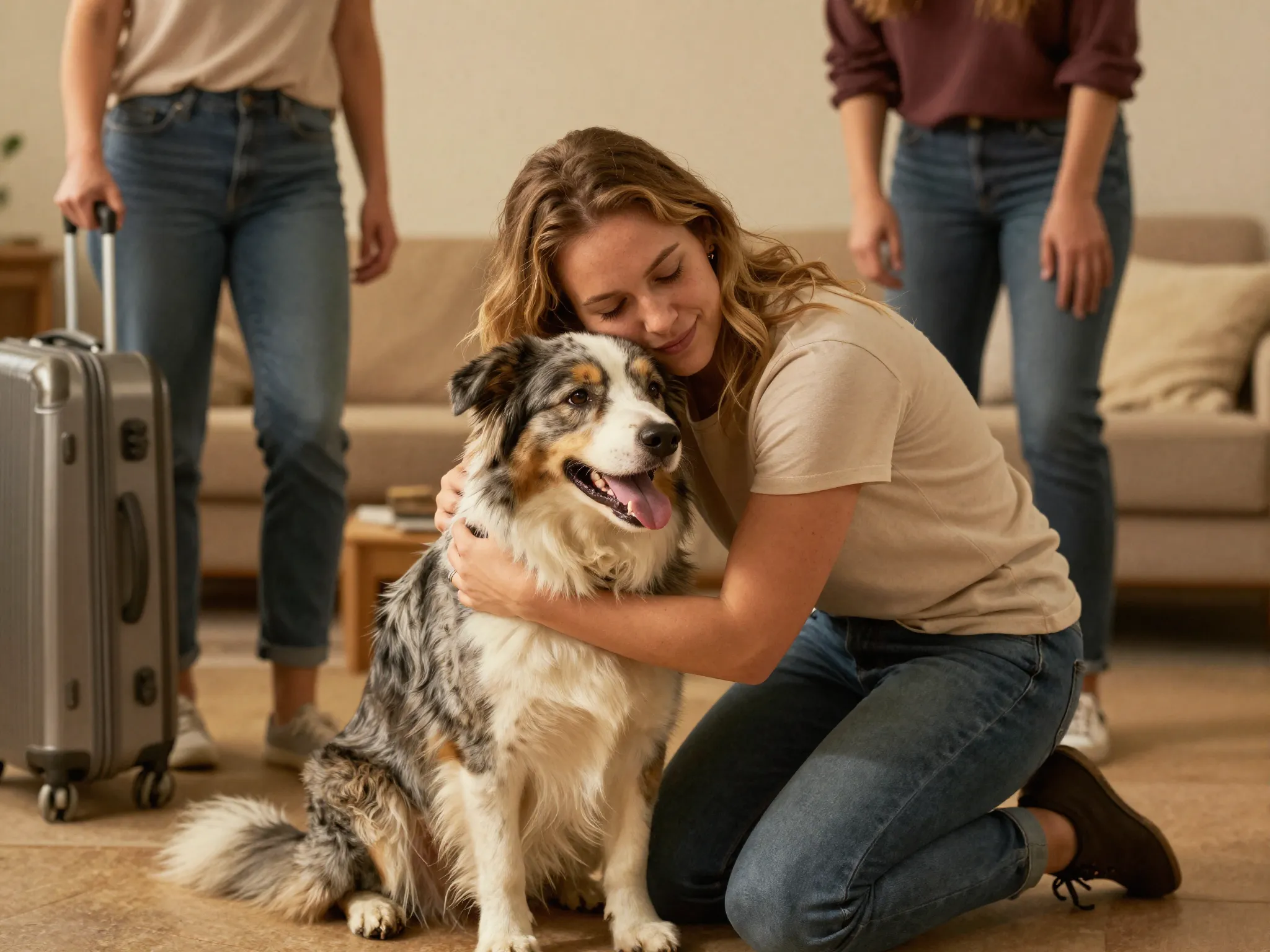
Before any money changes hands, you should know exactly what documentation you will receive. This protects you legally and medically — and it protects the puppy too.
Request the following documents:
- Veterinarian-issued health certificate — confirms the puppy has been examined and is healthy at the time of sale
- Vaccination records — showing which vaccines have been given and when boosters are due
- Deworming documentation — most reputable breeders deworm on a schedule starting at 2 weeks
- Written sales contract — outlining both parties’ responsibilities, health guarantees, and return policies
- Registration papers — if the puppy is sold as registerable [5]
The AKC recommends reviewing the sales contract carefully before signing [4]. Look for a health guarantee that covers genetic conditions for at least 1–2 years. Understand what the breeder requires if a health problem is discovered — some require the dog to be returned, while others offer partial refunds or replacement puppies.
📋 Checklist before you sign:
- [ ] Health certificate signed by a licensed vet
- [ ] Vaccination and deworming records
- [ ] Written health guarantee (minimum 1 year for genetic conditions)
- [ ] Clear return/rehoming policy in writing
- [ ] Registration papers or application
8. Do You Offer Lifetime Rehoming If Things Don’t Work Out?
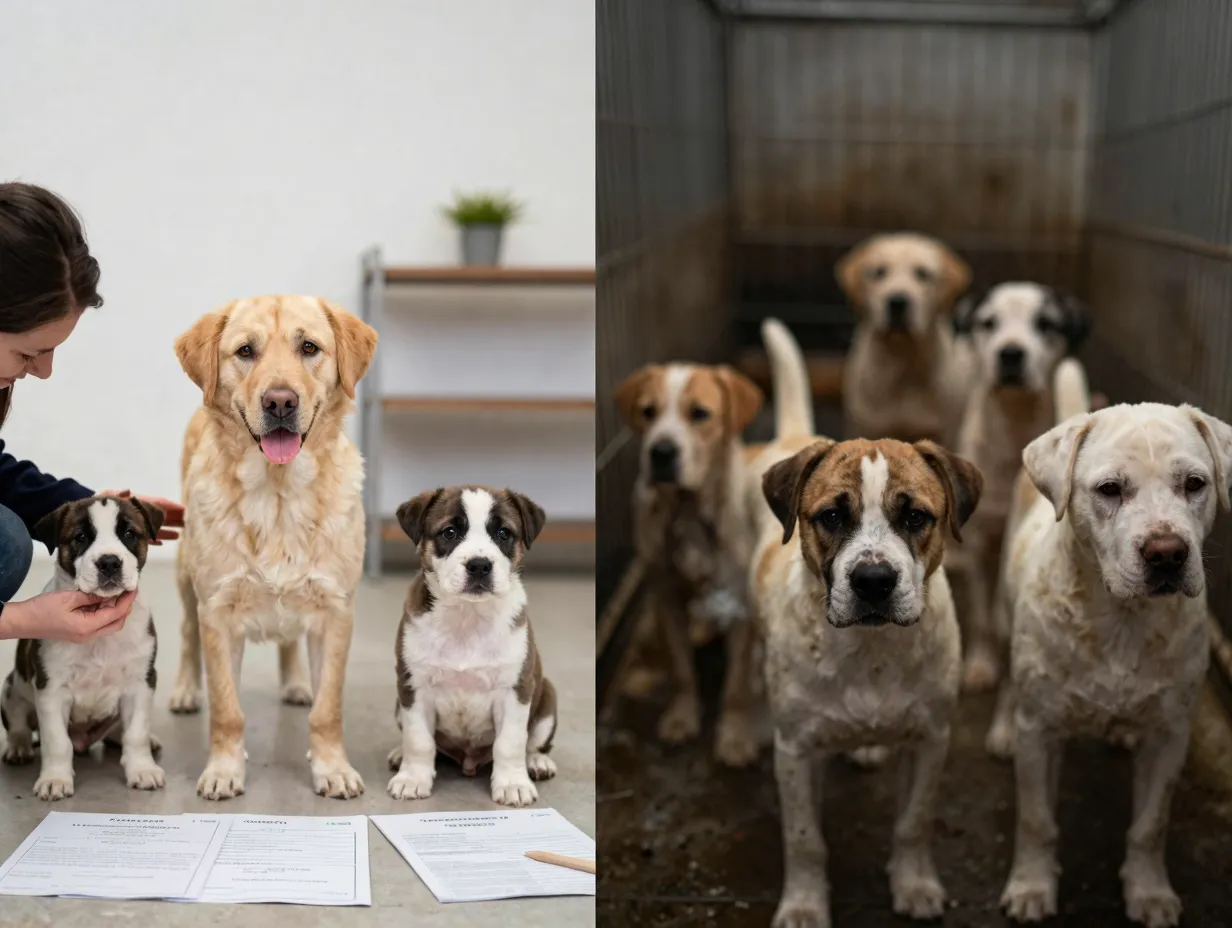
This final question is one that separates truly ethical breeders from the rest. A breeder who genuinely cares about the dogs they produce will want to know where that dog ends up — for life.
Lifetime rehoming means: If at any point you can no longer keep the dog — due to illness, moving, financial hardship, or any other reason — the breeder wants the dog returned to them rather than surrendered to a shelter [2].
This policy benefits everyone:
- The dog never ends up in an overcrowded shelter
- You have a safety net if circumstances change
- The breeder maintains accountability for every puppy they bring into the world
- The breed is protected from ending up in rescue due to irresponsible placement
Ask for this policy in writing as part of your sales contract. A breeder who hesitates or says “just rehome it yourself” is signaling that their interest ends at the point of sale.
💬 “The best breeders consider themselves co-owners in spirit — always available, always accountable.”
This commitment also tells you something about the breeder’s long-term relationship with buyers. Many ethical breeders stay in touch with puppy families for years, offering advice, celebrating milestones, and being a resource when challenges arise.
Bonus: Additional Questions Worth Asking
While the 8 crucial questions to ask before buying Mini Australian Shepherd puppies for sale cover the most critical areas, here are a few more worth adding to your conversation:
- How many litters do you produce per year? A breeder producing more than 3–4 litters annually from the same dogs may be prioritizing volume over quality.
- Can I speak with previous buyers? References from past puppy families are invaluable.
- What do you feed the puppies? This tells you about their attention to nutritional detail.
- What is the puppy’s personality like within the litter? A good breeder observes each puppy individually and can help match you to the right one.
- What support do you offer after the puppy goes home? Are they available for questions? Do they have a Facebook group or email support? [1]
How to Spot a Reputable Breeder vs. a Red-Flag Operation
Use this quick comparison to evaluate any breeder you contact:
| ✅ Reputable Breeder | 🔴 Red-Flag Breeder |
|---|---|
| Shares health test results proactively | Vague about testing or says “they’re healthy” |
| Welcomes in-person visits | Refuses visits or only offers video calls |
| Puppies go home at 8–12 weeks | Offers puppies at 5–6 weeks |
| Provides written contract and health guarantee | No paperwork or informal “handshake” deals |
| Active in breed clubs | No affiliations or references |
| Asks YOU questions too | Only interested in your payment method |
| Offers lifetime rehoming | Says “not my problem” after the sale |
A reputable breeder will also ask you questions — about your lifestyle, your home, your experience with dogs, and your plans for exercise and training. If a breeder never asks you anything and is only focused on completing the sale, that is a warning sign [4].
Conclusion: Your Action Plan for Finding the Right Mini Aussie
Finding a healthy, well-adjusted Mini Australian Shepherd puppy is absolutely possible — but it requires doing your homework. The 8 crucial questions to ask before buying Mini Australian Shepherd puppies for sale outlined in this guide give you a clear framework for evaluating every breeder you contact.
Here are your actionable next steps:
- Save this list of 8 questions and bring it to every breeder conversation.
- Verify OFA results independently at OFA.org using the parents’ registered names.
- Request all documentation in writing before any deposit is paid.
- Schedule an in-person visit — do not skip this step, even if it requires travel.
- Check breeder affiliations with MASCUSA, ASCA, or AKC and look up any complaints.
- Talk to previous buyers — ask the breeder for at least two references.
- Trust your instincts — if something feels off during a visit or conversation, walk away.
The right breeder will welcome your questions. They will be proud of their health testing, eager to show you their facility, and genuinely invested in finding the right home for each puppy. That is the kind of partnership that sets you and your Mini Aussie up for a long, happy life together. 🐾
References
[1] Buyers Checklist – https://australianshepherds.org/finding-an-aussie/buyers-checklist/
[2] Watch – https://www.youtube.com/watch?v=UJlkzYpTHyA
[3] Choosing A Breeder – https://www.preciousgemminis.com/choosing-a-breeder.html
[4] Questions To Ask Your Potential Breeder – https://www.akc.org/expert-advice/puppy-information/questions-to-ask-your-potential-breeder/
[5] 23 Questions You Should Ask A Breeder – https://www.petplace.com/article/dogs/pet-care/23-questions-you-should-ask-a-breeder
[6] Puppy Buyer Health Questions – https://www.ashgi.org/home-page/genetics-info/faq/puppy-buyer-health-questions