8 Care Secrets for Your Mini Aussie Shepherd Red Merle
Only about 1 in 4 Mini Aussie Shepherd owners realize that their dog’s stunning red merle coat is not just a cosmetic feature — it is directly linked to specific health vulnerabilities that require a tailored care approach. If you own one of these remarkable dogs, the 8 Care Secrets for Your Mini Aussie Shepherd Red Merle outlined in this guide could genuinely change the quality and length of your pet’s life. These are not generic dog-care tips recycled from a breed-agnostic handbook. Each secret addresses the unique biology, temperament, and physical traits of the red merle Mini Aussie — a dog that is as demanding as it is dazzling.
Key Takeaways
- 🐾 The red merle coat pattern is tied to a genetic trait that increases the risk of vision and hearing problems — especially in double merle dogs.
- 🌞 Sun sensitivity in lightly pigmented skin areas requires active UV protection year-round.
- 🧠 Mini Aussies are high-drive herding dogs that need structured mental and physical stimulation daily.
- ✂️ Their double coat requires a consistent grooming routine to prevent painful matting and skin issues.
- 🩺 Regular vet screenings for MDR1 gene mutation, eye conditions, and hip dysplasia are non-negotiable for this breed.
What Makes the Red Merle Mini Aussie Shepherd Unique?
Before diving into the 8 Care Secrets for your Mini Aussie Shepherd Red Merle, it helps to understand what sets this dog apart from other small breeds — and even from other Australian Shepherd color patterns.
The Miniature Australian Shepherd (often called the Mini Aussie or Miniature American Shepherd) is a compact, athletic herding dog that typically weighs between 20 and 40 pounds [1]. The red merle coat pattern is a diluted, mottled combination of red, cream, and sometimes white or copper markings — produced by the merle gene (M locus). This gene does more than color the coat. It also affects pigmentation in the eyes and inner ear, which is why merle dogs — particularly those carrying two copies of the merle gene — face elevated risks of deafness and ocular abnormalities [4].
💡 Pull Quote: “The merle gene is one of the most visually striking and medically significant coat genetics in the dog world. Owners of merle dogs carry a higher responsibility than they often realize.” — Marlowin Aussies Comprehensive Care Guide [5]
Understanding this biological reality is the foundation of every care secret below.
The 8 Care Secrets for Your Mini Aussie Shepherd Red Merle
1. Prioritize Genetic Health Screening Before Everything Else
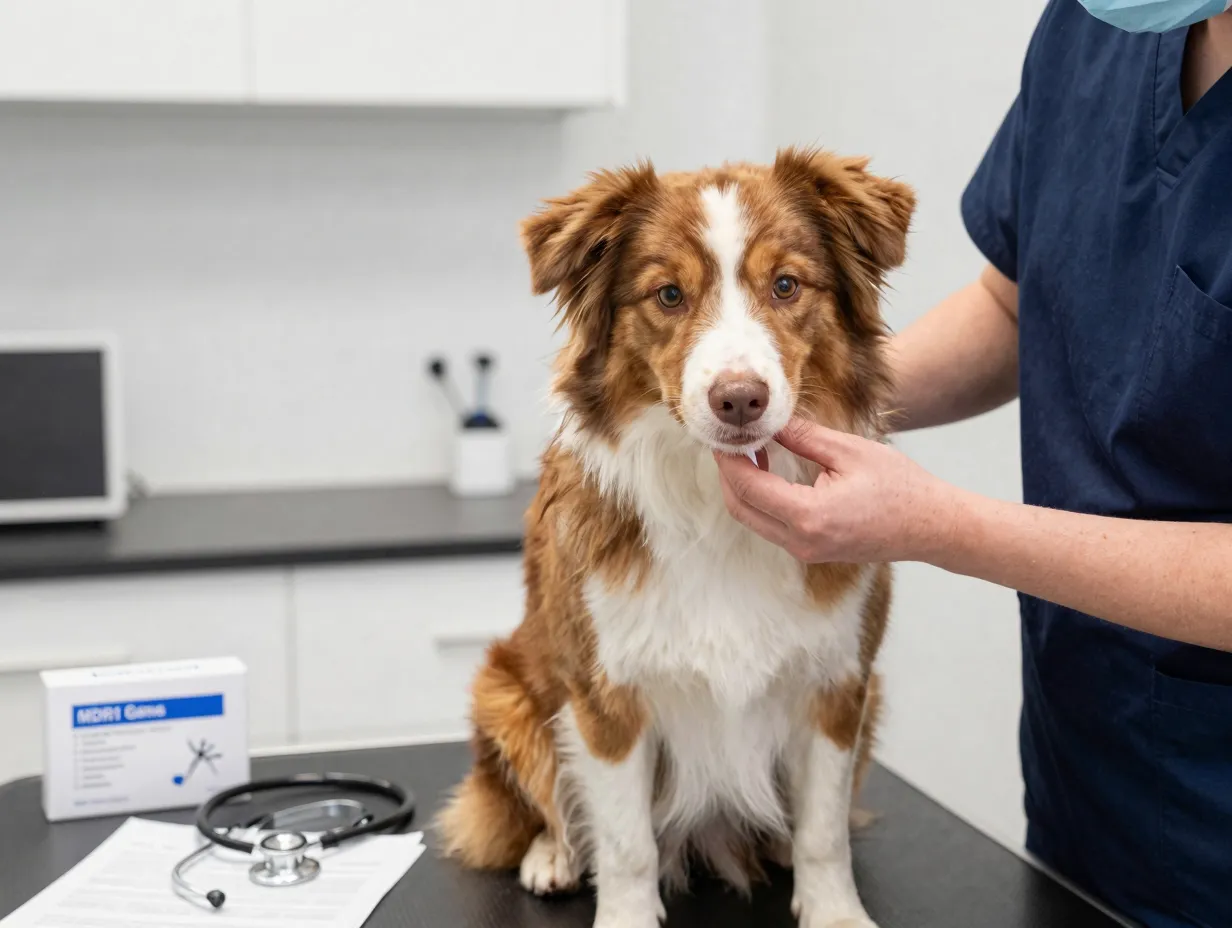
The very first secret is one that many owners skip entirely: genetic testing. The red merle pattern is produced by a dominant gene, and when two merle dogs are bred together, approximately 25% of the offspring will be “double merle” — carrying two copies of the merle gene. Double merle dogs face a significantly elevated risk of blindness, deafness, and microphthalmia (abnormally small eyes) [4].
Even if your dog is a single merle (one copy of the gene), testing for the MDR1 (ABCB1) gene mutation is essential. This mutation, common in herding breeds including Mini Aussies, causes extreme sensitivity to certain common medications — including ivermectin, loperamide, and some chemotherapy drugs [5].
Action Steps:
- Ask your breeder for documentation of genetic testing before purchasing a puppy.
- Test your existing dog through a reputable canine genetic testing service.
- Share MDR1 results with your veterinarian immediately so they can adjust prescriptions accordingly.
2. Build a Coat Care Routine That Matches the Double Coat’s Demands
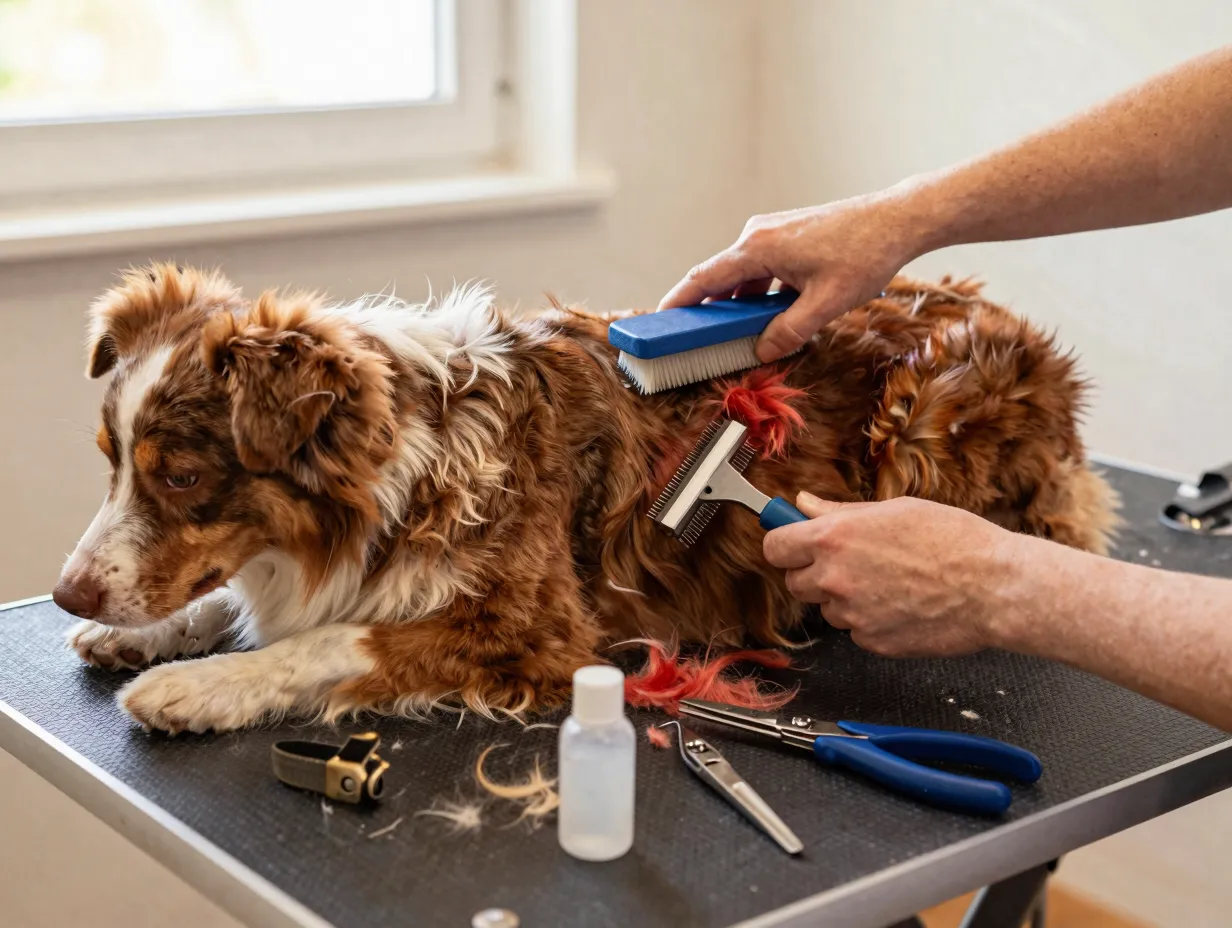
The red merle Mini Aussie has a medium-length double coat — a dense undercoat beneath a slightly coarser outer layer. This combination is beautiful but requires consistent maintenance. Without it, mats form quickly, especially behind the ears, in the armpits, and around the collar area [3].
| Grooming Task | Recommended Frequency |
|---|---|
| Full brushing session | 3–4 times per week |
| Bathing | Every 4–6 weeks |
| Nail trimming | Every 3–4 weeks |
| Ear cleaning | Every 2 weeks |
| Professional grooming | Every 8–12 weeks |
Use a slicker brush for the outer coat and a metal undercoat rake for the dense undercoat. During shedding season (spring and fall), daily brushing is strongly recommended to manage the volume of loose fur [5].
🚫 Never shave a Mini Aussie’s double coat. Shaving disrupts the natural insulation system that keeps the dog cool in summer and warm in winter. It can also permanently damage coat texture [3].
3. Protect That Red Merle Coat and Skin from UV Damage
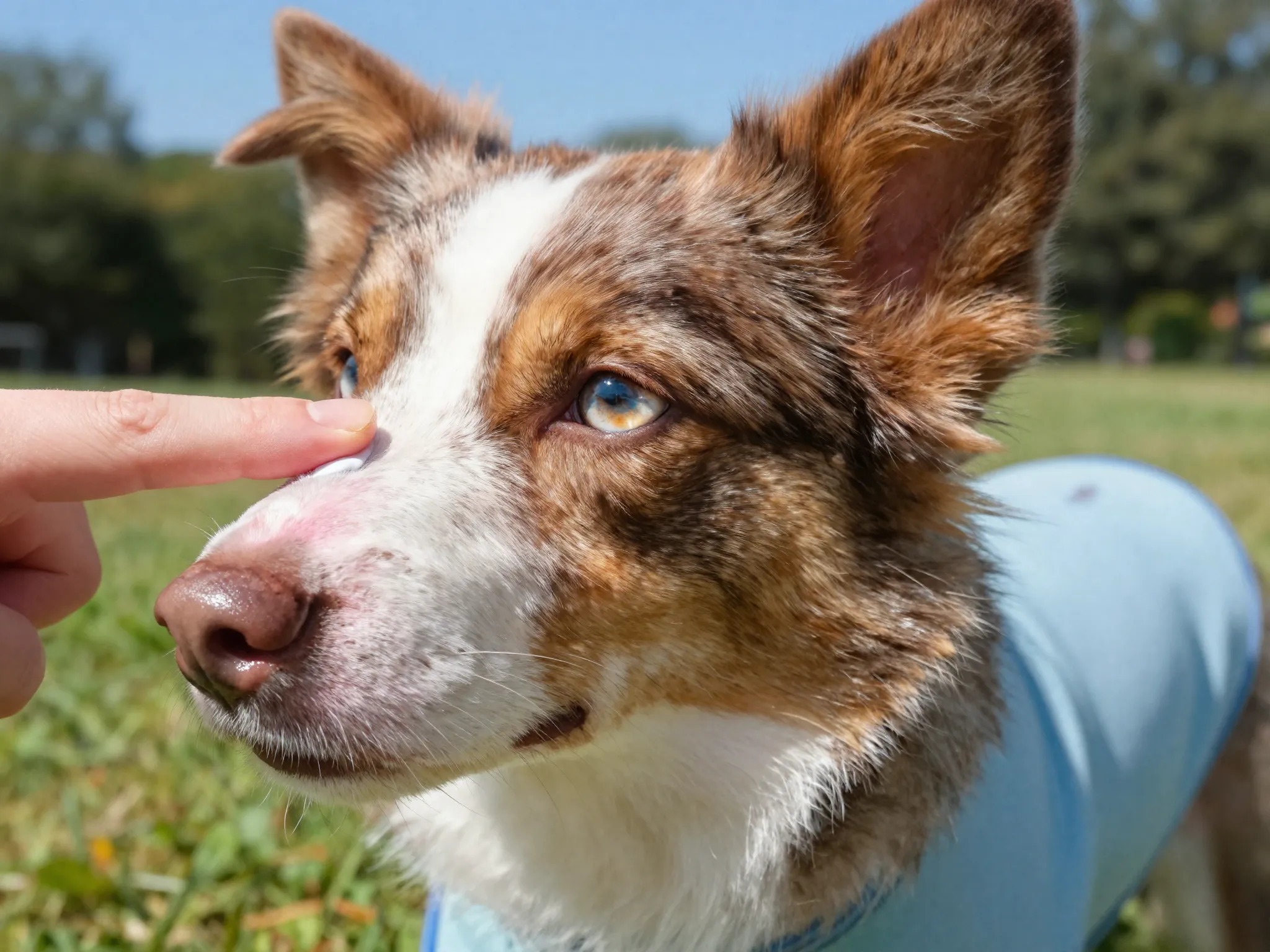
This is one of the most overlooked of the 8 Care Secrets for your Mini Aussie Shepherd Red Merle. Dogs with merle patterning often have areas of reduced pigmentation — particularly around the nose, ear tips, and belly. These lightly pigmented zones are vulnerable to sunburn and, over time, to UV-related skin damage.
Red merles with blue eyes (a common trait in this pattern) also face increased light sensitivity and potential UV-related eye stress [4].
Practical UV Protection Tips:
- Apply pet-safe, zinc-free sunscreen to the nose, ear tips, and any pink-skinned areas before prolonged outdoor exposure.
- Provide shaded rest areas during peak sun hours (10 AM – 4 PM).
- Consider a UV-protective dog shirt for dogs that spend significant time outdoors.
- Schedule outdoor exercise for early morning or late evening during summer months.
4. Meet the High Mental Stimulation Needs of This Herding Breed
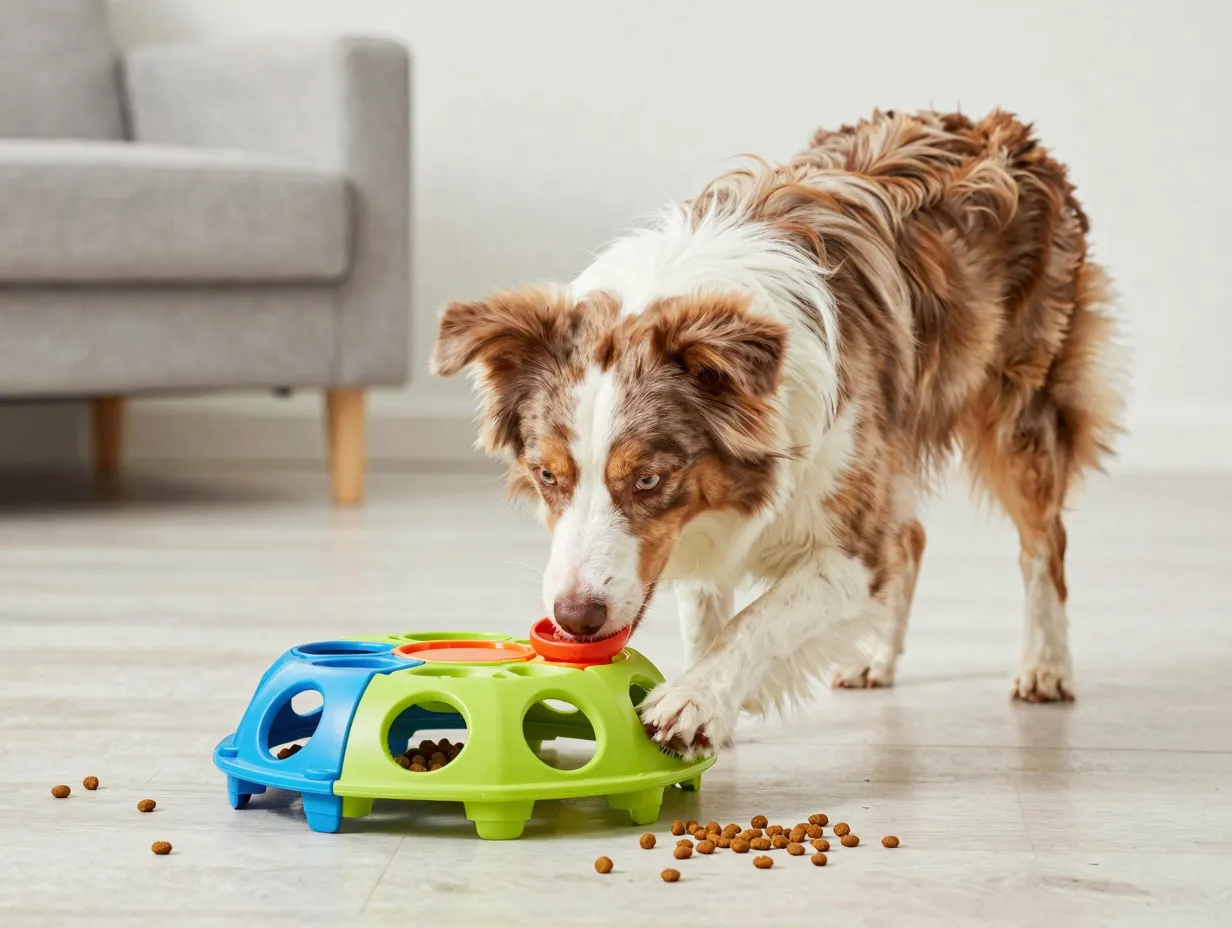
Mini Aussies were bred to work. Their intelligence is exceptional — and that is both a gift and a challenge. A bored Mini Aussie Red Merle will find its own entertainment, which typically means destructive chewing, excessive barking, or obsessive behaviors like tail-chasing or shadow-chasing [1].
🧠 Pull Quote: “Mental stimulation is not optional for herding breeds — it is as necessary as food and water. A tired brain is a happy brain.” [5]
Daily Mental Stimulation Ideas:
- Puzzle feeders and snuffle mats at mealtimes
- Obedience training sessions (10–15 minutes, twice daily)
- Trick training — Mini Aussies excel at complex trick chains
- Scent work and nose games
- Agility or flyball participation
- Herding instinct classes (even for non-working dogs)
The American Kennel Club recognizes the Miniature American Shepherd as a highly trainable, versatile breed that thrives with structured activity [4]. Channeling that drive into positive outlets is one of the most impactful things you can do for your dog’s wellbeing.
5. Design an Exercise Plan That Fits Their Size — But Not Their Energy Level
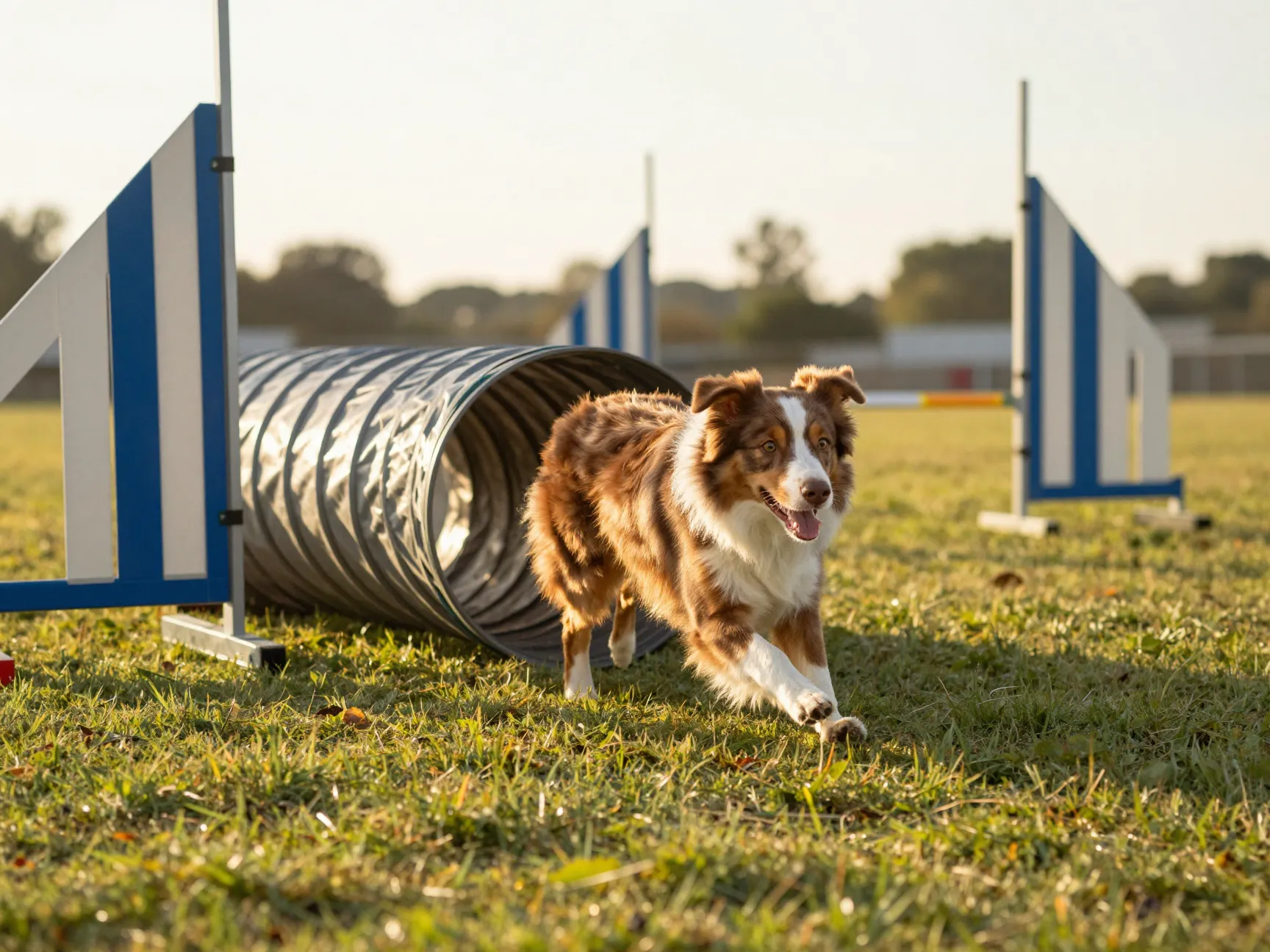
Do not let the “mini” in Mini Aussie fool you. These dogs have full-sized herding dog energy packed into a compact frame [1]. They need 60–90 minutes of vigorous exercise daily, ideally split into two sessions.
However, exercise planning for a red merle Mini Aussie must also account for:
- Joint health: Mini Aussies are prone to hip dysplasia and elbow dysplasia. High-impact activities on hard surfaces should be limited, especially for puppies under 18 months whose growth plates are still developing [5].
- Eye sensitivity: Dogs with merle-related ocular issues may struggle with bright, glare-heavy environments. Adjust outdoor timing accordingly.
- Heat sensitivity: Lightly pigmented skin absorbs heat differently. Monitor for overheating in warm weather.
Ideal Exercise Types:
- Swimming (low-impact, high-reward)
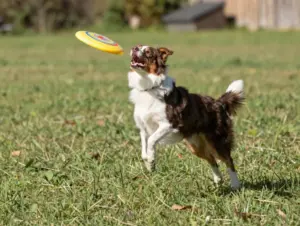
- Fetch on grass
- Hiking on soft trails
- Agility training
- Off-leash play in a securely fenced yard
6. Feed a Diet That Supports Coat Health, Joint Function, and Energy Demands
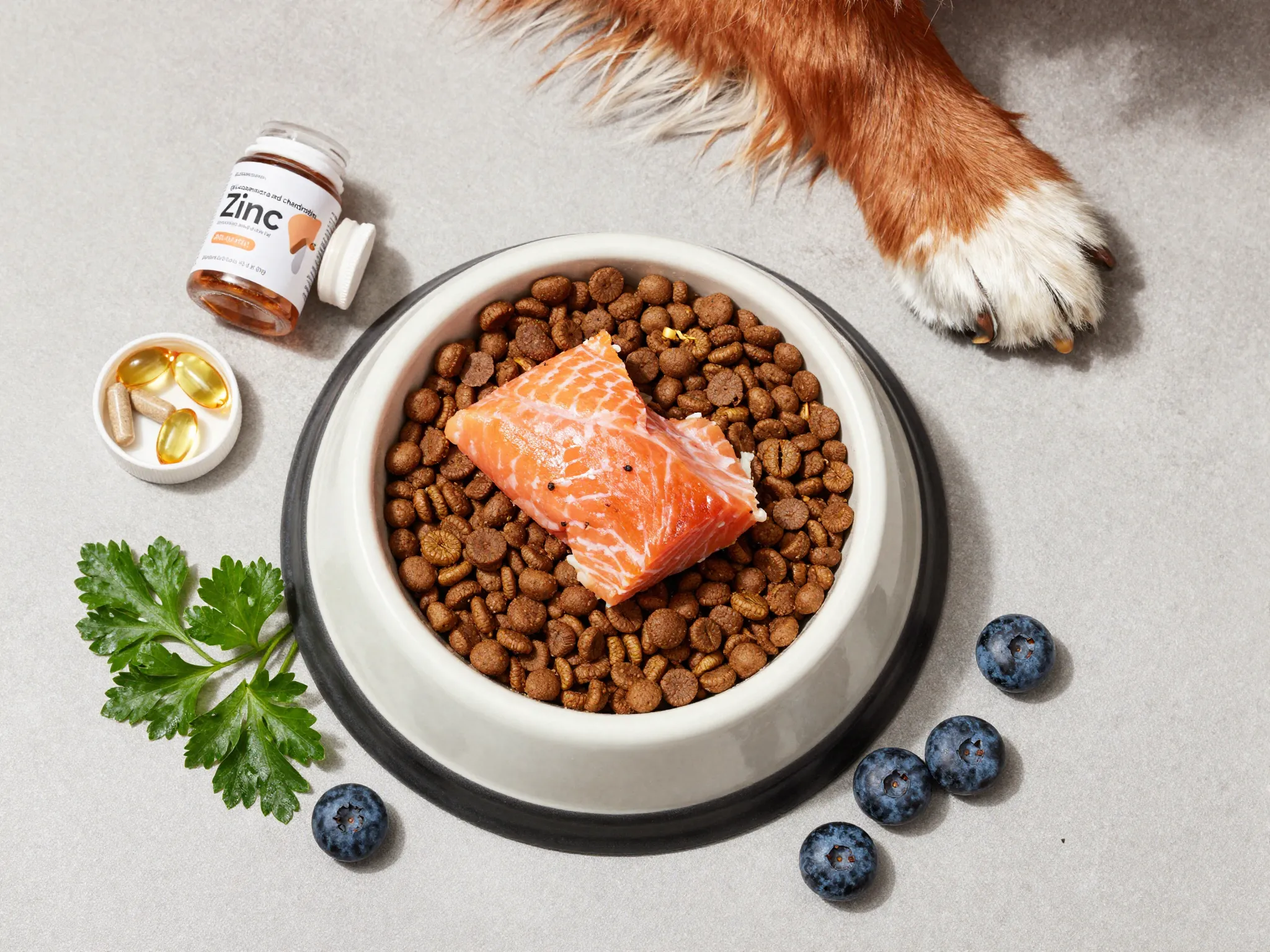
Nutrition is the foundation of every other care secret on this list. A red merle Mini Aussie’s diet should be formulated to support three key areas: coat quality, joint health, and sustained energy [5].
Coat Health:
- Look for foods rich in omega-3 and omega-6 fatty acids (salmon oil, flaxseed).
- Biotin and zinc support healthy skin pigmentation — particularly important for merle dogs with sensitive skin areas.
Joint Health:
- Choose foods or supplements containing glucosamine and chondroitin, especially for dogs over 5 years old [4].
- Maintain a healthy body weight — even slight obesity dramatically increases joint stress in smaller dogs.
Energy Demands:
- High-quality animal protein (chicken, turkey, fish, or beef) should be the first ingredient.
- Avoid fillers like corn syrup, artificial preservatives, and unnamed meat by-products.
| Life Stage | Daily Caloric Needs (Approx.) |
|---|---|
| Puppy (2–12 months) | 700–900 kcal/day |
| Adult (1–7 years) | 500–700 kcal/day |
| Senior (7+ years) | 400–600 kcal/day |
Always consult your veterinarian for breed- and weight-specific feeding recommendations.
7. Schedule Proactive Veterinary Screenings Specific to the Red Merle
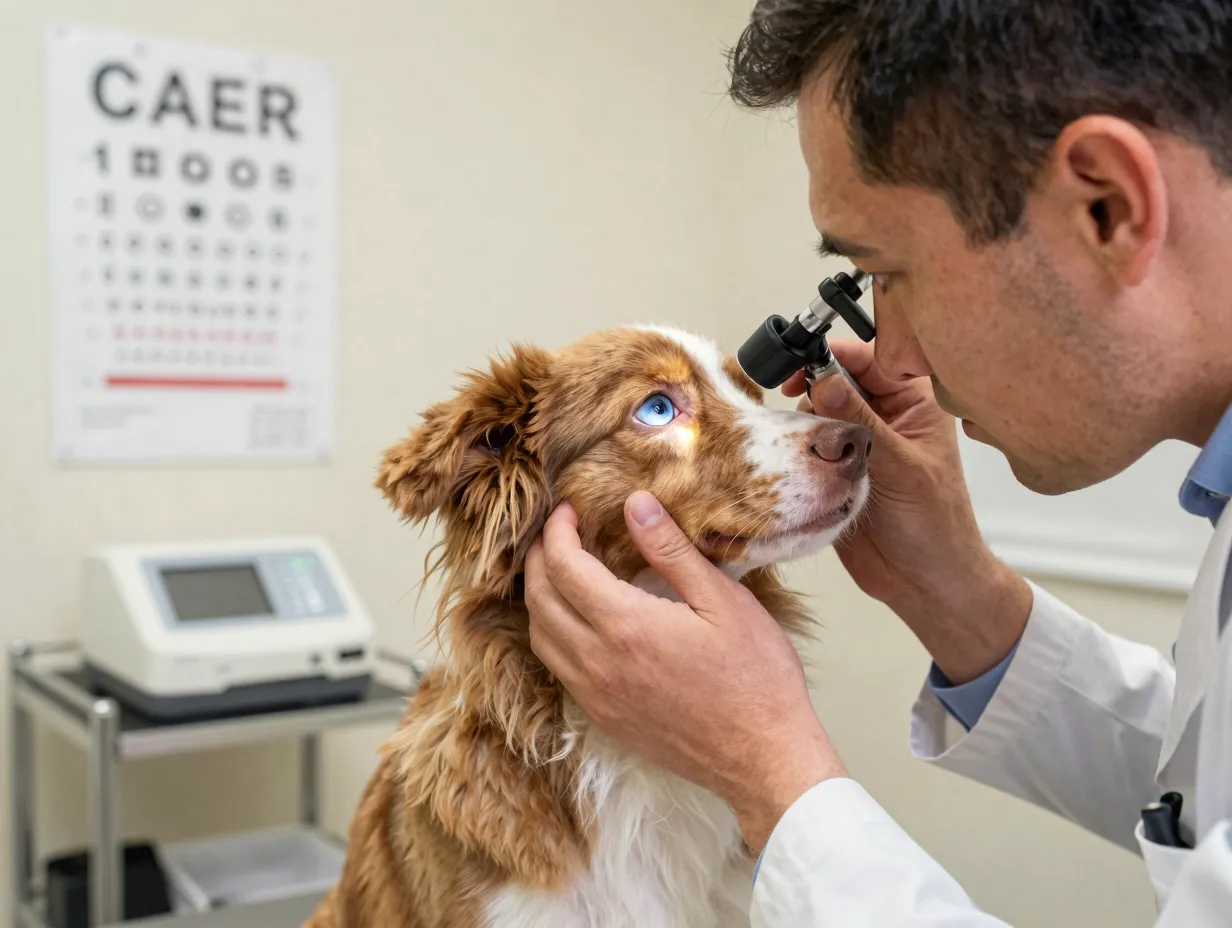
Routine annual vet visits are the baseline — but Mini Aussie Red Merle owners should go further with proactive, breed-specific health screenings [1].
Priority Screenings for Red Merle Mini Aussies:
- BAER (Brainstem Auditory Evoked Response) testing — detects congenital deafness linked to merle genetics, ideally done before 6 weeks of age in puppies [4].
- CAER (Canine Eye Registry Foundation) eye exam — screens for Collie Eye Anomaly (CEA), Progressive Retinal Atrophy (PRA), and iris colobomas common in merle dogs.
- Hip and elbow OFA (Orthopedic Foundation for Animals) evaluation — recommended at 24 months.
- MDR1 gene mutation test — if not already completed.
- Annual thyroid panel — Mini Aussies have a moderate predisposition to hypothyroidism [5].
🩺 Pro Tip: Find a veterinarian who has experience with herding breeds or who is familiar with MDR1 gene implications. Not all vets routinely check for this mutation before prescribing.
8. Socialize Early and Maintain It Throughout Life
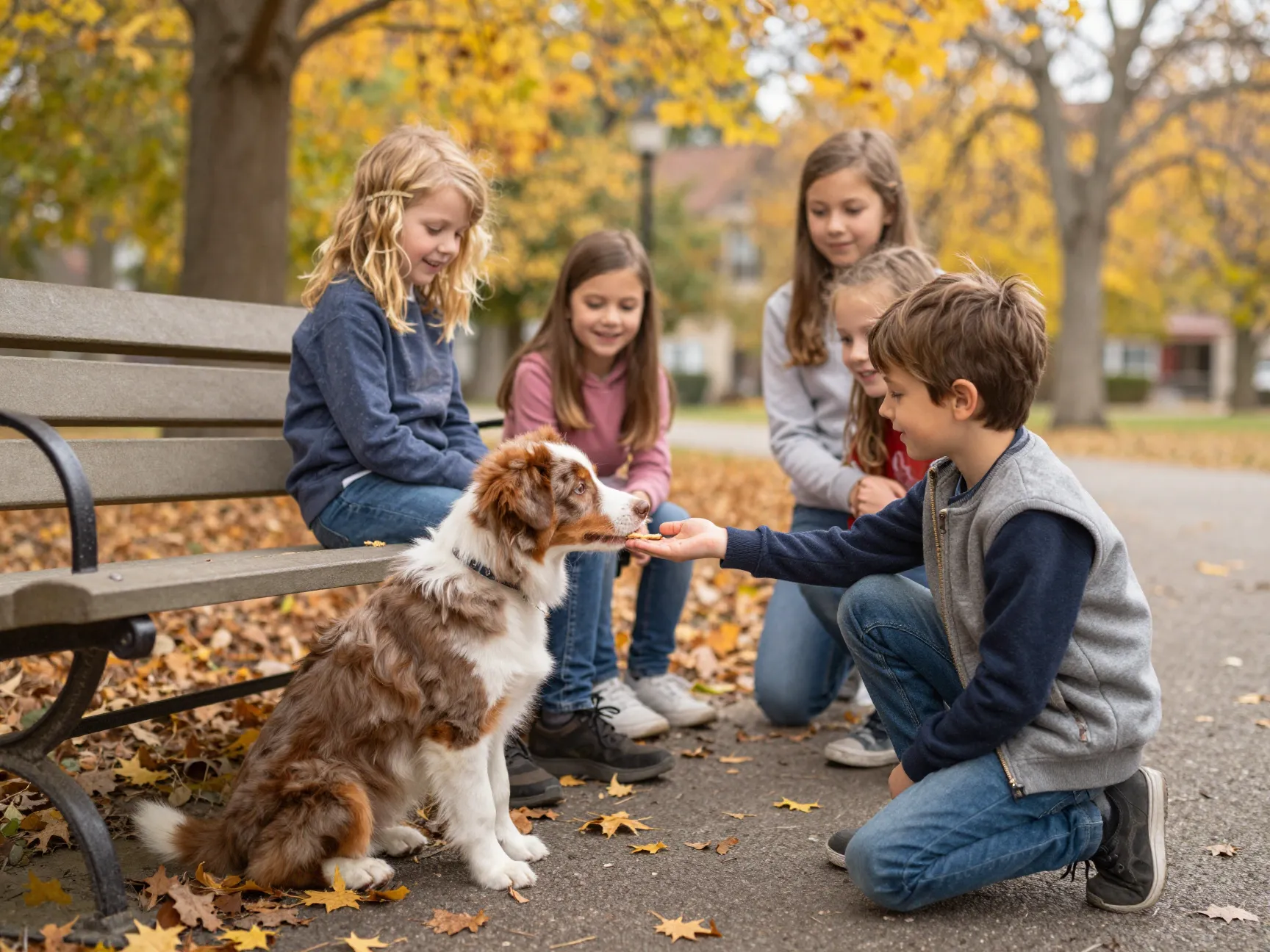
The final secret in the 8 Care Secrets for your Mini Aussie Shepherd Red Merle is one that is easy to underestimate: socialization is a lifelong practice, not a puppy-phase checkbox.
Mini Aussies can develop strong herding instincts toward children, strangers, and other animals — including nipping at heels, circling, and eye-stalking [3]. Without proper socialization, these instincts can escalate into anxiety-driven or reactive behaviors.
Socialization Milestones:
- Weeks 3–16: The critical socialization window. Expose puppies to diverse sounds, surfaces, people, and animals in a positive, controlled way [3].
- Months 4–12: Continue structured exposure. Enroll in puppy classes with positive reinforcement trainers.
- Year 1 and beyond: Regular social outings, dog-friendly environments, and continued training maintain confidence and reduce reactivity.
Signs of Under-Socialization to Watch For:
- Excessive barking at strangers
- Herding or nipping at children
- Fear responses to everyday sounds (traffic, vacuum cleaners)
- Aggression toward unfamiliar dogs
Early, consistent socialization paired with positive reinforcement training is the most effective prevention strategy [3].
Quick Reference: 8 Care Secrets at a Glance
| # | Care Secret | Priority Level |
|---|---|---|
| 1 | Genetic health screening (MDR1, merle status) | 🔴 Critical |
| 2 | Double coat grooming routine | 🟠 High |
| 3 | UV protection for skin and eyes | 🟠 High |
| 4 | Daily mental stimulation | 🔴 Critical |
| 5 | Structured exercise plan | 🟠 High |
| 6 | Breed-appropriate nutrition | 🟠 High |
| 7 | Proactive vet screenings | 🔴 Critical |
| 8 | Lifelong socialization | 🔴 Critical |
Common Mistakes Red Merle Mini Aussie Owners Make
Even well-intentioned owners fall into predictable traps. Here are the most common ones — and how to avoid them:
- Treating the Mini Aussie like a low-energy lap dog. Their compact size is misleading. Under-exercised Mini Aussies develop behavioral problems rapidly [1].
- Skipping genetic testing because the dog “looks healthy.” MDR1 sensitivity and merle-related hearing loss are invisible without testing [4].
- Shaving the coat in summer. This is counterproductive and potentially harmful to the double coat’s long-term integrity [3].
- Assuming socialization ends after puppyhood. Mini Aussies need ongoing social exposure throughout their lives to remain well-adjusted [5].
- Ignoring sun protection. Lightly pigmented areas on red merle dogs are genuinely at risk for UV damage — this is not overcaution [4].
Conclusion: Your Action Plan Starts Today
The 8 Care Secrets for your Mini Aussie Shepherd Red Merle are not aspirational guidelines — they are practical, evidence-based practices that directly impact your dog’s health, happiness, and longevity. These dogs give extraordinary loyalty and energy to their owners. The least we can do is meet them with equally intentional care.
Here is your immediate action plan:
- Book a vet appointment and request MDR1 testing and a CAER eye exam if not already completed.
- Evaluate your current grooming routine — if you are brushing less than three times per week, increase frequency this week.
- Audit your dog’s diet for omega-3 content and protein quality.
- Add one new mental stimulation activity to your dog’s daily routine starting today.
- Apply pet-safe sunscreen to your dog’s nose and ear tips before the next outdoor outing.
The red merle Mini Aussie is one of the most rewarding dogs you can share your life with — but that reward is proportional to the care you invest. Start with these 8 secrets, and you will be giving your dog the life it deserves. 🐾
References
[1] All About Miniature Australian Shepherds – https://www.aspcapetinsurance.com/resources/all-about-miniature-australian-shepherds/
[2] lemon8-app – https://www.lemon8-app.com/@keebkollector/7395381265132552710?region=us
[3] Bringing Home An Australian Shepherd Puppy What You Need To Know To Get Ready – https://karenshanley.com/bringing-home-an-australian-shepherd-puppy-what-you-need-to-know-to-get-ready/
[4] Miniature American Shepherd – https://www.petmd.com/dog/breeds/miniature-american-shepherd
[5] Caring For Your Mini Australian Shepherd A Comprehensive Guide – https://marlowinaussies.com/f/caring-for-your-mini-australian-shepherd-a-comprehensive-guide