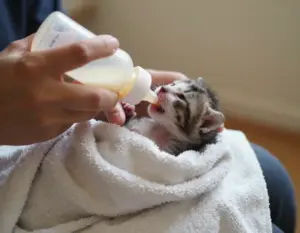
7 Vital Steps for Taking Care of Newborn Kittens Like a Pro
Picture this: you discover a litter of tiny, helpless newborn kittens that need immediate care. Their eyes are sealed shut, they’re no bigger than your palm, and their survival depends entirely on the decisions you make in the next few hours. Caring for newborn kittens is both a rewarding and challenging responsibility that requires specific knowledge, dedication, and round-the-clock attention. Whether you’re fostering orphaned kittens or helping a new mother cat, mastering the 7 vital steps for taking care of newborn kittens like a pro can mean the difference between life and death for these vulnerable little creatures.
The first few weeks of a kitten’s life are absolutely critical. During this time, they cannot regulate their body temperature, eliminate waste on their own, or survive without frequent feeding. Understanding proper newborn kitten care isn’t just helpful—it’s essential for anyone who finds themselves responsible for these tiny lives.
Key Takeaways
- Temperature control is critical: Newborn kittens require a consistent temperature of 29°C to 32°C (84°F to 90°F) for the first week of life
- Feeding frequency matters: Kittens need feeding every 2-3 hours around the clock using only kitten milk replacer
- Daily weight monitoring: Healthy kittens should gain 10-14 grams per day during their first weeks
- Professional veterinary care: First vet visit and vaccinations should occur at 6-8 weeks of age
- Gradual transition to solid food: Begin introducing soft gruel at weeks 3-5, transitioning to full solid diet by weeks 6-8
1. Master Temperature Control: Creating the Perfect Environment
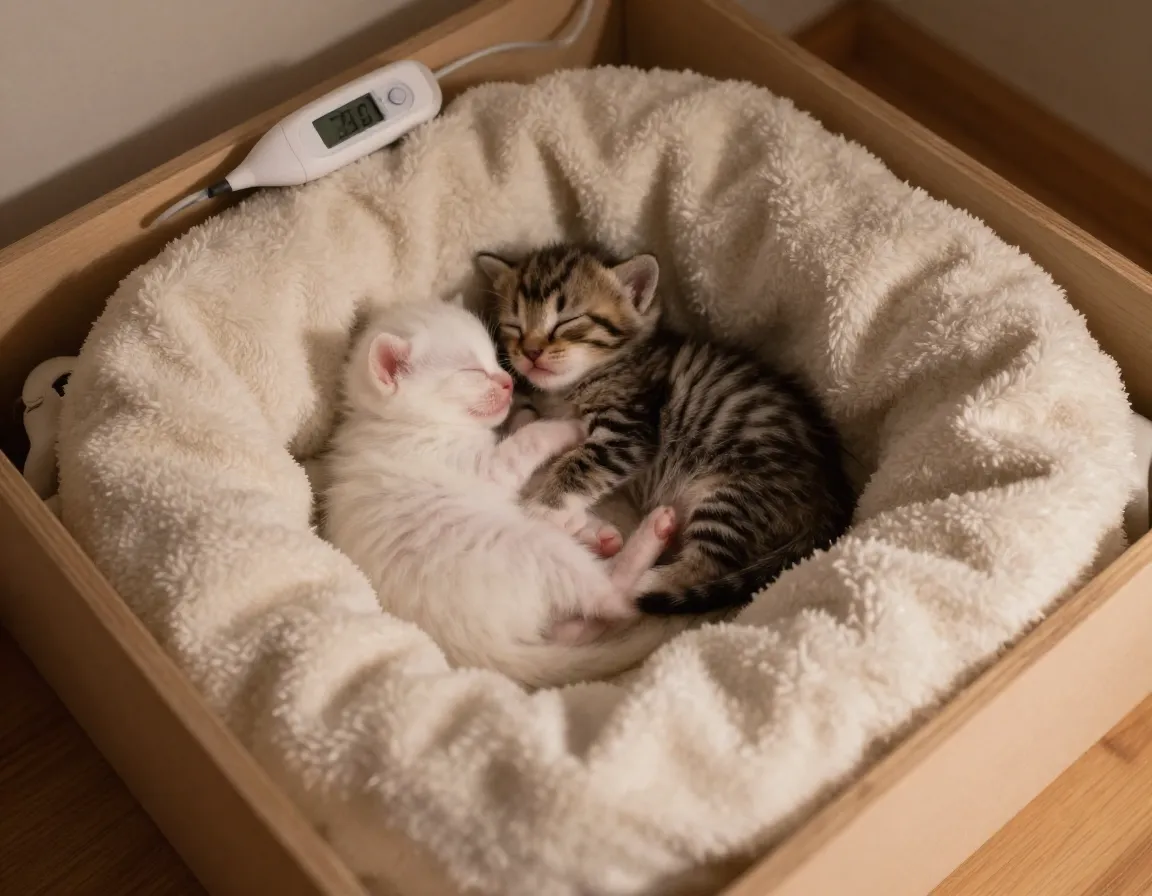
Temperature regulation is the most critical aspect of newborn kitten care during the first four weeks of life. Unlike adult cats, newborn kittens cannot self-regulate their body temperature and depend entirely on external heat sources for survival [4].
Essential Temperature Guidelines
For the first week of life, maintain a consistent temperature range of 29°C to 32°C (84°F to 90°F) [1]. This temperature range mimics the warmth they would receive from their mother’s body heat. As the kittens grow and develop, you can gradually reduce the temperature:
- Week 2: Lower to 26°C–30°C (79°F–86°F) [1]
- One month: Reduce to 24°C–26°C (75°F–79°F) [1]
Safe Heating Methods 🌡️
Never place heating pads or discs in direct contact with kittens [4]. Instead, position heating elements underneath blankets or towels to provide gentle, indirect warmth. This prevents overheating and burns while ensuring consistent temperature control.
Consider these heating options:
- Heating pads set on low temperature
- Heating discs designed for pets
- Warm (not hot) water bottles wrapped in towels
- Incubator-style setups for multiple kittens
Creating a Cozy Nesting Area
Establish a quiet, draft-free space with soft bedding that can be easily cleaned and replaced. Use materials like:
- Fleece blankets (easy to wash and quick-drying)
- Cotton towels (absorbent and comfortable)
- Washable pet beds (specifically designed for easy cleaning)
Monitor the temperature regularly with a reliable thermometer placed near the kittens’ sleeping area. Watch for signs of temperature distress: kittens that are too cold will huddle together and cry frequently, while overheated kittens will spread out and pant.
2. Perfect the Feeding Schedule: Nutrition for Optimal Growth
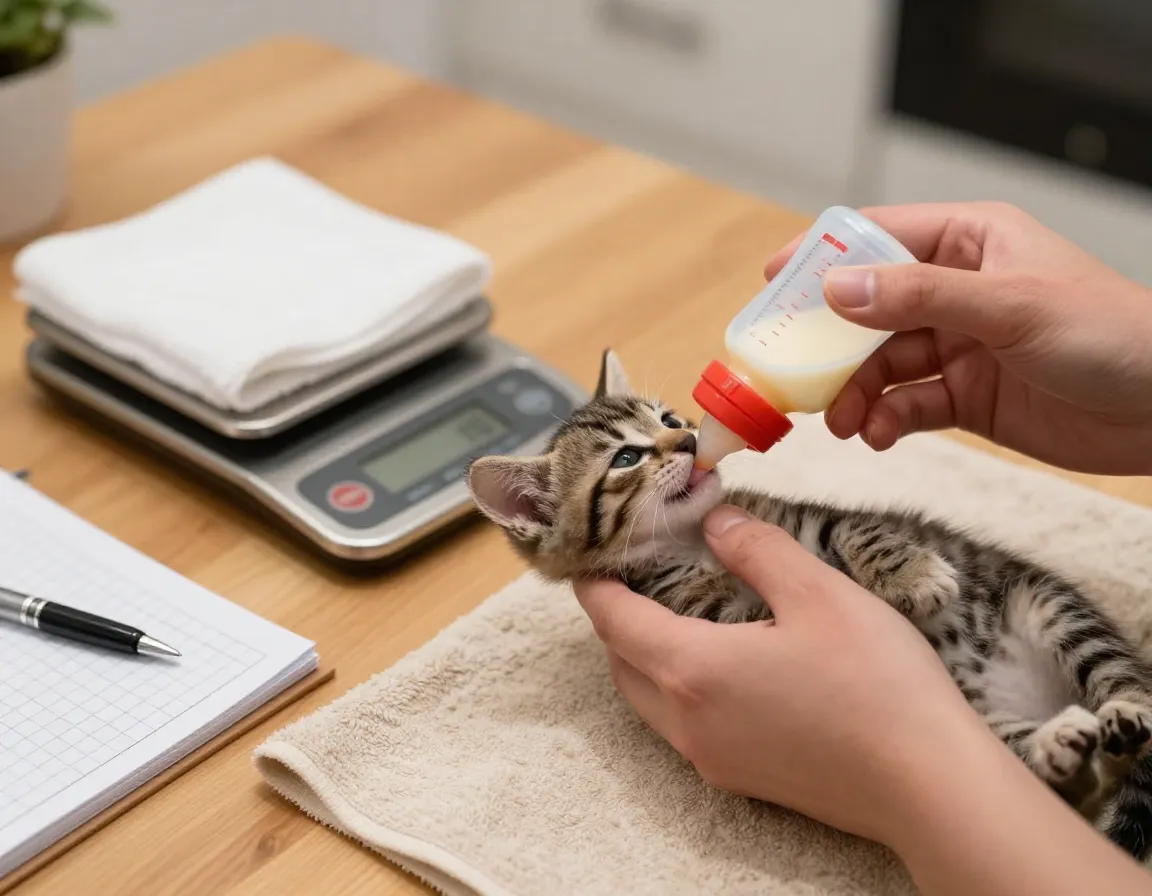
Feeding newborn kittens requires precision, consistency, and the right nutrition to support their rapid growth and development. The 7 vital steps for taking care of newborn kittens like a pro heavily emphasize proper feeding techniques as a cornerstone of successful kitten care.
Feeding Frequency and Timing
Newborn kittens require feeding every 2–3 hours, including overnight [1][2]. This frequent feeding schedule mimics natural nursing patterns and ensures kittens receive adequate nutrition for healthy development. During the first week, expect to feed kittens 8-10 times per 24-hour period.
Essential Feeding Guidelines
| Age | Feeding Frequency | Amount per Feeding |
|---|---|---|
| 0-1 week | Every 2-3 hours | 2-6 ml |
| 1-2 weeks | Every 2-3 hours | 6-10 ml |
| 2-3 weeks | Every 3-4 hours | 10-14 ml |
| 3-4 weeks | Every 4-6 hours | 14-18 ml |
Proper Feeding Technique 🍼
Use only kitten milk replacer (KMR) warmed to body temperature [1]. Never feed kittens cow’s milk or goat’s milk, as these can cause digestive upset and diarrhea. Always hold kittens belly-down while feeding; never feed them on their backs [1] to prevent aspiration pneumonia.
Steps for safe feeding:
- Warm the milk replacer to body temperature (test on your wrist)
- Position the kitten on its belly with head slightly elevated
- Insert the bottle nipple or syringe gently into the mouth
- Allow the kitten to suckle at its own pace
- Stop feeding when the kitten’s belly feels full but not distended
Signs of Proper Nutrition
Healthy, well-fed kittens will:
- Sleep peacefully between feedings
- Have firm, yellowish stools
- Show steady weight gain
- Appear alert and active when awake
- Have pink gums and warm body temperature
3. Monitor Weight and Growth: Tracking Development Like a Professional
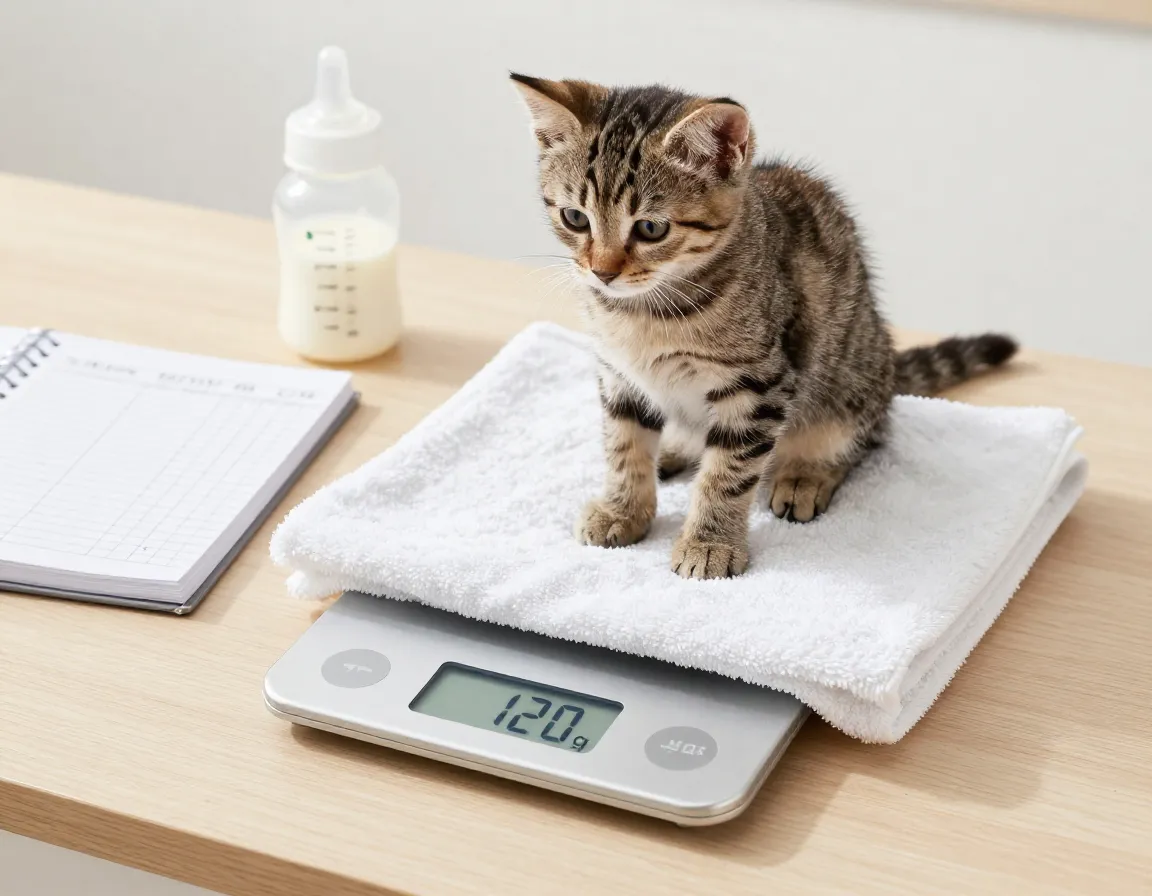
Daily weight monitoring is essential for ensuring kittens are thriving and developing properly. Professional breeders and veterinarians rely on consistent weight tracking to identify potential health issues early and adjust care accordingly.
Healthy Weight Gain Targets
Healthy kittens should gain 10–14 grams per day during their first weeks of life [1][3]. This steady weight gain indicates proper nutrition, adequate warmth, and overall good health. Daily weighing using a digital scale accurate to the gram provides the most reliable data for tracking progress.
Setting Up a Monitoring System
Create a simple tracking chart that includes:
- Daily weight measurements (same time each day)
- Feeding amounts and frequency
- Elimination patterns
- Behavioral observations
- Temperature readings
Warning Signs to Watch For 🚨
Contact a veterinarian immediately if you notice:
- Weight loss or failure to gain weight for more than 24 hours
- Lethargy or lack of response during feeding times
- Diarrhea or constipation lasting more than one day
- Difficulty breathing or unusual respiratory sounds
- Cold body temperature despite adequate heating
Growth Milestones by Week
Understanding normal development helps identify when kittens are progressing appropriately:
Week 1: Eyes and ears remain closed, weight doubles from birth weight
Week 2: Eyes begin to open, ears start to unfold, increased mobility
Week 3: Eyes fully open, beginning to walk unsteadily, teeth emerging
Week 4: Improved coordination, playing behavior begins, litter box training starts
Regular weight monitoring combined with observing these developmental milestones ensures you’re providing the level of care that defines the 7 vital steps for taking care of newborn kittens like a pro.
4. Stimulate Elimination: Essential Hygiene and Health Care
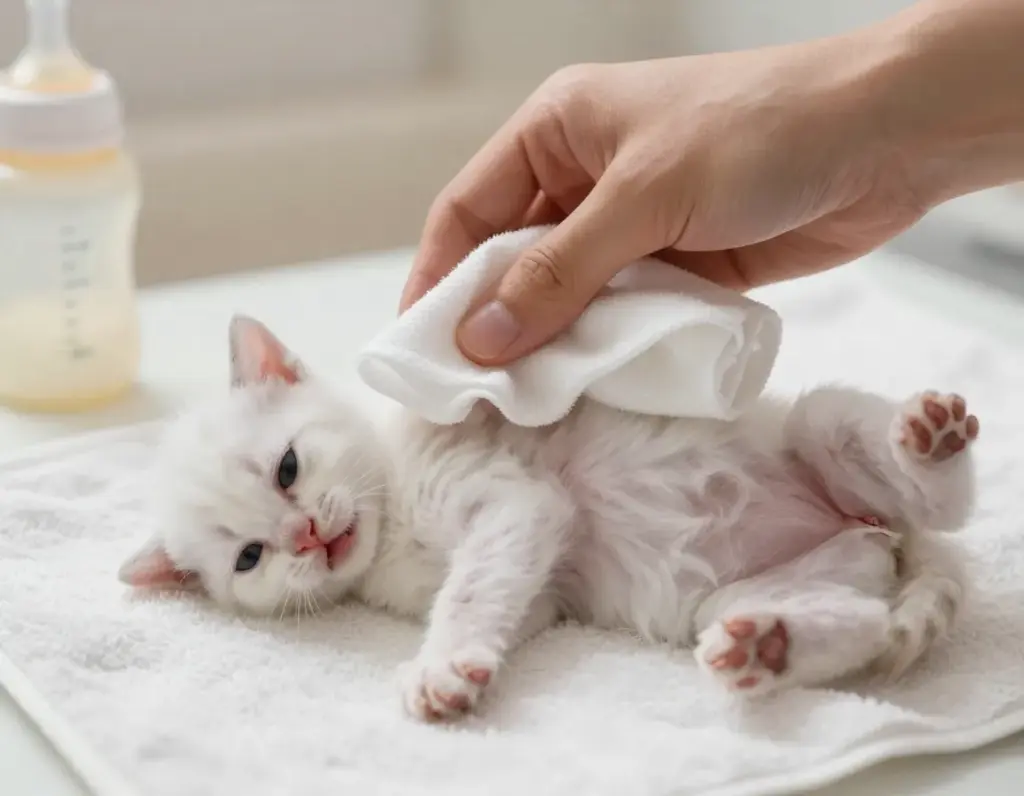
Newborn kittens cannot eliminate waste on their own for the first several weeks of life. In nature, mother cats stimulate elimination by licking their kittens’ genital and anal areas. When caring for orphaned or abandoned kittens, humans must replicate this essential function to prevent serious health complications.
Proper Stimulation Technique
Use a warm, damp cloth or cotton ball to gently stimulate the kitten’s genital and anal areas after each feeding. This process should be done carefully and consistently:
- Warm a soft cloth with lukewarm water (not hot)
- Gently stroke the genital area in a circular motion
- Stimulate the anal area with light, consistent pressure
- Continue until the kitten eliminates (may take 30-60 seconds)
- Clean the area thoroughly and keep it dry
Normal Elimination Patterns
Healthy kittens typically:
- Urinate after most feedings (light yellow color is normal)
- Defecate 1-2 times daily (soft, yellowish-brown consistency)
- Respond to stimulation within 30-60 seconds
- Show no signs of straining or discomfort
When to Seek Professional Help 🏥
Contact a veterinarian if you observe:
- No urination for 12+ hours despite regular stimulation
- No defecation for 24+ hours or signs of constipation
- Blood in urine or stool at any time
- Excessive straining during elimination attempts
- Swelling or irritation around genital or anal areas
Maintaining Cleanliness
Keep the kitten’s elimination area clean and dry to prevent:
- Urinary tract infections from bacteria buildup
- Skin irritation from prolonged moisture exposure
- Unpleasant odors that can indicate health issues
This elimination care continues until kittens are approximately 3-4 weeks old and begin using a litter box independently.
5. Introduce Solid Food Gradually: Transitioning from Milk to Meals
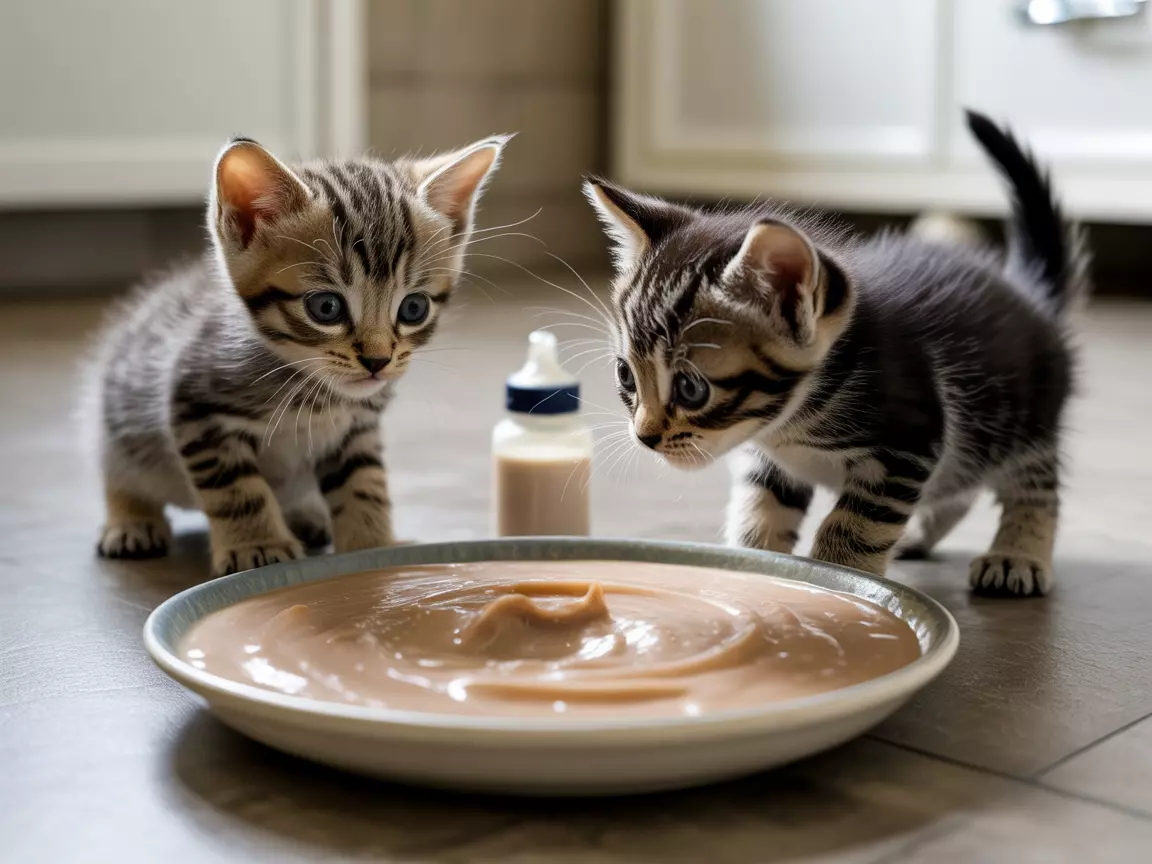
The transition from milk to solid food is a critical phase in kitten development that requires careful timing and gradual introduction. Understanding when and how to make this transition is fundamental to the 7 vital steps for taking care of newborn kittens like a pro.
Timeline for Food Transition
Weeks 3-5: Begin introducing soft gruel while continuing bottle feeding [1]. This dual approach ensures kittens receive adequate nutrition while learning to eat solid food.
Weeks 5-6: Shift to solid food with fresh water and high-quality wet kitten food [1]. Reduce bottle feeding frequency as kittens consume more solid food.
Weeks 6-8: Transition to full solid diet on a consistent schedule [1]. Eliminate bottle feeding entirely as kittens adapt to regular meal times.
Creating the Perfect Gruel 🥄
Start with a mixture of:
- High-quality wet kitten food (pâté consistency works best)
- Kitten milk replacer (same brand used for bottle feeding)
- Warm water (to achieve proper consistency)
Begin with a very liquid consistency (almost soup-like) and gradually thicken as kittens become more comfortable eating. The mixture should be:
- Warm (but not hot to the touch)
- Smooth (no large chunks that could cause choking)
- Nutritionally complete (using kitten-specific food)
Feeding Techniques for Success
- Offer food in shallow dishes to prevent kittens from climbing into the food
- Feed small amounts frequently (4-6 times daily initially)
- Allow exploration and mess as kittens learn to eat
- Provide fresh water in separate, shallow bowls
- Monitor individual progress as some kittens transition faster than others
Signs of Successful Transition
Kittens are ready for the next phase when they:
- Eagerly approach food dishes at meal times
- Consume adequate amounts to maintain weight gain
- Show decreased interest in bottle feeding
- Demonstrate proper chewing and swallowing behaviors
6. Establish Veterinary Care: Professional Health Management
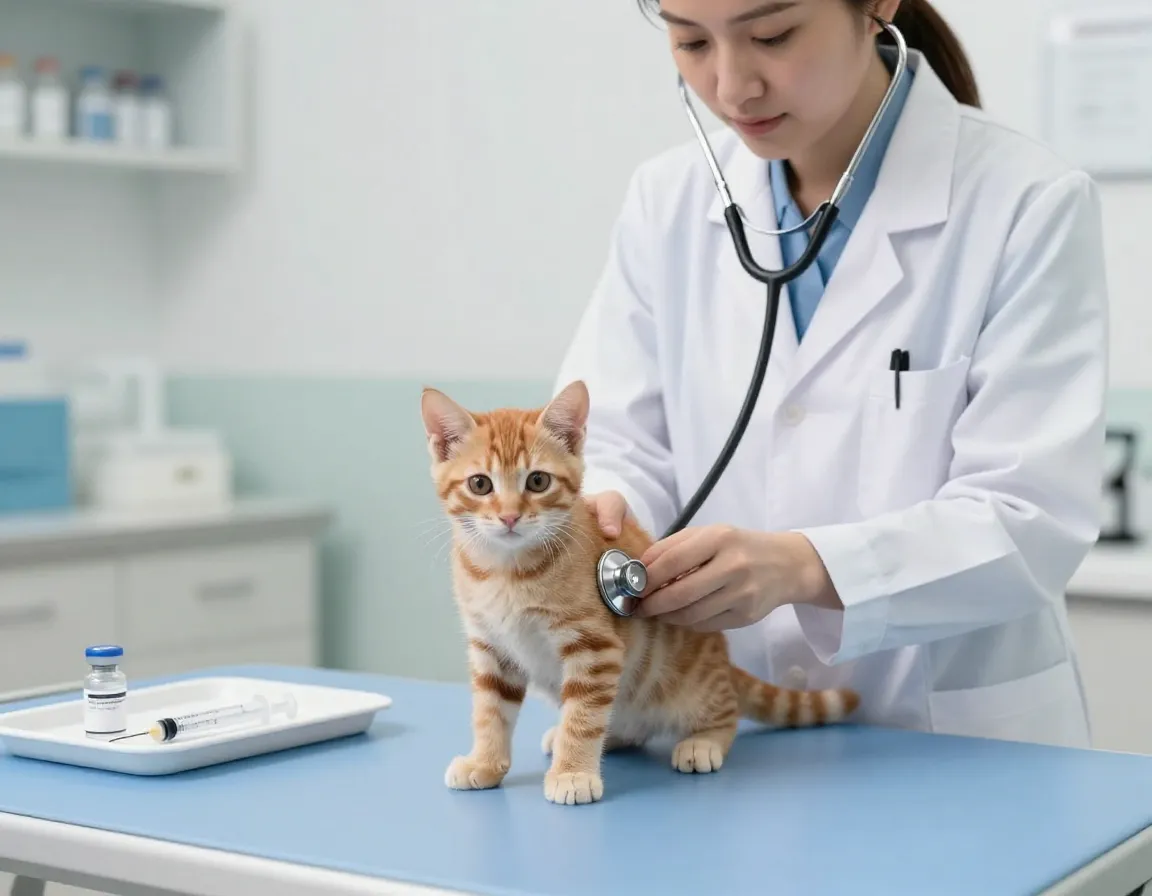
Professional veterinary care is non-negotiable when implementing the 7 vital steps for taking care of newborn kittens like a pro. Early veterinary intervention can prevent serious health issues and ensure kittens develop into healthy adult cats.
Essential Veterinary Timeline
First Veterinary Visit: Schedule at 6-8 weeks of age for comprehensive health assessment and initial vaccinations [1][9]. This visit establishes baseline health data and begins the vaccination protocol essential for long-term health.
First Deworming Treatment: Administer at 5-6 weeks of age [1]. Intestinal parasites are common in kittens and can significantly impact growth and development if left untreated.
Vaccination Protocol 💉
The FRCPV vaccine (Feline Rhinotracheitis, Calicivirus, Panleukopenia, and sometimes Chlamydia) should begin at 6-8 weeks [9]. This core vaccine protects against several serious feline diseases that can be fatal in young cats.
Typical vaccination schedule:
- 6-8 weeks: First FRCPV vaccine
- 10-12 weeks: Second FRCPV vaccine
- 14-16 weeks: Third FRCPV vaccine and rabies vaccine
- 1 year: Annual boosters as recommended
Health Monitoring Checklist
During veterinary visits, ensure the following are assessed:
- Overall body condition and weight progression
- Heart and lung function through physical examination
- Eye and ear health for signs of infection
- Dental development and oral health
- Parasite screening through fecal examination
- Nutritional assessment and feeding recommendations
Emergency Veterinary Situations 🚨
Seek immediate veterinary care for:
- Difficulty breathing or labored respiration
- Seizures or neurological symptoms of any kind
- Severe diarrhea lasting more than 24 hours
- Vomiting in kittens under 8 weeks old
- Lethargy combined with loss of appetite
- Eye discharge or signs of upper respiratory infection
Preventive Care Planning
Work with your veterinarian to establish:
- Spay/neuter scheduling (typically 4-6 months of age)
- Long-term vaccination protocols for continued protection
- Parasite prevention programs including flea and tick control
- Nutritional guidance for continued healthy growth
- Behavioral development support for proper socialization
7. Socialization and Environmental Enrichment: Building Confident, Well-Adjusted Cats
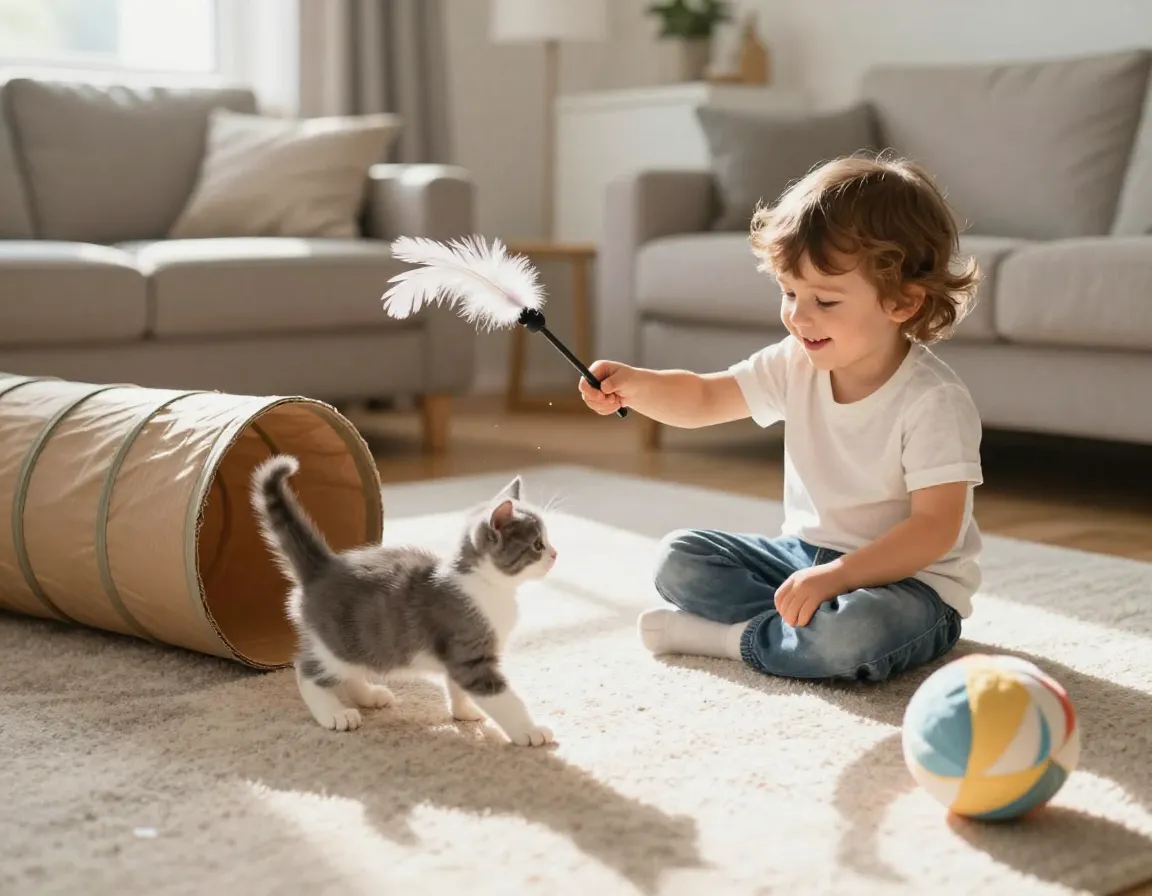
Proper socialization during the first 8 weeks is crucial for developing well-adjusted adult cats. This final step in the 7 vital steps for taking care of newborn kittens like a pro focuses on creating positive experiences that shape a kitten’s personality and behavior for life.
Critical Socialization Period
The socialization window occurs between 2-7 weeks of age and represents the most important time for exposing kittens to various stimuli. During this period, kittens are naturally more accepting of new experiences, making it the ideal time for positive exposure to:
- Different people (men, women, children)
- Household sounds (vacuum cleaners, televisions, music)
- Gentle handling of paws, ears, and mouth
- Various textures (different fabrics, surfaces)
- Other pets (when safe and appropriate)
Safe Handling Techniques 🤲
Proper handling builds trust and comfort with human interaction:
- Support the kitten’s body completely when lifting
- Move slowly and speak softly to avoid startling
- Allow the kitten to approach rather than forcing interaction
- Keep sessions short (5-10 minutes for very young kittens)
- End on positive notes with gentle petting or treats
Environmental Enrichment Activities
Create stimulating environments that encourage natural behaviors:
Week 3-4: Introduce safe toys like:
- Soft fabric balls (too large to swallow)
- Feather wands (supervised play only)
- Crinkly toys for auditory stimulation
Week 5-6: Add complexity with:
- Climbing structures (low, safe platforms)
- Hiding spots (cardboard boxes, tunnels)
- Interactive feeders (puzzle toys for meals)
Week 7-8: Expand experiences with:
- Outdoor sounds (played at low volume)
- Car ride simulations (short trips in carriers)
- Grooming practice (gentle brushing sessions)
Behavioral Development Milestones
Monitor progress through key behavioral indicators:
- 3-4 weeks: Beginning play behavior, response to toys
- 4-5 weeks: Social play with littermates, purring
- 5-6 weeks: Confident exploration, reduced fearfulness
- 6-7 weeks: Complex play behaviors, problem-solving
- 7-8 weeks: Independent confidence, ready for adoption
Building Positive Associations
Create lasting positive memories through:
- Consistent gentle handling during care routines
- Pleasant feeding experiences in quiet, safe spaces
- Reward-based interactions using soft voices and gentle touch
- Stress-free veterinary visits with familiar blankets and toys
- Gradual exposure to new experiences without overwhelming
This comprehensive socialization approach ensures kittens develop into confident, well-adjusted cats capable of thriving in various home environments.
Conclusion
Mastering the 7 vital steps for taking care of newborn kittens like a pro requires dedication, knowledge, and round-the-clock commitment, but the rewards are immeasurable. From maintaining critical temperature control and establishing proper feeding schedules to monitoring growth, ensuring elimination, transitioning to solid food, providing veterinary care, and facilitating proper socialization—each step plays a vital role in transforming helpless newborns into healthy, confident adult cats.
Success in newborn kitten care comes from consistency and attention to detail. Remember that temperature regulation and feeding frequency are non-negotiable during the first few weeks, while gradual transitions to solid food and early veterinary care set the foundation for long-term health. The socialization period represents your opportunity to shape these kittens into well-adjusted companions who will bring joy to their future families.
Your Next Steps:
- Prepare your kitten care station with all necessary supplies before you need them
- Establish relationships with local veterinarians who specialize in kitten care
- Create monitoring charts for tracking weight, feeding, and development
- Connect with local rescue organizations for additional support and resources
- Consider fostering opportunities to put your newfound expertise to work helping more kittens in need
Whether you’re caring for orphaned kittens or supporting a new mother cat, these professional techniques will help ensure the best possible outcomes for these precious lives. The time and effort invested during these critical first eight weeks will be reflected in the health, temperament, and quality of life these kittens enjoy throughout their entire lives.
Remember: when in doubt, always consult with veterinary professionals. No article can replace hands-on veterinary care, especially when dealing with the unique challenges of newborn kitten care in 2026.
References
[1] Caring For A Newborn Kitten Until They Are 8 Weeks Old Complete Kitten Care Nutrition And Growth Guide – https://vetic.in/blog/pet-care/caring-for-a-newborn-kitten-until-they-are-8-weeks-old-complete-kitten-care-nutrition-and-growth-guide/
[2] Kitten Care – https://www.valleywestvets.com/services/cats/kitten-care
[3] Neonatal Kitten Care – https://nehumanesociety.org/services/pet-tips-behavior-help-and-resources/neonatal-kitten-care/
[4] Neonatal Kitten Toolkit – https://bestfriends.org/network/resources-tools/neonatal-kitten-toolkit
[5] Caring For Kittens From Birth To Eight Weeks – https://sheltermedicine.wisc.edu/library/guidebooks/guide-to-raising-underage-kittens/caring-for-kittens-from-birth-to-eight-weeks
[6] Caring Young Kittens And Their Moms – https://www.animalhumanesociety.org/resource/caring-young-kittens-and-their-moms
[7] Neonatal Kittens – https://www.alleycat.org/community-cat-care/neonatal-kittens/
[8] How To Take Care Of A Kitten – https://www.shattovet.com/site/blog/2022/02/15/how-to-take-care-of-a-kitten
[9] Kitten – https://vcahospitals.com/pediatric/kitten
[10] Bringing Up A Litter Of Kittens Health Considerations – https://icatcare.org/articles/bringing-up-a-litter-of-kittens-health-considerations