7 Stunning Royal Python Morphs That Will Take Your Breath Away
Picture walking into a reptile expo and being stopped dead in your tracks by a snake so beautiful it looks like living art. The royal python, also known as the ball python, has captivated reptile enthusiasts worldwide with its incredible genetic variations. These 7 stunning royal python morphs that will take your breath away represent some of the most extraordinary examples of selective breeding in the reptile world, showcasing colors and patterns that seem almost too perfect to be real.
Key Takeaways
- Genetic diversity: Royal python morphs result from specific genetic mutations that create unique colors, patterns, and eye characteristics
- Investment potential: Rare morphs can range from hundreds to tens of thousands of dollars, making them valuable collectibles
- Breeding complexity: Many stunning morphs are created by combining multiple genetic traits through careful selective breeding
- Care requirements: Despite their exotic appearance, most morphs have the same basic care needs as normal ball pythons
- Market trends: New morphs continue to emerge each year, with 2026 bringing exciting developments in the breeding community
Understanding Royal Python Morphs: The Science Behind the Beauty
Royal pythons (Python regius) are native to West and Central Africa, where they display relatively uniform brown and tan coloration in the wild. However, genetic mutations occur naturally, creating variations in color, pattern, and other physical characteristics. Reptile breeders have capitalized on these mutations, selectively breeding snakes to enhance and combine different traits.
The term “morph” refers to any genetic variation that produces a visible change in the snake’s appearance. These variations can be:
- Simple recessive: Requiring two copies of the gene to express
- Dominant: Expressing with just one copy of the gene
- Co-dominant: Showing different expressions in single and double doses
- Incomplete dominant: Blending traits when combined with other genes
The Breeding Revolution 🐍
The royal python breeding industry has exploded over the past two decades. What started with a few basic morphs has evolved into a complex genetic puzzle with thousands of possible combinations. Professional breeders now work with genetic calculators to predict offspring outcomes and create increasingly spectacular morphs.
1. Blue-Eyed Leucistic: The Crown Jewel of Royal Python Morphs
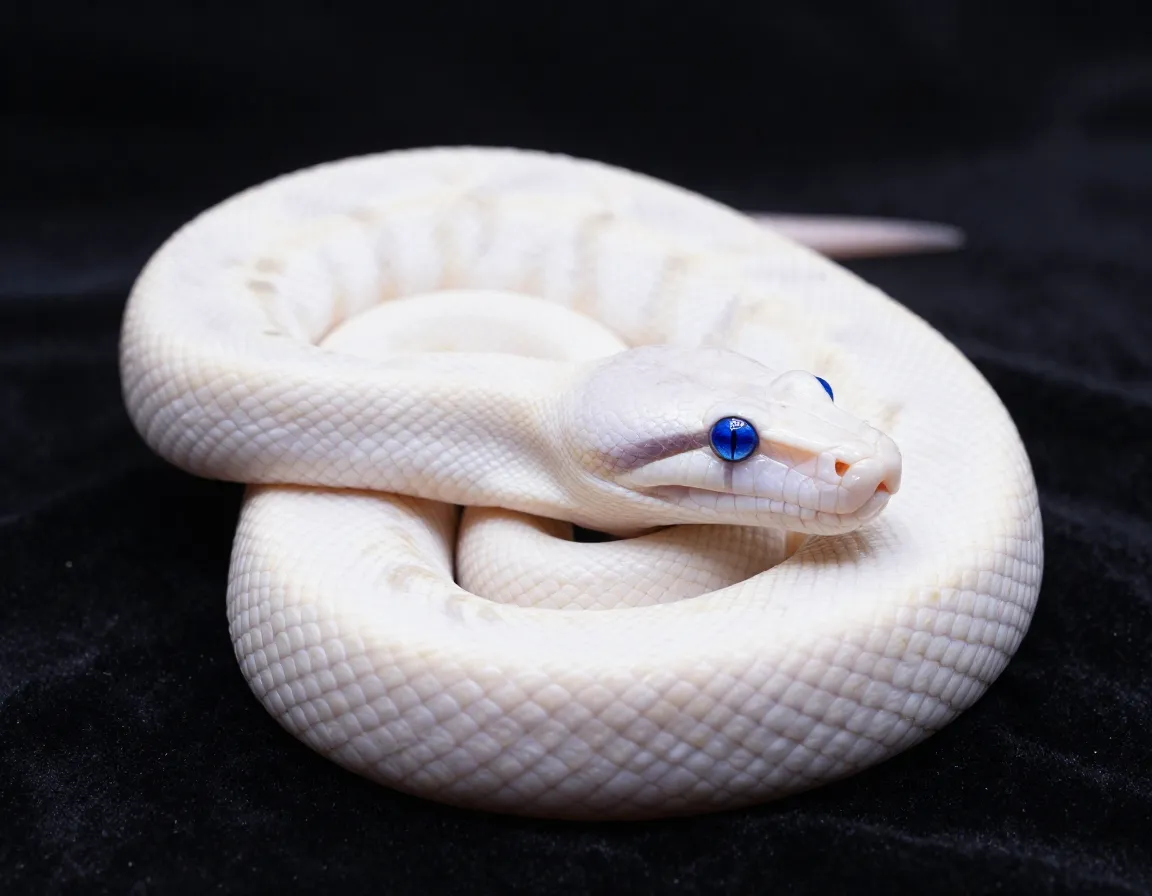
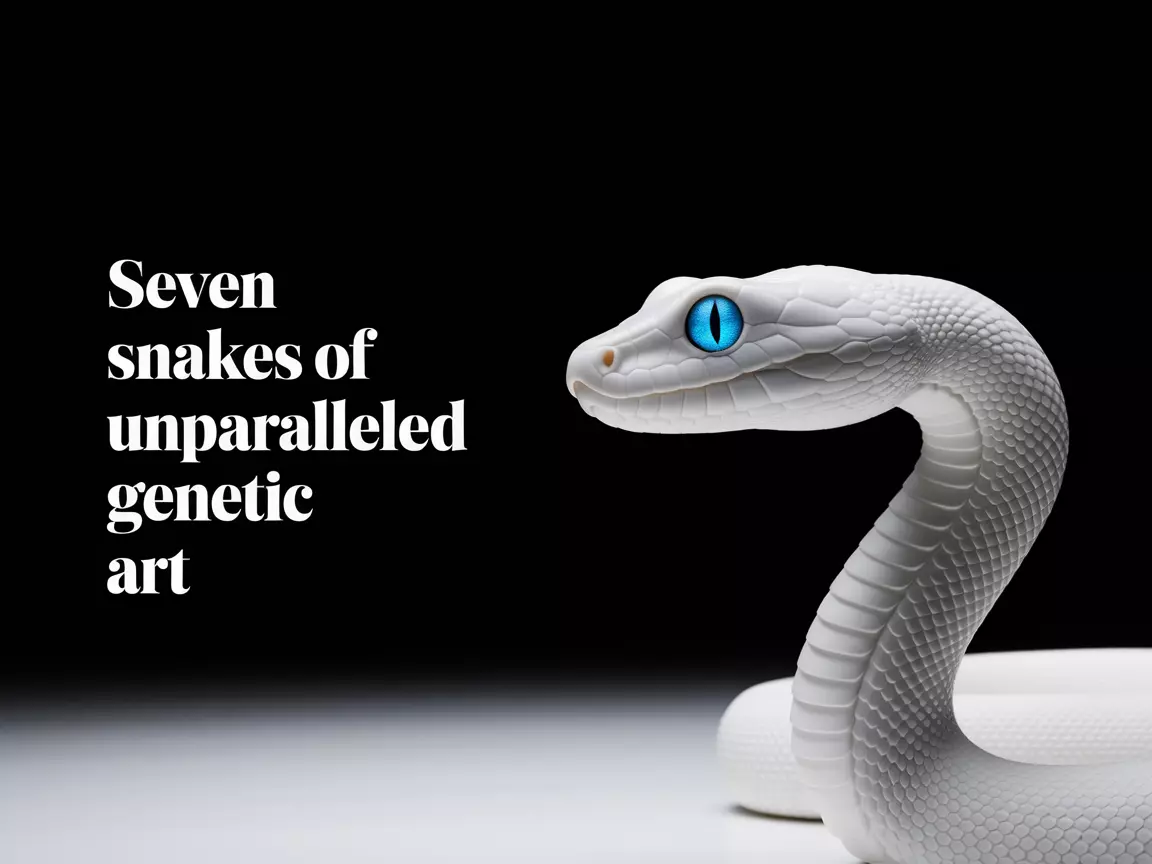
The Blue-Eyed Leucistic (BEL) stands as one of the most breathtaking morphs in the royal python world. This stunning snake appears completely white or cream-colored with piercing blue eyes that seem to glow with an otherworldly light.
Genetic Complexity
Creating a BEL requires combining specific genes, most commonly:
- Mojave + Lesser
- Mojave + Butter
- Mojave + Phantom
- Russo + Het Russo
The leucistic trait removes most pigmentation while preserving the eye color, creating a ghost-like appearance that’s both elegant and mysterious.
Market Value and Rarity
| Quality Level | Price Range | Characteristics |
|---|---|---|
| Pet Quality | $800-1,500 | Minor flaws, excellent pets |
| Breeder Quality | $1,500-3,000 | Clean genetics, breeding potential |
| Show Quality | $3,000-8,000 | Perfect examples, exhibition worthy |
Care Considerations
BEL morphs require the same care as normal ball pythons but may be more sensitive to bright lighting due to their reduced pigmentation. Providing adequate hiding spots and maintaining proper humidity levels (55-60%) becomes even more critical.
2. Piebald: Nature’s Artistic Masterpiece
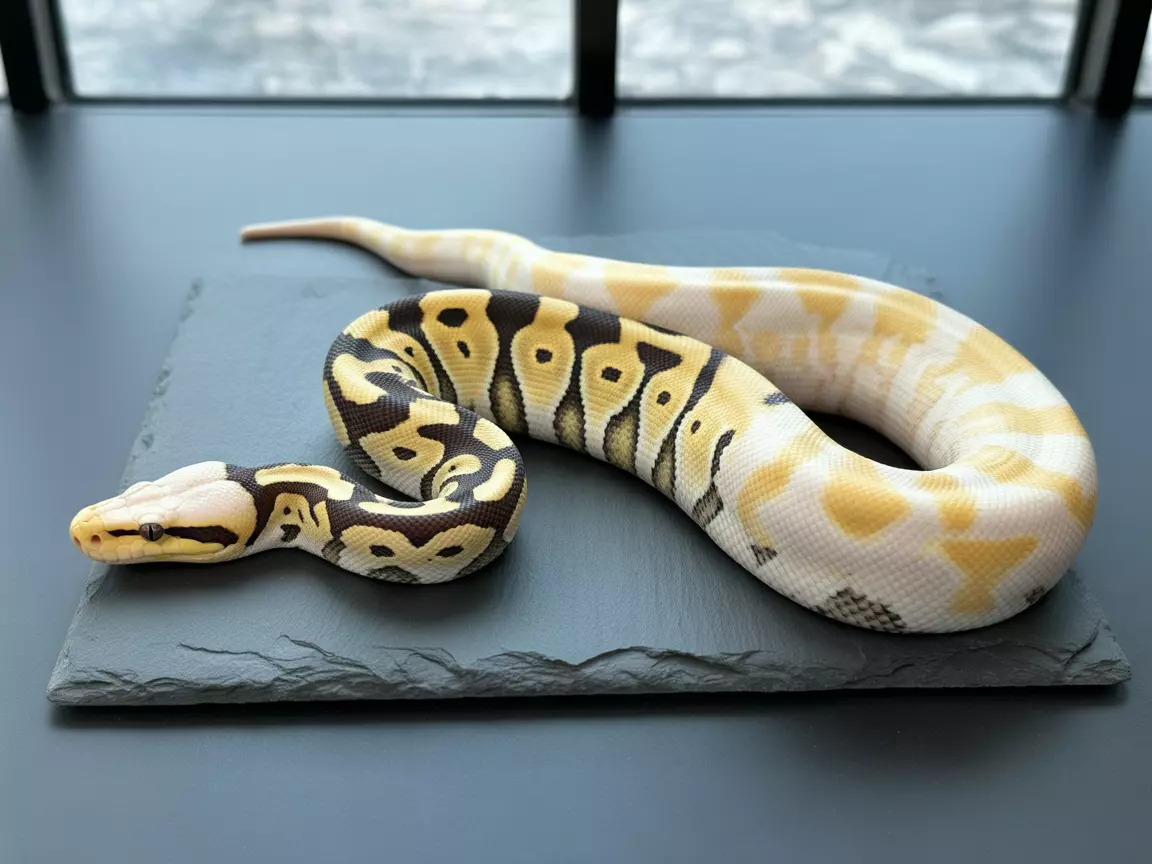
The Piebald morph creates one of the most visually striking patterns in the snake world. These pythons display irregular patches of normal coloration mixed with pure white areas, creating a unique “painted” appearance that’s never exactly the same between individuals.
Pattern Variations
Piebald patterns range from:
- High white: 70-90% white coverage
- Medium white: 40-70% white coverage
- Low white: 10-40% white coverage
- Ringers: White bands completely encircling the body
Breeding Genetics
Piebald is a simple recessive trait, meaning both parents must carry the gene to produce piebald offspring. The unpredictable nature of the white pattern makes each snake a unique work of art.
“No two piebalds are exactly alike – each one is a masterpiece painted by genetics.” – Professional Ball Python Breeder
Investment Potential
High-white piebalds with clean patterns command premium prices, especially those with:
- ✅ Symmetrical white patches
- ✅ Clean borders between colored and white areas
- ✅ Interesting pattern placement
- ✅ Vibrant normal coloration in pigmented areas
3. Sunset Ball Python: Living Fire
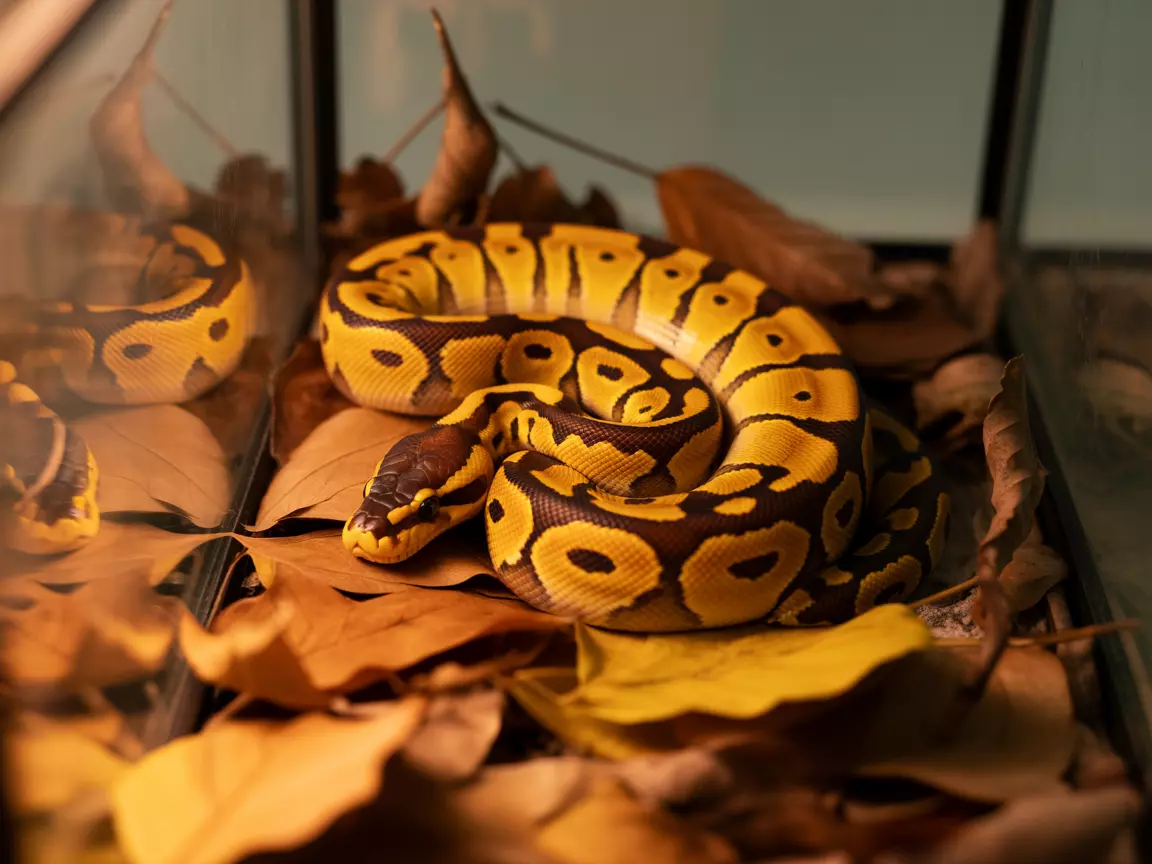
The Sunset morph creates one of the most vibrant color displays in royal pythons. These snakes showcase brilliant oranges, reds, and yellows that blend together like a perfect sunset, often intensifying with age.
Color Development
Sunset ball pythons typically display:
- Deep orange base colors
- Bright yellow highlights
- Reduced dark pigmentation
- Enhanced contrast between light and dark areas
The colors often become more intense as the snake matures, with some specimens developing almost flame-like appearances by their third or fourth year.
Genetic Background
The Sunset morph combines multiple genetic factors:
- Fire gene: Enhances orange and yellow pigmentation
- Pastel influence: Brightens overall coloration
- Selective breeding: For enhanced color intensity
Breeding Projects
Sunset morphs serve as excellent foundation animals for creating even more spectacular combinations:
- Sunset Piebald: Combining vibrant colors with white patches
- Sunset Clown: Adding unique pattern alterations
- Sunset Banana: Creating electric yellow-orange combinations
The Science Behind These Stunning Royal Python Morphs That Will Take Your Breath Away
Understanding the genetic mechanisms behind these incredible morphs helps appreciate their true complexity. Each visible trait results from specific genetic mutations that affect pigment production, distribution, or pattern formation.
Pigment Types in Royal Pythons
Royal pythons produce several types of pigments:
- Melanin: Creates black and brown colors
- Erythrins: Produce red and orange hues
- Xanthins: Generate yellow coloration
- Iridophores: Create iridescent effects
Different morphs affect these pigment systems in various ways, creating the stunning visual diversity we see today.
4. Banana Pied: Sunshine Meets Artistry
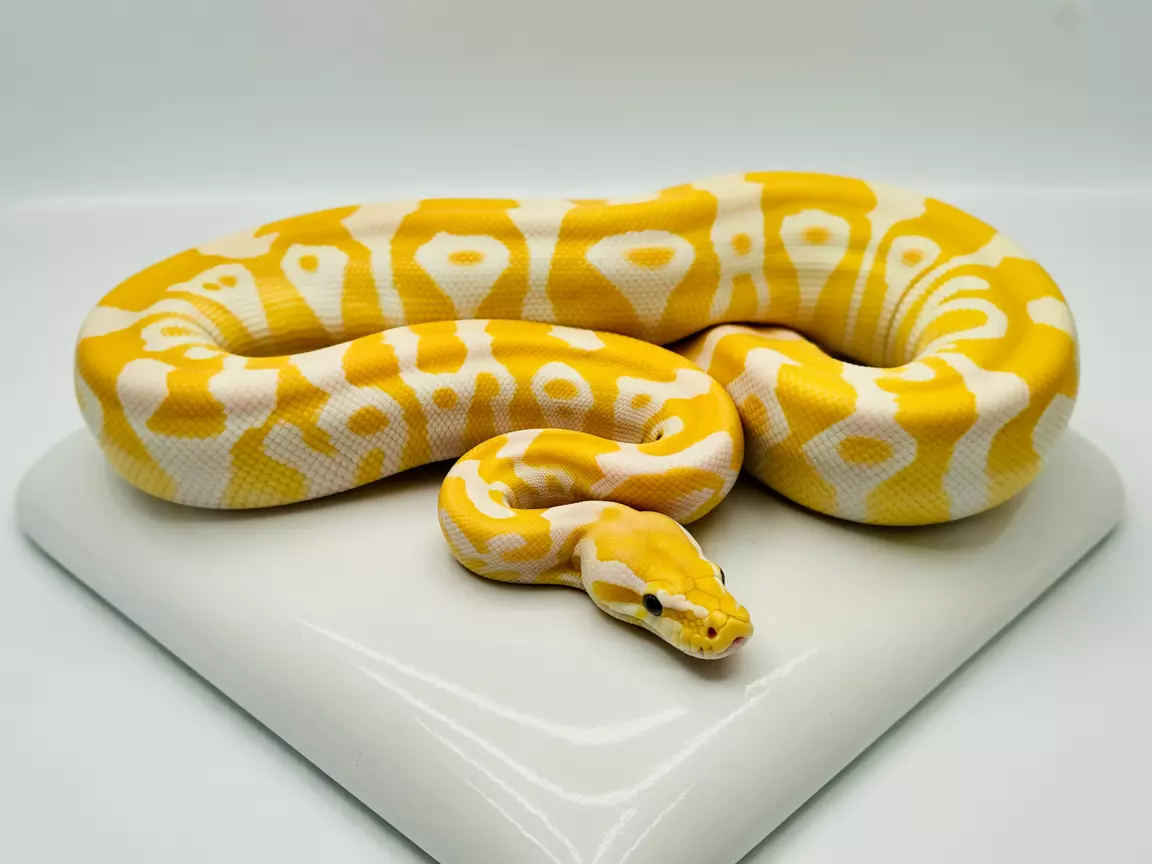
The Banana Pied combination creates one of the most eye-catching morphs by combining the bright yellow coloration of the Banana gene with the artistic white patches of the Piebald trait. This combination produces snakes that look like they’ve been painted with sunshine and clouds.
Visual Characteristics
Banana Pied pythons display:
- Brilliant yellow base coloration
- Irregular white patches
- Reduced dark pigmentation
- High contrast between colored and white areas
The yellow coloration tends to be more intense than in regular Banana morphs, creating an almost electric appearance against the pure white patches.
Breeding Complexity
Creating Banana Pieds requires:
- One parent carrying Piebald (recessive)
- One parent carrying Banana (co-dominant)
- Careful selection for desired traits
The combination is challenging to produce, making high-quality specimens particularly valuable.
Market Trends in 2026
The demand for Banana Pieds continues to grow in 2026, with collectors seeking:
- High white percentages (60%+)
- Intense yellow coloration
- Interesting pattern placement
- Clean genetic backgrounds
5. Champagne: Subtle Elegance Redefined
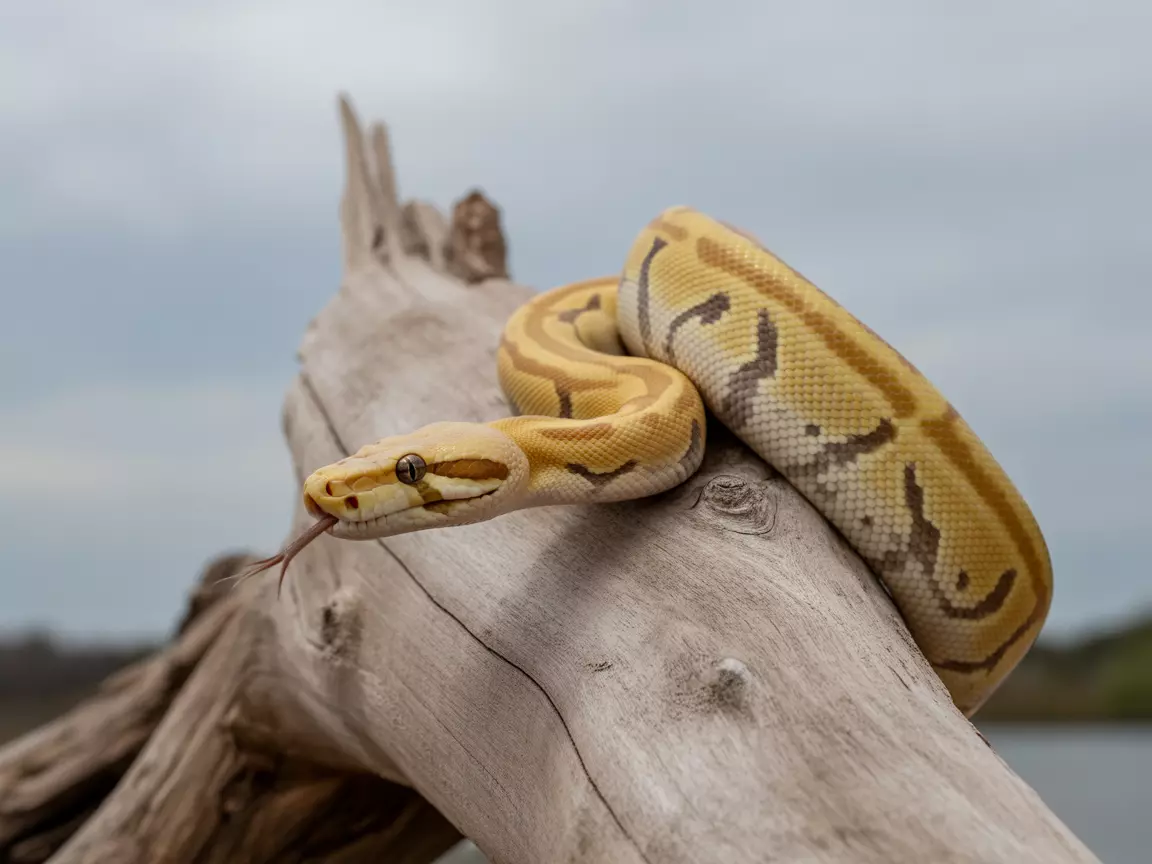
The Champagne morph represents understated beauty in the royal python world. While not as dramatically colored as some morphs, Champagne pythons display a refined elegance with their golden-tan base colors and reduced pattern contrast.
Unique Characteristics
Champagne morphs feature:
- Warm golden-tan base colors
- Reduced pattern contrast
- Subtle color variations
- Clean, refined appearance
Genetic Properties
Champagne is an incomplete dominant trait, meaning:
- Single gene (heterozygous): Produces the classic Champagne appearance
- Double gene (super form): Creates the Super Champagne with even more dramatic color reduction
Breeding Applications
Champagne serves as an excellent foundation morph for complex projects:
- Champagne Piebald: Elegant golden colors with white patches
- Champagne Pastel: Enhanced brightness and contrast
- Champagne Clown: Unique pattern modifications
6. Fire Morph: Intensity Unleashed
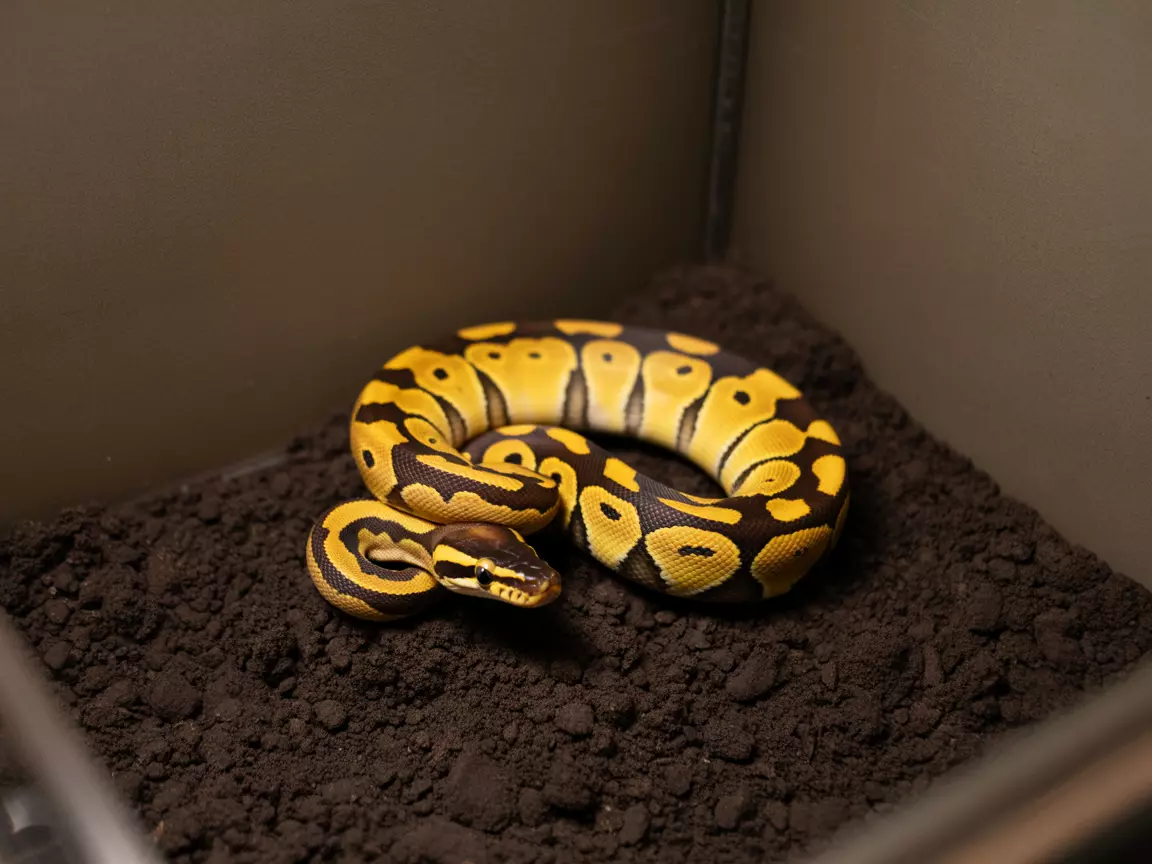
The Fire morph creates some of the most intensely colored royal pythons available. These snakes display rich, saturated colors with enhanced orange and yellow pigmentation that seems to glow from within.
Color Intensity
Fire morphs showcase:
- Deep, rich base colors
- Enhanced orange pigmentation
- Increased color saturation
- Improved contrast between light and dark areas
Genetic Behavior
Fire is a dominant trait, making it relatively easy to reproduce:
- 50% of offspring will be Fire when bred to normal
- 100% of offspring will be Fire when bred to another Fire
- Creates exciting combinations with other morphs
Popular Combinations
Fire morphs excel in combination breeding:
| Combination | Result | Market Appeal |
|---|---|---|
| Fire + Piebald | Intense colors with white patches | Very High |
| Fire + Pastel | Super-enhanced brightness | High |
| Fire + Clown | Colorful pattern modifications | High |
| Fire + Banana | Electric yellow-orange blend | Very High |
7. Albino: The Classic Beauty
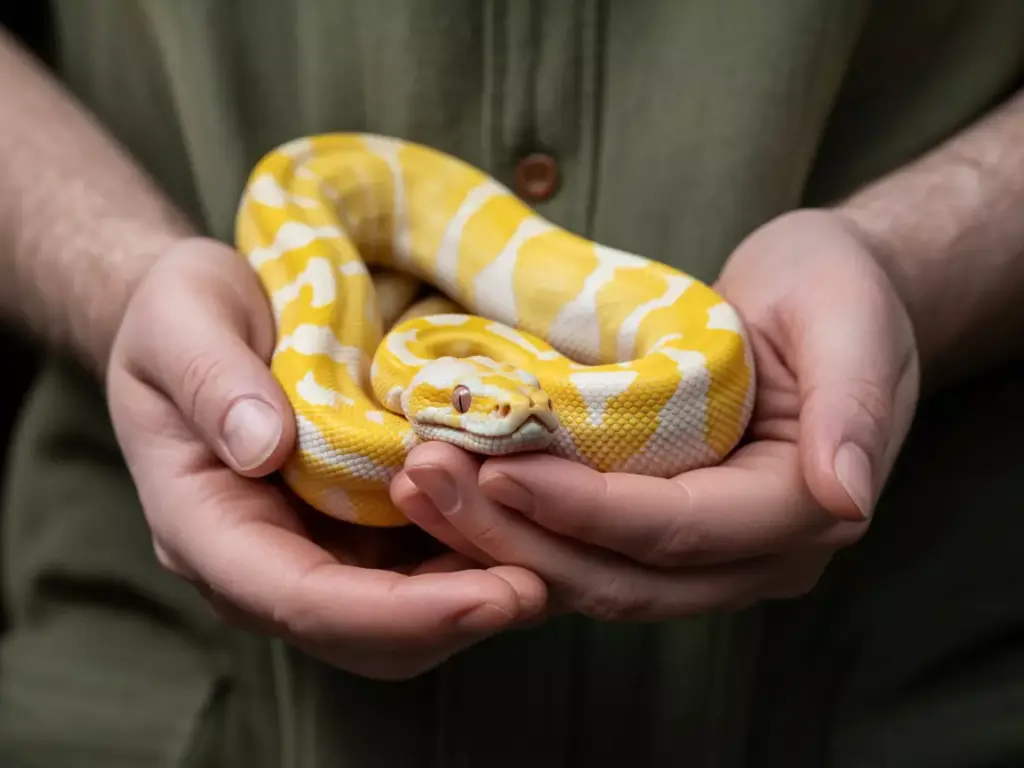
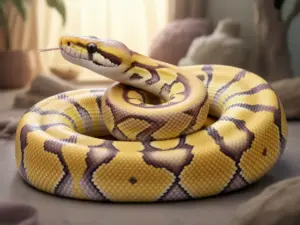
The Albino morph represents one of the original and most recognizable royal python mutations. These snakes completely lack melanin (black pigment), resulting in bright yellow and white coloration with distinctive red or pink eyes.
Classic Appeal
Albino pythons display:
- Bright yellow and white patterns
- Complete absence of dark pigmentation
- Red or pink eyes
- High contrast pattern definition
Historical Significance
Albinos were among the first morphs to capture public attention in the 1990s, helping launch the modern ball python breeding industry. Their dramatic appearance and relatively simple genetics made them accessible to early breeders.
Modern Applications
While no longer rare, Albinos remain valuable for:
- Educational purposes: Demonstrating basic genetics
- Combination breeding: Creating complex morphs
- Pet trade: Affordable exotic appearance
- Breeding projects: Foundation for advanced morphs
Albino Combinations
Modern breeders use Albinos to create spectacular combinations:
- Albino Piebald: Yellow and white with pure white patches
- Albino Clown: Modified patterns with bright coloration
- Albino Pastel: Enhanced brightness and color intensity
Caring for These Magnificent Morphs
Regardless of their stunning appearance, these royal python morphs require the same basic care as their normal counterparts. However, some special considerations apply to certain morphs.
Universal Care Requirements
All royal pythons need:
- Temperature gradient: 78-80°F cool side, 88-92°F warm side
- Humidity levels: 55-60% relative humidity
- Secure hiding spots: One on each side of the enclosure
- Appropriate substrate: Avoiding overly moist materials
- Regular feeding schedule: Appropriately sized prey every 1-2 weeks
Morph-Specific Considerations
Leucistic and Albino morphs may require:
- Reduced lighting intensity
- Extra hiding opportunities
- Protection from direct sunlight
High-white Piebalds might need:
- Slightly higher humidity during shedding
- Extra attention to shed completion
- Careful monitoring of white areas for retained shed
Health Monitoring
Premium morphs deserve premium care:
- Regular weight monitoring
- Annual veterinary checkups
- Quarantine protocols for new additions
- Proper record keeping for breeding animals
Investment Considerations for Royal Python Morphs
The royal python morph market represents a significant investment opportunity for serious collectors and breeders. Understanding market dynamics helps make informed purchasing decisions.
Factors Affecting Value
Several factors influence morph pricing:
Genetic Rarity
- Newer combinations command higher prices
- Proven breeding animals hold value better
- Genetic purity affects long-term worth
Visual Quality
- Pattern placement and intensity
- Color saturation and clarity
- Overall animal condition and size
Market Trends
- Seasonal demand fluctuations
- Breeding season timing
- Show and expo influence
Investment Strategies
Successful morph investing requires:
- Research into genetic backgrounds
- Understanding of breeding timelines
- Knowledge of market preferences
- Long-term commitment to proper care
The Future of Royal Python Morphs
The royal python breeding community continues to push boundaries, creating new combinations that seemed impossible just years ago. 2026 has already seen remarkable developments in genetic understanding and breeding techniques.
Emerging Trends
Current developments include:
- Multi-gene combinations: Incorporating 5+ different traits
- Pattern modifications: New ways to alter natural patterns
- Color enhancements: Intensifying existing pigmentation
- Eye variations: Different eye colors and patterns
Technology Integration
Modern breeding utilizes advanced tools:
- Genetic testing for hidden traits
- Digital record keeping systems
- Online breeding calculators
- Virtual reality visualization tools
Conservation Awareness
Responsible breeding practices emphasize:
- Genetic diversity preservation
- Health testing protocols
- Ethical breeding standards
- Wild population conservation support
Conclusion
These 7 stunning royal python morphs that will take your breath away represent the pinnacle of selective breeding achievement in the reptile world. From the ethereal beauty of the Blue-Eyed Leucistic to the artistic patterns of the Piebald, each morph tells a story of genetic complexity and breeding expertise.
The royal python morph industry continues evolving, with new combinations and discoveries emerging regularly. Whether approaching these magnificent animals as pets, breeding projects, or investment opportunities, their beauty and genetic complexity offer endless fascination.
Next Steps for Aspiring Morph Enthusiasts
Ready to explore the world of royal python morphs?
- Research extensively: Study genetics, care requirements, and market trends
- Connect with breeders: Attend reptile shows and join online communities
- Start with proven morphs: Begin with established genetics before exploring rare combinations
- Invest in proper setup: Quality enclosures and equipment ensure animal welfare
- Plan for the long term: Royal pythons live 20-30 years and require consistent care
The world of royal python morphs offers incredible rewards for those willing to invest the time, effort, and resources necessary to succeed. These living works of art continue to amaze and inspire, proving that nature’s genetic artistry knows no bounds.