7 Steps to Showcase Your Ball Python Ivory’s Pristine White Scales
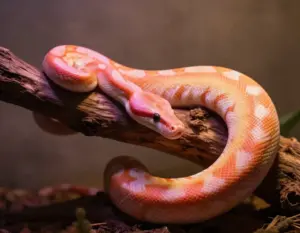
The ivory ball python morph stands as one of the most breathtaking examples of selective breeding in the reptile world, with its luminous white scales creating an almost ethereal appearance that captivates enthusiasts and newcomers alike. These magnificent serpents represent years of careful genetic work, and their pristine coloration demands special attention to truly highlight their natural beauty. Understanding the 7 Steps to Showcase Your Ball Python Ivory’s Pristine White Scales becomes essential for any keeper who wants to maintain and display these remarkable animals at their absolute best.

Key Takeaways
- Proper husbandry practices are fundamental to maintaining the pristine white appearance of ivory ball python scales
- Strategic lighting and photography techniques can dramatically enhance the visual impact of your ivory’s natural coloration
- Regular maintenance routines including appropriate cleaning and substrate management preserve scale quality
- Environmental factors like humidity, temperature, and enclosure setup directly affect scale health and appearance
- Documentation and presentation methods help capture and share the true beauty of your ivory ball python’s unique characteristics
Understanding the Foundation: Proper Care for Pristine Scales
1. Establishing Optimal Environmental Conditions
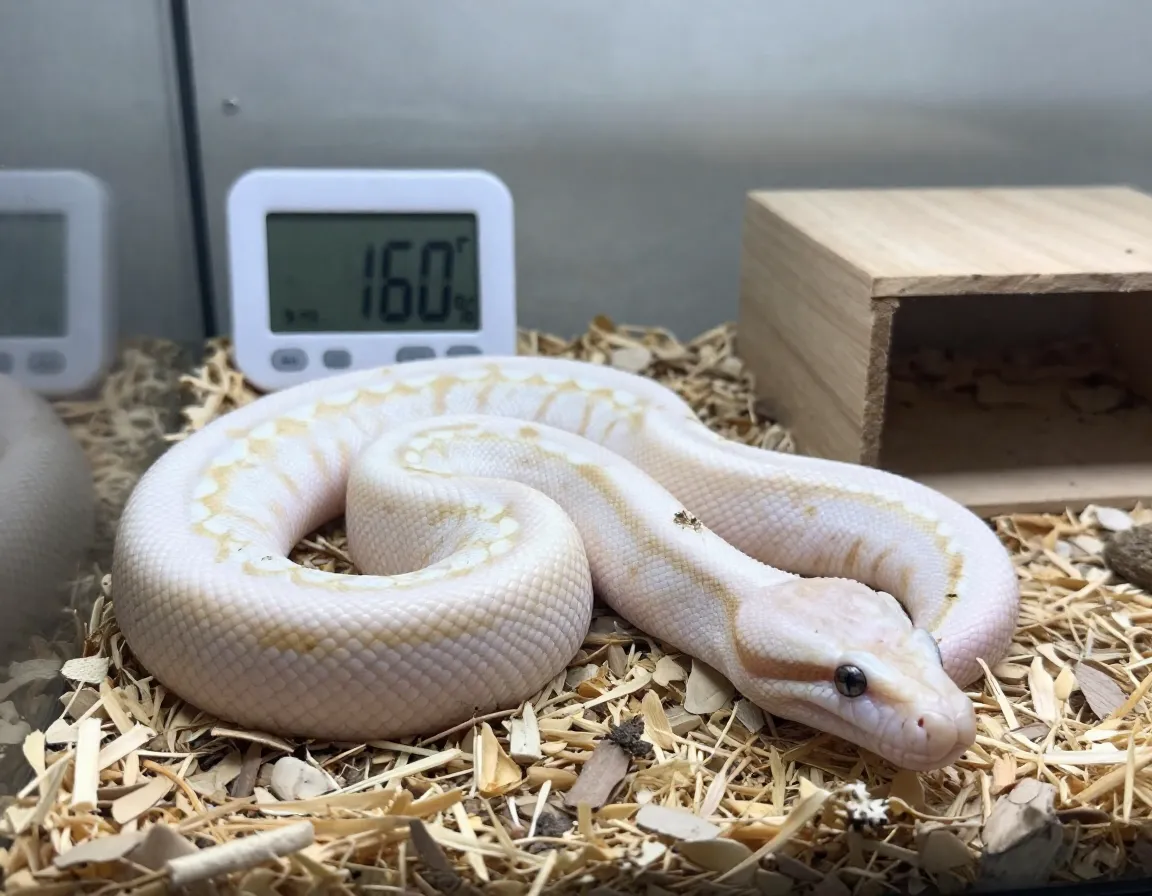
The first step in the 7 Steps to Showcase Your Ball Python Ivory’s Pristine White Scales begins with creating the perfect environment. Ivory ball pythons require specific conditions to maintain their stunning white coloration and overall scale health.
Temperature requirements form the cornerstone of proper ivory ball python care:
- Hot side: 88-92°F (31-33°C)
- Cool side: 78-80°F (26-27°C)
- Nighttime drop: 75-78°F (24-26°C)
Maintaining these temperatures ensures proper digestion, shedding cycles, and overall health that directly impacts scale appearance.
Humidity levels play a crucial role in scale condition:
- General humidity: 50-60%
- Shedding period: 70-80%
- Post-shed maintenance: Return to 55-65%
“The pristine white scales of an ivory ball python are like a canvas – environmental conditions determine whether that canvas remains flawless or becomes compromised.” – Professional Reptile Breeder
Substrate selection impacts both cleanliness and scale health:
- Cypress mulch: Excellent moisture retention, natural appearance
- Aspen shavings: Easy to clean, low dust content
- Paper towels: Sterile option for quarantine or medical monitoring
- Avoid: Cedar, pine, or dusty substrates that can irritate scales
2. Implementing Strategic Lighting Solutions
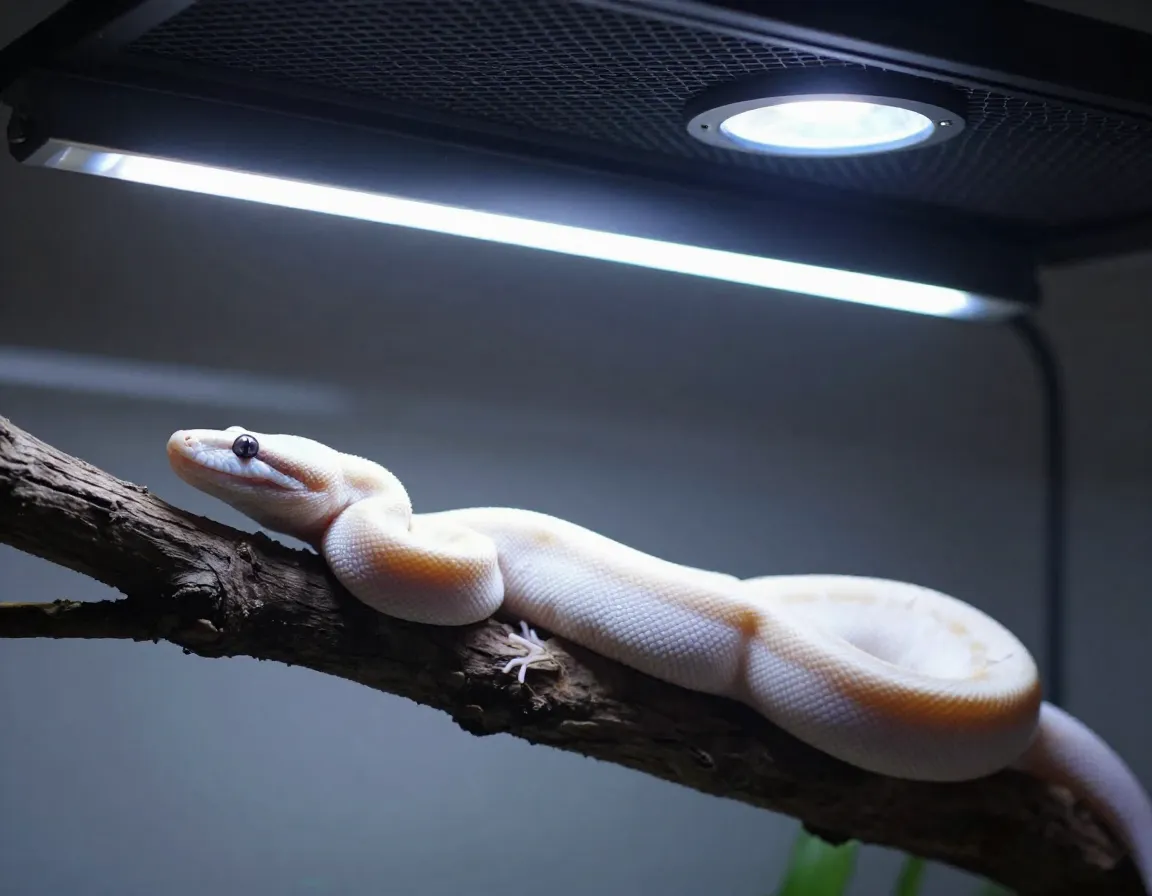
The second crucial step involves lighting design that enhances the natural beauty of ivory scales while supporting healthy circadian rhythms.
Primary lighting considerations:
- LED strip lights: Energy-efficient, low heat output
- Full-spectrum bulbs: Support natural behaviors
- Dimmer controls: Allow for day/night cycles
- UV lighting: Optional but beneficial for overall health
Positioning strategies maximize visual impact:
- Top-mounted fixtures: Create even illumination across the enclosure
- Side lighting: Adds depth and highlights scale texture
- Background lighting: Creates dramatic silhouettes
- Avoid harsh shadows: Use multiple light sources for even coverage
Color temperature selection:
- Daylight (5000-6500K): Enhances white coloration naturally
- Warm white (3000-4000K): Creates cozy, natural ambiance
- Cool white (6500K+): Makes ivory scales appear more luminous
Advanced Techniques for Scale Enhancement
3. Mastering the Art of Gentle Handling
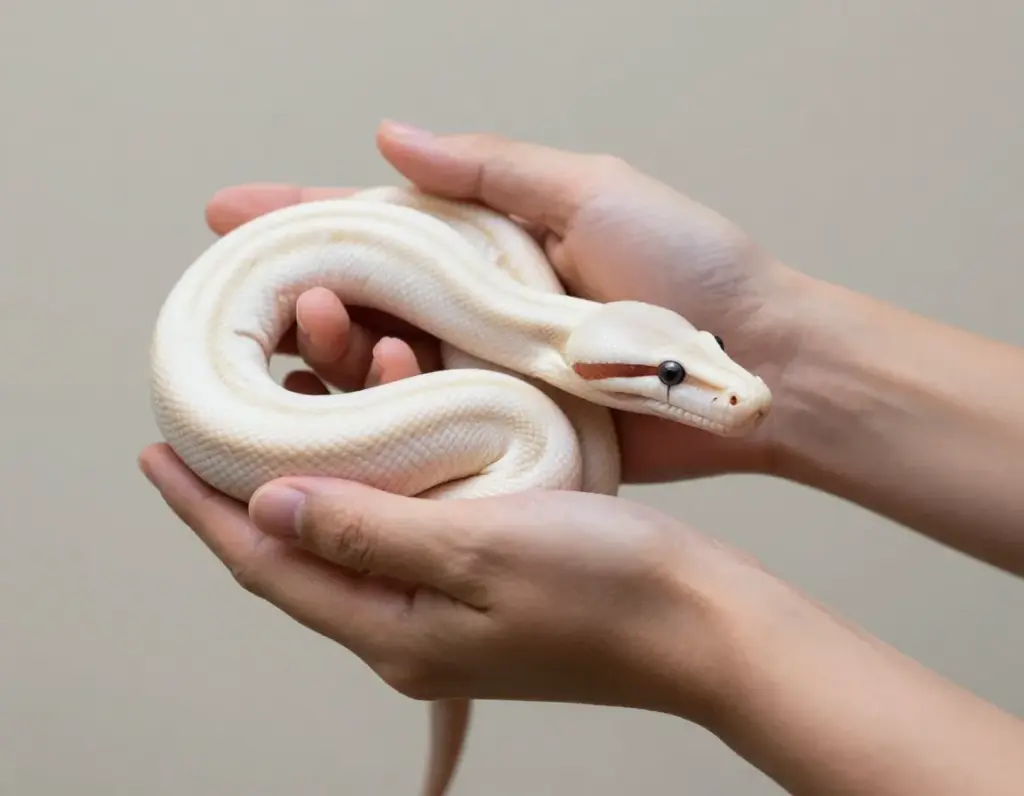
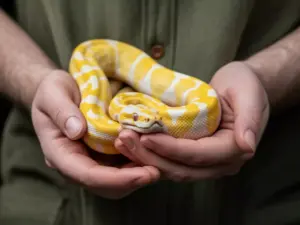
The third step in the 7 Steps to Showcase Your Ball Python Ivory’s Pristine White Scales focuses on proper handling techniques that preserve scale integrity while allowing for close examination and photography.
Pre-handling preparation:
- Clean hands thoroughly with unscented soap
- Remove jewelry that might catch on scales
- Ensure calm environment with minimal disturbances
- Check snake’s mood – avoid handling during feeding or shedding
Handling best practices:
- Support the body at multiple points
- Move slowly and deliberately to reduce stress
- Avoid gripping tightly – let the snake move naturally
- Limit session duration to 10-15 minutes maximum
Post-handling care:
- Allow settling time before returning to enclosure
- Monitor for stress signs in following days
- Maintain consistent schedule to build trust
- Document any scale damage for future reference
4. Perfecting Photography and Documentation
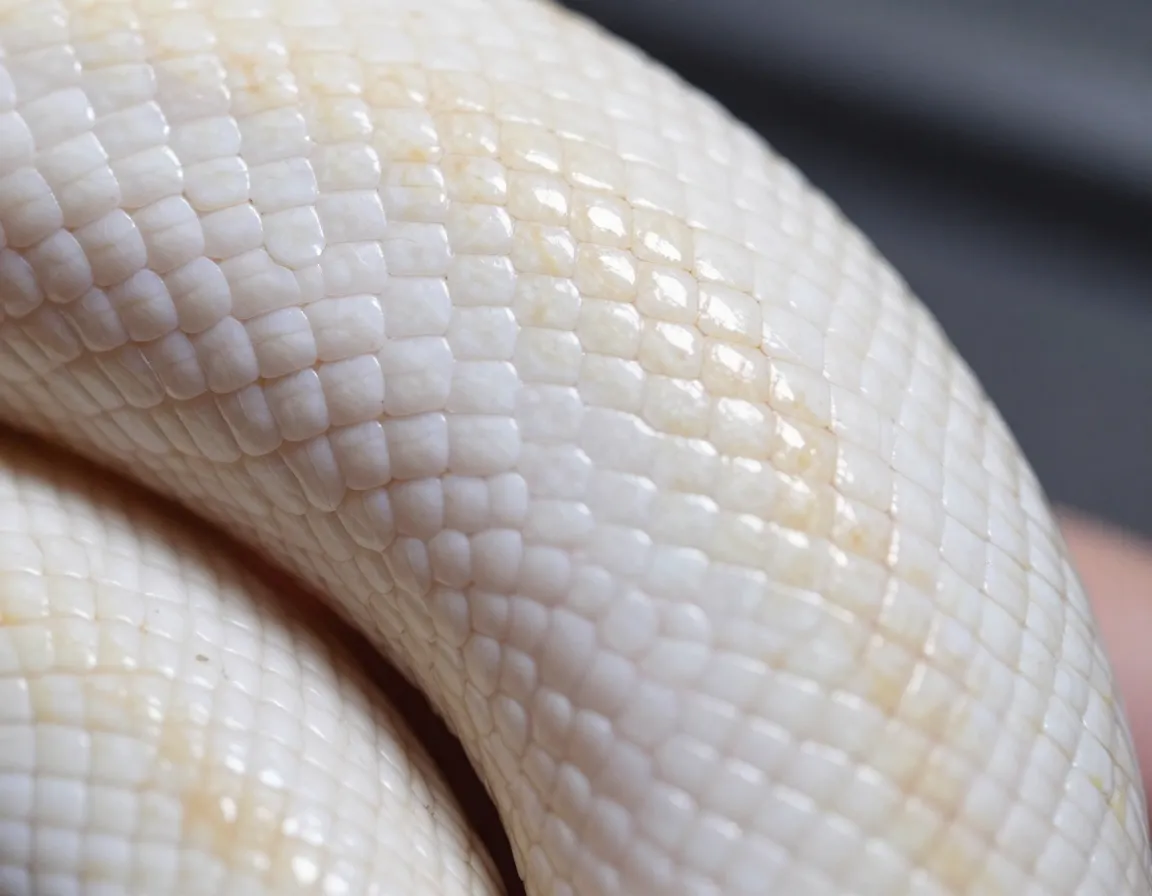
Professional-quality photography techniques represent the fourth essential step for showcasing ivory ball python beauty.
Camera equipment recommendations:
| Equipment Type | Budget Option | Professional Option | Key Features |
|---|---|---|---|
| Camera Body | Smartphone with macro lens | DSLR/Mirrorless | High resolution, manual controls |
| Lens | Clip-on macro | 100mm macro lens | Close focusing, sharp detail |
| Lighting | LED panel | Ring flash system | Even illumination, no harsh shadows |
| Tripod | Basic smartphone tripod | Professional tripod | Stability, precise positioning |
Photography settings for ivory scales:
- ISO: Keep low (100-400) to minimize noise
- Aperture: f/8-f/11 for optimal sharpness
- Shutter speed: Fast enough to prevent motion blur
- Focus: Single-point autofocus on scale detail
Composition techniques:
- Rule of thirds: Position the snake’s head at intersection points
- Fill the frame: Get close to show scale detail
- Clean backgrounds: Use neutral colors that don’t compete
- Multiple angles: Capture various perspectives and poses
Lighting strategies:
- Soft, diffused light: Prevents harsh shadows on white scales
- Multiple sources: Reduces contrast and fills shadows
- Side lighting: Emphasizes scale texture and dimension
- Avoid direct flash: Can create unflattering hot spots
Maintenance and Long-term Care
5. Developing Comprehensive Cleaning Protocols
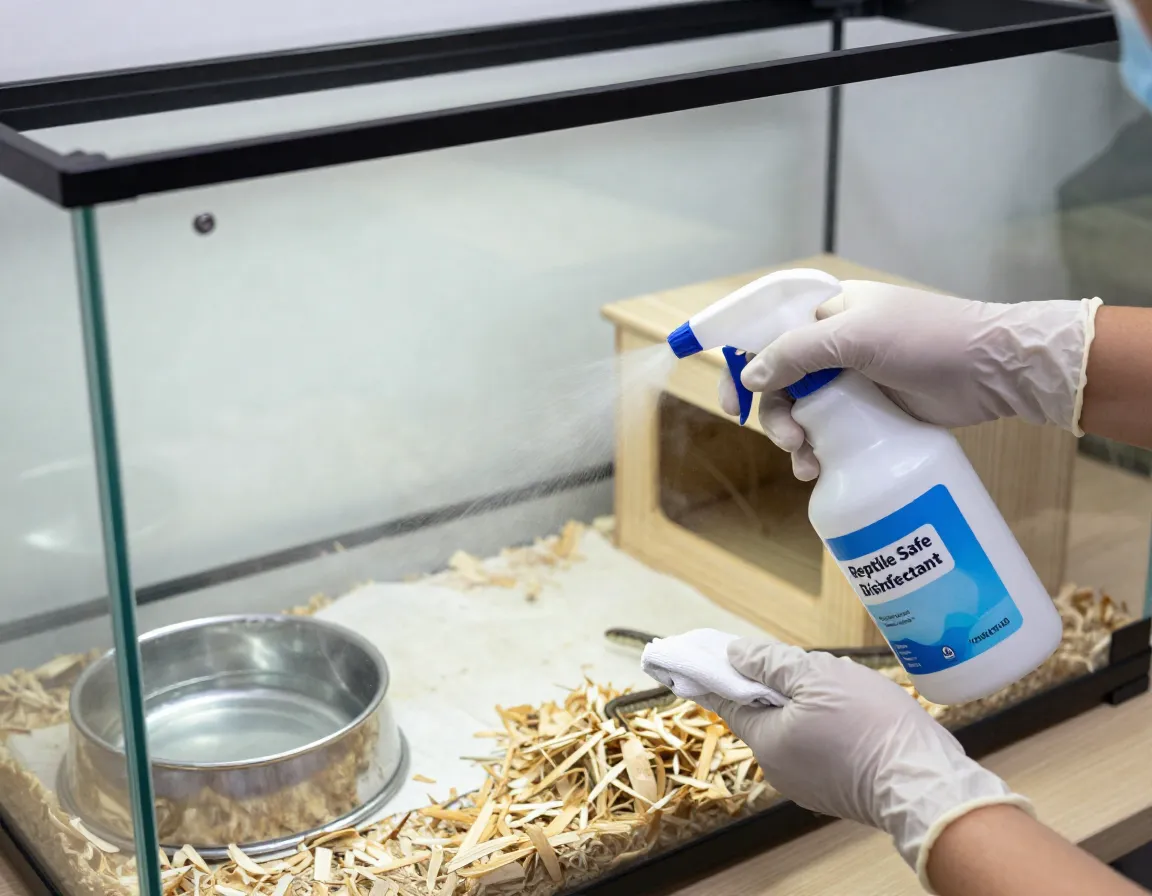
The fifth step involves establishing thorough cleaning routines that maintain both enclosure hygiene and scale appearance.
Daily maintenance tasks:
- Spot clean any waste immediately
- Check water quality and replace if necessary
- Monitor humidity levels and adjust as needed
- Inspect snake for any health concerns
Weekly deep cleaning:
- Remove and replace soiled substrate areas
- Clean water bowl with reptile-safe disinfectant
- Wipe down glass surfaces and decorations
- Check hide boxes for cleanliness
Monthly comprehensive cleaning:
- Complete substrate change with fresh material
- Disinfect entire enclosure using reptile-safe products
- Deep clean all decorations and furniture
- Inspect equipment for proper function
Cleaning product guidelines:
- Reptile-safe disinfectants only
- Avoid harsh chemicals that can leave residues
- Rinse thoroughly after cleaning
- Allow complete drying before returning snake
6. Optimizing Feeding and Nutrition
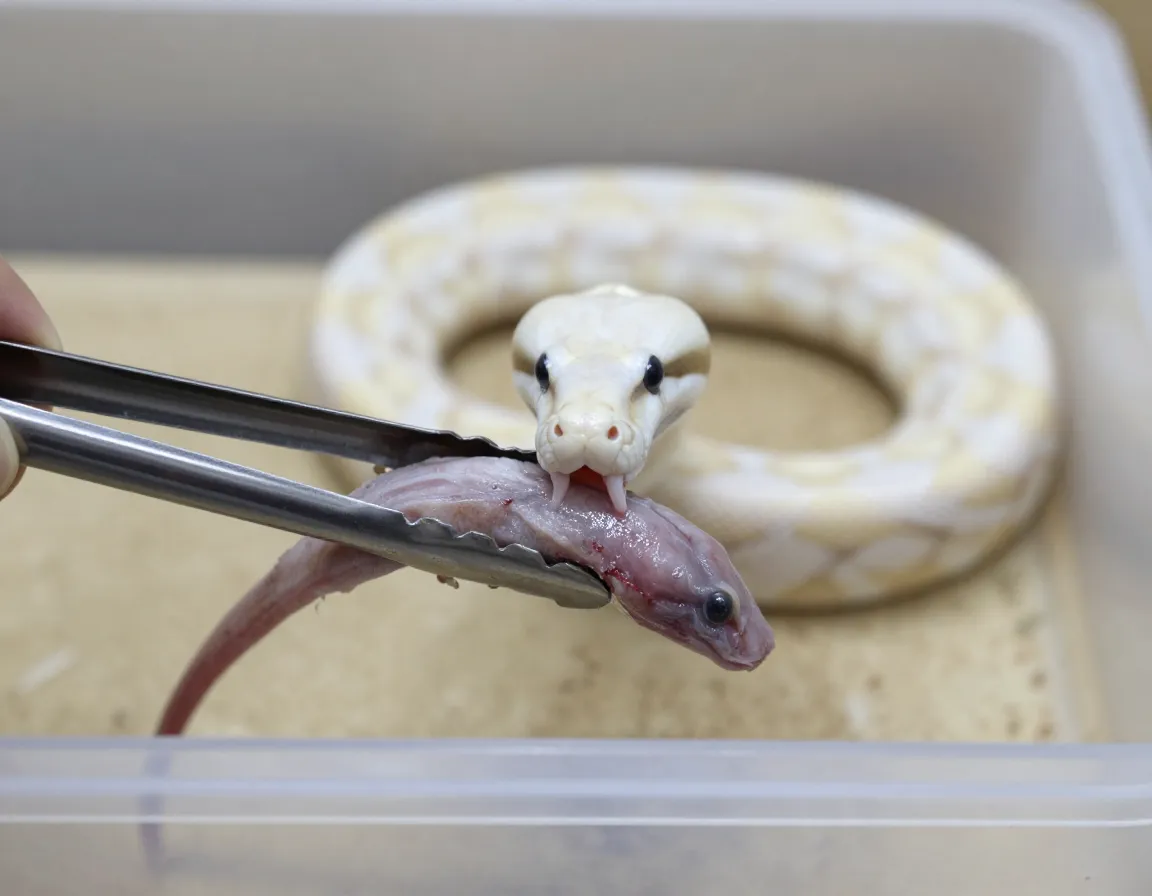
Proper nutrition management forms the sixth crucial step, as diet directly impacts scale health and overall appearance.
Feeding schedule recommendations:
- Juveniles: Every 5-7 days
- Sub-adults: Every 7-10 days
- Adults: Every 10-14 days
- Breeding females: Adjusted schedule during breeding season
Prey size guidelines:
- Appropriate diameter: Slightly larger than snake’s thickest point
- Weight ratio: 10-15% of snake’s body weight
- Avoid overfeeding: Can lead to regurgitation and stress
Feeding best practices:
- Use feeding tongs to maintain safe distance
- Feed in separate container to prevent substrate ingestion
- Monitor feeding response for health indicators
- Allow proper digestion time before handling
Nutritional supplements:
- Calcium dusting: Occasionally for growing animals
- Vitamin supplements: Rarely needed with proper whole prey diet
- Consult veterinarian: For specific nutritional concerns
Advanced Presentation and Display
7. Creating Stunning Display Environments
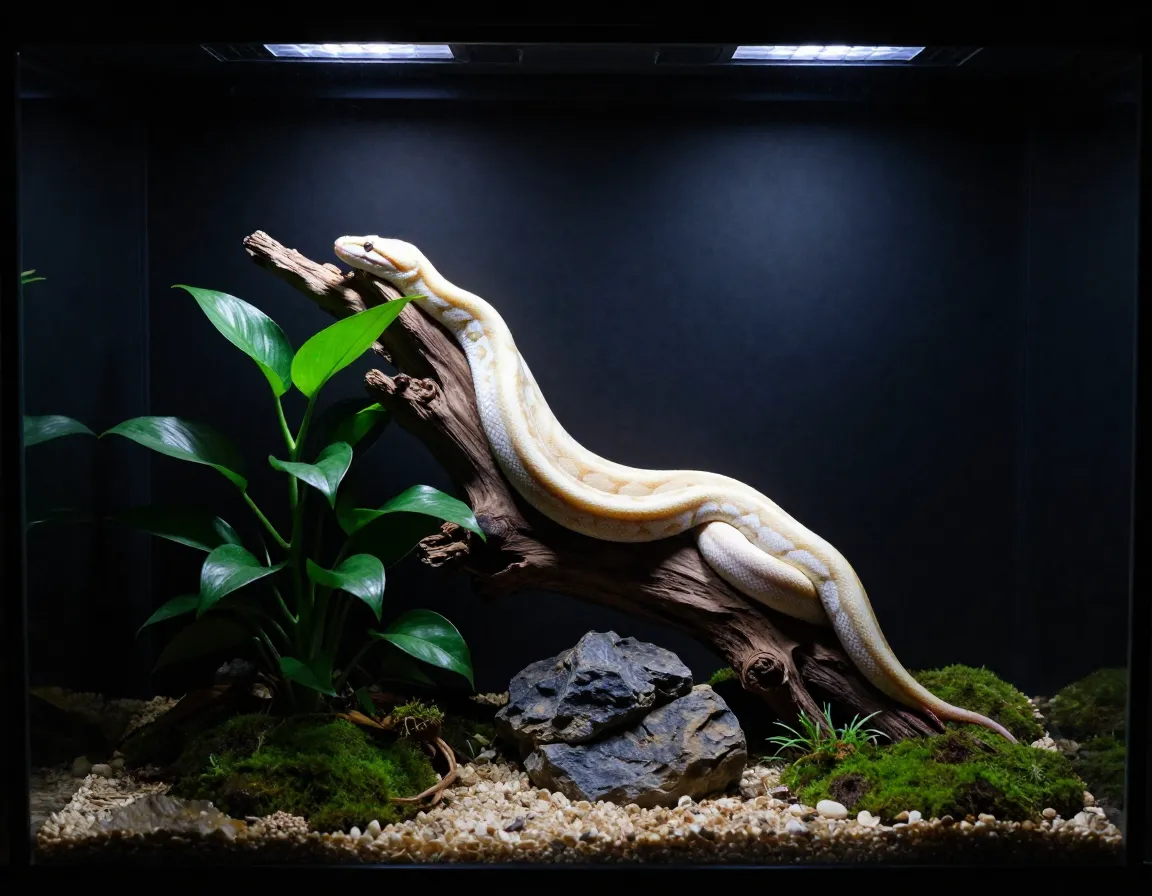
The final step in the 7 Steps to Showcase Your Ball Python Ivory’s Pristine White Scales involves designing display setups that highlight the snake’s natural beauty while maintaining proper husbandry standards.
Enclosure aesthetics:
- Color coordination: Choose backgrounds that complement white scales
- Natural elements: Incorporate branches, plants, and rocks
- Lighting design: Create dramatic but functional illumination
- Clean lines: Maintain organized, professional appearance
Background selection strategies:
- Dark backgrounds: Make white scales appear more luminous
- Natural textures: Add visual interest without distraction
- Gradient effects: Create depth and dimension
- Avoid busy patterns: Keep focus on the snake
Decorative element choices:
- Natural wood: Provides climbing opportunities and visual appeal
- Live plants: Add natural beauty and help maintain humidity
- Rock formations: Create interesting basking and hiding spots
- Artificial decorations: Choose high-quality, realistic options
Photography setup optimization:
- Removable elements: Allow for easy photography access
- Multiple viewing angles: Design for various photographic perspectives
- Lighting flexibility: Install adjustable lighting systems
- Clean maintenance: Ensure easy access for regular cleaning
Troubleshooting Common Scale Issues
Addressing scale problems before they impact appearance:
Stuck shed prevention:
- Maintain proper humidity during shedding cycles
- Provide rough surfaces for natural shed removal
- Monitor shedding progress closely
- Assist carefully if necessary with veterinary guidance
Scale rot prevention:
- Ensure dry areas within the enclosure
- Maintain clean substrate free from excess moisture
- Provide proper ventilation to prevent stagnant air
- Address immediately any signs of bacterial infection
Stress-related issues:
- Minimize handling during sensitive periods
- Maintain consistent environment with stable parameters
- Provide adequate hiding spots for security
- Monitor feeding response as stress indicator
Seasonal Considerations and Adjustments
Adapting care throughout the year:
Winter months (December-February):
- Slightly lower temperatures may be appropriate
- Reduced feeding frequency for adults
- Monitor for seasonal behavior changes
- Maintain consistent lighting schedules
Spring preparation (March-May):
- Gradually increase feeding frequency
- Monitor for breeding behaviors if applicable
- Prepare for increased activity levels
- Check equipment for proper function
Summer management (June-August):
- Monitor ambient temperatures carefully
- Ensure adequate ventilation during hot weather
- Maintain humidity levels despite air conditioning
- Provide cooling options if necessary
Fall transition (September-November):
- Prepare for potential feeding slowdowns
- Monitor weight and body condition
- Adjust lighting cycles for shorter days
- Plan for heating system checks
Conclusion
Successfully implementing the 7 Steps to Showcase Your Ball Python Ivory’s Pristine White Scales requires dedication, attention to detail, and consistent application of proper husbandry principles. From establishing optimal environmental conditions and strategic lighting to mastering gentle handling techniques and creating stunning display environments, each step builds upon the previous to create a comprehensive care approach that highlights the natural beauty of these remarkable animals.
The pristine white scales of an ivory ball python represent more than just aesthetic appeal – they serve as indicators of overall health, proper care, and successful husbandry practices. By following these detailed guidelines, keepers can ensure their ivory ball pythons not only maintain their stunning appearance but thrive in captivity while serving as ambassadors for responsible reptile keeping.
Take action today by evaluating your current setup against these seven steps. Start with environmental conditions and work through each element systematically. Remember that consistency and patience yield the best results when caring for these magnificent serpents.
Next steps include:
- Assess your current enclosure setup and identify areas for improvement
- Invest in quality lighting and photography equipment for proper documentation
- Establish regular maintenance routines that support long-term scale health
- Connect with experienced keepers and veterinary professionals for ongoing support
- Document your progress through regular photography and health monitoring
The journey of showcasing your ball python ivory’s pristine white scales becomes a rewarding experience that deepens the bond between keeper and snake while contributing to the broader appreciation of these incredible animals in the reptile community.